
Manyara’s Secret
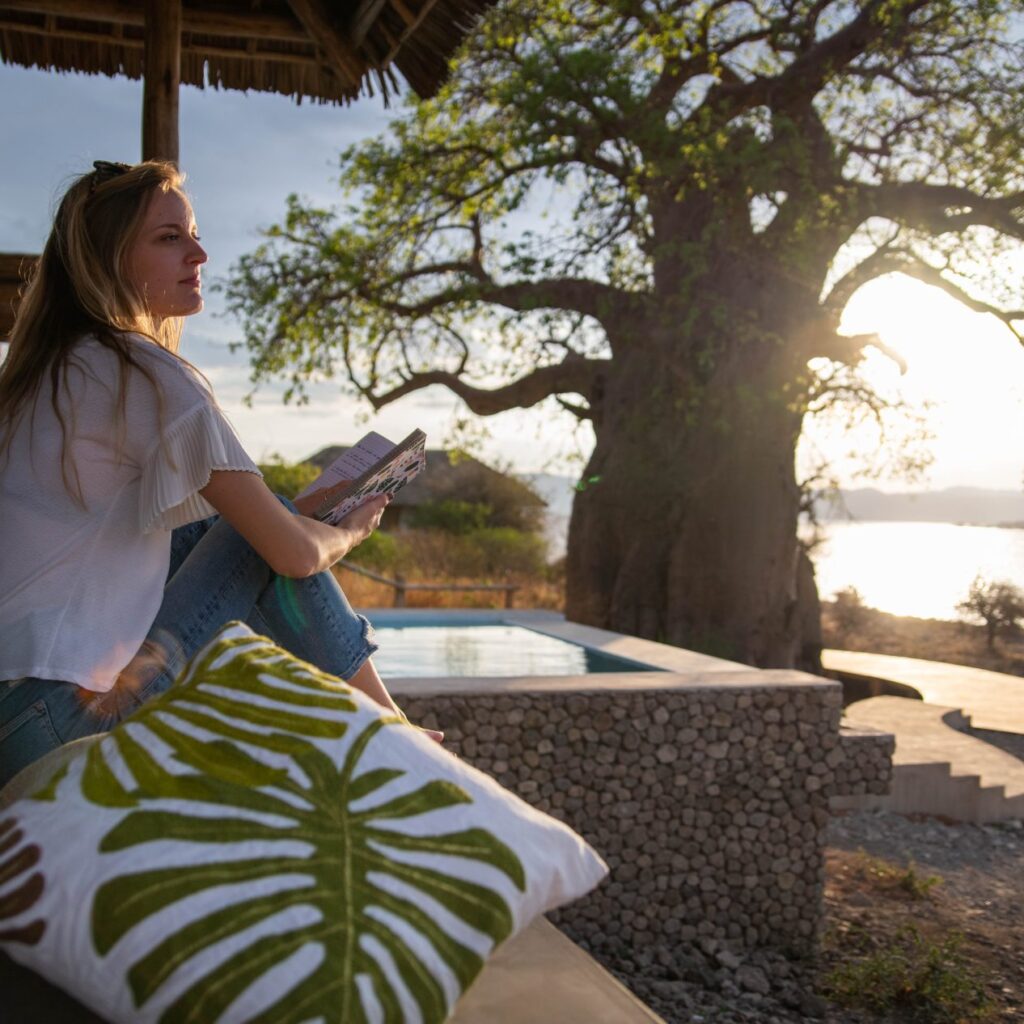
There is a place in Tanzania with stunning views of Lake Manyara. Manyara’s Secret is really quite lucky. We are one of the few places, where every now and then, you can catch sight of tree-climbing lions. This is not something you’ll ever forget and certainly not to be missed. In Lake Manyara National Park elephants abound and there is a huge diversity and variety of birds. So if wildlife is your thing you have certainly found the right place. From Manyara’s Secret, an exclusive boutique lodge, there is an array of activities that you can enjoy from simply, taking a swim or sitting on the terrace and reading a book to actually going on safari. You can shower under the sky or sleep under the “upside-down tree of the African plain”, the Baobab Tree. Activities Manyara’s Secret Lake Manyara Tour Explore Lake Manyara Sunrise See all the possible shades of pink blooming over the golden sunrise Bush Breakfast Have a most delicious breakfast in a wilderness setting! Accommodation options at Manyara’s Secret Private Villa One double room with en-suite bathroom, plunge pool, outdoor shower, terrace Bed Type | 1 King bed or two single beds Area | Manyara Full Board Savanna Villa Two double rooms with en-suite bathrooms, plunge pool, outdoor shower, terrace Bed Type | Double Bed,Suit Area | Manyara Full Board Safari Villa Three double rooms with en-suite bathrooms, plunge pool, outdoor shower, terrace Bed Type | Triple Bed,Suit Area | Manyara Full Board Baobab Villa Four double rooms with en-suite bathrooms, plunge pool, outdoor shower, terrace Bed Type | Four Bed,Suit Area | Manyara Full Board Manyara’s Secret in Tanzania Prices for your chosen travel dates may vary depending on the season of travel. Please feel free to reach out to us for more information on the final price. Request A free Quote Facilities Bedclothes Vanity basin Lounge Area Writing desk Private shower En-suite bathroom Dining Tent Power stations in public areas Free Wi-Fi in public areas Welcome Drink on Arrival Manyara’s Secret on the map At the end of a wonderful day you can look forward to a delicious menu that is nothing short of delightful. Later you can relax in a bed of supreme luxury. Our service is more than special but you decide what you want and when you want it. On arrival your host awaits you, the host will ensure that all your needs are met. Your host is your point of contact for all that you might need or wish for as long as you reside with us. Luxury Safari Accommodations in Ngorongoro Crater Ngorongoro Serena Safari Lodge A renowned accommodation nestled on the rim of the breathtaking Ngorongoro Crater in Tanzania. Read More Ngorongoro Lodge Meliá Collection The Meliá Ngorongoro Lodge is known for its elegant design and warm hospitality. The lodge features a variety of luxury rooms… Read More andBeyond Ngorongoro Crater Lodge A luxurious safari lodge located on the rim of the magnificent Ngorongoro Crater in Tanzania. Known for its breathtaking views and opulent… Read More Ngorongoro Sopa Lodge Well-established safari lodge located on the eastern rim of the Ngorongoro Crater in Tanzania. Surrounded by lush greenery, the lodge offers comfortable accommodations… Read More Sanctuary Ngorongoro Crater Camp A luxurious tented camp nestled in the Ngorongoro Conservation Area of Tanzania. Situated on the rim of the magnificent… Read More Ngorongoro Rhino Lodge A rustic and affordable accommodation option located near the Ngorongoro Conservation Area in Tanzania… Read More Entamanu Safari Camp An exclusive and intimate safari camp situated in the Ngorongoro Conservation Area of Tanzania… Read More Ngorongoro Tented Camp A charming and intimate Tented safari Camp located in the Ngorongoro Conservation Area of Tanzania… Read More The Highlands Lodge Unique and eco-friendly safari lodge located in the Ngorongoro Conservation Area of Tanzania. Situated on the slopes… Read More Lions Paw Ngorongoro The Lion Paw’s Camps is nestled in a forest of Red Thorn Acacia trees, atop the eastern rim of the Ngorongoro Crater with mesmerizing views of the crater. Read More Embalakai Authentic Camps A collection of luxury tented camps located in the prime wildlife destinations of Tanzania… Read More Ang’ata Ngorongoro camp Collection of luxury tented camps situated in Ngorongoro crater. Each camp offers a unique and immersive safari… Read More
Eileen’s Trees Inn
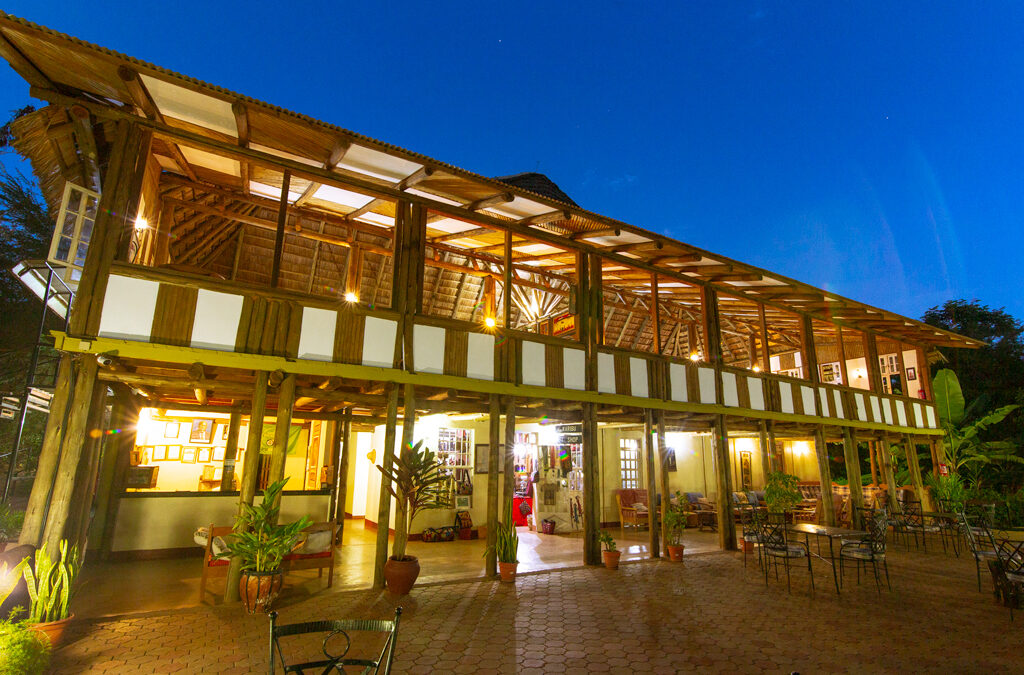
Welcome to Eileen’s Tree Inn is a charming lodge located in the Karatu area, ideal for travelers exploring Tanzania’s northern safari circuit. Nestled near Ngorongoro Crater, it offers a peaceful retreat surrounded by lush gardens and towering trees. The inn features spacious, comfortable rooms with modern amenities, including en-suite bathrooms and private verandas. Guests can relax by the pool or enjoy local and international cuisine at the on-site restaurant. Eileen’s Tree Inn is also known for its warm hospitality and personalized service, making it a perfect base for safari-goers heading to Ngorongoro, Serengeti, and Lake Manyara. Its serene atmosphere and proximity to major attractions make it a favorite among travelers seeking comfort and convenience during their Tanzanian adventure. Activities Eileen’s Trees Inn No Hot air balloon safari No Float above the endless grasslands as the sun rises over Lake Manyara Sundowners See all the possible shades of pink blooming over the golden Manyara lake. Bush Breakfast Have a most delicious breakfast in a wilderness setting! Accommodation options at Eileen’s Trees Inn We have 25 rooms En suite single, double, triple and family room is possible on request, our rooms are spacious and comfortable privately situated throughout lush gardens. Standard Room Treat yourself to one of the best experiences in Tanzania with the best Accommodation. The trip you’ve always dreamed of! Bed Type | 1 King bed or two single beds Area | Lodge in Karatu District, Tanzania Full Board Double (Family) Room This bigger room with two bedrooms will be suitable for families with 2-3 children or two couples traveling together. Each bedroom features an indoor sitting area with a day bed and armchairs. Bed Type | Double Bed,Suit Area | Serengeti Full Board Twin Room This bigger room with two bedrooms will be suitable for families with 2-3 children or two couples traveling together. Each bedroom features an indoor sitting area with a day bed and armchairs. Bed Type | Triple Bed,Suit Area | Serengeti Full Board Eileen’s Trees Inn in Tanzania Prices for your chosen travel dates may vary depending on the season of travel. Please feel free to reach out to us for more information on the final price. Request A free Quote Facilities Bedclothes Vanity basin Lounge Area Writing desk Private shower En-suite bathroom Dining Tent Power stations in public areas Free Wi-Fi in public areas Welcome Drink on Arrival Eileen’s Trees Inn location Located just on the edge of Karatu town. Simplicity and service is the hallmark for our country lodge set in beautiful treed gardens surrounding the lovely pool. Safari lodges and tented camps Ngorongoro Serena Safari Lodge A renowned accommodation nestled on the rim of the breathtaking Ngorongoro Crater in Tanzania. Read More Ngorongoro Lodge Meliá Collection The Meliá Ngorongoro Lodge is known for its elegant design and warm hospitality. The lodge features a variety of luxury rooms… Read More andBeyond Ngorongoro Crater Lodge A luxurious safari lodge located on the rim of the magnificent Ngorongoro Crater in Tanzania. Known for its breathtaking views and opulent… Read More Ngorongoro Sopa Lodge Well-established safari lodge located on the eastern rim of the Ngorongoro Crater in Tanzania. Surrounded by lush greenery, the lodge offers comfortable accommodations… Read More Sanctuary Ngorongoro Crater Camp A luxurious tented camp nestled in the Ngorongoro Conservation Area of Tanzania. Situated on the rim of the magnificent… Read More Ngorongoro Rhino Lodge A rustic and affordable accommodation option located near the Ngorongoro Conservation Area in Tanzania… Read More Entamanu Safari Camp An exclusive and intimate safari camp situated in the Ngorongoro Conservation Area of Tanzania… Read More Ngorongoro Tented Camp A charming and intimate Tented safari Camp located in the Ngorongoro Conservation Area of Tanzania… Read More The Highlands Lodge Unique and eco-friendly safari lodge located in the Ngorongoro Conservation Area of Tanzania. Situated on the slopes… Read More Lions Paw Ngorongoro The Lion Paw’s Camps is nestled in a forest of Red Thorn Acacia trees, atop the eastern rim of the Ngorongoro Crater with mesmerizing views of the crater. Read More Embalakai Authentic Camps A collection of luxury tented camps located in the prime wildlife destinations of Tanzania… Read More Ang’ata Ngorongoro camp Collection of luxury tented camps situated in Ngorongoro crater. Each camp offers a unique and immersive safari… Read More
Robin’s Safari Camp
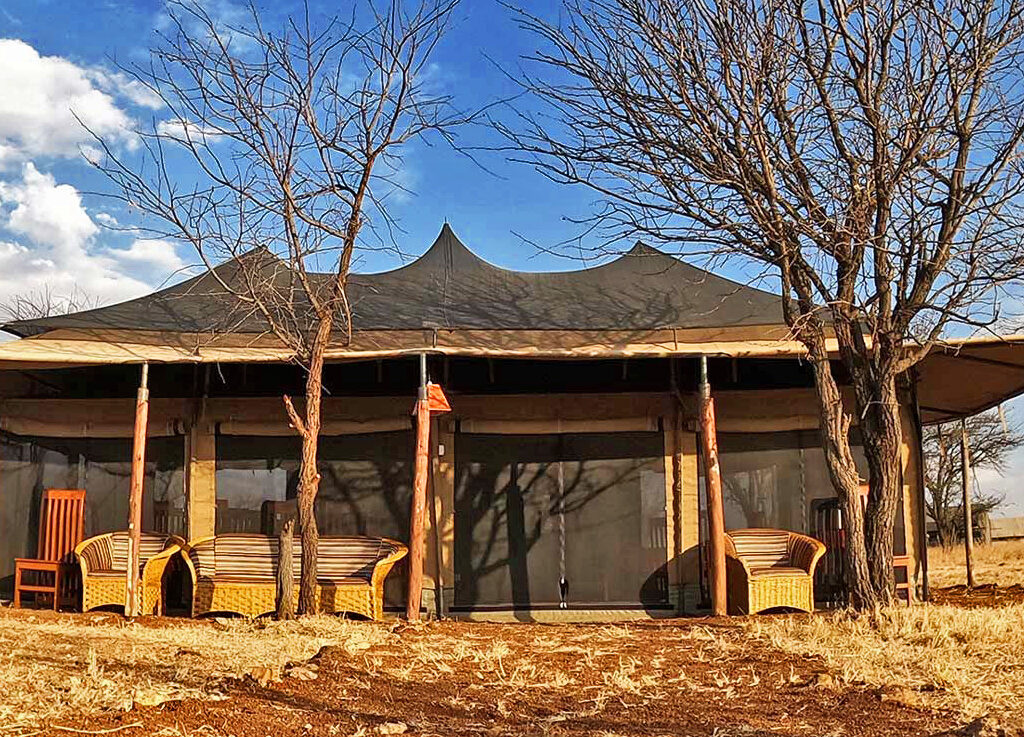
The Robin Safari Camp emerges as a serene haven and an ideal launching point within the central region of Serengeti National Park. Nestled along the banks of the Orangi River, this camp graces a truly remarkable setting. It is where opulence intertwines with an unforgettable safari experience in the heart of Serengeti National Park. Exquisite tented suites offer a remarkable vantage point, unveiling the awe-inspiring panorama of Serengeti National Park. Robin Safari Camp has garnered renown for its unwavering refinement and captivating allure. In a bygone era, this very location served as a German and later a British gold mining station, embodying a rich legacy of luxurious indulgence akin to the spirit of “Out of Africa.” Amidst nature’s breathtaking splendor, absolute tranquility reigns supreme. Activities Robins Safari Camp No Hot air balloon safari No Float above the endless grasslands as the sun rises over Ngorongoro Sundowners See all the possible shades of pink blooming over the golden Ngorongoro crater. Bush Breakfast Have a most delicious breakfast in a wilderness setting! Accommodation options at Robins Safari Camp Double (Family) Room This bigger room with two bedrooms will be suitable for families with 2-3 children or two couples traveling together. Each bedroom features an indoor sitting area with a day bed and armchairs. Bed Type | Double Bed,Suit Area | Serengeti Full Board Twin Room This bigger room with two bedrooms will be suitable for families with 2-3 children or two couples traveling together. Each bedroom features an indoor sitting area with a day bed and armchairs. Bed Type | Double Bed,Suit Area | Serengeti Full Board Robins Safari Camp in Tanzania Prices for your chosen travel dates may vary depending on the season of travel. Please feel free to reach out to us for more information on the final price. Request A free Quote Facilities Bedclothes Vanity basin Lounge Area Writing desk Private shower En-suite bathroom Dining Tent Power stations in public areas Free Wi-Fi in public areas Welcome Drink on Arrival Robins Safari Camp on the map Use our spacious and comfortable lounge and dining areas for a variety of activities, such as sharing photos and stories from your safari with family and friends, watching herds of elephants stride across the area through binoculars, or gathering soulfully to eat and drink over a campfire under the African starry night. Robin safari Camp consists of 12 spacious luxury tents, and two family suites. These flourishing rooms are designed to make you feel at home in the wild, with thin canvas walls that allow you to sleep and wake to the sounds of the wild Serengeti just outside your door. Luxury Safari Accommodations in Ngorongoro Crater Ngorongoro Serena Safari Lodge A renowned accommodation nestled on the rim of the breathtaking Ngorongoro Crater in Tanzania. Read More Ngorongoro Lodge Meliá Collection The Meliá Ngorongoro Lodge is known for its elegant design and warm hospitality. The lodge features a variety of luxury rooms… Read More andBeyond Ngorongoro Crater Lodge A luxurious safari lodge located on the rim of the magnificent Ngorongoro Crater in Tanzania. Known for its breathtaking views and opulent… Read More Ngorongoro Sopa Lodge Well-established safari lodge located on the eastern rim of the Ngorongoro Crater in Tanzania. Surrounded by lush greenery, the lodge offers comfortable accommodations… Read More Sanctuary Ngorongoro Crater Camp A luxurious tented camp nestled in the Ngorongoro Conservation Area of Tanzania. Situated on the rim of the magnificent… Read More Ngorongoro Rhino Lodge A rustic and affordable accommodation option located near the Ngorongoro Conservation Area in Tanzania… Read More Entamanu Safari Camp An exclusive and intimate safari camp situated in the Ngorongoro Conservation Area of Tanzania… Read More Ngorongoro Tented Camp A charming and intimate Tented safari Camp located in the Ngorongoro Conservation Area of Tanzania… Read More The Highlands Lodge Unique and eco-friendly safari lodge located in the Ngorongoro Conservation Area of Tanzania. Situated on the slopes… Read More Lions Paw Ngorongoro The Lion Paw’s Camps is nestled in a forest of Red Thorn Acacia trees, atop the eastern rim of the Ngorongoro Crater with mesmerizing views of the crater. Read More Embalakai Authentic Camps A collection of luxury tented camps located in the prime wildlife destinations of Tanzania… Read More Ang’ata Ngorongoro camp Collection of luxury tented camps situated in Ngorongoro crater. Each camp offers a unique and immersive safari… Read More
Ngorongoro Coffee Lodge

Ngorongoro Coffee Lodge is nestled up against the Ngorongoro Forest Reserve offering stunning views over a working coffee plantation onto the forest. Twenty-six cottages, including three two-room family suites, comprise spacious accommodation with hand crafted furniture, a private verandah, fireplace, indoor and outdoor shower and a ‘slipper’ bath tub. Each room has two large beds, a seating area, writing desk and chair plus ample closet space. Activities Ngorongoro Coffee Lodge Bridwatching A bird lover’s paradise, with over 500 bird species recorded in the area Sundowners See all the possible shades of pink blooming over the golden Ngorongoro crater. Bush Breakfast Have a most delicious breakfast in a wilderness setting! Accommodation options at Ngorongoro Coffee Lodge Our spacious rooms are situated in ten double cottages. Each room has a king bed plus an additional queen size bed, all under mosquito netting, making each room suitable for either twin or double occupancy. There is a dressing area, a fireplace, sitting area and a writing desk. The large bathrooms have both slipper style bathtubs and a shower plus there is an adjoining outdoor shower as well. Through the French doors guests access their private veranda with views over the coffee estate and majestic Ngorongoro Forest. Additionally, three family suites comprise six adjoining rooms suitable for large families, sleeping up to six people in each suite. Standard / Honeymoon Room Treat yourself to one of the best experiences in Tanzania with the best Accommodation. The trip you’ve always dreamed of! Bed Type | 1 King bed or two single beds Area | Serengeti Full Board Double (Family) Room This bigger room with two bedrooms will be suitable for families with 2-3 children or two couples traveling together. Each bedroom features an indoor sitting area with a day bed and armchairs. Bed Type | Double Bed,Suit Area | Serengeti Full Board Twin Room This bigger room with two bedrooms will be suitable for families with 2-3 children or two couples traveling together. Each bedroom features an indoor sitting area with a day bed and armchairs. Bed Type | Double Bed,Suit Area | Serengeti Full Board Ngorongoro Coffee Lodge in Tanzania Prices for your chosen travel dates may vary depending on the season of travel. Please feel free to reach out to us for more information on the final price. Request A free Quote Facilities Bedclothes Vanity basin Lounge Area Writing desk Private shower En-suite bathroom Dining Tent Power stations in public areas Free Wi-Fi in public areas Welcome Drink on Arrival Ngorongoro Coffee Lodge on the map Ngorongoro Coffee Lodge is nestled up against the Ngorongoro Forest Reserve offering stunning views over a working coffee plantation onto the forest. Catering to safari visitors, Ngorongoro Coffee Lodge is located between the villages of Rhotia and Karatu on the northern Tanzania safari circuit. The luxurious lodge is well situated for visiting Ngorongoro Crater and Lake Manyara National Park. Luxury Safari Accommodations in Ngorongoro Crater Ngorongoro Serena Safari Lodge A renowned accommodation nestled on the rim of the breathtaking Ngorongoro Crater in Tanzania. Read More Ngorongoro Lodge Meliá Collection The Meliá Ngorongoro Lodge is known for its elegant design and warm hospitality. The lodge features a variety of luxury rooms… Read More andBeyond Ngorongoro Crater Lodge A luxurious safari lodge located on the rim of the magnificent Ngorongoro Crater in Tanzania. Known for its breathtaking views and opulent… Read More Ngorongoro Sopa Lodge Well-established safari lodge located on the eastern rim of the Ngorongoro Crater in Tanzania. Surrounded by lush greenery, the lodge offers comfortable accommodations… Read More Sanctuary Ngorongoro Crater Camp A luxurious tented camp nestled in the Ngorongoro Conservation Area of Tanzania. Situated on the rim of the magnificent… Read More Ngorongoro Rhino Lodge A rustic and affordable accommodation option located near the Ngorongoro Conservation Area in Tanzania… Read More Entamanu Safari Camp An exclusive and intimate safari camp situated in the Ngorongoro Conservation Area of Tanzania… Read More Ngorongoro Tented Camp A charming and intimate Tented safari Camp located in the Ngorongoro Conservation Area of Tanzania… Read More The Highlands Lodge Unique and eco-friendly safari lodge located in the Ngorongoro Conservation Area of Tanzania. Situated on the slopes… Read More Lions Paw Ngorongoro The Lion Paw’s Camps is nestled in a forest of Red Thorn Acacia trees, atop the eastern rim of the Ngorongoro Crater with mesmerizing views of the crater. Read More Embalakai Authentic Camps A collection of luxury tented camps located in the prime wildlife destinations of Tanzania… Read More Ang’ata Ngorongoro camp Collection of luxury tented camps situated in Ngorongoro crater. Each camp offers a unique and immersive safari… Read More
Bougainvillea Safari Lodge
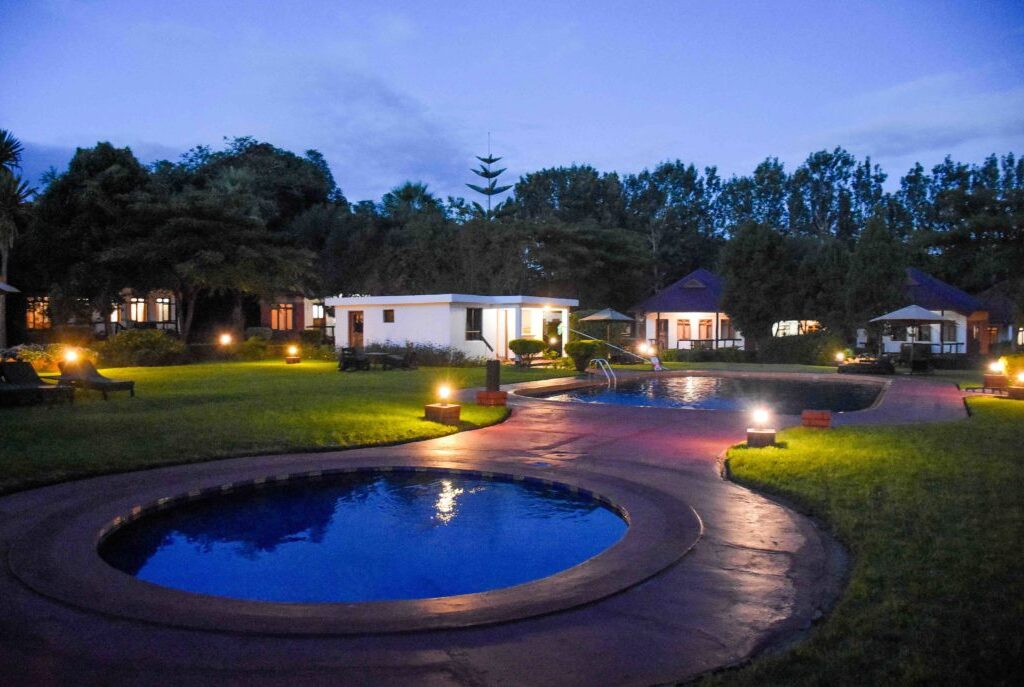
Discover Bougainvillea Safari Lodge is a charming accommodation located near Karatu, Tanzania, just a short drive from the Ngorongoro Crater. The lodge offers a peaceful retreat with lush gardens, comfortable cottages, and warm hospitality. Each cottage is designed with rustic charm and features modern amenities like en-suite bathrooms, cozy beds, and private verandas overlooking the gardens. The lodge provides a relaxed atmosphere, perfect for unwinding after a day of safari adventures. Guests can enjoy delicious meals made from fresh, local ingredients in the open-air dining area. There’s also a swimming pool for cooling off and a lounge where guests can relax. Its location makes it an excellent base for exploring nearby attractions like the Ngorongoro Crater, Lake Manyara, and Tarangire National Park. Bougainvillea Safari Lodge offers a great blend of comfort and proximity to Tanzania’s top wildlife destinations. Activities Bougainvillea Safari Lodge No Hot air balloon safari No Float above the endless grasslands as the sun rises over Ngorongoro Sundowners See all the possible shades of pink blooming over the golden Ngorongoro crater. Bush Breakfast Have a most delicious breakfast in a wilderness setting! Accommodation options at Bougainvillea Safari Lodge Standard Room Treat yourself to one of the best experiences in Tanzania with the best Accommodation. The trip you’ve always dreamed of! Bed Type | 1 King bed or two single beds Area | Serengeti Full Board Double (Family) Room This bigger room with two bedrooms will be suitable for families with 2-3 children or two couples traveling together. Each bedroom features an indoor sitting area with a day bed and armchairs. Bed Type | Double Bed,Suit Area | Serengeti Full Board Twin Room This bigger room with two bedrooms will be suitable for families with 2-3 children or two couples traveling together. Each bedroom features an indoor sitting area with a day bed and armchairs. Bed Type | Double Bed,Suit Area | Serengeti Full Board Bougainvillea Safari Lodge in Tanzania Prices for your chosen travel dates may vary depending on the season of travel. Please feel free to reach out to us for more information on the final price. Request A free Quote Facilities Bedclothes Vanity basin Lounge Area Writing desk Private shower En-suite bathroom Dining Tent Power stations in public areas Free Wi-Fi in public areas Welcome Drink on Arrival Bougainvillea Safari Lodge on the map We have thirty-two cottages set throughout our lushly landscaped property. Ten rooms in five double cottages are located in our coffee garden. The rest of the rooms are located surrounding the pool area. Each cosy room has mosquito-netted king or twin beds, dressing area, a fireplace, large bathroom with shower and a veranda from which to enjoy the views of our lush tropical gardens. Triples are possible with prior notice and two of the cottages can be used as family suites, with connecting rooms. Luxury Safari Accommodations in Ngorongoro Crater Ngorongoro Serena Safari Lodge A renowned accommodation nestled on the rim of the breathtaking Ngorongoro Crater in Tanzania. Read More Ngorongoro Lodge Meliá Collection The Meliá Ngorongoro Lodge is known for its elegant design and warm hospitality. The lodge features a variety of luxury rooms… Read More andBeyond Ngorongoro Crater Lodge A luxurious safari lodge located on the rim of the magnificent Ngorongoro Crater in Tanzania. Known for its breathtaking views and opulent… Read More Ngorongoro Sopa Lodge Well-established safari lodge located on the eastern rim of the Ngorongoro Crater in Tanzania. Surrounded by lush greenery, the lodge offers comfortable accommodations… Read More Sanctuary Ngorongoro Crater Camp A luxurious tented camp nestled in the Ngorongoro Conservation Area of Tanzania. Situated on the rim of the magnificent… Read More Ngorongoro Rhino Lodge A rustic and affordable accommodation option located near the Ngorongoro Conservation Area in Tanzania… Read More Entamanu Safari Camp An exclusive and intimate safari camp situated in the Ngorongoro Conservation Area of Tanzania… Read More Ngorongoro Tented Camp A charming and intimate Tented safari Camp located in the Ngorongoro Conservation Area of Tanzania… Read More The Highlands Lodge Unique and eco-friendly safari lodge located in the Ngorongoro Conservation Area of Tanzania. Situated on the slopes… Read More Lions Paw Ngorongoro The Lion Paw’s Camps is nestled in a forest of Red Thorn Acacia trees, atop the eastern rim of the Ngorongoro Crater with mesmerizing views of the crater. Read More Embalakai Authentic Camps A collection of luxury tented camps located in the prime wildlife destinations of Tanzania… Read More Ang’ata Ngorongoro camp Collection of luxury tented camps situated in Ngorongoro crater. Each camp offers a unique and immersive safari… Read More
Sangaiwe Tented Lodge

Sangaiwe Tented Lodge is situated across forty acres of hillside wooded with beautiful trees, including indigenous African hardwoods. The local villagers, who’ve entrusted the land to us, have kept it untouched for posterity. Building was done in a fashion to minimize disruption to the environment. The sun heats the hot water for the entire lodge and we’ve landscaped with mostly indigenous plants to minimize water usage. Our staff members are well trained and anxious to cater to your every need. We think you’ll find our friendly, authentic service among the best you’ll come across in Tanzania. Karibu! Activities Sangaiwe Tented Lodge No Hot air balloon safari No Float above the endless grasslands as the sun rises over Ngorongoro Sundowners See all the possible shades of pink blooming over the golden Ngorongoro crater. Bush Breakfast Have a most delicious breakfast in a wilderness setting! Accommodation options at Sangaiwe Tented Lodge Standard Room Treat yourself to one of the best experiences in Tanzania with the best Accommodation. The trip you’ve always dreamed of! Bed Type | 1 King bed or two single beds Area | Serengeti Full Board Double (Family) Room This bigger room with two bedrooms will be suitable for families with 2-3 children or two couples traveling together. Each bedroom features an indoor sitting area with a day bed and armchairs. Bed Type | Double Bed,Suit Area | Serengeti Full Board Twin Room This bigger room with two bedrooms will be suitable for families with 2-3 children or two couples traveling together. Each bedroom features an indoor sitting area with a day bed and armchairs. Bed Type | Double Bed,Suit Area | Serengeti Full Board Sangaiwe Tented Lodge in Tanzania Prices for your chosen travel dates may vary depending on the season of travel. Please feel free to reach out to us for more information on the final price. Request A free Quote Facilities Bedclothes Vanity basin Lounge Area Writing desk Private shower En-suite bathroom Dining Tent Power stations in public areas Free Wi-Fi in public areas Welcome Drink on Arrival Country Lodge Karatu on the map Eleven cottages house two rooms each. Both king sized beds and twin bedrooms are available and we also provide triple bedrooms. The rooms are tastefully furnished with soft lighting, inviting and comfortable beds, mosquito netting, bedside tables and lamps. On chilly nights in our highland setting, request your fireplace be lit and return from dinner to glowing warmth. Complete your safari journal and postcards at the writing desk, whilst looking out at our extensive garden of green lawns and colourful, tropical flowers. Your bathroom has been uniquely designed with beautiful local stone – refreshing, and cool below weary feet! Relax on our comfortable veranda furniture and enjoy the lush grounds, watch the sun rise or set before heading out on your safari or retiring to our main lodge for breakfast or drinks and dinner. Luxury Safari Accommodations in Ngorongoro Crater Ngorongoro Serena Safari Lodge A renowned accommodation nestled on the rim of the breathtaking Ngorongoro Crater in Tanzania. Read More Ngorongoro Lodge Meliá Collection The Meliá Ngorongoro Lodge is known for its elegant design and warm hospitality. The lodge features a variety of luxury rooms… Read More andBeyond Ngorongoro Crater Lodge A luxurious safari lodge located on the rim of the magnificent Ngorongoro Crater in Tanzania. Known for its breathtaking views and opulent… Read More Ngorongoro Sopa Lodge Well-established safari lodge located on the eastern rim of the Ngorongoro Crater in Tanzania. Surrounded by lush greenery, the lodge offers comfortable accommodations… Read More Sanctuary Ngorongoro Crater Camp A luxurious tented camp nestled in the Ngorongoro Conservation Area of Tanzania. Situated on the rim of the magnificent… Read More Ngorongoro Rhino Lodge A rustic and affordable accommodation option located near the Ngorongoro Conservation Area in Tanzania… Read More Entamanu Safari Camp An exclusive and intimate safari camp situated in the Ngorongoro Conservation Area of Tanzania… Read More Ngorongoro Tented Camp A charming and intimate Tented safari Camp located in the Ngorongoro Conservation Area of Tanzania… Read More The Highlands Lodge Unique and eco-friendly safari lodge located in the Ngorongoro Conservation Area of Tanzania. Situated on the slopes… Read More Lions Paw Ngorongoro The Lion Paw’s Camps is nestled in a forest of Red Thorn Acacia trees, atop the eastern rim of the Ngorongoro Crater with mesmerizing views of the crater. Read More Embalakai Authentic Camps A collection of luxury tented camps located in the prime wildlife destinations of Tanzania… Read More Ang’ata Ngorongoro camp Collection of luxury tented camps situated in Ngorongoro crater. Each camp offers a unique and immersive safari… Read More
Marera Valley Lodge
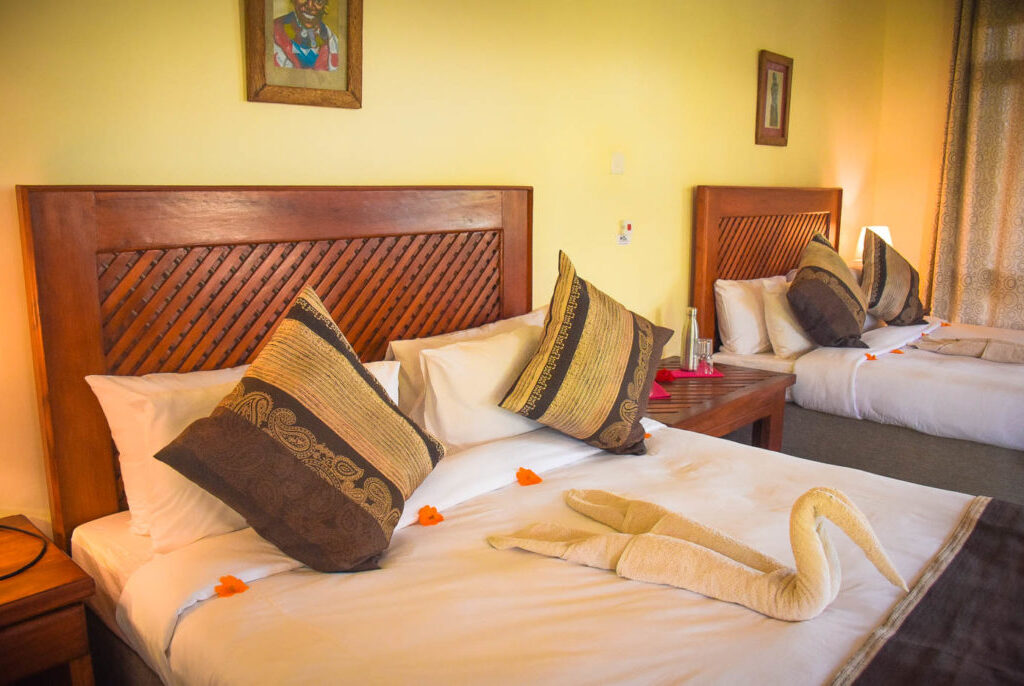
For a great place to stay – Karibu (Welcome to) Marera Valley Lodge! The newest addition to our group, Marera Valley Lodge is also near Karatu, closer to the village of Rhotia and very convenient to the main road with good access to Lake Manyara and Ngorongoro. This elegant lodge has stellar views over the valley. Marera Valley Lodge is located on the outskirts of Karatu town about midway between Lake Manyara and the Ngorongoro Crater. We look forward to your visit when we can offer you true Tanzanian hospitality and a warm welcome Activities Marera Valley Lodge No Hot air balloon safari No Float above the endless grasslands as the sun rises over Ngorongoro Sundowners See all the possible shades of pink blooming over the golden Ngorongoro crater. Bush Breakfast Have a most delicious breakfast in a wilderness setting! Accommodation options at Marera Valley Lodge Each cosy room has mosquito-netted king or twin beds, dressing area, a fireplace, large bathroom with shower and a veranda from which to enjoy the views of our lush tropical gardens. Triples are possible with prior notice and two of the cottages can be used as family suites, with connecting rooms. Standard Room Treat yourself to one of the best experiences in Tanzania with the best Accommodation. The trip you’ve always dreamed of! Bed Type | 1 King bed or two single beds Area | Serengeti Full Board Double (Family) Room This bigger room with two bedrooms will be suitable for families with 2-3 children or two couples traveling together. Each bedroom features an indoor sitting area with a day bed and armchairs. Bed Type | Double Bed,Suit Area | Serengeti Full Board Twin Room This bigger room with two bedrooms will be suitable for families with 2-3 children or two couples traveling together. Each bedroom features an indoor sitting area with a day bed and armchairs. Bed Type | Double Bed,Suit Area | Serengeti Full Board Marera Valley Lodge in Tanzania Prices for your chosen travel dates may vary depending on the season of travel. Please feel free to reach out to us for more information on the final price. Request A free Quote Facilities Bedclothes Vanity basin Lounge Area Writing desk Private shower En-suite bathroom Dining Tent Power stations in public areas Free Wi-Fi in public areas Welcome Drink on Arrival Marera Valley Lodge on the map At Bougainvillea Group of Lodges, expect nothing but the best. Our attentive staff, welcoming atmosphere, and locally sourced excellent cuisine ensure an unforgettable experience during your stay.Whether you’re seeking adventure, cultural encounters, or simply a peaceful retreat surrounded by nature, Bougainvillea Group of Lodges has something for everyone. Come, explore Tanzania with us and create memories to last a lifetime. Luxury Safari Accommodations in Ngorongoro Crater Ngorongoro Serena Safari Lodge A renowned accommodation nestled on the rim of the breathtaking Ngorongoro Crater in Tanzania. Read More Ngorongoro Lodge Meliá Collection The Meliá Ngorongoro Lodge is known for its elegant design and warm hospitality. The lodge features a variety of luxury rooms… Read More andBeyond Ngorongoro Crater Lodge A luxurious safari lodge located on the rim of the magnificent Ngorongoro Crater in Tanzania. Known for its breathtaking views and opulent… Read More Ngorongoro Sopa Lodge Well-established safari lodge located on the eastern rim of the Ngorongoro Crater in Tanzania. Surrounded by lush greenery, the lodge offers comfortable accommodations… Read More Sanctuary Ngorongoro Crater Camp A luxurious tented camp nestled in the Ngorongoro Conservation Area of Tanzania. Situated on the rim of the magnificent… Read More Ngorongoro Rhino Lodge A rustic and affordable accommodation option located near the Ngorongoro Conservation Area in Tanzania… Read More Entamanu Safari Camp An exclusive and intimate safari camp situated in the Ngorongoro Conservation Area of Tanzania… Read More Ngorongoro Tented Camp A charming and intimate Tented safari Camp located in the Ngorongoro Conservation Area of Tanzania… Read More The Highlands Lodge Unique and eco-friendly safari lodge located in the Ngorongoro Conservation Area of Tanzania. Situated on the slopes… Read More Lions Paw Ngorongoro The Lion Paw’s Camps is nestled in a forest of Red Thorn Acacia trees, atop the eastern rim of the Ngorongoro Crater with mesmerizing views of the crater. Read More Embalakai Authentic Camps A collection of luxury tented camps located in the prime wildlife destinations of Tanzania… Read More Ang’ata Ngorongoro camp Collection of luxury tented camps situated in Ngorongoro crater. Each camp offers a unique and immersive safari… Read More
Top 10 Reasons to Choose a Luxury Tanzania Safari

A luxury Tanzania safari is more than a holiday—it is an immersive, high-end African adventure designed for discerning travelers seeking exclusivity, comfort, and unforgettable wildlife experiences. From the endless plains of Serengeti National Park to the breathtaking caldera of Ngorongoro Crater, Tanzania offers world-class safari destinations combined with five-star lodges, private guides, and bespoke itineraries. Whether you are planning a luxury African safari honeymoon, family vacation, or private safari tour, Tanzania delivers unmatched elegance and authenticity. Expect luxury tented camps, fly-in safaris, personalized service, and seamless travel logistics. With “best luxury Tanzania safari,” “exclusive African safari packages,” and “premium safari experiences,” this destination ranks among the top choices globally. Every moment is curated—from sunrise game drives to sunset cocktails—ensuring your journey blends adventure, comfort, and unforgettable Luxury East African Safari memories in one of Africa’s most iconic safari landscapes. Reason 1: Unmatched Wildlife Encounters One of the top reasons to choose a luxury Tanzania safari is the unparalleled wildlife experience. Tanzania is home to the legendary Great Migration, where millions of wildebeest and zebras traverse the plains in a dramatic spectacle. In destinations like Serengeti National Park and Tarangire National Park, travelers enjoy front-row seats to Africa’s Big Five—lion, leopard, elephant, rhino, and buffalo. Luxury safaris enhance these encounters with expert guides, exclusive viewing areas, and fewer crowds. High-end safari vehicles provide comfort and optimal viewing, while knowledgeable guides ensure you don’t miss rare sightings, such as “best wildlife safari Tanzania,” “luxury African Big Five safari,” and “Serengeti wildlife experience” highlight the global appeal. Whether witnessing a predator hunt or a peaceful elephant herd, every moment feels intimate, authentic, and extraordinary, making Tanzania one of the best luxury safari destinations in Africa. Reason 2: Private Game Drives Private game drives are a defining feature of luxury Tanzania safari packages, offering exclusivity and flexibility unmatched by standard tours. Unlike group safaris, private drives allow you to explore iconic parks like Serengeti National Park and Lake Manyara National Park at your own pace. You decide when to depart, how long to stay at sightings, and what interests to prioritize—whether it’s photography, birdwatching, or tracking predators. With a dedicated guide and customized itinerary, your experience becomes deeply personal. Luxury safari vehicles come equipped with comfortable seating, refreshments, and open roofs for uninterrupted views, such as “private safari Tanzania,” “exclusive game drives Africa,” and “custom safari tours Tanzania” rank highly for travelers seeking privacy. This tailored approach ensures a more relaxed, immersive, and rewarding wildlife experience, perfect for honeymooners, families, and photographers looking for unique moments in the African wilderness. Reason 3: High-End Accommodation in Stunning Locations Luxury Tanzania safaris feature world-class accommodation set in breathtaking natural landscapes. From elegant lodges overlooking the plains of Serengeti National Park to crater-edge retreats near Ngorongoro Crater, every stay combines comfort with spectacular views. Guests enjoy spacious suites, private decks, infinity pools, and premium amenities that rival top global resorts. Luxury tented camps provide an authentic yet indulgent experience, blending nature with modern elegance like “luxury safari lodges Tanzania,” “5-star safari camps Africa,” and “best safari accommodation Tanzania” drive strong search rankings. These accommodations often include butler service, spa treatments, and eco-friendly designs that harmonize with the environment. Falling asleep to the sounds of the wild while enjoying five-star comfort creates a unique balance of adventure and relaxation, making your safari experience both luxurious and unforgettable. Reason 4: Personalized Service and Expert Guides A luxury Tanzania safari is defined by exceptional service and highly skilled guides who elevate your entire journey. Professional safari guides possess deep knowledge of wildlife behavior, ecosystems, and local culture, ensuring every game drive is insightful and engaging. In destinations like Ngorongoro Conservation Area and Tarangire National Park, expert guides help track animals and share fascinating stories that enrich your safari. Personalized service includes tailored itineraries, attentive staff, and seamless logistics from arrival to departures such as “best safari guides Tanzania,” “luxury personalized safari,” and “private safari experts Africa” attract travelers seeking quality experiences. Whether arranging special celebrations, dietary preferences, or unique excursions, every detail is carefully handled. This level of attention ensures a stress-free, memorable safari where guests feel valued, comfortable, and fully immersed in Tanzania’s extraordinary landscapes. Reason 5: Exclusive Access to Remote Areas Luxury safaris in Tanzania provide access to remote and less crowded that are often inaccessible to standard tours. like the northern and southern regions of Serengeti National Park or hidden gems such as Ruaha National Park offer pristine wilderness and intimate wildlife encounters. Fly-in safaris make reaching these secluded destinations effortless and time-efficiency like “exclusive safari Tanzania,” “remote African safari destinations,” and “private wilderness safari Africa” are highly searched by luxury travelers. These allow guests to experience untouched landscapes, fewer vehicles, and more authentic wildlife interactions. Whether exploring vast savannahs or riverine ecosystems, the sense of isolation and exclusivity enhances the safari experience. This access to hidden treasures ensures a deeper connection with nature, making your luxury Tanzania safari truly unique and unforgettable. Reason 6: Cultural Immersion with Local Communities Beyond wildlife, a luxury Tanzania safari offers meaningful cultural experiences with local communities such as the Maasai people. Guests can visit traditional villages, learn about ancient customs, and engage in authentic cultural exchanges, near Lake Eyasi also provide opportunities to meet indigenous groups like the Hadzabe bushmen take a cultural visit such as “cultural safari Tanzania,” “Maasai village experience,” and “authentic African cultural tours” rank highly among travelers seeking deeper connections. Luxury operators ensure these interactions are respectful, ethical, and enriching. From traditional dances to storytelling and local crafts, these experiences add depth to your journey. Understanding Tanzania’s diverse cultures enhances appreciation of the and its people, making your safari not only a wildlife adventure but also a meaningful cultural exploration. Reason 7: Gourmet Dining Experiences Luxury Tanzania safaris redefine dining with exceptional culinary experiences set in the heart of the wilderness. Guests enjoy gourmet meals prepared by skilled chefs using fresh, locally sourced ingredients. Whether dining under the stars in Serengeti National Park or overlooking
Country Lodge Karatu
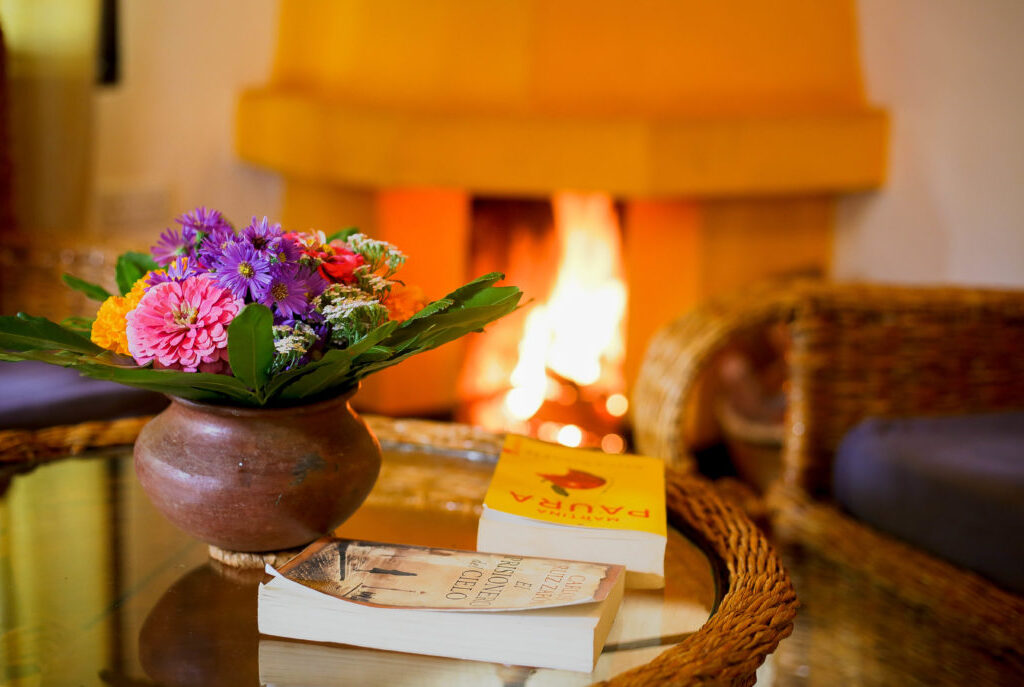
Located on the outskirts of Karatu, a quaint country town on the Great Escarpment, midway between Lake Manyara and the Ngorongoro Conservation Area, Country Lodge is situated in the centre of Northern Tanzania’s green belt district and farming community. Country Lodge Karatu symbolizes simple country comforts, providing pleasant and affordable lodging in the heart of Tanzania’s rich and scenic highlands. We are the ideal ‘Stepping Stone’ for safaris into Ngorongoro Crater and beyond, as well as other travellers visiting the area. Our lodge sits within five acres nestled on the edge of Karatu town, surrounded by rolling plains reaching up to the coffee hills of Oldeani and the forests of Ngorongoro. We offer uncomplicated comforts here, creating meals from our homegrown produce and pampering you with our twelve cottages set amidst lawns with a backdrop of colorful vegetation. On chilly nights, huddle around our fire: on hot days, cool off in our inviting pool. Activities Country Lodge Karatu No Hot air balloon safari No Float above the endless grasslands as the sun rises over Lake Manyara Sundowners See all the possible shades of pink blooming over the golden lake manyara. Bush Breakfast Have a most delicious breakfast in a wilderness setting! Accommodation options at Country Lodge Karatu Standard Room Treat yourself to one of the best experiences in Tanzania with the best Accommodation. The trip you’ve always dreamed of! Bed Type | 1 King bed or two single beds Area | Serengeti Full Board Double (Family) Room This bigger room with two bedrooms will be suitable for families with 2-3 children or two couples traveling together. Each bedroom features an indoor sitting area with a day bed and armchairs. Bed Type | Double Bed,Suit Area | Serengeti Full Board Twin Room This bigger room with two bedrooms will be suitable for families with 2-3 children or two couples traveling together. Each bedroom features an indoor sitting area with a day bed and armchairs. Bed Type | Double Bed,Suit Area | Serengeti Full Board The Country Lodge Karatu in Tanzania Prices for your chosen travel dates may vary depending on the season of travel. Please feel free to reach out to us for more information on the final price. Request A free Quote Facilities Bedclothes Vanity basin Lounge Area Writing desk Private shower En-suite bathroom Dining Tent Power stations in public areas Free Wi-Fi in public areas Welcome Drink on Arrival Country Lodge Karatu on the map Eleven cottages house two rooms each. Both king-sized beds and twin bedrooms are available and we also provide triple bedrooms. The rooms are tastefully furnished with soft lighting, inviting and comfortable beds, mosquito netting, bedside tables, and lamps. On chilly nights in our highland setting, request that your fireplace be lit and return from dinner to glowing warmth. Complete your safari journal and postcards at the writing desk, whilst looking out at our extensive garden of green lawns and colourful, tropical flowers. Your bathroom has been uniquely designed with beautiful local stone – refreshing and cool below weary feet! Relax on our comfortable veranda furniture and enjoy the lush grounds, watch the sun rise or set before heading out on your safari or retiring to our main lodge for breakfast or drinks and dinner. Tanzania Accommodation | Best Places to Stay in Tanzania Ngorongoro Serena Safari Lodge A renowned accommodation nestled on the rim of the breathtaking Ngorongoro Crater in Tanzania. Read More Ngorongoro Lodge Meliá Collection The Meliá Ngorongoro Lodge is known for its elegant design and warm hospitality. The lodge features a variety of luxury rooms… Read More andBeyond Ngorongoro Crater Lodge A luxurious safari lodge located on the rim of the magnificent Ngorongoro Crater in Tanzania. Known for its breathtaking views and opulent… Read More Ngorongoro Sopa Lodge Well-established safari lodge located on the eastern rim of the Ngorongoro Crater in Tanzania. Surrounded by lush greenery, the lodge offers comfortable accommodations… Read More Sanctuary Ngorongoro Crater Camp A luxurious tented camp nestled in the Ngorongoro Conservation Area of Tanzania. Situated on the rim of the magnificent… Read More Ngorongoro Rhino Lodge A rustic and affordable accommodation option located near the Ngorongoro Conservation Area in Tanzania… Read More Entamanu Safari Camp An exclusive and intimate safari camp situated in the Ngorongoro Conservation Area of Tanzania… Read More Ngorongoro Tented Camp A charming and intimate Tented safari Camp located in the Ngorongoro Conservation Area of Tanzania… Read More The Highlands Lodge Unique and eco-friendly safari lodge located in the Ngorongoro Conservation Area of Tanzania. Situated on the slopes… Read More Lions Paw Ngorongoro The Lion Paw’s Camps is nestled in a forest of Red Thorn Acacia trees, atop the eastern rim of the Ngorongoro Crater with mesmerizing views of the crater. Read More Embalakai Authentic Camps A collection of luxury tented camps located in the prime wildlife destinations of Tanzania… Read More Ang’ata Ngorongoro camp Collection of luxury tented camps situated in Ngorongoro crater. Each camp offers a unique and immersive safari… Read More
Questions About Tanzania Honeymoon Safaris

Experience and discover the unique ultimate Tanzania is a dream destination for honeymooners seeking romance, adventure, and luxury combined with breathtaking wildlife. From iconic savannahs to pristine beaches, Tanzania offers a unique blend of experiences that cater perfectly to couples. Imagine waking up to the sounds of wildlife in the Serengeti, enjoying a private sundowner overlooking the Ngorongoro Crater, and then relaxing on the soft sands of Zanzibar. A honeymoon safari in Tanzania isn’t just a trip; it’s a once-in-a-lifetime experience filled with adventure, privacy, and cultural encounters. This guide answers the top questions couples ask about Tanzania honeymoon safaris, helping you plan the ultimate romantic getaway with unforgettable moments. Whether it’s safari parks, luxury lodges, or exotic beach escapes, Tanzania has it all. Why Choose Tanzania for a Honeymoon Safari? Tanzania is ideal for honeymooners because it combines adventure, wildlife, and luxury in one spectacular destination. Couples can experience the world-renowned Serengeti migration, spot the Big Five in private safari drives, and explore the UNESCO-listed Ngorongoro Crater for breathtaking landscapes. Beyond wildlife, Tanzania offers romantic lodges and tented camps designed for privacy, elegance, and comfort. The country’s rich culture, vibrant Maasai villages, and welcoming people add an authentic touch to every trip. Additionally, its exotic coastline and the tropical paradise of Zanzibar allow couples to mix safari thrills with beach relaxation. Whether you are celebrating your first honeymoon or a special anniversary, Tanzania’s unmatched combination of adventure, luxury, and romance makes it one of the top honeymoon safari destinations in Africa. When is the best time to go on a Tanzania Honeymoon Safari? The timing of your Tanzania honeymoon safari can make a huge difference in wildlife viewing, weather, and overall experience. The dry season, from June to October, is ideal as animals gather around water sources, making wildlife spotting easier. This period also offers clear skies, perfect for photography and scenic views. Alternatively, the shoulder months of January to February provide fewer crowds and excellent opportunities to witness the calving season of wildebeest in the Serengeti. The wet season, March to May, creates lush landscapes, ideal for romantic landscapes and birdwatching. Choosing the best time depends on your priorities—whether it’s adventure, wildlife, or scenic beauty. Planning your trip according to the season ensures your honeymoon safari is both memorable and comfortable. What are the best parks for a Honeymoon Safari in Tanzania? Tanzania offers an array of exceptional parks that cater to honeymooners seeking romance and adventure. Serengeti National Park is perfect for witnessing the Great Migration, spotting predators, and enjoying private game drives. Ngorongoro Crater provides unparalleled vistas and opportunities for intimate wildlife encounters in a breathtaking setting. Tarangire National Park, famous for large elephant herds, offers quiet and romantic bush experiences. Lake Manyara National Park is ideal for birdwatching and spotting tree-climbing lions, adding a unique twist to your safari. For couples seeking off-the-beaten-path experiences, Arusha National Park and Mkomazi National Park provide secluded wildlife encounters. Combining these parks ensures a balanced safari with romance, adventure, and awe-inspiring landscapes for your honeymoon in Tanzania. What Kind of Accommodations can you expect during Tanzania honeymoon? Tanzania offers an impressive range of accommodations for honeymooners, from luxury lodges to intimate tented camps. Couples can enjoy private suites or luxury tents with breathtaking views of the savannah or crater landscapes. Many lodges feature plunge pools, spa services, and romantic dining setups under the stars. For those seeking exclusivity, some camps offer fully private villas or secluded bush camps where only you and your partner experience the surroundings. In Zanzibar, oceanfront resorts and boutique hotels provide an idyllic beach escape after your safari adventures. Accommodations in Tanzania prioritize comfort, privacy, and immersive nature experiences, making your honeymoon not just a trip but a luxurious and unforgettable escape into Africa’s wilderness. How long Should you stay on a Honeymoon Safari? The ideal duration for a Tanzania honeymoon safari depends on the experiences you want to enjoy. A minimum of 5–7 days allows couples to visit multiple parks, witness wildlife, and enjoy romantic lodges without feeling rushed. For a comprehensive experience, a 10–14 day safari offers time for Serengeti, Ngorongoro, Tarangire, and a beach extension in Zanzibar. Longer stays allow for leisure mornings, private sundowners, and optional activities like hot air balloon rides, cultural village visits, or guided hikes. Planning enough days ensures both adventure and relaxation, giving couples the time to bond, explore, and create lasting memories. A well-paced honeymoon safari maximizes wildlife encounters, scenic beauty, and romantic experiences across Tanzania. How can you make your Tanzania Honeymoon Safari Special? Making your Tanzania honeymoon safari special is about combining unique experiences with personalized touches. Private game drives, exclusive bush dinners, and luxury tents with stunning views create unforgettable memories. Couples can enjoy hot air balloon safaris over the Serengeti at sunrise, followed by champagne breakfasts. Cultural experiences like visiting Maasai villages offer insight into local traditions while adding a romantic adventure twist. Personalized surprises, such as flower arrangements in your lodge, private beach picnics in Zanzibar, or couples’ spa treatments, elevate your experience. Hiring a knowledgeable guide ensures you discover hidden gems while maintaining privacy. Thoughtful planning and small details transform a standard safari into a truly magical and intimate honeymoon for couples. What should you pack for a Tanzania Honeymoon Safari? Packing for a Tanzania honeymoon safari requires balancing comfort, practicality, and style. Lightweight, breathable clothing in neutral tones works best for game drives. Bring a wide-brimmed hat, sunglasses, and sunscreen to protect against the African sun. Comfortable walking shoes and closed-toe shoes are essential for safaris and lodge walks. Don’t forget binoculars and a high-quality camera for capturing wildlife moments. For evening dinners or lodge events, smart casual outfits are ideal. Mosquito repellent and a small first-aid kit are crucial for health and safety. In Zanzibar or beach locations, include swimwear, sandals, and light resort wear. Proper packing ensures a comfortable, stress-free, and memorable honeymoon safari experience. Can you combine a Tanzania honeymoon Safari with a Beach Holiday?