
Everything you need to know before booking your first African safari
Everything you need to know before booking your first African safari
Booking your first African safari is one of the most exciting travel decisions you will ever make. Africa offers some of the world’s most iconic wildlife destinations, including the Serengeti, Ngorongoro Crater, Lake Manyara National Park, and Tarangire. Before you book, it is important to understand safari types, costs, the best time to visit, and what to expect on game drives. Many first-time travelers search for terms like “African safari packages,” “best safari in Africa,” and “luxury vs budget safari,” because planning can feel overwhelming. This guide simplifies everything you need to know before booking your first African safari, including destinations, costs, safety, packing, and choosing the right tour operator. Whether you want a luxury safari lodge or a budget camping adventure, proper planning ensures a once-in-a-lifetime wildlife experience across Africa’s most breathtaking landscapes.
Choosing the Best African Safari Destination
Selecting the right destination is the first step in planning your African safari. Popular countries include Tanzania. Tanzania is famous for the Serengeti National Park and Ngorongoro Crater, known for the Masai Mara and Great Migration, ideal for exclusive, low-crowd safaris. When searching for “best African safari destinations” or “top safari parks in Africa,” consider wildlife density, travel season, and budget. Each destination offers unique safari experiences, from Big Five game viewing to river safaris and walking safaris. Your choice should depend on wildlife expectations, travel comfort level, and whether you prefer luxury lodges or adventurous camping safaris.
- ArushaGateway
- TarangireElephants
- NgorongoroCrater
- SerengetiBig Five
- ZanzibarBeach
Understanding the Types of an African Safari
Before booking, it is essential to understand the different types of African safaris available. The most common include luxury safaris, budget safaris, camping safaris, fly-in safaris, and private guided safaris. Luxury safaris offer high-end lodges, gourmet dining, and exclusive game drives. Budget safaris focus on affordability with shared vehicles and basic accommodation. Camping safaris bring you closer to nature with tented camps inside or near national parks. Fly-in safaris save travel time by using small aircraft between destinations. Private safaris provide personalized itineraries and flexible schedules. Many travelers search for “luxury African safari packages” or “cheap safari tours in Africa” when comparing options. Choosing the right safari type depends on your budget, comfort preferences, and travel goals. Each style offers a unique way to experience Africa’s wildlife and landscapes.
Best Time to Go on an African Safari
The best time to go on an African safari depends on wildlife movement and weather conditions. The dry season, generally from June to October, is considered the best time for game viewing because animals gather around water sources, making them easier to spot. This period is ideal for destinations like the Serengeti, Tarangire,, Lake Manyara, Arusha National Park and Ngorongoro Crater. The wet season, from November to May, offers lush landscapes, fewer tourists, and lower prices. It is also the best time for birdwatching and calving season in East Africa. Searches like “best time for African safari” or “Great Migration timing” are common among travelers. Ultimately, your timing depends on whether you prefer peak wildlife visibility or a quieter, more budget-friendly experience with beautiful green scenery and dramatic skies.
Understanding African Safari Costs and Budgeting
An African Safari costs vary widely depending on destination, accommodation, and travel style. Budget safaris may start from a few hundred dollars per day, while luxury safaris can exceed several thousand dollars per night. Key expenses include park fees, accommodation, transport, guides, and meals. Tanzania is generally more expensive due to high conservation standards, while an African budget safari can be more affordable. Many travelers search for “African safari cost per day” or “cheap safari Africa packages” when planning. It is important to budget for international flights, travel insurance, tips, and optional activities like hot air balloon rides. Booking in advance or traveling during the low season can help reduce costs. Understanding pricing structures ensures you choose a safari that matches your expectations without unexpected expenses.
- Accommodation
- Meals
- Park fees
- Vehicle & guide
- Transfers
- International flights
- Visas
- Travel insurance
- Tips
- Premium drinks
Choosing a Reliable African Safari Tour Operator
Selecting a trusted safari operator is crucial for a safe and enjoyable experience. A good operator provides experienced guides, well-planned itineraries, reliable vehicles, and transparent pricing. Look for companies with strong reviews, certifications, and local expertise. Many travelers search for “best African safari companies” or “trusted Tanzania safari operators” before booking. A professional operator will help you choose the right parks, accommodations, and travel routes based on your interests and budget. They also handle park permits, logistics, and safety arrangements. Avoid extremely cheap offers that may compromise quality or safety. A reputable operator ensures smooth transfers, knowledgeable guides, and high chances of wildlife sightings. Always compare packages and ask for detailed itineraries before confirming your booking.
What Wildlife to Expect on an African Safari
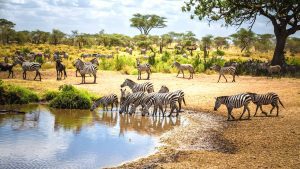
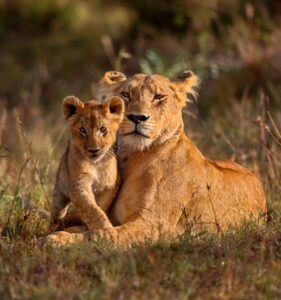
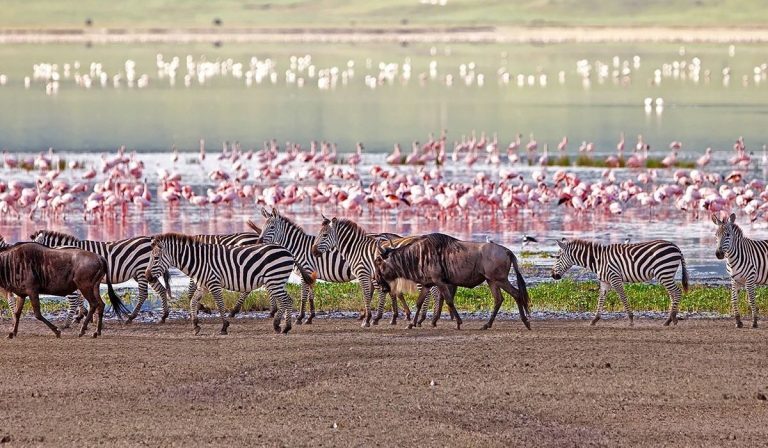
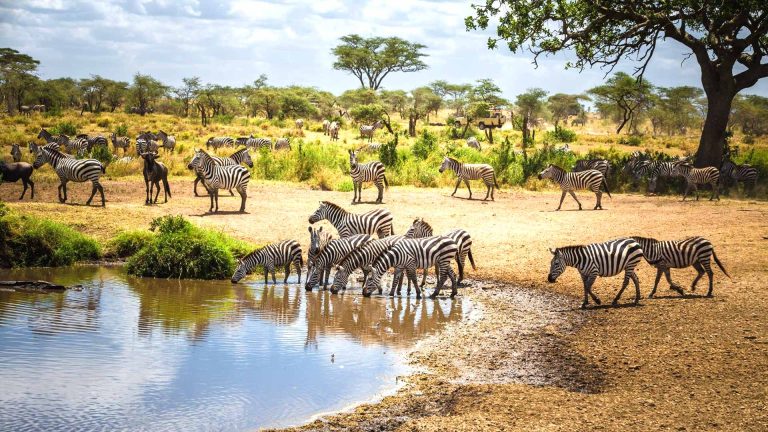
African safaris are famous for incredible wildlife encounters, including the Big Five: lion, leopard, elephant, buffalo, and rhinoceros. Depending on your destination, you may also see giraffes, zebras, cheetahs, hippos, crocodiles, and countless bird species. Serengeti is an ideal place for witnessing the Great Migration, one of nature’s most dramatic events. Tarangire National Park offers excellent chances of spotting all the Big Five animals in one trip. Many travelers search for “what animals will I see on safari” or “African safari wildlife list.” Wildlife sightings depend on season, location, and guide expertise. Early morning and late afternoon game drives offer the best viewing opportunities. Every safari is unique, and no two game drives are ever the same, making each experience exciting and unpredictable.
An African Safari accommodations
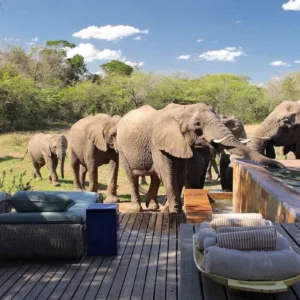
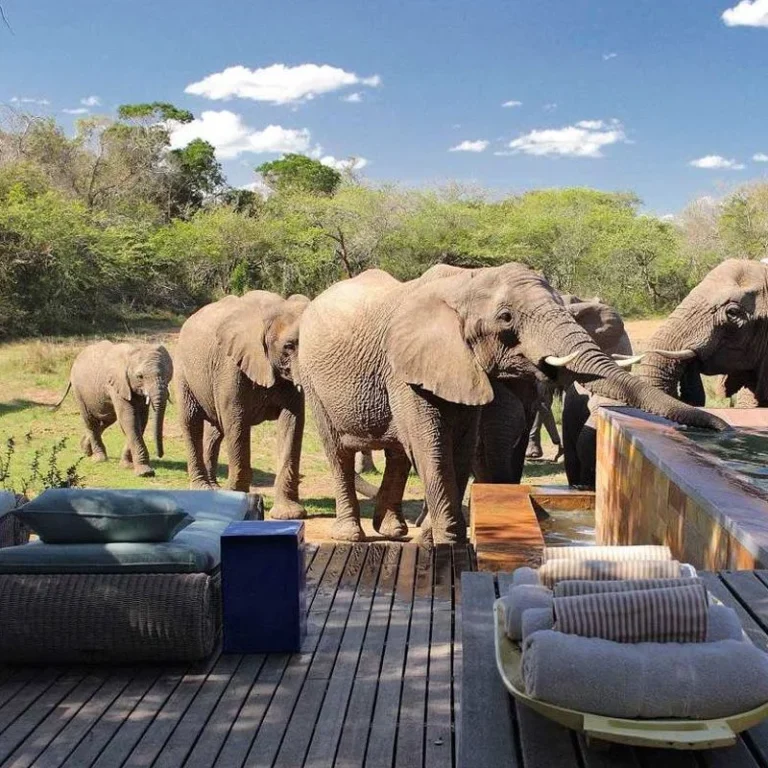
African Safari accommodations range from budget campsites to ultra-luxury lodges. Tented camps provide an immersive wilderness experience while still offering comfort such as beds, bathrooms, and dining areas. Luxury lodges feature private suites, swimming pools, spa services, and panoramic views of wildlife areas. Mid-range lodges offer a balance of comfort and affordability. Many travelers search for “African safari lodges” or “best safari camps in Tanzania” when planning. Staying inside or near national parks increases your chances of early morning game drives and wildlife sightings. Accommodation choice significantly impacts your overall safari experience, comfort level, and budget. Whether you choose rustic camping or five-star lodges, staying close to nature is what makes an African safari truly unforgettable.
Budget camping & lodges
Affordable, adventurous and close to nature.
Mid-range lodges & tented camps
Comfort, good food and convenient locations.
Luxury tented camps & lodges
Spacious suites, personal service and prime wildlife areas.
Exclusive-use camps & villas
Complete privacy, private guides and bespoke experiences.
What to Pack for an African Safari
Packing correctly is essential for a comfortable safari experience. Lightweight, neutral-colored clothing such as khaki, beige, and olive is recommended to blend into the environment and avoid attracting insects. Essential items include a hat, sunglasses, sunscreen, insect repellent, and comfortable walking shoes. A good camera or binoculars enhances wildlife viewing. Many travelers search for “African safari packing list” before departure. Layered clothing is important because mornings and evenings can be cold, while afternoons are warm. Avoid bright colors and heavy luggage, especially on fly-in safaris with weight limits. Also pack a reusable water bottle, personal medication, and travel documents. Proper packing ensures you are well-prepared for changing weather conditions and long game drives in the wilderness.
Safari Health and Safety Tips
Health and safety are important considerations when booking your first African safari. Most destinations require basic vaccinations, and some may recommend malaria prevention medication. Always consult a travel clinic before your trip. Drinking bottled or filtered water is advised in remote areas. Safari vehicles are generally very safe when guided by professional drivers. Many travelers search for “is an African safari safe” or “safari health tips Africa.” It is important to follow your guide’s instructions at all times, especially near wildlife. Avoid leaving vehicles during game drives unless instructed. Travel insurance covering medical emergencies is highly recommended. With proper precautions, African safaris are safe and well-organized, allowing you to fully enjoy wildlife encounters without worry.
Understanding Game Drives and Daily African Safari Life
A typical safari day revolves around early morning and late afternoon game drives, when animals are most active. Early drives often start before sunrise, offering cooler temperatures and better wildlife sightings. Midday is usually for relaxation at your lodge or camp. Afternoon drives resume before sunset, often ending with spectacular views. Many travelers search “what happens on an African safari day” or “safari daily schedule.” Game drives are conducted in 4x4 safari vehicles with experienced guides who track animals and explain wildlife behavior. Each day is different, with unexpected sightings and unique moments. The rhythm of safari life is slow, peaceful, and deeply connected to nature, making it a refreshing escape from busy city life.
Photography Tips for an African Safari
African safaris offer incredible photography opportunities, from close-up wildlife shots to dramatic landscapes. A good zoom lens is essential for capturing animals at a distance without disturbing them. Early morning and late afternoon light provide the best conditions for photography. Many travelers search for “safari photography tips” or “best camera for African safari.” Patience is key, as wildlife moments can be unpredictable. Always respect animals by maintaining distance and following the guide instructions. Use burst mode for action shots like hunting or river crossings. Dust protection for your camera is also important in dry regions. Whether you are a beginner or a professional, a safari provides endless opportunities to capture stunning images of Africa’s natural beauty.
Cultural Experiences on an African Safari
African safaris are not only about wildlife but also rich cultural experiences. Many tours include visits to local communities, Datoga, Hadzabe, and Masai in Tanzania. These experiences allow travelers to learn about traditional lifestyles, dances, crafts, and customs. Many people search for “African cultural safari experiences” or “Maasai village visit tours.” Engaging with local communities adds depth to your safari journey and supports sustainable tourism. Cultural interactions should always be respectful and guided by ethical tourism practices. These experiences create meaningful connections between travelers and local people, making your safari more than just a wildlife adventure but also a cultural discovery.
Travel Documents and Visa Requirements
Before booking your safari, ensure you have the correct travel documents. Most African countries require a valid passport with at least six months’ validity. Visa requirements vary depending on nationality and destination. Many countries offer e-visas or visas on arrival. Travelers often search for “African safari visa requirements” when planning trips. It is important to check the updated entry rules before booking flights. Some countries may also require yellow fever vaccination certificates. Travel insurance documents should also be prepared in advance. Proper documentation ensures smooth entry and avoids delays at airports. Always confirm requirements with official embassy websites or your tour operator before departure.
Transportation and Internal Flights
Transportation plays a key role in safari planning. Some safaris involve long road transfers between parks, while others use internal flights for faster travel. Fly-in safaris are common in remote destinations like the Serengeti, Tarangire, Lake Manyara, Arusha National Park, and Ngorongoro Conservation Area. Many travelers search for “African safari flights” or “how to get between safari parks.” Road safaris offer scenic views and a more immersive experience, while flights save time and provide aerial views of landscapes. Safari vehicles are specially designed 4x4s with open roofs for game viewing. Your choice of transport affects comfort, cost, and travel time, so it is important to choose based on your itinerary and preferences.
Booking Tips for First-Time African Safari Travelers
Booking your first African safari requires careful planning and research. It is recommended to book at least 3–6 months in advance, especially during peak seasons. Compare different safari packages, read reviews, and verify tour operator credentials. Many travelers search “how to book an African safari” or “best safari deals in Africa.” Be clear about your budget, travel dates, and expectations. Ask for detailed itineraries to avoid hidden costs. Flexible booking options are helpful in case of schedule changes. Always confirm what is included, such as meals, park fees, and transfers. Proper planning ensures a smooth and stress-free safari experience.
Common Mistakes to Avoid on Your First African Safari
First-time safari travelers often make avoidable mistakes such as overpacking, ignoring seasonal weather, or choosing the wrong destination. Another common mistake is expecting constant animal sightings without understanding wildlife behavior. Many search for “safari mistakes to avoid” when planning. It is also important not to underestimate travel distances between parks. Booking extremely cheap tours can lead to poor service or unsafe conditions. Not carrying proper camera equipment or forgetting travel insurance can also affect your experience. Listening to your guide is essential for safety and better wildlife viewing. Avoiding these mistakes ensures a smooth, enjoyable, and unforgettable African safari adventure.
Final Thought
Your first African safari is more than just a holiday—it is a life-changing journey into the heart of nature. From the vast plains of the Serengeti to the dramatic landscapes of Ngorongoro Crater, every moment offers unforgettable wildlife encounters and breathtaking scenery. Proper planning, choosing the right destination, and working with a trusted tour operator are key to a successful experience. Whether you choose a luxury lodge or a budget camping safari, Africa delivers unmatched adventure and beauty. As you prepare, remember that patience, flexibility, and curiosity will enhance your journey. An African safari is not just about seeing animals; it is about connecting with nature, culture, and yourself in one of the world’s most extraordinary destinations.
Everything you need to know before booking your first African safari: FAQs
How much does a first African safari cost?
The cost of an African safari varies widely depending on destination, season, accommodation type, and travel style. Budget safaris can start from around $150–$300 per person per day, usually involving basic lodges or camping and shared transport. Mid-range safaris typically range between $300–$700 per day, offering comfortable lodges and better services. Luxury safaris can exceed $1,000–$3,000 per day, featuring exclusive lodges, private guides, and premium experiences like hot air balloon rides.
What is the best country for a first African safari?
The best country for a first African safari depends on your expectations, budget, and travel style. Tanzania and Kenya are the most popular for first-time travelers because they offer iconic wildlife experiences such as the Serengeti, Ngorongoro Crater, and Masai Mara. South Africa is also ideal due to excellent infrastructure, self-drive safaris, and the famous Kruger National Park.
How many days should a first African safari be?
A first African safari should ideally last between 5 to 10 days, depending on your budget and destination coverage. A shorter 3–4 day safari can still offer great wildlife sightings but may feel rushed. A 7-day safari is considered ideal for first-time travelers, allowing enough time to explore multiple national parks and enjoy relaxed game drives. Longer safaris of 10–14 days provide deeper experiences, including different ecosystems and wildlife behavior patterns.
Is an African safari safe for first-time travelers?
Yes, African safaris are generally very safe when properly organized through reputable tour operators and guided by experienced professionals. National parks have strict rules to protect both wildlife and visitors. Safari vehicles are designed for safety, and guides are trained in animal behavior and emergency procedures. Most safety concerns are related to following instructions, such as staying inside the vehicle during game drives and keeping a safe distance from animals.
What should I pack for my first African safari?
Packing for an African safari requires practical and lightweight items. Essential clothing includes neutral colors like khaki, beige, and olive to blend with the environment and avoid attracting insects. Bring layered clothing for warm days and cold early mornings. Comfortable walking shoes, a hat, sunglasses, sunscreen, and insect repellent are important. Many travelers search “African safari packing list” before traveling. A good camera with zoom lens or binoculars enhances wildlife viewing.
What animals will I see on African safari?
African safaris offer the chance to see a wide range of wildlife, including the famous Big Five: lion, leopard, elephant, buffalo, and rhinoceros. You may also encounter giraffes, zebras, hippos, crocodiles, cheetahs, hyenas, wildebeest, and hundreds of bird species. In places like Serengeti and Masai Mara, you can witness the Great Migration, where millions of wildebeest and zebras move across the plains.
When is the best time to book an African safari?
The best time to book an African safari is at least 3 to 6 months in advance, especially if you plan to travel during peak season. The dry season from June to October is the most popular time due to excellent wildlife visibility. During this period, accommodations and tours fill up quickly, making early booking essential.
Do I need a visa for an African safari?
Visa requirements for an African safari depend on your nationality and destination country. Most African countries, including Tanzania, require tourists to obtain a visa before or upon arrival. Many countries now offer convenient e-visas that can be applied for online before travel. Travelers often search for “African safari visa requirements” when planning. It is important to ensure your passport is valid for at least six months beyond your travel dates.
What is included in an African safari packages?
African safari packages typically include accommodation, meals, park entry fees, transportation, and guided game drives. Some packages also include airport transfers, bottled water, and cultural visits. Luxury safari packages may add extras like private guides, hot air balloon rides, and premium lodges with full-service amenities. Budget packages may include shared transport and basic camping accommodations. Many travelers search “what is included in African safari package” before booking.
How do I choose a good African safari tour operator?
Choosing a reliable African safari tour operator is one of the most important steps in planning your trip. Look for companies with strong online reviews, local expertise, and transparent pricing. A good operator provides experienced guides, well-maintained safari vehicles, and clear itineraries. Many travelers search for “best African safari tour operators” before booking. Avoid extremely cheap deals that may compromise safety or quality. Ask about customization options, accommodation standards, and included services.
Plan Your Private Tanzania Safari
Tell us your travel dates, interests and budget, and our local team will design a private tailor-made safari around you.