
tips for hosting a wedding in the mountains
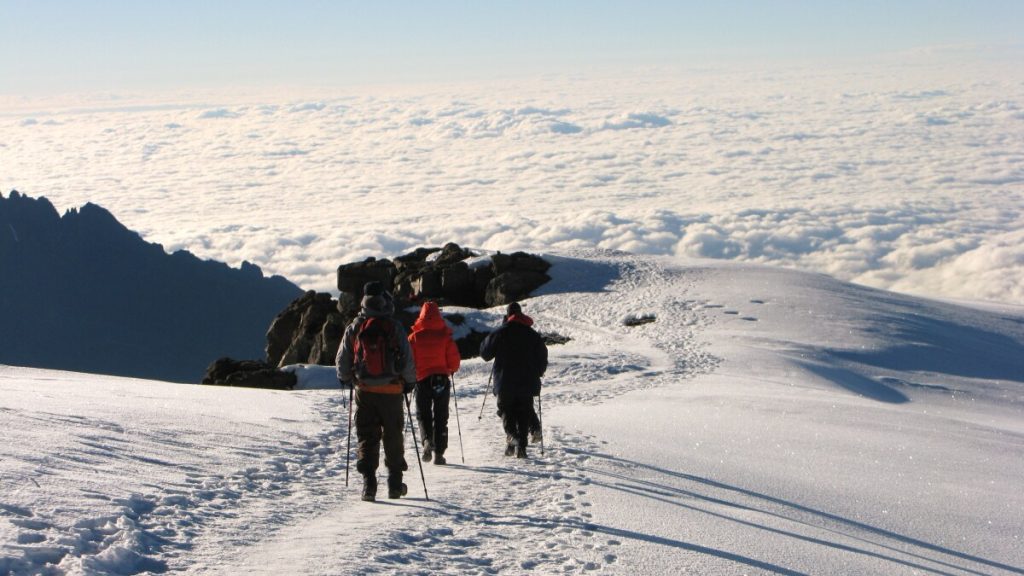
A mountain wedding is one of the most breathtaking and unforgettable ways to celebrate love. Surrounded by dramatic peaks, alpine forests, fresh air, and panoramic landscapes, mountain wedding venues create a romantic atmosphere that blends adventure, elegance, and natural beauty. Whether you are planning a luxury mountain destination wedding, an intimate elopement, or a rustic outdoor ceremony, careful preparation is essential for a seamless experience. From choosing the best mountain wedding location to understanding weather conditions, guest comfort, décor ideas, photography opportunities, catering, and accommodation, every detail matters. Couples today search for mountain wedding inspiration, affordable mountain wedding packages, scenic wedding venues, and outdoor wedding planning tips to create memorable celebrations. With the right organization, your mountain wedding can become a magical event filled with stunning views, emotional moments, and unforgettable experiences for family and friends. 1. Choose the Perfect Mountain Wedding Venue Selecting the ideal mountain wedding venue is one of the most important steps in planning your celebration. Look for locations with breathtaking scenery, easy accessibility, quality accommodation, and reliable event facilities. Popular mountain wedding destinations often include alpine lodges, luxury resorts, national parks, ski resorts, and private mountain estates. Consider whether you want a rustic mountain wedding, a luxury mountaintop ceremony, a forest wedding, or an adventurous destination wedding experience. Research seasonal weather patterns, sunset views, photography spots, and transportation logistics before making a final decision. Many couples search for affordable mountain wedding venues with all-inclusive packages that simplify planning. Ensure the venue offers backup indoor spaces in case of sudden rain or strong winds. A stunning mountain setting creates a naturally romantic atmosphere, helping you save on decorations while delivering unforgettable wedding memories and spectacular photo opportunities. 2. Plan Around Mountain Weather Conditions Mountain weather can change quickly, making preparation essential for a successful outdoor wedding. Even sunny mornings can become chilly afternoons or rainy evenings. Couples planning mountain destination weddings should monitor seasonal climate patterns carefully before choosing dates. Summer often offers warmer temperatures and clearer skies, while autumn provides colorful landscapes perfect for wedding photography. Spring and winter weddings can also be magical, but require additional planning for snow, mud, or cold temperatures. Encourage guests to bring warm layers, comfortable shoes, sunscreen, and umbrellas. Renting heaters, tents, blankets, or covered reception areas can improve comfort significantly. Many outdoor mountain weddings benefit from flexible schedules that adapt to sudden weather shifts. Professional wedding planners and local vendors understand mountain conditions and can provide valuable guidance. Proper weather preparation ensures your mountain wedding ceremony remains comfortable, elegant, and enjoyable regardless of changing conditions. 4. Prioritize Guest Comfort and Accessibility Guest comfort is essential when hosting a wedding in the mountains. While scenic locations offer unforgettable beauty, remote destinations may present transportation and accessibility challenges. Couples should provide detailed travel instructions, shuttle services, parking information, and accommodation recommendations for guests unfamiliar with mountain terrain. Elderly family members and children may require easier walking paths or nearby lodging. Comfortable seating, hydration stations, portable restrooms, and shaded areas are important for outdoor ceremonies. If your venue is located at a high altitude, remind guests to stay hydrated and avoid overexertion. Many couples planning mountain weddings now include welcome bags with snacks, water bottles, blankets, and local travel guides. Accessibility considerations create a more relaxed and enjoyable experience for everyone attending. Happy guests contribute to a memorable atmosphere, allowing friends and family to fully appreciate the romance, scenery, and excitement of your mountain wedding celebration. 5. Hire Experienced Mountain Wedding Vendors Working with experienced mountain wedding vendors can make a huge difference in the success of your celebration. Mountain environments require specialized knowledge, especially for photography, catering, transportation, floral arrangements, and event coordination. Local wedding photographers understand the best lighting conditions, scenic viewpoints, and unpredictable weather challenges common in mountain regions. Caterers familiar with remote venues know how to transport and preserve food safely at higher elevations. Florists experienced with mountain weddings can recommend flowers that withstand wind, temperature changes, and outdoor conditions. Wedding planners also help coordinate permits, vendor logistics, and backup plans efficiently. Couples searching for top mountain wedding vendors often prioritize reliability, flexibility, and experience with destination weddings. Professional vendors reduce stress while ensuring every detail runs smoothly. Investing in skilled wedding professionals helps create a flawless, luxurious, and unforgettable mountain wedding experience for both couples and guests. 6. Select the Best Season for a Mountain Wedding Choosing the right season greatly influences the atmosphere, scenery, and logistics of your mountain wedding. Summer mountain weddings are popular because of warmer weather, clear skies, and vibrant green landscapes. Autumn weddings offer colorful foliage, romantic sunsets, and crisp mountain air perfect for photography. Winter weddings create magical snow-covered scenes ideal for cozy luxury celebrations and alpine resort ceremonies. Spring weddings feature blooming flowers and fewer crowds, although unpredictable rain may occur. Couples should also consider peak tourist seasons, accommodation availability, and travel costs when selecting dates. Mountain wedding planning often requires booking venues and vendors well in advance, especially during high-demand months. Seasonal weather affects dress choices, catering options, guest comfort, and outdoor activities. Understanding the advantages of each season helps couples create the perfect wedding atmosphere while maximizing scenery, comfort, and unforgettable experiences in stunning mountain destinations. 7. Create a Stunning Mountain Wedding Décor Theme Mountain wedding décor should complement the natural surroundings rather than overpower them. Many couples choose rustic, bohemian, elegant, or luxury alpine wedding themes inspired by forests, peaks, lakes, and wildflowers. Wooden arches, greenery, candles, lanterns, fairy lights, and neutral tones blend beautifully with mountain landscapes. Sustainable wedding décor is also becoming increasingly popular, using local flowers, eco-friendly materials, and minimalist designs. Couples planning luxury mountain weddings often incorporate cozy lounge areas, fire pits, and panoramic dining spaces to enhance guest experiences. Outdoor receptions benefit from weather-resistant decorations that remain stable in wind or changing temperatures. Wedding planners frequently recommend incorporating regional cultural elements or local traditions to personalize celebrations further. Scenic mountain backdrops already provide dramatic visual beauty, allowing couples to focus
Tanzania Photographic Safaris

A Tanzania photographic safari is one of the most extraordinary wildlife photography experiences in Africa, attracting photographers, nature lovers, filmmakers, and adventure travelers from around the world. From the endless plains of the Serengeti to the breathtaking Ngorongoro Crater, Tanzania offers unmatched opportunities to capture the Big Five, the Great Migration, dramatic landscapes, colorful sunsets, and authentic Maasai culture. Whether you are a professional wildlife photographer or a beginner with a DSLR or mirrorless camera, Tanzania provides incredible safari photography moments year-round. Luxury safari lodges, mobile tented camps, private game drives, and expert photography guides make every journey unforgettable. Popular destinations include Serengeti National Park, Tarangire National Park, Lake Manyara, Ruaha National Park, and Zanzibar. A Tanzania photo safari combines adventure, luxury, conservation, and unforgettable African wildlife encounters into one remarkable bucket-list safari experience. Why Tanzania Is Africa’s Ultimate Photography Destination Tanzania is widely regarded as one of the best safari destinations in Africa for wildlife photography because of its rich biodiversity, iconic scenery, and year-round game viewing. The country is home to world-famous national parks, including Serengeti National Park, Ngorongoro Crater, Tarangire National Park, and Selous Game Reserve. In an African safari, photographers can capture lions hunting across golden plains, elephants walking beneath baobab trees, leopards resting in acacia trees, and cheetahs sprinting after prey. Tanzania also hosts the Great Wildebeest Migration, one of the most photographed wildlife spectacles on Earth. Dramatic landscapes, golden sunrise light, and vibrant African cultures add depth to every image. Luxury photographic safari tours often include customized safari vehicles, bean bags, open roofs, and experienced guides who understand wildlife behavior and ideal camera positioning for professional-quality safari photography. Best Time for a Tanzania Photographic Safari The best time for a Tanzania photographic safari depends on the type of wildlife photography experience you want. The dry season, from June to October, is ideal for wildlife viewing because animals gather around rivers and waterholes, making photography easier and more rewarding. This season offers clear skies, golden light, and excellent visibility for photographing predators and the Big Five. The Great Migration river crossings in the northern Serengeti usually occur between July and September, attracting photographers from around the globe. The green season, from November to March, offers lush landscapes, dramatic clouds, fewer tourists, and incredible bird photography opportunities. January and February are especially famous for the wildebeest calving season in southern Serengeti, where photographers can capture predator action and newborn wildlife in stunning natural settings. Photographing the Great Wildebeest Migration The Great Wildebeest Migration is the highlight of many Tanzania photography safaris and is considered one of the greatest wildlife spectacles in the world. Over two million wildebeest, zebras, and gazelles move across the Serengeti ecosystem in search of fresh grazing land and water. Tanzania wildlife photographers travel to Tanzania specifically to capture dramatic river crossings, predator attacks, dust-filled landscapes, and massive herds stretching across the horizon. Timing is critical because the migration changes throughout the year for your Serengeti photographic safari. From December to March, the herds gather in the southern Serengeti for calving season. Between June and July, dramatic Grumeti River crossings occur, while the famous Mara River crossings happen from July to September. Professional photographic safari guides help photographers position themselves for the best lighting, composition, and unforgettable wildlife action shots. Essential Camera Gear for Safari Photography Packing the right camera equipment is essential for capturing incredible Tanzania safari photographs. Most wildlife photographers bring a DSLR or mirrorless camera with fast autofocus and excellent low-light performance. A telephoto lens, such as a 100-400mm or 200-600mm lens, is perfect for photographing distant wildlife and predator action. Wide-angle lenses are ideal for landscapes, lodges, sunsets, and cultural photography. Extra batteries, memory cards, bean bags, lens cleaning kits, and portable hard drives are also highly recommended. Dust protection is especially important during dry-season game drives. Many professional photographers carry two camera bodies to avoid changing lenses in dusty environments. Lightweight tripods and monopods can also help stabilize shots. Investing in quality safari camera gear ensures photographers capture sharp, detailed, and unforgettable images throughout their African wildlife safari adventure. Top National Parks for Wildlife Photography Tanzania is home to some of Africa’s most photogenic safari destinations. Serengeti National Park is famous for the Great Migration, large predator populations, and endless plains perfect for cinematic wildlife photography. Ngorongoro Crater offers stunning landscapes and excellent opportunities to photograph rhinos, lions, elephants, and flamingos in one compact area. Tarangire National Park is known for giant elephant herds and ancient baobab trees that create dramatic photographic compositions. Lake Manyara National Park provides beautiful bird photography, tree-climbing lions, and lush groundwater forests. Ruaha National Park is ideal for remote and exclusive safari photography experiences with fewer vehicles and abundant predators. Nyerere National Park, formerly Selous Game Reserve, offers river safaris and unique wildlife perspectives. Each destination provides distinct scenery, lighting, and wildlife encounters for unforgettable Tanzania safari photography experiences. Luxury Photographic Safari Experiences in Tanzania Luxury Tanzania photographic safaris combine comfort, exclusivity, and extraordinary wildlife experiences. High-end safari lodges and luxury tented camps provide stunning views, gourmet dining, private guides, and personalized photography-focused game drives. Many luxury safari operators offer specially designed photographic vehicles with open sides, camera mounts, charging stations, and flexible seating arrangements for photographers. Private safaris allow guests to spend extra time photographing wildlife without rushing between sightings. Luxury camps located near migration routes provide front-row access to dramatic wildlife action and breathtaking African sunsets. Some premium safari packages also include fly-in safaris, reducing travel time and maximizing photography opportunities. Guests enjoy elegant accommodations while staying close to nature in iconic locations like Serengeti National Park and Ngorongoro Crater. These exclusive experiences create unforgettable memories for photographers seeking comfort and adventure. Bird Photography Opportunities in Tanzania Tanzania is a paradise for bird photography, with more than 1,100 recorded bird species found across diverse ecosystems. From colorful lilac-breasted rollers and flamingos to fish eagles and crowned cranes, bird photographers enjoy endless opportunities throughout the country. Lake Manyara National Park, Lake
When Is the Great Migration in Tanzania?
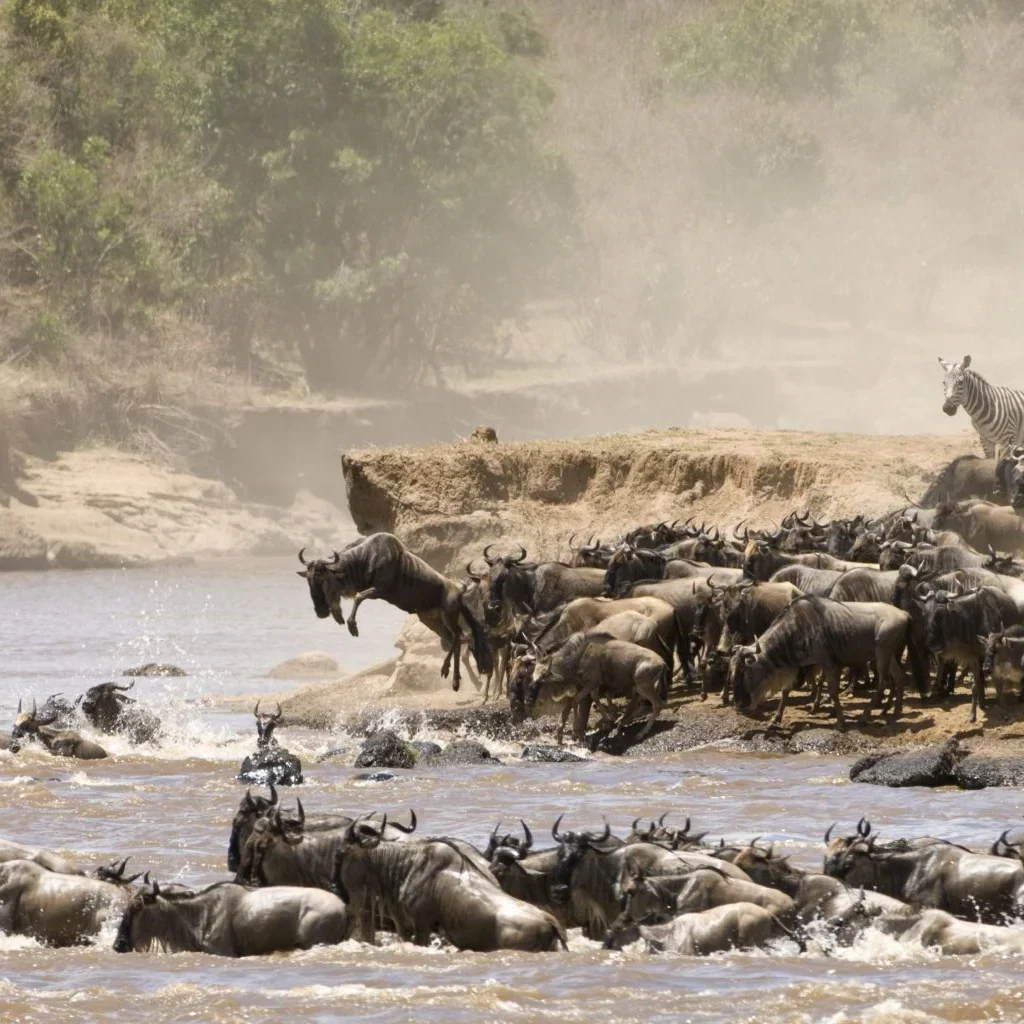
The Great Migration in Tanzania is one of the most spectacular wildlife events on Earth and a top-ranking safari keyword searched globally as the “wildebeest migration in Serengeti.” This natural phenomenon involves over 1.5 million wildebeest, hundreds of thousands of zebras, and gazelles moving in a circular route across the Serengeti ecosystem in search of fresh grazing and water. The heart of this journey takes place in Serengeti National Park in northern Tanzania, extending toward Kenya’s Maasai Mara. Travelers often ask: When is the best time to see the Great Migration in Tanzania? The answer depends on river crossings, calving season, and movement patterns, making it a year-round safari attraction with different highlights each season. January – Calving Season in Ndutu Plains January marks the beginning of the calving season in the southern Serengeti and Ndutu plains within the Ngorongoro ecosystem. This is one of the most dramatic times of the Great Migration in Tanzania. Thousands of wildebeest calves are born daily, attracting predators like lions, hyenas, and cheetahs. The lush green plains provide rich grazing, making it a photographer’s paradise. Safari travelers searching for “best time for Serengeti migration safari” often target this period for predator-prey interactions. The Ndutu region offers excellent game viewing due to high wildlife density. Calving season also ensures strong herd survival as synchronized births overwhelm predators. This is an ideal time for budget and luxury safaris alike, with fewer long-distance movements and concentrated wildlife activity. February – Peak Calving Action February continues the intense calving season in southern Serengeti National Park, making it one of the most exciting months for Great Migration safaris in Tanzania. Over 500,000 calves are typically born within a few weeks, creating dramatic predator action scenes. This period is highly searched under keywords like “wildebeest calving season Serengeti” and “Tanzania safari February migration.” The abundance of newborns attracts big cats, especially cheetahs, which thrive in open plains. The landscape remains lush and green, offering excellent photography conditions. Visitors experience close-range wildlife encounters, making it a favorite for family safaris and wildlife documentaries. February is also considered part of the “green season,” meaning fewer tourists and more exclusive safari experiences with competitive lodge prices. March – End of Calving Season In March, the Great Migration in Tanzania begins to slow its calving intensity as herds start preparing to move northward. The southern Serengeti still hosts large concentrations of wildebeest and zebras, but food resources gradually decline. This transition period is ideal for travelers searching for “Serengeti migration timing” and “best safari months in Tanzania.” Predator activity remains high as lions and hyenas follow the herds. Rain showers begin, creating dramatic skies perfect for photography. Safari lodges in the Ndutu and central Serengeti regions still offer excellent wildlife viewing. March is also a shoulder season, meaning fewer crowds and more flexible safari itineraries. Visitors can enjoy both newborn wildlife and early herd movement, making it a balanced and rewarding safari experience. April – Green Season Movement Begins April is part of Tanzania’s long rainy season, and the Great Migration begins shifting northward from the southern plains. Herds spread across the central Serengeti, making wildlife more dispersed but still impressive. Keywords like “Serengeti migration April safari” and “low season Tanzania safari deals” peak during this time. Rain transforms the landscape into a lush green paradise, attracting grazing herds. While river crossings are not yet visible, predators continue to follow the migration path. This is considered a budget-friendly month for safari travelers due to lower lodge rates and fewer tourists. Photographers enjoy dramatic skies and vibrant scenery. Despite the rain, game drives remain rewarding, especially in central safari zones. May – Herds Gather in Central Serengeti In May, the Great Migration gathers momentum in central Serengeti National Park, particularly around Seronera Valley. This period is popular in searches like “Serengeti migration May location” and “where is the Great Migration now in Tanzania.” Massive herds move slowly northward, forming long wildlife columns across the plains. Predators closely follow, creating excellent game viewing opportunities. Although rainfall continues, safari conditions improve with fewer crowds and green landscapes. May is ideal for travelers seeking a quieter, immersive safari experience. The central Serengeti becomes a wildlife hotspot with elephants, giraffes, lions, and migrating herds sharing the ecosystem. Safari photographers benefit from soft lighting and dramatic cloud formations. It is a transitional month before the famous river crossings begin. June – Migration Reaches Western Corridor June is a key month when the Great Migration moves into the western Serengeti corridor. The herds begin approaching the Grumeti River, setting the stage for early river crossings. This period ranks highly for searches like “Serengeti migration river crossing June” and “best safari Tanzania June.” Wildlife concentrates around water sources, making sightings easier. Crocodiles in the Grumeti River prepare for dramatic hunts, although crossings are less intense than the Mara River. The weather becomes drier, improving safari road conditions. June is considered the beginning of peak safari season in Tanzania. Luxury camps and mobile tented lodges relocate to follow the migration, offering exclusive experiences. Visitors enjoy fewer crowds compared to the peak July–August months. July – First Mara River Crossings July is one of the most famous months for the Great Migration in Tanzania, as herds begin crossing the Mara River toward northern Serengeti and Kenya. This dramatic event is highly searched as “Mara River crossing Serengeti” and “Great Migration July safari.” Thousands of wildebeest gather at riverbanks, facing crocodile-infested waters. The tension before crossing creates one of nature’s greatest spectacles. Safari tourists flock to the northern Serengeti National Park to witness this event. July is peak safari season, with excellent wildlife density and predator action. The weather is dry and ideal for game drives. This is one of the best months for luxury safaris, offering guaranteed migration sightings in key crossing points. August – Peak River Crossings August represents the peak of the Great Migration river crossings at the Mara River. This is the most searched safari period globally for “Great Migration
Discover the World’s Most Spectacular Animal Migrations
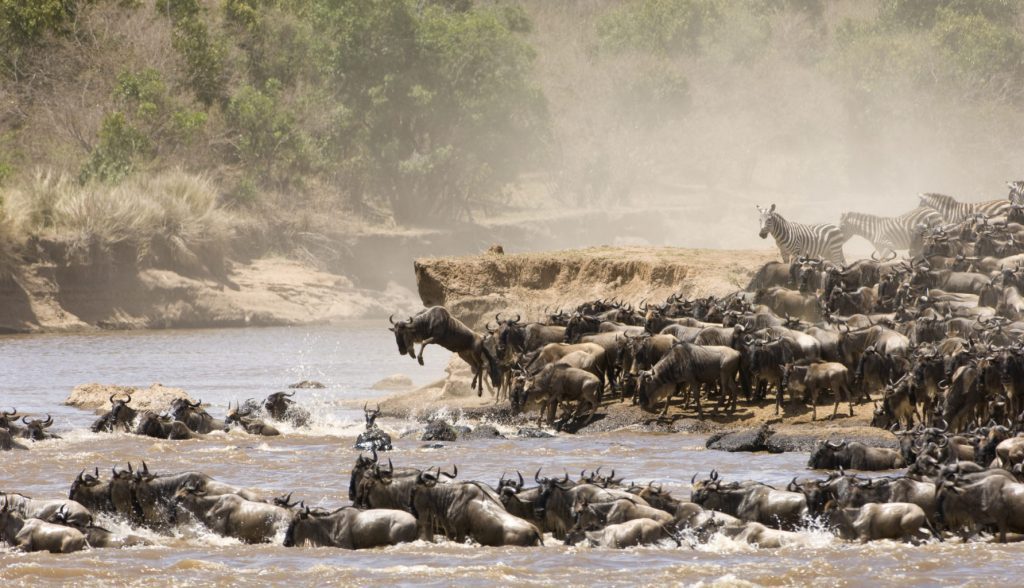
Embark on a journey to discover the world’s most spectacular animal migrations, where nature unfolds in breathtaking motion across continents and oceans. From vast African savannahs to icy polar skies, these epic journeys define the rhythm of the wild. Travelers seeking wildlife safari experiences, nature travel adventures, and bucket list destinations will find these migrations unforgettable. Each movement showcases survival, instinct, and raw beauty, making them top choices for eco-tourism, photography tours, and luxury safari holidays. Whether you dream of witnessing millions of animals on the move or exploring remote habitats, these global phenomena rank among the best wildlife experiences in the world, drawing explorers, researchers, and adventurers year-round. The Great Wildebeest Migration – Serengeti, Tanzania, and Masai Mara, Kenya The legendary movement across Serengeti National Park and the Masai Mara is widely known as the Great Wildebeest Migration, one of the best safari experiences in Africa. Over two million wildebeest, zebras, and gazelles travel in search of fresh grazing, creating a dramatic cycle of life and survival. This iconic journey is a top Tanzania safari tour, attracting travelers seeking luxury African safaris, Great Migration tours, and wildlife photography safaris. River crossings filled with crocodiles offer unforgettable moments, making it a prime bucket list safari destination. Perfect for family safaris, honeymoon trips, and fly-in safari packages, this migration is a symbol of Africa’s untamed wilderness. Monarch Butterfly Migration – North America to Central Mexico The delicate yet powerful Monarch Butterfly Migration is among the most extraordinary wildlife migrations in the world. Millions of butterflies travel thousands of kilometers from North America to forests in Central Mexico, creating a mesmerizing display of orange and black wings. This phenomenon is ideal for eco-tourism travel, nature photography, and sustainable wildlife tours. Visitors witness entire forests blanketed in butterflies, making it one of the most unique nature travel experiences globally. The migration highlights conservation efforts, attracting those interested in environmental tourism and wildlife conservation journeys. It’s a peaceful yet powerful reminder of nature’s resilience and beauty. Arctic Tern Migration – From the Arctic to Antarctica The Arctic Tern (Sterna paradisaea) holds the record for the longest known migration of any animal, flying up to 59,000–80,000 km (roughly 36,000–50,000 miles) annually from Arctic breeding grounds to Antarctica. This round-trip ensures they experience two summers per year, traversing the globe to forage in highly productive polar waters. The Arctic Tern Migration is the longest known animal migration on Earth, making it a marvel for wildlife enthusiasts and nature explorers. These birds travel from the Arctic to Antarctica and back annually, experiencing more daylight than any other creature. This incredible journey fascinates those interested in polar expeditions, birdwatching tours, and adventure travel experiences. It represents endurance and navigation at its finest, attracting scientists and travelers alike. For those seeking unique wildlife adventures, this migration offers insight into life at the planet’s extremes, making it a top bucket list wildlife experience. 4. Red Crab Migration – Christmas Island, Australia Each year, an estimated 50–100 million red crabs on Christmas Island, Australia, migrate from the forests to the ocean to breed and spawn. This spectacle, usually in October/November, is driven by rain and the lunar cycle, forcing road closures and utilizing special tunnels/bridges, as crabs march across the island. The vibrant Red Crab Migration on Christmas Island is a striking natural event where millions of crabs blanket roads and forests. This seasonal movement toward the ocean for breeding transforms the island into a sea of red. It’s a must-see for wildlife travel experiences, eco-tourism holidays, and nature photography tours. The migration showcases one of the most unusual animal spectacles in the world, attracting travelers seeking off-the-beaten-path adventures. Conservation efforts ensure safe passage, making it a symbol of sustainable tourism and environmental awareness. 5. Caribou Migration – Alaska and Northern Canada Caribou in Alaska and Northern Canada undertake one of the world’s longest terrestrial migrations, traveling over 3,000 miles annually between northern calving grounds and southern wintering forests. Driven by food availability and predator avoidance, herds like the Porcupine and Western Arctic caribou migrate north in spring, with cows seeking calving spots by early June, followed by southward movement in autumn. The Caribou Migration across Alaska and Northern Canada is one of the largest land migrations, drawing attention from wildlife safari travelers and nature enthusiasts. Vast herds traverse tundra landscapes in search of food, creating an awe-inspiring scene. This journey is perfect for Arctic wildlife tours, adventure travel, and remote nature experiences. It highlights survival in extreme climates, making it a key attraction for eco-tourism and wildlife documentaries. Travelers seeking untouched wilderness will find this migration a powerful and unforgettable spectacle. 6. Southern Right Whale Migration – South Africa and Argentina Southern right whales undertake an annual migration between Antarctic feeding grounds and warm coastal breeding areas in South Africa and Argentina. From June to December, these whales congregate along the Western Cape in South Africa and Península Valdés in Argentina to calve and mate, with populations growing but facing climate-driven food shortages. The Southern Right Whale Migration offers a spectacular marine experience along the coasts of South Africa and Argentina. These gentle giants travel to warmer waters to breed and give birth, making it ideal for whale watching tours and marine wildlife safaris. Coastal destinations become hotspots for luxury travel experiences and eco-tourism adventures. Visitors can witness close encounters, making it one of the most sought-after wildlife travel experiences. This migration highlights ocean conservation and provides unforgettable moments for travelers worldwide. 7. Salmon Migration – Alaska, Canada, and the Pacific Northwest Salmon in Alaska, Canada, and the Pacific Northwest are anadromous, migrating from freshwater spawning streams to the Pacific Ocean and returning 1–7 years later to reproduce and die. Driven by biological cues to their natal streams, they face risks from warming waters, dams, and habitat loss. Climate change is notably extending its range northward into Arctic Canada. The Salmon Migration is a powerful journey upstream, where fish return to their birthplace to spawn. Found across Alaska, Canada,
Cutest Animals in the World
Experience and discover our nature, in which the world is filled with adorable, cutest Animals in the world that capture hearts instantly, from the tiniest hedgehog to the cuddliest panda bear, cute animals come in all shapes and sizes. Animal lovers and wildlife enthusiasts often search for the cutest animals in the world, whether for baby animal photos, pet ideas, or simply to brighten their day. In this guide, we explore the most lovable and photogenic animals, both domestic and wild. Each of these adorable creatures has unique traits that make them stand out, from playful personalities to irresistibly fluffy appearances. If you’re looking for inspiration, cute animal pictures, or even fun facts for kids, this curated list of the world’s cutest animals is perfect. 1. Red Panda Red pandas are small, tree-dwelling mammals native to the Himalayas and southwestern China. With their reddish-brown fur, bushy ringed tails, and large expressive eyes, red pandas are undeniably one of the cutest animals in the world. They are often mistaken for giant pandas but are entirely different species, belonging to their own family, Ailuridae. Red pandas are mostly active at dawn and dusk, climbing trees gracefully with their sharp claws. Their playful behavior, from rolling in leaves to nibbling bamboo, makes them irresistible to wildlife photographers and nature lovers. Red pandas’ unique combination of tiny size, fluffy tails, and adorable face markings ensures they remain one of the most popular cute animals worldwide. 2. Fennec Fox The fennec fox, native to the Sahara Desert, is famous for its oversized ears and tiny, delicate frame. These desert-dwelling foxes are nocturnal, using their huge ears to regulate body temperature and detect prey underground. Their soft, sandy fur blends perfectly with the desert, while their big, dark eyes create a wide-eyed, endearing look that earns them a spot on most adorable animals lists. Fennec foxes are highly social and often display playful behaviors, such as hopping or pouncing, which delights wildlife enthusiasts. People also search for fennec fox photos and videos online due to their cute pet appeal, though they require specific care. These foxes are proof that even desert animals can be irresistibly charming. 3. Hedgehog Hedgehogs are small, spiky mammals found in Europe, Asia, and Africa. Their tiny, rounded bodies and twitching noses make them instantly lovable, despite their prickly exterior. Hedgehogs are primarily nocturnal, curling into a tight ball when threatened—a behavior that makes them seem both defensive and cute. Their soft underbellies and miniature feet add to their charm, making them a favorite in baby animal photo collections. Hedgehogs have also become popular exotic pets, often shared on social media for their adorable foraging habits and cute snuffles. With their combination of tiny size, expressive eyes, and quirky personality, hedgehogs deserve a spot among the cutest animals in the world. 4. Slow Loris The slow loris is a nocturnal primate found in Southeast Asia, known for its big, round eyes and gentle movements. Its slow, deliberate actions and soft fur give it a teddy bear-like appearance that melts hearts worldwide. Slow lorises are sometimes called the cutest primates, and their images frequently go viral due to their innocent expressions. Despite their endearing looks, they are wild animals that require careful protection and conservation. The slow loris also produces a mild toxin for defense, though its tiny size and cuddly appearance make it deceptively harmless in photos. Wildlife photographers often highlight these adorable nocturnal animals as living examples of nature’s charm. 5. Quokka Quokkas are small marsupials native to Western Australia, often dubbed the “world’s happiest animals.” Their perpetual smile, round face, and curious nature make quokkas one of the most photogenic and cutest animals on Earth. Quokkas are herbivores, feeding on grasses, leaves, and berries, and are mostly nocturnal. Visitors to Rottnest Island love taking quokka selfies, which have become viral on social media due to their natural charm. These tiny kangaroo relatives are friendly, approachable, and exude playful energy, making them perfect subjects for cute animal photography. With their joyful expressions, quokkas easily secure a spot on any top cutest animal list. 6. Axolotl Axolotls, also known as Mexican walking fish, are aquatic amphibians famous for their frilly gills and wide, smiling mouths. These “perpetually baby” creatures remain in larval form throughout their lives, which gives them a unique, adorable appearance. Axolotls are gentle, easy to observe in aquariums, and loved by cute pet enthusiasts. Their translucent skin, delicate limbs, and quirky personalities make them irresistible for photographers seeking unusual but adorable animals. Endangered in the wild, axolotls are also fascinating educational subjects, demonstrating nature’s diversity while providing endless cute animal photos. Their whimsical expressions and charming movements make them one of the most lovable aquatic animals in the world. 7. Sea Otter Sea otters are playful marine mammals found along the Pacific coast of North America. Known for floating on their backs while cracking shellfish, sea otters have soft, dense fur and small, round faces that are utterly adorable. Mothers and pups display heartwarming behavior, with mothers carrying their babies on their chests as they swim. Sea otters are social, often holding hands to stay together in “rafts,” which adds to their cute wildlife charm. Wildlife enthusiasts and photographers frequently seek sea otter images and videos because of these endearing habits. Their combination of playful behavior, cuddly appearance, and gentle eyes ensures they remain a favorite on any cutest animals list, cutest animals, adorable animals, baby animals, cute pets, wildlife photos, and most lovable animals. 8. Pygmy Goat Pygmy goats are miniature domestic goats with compact, muscular bodies and expressive eyes. Their playful antics, tiny hooves, and bouncing jumps make them irresistibly cute on farms or petting zoos. Pygmy goats are known for their friendly personalities and love of social interaction, which makes them favorites in baby animal videos online. Their soft fur, small horns, and curious expressions contribute to their adorable charm, often featured in pet photography collections. Families and children especially love interacting with pygmy goats
Ugliest Animals on Earth
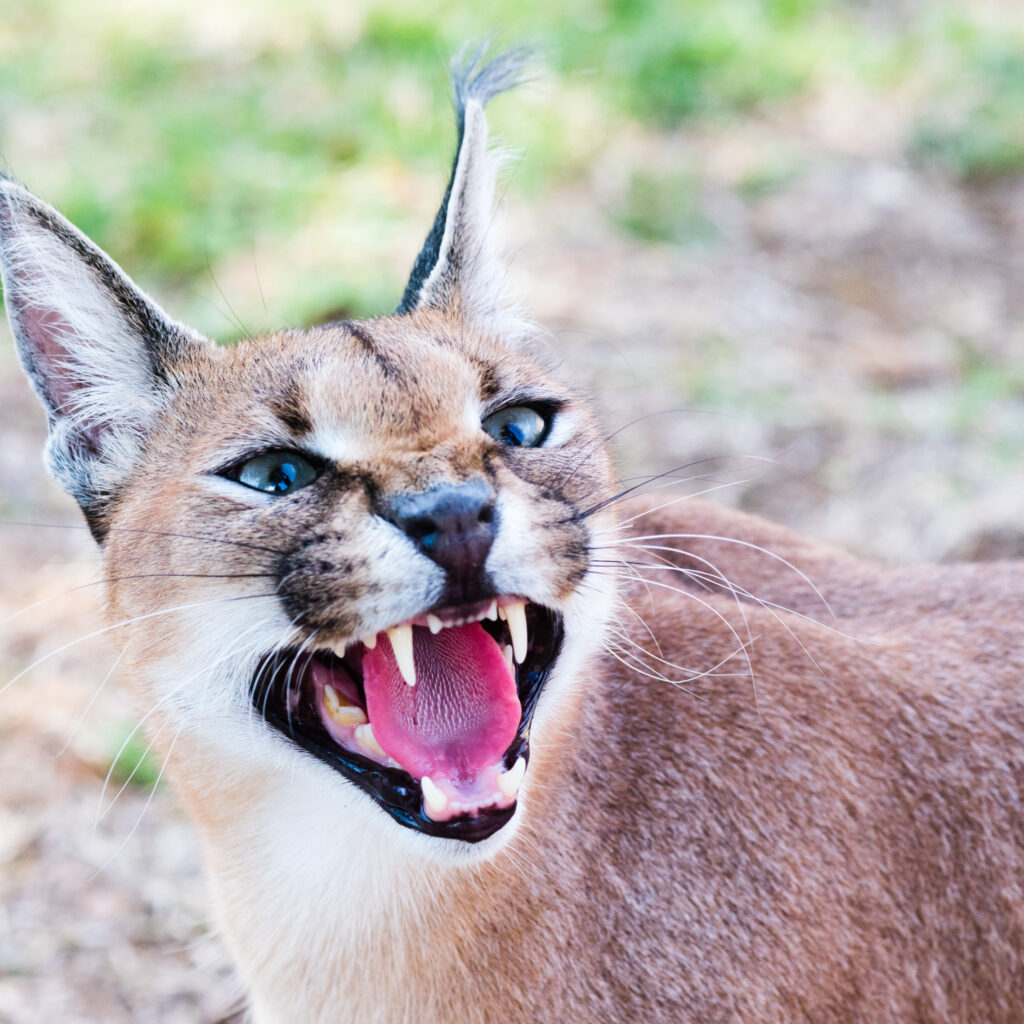
Beauty may be in the eye of the beholder, but some animals stand out for their unusual, even downright bizarre appearances. Despite their less-than-conventional looks, these animals are each perfectly adapted to their environments and play vital roles in their ecosystems. From fish with transparent heads to creatures with bulbous noses. Let’s meet some of the strangest faces nature has to offer. Here’s a detailed outline for “The 25 Ugliest Animals on Earth. Highlighting each animal’s unique quirks and habitats, and exploring how their unusual appearances serve them in survival. With a narrative approach, this article can emphasize each animal’s distinctive traits, evolutionary adaptations, and conservation status. 1. Blobfish Often ranked as the ugliest animal in the world, the Blobfish is a deep-sea creature famous for its droopy, gelatinous face and sad expression. Native to the deep waters off the coasts of Australia and Tasmania, the Blobfish lives thousands of feet below the ocean surface where pressure is extremely high. Its unusual body is actually a brilliant survival adaptation. Instead of muscles, it has a jelly-like mass that allows it to float just above the sea floor with minimal energy. When brought to the surface, pressure changes make the fish appear even more distorted, creating the iconic “melting” look seen in photos online. Despite its strange appearance, the Blobfish is harmless and plays an important role in the deep-sea ecosystem by feeding on small crustaceans and organic matter drifting along the ocean floor. 2. Aye-Aye The Aye-Aye is one of the strangest primates in the world, often listed among the ugliest animals due to its wild hair, large yellow eyes, and extremely long skeletal fingers. Native to Madagascar, this nocturnal lemur has evolved a unique method of hunting insects hidden inside tree bark. It taps on trees to locate hollow spaces and then uses its long middle finger to pull larvae out. This unusual feeding behavior is known as “percussive foraging.” Although its appearance may seem eerie or even spooky, the Aye-Aye plays a vital ecological role by controlling insect populations in tropical forests. Sadly, superstition and habitat loss threaten this rare species. Many local myths once labeled the animal as a bad omen, but conservation efforts today aim to protect this fascinating and misunderstood creature. 3. Naked Mole Rat The Naked Mole Rat is a bizarre underground rodent famous for its wrinkled pink skin, buck teeth, and almost complete lack of fur. Found in East Africa, especially in Kenya and Ethiopia, these animals live in complex tunnel systems beneath dry grasslands. Despite their strange appearance, Naked Mole Rats are scientifically remarkable. They live much longer than most rodents and show unusual resistance to cancer. Even more fascinating is their eusocial colony structure, which resembles that of ants or bees. A single queen produces offspring while worker mole rats dig tunnels, gather food, and defend the colony. Their loose skin allows them to move easily through narrow underground passages. Scientists study Naked Mole Rats to learn about aging, disease resistance, and survival adaptations in extreme environments. 4. Horseshoe Crab Despite its name, the Horseshoe Crab is not actually a crab but an ancient marine arthropod that has existed for over 450 million years. Its hard horseshoe-shaped shell, long spiky tail, and alien-like appearance make it one of the most unusual animals on Earth. Horseshoe crabs are commonly found along the Atlantic coasts of North America and parts of Asia. One of their most remarkable features is their blue blood, which contains a substance used in medical testing to detect bacterial contamination in vaccines and medical equipment. Because of this unique biological trait, horseshoe crabs play an important role in modern medicine. Though their appearance may seem prehistoric or intimidating, these creatures are harmless and contribute significantly to coastal ecosystems and scientific research. 5. Star-Nosed Mole The Star-Nosed Mole is easily recognized by the unusual star-shaped tentacles surrounding its nose. This strange feature consists of 22 flexible appendages that function as one of the most sensitive touch organs in the animal kingdom. Found in wet lowlands across North America, the Star-Nosed Mole spends most of its life digging tunnels and searching for food underground or underwater. It can identify and eat prey in just milliseconds, making it one of the fastest foraging mammals on Earth. Its unusual nose helps detect vibrations and movement, allowing it to locate insects, worms, and small aquatic creatures with incredible precision. While its appearance may seem bizarre or even unsettling, the Star-Nosed Mole is a perfect example of how evolution shapes animals to survive in specialized environments. 6. Proboscis Monkey The Proboscis Monkey is famous for its enormous drooping nose, which gives it a comical yet unusual appearance. Native to the mangrove forests and riverbanks of Borneo, this primate is among the most distinctive monkeys in the world. Male Proboscis Monkeys have especially large noses that scientists believe help amplify vocal calls used to attract mates and establish dominance. Their large bellies are another notable feature, caused by specialized stomachs that help digest leaves and tough vegetation. These monkeys are excellent swimmers and often leap into rivers to escape predators. Although their unusual facial features may appear odd, Proboscis Monkeys are important seed dispersers within their forest ecosystems. Unfortunately, habitat destruction has made them increasingly rare, highlighting the need for stronger conservation efforts. 7. Marabou Stork The Marabou Stork is often called one of the ugliest birds in the world due to its bald head, huge beak, and dangling throat pouch. Native to sub-Saharan Africa, this large scavenger plays a crucial role in cleaning up carcasses and organic waste. Its featherless head actually serves an important purpose: it prevents bacteria and blood from sticking to feathers while feeding on carrion. Marabou Storks are commonly seen near rivers, wetlands, and even urban dumps where food is plentiful. With wingspans that can reach over three meters, they are impressive fliers that soar gracefully on warm air currents. Despite their intimidating look, these birds are essential members of
The 20 Rarest Animals in the World
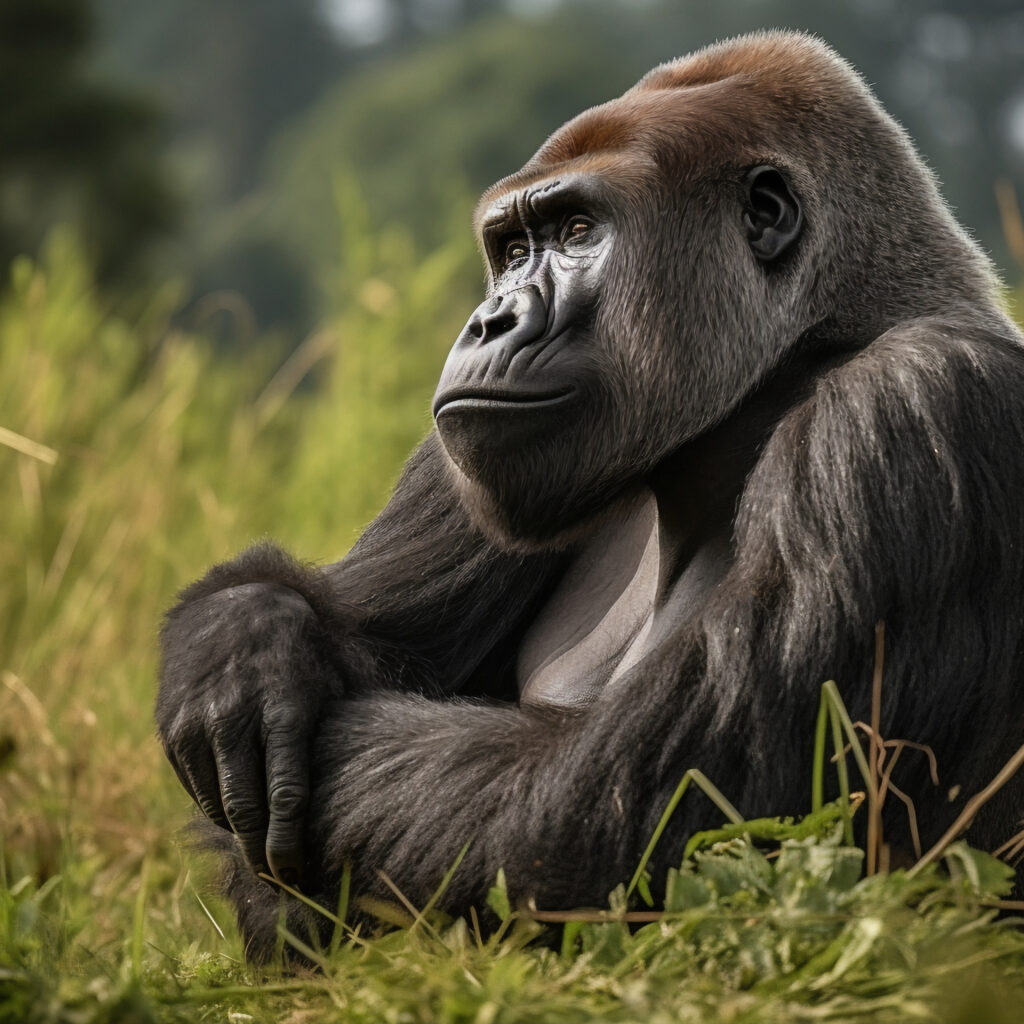
Experience and discover the ultimate rarest animals in the world, which are among the most fascinating and fragile treasures of global biodiversity. These critically endangered species face extinction due to habitat loss, climate change, poaching, and human-wildlife conflict. From dense rainforests and remote mountains to deep oceans, these animals represent the last survivors of once-thriving populations. Conservation efforts, wildlife protection programs, and eco-tourism initiatives are now crucial to saving them. Keywords such as “rarest animals in the world,” “critically endangered species list,” “wildlife conservation,” and “endangered animals protection” dominate search trends as awareness grows worldwide. Understanding these species is the first step toward protecting them. This guide explores some of the most endangered animals on Earth, highlighting their habitats, threats, and the urgent need for global conservation action to ensure they survive for future generations. 1. Javan Rhino The Javan Rhino is one of the rarest large mammals on Earth, with fewer than 80 individuals surviving in the wild. Found only in Ujung Kulon National Park, this critically endangered species faces severe threats from habitat loss, natural disasters, and disease. Once widespread across Southeast Asia, the Javan rhino population has dramatically declined due to poaching and human encroachment. Conservationists now focus on habitat protection, anti-poaching measures, and breeding monitoring programs. Javan rhino population,” endangered rhinos,” and “wildlife conservation in Indonesia” rank highly as interest in saving this species grows. Protecting the Javan rhino is essential for maintaining ecological balance, as it plays a vital role in shaping forest ecosystems through seed dispersal and vegetation control in its habitat. 2. Vaquita The Vaquita is the world’s rarest marine mammal, with fewer than 20 individuals remaining in the Gulf of California. This small porpoise faces imminent extinction due to illegal fishing practices, especially gillnets used for catching totoaba fish. The vaquita’s decline highlights the devastating impact of bycatch on marine biodiversity. Conservation campaigns focus on banning gillnets, promoting sustainable fishing, and enforcing marine protection zones. Vaquita population,” endangered marine species,” and “ocean conservation efforts” are widely searched. Despite international attention, saving the vaquita remains a race against time. Its survival is crucial not only for biodiversity but also for maintaining the health of marine ecosystems in the Gulf of California, making it a global conservation priority. 3. Mountain Gorilla The Mountain Gorilla is a conservation success story, though still critically endangered. Found in the forests of the Virunga Mountains, these gorillas have seen population growth thanks to strict conservation efforts and eco-tourism. However, they remain vulnerable to habitat destruction, disease, and human conflict. Mountain gorilla trekking,” endangered primates,” and “wildlife conservation in Africa” continue to trend globally. Gorilla tourism has become a key driver in funding conservation and supporting local communities. These gentle giants play a vital role in forest ecosystems by dispersing seeds and maintaining vegetation balance. Continued protection, anti-poaching patrols, and sustainable tourism are essential to ensure their long-term survival in the wild. 4. Yangtze Finless Porpoise The Yangtze Finless Porpoise is a critically endangered freshwater cetacean native to the Yangtze River. With fewer than 1,000 individuals remaining, it faces threats from pollution, shipping traffic, and habitat degradation. Unlike other porpoises, it has no dorsal fin, making it unique among aquatic mammals. Yangtze River wildlife,” endangered freshwater dolphins,” and “China conservation efforts” rank highly. Conservation initiatives include protected reserves, breeding programs, and pollution control. The porpoise’s survival is crucial for maintaining the ecological health of the Yangtze River, one of the world’s most important waterways. Protecting this species also highlights the urgent need for sustainable development and environmental protection in rapidly industrializing regions. 5. Northern White Rhinoceros The Northern White Rhinoceros is functionally extinct, with only two females remaining under constant protection in Ol Pejeta Conservancy. Decimated by poaching for their horns, this species symbolizes the devastating impact of illegal wildlife trade. Scientists are now attempting advanced reproductive technologies, including in vitro fertilization, to save the subspecies. Northern white rhino extinction,” rhino conservation,” and “anti-poaching efforts” are widely searched. The story of the northern white rhino serves as a powerful warning about biodiversity loss. Conservationists hope that scientific breakthroughs combined with stronger wildlife protection laws can prevent similar tragedies in the future, ensuring other endangered species do not follow the same path toward extinction. 6. Amur Leopard The Amur Leopard is one of the rarest big cats, with fewer than 120 individuals living in the wild forests of the Russian Far East and northeastern China. This critically endangered species faces threats from habitat loss, poaching, and prey scarcity. Known for its beautiful spotted coat and adaptability to cold climates, the Amur leopard is a symbol of wildlife conservation success as populations slowly recover. Rarest big cats,” Amur leopard population,” and “endangered wildlife in Russia” are highly searched. Conservation programs focus on habitat protection, anti-poaching enforcement, and breeding initiatives. Protecting this elusive predator is essential for maintaining the balance of forest ecosystems and preserving biodiversity in one of the world’s most unique environments. 7. Sumatran Elephant The Sumatran Elephant is a critically endangered subspecies found only on the island of Sumatra. Rapid deforestation for agriculture, especially palm oil plantations, has led to severe habitat fragmentation and human-elephant conflict. With fewer than 2,400 individuals remaining, conservation efforts are focused on habitat restoration, wildlife corridors, and community education. Sumatran elephant conservation,” endangered elephants,” and “wildlife protection in Indonesia” are widely searched. These elephants play a crucial role in maintaining forest ecosystems by dispersing seeds and creating pathways for other species. Protecting them not only ensures biodiversity but also supports sustainable environmental practices in one of the world’s most ecologically important regions. 8. Kakapo The Kakapo is a rare, flightless parrot native to New Zealand, with fewer than 250 individuals remaining. This nocturnal bird is highly vulnerable to predators and habitat loss. Intensive conservation programs, including predator-free islands and breeding monitoring, have helped stabilize its population. Kakapo recovery program,” endangered birds,” and “New Zealand wildlife conservation” rank highly online. The kakapo’s unique characteristics, including its inability to fly and its charming personality, have
Things You Need to Know Before Visiting Tanzania

Planning a Tanzania safari or beach holiday? Before visiting Tanzania, it’s essential to understand key travel tips that ensure a smooth, safe, and unforgettable experience. From world-famous wildlife safaris in Serengeti National Park to relaxing on the white sands of Zanzibar, Tanzania offers diverse adventures for families, honeymooners, and solo travelers. This SEO-friendly travel guide covers everything you need to know before visiting Tanzania, including visa requirements, health precautions, currency, safety, culture, and packing tips. Whether you’re planning a luxury safari, budget trip, or Kilimanjaro climb, these expert insights help you prepare with confidence. Discover essential Tanzania travel advice, safari tips, and insider knowledge to make your journey seamless, affordable, and truly extraordinary. Karibu Tanzania—your African adventure begins here. 1. Visa Requirements Before traveling to Tanzania, understanding visa requirements is essential for a smooth entry. Most travelers need a tourist visa, which can be obtained online through the Tanzania eVisa system or on arrival at major airports like Kilimanjaro International Airport. Ensure your passport is valid for at least six months and has blank pages for entry stamps. Visa fees vary depending on nationality, so check official immigration guidelines before departure. For SEO-savvy travelers searching “Tanzania visa requirements,” “how to get a Tanzania visa,” or “Tanzania travel entry rules,” planning avoids delays. Business travelers and long-term visitors may require special permits. Always carry printed confirmations and supporting documents. Knowing visa rules ensures stress-free travel, allowing you to focus on your Tanzania safari, wildlife tours, or beach holidays. 2. Vaccinations & Health Health preparation is crucial before visiting Tanzania. Travelers are often required to show proof of yellow fever vaccination, especially if arriving from endemic countries. Recommended vaccines include hepatitis A, typhoid, and routine immunizations. Malaria is present in many regions, so consult your doctor about antimalarial medication before traveling to places like Ngorongoro Crater or coastal areas. Pack a basic medical kit with insect repellent, sunscreen, and prescription medications. Travel insurance is highly recommended for safaris and mountain trekking. Keywords like “Tanzania travel health tips,” “vaccinations for Tanzania,” and “malaria prevention Tanzania” are essential for safe planning. Staying healthy ensures you fully enjoy wildlife safaris, Kilimanjaro climbs, and cultural tours without interruptions during your unforgettable African journey. 3. Local Currency & Cash The official currency of Tanzania is the Tanzanian Shilling (TZS), widely used for everyday transactions. While US dollars are accepted in hotels, safari lodges, and tourist areas such as Arusha, smaller shops and markets prefer local currency. It’s advisable to carry cash, especially when traveling to remote safari destinations. ATMs are available in major towns, but access can be limited in national parks. Credit cards are accepted at upscale lodges but often include extra fees. Search terms like “Tanzania currency exchange,” “how to pay in Tanzania,” and “cash vs card Tanzania” are common for travelers. Always carry small denominations for tips and local purchases. Proper money management ensures a smooth and hassle-free Tanzania travel experience. 4. Language Language plays a vital role in enhancing your travel experience in Tanzania. The official languages are Swahili and English, with Swahili widely spoken across the country. Learning a few basic phrases like “Jambo” (hello) and “Asante” (thank you) can greatly improve interactions with locals. In tourist hubs like Zanzibar and safari regions, English is commonly used, especially in hotels and tour operations. Keywords such as “language spoken in Tanzania,” “Swahili phrases for tourists,” and “communicating in Tanzania” are helpful for planning. Embracing the local language adds cultural depth to your journey, whether you’re exploring wildlife parks, visiting villages, or shopping in markets. Communication in Tanzania is generally easy, friendly, and welcoming to international visitors. 5. Safety & Security Tanzania is considered a safe travel destination, especially for tourists visiting safari destinations like Serengeti National Park. However, basic precautions are essential. Avoid walking alone at night, keep valuables secure, and use reputable tour operators. Petty theft can occur in busy cities, so remain alert in crowded areas. When on safari, always follow your guide’s instructions to ensure safety around wildlife. Keywords such as “is Tanzania safe,” “Tanzania travel safety tips,” and “African safari safety” are widely searched. Emergency services and tourist police are available in major regions. With proper planning and awareness, Tanzania offers a secure environment for unforgettable safaris, beach vacations, and cultural adventures across East Africa. 6. Cultural Sensitivity Understanding cultural etiquette in Tanzania enriches your travel experience. Tanzania is a diverse country with strong traditions, especially in places like Zanzibar, where Islamic customs are observed. Dress modestly, particularly in rural areas and coastal towns. Always ask permission before taking photos of people. Greetings are important, and showing respect goes a long way. Keywords like “Tanzania culture tips,” “dos and don’ts in Tanzania,” and “respect local traditions in Tanzania” help travelers prepare. Avoid public displays of affection and be mindful of local customs during religious periods. Cultural awareness not only shows respect but also creates meaningful connections with local communities, making your Tanzania safari or holiday more authentic and memorable. 7. Best Time to Visit Tanzania The best time to visit Tanzania depends on your travel goals. For wildlife safaris in Serengeti National Park and Ngorongoro Crater, the dry season from June to October offers excellent game viewing. The green season from November to May provides lush landscapes and fewer crowds. Beach destinations like Zanzibar are best visited during the dry months. Keywords such as “best time to visit Tanzania,” “Tanzania safari seasons,” and “when to go to Tanzania” are highly searched. Each season offers unique experiences, from migration sightings to birdwatching. Planning your trip based on weather and wildlife patterns ensures the best possible safari and travel experience. 8. The Great Migration One of Africa’s most spectacular wildlife events, the Great Migration takes place in Serengeti National Park. Millions of wildebeest, zebras, and gazelles move across the plains in search of fresh grazing. This iconic safari experience attracts travelers worldwide. River crossings, especially in the northern Serengeti, are among the most dramatic moments. Keywords like “Great Migration Tanzania,”
6-Day Serengeti and Ngorongoro Family Safaris
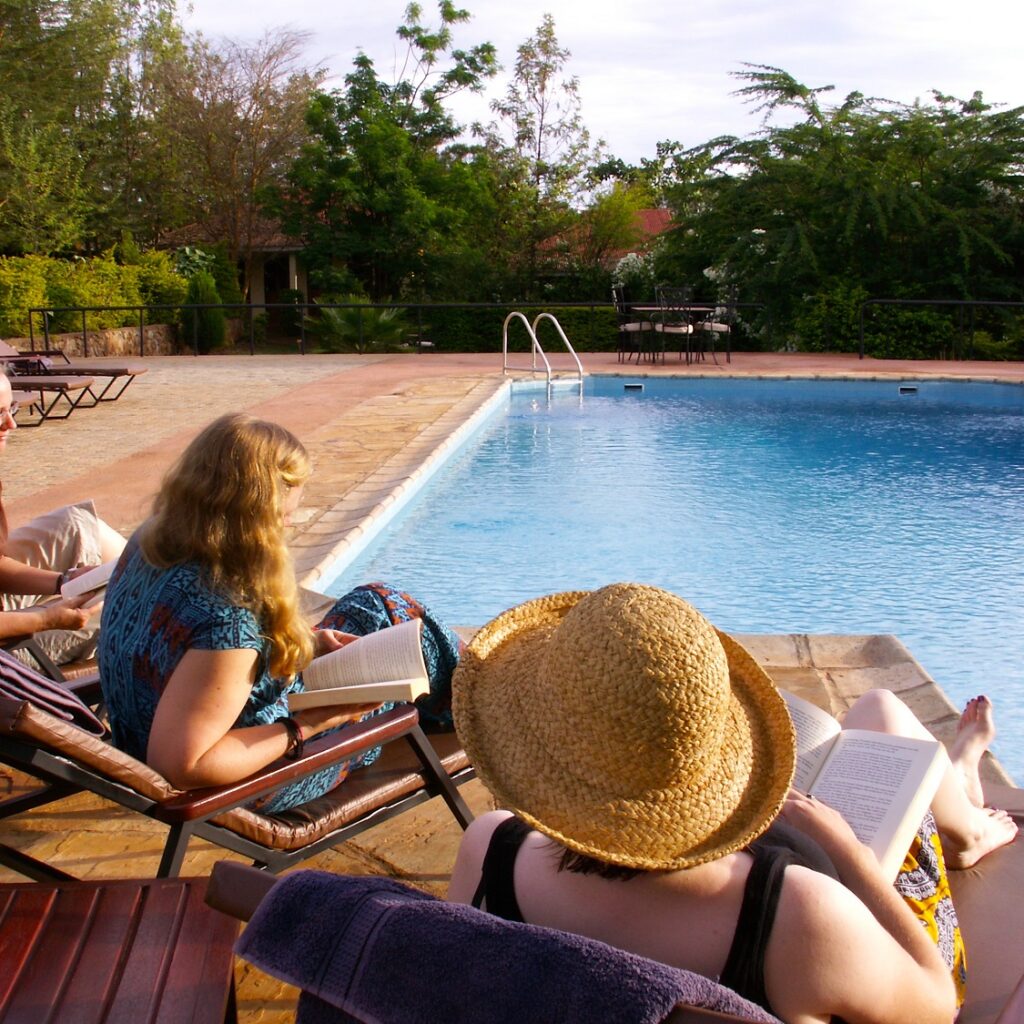
6-Day Serengeti and Ngorongoro Tanzania Family Safaris ✓Northern Tanzania Family Safari✓ Discover Serengeti Family Safari Tour Packages ✓ tailor-made Ngorongoro Crater family safari ✓Enjoy a private luxury family trip to Tanzania ✓best Tanzania family safari packages ✓Family safari and beach holidays in Tanzania extension ✓Tanzania Family Safari Holidays ✓Best Family Tanzania Safari tours and vacations ✓Bespoke Tanzania family Safari Unforgettable Serengeti and Ngorongoro family Safaris Experience the ultimate Serengeti and Ngorongoro family Tanzania safaris offer an all-inclusive wildlife adventure in Tanzania’s most iconic destinations. Perfect for family vacations, these trips include thrilling game drives in the Serengeti to witness the Great Migration. And explore the Ngorongoro Crater, a haven for diverse wildlife. All-inclusive packages cover accommodations, meals, park fees, and expert guides, ensuring a hassle-free experience. Prices vary based on luxury level and duration, with affordable options for budget-conscious families. You’ll find family-friendly lodges, interactive activities, reviews, and cultural experiences with local Maasai communities. Safari maps highlight key wildlife areas, making planning easy and exciting. These unforgettable holidays provide an up-close encounter with Africa’s majestic animals while ensuring comfort and safety for the entire family. 6-Day Serengeti and Ngorongoro family Safaris Itinerary Your grand Tanzania family’s safari adventure awaits! This 6-day Tanzania Family Safari Tour Packages, focusing on the iconic Serengeti National Park and the breathtaking Ngorongoro Crater, promises an unforgettable journey into the heart of African wilderness. From January, February, June to December is a prime time for this Family Safaris in Tanzania itinerary, as it’s the dry season, leading to superb wildlife viewing opportunities, especially for witnessing the Great Migration in the Serengeti. The weather during this time is generally pleasant, with cool mornings and evenings, and warm, sunny days. Day 1: Arrival in Tanzania – Warm Welcome to Arusha Your family’s grand safari adventure begins with your arrival in Tanzania, landing at either Kilimanjaro International Airport (JRO) or Arusha Airport (ARK). Upon disembarkation, you’ll be warmly greeted by your friendly and professional safari guide, who will be your expert companion throughout this incredible journey. After a brief introduction, you’ll be transferred to your chosen accommodation in Arusha – whether it’s a budget-friendly hotel, a comfortable mid-range lodge, or a luxurious resort for your overnight. Settle in, unpack, and take some time to relax after your journey. Depending on your arrival time, you might enjoy a leisurely. Dinner will be served at your hotel, offering a taste of local or international cuisine, setting a relaxed tone for the exciting days ahead. Day 2: Arusha to Serengeti National Park – The Plains Call After a hearty breakfast at your Arusha hotel, you’ll embark on a thrilling journey to the world-renowned Serengeti National Park. This will be a scenic drive, often taking between 6 and 8 hours, depending on road conditions and where your camp is located within the Serengeti. The drive itself is an experience, transitioning from the bustling town to the vast. Seemingly endless plains that define the Serengeti. You’ll carry a packed lunch to enjoy en route. Perhaps at a scenic viewpoint where you can stretch your legs and absorb the expansive vistas. You will be at Nabi Gate around 14:30. As you enter the Serengeti, the landscape transforms, and the sense of anticipation builds. Keep your eyes peeled as your first game drive officially begins upon entering the park gates. The Serengeti in July is often alive with the Great Migration, with massive herds of wildebeest and zebra typically moving towards the northern reaches, preparing for the dramatic river crossings. Your afternoon game drive will focus on locating these magnificent herds and the abundance of other resident wildlife. Including lions, cheetahs, leopards, giraffes, elephants, and various antelopes. As the sun begins to set, casting long shadows across the plains. You’ll arrive at your chosen accommodation – be it a budget camping site, a comfortable mid-range tented camp, or a luxurious lodge– for dinner and an unforgettable night under the vast African sky. Day 3: Serengeti National Park – Full Day of Wilderness Wonders Wake up to the sounds of the African bush and prepare for a full day of exhilarating game drives in the Serengeti. After an early breakfast, you’ll head out, maximizing your chances of witnessing the park’s incredible wildlife in action. Your guide, with their extensive knowledge of animal behavior and local conditions, will expertly navigate the vast plains, seeking out prime viewing opportunities. Serengeti National Park is a fantastic month for observing predators as they follow the migrating herds. You might witness a lion pride on the hunt, cheetahs stalking their prey with incredible speed, or leopards camouflaged in the trees. Beyond the migration, the Serengeti teems with diverse wildlife: towering giraffes nibbling on acacia leaves, robust buffaloes, and various antelope species. You’ll enjoy a picnic lunch out in the bush. Allowing you to fully immerse yourselves in the wilderness. The afternoon will bring more incredible sightings, perhaps a family of elephants at a watering hole or a rare bird species. As the day draws to a close, you’ll return to your lodge or camp for dinner and overnight, sharing tales of the day’s adventures around the campfire. Day 4: Serengeti En Route Game Drive to Ngorongoro Crater – A Change of Scenery Enjoy a final morning game drive in the Serengeti after breakfast, making the most of your last moments in this iconic park. Depending on your departure time and where the wildlife is, your guide will tailor this game drive to maximize your last viewing opportunities. Perhaps you’ll catch a final glimpse of a pride of lions or a graceful cheetah. After a packed lunch, you’ll begin your scenic journey out of the Serengeti and towards the Ngorongoro Conservation Area. The drive takes you through varied landscapes, gradually ascending into the cooler, greener highlands surrounding the Ngorongoro Crater. This evening, you’ll check into your chosen accommodation near the crater rim. The anticipation builds for tomorrow’s exploration of the “Garden of Eden.” Enjoy a relaxing dinner, reflecting on the vastness of
Eight Steps to Make Climbing Kilimanjaro Easier
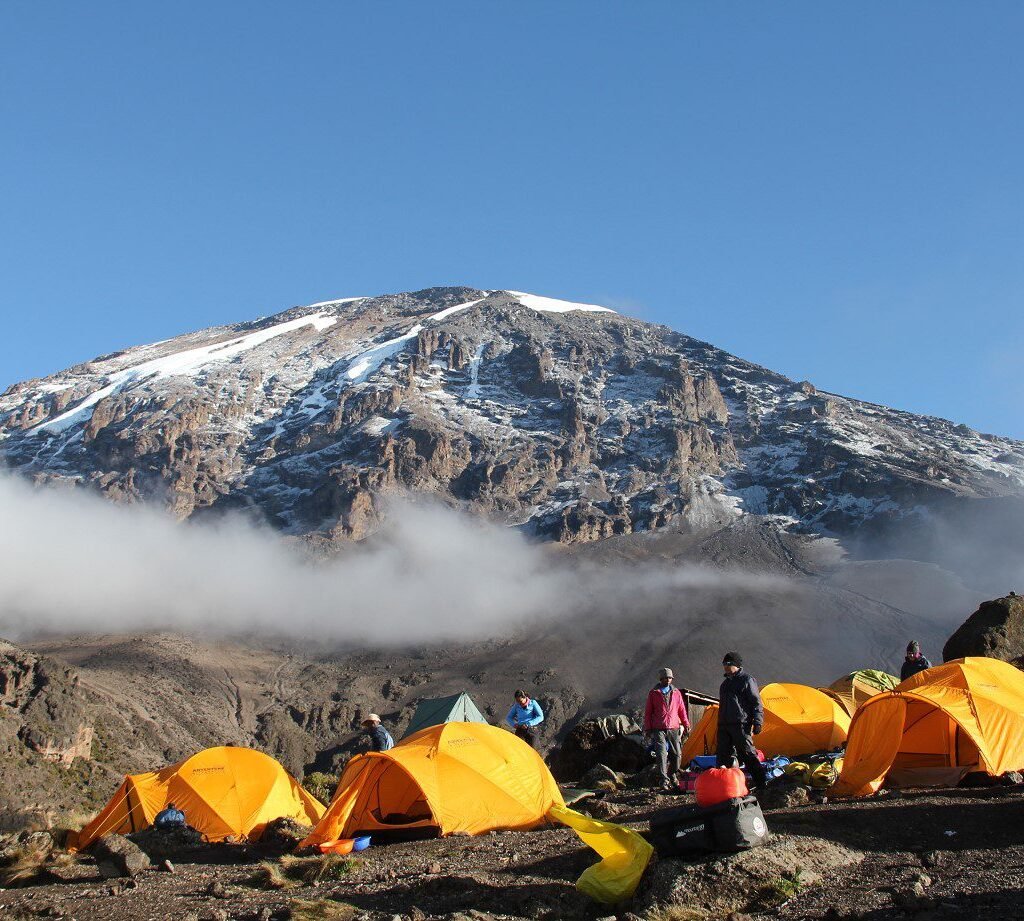
To make climbing Kilimanjaro easier, prioritize slow acclimatization by choosing a longer route, commit to a consistent physical training plan beforehand, and strictly follow your guide’s advice on pacing, hydration, and nutrition. Climbing Mount Kilimanjaro is a life-changing adventure, attracting hikers, trekkers, and adventure travelers worldwide. Known as Africa’s highest peak, Kilimanjaro offers diverse landscapes, from lush rainforests to alpine deserts and the snow-capped summit. Many travelers dream of reaching Uhuru Peak but underestimate the physical and mental demands of this climb. The key to a successful Kilimanjaro trek is preparation—choosing the right route, understanding altitude effects, and developing both physical stamina and mental resilience. By following these eight essential steps, climbers can make their Kilimanjaro experience smoother, safer, and more enjoyable while maximizing the chance to reach the summit without altitude sickness or exhaustion. Step 1: Choose the Right Route for Acclimatization Selecting the ideal Kilimanjaro route is critical for acclimatization and increasing summit success. Routes like Lemosho, Machame, and Northern Circuit provide gradual altitude gain, allowing your body to adjust to thinner air, reducing the risk of altitude sickness. In contrast, shorter routes like Marangu are popular but less forgiving, with faster ascents that challenge beginners. Research each trail’s difficulty, scenery, and camping style to match your fitness level and experience. Longer treks not only improve acclimatization but also offer spectacular views, including the Shira Plateau, Lava Tower, and Western Breach. A carefully chosen route ensures a balance between adventure, safety, and maximizing your Kilimanjaro summit experience. Step 2: Train for Stamina and Endurance Physical preparation is essential for conquering Mount Kilimanjaro. Cardiovascular training like running, hiking, cycling, and swimming strengthens your heart and lungs, while leg-focused exercises—squats, lunges, and stair climbing—build stamina for long days on steep terrain. Incorporate strength training and core workouts to improve balance and reduce fatigue on uneven trails. Hiking with a loaded backpack simulates the actual climb and conditions your body for multi-day treks. Ideally, start training 8–12 weeks before your Kilimanjaro expedition. Consistent preparation reduces the risk of injury, improves endurance, and enhances your ability to tackle altitude changes while maintaining energy levels throughout the journey, ultimately increasing your chances of summiting successfully. Step 3: Pace Yourself – “Pole Pole” “Pole pole,” meaning “slowly, slowly” in Swahili, is the golden rule for climbing Kilimanjaro. Rapid ascents increase the likelihood of altitude sickness and exhaustion. By maintaining a steady pace, your body adjusts more effectively to decreasing oxygen levels at higher altitudes. Use trekking poles to distribute weight and reduce strain on knees and ankles. Take short breaks, breathe deeply, and monitor how your body feels throughout the day. Remember, summiting Kilimanjaro is a marathon, not a sprint. Following the “pole pole” principle preserves energy for the most challenging sections and enhances acclimatization, giving climbers a more enjoyable experience and a significantly higher probability of reaching Uhuru Peak safely. Step 4: Stay Hydrated Proper hydration is one of the most crucial factors for Kilimanjaro success. High-altitude trekking causes increased water loss due to dry air and physical exertion, making dehydration a serious risk. Drink at least 3–4 liters of water per day, and consider electrolyte drinks to maintain essential salts and minerals. Avoid excessive caffeine or alcohol, as these can increase fluid loss. Carry a refillable water bottle or hydration system, and take small sips regularly rather than waiting until you feel thirsty. Staying hydrated supports circulation, reduces headaches, and helps your body cope with altitude stress, ultimately enhancing endurance and making the climb safer and more comfortable. Step 5: Pack the Right Gear Packing the correct gear can make or break a Kilimanjaro climb. Essentials include a quality down jacket, thermal layers, moisture-wicking base layers, a waterproof shell, sturdy hiking boots, and warm gloves. Accessories like a headlamp, sunglasses, trekking poles, and a hydration pack are vital for comfort and safety. Don’t forget sun protection, a hat, and high-SPF sunscreen for harsh equatorial sunlight. Sleeping bags rated for sub-zero temperatures are necessary for cold nights at high altitudes. Packing light yet comprehensive ensures mobility, warmth, and efficiency on the trails. Proper gear allows climbers to focus on the experience, reducing stress and increasing chances of reaching the summit successfully. Step 6: Eat Properly and Fuel Your Body Nutrition plays a critical role during a Kilimanjaro climb. Consuming balanced meals rich in carbohydrates, proteins, and healthy fats provides sustained energy for long trekking days. Snack on nuts, dried fruits, and energy bars between meals to maintain blood sugar levels. Avoid overly heavy or greasy foods that can slow digestion and increase fatigue. Hydrating with warm drinks and soups helps keep energy and morale high in cold conditions. Many trekking companies offer carefully planned meals tailored for high-altitude trekking, ensuring climbers receive adequate calories and nutrients. Proper fueling enhances performance, prevents energy crashes, and supports acclimatization, improving the likelihood of a successful summit. Step 7: Get Plenty of Rest Adequate rest before and during your Kilimanjaro trek is essential. Sleep allows your body to recover, repair muscles, and adapt to altitude. Start with quality rest in the weeks leading up to the climb and prioritize early nights on the trail. Daytime naps can also help conserve energy, especially during multi-day treks. Avoid overexertion, and listen to your body’s signals for fatigue. Proper rest improves endurance, mental clarity, and overall trekking performance. Those who maintain a consistent sleep routine are better equipped to handle challenging ascents, unpredictable weather, and cold nights, increasing their chances of reaching the summit with strength and focus. Step 8: Mentally Prepare for the Challenge Climbing Kilimanjaro is as much a mental challenge as a physical one. Visualize success, set realistic goals, and maintain a positive mindset. Mental preparation helps you overcome moments of fatigue, altitude sickness, and tough weather conditions. Practice mindfulness, meditation, or breathing exercises to build resilience. Remember that patience, persistence, and flexibility are key—every step forward counts. Surround yourself with supportive guides and trekking partners who motivate and encourage you. A strong mental attitude reduces