
Mikumi National Park Birds
Mikumi National Park hosts over 400 recorded bird species, spread across a striking mix of floodplain, woodland, and hippo-pool wetland habitats that make it one of southern Tanzania's premier birding destinations. The open Mkata Floodplain, often likened to a miniature Serengeti, is home to the yellow-throated longclaw and supports large raptor populations, including the distinctive bateleur soaring low over the grassland. Along the park's permanent hippo pools, herons, egrets, and the African fish eagle gather in reliable numbers, drawn by consistent water and abundant prey. Further south, Mikumi's Miombo woodlands harbor a distinct community of birds rarely encountered on Tanzania's Northern Circuit, including barbets, sunbirds, and woodland flycatchers. Add the ever-photogenic lilac-breasted roller and colorful bee-eaters found throughout the park, and Mikumi offers a genuinely rewarding, varied birding experience within easy reach of Dar es Salaam.
Birdlife of Mikumi National Park
Six habitats, one exceptional checklist — where to look and what to expect
Raptors & Birds of Prey
Mikumi's open Mkata Floodplain and surrounding woodland edges make it an excellent destination for raptor sightings. The bateleur, with its short tail and rocking flight, is a signature species here, frequently seen soaring low over the grassland. The African fish eagle is a near-guaranteed sighting around Hippo Pool and along the Mkata River, often heard calling before it is seen. Tawny eagles, martial eagles, several vulture species, and smaller falcons round out an impressive raptor list, drawn by the combination of open hunting ground and reliable prey around the park's permanent water sources.
Floodplain & Wetland Birds
Mikumi's Hippo Pool and the wider Mkata Floodplain wetlands support a rich concentration of waterbirds throughout the year. Grey herons, black-headed herons, and great and little egrets wade the shallows hunting fish and amphibians alongside resident hippo pods, while kingfishers and African jacanas work the fringing vegetation. Seasonal pools across the floodplain add storks and additional waders during the wet season. Because water is permanent at Hippo Pool, this stretch delivers reliable, close-range waterbird viewing on almost any game drive, particularly in the early morning and late afternoon.
Grassland Species
The open, grassy expanse of the Mkata Floodplain is Mikumi's answer to a miniature Serengeti, and it supports a strong community of grassland-dependent birds. The yellow-throated longclaw is the standout species here, easily identified by its bright yellow throat and black breast band as it perches on low vegetation or termite mounds. Pipits, larks, and other short-grass specialists share this habitat, often spotted from the road during slow, scanning drives. Early morning light and quiet stretches of floodplain offer the best chances of close, unobstructed sightings.
Colorful Specials
Few birds capture a camera's attention like Mikumi's colorful specials. The lilac-breasted roller, one of Africa's most photographed birds, perches conspicuously on exposed branches and fence posts before making dramatic aerial dives after insects. Bee-eaters, including the little bee-eater and seasonal carmine bee-eater, add flashes of green, blue, and crimson along riverbanks and open woodland edges. Both groups are most vivid and active in good morning light, rewarding photographers who plan drives along the floodplain and riverine corridors during the early hours of the day.
Miombo Woodland Birds
South of the main safari circuit, Mikumi's Miombo woodlands hold a bird community rarely encountered on Tanzania's Northern Circuit parks. Barbets, woodpeckers, sunbirds, and flycatchers move through the broadleaf canopy, alongside several regional specials adapted to this dry, deciduous forest type. Because Miombo birding relies more on calls and patient, close-range observation than the open sightlines of the floodplain, a knowledgeable guide makes a significant difference in locating species that would otherwise go unnoticed. This habitat rewards travelers seeking a genuinely different Tanzania birding experience.
Best Birding Times & Spots
The Mkata Floodplain and Hippo Pool are Mikumi's most productive birding areas, combining open sightlines with dependable water and prey. Early morning and late afternoon game drives consistently deliver the highest bird activity, particularly during the dry season from June to October when wildlife concentrates around remaining water sources. The wet season, from November to May, brings migratory arrivals and vivid breeding plumage for a different but equally rewarding experience. Pairing floodplain drives with time in the southern Miombo woodlands gives visitors Mikumi's fullest possible birding picture.
Plan Your Mikumi Safari
Trip Length
Comfort Level
Safari Style
Operator Rating
Specialized Tours
Filter by Operator
Other Tour Features
Mikumi Birding & Wildlife Safari Packages
Hand-picked southern circuit itineraries featuring Mikumi National Park, tailored privately by Foot Slopes Tours and Safaris.
6-Day Tanzania Southern Circuit Safari
A six-day fly-in safari linking Nyerere's Rufiji River boat safaris with Ruaha's vast wilderness.
View Package →
11-Day Best Of Southern Tanzania Safari
An eleven-day journey through Nyerere, Mikumi, Udzungwa, and Ruaha's finest southern-circuit wildlife.
View Package →
7-Day Southern Tanzania Safari
A seven-day circuit through Nyerere, Mikumi, and the Udzungwa Mountains' rainforest and wildlife.
View Package →
7-Day Tanzania off the Beaten Track Safari
A seven-day safari exploring quieter parks away from the crowds.
View Package →
8-Day Authentic Tanzania Safari Tours
An authentic eight-day safari experience across classic Tanzania destinations.
View Package →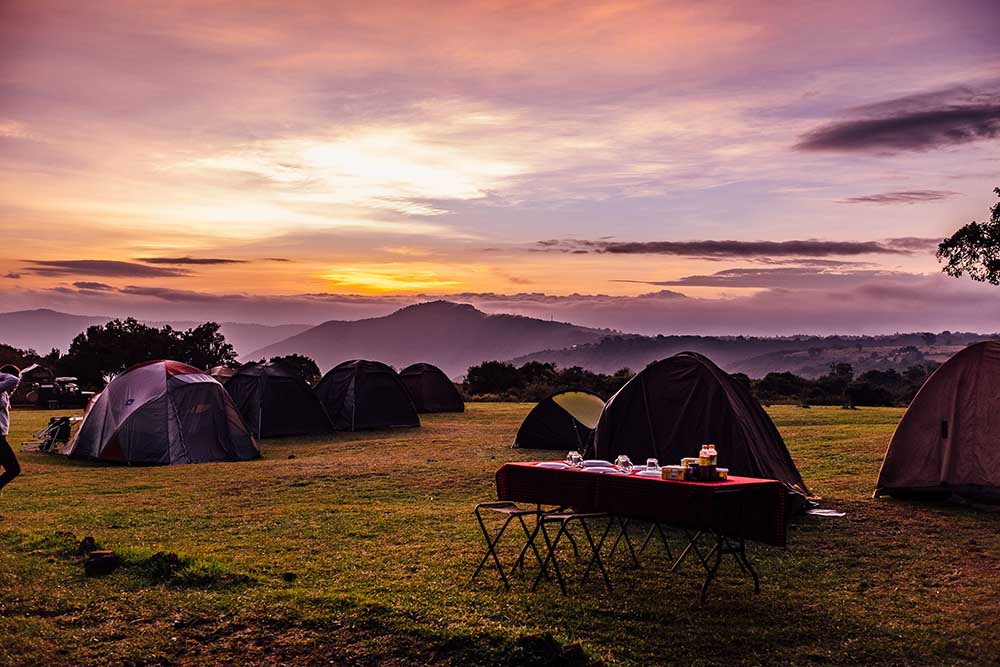
8-Day Remarkable Tanzania Safari
An eight-day journey across Tanzania's most remarkable wildlife areas.
View Package →
7-Day Tanzania Budget Camping Safari
A budget-friendly seven-day camping safari without compromising on wildlife.
View Package →11-Day Tanzania Safari for solo travelers
An eleven-day itinerary designed specifically for solo safari travelers.
View Package →Mikumi National Park Planning Guides
Mikumi Birding: Frequently Asked Questions
How many bird species are found in Mikumi National Park?
Mikumi National Park has recorded over 400 bird species, making it one of Tanzania's richest birding destinations outside the Northern Circuit. This diversity comes from the park's mix of open Mkata Floodplain grassland, acacia woodland, riverine forest, and Miombo woodland further south, each hosting a different bird community. Visitors regularly encounter raptors such as the bateleur and African fish eagle, grassland specialists like the yellow-throated longclaw, and colorful species including the lilac-breasted roller and various bee-eaters. Because Mikumi sees fewer visitors than parks like Serengeti or Tarangire, birders often enjoy quiet, uncrowded game drives with excellent, close-range viewing opportunities year-round.
What makes Mikumi National Park a good birdwatching destination?
Mikumi stands out for birding because it packs several distinct habitats into one easily accessible park just a few hours from Dar es Salaam. The open Mkata Floodplain resembles a miniature Serengeti and supports grassland species, while hippo pools attract herons, egrets, and fish eagles, and the Miombo woodlands to the south hold species rarely seen on the Northern Circuit. This habitat variety, combined with strong raptor numbers and reliable sightings of colorful specials like the lilac-breasted roller, gives Mikumi a surprisingly high species count for its size, rewarding both casual visitors and dedicated birders with a full day's productive birding.
What birds can be seen at Mikumi's Hippo Pool?
Mikumi's Hippo Pool is one of the park's best waterbird sites, drawing herons, egrets, and the African fish eagle to its permanent waters alongside resident hippo pods. Grey herons, black-headed herons, and great and little egrets wade the shallows hunting fish and amphibians, while fish eagles perch in nearby trees, periodically swooping to snatch prey and calling their distinctive haunting cry. Kingfishers and African jacanas also frequent the fringing vegetation. Because the pool concentrates both water and prey year-round, it is a reliable, easy-viewing stop on almost any Mikumi game drive, particularly rewarding in the early morning and late afternoon.
What waterbirds live on the Mkata Floodplain?
The Mkata Floodplain, Mikumi's signature open grassland habitat, supports a strong community of waterbirds and grassland species, especially where seasonal pools and the Mkata River create wet-season wetlands. Herons, egrets, and storks gather at shallow pools alongside the resident Hippo Pool, while the floodplain's grasses hold the striking yellow-throated longclaw and various pipits and larks. Raptors including the bateleur and African fish eagle patrol overhead, taking full advantage of the open sightlines to hunt. This floodplain habitat, often compared to a scaled-down Serengeti, is Mikumi's most productive and accessible birding zone and is easily covered on a standard morning game drive.
Which raptors and birds of prey are found in Mikumi?
Mikumi supports a healthy population of raptors thanks to its open floodplain and mixed woodland habitats, which together offer both hunting visibility and reliable nesting cover. The bateleur, instantly recognizable by its short tail and rocking flight, is a signature Mikumi species, while the African fish eagle is a near-guaranteed sighting around Hippo Pool and the Mkata River. Other raptors regularly recorded include tawny eagles, martial eagles, several vulture species, and smaller falcons hunting low over the open grassland. The combination of open plains for soaring species and woodland edges for perch-hunters makes Mikumi a genuinely rewarding stop for raptor-focused birders.
Where can I see the yellow-throated longclaw in Mikumi?
The yellow-throated longclaw is a signature grassland species of Mikumi National Park, most reliably found in the open, grassy sections of the Mkata Floodplain, where it perches conspicuously on low vegetation, fence posts, or termite mounds. Its bright yellow throat and black breast band make it easy to identify even from a moving vehicle, and it is often seen alongside pipits and larks that share the same short-grass habitat. Early morning drives across the floodplain, when light is soft and birds are most active and vocal, offer the best chances of a clear, close sighting of this striking grassland specialist.
Where can I see the lilac-breasted roller and bee-eaters in Mikumi?
The lilac-breasted roller, one of Africa's most photographed birds, is common throughout Mikumi's open woodland and floodplain edges, typically perched on exposed branches or fence posts while scanning for insects before making dramatic aerial dives. Bee-eaters, including the little bee-eater and carmine bee-eater in season, favor similar open habitat and riverbanks, often seen in small, colorful flocks near the Mkata River and Hippo Pool. Both groups are most active and most vividly colored in good morning light, making early game drives along the floodplain and riverine edges the best strategy for photographing these standout, colorful specials.
What birds live in Mikumi's Miombo woodlands?
The Miombo woodlands covering Mikumi's southern reaches support a distinct bird community rarely encountered on Tanzania's Northern Circuit, making this habitat a genuine draw for specialist birders seeking new life species. Species associated with Miombo woodland include various barbets, woodpeckers, sunbirds, and flycatchers adapted to the broadleaf canopy, along with several regional specials that favor this dry, deciduous forest type over open savannah or floodplain grassland. Because Miombo birding requires slower, more deliberate searching than open-plains game drives, visitors benefit greatly from a knowledgeable guide who can identify calls and movement in the denser canopy, unlocking species otherwise easily missed.
When is the best time of year for birding in Mikumi National Park?
The dry season, from June to October, is generally considered the best time for birding in Mikumi, as vegetation thins and birds concentrate visibly around permanent water sources like Hippo Pool and the Mkata River, improving overall visibility. However, the wet season from November to May brings migratory species, striking breeding plumage, and increased insect activity that attracts colorful specials such as bee-eaters and rollers, offering a different but equally rewarding birding experience. Because Mikumi hosts resident species year-round, birders can realistically visit at almost any time and still expect a strong, varied checklist across its habitats.
What are the best birding spots within Mikumi National Park?
The Mkata Floodplain and Hippo Pool are Mikumi's two standout birding areas, offering open sightlines for grassland species and raptors alongside reliable waterbird activity around permanent, year-round water. The Miombo woodlands in the park's southern section add a third, distinct zone for visitors seeking species less common on the Northern Circuit. Road corridors bordering the floodplain, where woodland meets open grass, are particularly productive, as they combine two habitats and species sets in a single stretch. Early morning and late afternoon game drives through these areas consistently deliver Mikumi's strongest and most varied birding results.
How does Mikumi compare to Nyerere National Park for birding?
Mikumi and Nyerere National Park both lie on Tanzania's southern safari circuit and share many species, but each offers a distinct birding experience shaped by habitat. Mikumi's compact size and open Mkata Floodplain make it easy to cover in a single day, with strong sightings of raptors, grassland species, and waterbirds concentrated around Hippo Pool. Nyerere, formerly part of the vast Selous Game Reserve, is far larger and includes extensive riverine and wetland habitat along the Rufiji River, supporting greater waterbird diversity. Combining both parks on one itinerary gives birders access to a broader range of southern Tanzania's avian habitats.
How many days should I spend birding in Mikumi National Park?
A single full day is enough to experience Mikumi's core birding highlights, covering the Mkata Floodplain, Hippo Pool, and the woodland edges bordering the main circuit roads. However, spending two to three days allows for a more relaxed pace, additional early-morning and late-afternoon drives when bird activity peaks, and time to explore the Miombo woodlands further south for species not found on the open floodplain. Because Mikumi sits conveniently along the road between Dar es Salaam and the southern circuit, it works well either as a standalone birding stop or as an easy add-on to a longer Tanzania safari itinerary.
Do Foot Slopes Tours and Safaris guides have birding expertise?
Yes, Foot Slopes Tours and Safaris guides are trained to identify Mikumi's key bird species, including grassland specialists like the yellow-throated longclaw, raptors such as the bateleur and African fish eagle, and the colorful lilac-breasted roller and bee-eaters found throughout the park. Guides carry field knowledge built from years of leading drives across the Mkata Floodplain, Hippo Pool, and Miombo woodlands, and they stay current on seasonal patterns, breeding activity, migration timing, and reliable sighting locations. For travelers with more advanced birding interests, guides can slow the pace and focus on specific target species, ensuring a genuinely rewarding, well-informed experience.
Can Foot Slopes Tours and Safaris create a custom Mikumi birding itinerary?
Absolutely. Foot Slopes Tours and Safaris specializes in building custom itineraries around each traveler's interests, and a dedicated Mikumi birding safari can be tailored around target species, preferred habitats, and available time. Options include extended time at Hippo Pool and the Mkata Floodplain, early-morning and late-afternoon drive scheduling to match peak bird activity, and thoughtful combinations with Nyerere National Park or other southern circuit parks for a broader overall species count. Whether planning a short add-on to a general safari or a longer, dedicated birding trip, the team designs each itinerary around the traveler's specific goals and interests.
Is Foot Slopes Tours and Safaris a trusted, locally owned Tanzania safari operator?
Yes, Foot Slopes Tours and Safaris is a locally owned and operated Tanzania safari company with an established track record of designing personalized safaris across Tanzania, including Mikumi National Park and the southern circuit. The team combines on-the-ground knowledge of the region's parks, seasons, and wildlife patterns with genuine, responsive customer service throughout the planning process and the trip itself. Guests consistently highlight knowledgeable guides, well-planned itineraries, and attentive support as reasons for recommending the company. This local ownership and hands-on approach give travelers real confidence that their Mikumi birding safari will be expertly planned and smoothly executed.
Can I combine birdwatching with a general game-drive safari through Foot Slopes Tours and Safaris?
Yes, Foot Slopes Tours and Safaris routinely combines dedicated birdwatching with general wildlife game drives, so travelers do not need to choose between the two on a single trip. Mikumi's open Mkata Floodplain supports large mammals like elephant, buffalo, and giraffe alongside its rich birdlife, meaning a single game drive can comfortably deliver both big-game sightings and strong bird activity. Guides adjust pacing on request, slowing down at productive birding spots like Hippo Pool while still covering the park's key wildlife areas. This flexible approach makes Mikumi an efficient stop for travelers who want a well-rounded safari experience without sacrificing either interest.
Does Foot Slopes Tours and Safaris offer Mikumi birding safaris as an add-on to a Northern Circuit trip?
Yes, Foot Slopes Tours and Safaris frequently pairs a Mikumi birding stop with Northern Circuit itineraries, since the park sits conveniently along the route between Dar es Salaam and southern Tanzania, making it an easy extension rather than a separate standalone trip. Travelers already exploring parks like Serengeti, Tarangire, or Ngorongoro Crater can add a day or two in Mikumi to experience species found nowhere on the Northern Circuit, such as Miombo woodland specialists and Mkata Floodplain grassland birds. The team designs these combinations carefully to fit smoothly into existing travel plans and available time.
Plan Further: Mikumi National Park Guides & Resources
Explore Mikumi National Park
Plan Your Mikumi National Park
Tell us your dates, style, and preferred parks, and we will build the perfect itinerary around you.
Book Now Online →What Our Travelers Say
Real 5-star reviews from guests who traveled with us
Our Private African luxury Safari experience with Foot Slopes Tours and Safaris was nothing short of exceptional. From the very beginning, owner Gabriel was incredibly responsive, making the entire booking process smooth and stress-free. Gabriel went above and
We had an incredible private safari experience with Foot Slopes Tours and Safaris. Their office staff was very helpful and informative, and they communicated very well. Our pick-ups to and from the airport were on time and hassle-free, an unforgettable Safari
Foot Slopes Tours and Safaris is truly one of the best local tour companies in Tanzania. From start to finish, their service was professional, reliable, and personalized. The team went above and beyond to make sure every detail of our trip was perfect. Our saf
Our family chose Foot Slopes Tours and Safaris for a custom 11-day safari itinerary, and we couldn’t be happier with our choice! Everything from our initial inquiry to building our custom itinerary to pre-departure and on-trip support was top quality. Communic