
Best Time to Visit Ruaha National Park
Ruaha National Park delivers exceptional game viewing throughout the year, but the best time to visit ultimately depends on what you want to see. The long dry season, running from June through October and into early November, is peak wildlife-viewing season: as the Great Ruaha River shrinks to scattered pools, elephant, buffalo, lion, and East Africa's largest population of greater kudu concentrate along its banks, delivering dependable predator sightings, open landscapes, and easy game-drive access on dry roads. The green season, from December through May and peaking in March and April with the heaviest rains, transforms Ruaha into a lush, dramatic landscape of wildflowers, newborn antelope, and exceptional birdlife, with over 570 recorded species drawing migrants from across Africa and Europe. Fewer visitors, lower rates, and vivid photography light define this quieter half of the year, though some roads and camps close during the heaviest rains.
Ruaha Month-by-Month Guide
January
The short rains taper off in January, leaving hot, humid conditions with occasional showers and lush, tall grass that makes spotting wildlife off the main tracks harder. River-corridor roads stay passable and newborn impala and waterbuck are common as the season's first calves appear. Birding is excellent as early migrants continue arriving. Some remote interior camps remain open, though tracks can turn muddy after storms. January offers good value and quieter camps, and is recommended for birders and budget-conscious travelers, but it is not the ideal month for guaranteed classic dry-season predator concentrations along the river.
February
February brings Tanzania's brief 'little dry season', a warm, mostly rain-free lull between the short and long rains that restores good visibility across the park. Wildlife remains somewhat dispersed but predators stay active hunting among the season's newborns. Birding continues at its peak, with resident species in full breeding plumage alongside lingering migrants. Roads are in good condition and crowds remain light. February is an underrated month, recommended for travelers who want strong birding and decent game viewing with far fewer vehicles, ahead of the long rains that typically intensify through March.
March
March usually marks the start of Ruaha's heaviest rains, transforming the park into a lush, dramatic green landscape with frequent thunderstorms and moody skies. Some remote or low-lying tracks become difficult to navigate, and a handful of camps scale back operations. Wildlife disperses widely across the park as temporary water and fresh grazing appear everywhere, making sightings less predictable. Birding remains exceptional, with migrants still present and breeding activity in full swing. March suits dedicated birders and photographers chasing dramatic light, but is not recommended for first-time visitors wanting guaranteed big-cat encounters.
April
April is typically the wettest month in Ruaha, with the heaviest and most consistent rainfall of the year. Several interior roads become difficult or impassable, and some camps close entirely for the month as access and demand both drop. The landscape reaches peak lushness, with seasonal waterfalls flowing and dramatic storm-lit photography opportunities. Wildlife is widely dispersed and harder to locate, though birding remains superb. April is generally the least recommended month for wildlife-focused travelers and is best avoided unless visiting specifically for scenery or birding with a flexible, camp-confirmed itinerary.
May
Rainfall eases steadily through May as the long rains wind down, though vegetation remains lush while the bush gradually begins to dry out. Roads improve noticeably toward month's end, and most camps that closed for April reopen for the coming season. Wildlife concentration starts building again as temporary water sources evaporate and animals drift back toward reliable river pools. Birding stays strong with resident species prominent. May is a good-value transitional month, recommended for travelers wanting green-season pricing and quiet camps alongside steadily improving wildlife visibility.
June
June marks the firm start of the dry season, with pleasant daytime temperatures in the mid-20s Celsius, cool nights, and essentially no rainfall. Grass shortens quickly, dramatically improving visibility across the plains and woodland. Wildlife begins concentrating toward the Great Ruaha River and permanent waterholes as bush-side water sources dry up, with elephant and kudu herds increasingly visible along the banks. Roads are excellent throughout the park. June is strongly recommended, offering comfortable weather, thinning shoulder-season crowds, and the early build-up of the dry season's signature wildlife concentration.
July
July sits at the heart of peak dry season, with cool mornings, warm and clear days, and zero rainfall. River pools continue shrinking, drawing large, reliable concentrations of elephant, buffalo, giraffe, and predators, including Ruaha's renowned lion prides and healthy leopard population. Roads remain in excellent condition park-wide. Birding stays rewarding, especially for raptors and riverine species drawn to the remaining water. July falls within high season, with more visitors and premium rates, but sightings are outstanding and consistent, making it highly recommended for classic, dramatic river-edge safari viewing.
August
August is one of the driest, most reliable wildlife months in Ruaha, with the river reduced to scattered pools that pull large numbers of animals into close, predictable range. Predator-prey drama intensifies as prey gathers at the last remaining water sources, producing excellent lion and leopard sightings. Dust and heat build noticeably toward month's end. Roads stay excellent and camps run at full peak-season capacity with corresponding demand and pricing. August is highly recommended, arguably one of the single best months for guaranteed, dramatic dry-season wildlife photography.
September
September continues peak dry-season conditions, hot and dusty, with the river at its lowest and wildlife concentration reaching its most extreme along the remaining pools. Sightings of elephant herds, East Africa's densest greater kudu population, and highly visible predator activity are exceptional. Roads remain excellent and camps are busy with strong high-season demand. Birding quiets slightly for migrants but raptors and resident water-dependent species stay reliably visible. September is strongly recommended as a peak wildlife month, though booking well ahead is essential given high demand and premium camp rates.
October
October is the hottest month of the year in Ruaha and typically the final full month of the dry season before the short rains return. The Great Ruaha River sits at its lowest point, concentrating wildlife more intensely than almost any other time of year, with outstanding predator action, large elephant congregations, and reliable kudu sightings. Roads stay excellent until late in the month. October is highly recommended as a top wildlife month, though the intense heat makes early-morning and late-afternoon drives the most comfortable and productive choice.
November
The short rains typically arrive in November, bringing scattered afternoon storms that cool temperatures and quickly green the landscape. Wildlife begins dispersing from the river as pockets of fresh water return to the bush, though early-month sightings can still rival peak dry-season viewing before the rains fully set in. Roads generally remain passable and most camps continue operating at near-full dry-season service. Birding starts picking up with the first migrant arrivals. November is a good transitional month, recommended for travelers wanting late dry-season wildlife alongside softer light and thinning crowds.
December
Short rains continue intermittently through December, with warm, humid conditions and a landscape that greens quickly. Newborn antelope begin appearing as the wider wet-season calving period gets underway. Wildlife disperses further from the river as scattered pans refill, though river-corridor sightings remain worthwhile, especially earlier in the month. Roads stay generally good with occasional muddy patches after storms. Birding continues improving as more migrants arrive ahead of the new year. December is a reasonable shoulder month, recommended for travelers prioritizing scenery, birding, and lighter crowds over guaranteed predator concentrations.
Plan Your Ruaha Safari
Trip Length
Comfort Level
Safari Style
Operator Rating
Specialized Tours
Filter by Operator
Other Tour Features
Best Ruaha Safari Packages by Season
Hand-picked southern circuit itineraries featuring Ruaha National Park, tailored privately by Foot Slopes Tours and Safaris.
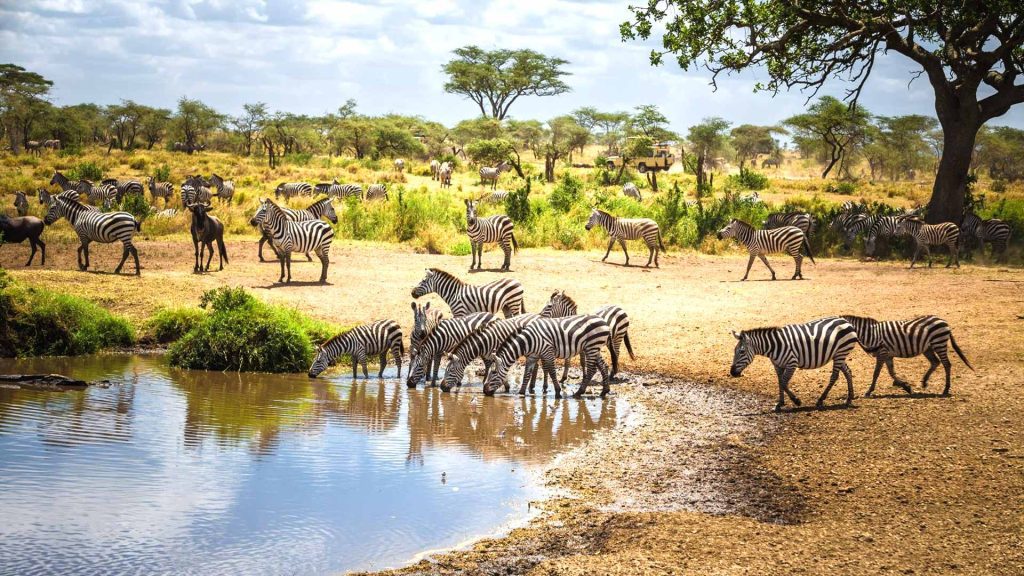
6-Day Tanzania Southern Circuit Safari
A six-day fly-in safari linking Nyerere's Rufiji River boat safaris with Ruaha's vast wilderness.
View Package →
11-Day Best Of Southern Tanzania Safari
An eleven-day journey through Nyerere, Mikumi, Udzungwa, and Ruaha's finest southern-circuit wildlife.
View Package →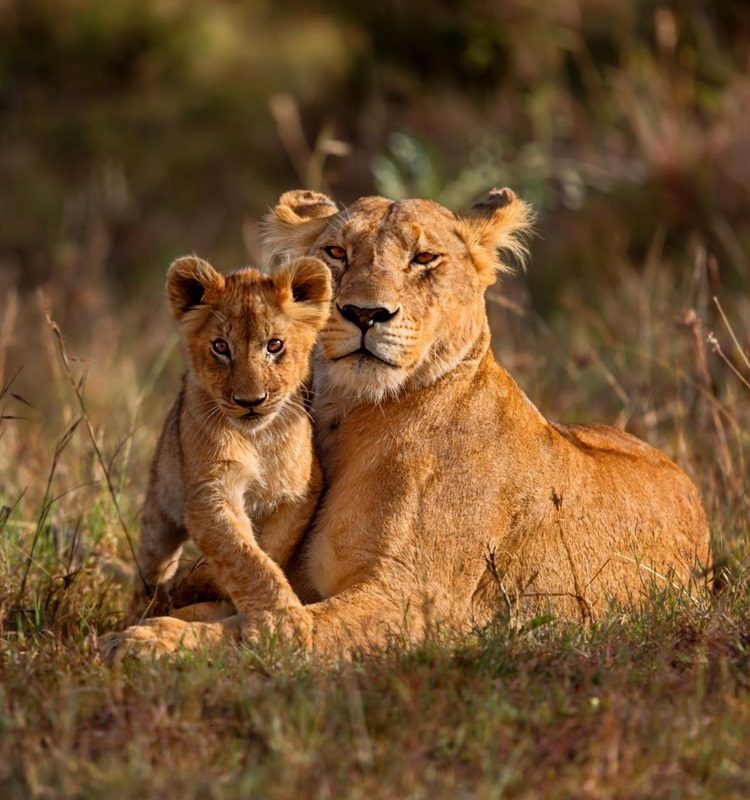
7-Day Southern Tanzania Safari
A seven-day circuit through Nyerere, Mikumi, and the Udzungwa Mountains' rainforest and wildlife.
View Package →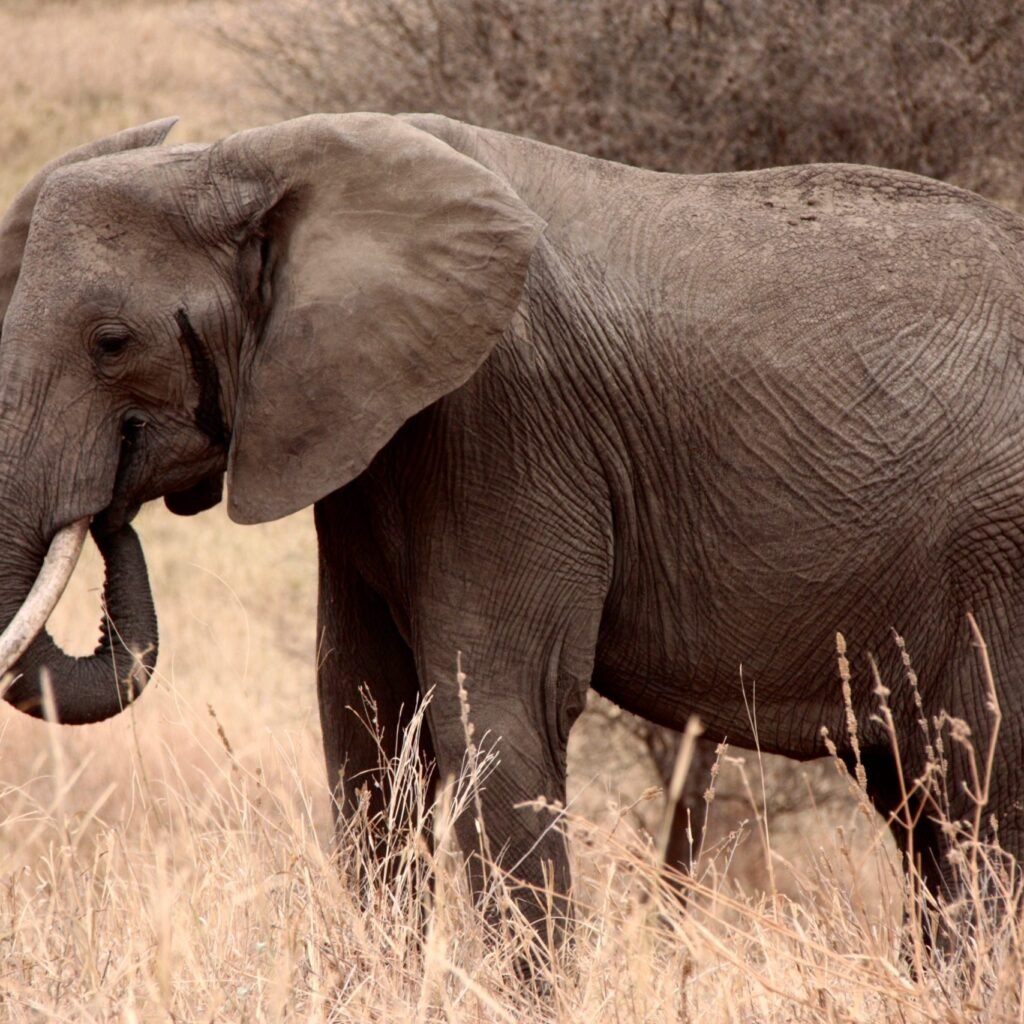
7-Day Tanzania off the Beaten Track Safari
A seven-day safari exploring quieter parks away from the crowds.
View Package →
8-Day Authentic Tanzania Safari Tours
An authentic eight-day safari experience across classic Tanzania destinations.
View Package →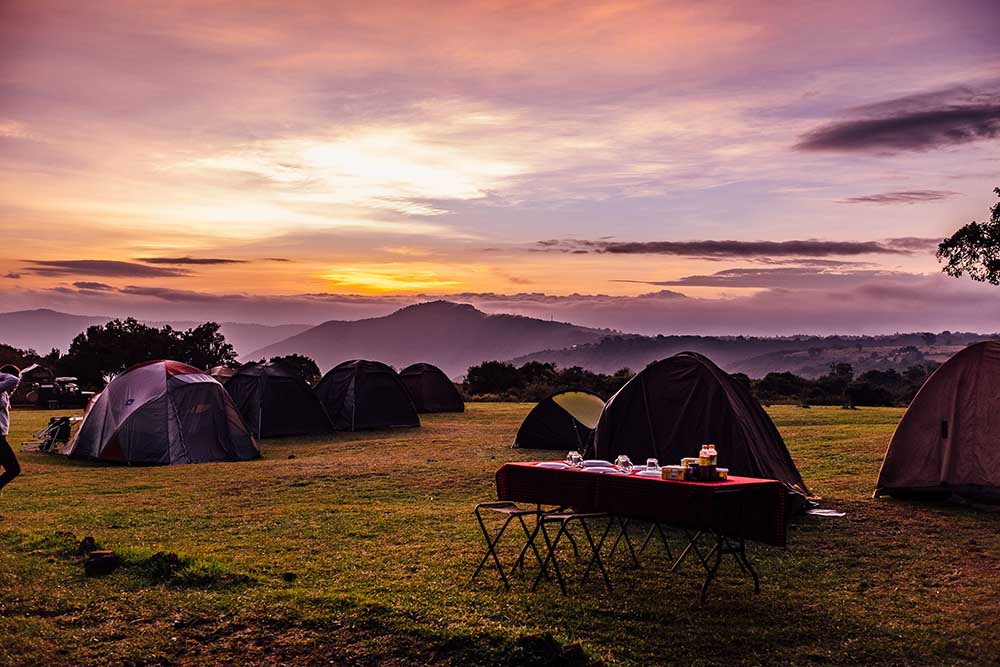
8-Day Remarkable Tanzania Safari
An eight-day journey across Tanzania's most remarkable wildlife areas.
View Package →
7-Day Tanzania Budget Camping Safari
A budget-friendly seven-day camping safari without compromising on wildlife.
View Package →11-Day Tanzania Safari for solo travelers
An eleven-day itinerary designed specifically for solo safari travelers.
View Package →Ruaha Safari Planning Guides
Frequently Asked Questions: Best Time to Visit Ruaha
What is the best time to visit Ruaha National Park overall?
The best time to visit Ruaha National Park is during the dry season, from June through October, when wildlife concentrates predictably along the shrinking Great Ruaha River and its remaining pools, delivering the park's most reliable big-game and predator sightings. August, September, and October are considered peak months, as extreme dryness forces elephant, buffalo, kudu, and lion prides into close proximity along the riverbanks, producing dramatic, easy-to-find wildlife action and excellent photography light. Travelers prioritizing birdlife, lush scenery, newborn animals, and lower rates over guaranteed predator sightings should instead consider the green season from December to May, avoiding the heaviest April rains.
What is the single best month to visit Ruaha for wildlife viewing?
September is widely regarded as the single best month to visit Ruaha National Park for wildlife viewing. By September, the dry season has run long enough that the Great Ruaha River has shrunk to isolated pools, forcing large concentrations of elephant, buffalo, and East Africa's densest greater kudu population to gather along the riverbanks, which in turn draws Ruaha's renowned lion prides and leopards into highly visible, predictable hunting territory. Roads are in excellent condition, skies are clear, and daily game drives consistently produce dramatic predator-prey encounters. August and October are excellent alternatives with similarly concentrated wildlife and slightly milder crowds.
When does the dry season start and end in Ruaha?
Ruaha's dry season runs from roughly June through October, extending into early November before the short rains typically arrive. Rainfall is minimal to nonexistent throughout this period, temperatures are warm and increasingly hot toward October, and vegetation thins dramatically, opening up sightlines across the park's plains and riverine woodland. As surface water disappears from the bush, wildlife steadily migrates toward the Great Ruaha River and its permanent pools, creating the concentrated game viewing the park is famous for. Roads remain firm and fully accessible throughout, making the dry season the easiest and most popular time for guided game drives.
When is Ruaha's green or wet season?
Ruaha's green or wet season runs from December through May, with two distinct rainfall patterns: short rains from November into December, a brief drier lull in January and February, and long, heavier rains from March through May that peak in intensity during March and April. Vegetation turns lush and green, seasonal water sources appear across the park, and wildlife disperses away from the Great Ruaha River since water and grazing become widely available. This season brings dramatic skies, blooming landscapes, newborn wildlife, and Ruaha's richest birding, though some interior roads and camps may close temporarily during the heaviest April rainfall.
Is it worth visiting Ruaha during the wet season?
Yes, Ruaha is genuinely worth visiting in the wet season for travelers with the right priorities. Between December and May, especially outside the heaviest April rains, the park is lushly green, dramatically photogenic, and far less crowded, with camp rates typically discounted and wildlife sightings still rewarding, including predator activity and newborn antelope, zebra, and buffalo calves. Birdlife is at its absolute best, with migratory species boosting the park's already impressive list past 570 recorded species. The main trade-off is that wildlife disperses away from the river, so sightings require more patience than the concentrated dry-season game viewing.
When is the best time for birdwatching in Ruaha National Park?
The best birdwatching in Ruaha National Park runs from December through April, when Palearctic and intra-African migrants join the park's resident species, pushing the recorded bird list past 570 species, among the highest of any Tanzanian park. Breeding plumage, nesting activity, and abundant insect life during the rains make this period especially rewarding for serious birders, with numerous bee-eaters, rollers, and raptor species at their most visible. Dry-season birding from June through October remains worthwhile too, particularly for raptors and water-dependent species concentrated along the shrinking Great Ruaha River, but the wet season is unmatched for overall species diversity.
Can you still see predators like lions and leopards in the wet season?
Yes, lions, leopards, and other predators remain in Ruaha year-round and can absolutely be seen during the wet season, though sightings require more patience than in the dry months. Because prey animals disperse across the park once rain-fed water and grazing become widely available, predators follow them away from the Great Ruaha River corridor, spreading out rather than concentrating in predictable riverside locations. Experienced guides who know territorial pride movements and denning areas can still deliver excellent sightings, and newborn prey during calving season often triggers active hunting. For the highest odds of easy, repeated predator sightings, the dry season remains more reliable.
Are Ruaha's roads passable during the rainy season?
Most main roads in Ruaha National Park remain passable during the rainy season, but conditions vary significantly by month and location. Short rains from November through February typically cause only occasional, brief disruptions, and roads dry quickly between storms. The heaviest rains, concentrated in March and April, are more likely to leave remote or low-lying tracks muddy, rutted, or temporarily impassable, particularly near riverbeds and seasonal streams. Well-maintained safari vehicles and experienced local drivers generally navigate the core game-viewing circuits without major issue outside peak-rain weeks. Travelers visiting in March or April should confirm current road conditions with their operator.
Do camps and lodges in Ruaha close during the wet season?
Some camps and lodges in Ruaha, particularly smaller seasonal or mobile tented camps in remote areas, do close temporarily during the heaviest rains, typically for all or part of April, when access roads become most difficult and guest demand is lowest. Most established permanent lodges and camps, however, remain open year-round, often at discounted green-season rates, and continue running game drives throughout the wet season. Availability can be more limited in the deepest wet months, so it is worth confirming specific property opening dates when planning a visit outside the June to October dry season, especially around March or April.
Is Ruaha National Park less crowded than northern Tanzania parks like Serengeti?
Yes, Ruaha National Park is considerably less crowded than Tanzania's northern circuit parks such as Serengeti, Ngorongoro, and Tarangire, even during its own dry-season peak. As Tanzania's largest national park, Ruaha sees only a fraction of the visitor numbers of the north, so game drives typically involve far fewer vehicles at sightings, a more exclusive, wilderness-style atmosphere, and greater flexibility for guides to track wildlife off well-worn routes. This makes Ruaha especially appealing to travelers who have already experienced the northern parks or who prioritize solitude and authenticity, without sacrificing significant wildlife density or diversity.
What is the weather and temperature like in Ruaha throughout the year?
Ruaha has a warm, semi-arid climate year-round. Dry-season days from June through October are typically sunny and warm, ranging from the mid-20s Celsius in June to well over 30C by September and October, with cool, sometimes chilly nights in June and July. The wet season from November through May is warmer and more humid, with daytime temperatures often in the low 30s Celsius punctuated by rainfall, heaviest in March and April. Overall, Ruaha rarely gets uncomfortably cold, making early-morning game drives brisk but pleasant during the dry months and warm, humid conditions the norm during the rains.
When can you see baby animals and newborns in Ruaha?
Newborn wildlife is most visible in Ruaha from December through April, when the wet season's abundant grazing supports calving among impala, zebra, waterbuck, and buffalo, with many antelope species timing births to coincide with the flush of fresh vegetation. This period also draws increased predator activity, as young, vulnerable animals become easier targets for lions, leopards, and hyenas, creating dynamic, action-filled game drives despite the wider dispersal of wildlife across the park. While calving continues in smaller numbers throughout the year, the peak birthing window during the green season offers the best combination of newborn sightings and lush surroundings.
How many days should I spend in Ruaha National Park?
Most travelers should plan a minimum of three to four days in Ruaha National Park to properly explore its varied habitats, from riverine woodland and baobab-studded hills to open plains, and to allow time for both morning and afternoon game drives across different circuits. Given Ruaha's remoteness and the flying time or long drive required to reach it, a shorter one or two-night stay often feels rushed. Travelers combining Ruaha with other southern circuit parks such as Nyerere typically allocate three to five nights per park, while dedicated wildlife photographers or birders often extend their stay to five or more nights.
Why book a Ruaha safari with Foot Slopes Tours and Safaris?
Foot Slopes Tours and Safaris specializes in crafting personalized Tanzania safaris built around each traveler's priorities, season, and budget, drawing on deep local knowledge of Ruaha's seasonal wildlife patterns, camps, and access routes to time each itinerary for the best possible sightings. Rather than offering generic, one-size-fits-all packages, the team designs private, flexible itineraries with experienced local guides, reliable vehicles, and vetted accommodation partners across Ruaha and the wider southern circuit. Transparent pricing, responsive communication before and during the trip, and firsthand destination expertise mean travelers get accurate, honest guidance on when and how to experience Ruaha.
Does Foot Slopes Tours offer tailor-made, private Ruaha itineraries?
Yes, Foot Slopes Tours and Safaris builds fully tailor-made, private Ruaha itineraries rather than fixed group departures, allowing travelers to choose their preferred travel dates, pace, camp style, and combination of parks based on personal interests, whether that means prioritizing peak dry-season predator sightings, wet-season birding, or a quieter, off-the-beaten-path safari away from crowds. Itineraries can be adjusted for family travel, honeymoons, photography-focused trips, or multi-park circuits combining Ruaha with Nyerere, Katavi, or northern Tanzania parks. Every itinerary is planned around current seasonal conditions, with a dedicated safari consultant guiding trip design from initial inquiry through final booking confirmation.
Is Foot Slopes Tours experienced with southern Tanzania parks like Ruaha?
Foot Slopes Tours and Safaris has direct, on-the-ground experience across Tanzania's southern circuit, including Ruaha, Nyerere, Mikumi, and Katavi, and understands how these less-visited parks differ operationally from the busier northern circuit, from longer transfer times to more limited camp availability and seasonal road access. This regional expertise allows the team to set realistic expectations, recommend the right season and camp locations for each traveler's goals, and coordinate logistics like light-aircraft transfers between remote southern parks. Rather than treating Ruaha as an afterthought to the northern circuit, Foot Slopes Tours designs southern-circuit itineraries as fully realized safaris in their own right.
What is included when booking a Ruaha safari with Foot Slopes Tours and Safaris?
A Ruaha safari booked through Foot Slopes Tours and Safaris typically includes all park and conservation fees, accommodation at vetted lodges or camps matched to the traveler's budget and season, a private 4x4 safari vehicle with an experienced professional guide, all scheduled game drives, and applicable meals and transfers, including light-aircraft or road transport to and from Ruaha. Itineraries are built transparently with clear, upfront pricing and no hidden costs, and the team remains available for support before departure and throughout the trip. Optional add-ons such as walking safaris, night drives where permitted, and multi-park extensions can be added on request.
Plan Further: Ruaha National Park Guides & Resources
Explore Ruaha National Park
Plan Your Ruaha Safari
Tell us your dates, style, and preferred parks, and we will build the perfect itinerary around you.
Book Now Online →What Our Travelers Say
Real 5-star reviews from guests who traveled with us
Our Private African luxury Safari experience with Foot Slopes Tours and Safaris was nothing short of exceptional. From the very beginning, owner Gabriel was incredibly responsive, making the entire booking process smooth and stress-free. Gabriel went above and
We had an incredible private safari experience with Foot Slopes Tours and Safaris. Their office staff was very helpful and informative, and they communicated very well. Our pick-ups to and from the airport were on time and hassle-free, an unforgettable Safari
Foot Slopes Tours and Safaris is truly one of the best local tour companies in Tanzania. From start to finish, their service was professional, reliable, and personalized. The team went above and beyond to make sure every detail of our trip was perfect. Our saf
Our family chose Foot Slopes Tours and Safaris for a custom 11-day safari itinerary, and we couldn’t be happier with our choice! Everything from our initial inquiry to building our custom itinerary to pre-departure and on-trip support was top quality. Communic