

Ruaha National Park Wildlife
Ruaha National Park sits at Africa's great wildlife crossroads, where East African savanna species meet dry-adapted southern African fauna, producing one of the broadest game lists of any protected area in Tanzania. Covering roughly 20,000 square kilometers, Ruaha holds East Africa's largest elephant population, one of Tanzania's biggest lion populations with prides numbering twenty or more, and one of Africa's last true strongholds for endangered African wild dogs. It is also the best place in Tanzania to find greater and lesser kudu, sable antelope, and roan antelope, species rare or entirely absent from the northern safari circuit. Buffalo, giraffe, zebra, leopard, and cheetah round out the checklist. The Great Ruaha River is the dry-season lifeline that draws this exceptional wildlife mix to its banks and pools, making Ruaha a premier destination for serious wildlife safaris.
Wildlife of Ruaha National Park
East Africa's Largest Elephant Herds
Ruaha protects tens of thousands of elephants, East Africa's largest population, in family herds that move seasonally between the Great Ruaha River, the Usangu wetlands, and baobab-covered hills. Dry-season concentrations along the riverbanks from June to October deliver reliable, close, multi-generational sightings, making Ruaha the single most important elephant destination in Tanzania and a highlight for any elephant-focused safari.
Lions & Large Prides
One of Tanzania's biggest lion populations calls Ruaha home, with several hundred individuals forming some of East Africa's largest prides, occasionally twenty animals strong. Exceptional prey density, a legacy of the park's East-southern transition location, sustains cooperative hunting along the river's sandbanks and pools, producing dramatic, consistent lion sightings throughout the dry season.
African Wild Dogs
Ruaha is one of Africa's last true strongholds for the endangered African wild dog, supporting one of the continent's largest resident populations. Packs den within the park's kopjes and miombo woodland, with sightings peaking during the May-to-July denning season. Experienced guides tracking known packs give visitors a genuine chance to witness this rare, highly social predator.
Greater & Lesser Kudu
Ruaha is Tanzania's premier destination for both greater and lesser kudu, a pairing rarely found together elsewhere. Greater kudu, with their spiraling horns, favor riverine thickets and rocky hillsides, while the smaller, shyer lesser kudu prefer drier acacia and commiphora scrub in remote eastern reaches, rewarding patient wildlife enthusiasts with sightings unavailable on the northern circuit.
Sable & Roan Antelope
Few Tanzanian parks offer sable and roan antelope, and Ruaha is the country's best chance to see both. Sable, with dramatic scimitar horns and jet-black coats on mature males, favor southern miombo woodland, while the scarcer roan, Africa's second-largest antelope, prefer open grassland edges. Both require knowledgeable guiding and reward serious wildlife spotters with a genuine safari highlight.
Leopard, Cheetah & Predator Diversity
Beyond lions and wild dogs, Ruaha holds healthy leopard and cheetah populations. Leopards favor riverine forest along the Great Ruaha River, resting in sausage trees by day, while cheetahs hunt the open grassland plains in daylight. Combined with hyenas and jackals, this diverse predator guild makes Ruaha one of Tanzania's most complete big-cat destinations.
Plan Your Ruaha Safari
Trip Length
Comfort Level
Safari Style
Operator Rating
Specialized Tours
Filter by Operator
Other Tour Features
Popular Ruaha Wildlife Safaris
Hand-picked southern circuit itineraries featuring Ruaha National Park, tailored privately by Foot Slopes Tours and Safaris.
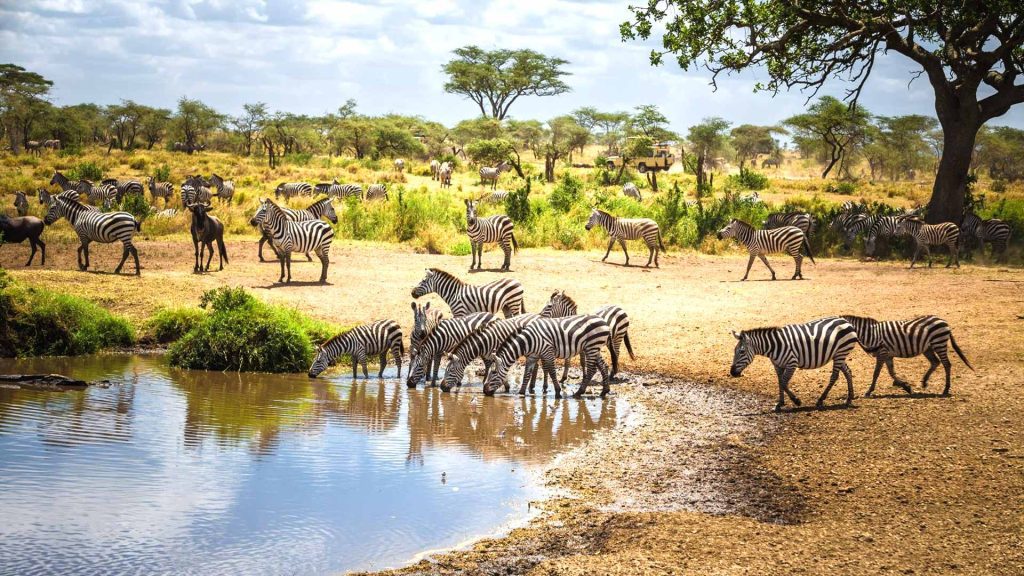
6-Day Tanzania Southern Circuit Safari
A six-day fly-in safari linking Nyerere's Rufiji River boat safaris with Ruaha's vast wilderness.
View Package →
11-Day Best Of Southern Tanzania Safari
An eleven-day journey through Nyerere, Mikumi, Udzungwa, and Ruaha's finest southern-circuit wildlife.
View Package →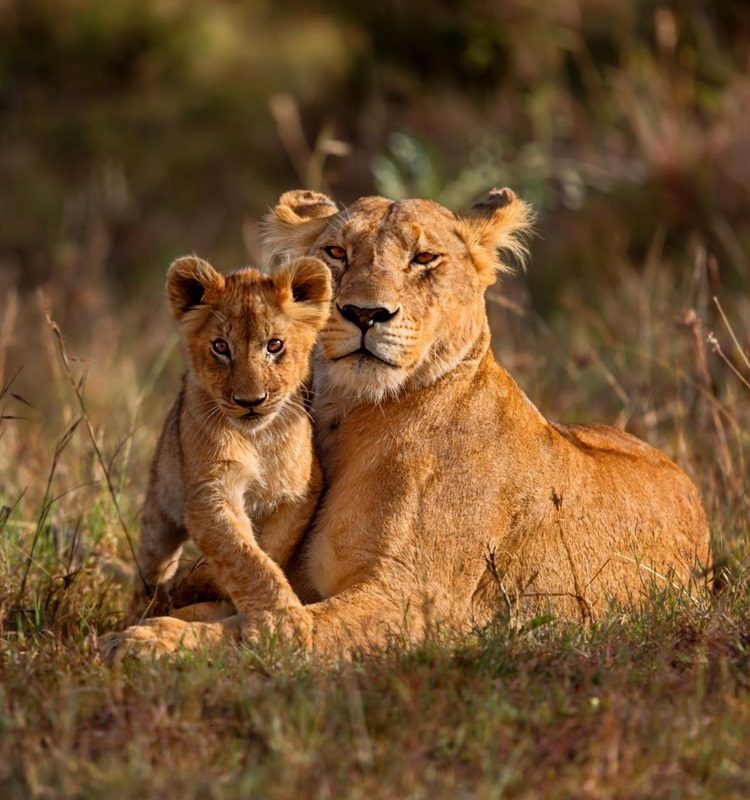
7-Day Southern Tanzania Safari
A seven-day circuit through Nyerere, Mikumi, and the Udzungwa Mountains' rainforest and wildlife.
View Package →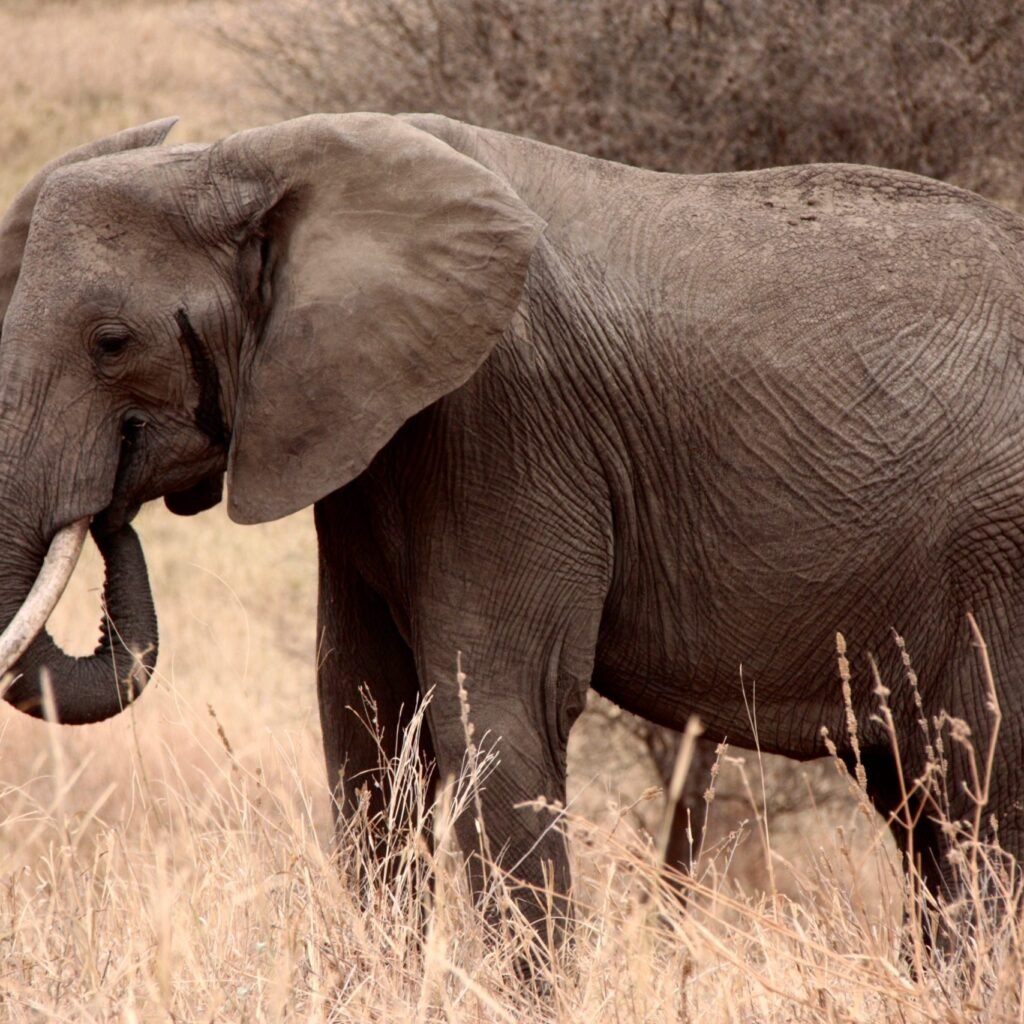
7-Day Tanzania off the Beaten Track Safari
A seven-day safari exploring quieter parks away from the crowds.
View Package →
8-Day Authentic Tanzania Safari Tours
An authentic eight-day safari experience across classic Tanzania destinations.
View Package →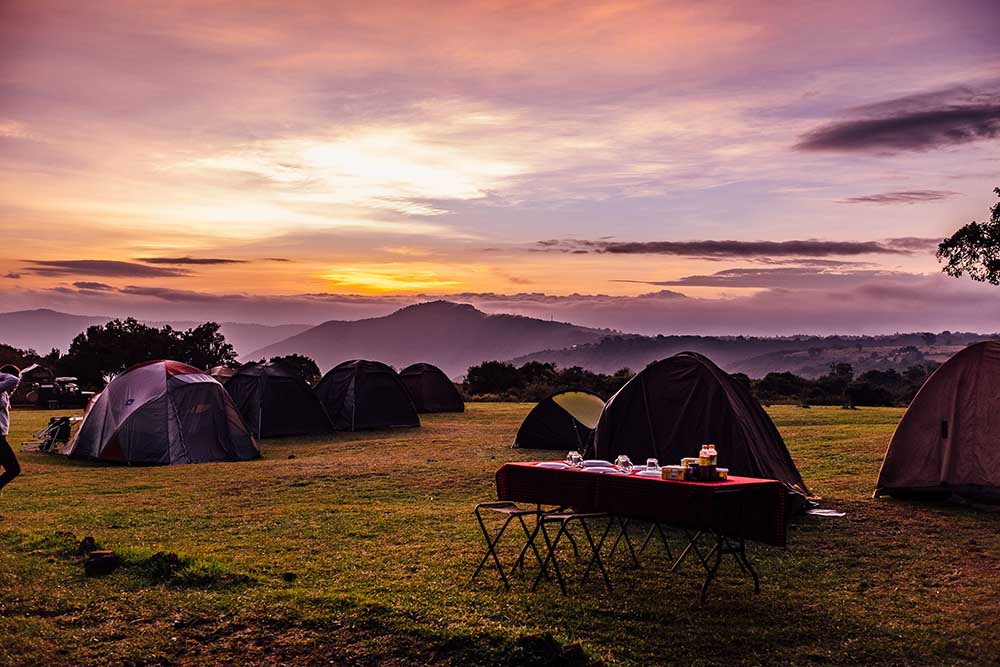
8-Day Remarkable Tanzania Safari
An eight-day journey across Tanzania's most remarkable wildlife areas.
View Package →
7-Day Tanzania Budget Camping Safari
A budget-friendly seven-day camping safari without compromising on wildlife.
View Package →11-Day Tanzania Safari for solo travelers
An eleven-day itinerary designed specifically for solo safari travelers.
View Package →Ruaha National Park Wildlife Planning Guides
Frequently Asked Questions About Ruaha Wildlife
How many elephants live in Ruaha National Park?
Ruaha protects East Africa's largest elephant population, with tens of thousands of individuals ranging across roughly 20,000 square kilometers of wilderness, making it Tanzania's most significant elephant stronghold and one of the largest on the continent. Family herds move seasonally between the Great Ruaha River, the Usangu wetlands, and baobab-covered hills, concentrating along permanent water from June through October as smaller rivers dry completely. Multi-generational matriarchal groups numbering dozens are a near-daily sighting along the riverbanks, and bulls are frequently seen near waterholes. For travelers prioritizing elephant density and behavior, Ruaha is unmatched in Tanzania.
Is Ruaha one of the best places in Africa to see African wild dogs?
Ruaha is widely regarded as one of Africa's last true strongholds for the African wild dog, an endangered species that has vanished from much of its historic range. The park supports one of the largest resident wild dog populations remaining on the continent, with several packs denning within its boundaries each year, particularly around rocky kopjes and dense miombo woodland away from the main river circuit. Sightings are seasonal and never guaranteed, improving significantly during denning season from May to July, when packs stay near fixed den sites. Guides who track known packs give visitors a realistic chance of witnessing this rare predator.
How are Ruaha's wild dog packs tracked and how reliable are sightings?
Ruaha's wild dog packs are monitored by park rangers and long-term research projects that track collared individuals and known denning sites, giving experienced local guides reliable, current intelligence on recent pack movements. Sightings cluster most heavily during the May-to-July denning season, when packs remain anchored near a single den and hunt in predictable patterns nearby, and again in the early dry season as prey concentrates along the river. Outside denning periods, packs range widely across large territories, so sightings become more opportunistic. Guides who communicate daily with rangers and fellow operators substantially improve the odds of a pack encounter.
What makes Ruaha's lion prides different from other Tanzanian parks?
Ruaha holds one of Tanzania's largest lion populations, with several hundred individuals forming some of the biggest prides recorded in East Africa, occasionally numbering twenty or more lions in a single group. This is a legacy of the park's exceptional prey base and its position at the meeting point of East and southern African ecosystems, which supports unusually high densities of buffalo, kudu, and other prey species. Prides frequently hunt cooperatively along the Great Ruaha River's sandbanks and pools during the dry season, when thirsty herds are funneled into predictable ambush zones, producing dramatic and consistent lion sightings.
Can you see sable and roan antelope in Ruaha National Park?
Ruaha is one of the very few places in Tanzania where both sable and roan antelope can be seen, two striking, rare species largely absent from the country's northern parks. Sable antelope, with their curved scimitar horns and jet-black coats on mature males, favor miombo woodland in the park's southern and eastern sections. Roan antelope, Africa's second-largest antelope species, prefer open grassland edges near woodland and are scarcer still, often spotted in small, shy herds. Both species require patient, knowledgeable guiding to locate, making their sighting a genuine highlight for wildlife enthusiasts visiting Tanzania's southern safari circuit.
What is the difference between greater and lesser kudu, and where are they found in Ruaha?
Ruaha supports healthy populations of both greater and lesser kudu, a pairing rarely found together elsewhere in Tanzania. Greater kudu, recognizable by bulls' spectacular spiraling horns and grey-brown coats with white stripes, favor dense riverine thickets and rocky hillsides throughout the park. Lesser kudu, smaller, shyer, and more strikingly striped, prefer drier acacia and commiphora scrub in the park's more remote eastern reaches and are considerably harder to spot. Together they make Ruaha one of Tanzania's premier destinations for kudu enthusiasts, with sightings improving during the dry season as vegetation thins and animals gather near water.
When is the best time of year for wildlife viewing in Ruaha National Park?
The dry season, from June to October, is the best time for wildlife viewing in Ruaha National Park. As seasonal rivers and pools disappear, animals concentrate along the permanent waters of the Great Ruaha River, producing dense, reliable sightings of elephants, buffalo, lions, and antelope within a short distance of the riverbanks. Vegetation also thins considerably, improving visibility for predator sightings and photography. The wet season, from November to May, brings lush scenery, newborn calves, and excellent birdlife, but animals disperse widely across the park, making sightings less predictable. Wildlife-focused travelers should prioritize the July-to-October window.
How does the Great Ruaha River affect dry-season wildlife concentrations?
The Great Ruaha River is the dry-season lifeline of the entire ecosystem, and its influence on wildlife distribution cannot be overstated. As surrounding streams and pans dry up between June and October, the river's remaining pools and sandy channels become the only reliable water source for miles, drawing enormous concentrations of elephants, buffalo, lions, and antelope to its banks. Predators station themselves near crossing points and waterholes, anticipating thirsty prey, which produces some of the park's most dramatic and consistent game-viewing action. Game drives following the river corridor during these months typically yield the highest wildlife densities in Ruaha.
Are leopards and cheetahs commonly seen in Ruaha National Park?
Ruaha holds healthy populations of both leopards and cheetahs, though the two species favor different habitats within the park. Leopards are relatively frequently seen along the riverine forest bordering the Great Ruaha River, resting in sausage trees and rocky outcrops by day, and are considered among the more reliably spotted leopards on Tanzania's southern circuit. Cheetahs prefer the park's open grassland plains, where they hunt impala and other fast prey in daylight hours; sightings are less frequent than leopards but far from rare. Together with lions and wild dogs, they give Ruaha one of Tanzania's most complete predator guilds.
Is Ruaha a Big Five safari destination?
Ruaha is a genuine Big Five destination, home to healthy populations of elephant, lion, leopard, and buffalo, alongside black rhino, which survive in extremely low, closely protected numbers within the park. Rhino sightings are rare and not something visitors should expect on a standard safari, but the other four species are seen with reliable regularity, particularly along the Great Ruaha River during the dry season. Combined with its exceptional elephant numbers, huge lion prides, and rare antelope species found nowhere else in Tanzania, Ruaha offers Big Five credentials alongside a species list that few other African parks can match.
How does Ruaha compare to northern Tanzania parks like Serengeti and Tarangire?
Ruaha differs fundamentally from Tanzania's northern circuit parks because it sits at the ecological transition zone between East and southern African wildlife communities. While Serengeti is famous for the wildebeest migration and Tarangire for elephant concentrations, Ruaha combines East Africa's largest elephant herds with southern African species such as greater kudu, sable, and roan antelope that are absent or extremely rare further north. It also offers far lower visitor density and a genuine wilderness feel. Travelers who have already experienced the northern circuit often find Ruaha's species mix and remoteness a compelling, complementary addition to their safari.
What other wildlife will I see in Ruaha besides elephants and predators?
Beyond its famous elephants and predators, Ruaha supports an exceptionally broad species list befitting its position at Africa's East-southern wildlife transition zone. Large buffalo herds numbering in the hundreds gather near the Great Ruaha River, alongside giraffe, plains zebra, waterbuck, impala, and warthog. Hippos and crocodiles fill the river's remaining pools during the dry season, while over 570 recorded bird species make it a serious destination for birdwatchers too. Smaller mammals such as bat-eared foxes, honey badgers, and striped hyenas also occur. This breadth of wildlife, rare and common alike, is part of what makes Ruaha's species checklist so distinctive.
How many days should I spend in Ruaha to see its key wildlife?
Most travelers should plan at least three to four nights in Ruaha National Park to properly experience its wildlife, allowing enough game drives to cover the riverfront, woodland, and open plains habitats where different species concentrate. A minimum two-night stay can deliver strong elephant, lion, and buffalo sightings along the river, but locating rarer species like wild dogs, sable, and roan antelope typically requires additional days and access to the park's more remote sectors. Given Ruaha's size and the distances between prime wildlife areas, travelers combining it with other southern circuit parks often benefit from four or more nights.
Why choose Foot Slopes Tours and Safaris for a Ruaha wildlife safari?
Foot Slopes Tours and Safaris designs Ruaha wildlife safaris around genuine, unhurried game viewing rather than rushed itineraries, pairing experienced local guides with vehicles configured for photography and extended game drives. As a Tanzania-based operator, the company holds direct relationships with camps and rangers across the southern circuit, translating into current, reliable knowledge of wild dog denning sites, pride movements, and seasonal river conditions. Every itinerary is planned around maximizing time in Ruaha's highest-wildlife-density areas rather than generic routing. Travelers consistently choose Foot Slopes Tours and Safaris for personalized planning and guiding expertise beyond standard circuit knowledge.
Does Foot Slopes Tours and Safaris have expertise in Tanzania's southern safari circuit?
Foot Slopes Tours and Safaris has built specific expertise in Tanzania's southern safari circuit, including Ruaha, Nyerere, Mikumi, and Katavi national parks, a region that receives far fewer operators and guides than the well-trodden northern circuit. This focused experience means the company's guides understand the logistics, seasonal wildlife patterns, and access routes unique to southern Tanzania, from flight connections to remote airstrips to the best months for river-based game viewing. Rather than treating Ruaha as an afterthought to a northern itinerary, Foot Slopes Tours and Safaris designs southern circuit safaris as complete, standalone wildlife experiences backed by genuine local knowledge.
Can Foot Slopes Tours and Safaris tailor-make a private Ruaha wildlife itinerary?
Yes, Foot Slopes Tours and Safaris specializes in tailor-made Ruaha wildlife itineraries built around each traveler's priorities, whether that means maximizing elephant and lion sightings along the Great Ruaha River, dedicating extra days to tracking wild dogs and rare antelope, or combining Ruaha with other southern circuit parks like Nyerere or Katavi. Itineraries can be adjusted for trip length, accommodation style, budget, and pace, from fast-paced photographic safaris to relaxed multi-night stays at a single camp. The team works directly with travelers to design a route and schedule around the wildlife experiences that matter most to them.
What safari vehicles and guiding standards does Foot Slopes Tours and Safaris use in Ruaha?
Foot Slopes Tours and Safaris uses well-maintained 4x4 safari vehicles configured for game viewing and photography, including pop-up roof hatches and charging points, paired with professional drivers and guides trained specifically in Ruaha's terrain and wildlife behavior. Guides keep radio contact with rangers and other operators to share real-time sightings of wild dogs, lion prides, and rare antelope, and are skilled at reading tracks and river conditions to anticipate animal movement. Vehicle group sizes are limited to ensure every guest has clear sightlines and space for photography, reflecting the company's broader commitment to quality, personalized game-viewing experiences.
Plan Further: Ruaha National Park Guides & Resources
Explore Ruaha National Park
Plan Your Ruaha National Park Wildlife
Tell us your dates, style, and preferred parks, and we will build the perfect itinerary around you.
Book Now Online →What Our Travelers Say
Real 5-star reviews from guests who traveled with us
Our Private African luxury Safari experience with Foot Slopes Tours and Safaris was nothing short of exceptional. From the very beginning, owner Gabriel was incredibly responsive, making the entire booking process smooth and stress-free. Gabriel went above and
We had an incredible private safari experience with Foot Slopes Tours and Safaris. Their office staff was very helpful and informative, and they communicated very well. Our pick-ups to and from the airport were on time and hassle-free, an unforgettable Safari
Foot Slopes Tours and Safaris is truly one of the best local tour companies in Tanzania. From start to finish, their service was professional, reliable, and personalized. The team went above and beyond to make sure every detail of our trip was perfect. Our saf
Our family chose Foot Slopes Tours and Safaris for a custom 11-day safari itinerary, and we couldn’t be happier with our choice! Everything from our initial inquiry to building our custom itinerary to pre-departure and on-trip support was top quality. Communic