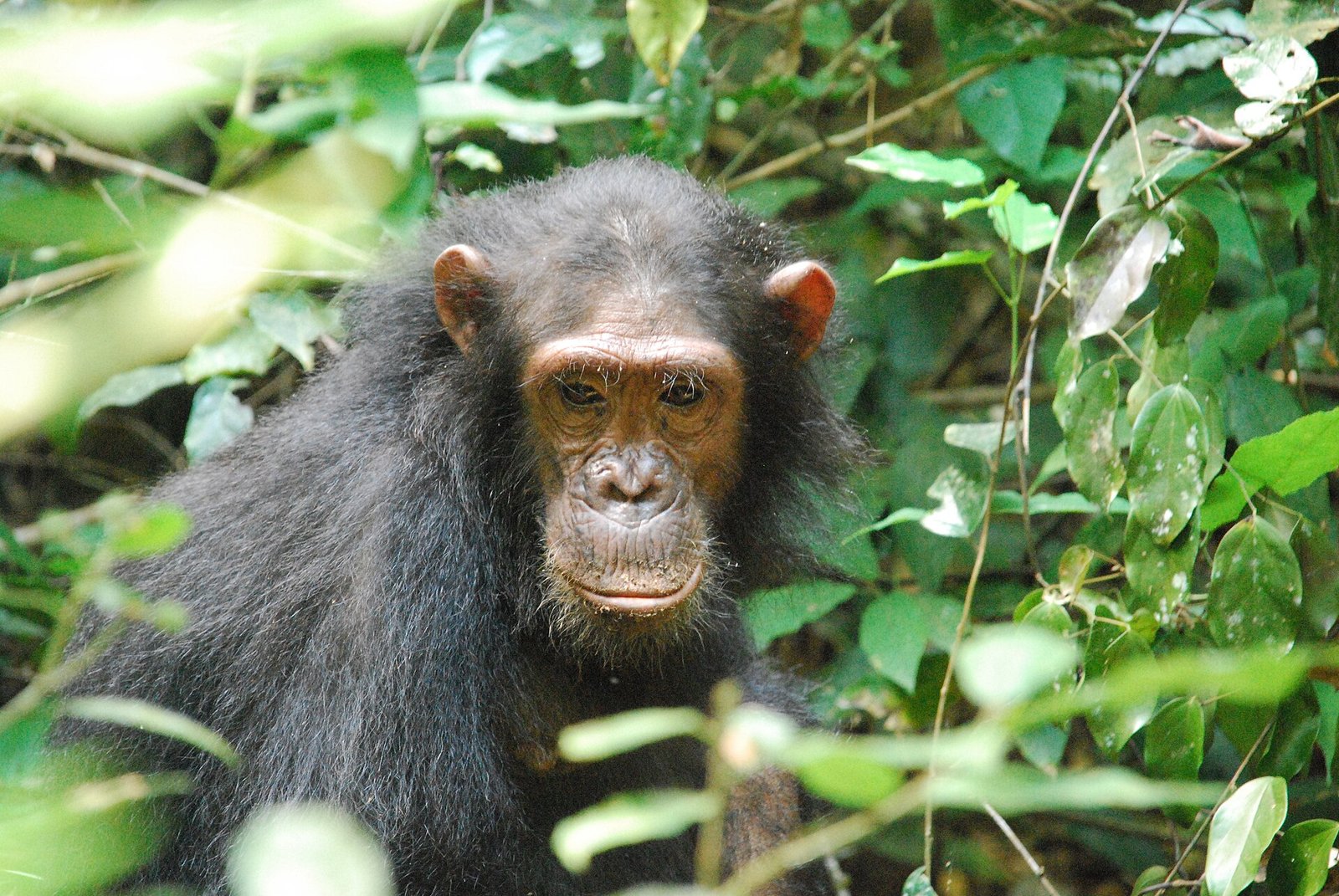
Gombe Stream National Park wildlife is all about primates. This small forest park on Lake Tanganyika is home to wild chimpanzees that have been studied since 1960, and its habituated communities give travelers some of the most intimate primate encounters in Africa. Watching a mother cradle an infant, adolescents chase each other through the branches or an older male settle down to groom is an experience few visitors forget.
Chimpanzees are only part of the story. Olive baboons in Gombe are among the most closely studied baboons anywhere, and troops often wander along the beaches near the lodges. Red colobus, red-tailed monkeys, blue monkeys and vervets share the forest, while bushbuck, bushpigs, snakes, butterflies and a rich birdlife add variety. Large predators and big herds are absent, so walking here feels relaxed yet wild. Lake Tanganyika itself holds hundreds of fish species found nowhere else. Every trek in Gombe Stream National Park is different, shaped by where the chimps choose to spend the day. Patience and quiet steps are always rewarded.
The animals you are most likely to encounter in Gombe Stream National Park.
The star of Gombe. Habituated communities, especially Kasekela in the central valleys, are visited by small guided groups. Expect to see feeding, grooming, nest building and lively social interactions, with the chance of tool use such as fishing for termites in the right season.
Large, confident troops of olive baboons roam the forest edge and pebble beaches. Gombe's baboons have been studied for decades, and watching their complex family relationships is fascinating. Keep food out of sight and never feed them, as they learn bad habits quickly.
Red colobus monkeys live high in the canopy in noisy groups. They are a key prey species for Gombe's chimpanzees, and hunting has been observed here, though it is unpredictable. Look for their russet crowns and long tails as they leap between tall trees.
Small, agile and shy, red-tailed monkeys are recognized by their white nose spot and bright chestnut tail. They often travel with blue monkeys and are easiest to spot in fruiting trees along the streams in the lower valleys.
Blue monkeys are larger forest guenons with a soft grey-blue coat and a serious expression. They move steadily through the mid-canopy, and Gombe is known for occasional hybrids between blue and red-tailed monkeys, a curiosity for keen primate watchers.
Vervets prefer the more open woodland and lakeshore edges. Their black faces and grizzled grey coats make them easy to recognize. They are lively, social and often seen close to the beach and camp areas in small family groups.
Gombe has no large herds, but shy bushbuck browse in forest clearings and bushpigs forage at night. Sightings are occasional and usually quick, adding a thrill to morning walks. Duikers are also present and are occasionally glimpsed along quiet trails.
Lake Tanganyika holds a remarkable number of cichlid fish species found nowhere else, visible when snorkeling or swimming in suitable spots. On land, look for colorful butterflies, lizards and, rarely, snakes. Your guide will point out interesting insects and plants along the way.

Every traveler experiences Gombe differently. Choose the safari style that suits you, and Foot Slopes Tours and Safaris will tailor a private itinerary around your dates, budget and interests.

Families with children, grandparents and multi-generational groups
Private vehicle, family rooms and a flexible, unhurried pace
Gombe works well for families who plan ahead: our guides turn every sighting of habituated chimpanzee families, olive baboons and forest monkeys into a learning adventure, and we tailor activities to the ages and energy of your group.
Jun – Oct & school holidays
2–3 nights

Honeymooners, anniversaries and couples celebrating something special
Sundowners, private dinners and secluded, romantic stays
Pair habituated chimpanzee families, olive baboons and forest monkeys with private sundowners, candle-lit dinners and a secluded room with a view. Many couples finish with Mahale Mountains, a northern circuit safari or a Zanzibar beach stay for the perfect escape.
Jun – Oct
3–4 nights

Wildlife photographers and keen amateurs who want the best light
Flexible timings, patient guiding and golden-hour outings
Flexible timings and patient guiding put you in the right place at dawn and dusk. In Gombe, expect habituated chimpanzee families, olive baboons and forest monkeys, plus guided chimpanzee treks through steep forest valleys for varied angles and stories.
Jun – Oct & Nov – May
3–4 nights

Mature travelers who value comfort, safety and a gentle pace
Short transfers, comfortable stays and an attentive private guide
A manageable boat ride and a short lakeside stay, although chimp treks on steep, slippery forest trails suit travelers with reasonable fitness and a steady pace. We plan a gently paced itinerary with rest time each day and an experienced guide who handles every detail.
Jun – Oct
2–3 nights

Travelers short on time who prefer flights to long road transfers
Scenic flights and more time for wildlife
Flights reach Kigoma, followed by a boat transfer north along the shore of Lake Tanganyika. Flying in maximises your time with habituated chimpanzee families, olive baboons and forest monkeys and links neatly with Mahale Mountains, a northern circuit safari or a Zanzibar beach stay.
Year-round
2–3 nights

Travelers seeking the finest stays, service and exclusivity
Private guiding, fine dining and exclusive experiences
Stay at the finest available camps and lodges with private guiding, fine dining and exclusive experiences such as guided chimpanzee treks through steep forest valleys, all while enjoying habituated chimpanzee families, olive baboons and forest monkeys in comfort.
Jun – Oct
2–4 nights

Travelers who want comfort and quality without luxury prices
Comfortable en-suite rooms, full-board meals and private guiding
Comfortable, well-located accommodation with en-suite bathrooms, full-board meals and private guiding: the best-value way to experience habituated chimpanzee families, olive baboons and forest monkeys.
Jun – Oct (lower rates Nov – May)
2–3 nights

Solo travelers who want safety, privacy and flexibility
Private vehicle, dedicated guide and sociable camp evenings
Travel on an individual private, tailor-made safari with your own vehicle and dedicated guide. Gombe is welcoming for solo guests, with guided chimpanzee treks through steep forest valleys and sociable evenings at camp.
Jun – Oct
2–3 nights
Gombe is best known for chimpanzees and olive baboons, and you are also likely to see red colobus, red-tailed monkeys, blue monkeys and vervets. Bushbuck, bushpigs and duikers live in the forest but are seen less often. Birds, butterflies and the unique fish of Lake Tanganyika add to the variety during a stay in the park.
Chances of seeing chimpanzees in Gombe are very good because guides and trackers keep in touch with the habituated communities. Chimps move freely, however, so sightings can never be fully guaranteed. Some treks find them within minutes, others take several hours. Staying two or more nights gives you extra opportunities if the first attempt is difficult.
Gombe supports a relatively small chimpanzee population divided among a few communities, with numbers that change over time through births, deaths and migration. Counts are carefully tracked by researchers, but figures vary between sources and years. What matters for visitors is that the main habituated community is well known, stable and accustomed to quiet human observers.
Visitors usually trek to the Kasekela community, the group Jane Goodall first studied, which ranges through the central valleys. A northern community known as Mitumba is also habituated. A southern community is less accustomed to people. Your guides decide which group to visit based on recent movements and park management rules.
No. Gombe does not have lions, elephants or large herds of plains game, and leopards are not a realistic sighting. The park is a small, steep forest reserve focused on primates. This is part of what makes walking here possible and relaxed. Combine Gombe with a savannah park if you also want classic big game viewing.
Olive baboons in Gombe have been studied for decades alongside the chimpanzees, so many individuals and family lines are well known to researchers. Troops are habituated, which means you can watch grooming, play and social disputes at close range, often on the beaches. They are wild animals, so keep a respectful distance and never offer food.
Yes, Gombe chimpanzees occasionally hunt, most often targeting red colobus monkeys, and early observations here helped prove that chimps eat meat. Hunts are rare, sudden and impossible to predict, so few visitors witness one. If it happens, your guide will manage the group carefully to avoid disturbing the chimps.
Gombe is where chimpanzee tool use was first documented in the wild, including termite fishing with grass stems and twigs. You may see this behavior, especially around the start of the rains when termites are active, but it is not guaranteed. Guides also point out nests, feeding remains and other signs of chimp activity along the way.
Beyond olive baboons, Gombe is home to red colobus, red-tailed monkeys, blue monkeys and vervet monkeys. Red colobus prefer tall forest, red-tailed and blue monkeys move through fruiting trees along streams, and vervets favor open edges. Spotting all of them in two or three days is realistic for patient observers with a good guide.
Gombe is considered a safe place to walk with a guide, but it is still wild. Adult chimpanzees and baboons are strong and must be given space. Snakes exist though are rarely seen. In Lake Tanganyika, follow guidance on where to swim. Listening to your guide and following park rules keeps risk very low.
Lake Tanganyika is one of the world's oldest and deepest lakes and is famous for a huge diversity of cichlid fish, many found nowhere else. Near Gombe you may see colorful species in clear shallow water. Small sardine-like fish called dagaa support the local fishing economy, and you will see lantern-lit fishing boats at night.
Yes, all wildlife viewing in Gombe is on foot or from the boat. There are no roads for vehicles inside the park. Walks are led by park guides, and trails can be steep and slippery. Moving slowly and quietly not only makes the trek easier but also improves your chances of seeing shy forest animals.
Early morning is usually best for chimpanzee treks, as chimps leave their nests and begin feeding and guides can often track them from where they slept. Baboons and monkeys are active through much of the day. Late afternoon is lovely for birdlife and for watching baboons on the beach as the light softens over the lake.
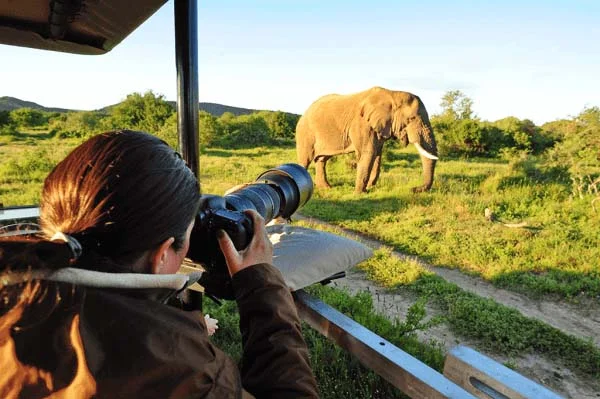
Photography is allowed, but flash is not, and you must respect minimum distances and time limits. The forest is often dim, so a camera that performs well in low light is helpful. Keep movements slow, avoid pointing gear directly at chimps for long periods and follow your guide's instructions to ensure calm, respectful encounters.
Foot Slopes Tours and Safaris builds private, tailor-made trips that give you enough time in Gombe to enjoy relaxed primate encounters. We arrange permits, boats and accommodation, brief you on trekking etiquette and stay on call 24/7 throughout your journey. Our local team knows how to match Gombe with the right wider safari.
Yes. Foot Slopes Tours and Safaris regularly plans journeys that pair Gombe's chimpanzees with big game parks such as the Serengeti, Ngorongoro, Tarangire, Ruaha or Katavi. We sequence flights and nights to keep travel efficient, so you enjoy both forest primates and savannah wildlife without unnecessary backtracking or long, tiring transfers.
Inside Gombe, treks are led by trained TANAPA guides and trackers who know each chimp community well. Foot Slopes Tours and Safaris supports your trip with experienced local guides and coordinators for transfers and connections. Together they ensure clear safety briefings, smooth logistics and a respectful, rewarding experience with the park's wildlife.
Tell us your dates, style, and preferred parks, and we will build the perfect itinerary around you.
Book Now Online →Real 5-star reviews from guests who traveled with us
Our Private African luxury Safari experience with Foot Slopes Tours and Safaris was nothing short of exceptional. From the very beginning, owner Gabriel was incredibly responsive, making the entire booking process smooth and stress-free. Gabriel went above and
We had an incredible private safari experience with Foot Slopes Tours and Safaris. Their office staff was very helpful and informative, and they communicated very well. Our pick-ups to and from the airport were on time and hassle-free, an unforgettable Safari
Foot Slopes Tours and Safaris is truly one of the best local tour companies in Tanzania. From start to finish, their service was professional, reliable, and personalized. The team went above and beyond to make sure every detail of our trip was perfect. Our saf
Our family chose Foot Slopes Tours and Safaris for a custom 11-day safari itinerary, and we couldn’t be happier with our choice! Everything from our initial inquiry to building our custom itinerary to pre-departure and on-trip support was top quality. Communic