
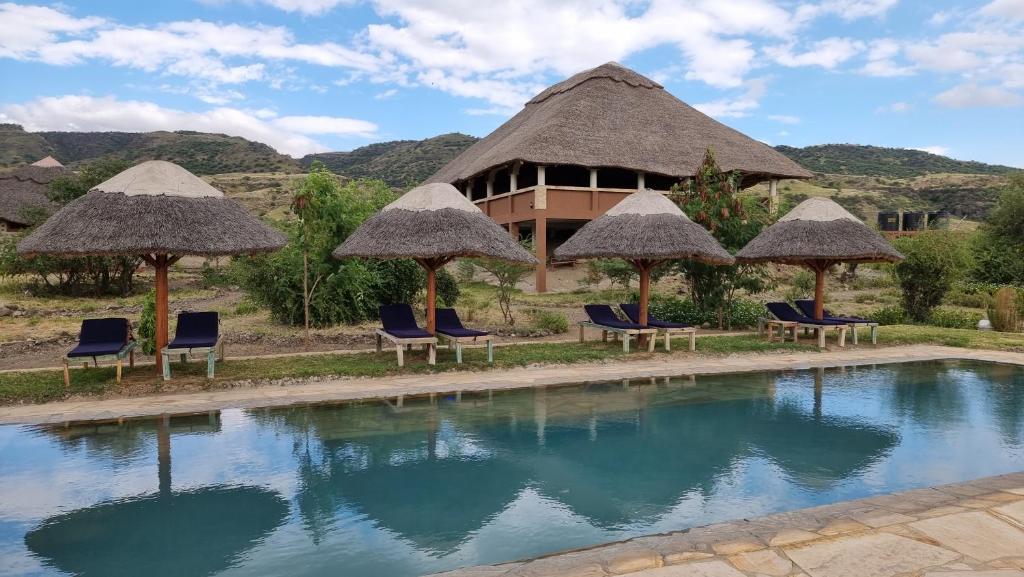
Lake Natron Weather & Climate
Lake Natron sits at just 600 metres above sea level on the floor of Tanzania's Great Rift Valley, making it one of the hottest and driest destinations covered on this site. Unlike the cool highlands of Ngorongoro or the temperate plains of the central Serengeti, Natron's low-lying, exposed basin traps heat year-round, with daytime temperatures regularly climbing to 35-40°C (95-104°F) and beyond, especially between December and March. The lake's caustic soda-crusted shoreline offers little shade, and low humidity makes the sun feel even more intense than the thermometer suggests. This extreme heat is precisely why the climb up the active Ol Doinyo Lengai volcano is scheduled overnight, departing camp around midnight so hikers summit for a cool pre-dawn sunrise and descend before the punishing daytime heat sets in. Understanding Lake Natron's weather, seasons and rainfall patterns is essential for packing right, staying hydrated and timing your visit or volcano trek safely.
Lake Natron Seasons
Two dry seasons, two rainy seasons — here is what to expect year-round.
Dry Season
June – October20–38°C (68–100°F)Clear skies, low humidity and the best visibility of the year, though afternoons run hot and nights turn cool. Peak season for wildlife concentrations and Ol Doinyo Lengai climbs.
Short Rains
November22–36°C (72–97°F)Brief afternoon showers, rising humidity and a landscape turning green. Roads stay largely passable and crowds thin out considerably.
Dry Season
January – February23–40°C+ (73–104°F+)The hottest, driest stretch of the year with intense sun and minimal rainfall. Hydration and sun protection are critical; clear night skies still favor the volcano trek.
Long Rains
March – May21–34°C (70–93°F)The heaviest rainfall of the year brings muddy roads and lush scenery. Temperatures are comparatively lower, humidity is higher, and some camps scale back operations.
Lake Natron Monthly Temperature & Rainfall
| Month | Avg High °C/°F | Avg Low °C/°F | Rainfall |
|---|---|---|---|
| January | 38°C / 100°F | 22°C / 72°F | 30mm |
| February | 39°C / 102°F | 22°C / 72°F | 40mm |
| March | 37°C / 99°F | 22°C / 72°F | 90mm |
| April | 34°C / 93°F | 21°C / 70°F | 180mm |
| May | 33°C / 91°F | 20°C / 68°F | 100mm |
| June | 32°C / 90°F | 18°C / 64°F | 15mm |
| July | 31°C / 88°F | 17°C / 63°F | 10mm |
| August | 32°C / 90°F | 17°C / 63°F | 10mm |
| September | 34°C / 93°F | 18°C / 64°F | 8mm |
| October | 36°C / 97°F | 20°C / 68°F | 25mm |
| November | 36°C / 97°F | 21°C / 70°F | 60mm |
| December | 37°C / 99°F | 22°C / 72°F | 45mm |
Plan Your Lake Natron Trip
Trip Length
Comfort Level
Safari Style
Operator Rating
Specialized Tours
Filter by Operator
Other Tour Features
Lake Natron Safari Packages for Every Season
Hand-picked Northern Circuit itineraries that combine easily with Lake Natron, tailored privately by Foot Slopes Tours and Safaris.
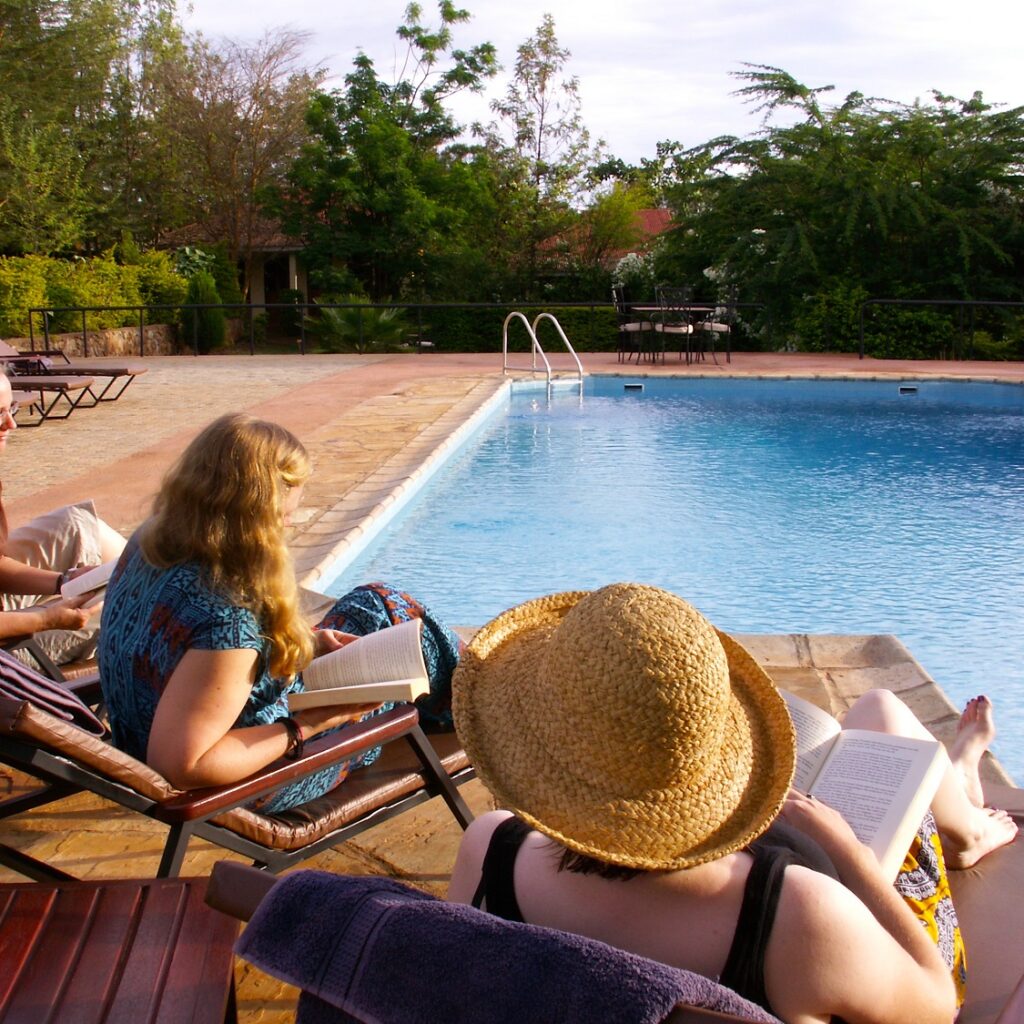
6-Day Serengeti and Ngorongoro Family Safaris
A six-day Serengeti and Ngorongoro combination built for multi-generation travelers.
View Package →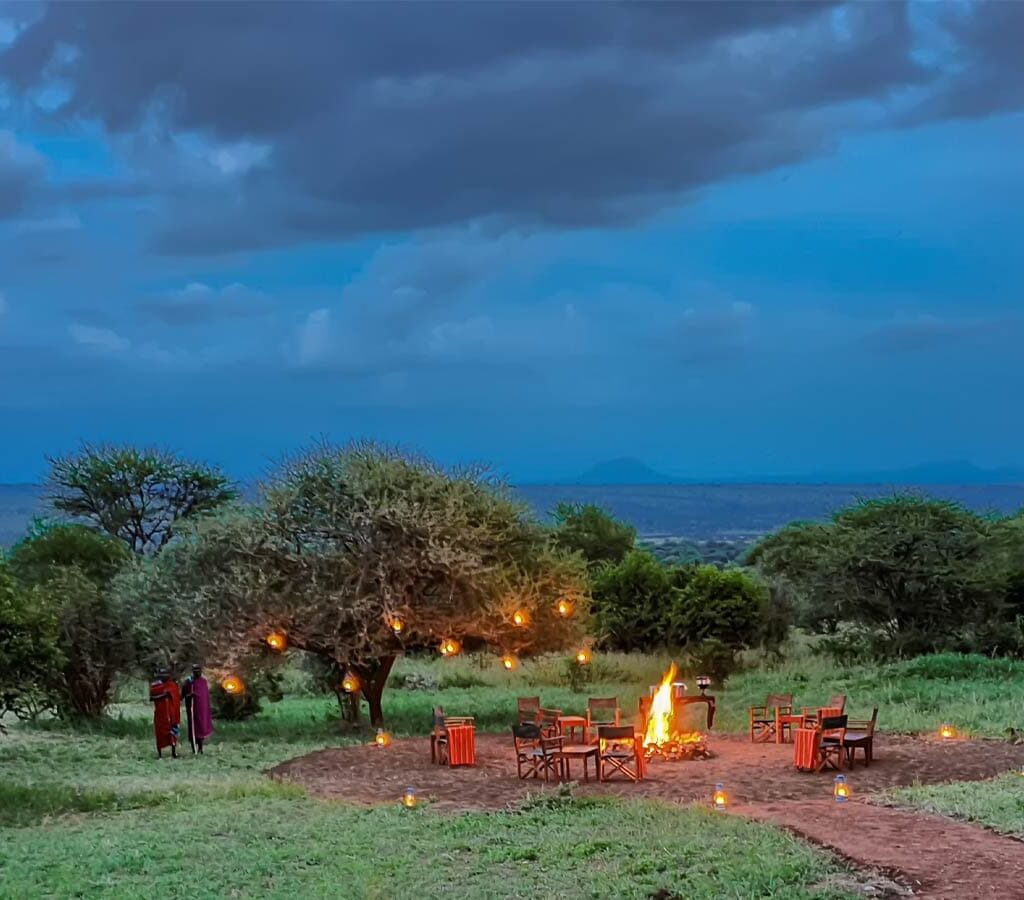
8-Day Northern Tanzania Safaris
An eight-day tour across Tanzania's top northern circuit parks.
View Package →
9-Day Private Northern Tanzania Safari
A nine-day fully private safari through Tanzania's northern circuit highlights.
View Package →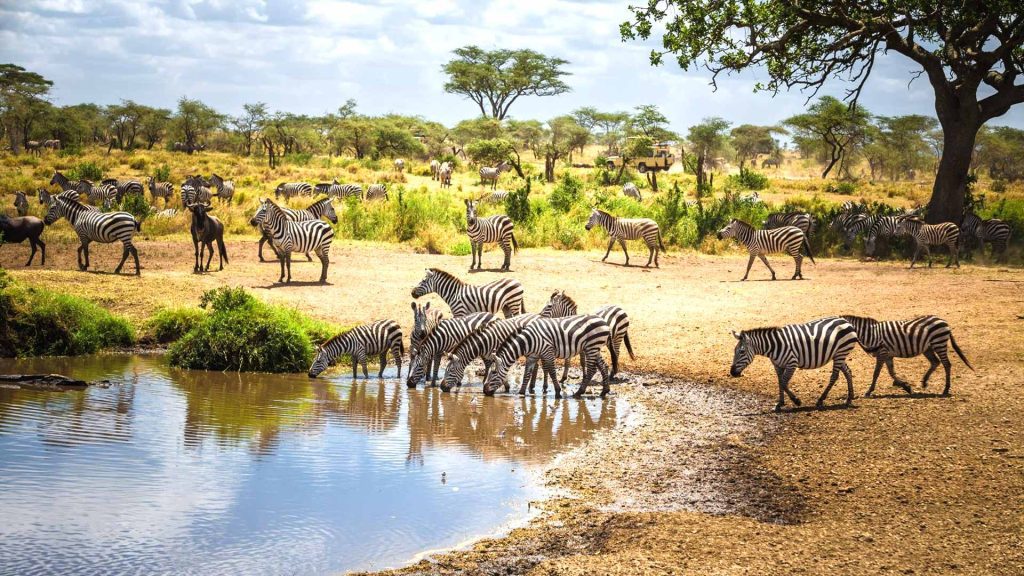
10-Day Amazing Northern Tanzania Safari
A ten-day journey across Tanzania's most celebrated northern parks.
View Package →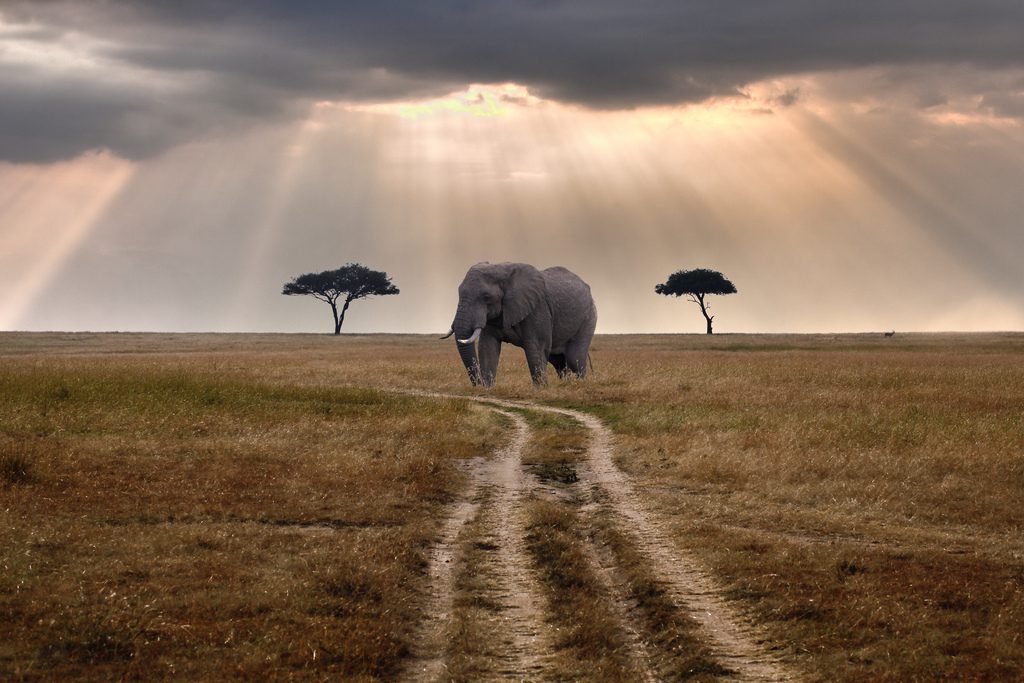
10-Day Best of Northern Tanzania Safari
Ten days combining the very best of the northern safari circuit.
View Package →
10-Day Ultra-Luxury Tanzania Lodge Safari
Ten days of ultra-luxury lodges across Tanzania's premier parks.
View Package →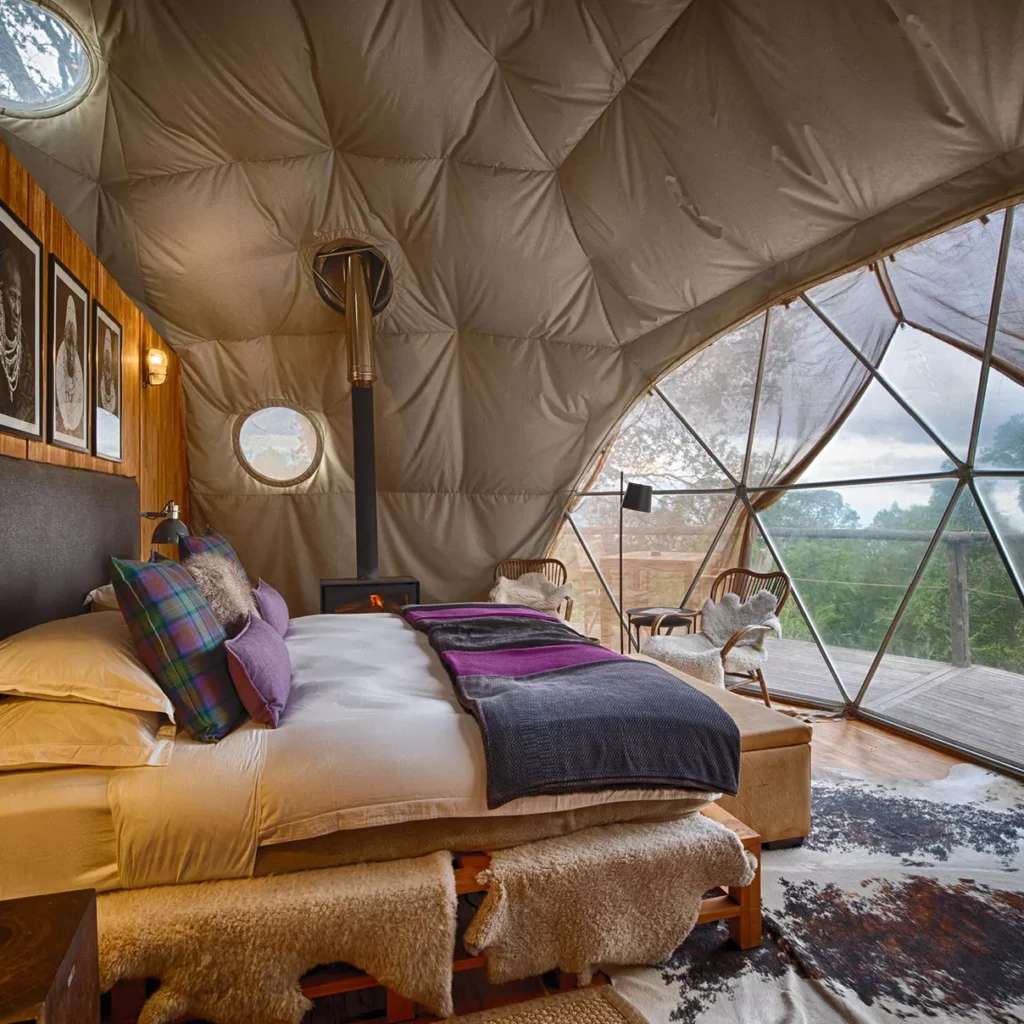
8-Day Tanzania Big Five Luxury Safari
An eight-day luxury safari focused on spotting Africa's Big Five.
View Package →
7-Day Best of Serengeti Safari
A seven-day safari highlighting the very best of the Serengeti ecosystem.
View Package →Lake Natron Planning Guides
Lake Natron Weather & Climate FAQs
How hot does it get at Lake Natron?
Lake Natron regularly reaches daytime highs of 35 to 40 degrees Celsius (95 to 104 degrees Fahrenheit) or more, especially from December through March, making it one of the hottest destinations covered on this site's northern Tanzania safari circuit. Sitting at roughly 600 metres elevation on an exposed, largely shadeless Rift Valley lakebed, it lacks the cooling effect found in the Ngorongoro highlands or central Serengeti plains. Even in the milder June to October dry season, afternoon temperatures commonly exceed 30 degrees Celsius (86 degrees Fahrenheit). Expect intense midday sun and little shade, so scheduling activities for early morning or late afternoon is strongly recommended.
What is the best time of year to visit Lake Natron for cooler, more comfortable weather?
The coolest window at Lake Natron falls within the June to October dry season, when average highs sit around 31 to 34 degrees Celsius (88 to 93 degrees Fahrenheit) and nights are noticeably crisper thanks to low humidity and clear skies. July and August typically bring the mildest daytime conditions of the year. The short rains in November also moderate temperatures slightly through cloud cover and brief showers. By contrast, January and February are the hottest, driest months, often exceeding 38 to 40 degrees Celsius (100 to 104 degrees Fahrenheit) by midday. Early starts remain essential year-round.
Does Lake Natron have a rainy season, and when?
Yes, Lake Natron experiences two rainy seasons typical of the Rift Valley: the long rains from March through May, which bring the heaviest monthly totals and can turn access roads muddy, and the short rains in November, lighter and more intermittent, usually arriving as brief afternoon downpours rather than sustained storms. Between these sit two dry seasons, June through October and January through February. Rainfall overall stays modest compared with wetter parts of northern Tanzania, since the low-lying basin and surrounding escarpments create a naturally arid, rain-shadow effect over the lake itself, keeping totals well below highland averages.
Can I still visit Lake Natron during the long rains (March to May)?
Yes, Lake Natron can be visited during the March to May long rains, though travelers should plan carefully. Showers tend to fall in concentrated afternoon bursts rather than all day, leaving mornings frequently clear for flamingo viewing, cultural visits and photography. Access roads can become slippery or rutted, so a capable 4x4 and experienced driver-guide are essential. Advantages include lower daytime temperatures, greener surrounding landscapes, fewer other visitors and reduced accommodation rates. The Ol Doinyo Lengai climb is technically possible but can become more difficult underfoot, so operators often recommend confirming trail conditions closer to travel dates.
Why is the Ol Doinyo Lengai volcano climb done at night instead of during the day?
The Ol Doinyo Lengai climb starts at night specifically to avoid Lake Natron's punishing daytime heat, which on the volcano's dark, heat-absorbing slopes can turn dangerous with no shade across the six to seven hour ascent. Hikers typically depart camp around midnight, climbing steep scree in cooler night air so they reach the crater rim around sunrise, when temperatures are lowest and Rift Valley views are clearest before haze builds up. Descending mid-morning, before the sun reaches full intensity, keeps exertion, dehydration and heat-exhaustion risk far lower than an equivalent daytime attempt on this exposed, demanding active volcano.
What time does the Ol Doinyo Lengai trek usually start and finish?
Most Ol Doinyo Lengai treks depart base camp between 11pm and 1am, aiming to reach the crater rim by sunrise, roughly 5:30 to 6:30am depending on pace and season. The ascent takes about six to seven hours over loose volcanic scree and ash at a steady pace, guided by headlamp for the first several hours. After resting, refueling and taking in sunrise views at the summit, the descent takes roughly three to four hours, typically finishing back at camp by late morning, well before the hottest part of the day sets in across the surrounding Rift Valley floor.
What should I pack for Lake Natron's extreme daytime heat?
Pack lightweight, loose-fitting, breathable clothing in light colors, a wide-brimmed hat, high-SPF sunscreen, UV-protective sunglasses and a buff or scarf to shield your neck and face from sun and fine soda dust. For the Ol Doinyo Lengai night climb, layer up: a warm fleece for the cold pre-dawn ascent, sturdy closed hiking boots with good grip for loose scree, gloves, and a reliable headlamp with spare batteries. A large refillable water bottle, electrolyte sachets, and a small first-aid kit with blister care are essential. Closed shoes also protect feet from the lake's sharp, caustic soda crust.
How should I stay hydrated at Lake Natron?
Given Lake Natron's extreme heat and low humidity, aim to drink at least three to four litres of water daily, more on trekking days, spreading intake steadily rather than drinking large amounts at once. Add electrolyte tablets or oral rehydration salts to replace sodium and minerals lost through sweat, especially during the overnight Ol Doinyo Lengai climb, when dehydration can creep up unnoticed in cool night air. Avoid excess alcohol and caffeine, which increase fluid loss. Foot Slopes Tours and Safaris guides carry extra water on treks and watch for early dehydration signs, encouraging regular drinking breaks.
What sun protection do I need at Lake Natron?
Because Lake Natron sits low, exposed and largely shadeless on the Rift Valley floor, sun protection is critical even on cooler or overcast days. Use a broad-spectrum sunscreen of at least SPF 30, reapplied every two hours, alongside a wide-brimmed hat, UV-blocking sunglasses and lightweight long sleeves for extended midday exposure. Lip balm with SPF prevents painful sunburned lips, common near the glaring white soda flats, which reflect sunlight upward as well as down. During the Ol Doinyo Lengai descent, when the sun climbs quickly, reapplying sunscreen before heading down is especially important on the return leg.
Is Lake Natron cooler in the early morning and evening?
Yes, Lake Natron cools meaningfully after sunset and before sunrise, since the region's low humidity lets heat absorbed during the day radiate away quickly overnight, unlike more humid coastal climates. Early mornings can feel pleasantly mild, sometimes even requiring a light layer, particularly during the June to October dry season when clear skies amplify overnight cooling. This is precisely why flamingo photography, cultural walks and the Ol Doinyo Lengai ascent are timed around dawn and dusk. By mid-morning, temperatures climb rapidly, often gaining ten degrees Celsius within a few hours, so activity is best concentrated in these cooler hours.
What is the humidity like at Lake Natron?
Humidity at Lake Natron is generally low year-round, part of why the heat, while intense, tends to feel dry rather than muggy, and why nights cool relatively quickly compared with humid coastal regions like Zanzibar. Humidity rises somewhat during the March to May long rains and, to a lesser extent, the November short rains, when moisture-laden air moves through before and after rainfall events. Low ambient humidity increases fluid loss through sweat that evaporates quickly, which is one reason dehydration can sneak up on visitors who feel less obviously sweaty than in a humid climate, making deliberate hydration essential.
How does Lake Natron's low Rift Valley elevation affect its temperature?
Lake Natron sits at roughly 600 metres above sea level on the floor of the Great Rift Valley, far lower than the Ngorongoro Crater rim near 2,200 metres or the Serengeti's central plains near 1,500 metres. Because temperature typically drops with elevation, this lower altitude is the primary reason Natron runs substantially hotter than most other stops on a northern Tanzania itinerary. Surrounding volcanic escarpments also trap and reflect heat across the basin, while the lake's dark mineral-rich waters and pale soda crust absorb and radiate solar energy, making the valley floor feel even hotter than elevation alone suggests.
Is Lake Natron hotter than the Serengeti or Ngorongoro Crater?
Yes, Lake Natron is considerably hotter than both the Serengeti and Ngorongoro Crater, largely because of its much lower elevation. Ngorongoro's crater rim and highlands, above 2,000 metres, stay cool and often misty, sometimes requiring a jacket at midday. The Serengeti's central plains, around 1,500 metres, are warm but rarely reach Natron's extremes. Natron's roughly 600 metre elevation on the exposed Rift Valley floor pushes daytime temperatures routinely into the mid-to-high 30s Celsius, well above typical readings elsewhere on a northern circuit safari, which is why itineraries often treat Natron as the trip's hottest, most demanding stretch.
Are there heat-related health risks travelers should know about at Lake Natron?
Heat exhaustion, dehydration and sunburn are the main risks at Lake Natron, given daytime temperatures that regularly exceed 35 degrees Celsius (95 degrees Fahrenheit) combined with strong sun and minimal shade. Warning signs include headache, dizziness, nausea, fatigue and dark urine, and travelers with heart, kidney or blood-pressure conditions should consult a doctor before the Ol Doinyo Lengai climb. Preventing these risks mainly comes down to steady hydration, electrolyte replacement, sun protection, appropriate clothing and pacing activities around cooler hours. Foot Slopes Tours and Safaris guides are trained to spot early symptoms and adjust pace and water intake accordingly.
Why choose Foot Slopes Tours and Safaris for a Lake Natron trip?
Foot Slopes Tours and Safaris designs Lake Natron itineraries specifically around the region's extreme heat, scheduling game drives, cultural visits and the Ol Doinyo Lengai climb during the coolest hours of the day for comfort and safety. Local, experienced guides understand how conditions shift across the two dry and two rainy seasons and adjust routes, pacing and water supply accordingly. Clients receive detailed packing and preparation guidance before departure, private vehicles equipped for extra water and shade, and continuous support from guides trained to spot early heat-related symptoms, giving travelers confidence in genuine local expertise.
Does Foot Slopes Tours and Safaris provide guides experienced with Lake Natron's extreme climate?
Yes, Foot Slopes Tours and Safaris works with guides who have extensive first-hand experience in Lake Natron's demanding Rift Valley climate, including numerous overnight Ol Doinyo Lengai ascents across every season. These guides know how heat, humidity and rainfall shift month to month, how to pace clients safely on the volcano's steep scree slopes, and how to time activities around sunrise and sunset for the best combination of comfort, light and photography. They carry extra water, monitor hydration and sun exposure throughout, and adjust plans in real time when conditions run hotter or wetter than expected.
What makes Foot Slopes Tours and Safaris a trusted choice for Rift Valley and northern Tanzania safaris?
Foot Slopes Tours and Safaris combines deep local knowledge of the Rift Valley's demanding climate with personalized itinerary planning, private vehicles, and guides who prioritize safety without sacrificing the adventure that draws travelers to Lake Natron and Ol Doinyo Lengai. Each itinerary is built around realistic seasonal weather, correct gear guidance and sensible activity timing, rather than a generic template, reducing surprises like unexpected heat, muddy roads or a poorly timed climb. Transparent communication before booking, responsive support during travel and a strong track record across northern Tanzania give travelers confidence that logistics and comfort are genuinely well managed.
Plan Further: Lake Natron Guides & Resources
Explore Lake Natron
Plan Your Lake Natron
Tell us your dates, style, and preferred parks, and we will build the perfect itinerary around you.
Book Now Online →What Our Travelers Say
Real 5-star reviews from guests who traveled with us
Our Private African luxury Safari experience with Foot Slopes Tours and Safaris was nothing short of exceptional. From the very beginning, owner Gabriel was incredibly responsive, making the entire booking process smooth and stress-free. Gabriel went above and
We had an incredible private safari experience with Foot Slopes Tours and Safaris. Their office staff was very helpful and informative, and they communicated very well. Our pick-ups to and from the airport were on time and hassle-free, an unforgettable Safari
Foot Slopes Tours and Safaris is truly one of the best local tour companies in Tanzania. From start to finish, their service was professional, reliable, and personalized. The team went above and beyond to make sure every detail of our trip was perfect. Our saf
Our family chose Foot Slopes Tours and Safaris for a custom 11-day safari itinerary, and we couldn’t be happier with our choice! Everything from our initial inquiry to building our custom itinerary to pre-departure and on-trip support was top quality. Communic