
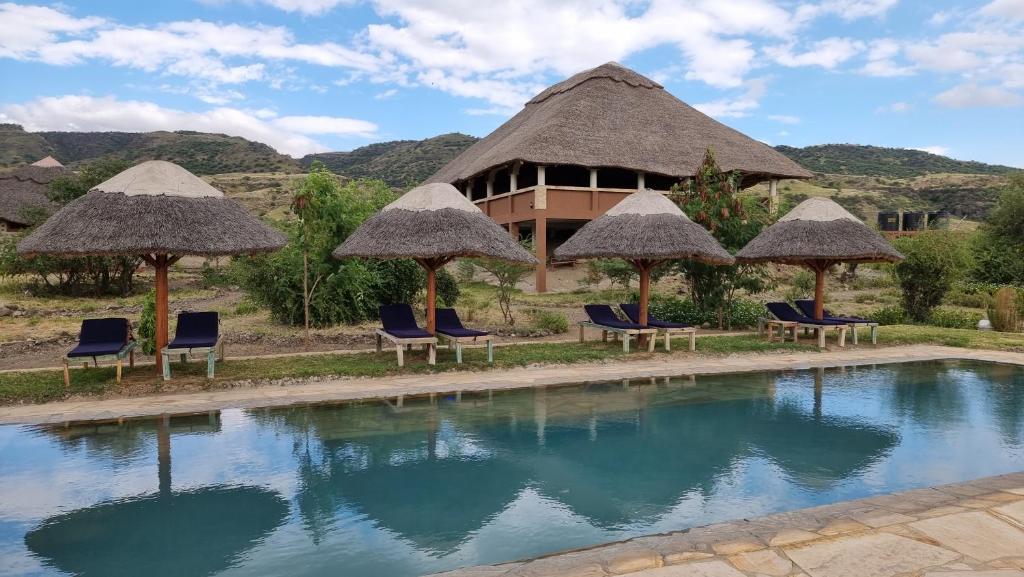
Best Time to Visit Lake Natron
By the Foot Slopes Tours and Safaris team
Our Arusha-based guides and safari planners know Lake Natron first-hand, and write this guide from experience on the ground.
The best time to visit Lake Natron is during the dry season, from June to October and again in January and February, when road access to this remote alkaline lake in northern Tanzania is at its most reliable and conditions for climbing Ol Doinyo Lengai, the active volcano, are safest. Dry-season nights are cool and clear, ideal for the demanding overnight trek to the summit, timed so climbers reach the crater rim for sunrise before the heat of the day sets in. Lesser flamingo breeding activity at Lake Natron is famously unpredictable, tied closely to rainfall and lake salinity, but visitor sightings of large flocks tend to cluster around August through October in many years. The rainy seasons, March to May and November, bring softer roads, slippery volcanic scree on Lengai's slopes, and lower flamingo predictability, making them a riskier window for travelers prioritizing wildlife photography, volcano summits, or comfortable 4x4 access to this off-the-grid corner of the Tanzanian Rift Valley.
Lake Natron Month-by-Month Visiting Guide
January
January sits within Lake Natron's dry season, following the short rains, and offers dependable road access to the lake and its Maasai villages. Days are hot and skies are mostly clear, though occasional lingering showers can affect the very start of the month. Flamingo numbers are moderate and variable, as breeding activity has usually not yet ramped up. Ol Doinyo Lengai conditions are good for a night climb, with firm scree and stable weather, though climbers should expect intense midday heat if delaying the descent. January is a solid, recommended month for both volcano trekking and general Lake Natron exploration.
February
February is one of Tanzania's hottest, driest months and a strong choice for visiting Lake Natron, with firm roads and minimal rainfall across the region. Flamingo activity remains moderate, sometimes building toward the year's breeding cycle depending on rainfall from the prior season, though sightings are never guaranteed this early. The Ol Doinyo Lengai trek is very achievable, with dry, gripping scree underfoot, but extreme daytime heat makes the traditional overnight climb to a sunrise summit essential rather than optional. Pack sun protection and plenty of water. Overall, February is a recommended month for a Lake Natron and Lengai itinerary.
March
March marks the onset of Tanzania's long rains, and conditions at Lake Natron begin shifting quickly. Roads that were firm in February can soften within days of the first heavy storms, occasionally stranding vehicles on the approach tracks. Flamingo numbers tend to be low as the lake's chemistry and water levels fluctuate. Ol Doinyo Lengai's volcanic scree becomes notably more hazardous when wet, increasing slip risk on the steep upper slopes, and many operators grow more cautious about summit attempts. March is generally not recommended for first-time visitors prioritizing reliable access or a volcano summit, though early-month trips can still succeed.
April
April is typically the wettest month in the Lake Natron region, with the long rains at their peak. Access roads frequently become difficult or impassable, and even 4x4 vehicles can struggle on the clay-heavy tracks leading to the lake. Flamingo sightings are usually minimal, and the birds may be dispersed elsewhere. The Ol Doinyo Lengai climb is at its most hazardous in April, with saturated volcanic ash and scree creating serious slip and rockfall risk, leading many guides to discourage attempts entirely. April is the least recommended month for a Lake Natron and volcano trip; most travelers should plan around it.
May
May remains within the long rains, though conditions gradually improve as the month progresses, particularly in its final weeks. Early May can still bring heavy downpours and difficult roads, while late May often sees drying trends begin. Flamingo activity stays generally low and unpredictable this month. The Ol Doinyo Lengai trek carries real risk throughout most of May due to residual moisture on the scree slopes, though late-month climbs become more feasible as the ground firms up. Travelers with flexible dates may find late May workable, but May overall remains a borderline, lower-priority month for this itinerary.
June
June opens Lake Natron's long dry season and marks a strong turning point for visitors. Roads firm up quickly after the rains, making the drive to the lake and surrounding Maasai communities considerably easier. Flamingo numbers typically begin building as lake conditions stabilize, though peak breeding activity is still a few months away. Ol Doinyo Lengai offers excellent trekking conditions in June, with dry, grippy scree and cool, comfortable night temperatures ideal for the overnight sunrise climb. Days are pleasantly warm rather than scorching. June is a clearly recommended month to combine Lake Natron exploration with the volcano trek.
July
July is one of the most reliable months to visit Lake Natron, sitting firmly in the dry season with minimal rainfall and consistently good road conditions throughout the region. Nights turn notably cool, even cold at altitude on Ol Doinyo Lengai, making for comfortable, energizing conditions on the overnight trek to catch sunrise from the crater rim. Flamingo numbers are generally building steadily as the lake's salt crust and water levels settle. Photography conditions are excellent with clear skies. July is highly recommended for travelers prioritizing dependable access, a safe volcano summit, and improving wildlife viewing at the lake.
August
August continues Tanzania's dry season and is widely regarded as one of the best months to visit Lake Natron. Roads remain firm and reliable, skies stay largely clear, and cool nights make the Ol Doinyo Lengai overnight climb comfortable and safe underfoot. Flamingo breeding activity often begins ramping up meaningfully in August in many years, though timing still depends heavily on rainfall patterns from the preceding wet season and lake salinity levels. Large, dramatic flocks are increasingly likely from this point onward. August is highly recommended for travelers hoping to combine strong volcano trekking conditions with rising flamingo activity.
September
September is frequently cited as the single best month to visit Lake Natron, combining peak dry-season road access with some of the year's strongest flamingo activity in many seasons. Lake conditions, salinity, and water levels often align well for large breeding colonies to gather on the crusted shoreline, though exact timing still shifts year to year with rainfall. Ol Doinyo Lengai trekking conditions are excellent, with dry scree, clear skies, and cool nights ideal for a sunrise summit. Combined with comfortable daytime temperatures across the wider northern circuit, September stands out as a top recommended month overall.
October
October remains within the dry season and continues to offer some of the year's best conditions for visiting Lake Natron. Roads stay firm and reliable for most of the month, though early hints of the coming short rains can occasionally appear toward the very end. Flamingo activity often remains strong, continuing the peak breeding window seen in many recent years, though this varies with lake conditions. Ol Doinyo Lengai remains excellent for climbing, with stable scree and comfortable temperatures for a night ascent. October is highly recommended, particularly for travelers hoping to catch late-season flamingo activity before the rains return.
November
November brings Tanzania's short rains, and conditions at Lake Natron become noticeably more variable. Some years see only brief, scattered showers that barely affect access, while others bring sustained rain that softens roads and complicates travel to the lake. Flamingo numbers typically decline from the dry-season peak as conditions shift. Ol Doinyo Lengai's scree slopes become progressively more hazardous as the month wears on and rainfall increases, so climbers should seek current local conditions before committing to a summit attempt. November is a moderate-risk month best suited to flexible travelers who can adjust plans around localized weather.
December
December is transitional, generally seeing the short rains taper off as the month progresses toward the following dry season. Early December can still bring occasional showers and softer roads, while conditions typically firm up by late month. Flamingo numbers tend to remain lower than the August-to-October peak. Ol Doinyo Lengai trekking conditions are variable early in the month but generally improve as rainfall eases, making late December a reasonable window for a summit attempt. Overall, December is a moderate choice, better suited to travelers visiting in the second half of the month when conditions have stabilized.
Best Lake Natron Safari Packages by Season
Hand-picked Northern Circuit itineraries that combine easily with Lake Natron, tailored privately by Foot Slopes Tours and Safaris.

6-Day Serengeti and Ngorongoro Family Safaris
A six-day Serengeti and Ngorongoro combination built for multi-generation travelers.
View Package →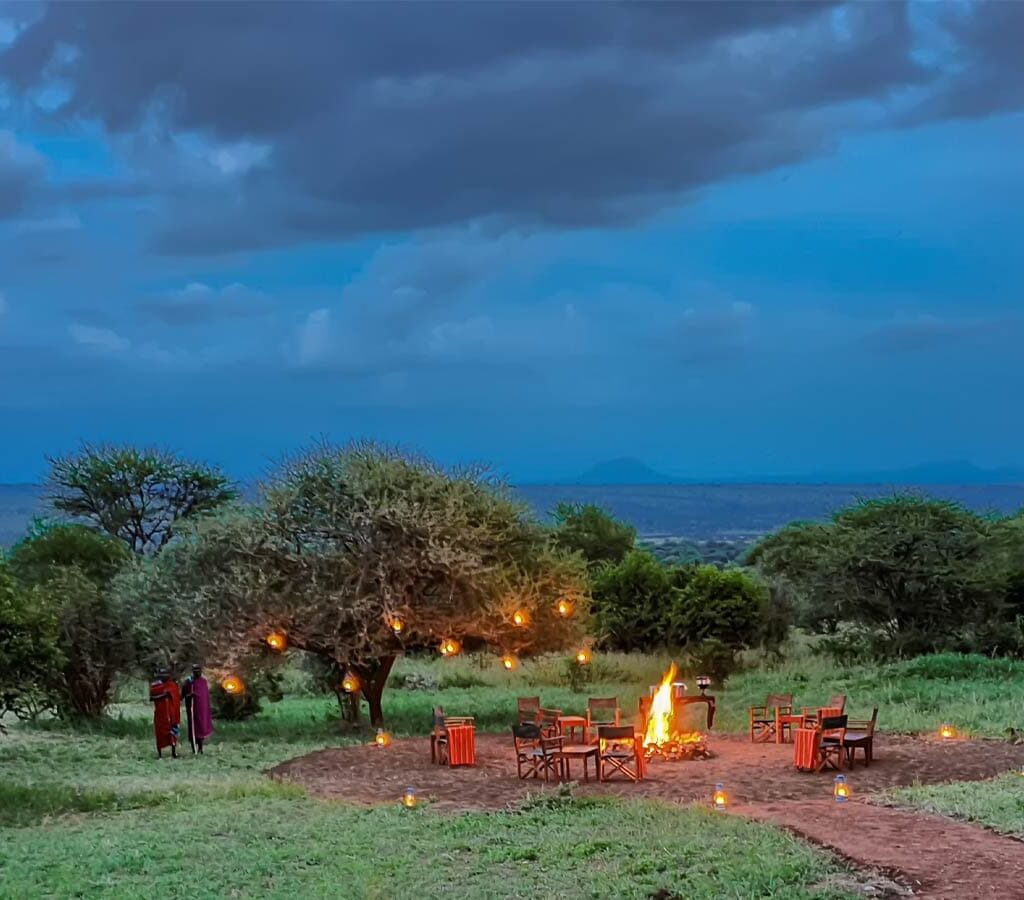
8-Day Northern Tanzania Safaris
An eight-day tour across Tanzania's top northern circuit parks.
View Package →
9-Day Private Northern Tanzania Safari
A nine-day fully private safari through Tanzania's northern circuit highlights.
View Package →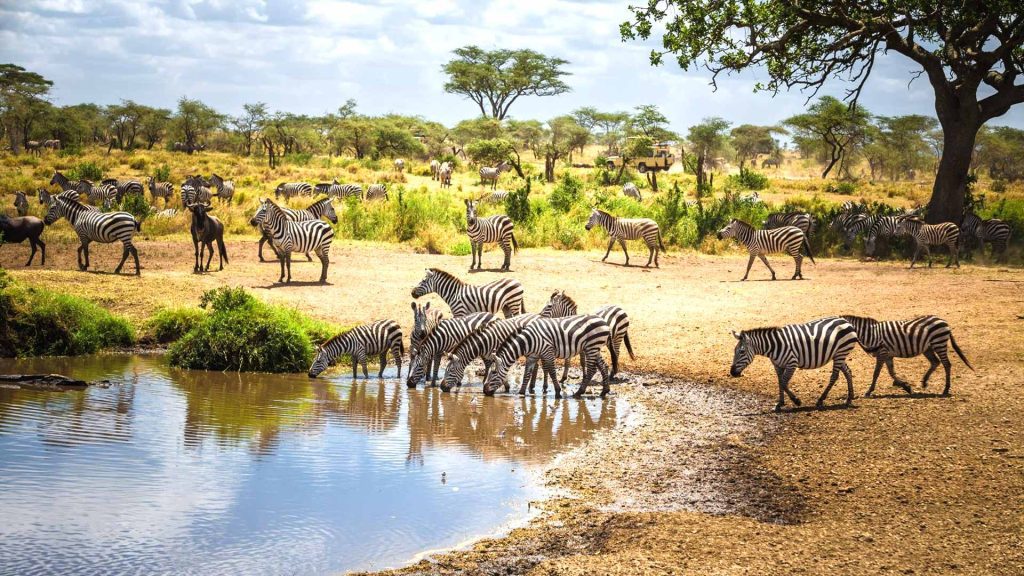
10-Day Amazing Northern Tanzania Safari
A ten-day journey across Tanzania's most celebrated northern parks.
View Package →
10-Day Best of Northern Tanzania Safari
Ten days combining the very best of the northern safari circuit.
View Package →
10-Day Ultra-Luxury Tanzania Lodge Safari
Ten days of ultra-luxury lodges across Tanzania's premier parks.
View Package →
8-Day Tanzania Big Five Luxury Safari
An eight-day luxury safari focused on spotting Africa's Big Five.
View Package →
7-Day Best of Serengeti Safari
A seven-day safari highlighting the very best of the Serengeti ecosystem.
View Package →Lake Natron Planning Guides
Lake Natron Best Time to Visit: Frequently Asked Questions
What is the best time of year to visit Lake Natron?
The best time to visit Lake Natron is during Tanzania's dry season, from June through October and again in January and February, when roads into this remote alkaline lake are firm, temperatures are manageable, and conditions for climbing Ol Doinyo Lengai are safest. Within that window, July through October is often considered strongest, combining excellent access with rising flamingo activity in many years. The long rains from March to May and the shorter November rains bring softer roads, slippery volcanic scree, and less predictable flamingo sightings, so most travelers planning a Lake Natron trip with Foot Slopes Tours and Safaris should target the dry-season months above.
Which months offer the driest, most reliable road access to Lake Natron?
June, July, August, September, and October offer the driest, most reliable road access to Lake Natron, along with January and February during the short dry spell between rainy seasons. During these months, the murram and dirt tracks leading to the lake and surrounding Maasai villages stay firm and passable for standard 4x4 safari vehicles, minimizing delays and vehicle strain. By contrast, March through May and November bring Tanzania's rainy seasons, when clay-heavy sections of road can become slick, rutted, or temporarily impassable after heavy storms. Foot Slopes Tours and Safaris recommends these dry-season months for the smoothest, most predictable overland journey to Lake Natron.
When should I avoid visiting Lake Natron?
Travelers should generally avoid visiting Lake Natron during the peak long rains in March, April, and early May, when roads are most likely to become difficult or temporarily impassable and the Ol Doinyo Lengai volcano trek carries the highest risk from slippery, saturated scree. The shorter November rains can also bring localized disruption, though conditions vary year to year and are sometimes mild. Travelers with rigid schedules, limited time, or a strong focus on the volcano summit should steer clear of these wetter windows. Those with flexible dates and realistic expectations about muddy roads can still visit outside the dry season with proper planning.
When do lesser flamingos breed at Lake Natron?
Lesser flamingos breed at Lake Natron on an irregular schedule driven primarily by rainfall, lake water levels, and salinity rather than a fixed calendar, since the lake is one of the only reliable breeding sites for the species in East Africa. In many years, breeding and large gathering activity trend toward the roughly August-to-October period, when dry-season conditions stabilize the lake's crusted shoreline into suitable nesting ground. However, breeding does not occur every single year, and timing can shift earlier, later, or be skipped entirely depending on conditions. Travelers hoping to witness flamingo activity should treat any specific month as a strong likelihood, not a guarantee.
What is the best month to see flamingos at Lake Natron?
September is often cited as the best single month to see flamingos at Lake Natron, with August and October also offering strong odds in many years, based on historical patterns of breeding activity tied to dry-season lake conditions. During this window, large flocks are more likely to gather along the lake's alkaline shoreline to feed and, in favorable years, breed on the exposed salt flats. That said, flamingo behavior at Lake Natron varies considerably from year to year depending on rainfall and water chemistry, so Foot Slopes Tours and Safaris always recommends checking current on-the-ground conditions before finalizing travel dates focused specifically on flamingo viewing.
Does flamingo breeding happen at Lake Natron every year?
No, flamingo breeding at Lake Natron does not happen predictably every single year. The lake's extreme alkalinity, fluctuating water levels, and dependence on regional rainfall patterns mean that large-scale breeding events can occur in some years and be minimal or absent in others. When conditions align, usually during stable dry-season stretches, colonies can number in the hundreds of thousands, making Lake Natron one of the most important lesser flamingo breeding sites on Earth. Because of this variability, travelers visiting specifically for flamingo breeding should build flexibility into their itinerary and consult current local reports rather than relying solely on seasonal averages.
When is the best time to climb Ol Doinyo Lengai?
The best time to climb Ol Doinyo Lengai is during Tanzania's dry season, from June through October and again in January and February, when the volcano's steep scree slopes are firm and grippy rather than slick with rain. July through October is particularly favorable, offering cool, comfortable night temperatures for the demanding overnight ascent. The climb is always attempted at night, departing around midnight, so climbers reach the crater rim for sunrise before daytime heat and glare make the descent uncomfortable. Rainy months, especially March through May, sharply increase the risk of slipping on loose volcanic ash and should generally be avoided.
Why is a night climb recommended for Ol Doinyo Lengai?
A night climb is recommended for Ol Doinyo Lengai because the ascent up its steep, loose scree slopes is physically demanding and far more manageable in cooler nighttime temperatures than under the intense equatorial daytime heat. Starting around midnight allows climbers to time their arrival at the crater rim for sunrise, rewarding the effort with dramatic views over the Rift Valley and Lake Natron before clouds typically build later in the day. Descending in daylight is also considerably safer, since climbers can see the loose volcanic terrain clearly underfoot. Foot Slopes Tours and Safaris schedules all Lengai climbs as guided overnight ascents for these reasons.
Is it dangerous to climb Ol Doinyo Lengai during the rainy season?
Yes, climbing Ol Doinyo Lengai during the rainy season, particularly March through May, is considerably more dangerous than during dry months. Rainfall turns the volcano's loose ash and scree slopes slippery and unstable, sharply increasing the risk of slipping, sliding, or dislodging rocks on the steep upper sections near the crater rim. Reduced visibility from cloud cover and mist can also complicate navigation and safety on the exposed ridge. Many local guides and operators, including Foot Slopes Tours and Safaris, recommend postponing summit attempts during heavy rain periods and instead favor the more stable footing and clearer skies of the June-to-October and January-to-February dry windows.
How long does the Ol Doinyo Lengai trek take?
The Ol Doinyo Lengai trek typically takes between six and eight hours to reach the crater rim, starting around midnight and arriving close to sunrise, followed by roughly three to four hours to descend back to the base camp area. Total round-trip time, including a rest at the summit to watch the sunrise and explore the crater edge, usually runs ten to twelve hours. The steep, loose volcanic terrain makes the pace slower than a similar-distance trek on firmer ground. Foot Slopes Tours and Safaris builds a full rest day before and after the climb into its Lake Natron itineraries to accommodate this demanding schedule safely.
Can I visit Lake Natron during the rainy season?
Yes, it is possible to visit Lake Natron during the rainy season, but travelers should expect softer, sometimes difficult roads, a real possibility of delays or rerouting after heavy storms, and reduced likelihood of large flamingo gatherings compared to the dry season. The Ol Doinyo Lengai climb also becomes riskier due to slippery scree, and some operators may recommend postponing the summit attempt during the wettest stretches of March through May. Travelers with flexible schedules, realistic expectations, and experienced local guides can still have a rewarding rainy-season visit, particularly outside the heaviest rainfall weeks, but the dry season remains the more dependable choice overall.
What is the weather like at Lake Natron during the dry season?
During the dry season, from June through October and again in January and February, Lake Natron experiences hot, sunny days with daytime temperatures often reaching into the low-to-mid 30s Celsius, given the low-altitude Rift Valley setting. Rainfall is minimal to nonexistent, skies are generally clear, and humidity stays low. Nights cool considerably, especially from June through August, and temperatures on the slopes of Ol Doinyo Lengai drop further with elevation, making warm layers essential for the overnight volcano climb. This combination of reliable sunshine, minimal rain, and cool nights is a major reason the dry season is considered the best time to visit.
How many days should I plan for a Lake Natron trip?
Most travelers should plan three to four days for a well-paced Lake Natron trip, including a day for the journey in from Arusha or the northern safari circuit, a rest day to acclimatize before the Ol Doinyo Lengai climb, the overnight volcano ascent itself, and time to explore the lakeshore, waterfalls, and local Maasai communities. Travelers focused purely on lake and cultural exploration without the volcano trek can manage a shorter two-day visit. Foot Slopes Tours and Safaris typically builds Lake Natron into a broader four-to-ten-day northern Tanzania itinerary, allowing enough buffer time for dry-season road conditions and a safe, unrushed climb.
Why choose Foot Slopes Tours and Safaris for your Lake Natron safari?
Foot Slopes Tours and Safaris brings deep, on-the-ground knowledge of Lake Natron's shifting seasonal conditions, from road access and flamingo activity to the safety demands of the Ol Doinyo Lengai night climb, ensuring itineraries are timed for the best realistic experience rather than a generic calendar date. As a Tanzania-based operator, the team monitors current rainfall, lake conditions, and trail safety directly rather than relying on outdated seasonal averages, and adjusts recommendations accordingly. Combined with well-maintained 4x4 vehicles, experienced local guides, and thoughtfully paced itineraries that include rest days around the demanding volcano trek, Foot Slopes Tours and Safaris offers a safer, more reliable Lake Natron experience.
Does Foot Slopes Tours and Safaris offer customized Lake Natron itineraries?
Yes, Foot Slopes Tours and Safaris offers fully customized Lake Natron itineraries tailored to each traveler's preferred travel dates, fitness level, and interests, whether that means prioritizing the Ol Doinyo Lengai summit climb, maximizing chances of flamingo sightings, or combining Lake Natron with a broader northern Tanzania safari circuit through Serengeti, Ngorongoro, and Tarangire. The team factors in current seasonal conditions, road status, and lake activity when designing each trip, rather than applying a one-size-fits-all schedule. Group sizes, accommodation style from comfort camping to luxury glamping, and pacing around rest days can all be adjusted, making it straightforward to build a trip suited to individual goals and timelines.
How experienced are Foot Slopes Tours and Safaris guides on the Ol Doinyo Lengai climb?
Foot Slopes Tours and Safaris works with experienced local guides who regularly lead the Ol Doinyo Lengai night climb and understand its shifting terrain, weather patterns, and safety demands firsthand, including how conditions change between dry and rainy seasons. This hands-on familiarity allows guides to make informed real-time calls about pacing, rest stops, and, when necessary, postponing or adjusting a summit attempt for safety during unfavorable scree or weather conditions. Guides are also well versed in the surrounding Maasai communities and Rift Valley ecology, adding cultural and natural context to the trek. This depth of local experience is a core reason travelers trust Foot Slopes Tours and Safaris for this demanding climb.
Is Foot Slopes Tours and Safaris a reliable, locally based operator for Lake Natron trips?
Yes, Foot Slopes Tours and Safaris is a Tanzania-based tour operator with direct, on-the-ground experience running trips to Lake Natron and the wider northern safari circuit, giving the team current, firsthand insight into road conditions, seasonal flamingo activity, and Ol Doinyo Lengai trail safety that generic seasonal guides cannot match. Being locally based also allows for faster response to changing conditions, such as adjusting routes after rainfall or timing a climb around current scree conditions. Combined with well-reviewed guided safaris across Tanzania's northern circuit, this local expertise makes Foot Slopes Tours and Safaris a dependable choice for planning a safe, well-timed Lake Natron visit.
Plan Further: Lake Natron Guides & Resources
Explore Lake Natron
Plan Your Lake Natron
Tell us your dates, style, and preferred parks, and we will build the perfect itinerary around you.
Book Now Online →What Our Travelers Say
Real 5-star reviews from guests who traveled with us
Our Private African luxury Safari experience with Foot Slopes Tours and Safaris was nothing short of exceptional. From the very beginning, owner Gabriel was incredibly responsive, making the entire booking process smooth and stress-free. Gabriel went above and
We had an incredible private safari experience with Foot Slopes Tours and Safaris. Their office staff was very helpful and informative, and they communicated very well. Our pick-ups to and from the airport were on time and hassle-free, an unforgettable Safari
Foot Slopes Tours and Safaris is truly one of the best local tour companies in Tanzania. From start to finish, their service was professional, reliable, and personalized. The team went above and beyond to make sure every detail of our trip was perfect. Our saf
Our family chose Foot Slopes Tours and Safaris for a custom 11-day safari itinerary, and we couldn’t be happier with our choice! Everything from our initial inquiry to building our custom itinerary to pre-departure and on-trip support was top quality. Communic