

Best Time to Climb Kilimanjaro National Park
The best time to climb Kilimanjaro National Park falls within two distinct dry-season windows: January to mid-March, and June to October. The January–March period brings warmer temperatures on the lower and middle slopes, generally clear skies, and occasionally fresh summit snow that adds spectacular scenery to the crater rim, though nights on the final summit push can feel colder due to clear-sky radiative cooling at altitude. June to October is Kilimanjaro’s most popular and busiest climbing season, prized for consistently dry trails, minimal cloud cover, and some of the highest summit success rates of the year, particularly from July through September. Between these two windows, the long rains (April–May) and short rains (November) blanket the mountain in persistent mist, slippery paths and reduced visibility, making the climb significantly harder and far less rewarding — which is why most trekkers and experienced guides avoid scheduling summit attempts during these rainy months.
Kilimanjaro National Park Month-by-Month Guide
January
January opens the first dry-season climbing window on Kilimanjaro. Days are warm and sunny on the lower slopes, skies are mostly clear, and rainfall is low, though brief afternoon showers can occur. The summit can be noticeably cold at night, and fresh snow sometimes dusts the crater rim, creating striking photo conditions at Uhuru Peak. Crowds are moderate, picking up around the New Year holidays before quieting mid-month. Trail conditions are generally firm and visibility is good on most routes. January is a recommended climbing month, offering a strong balance of good weather and lighter trail traffic.
February
February is widely considered one of the finest months to climb Kilimanjaro. It is typically the driest month of the January–March window, with warm days, minimal rainfall, and consistently clear skies that offer excellent long-distance views across the plains. Summit nights remain cold, but conditions underfoot are stable and reliable on all major routes. Crowds thin out considerably after the New Year rush, making trails and campsites noticeably quieter than in peak season. Summit success rates are high. February is strongly recommended for climbers who want dry-season weather without the volume of trekkers seen in July and August.
March
Early March still offers workable dry-season conditions similar to February, with warm lower slopes and generally clear skies. However, March marks the transition toward Kilimanjaro’s long rains, and rainfall increases steadily as the month progresses, especially after the middle of the month. Trails become muddier, cloud cover builds in the afternoons, and visibility on the upper slopes can deteriorate. Crowds are low throughout. Early March remains climbable and reasonably recommended for flexible travelers, but late March is not recommended, since deteriorating weather and slippery terrain begin to noticeably reduce comfort and summit success rates.
April
April falls in the heart of Kilimanjaro’s long rains, the wettest and least favorable period for climbing. Heavy, sustained rainfall soaks the lower and middle forest zones, trails turn muddy and slippery, and river crossings can become difficult. Cloud cover frequently obscures views, and the higher camps can see cold, wet, and occasionally snowy conditions that complicate logistics. Very few climbers attempt Kilimanjaro during April, and summit success rates drop noticeably due to poor visibility and challenging footing. April is not recommended for climbing Kilimanjaro; most guides advise postponing a summit attempt until the rains subside.
May
May remains within the long rains season, though rainfall typically begins tapering off toward the end of the month. Trails stay wet and muddy for much of May, particularly in the rainforest zone, and persistent cloud cover can limit summit views. Fewer trekkers attempt the mountain during this period, resulting in very quiet trails and campsites for those who do climb. Some experienced climbers deliberately choose late May for solitude and lush, green scenery, accepting reduced comfort in exchange. Overall, May is generally avoided for climbing, though the final week can offer improving conditions as the dry season approaches.
June
June marks the start of Kilimanjaro’s second and most popular dry season. Rainfall drops sharply, skies clear, and daytime temperatures on the lower slopes remain pleasant, while nights grow progressively colder as the month advances toward winter conditions at altitude. Trails firm up quickly after the May rains, improving footing on all routes. Trekker numbers begin rising toward the end of the month as school holidays approach in the Northern Hemisphere. Visibility is typically excellent, with clear panoramas from the higher camps. June is a strongly recommended climbing month, offering reliable weather with moderate crowd levels.
July
July is one of Kilimanjaro’s busiest and most popular climbing months, driven by Northern Hemisphere summer holidays. Weather is classically dry-season: clear skies, minimal rainfall, and excellent visibility across all routes, though nights at higher camps and the summit are cold, with temperatures well below freezing on the final ascent. Trails and campsites are considerably busier than earlier dry-season months, and advance booking is recommended for huts and campsite permits. Summit success rates are among the highest of the year thanks to stable weather. July is highly recommended for climbers who don’t mind sharing the mountain with more trekkers.
August
August is Kilimanjaro’s peak climbing month, coinciding with Northern Hemisphere summer vacations and drawing the largest crowds of the year. Weather remains firmly dry, with clear daytime skies and excellent visibility, though this is typically the coldest month for summit night temperatures, often well below freezing with biting wind chill near Uhuru Peak. Trails, campsites, and mountain huts are at their busiest, so early booking is essential to secure preferred routes and dates. Despite the crowds, summit success rates stay high due to stable, predictable weather. August is recommended, especially for climbers prioritizing dry conditions over solitude.
September
September offers some of the most favorable overall conditions for climbing Kilimanjaro, combining dry-season stability with noticeably lighter crowds than the July–August peak. Skies are typically clear, rainfall is minimal, and visibility across the plains and neighboring peaks is excellent. Nights remain cold at higher elevations, but daytime trekking conditions are comfortable on most routes. As European and North American summer holidays wind down, trail and campsite traffic eases considerably while weather quality stays high. Summit success rates are strong. September is highly recommended and often cited by guides as the single best all-round month to climb.
October
October continues the dry season with generally stable, clear weather through most of the month, making it a strong choice for climbers. Daytime conditions remain comfortable, visibility is good, and crowds are noticeably lower than the July–September peak, offering a quieter mountain experience. Toward the very end of October, early signs of the short rains can begin to appear, occasionally bringing afternoon cloud build-up or light showers, particularly in the final week. Overall trail conditions stay favorable for most of the month. October is recommended, especially for climbers seeking dry-season reliability without the busiest crowd levels.
November
November brings Kilimanjaro’s short rains, a shorter and generally less intense wet period than April’s long rains but still disruptive to climbing conditions. Afternoon showers and increased cloud cover are common, trails through the rainforest and moorland zones become muddier, and summit visibility can be reduced by persistent mist. Rainfall intensity and timing vary from year to year, making conditions less predictable than during the core dry seasons. Trekker numbers are low, offering solitude for those willing to accept the weather trade-off. November is generally avoided for climbing, though early-month attempts before the rains intensify occasionally succeed.
December
December typically sees the short rains easing as the month progresses, gradually transitioning back toward drier conditions. Early December can still bring intermittent showers and muddy trails, while the weather generally improves through mid-to-late month. Crowds pick up noticeably around the Christmas and New Year holidays as travelers combine a climb with an East African vacation. Summit temperatures remain cold regardless of season. Conditions are more variable than the core dry months, so success depends partly on timing within December. Overall, December is recommended with some caution, best suited to flexible climbers targeting the latter half of the month.
Plan Your Kilimanjaro Climb
Trip Length
Comfort Level
Safari Style
Operator Rating
Specialized Tours
Filter by Operator
Other Tour Features
Best Kilimanjaro Safari Packages by Season
Hand-picked northern Tanzania itineraries that pair well with Kilimanjaro, tailored privately by Foot Slopes Tours and Safaris.
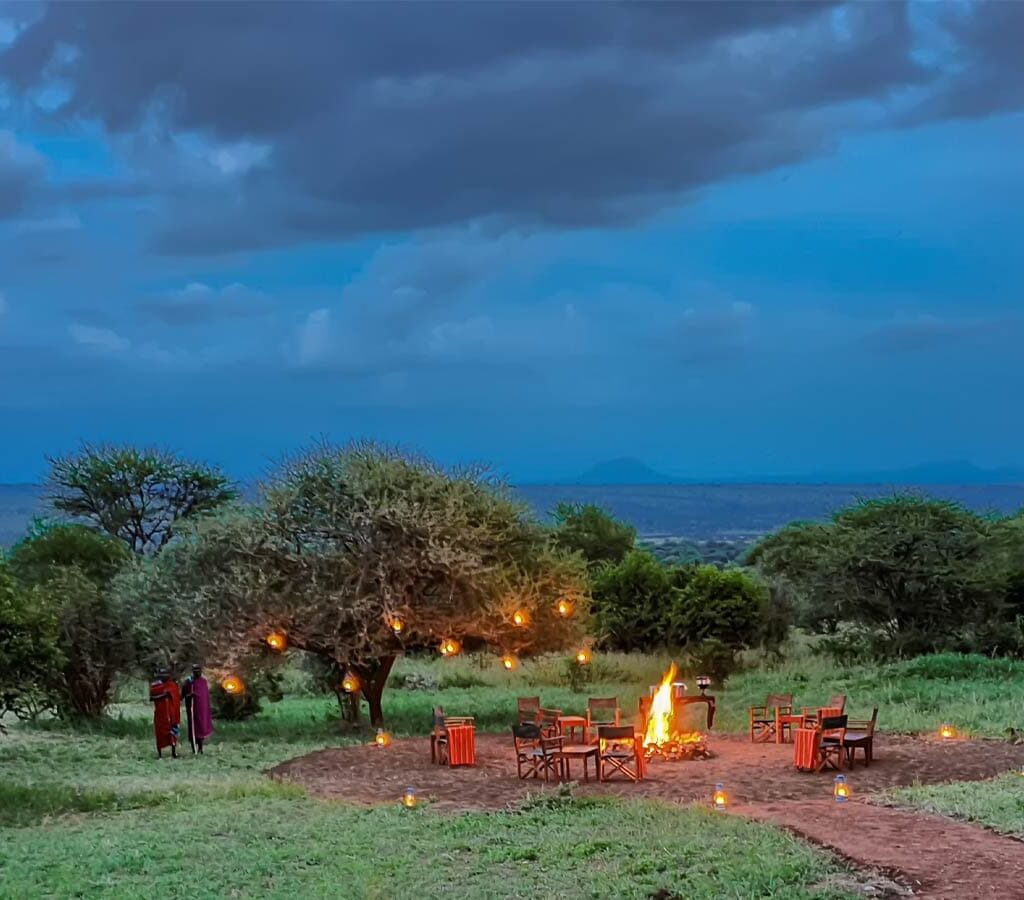
8-Day Northern Tanzania Safaris
An eight-day tour across Tanzania's top northern circuit parks.
View Package →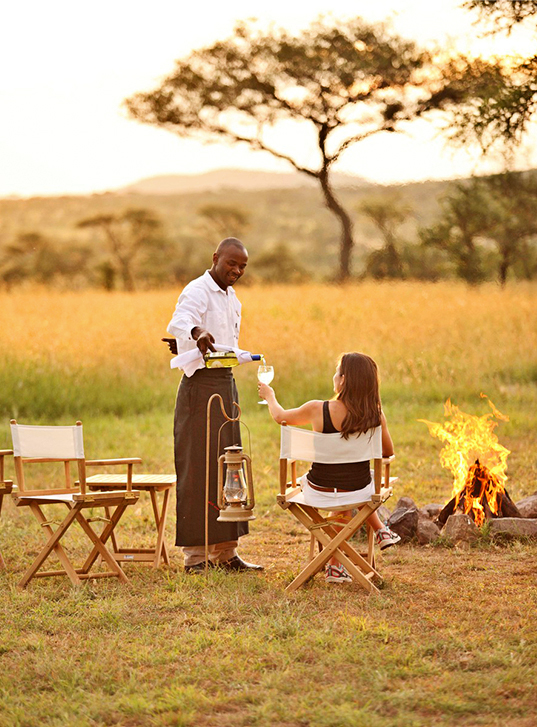
9-Day Private Northern Tanzania Safari
A nine-day fully private safari through Tanzania's northern circuit highlights.
View Package →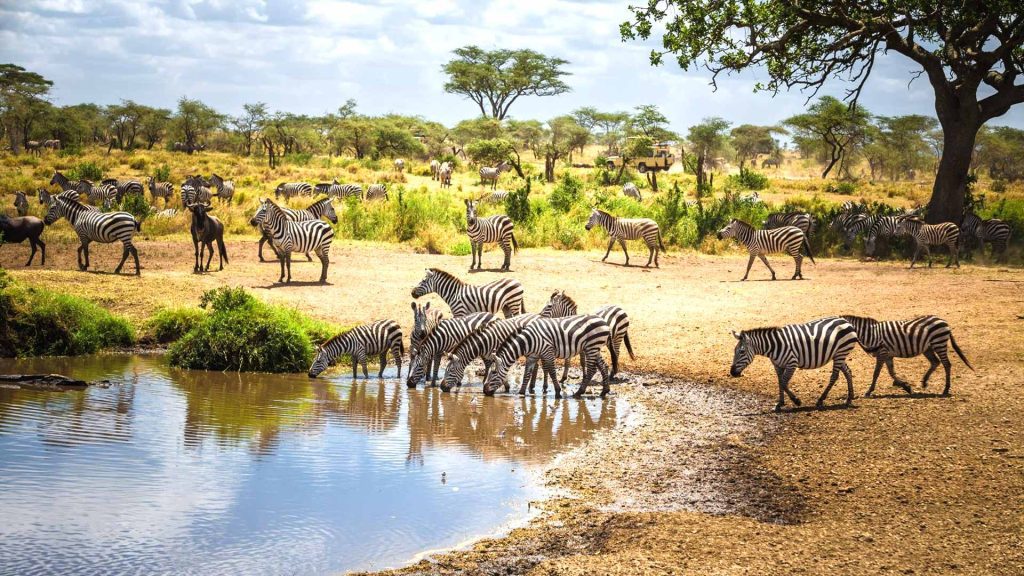
10-Day Amazing Northern Tanzania Safari
A ten-day journey across Tanzania's most celebrated northern parks.
View Package →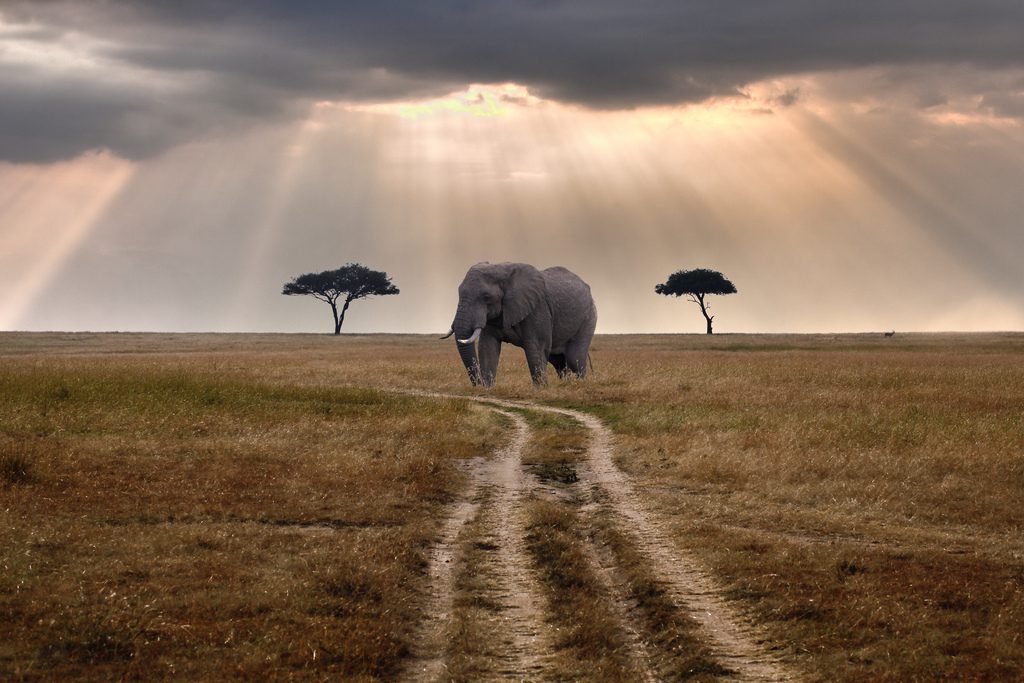
10-Day Best of Northern Tanzania Safari
Ten days combining the very best of the northern safari circuit.
View Package →
6-Day Highlights of Tanzania Mid-Range Safari
A six-day mid-range tour hitting Tanzania's essential safari highlights.
View Package →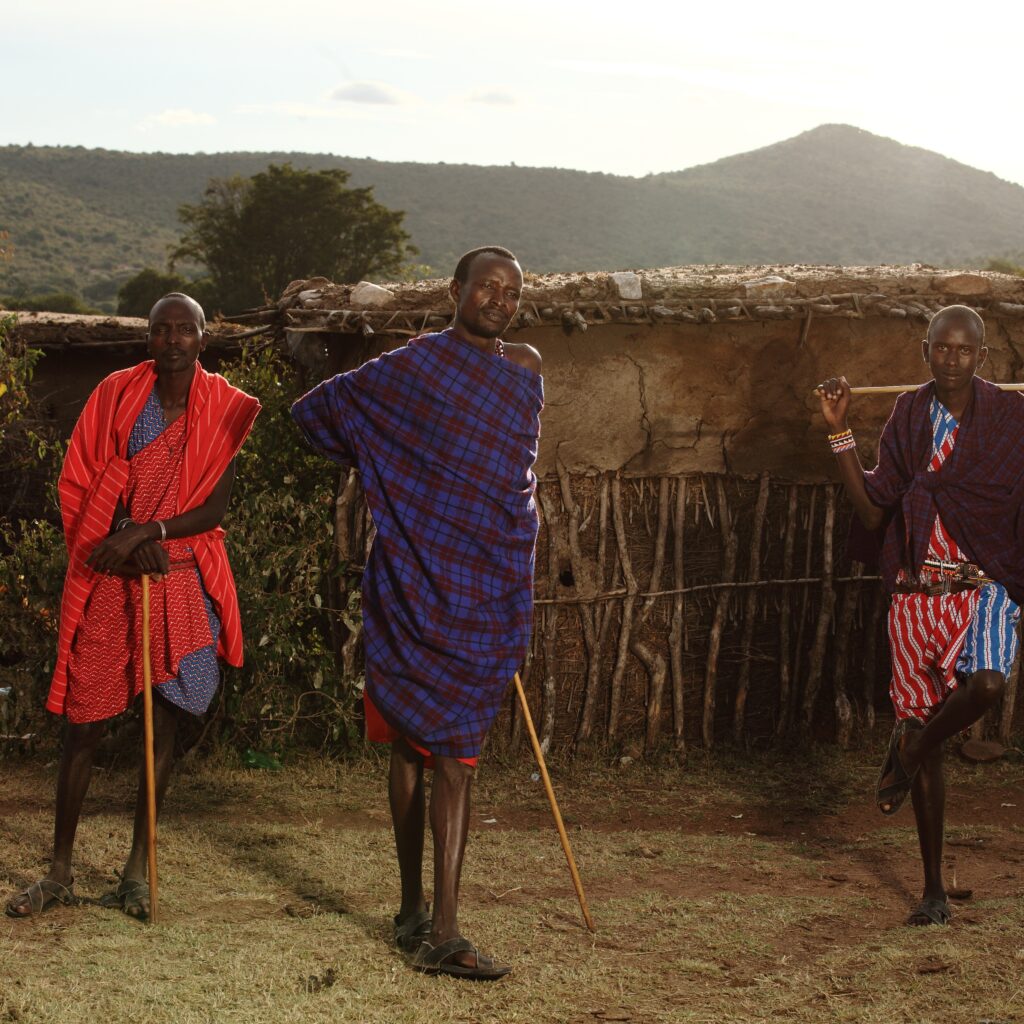
5-Day Tanzania Classic Safari
A concise five-day introduction to Tanzania's most iconic parks.
View Package →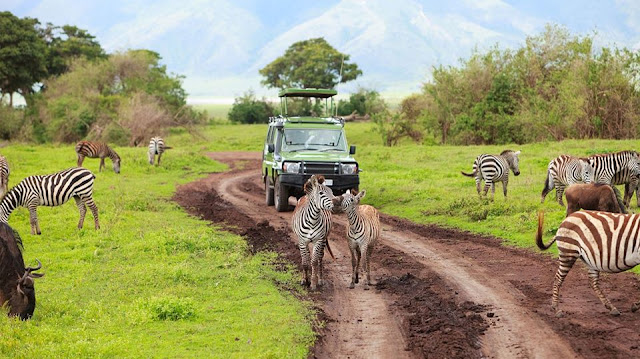
5-Day Tanzania Comfort Safari
A comfortable five-day safari balancing good lodges with a modest price.
View Package →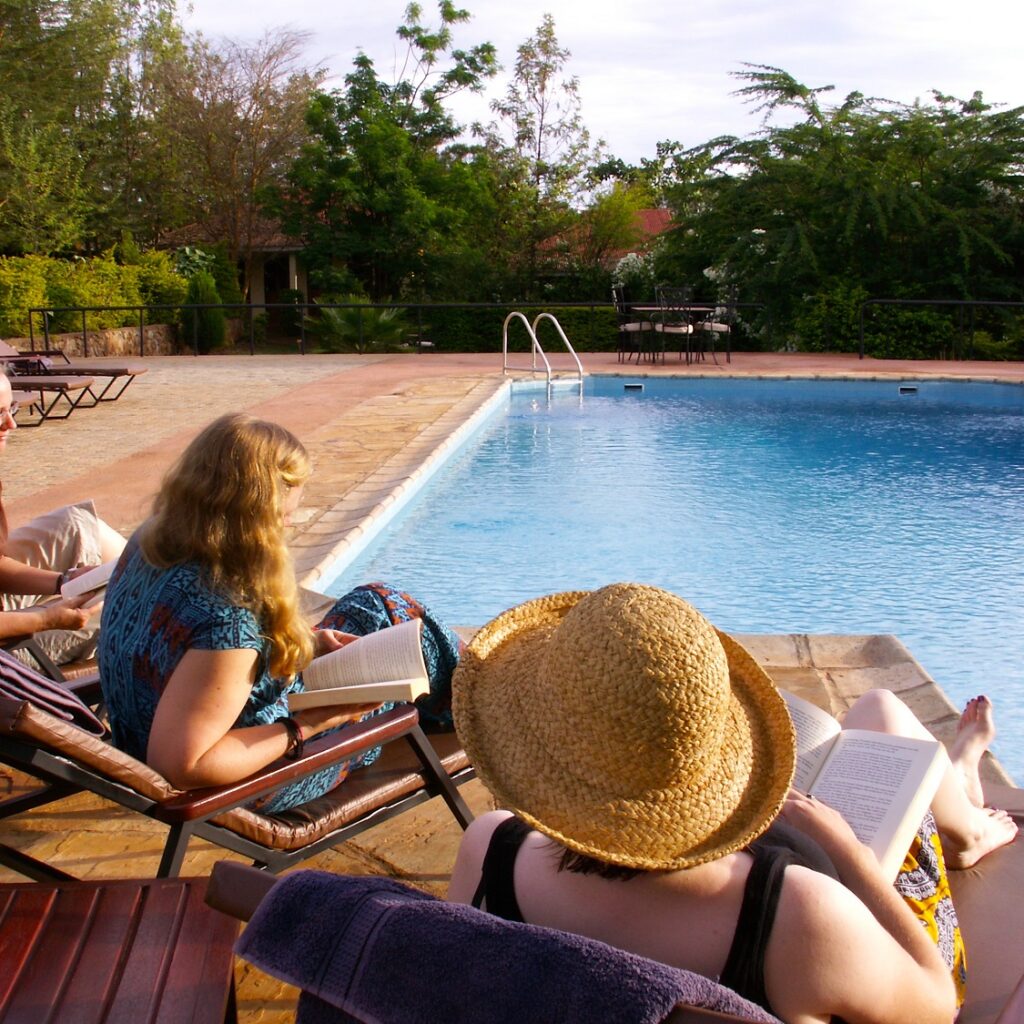
6-Day Serengeti and Ngorongoro Family Safaris
A six-day Serengeti and Ngorongoro combination built for multi-generation travelers.
View Package →Kilimanjaro Climb Planning Guides
Frequently Asked Questions: Best Time to Climb Kilimanjaro
What is the single best month to climb Kilimanjaro?
Most guides and tour operators identify September as the single best month to climb Kilimanjaro. It falls within the June–October dry season, offering clear skies, minimal rainfall, and excellent visibility, while trekker numbers drop noticeably after the July–August peak holiday crowds. This combination gives climbers dry-season reliability, high summit success rates, and a quieter mountain experience with less congestion at camps, huts, and narrow trail sections. February is a close second, offering similarly dry, clear conditions during the shorter January–mid-March window with even lighter crowds. Both months balance favorable weather with manageable trekker volume better than any other time of year.
What are Kilimanjaro's two dry seasons for climbing?
Kilimanjaro has two distinct dry seasons suitable for climbing. The first runs from January to mid-March, offering warmer temperatures, generally clear skies, and occasional summit snow, though it is shorter and transitions into rain by late March. The second and longer dry season runs from June to October, bringing the most stable weather, driest trails, and highest overall trekker volume of the year, especially July through September. Both windows offer significantly better climbing conditions than the intervening rainy periods. Choosing between them typically comes down to preference for warmer but shorter (Jan–Mar) versus colder but more extensive and popular (Jun–Oct) dry-season climbing.
Which months should be avoided when climbing Kilimanjaro?
April and May, Kilimanjaro’s long rains, should generally be avoided for climbing, as heavy sustained rainfall creates muddy, slippery trails, reduces visibility, and can bring cold, wet conditions to the higher camps. November, the short rains, is also generally avoided, though it is typically less intense and more unpredictable than the long rains, with some early-November climbs still succeeding before rainfall intensifies. Late March also sees deteriorating conditions as the long rains approach. Climbers who must travel during these periods should budget extra time for weather delays, expect lower summit success rates, and pack thorough waterproof gear for wet-weather trekking.
Is it better to climb in January-March or June-October?
Neither dry season is definitively "better" — the right choice depends on priorities. January to mid-March suits climbers who prefer warmer daytime temperatures, don’t mind a chance of summit snow, and want to avoid the year’s busiest crowds, though the window is shorter and ends abruptly as rain returns in late March. June to October suits climbers prioritizing the driest, most stable weather and highest historical summit success rates, and offers a longer booking window, but comes with colder summit nights and, during July–August, significantly more trekkers on popular routes like Machame and Marangu. Most first-time climbers choose June–October for its reliability.
What is the coldest month to summit Kilimanjaro?
August is typically the coldest month for summiting Kilimanjaro, with overnight temperatures at Uhuru Peak and the high camps regularly dropping well below freezing, often intensified by strong wind chill during the final pre-dawn ascent. July shares similarly cold summit conditions. Even during the warmer January–March window, summit night temperatures remain cold due to high altitude and clear-sky radiative heat loss, so climbers should pack proper cold-weather layers, insulated gloves, and a warm sleeping bag regardless of which month they choose. Daytime temperatures on the lower forested slopes stay comfortable year-round; it is only the summit push that turns bitterly cold.
Does it snow on Kilimanjaro during climbing season?
Yes, snow can fall on Kilimanjaro’s summit and crater rim at any time of year, since the upper elevations sit well above the freezing line regardless of season. Snowfall is somewhat more common and visually dramatic during the January–March dry season, when clear skies combine with occasional light summit snow to create striking scenery around Uhuru Peak and the Furtwangler Glacier area. Snow also occasionally falls during the June–October dry season, particularly in the colder months of July and August. Snow accumulation is generally light and rarely disrupts a well-prepared trek, but climbers should always pack for cold, potentially icy summit conditions.
How much does crowding vary by climbing season?
Crowd levels on Kilimanjaro vary substantially by month. July and August, coinciding with Northern Hemisphere summer holidays, are by far the busiest, with popular routes like Machame and Marangu seeing heavy trail and campsite traffic. September and October remain within the dry season but see noticeably fewer trekkers as summer holidays end. February offers dry-season weather with some of the lightest crowds of the year, since it falls outside major school holiday periods. The rainy months of April, May, and November see the fewest climbers overall, trading comfort and reliability for a much quieter, more solitary mountain experience.
How do summit success rates change by season?
Summit success rates are highest during the two dry seasons, when stable weather, firm trails, and good visibility make acclimatization schedules and summit night pacing more predictable. The June–October window, particularly July through September, consistently records some of the year’s highest success rates due to reliably clear conditions. The January–mid-March window also produces strong success rates, comparable to the main dry season. Success rates drop measurably during April, May, and November, when rain, mud, cold, and reduced visibility make the trek physically harder and increase the likelihood of turning back before the summit, independent of route or operator quality.
What should I pack differently depending on the season?
Regardless of season, climbers need layered cold-weather gear for summit night, since temperatures are freezing year-round at altitude. For the January–March window, pack lighter warm-weather clothing for the lower slopes plus a solid insulated layer for the summit, and consider gaiters for potential fresh snow. For June–October, pack heavier insulation overall, since nights are colder throughout the trek, not just at the summit. If climbing during the shoulder or rainy months (April, May, November), waterproof outer layers, a dry-bag system, and trekking poles for muddy, slippery sections become essential additions beyond the standard cold-weather kit.
Can Kilimanjaro be climbed during the rainy season at all?
Yes, Kilimanjaro can technically be climbed during the rainy season, and a small number of experienced trekkers and photographers deliberately choose April, May, or November for solitude, lush green scenery, and lower trail traffic. However, success rates are lower, trails are muddier and more physically demanding, visibility is often poor, and river crossings can be more difficult. Most tour operators advise against scheduling a first Kilimanjaro attempt during peak rain months and recommend the dry seasons instead. Climbers who do choose the rains should budget extra trekking time, bring thorough waterproof gear, and set realistic expectations about summit views.
Which route is best paired with which season?
Route choice matters less by season than overall trek duration and acclimatization profile, but some pairings work particularly well. Longer routes like Lemosho and Rongai, which offer better acclimatization, are especially valuable during the colder June–October season when summit night conditions are harshest. The Marangu route, with hut accommodation, can be more comfortable during shoulder-season showers than tent-based routes. During the busy July–August peak, less-trafficked routes such as Rongai or Umbwe offer a quieter alternative to heavily booked Machame and Marangu. Across all seasons, longer itineraries of 7 days or more consistently improve summit success rates.
How far in advance should I book for peak season?
For July and August, Kilimanjaro’s busiest months, booking three to six months in advance is strongly recommended to secure preferred dates, routes, and campsite or hut permits, since park authorities limit daily numbers on each route. For the September–October and December holiday periods, booking two to four months ahead is generally sufficient. The quieter February and shoulder-season months offer more flexibility, with availability often confirmed just four to eight weeks out. Regardless of season, early booking also allows more time to prepare physically, arrange travel insurance, and complete the recommended pre-trek fitness training for a safer, more successful climb.
Why choose Foot Slopes Tours and Safaris for a Kilimanjaro climb?
Foot Slopes Tours and Safaris is a locally based Tanzanian operator with deep, first-hand knowledge of Kilimanjaro’s routes, seasonal conditions, and acclimatization best practices. Our guides are experienced, government-certified, and trained in wilderness first aid, ensuring climbers receive expert support through every stage of the ascent, from route selection to summit night pacing. We build itineraries around proven acclimatization principles rather than the shortest possible schedule, which measurably improves summit success rates. As a local company, we also offer more competitive pricing than international resellers while directly supporting Tanzanian guides, porters, and mountain communities through fair wages and working conditions.
How does Foot Slopes Tours support porter welfare on Kilimanjaro?
Foot Slopes Tours and Safaris follows fair porter treatment practices on every Kilimanjaro climb, including appropriate wage payment, weight limits on carried loads, proper gear provision, and adequate food and shelter throughout the trek. We view porter welfare as central to running an ethical, sustainable climbing operation, not an optional add-on. Climbers who book with us can trust that the team supporting their ascent is treated fairly and safely at every camp. This commitment also tends to translate into better morale and more attentive service on the mountain, since well-supported crews consistently perform better and contribute directly to a smoother, safer climbing experience for every group.
What level of personalization does Foot Slopes Tours offer for climbs?
Foot Slopes Tours and Safaris tailors each Kilimanjaro climb to the individual or group booking it, adjusting route choice, trek duration, pace, and group size to match fitness levels, schedules, and acclimatization needs rather than offering a single fixed itinerary. Individual private climbs and extended acclimatization days are available on request. Our team works directly with climbers before departure to discuss gear, training, and route options, ensuring realistic expectations and a personalized plan. This flexible, climber-first approach stands in contrast to rigid, one-size-fits-all packages and helps improve comfort, safety, and summit success across a wide range of fitness levels and experience.
Does Foot Slopes Tours provide support beyond the Kilimanjaro climb itself?
Yes, Foot Slopes Tours and Safaris supports climbers well beyond the mountain itself, offering assistance with pre-trek logistics such as airport transfers, accommodation in Moshi or Arusha, gear guidance, and travel planning, as well as post-climb options like combining a summit attempt with a Tanzania safari or Zanzibar beach extension. Our local team is available throughout the planning process to answer questions about permits, packing, training, and seasonal timing. This end-to-end support reduces the stress of coordinating an international trekking trip and allows climbers to focus on preparation and the climb itself, knowing logistics before and after are handled by an experienced local team.
What safety measures does Foot Slopes Tours use on Kilimanjaro climbs?
Foot Slopes Tours and Safaris prioritizes climber safety through certified, experienced mountain guides trained in altitude illness recognition and wilderness first aid, along with daily health monitoring using pulse oximeters to track oxygen saturation and heart rate at each camp. Itineraries are built with adequate acclimatization days rather than compressed schedules that raise altitude sickness risk. Guides carry appropriate emergency and first-aid equipment, and evacuation procedures are established before every climb begins. Combined with careful route and seasonal planning around Kilimanjaro’s dry-season windows, this safety-first approach helps maximize both climber wellbeing and summit success rates across all experience levels and route choices.
Plan Further: Kilimanjaro National Park Guides & Resources
Explore Kilimanjaro National Park
Plan Your Kilimanjaro Climb
Tell us your dates, style, and preferred parks, and we will build the perfect itinerary around you.
Book Now Online →What Our Travelers Say
Real 5-star reviews from guests who traveled with us
Our Private African luxury Safari experience with Foot Slopes Tours and Safaris was nothing short of exceptional. From the very beginning, owner Gabriel was incredibly responsive, making the entire booking process smooth and stress-free. Gabriel went above and
We had an incredible private safari experience with Foot Slopes Tours and Safaris. Their office staff was very helpful and informative, and they communicated very well. Our pick-ups to and from the airport were on time and hassle-free, an unforgettable Safari
Foot Slopes Tours and Safaris is truly one of the best local tour companies in Tanzania. From start to finish, their service was professional, reliable, and personalized. The team went above and beyond to make sure every detail of our trip was perfect. Our saf
Our family chose Foot Slopes Tours and Safaris for a custom 11-day safari itinerary, and we couldn’t be happier with our choice! Everything from our initial inquiry to building our custom itinerary to pre-departure and on-trip support was top quality. Communic