
Arusha National Park Malaria & Safety Guide
Arusha National Park is one of Tanzania's most relaxed and well-managed parks, sitting less than an hour from Arusha town with reliable gates, an established ranger network, and a low-crime, tourist-friendly reputation typical of the northern safari circuit. As with travel anywhere in malaria-endemic East Africa, it is sensible to treat mosquito-borne illness as a general regional consideration and plan ahead rather than something specific to this park alone. The park is also one of the few in Tanzania offering walking safaris, which are always supervised by an armed Tanzania National Parks ranger alongside your guide, and it is the gateway to climbing Mount Meru, where gradual acclimatization and fitness matter at altitude. None of this should be alarming with reasonable preparation. Before you travel, speak with a doctor or accredited travel health clinic about current malaria guidance, recommended vaccinations, and any personal health considerations for your Arusha National Park safari or Meru climb.
Health & Safety at a Glance
General travel-planning information — always confirm health guidance with a doctor or travel clinic.
Malaria Prevention
Malaria is present in parts of Tanzania, so travelers to Arusha National Park generally take general precautions such as covered clothing at dawn and dusk, insect repellent, and mosquito-proofed accommodation. Because prevention depends on your health history and itinerary, this guide does not recommend specific medications. Consult a doctor or accredited travel health clinic several weeks before departure for guidance suited to you.
Vaccinations & Health Prep
Vaccination recommendations for Tanzania vary by traveler and itinerary, so there is no single checklist for everyone visiting Arusha National Park. Many travelers see a doctor or travel health clinic four to six weeks before departure to review routine immunizations and destination-specific advice. Requirements can change over time, so confirm current guidance directly with a healthcare professional before booking.
Walking Safari Safety
Arusha National Park is one of the few parks in Tanzania permitting walking safaris, and every group is escorted by an armed Tanzania National Parks ranger alongside your guide, who set the route and safe distance from wildlife. Walks move at a slow, observational pace. Travelers are briefed beforehand and asked to stay close to the group and follow instructions at all times.
Mount Meru Altitude Considerations
Climbing Mount Meru from Arusha National Park involves a genuine high-altitude trek, and reduced oxygen at elevation can affect travelers differently regardless of fitness. Reputable climbs are paced over several days with built-in acclimatization. This guide does not offer medical advice on altitude symptoms. Anyone considering the climb should discuss preparation and personal risk factors with a doctor beforehand.
Water & Food Safety
As elsewhere in Tanzania, tap water in and around Arusha National Park is not generally recommended for visitors, so lodges and operators typically provide bottled or filtered water throughout the trip. Choosing freshly prepared, thoroughly cooked food and avoiding ice of uncertain origin are sensible habits, particularly early in a trip. A reusable bottle refilled with safe water is a convenient option most operators support.
Vehicle & Road Safety
Safari vehicles used in Arusha National Park are purpose-built 4x4s driven by trained guides familiar with the park's roads and wildlife-crossing points, with speed limits enforced and off-track driving restricted. Outside the park, general road conditions vary, so seatbelt use and choosing an operator known for vehicle maintenance are sensible precautions. Confirm any self-arranged transfers use a properly licensed driver.
Plan Your Arusha National Park Safari
Trip Length
Comfort Level
Safari Style
Operator Rating
Specialized Tours
Filter by Operator
Other Tour Features
Arusha National Park Safari Packages
Hand-picked northern-circuit itineraries featuring Arusha National Park, guided by our experienced team.
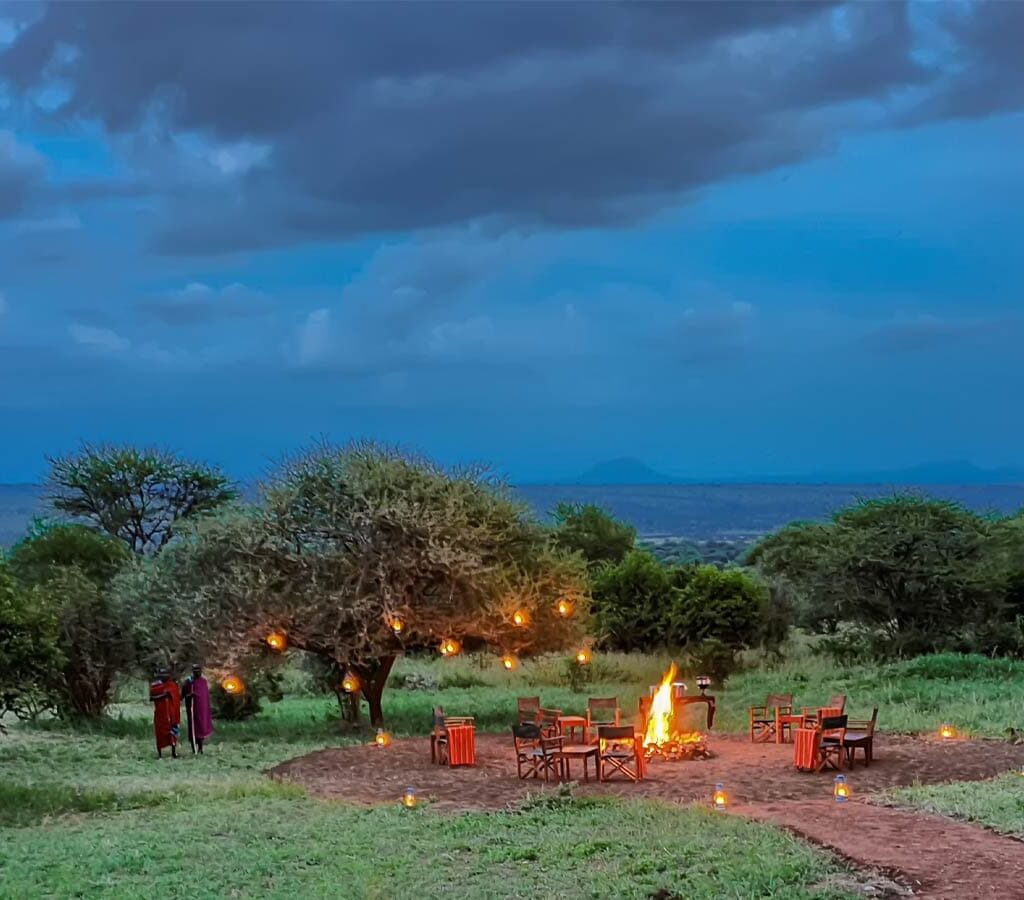
8-Day Northern Tanzania Safaris
An eight-day tour across Tanzania's top northern circuit parks.
View Package →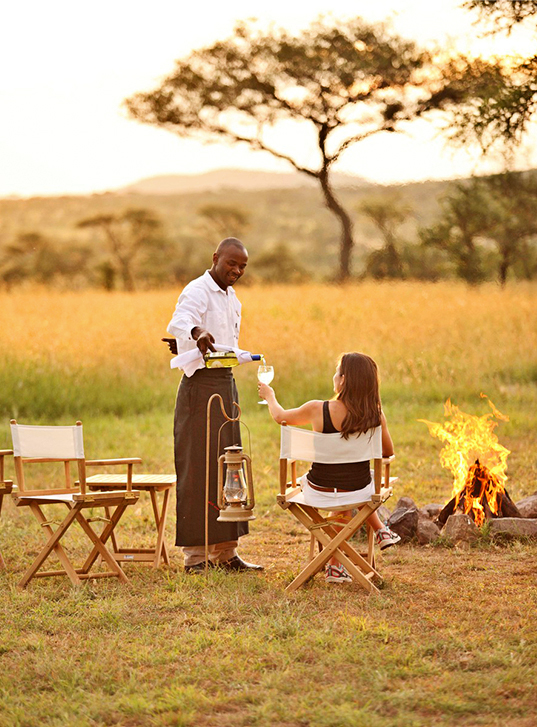
9-Day Private Northern Tanzania Safari
A nine-day fully private safari through Tanzania's northern circuit highlights.
View Package →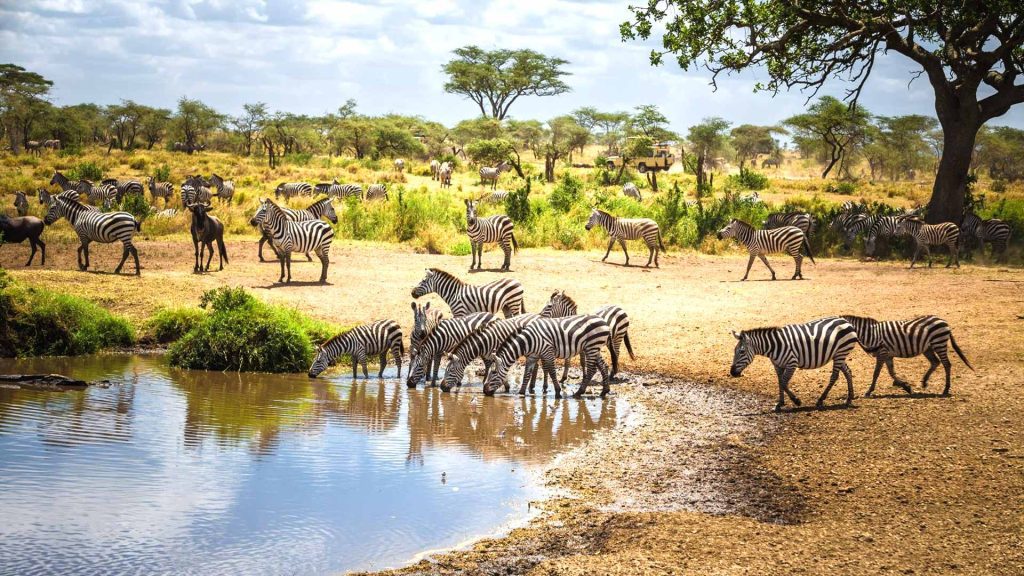
10-Day Amazing Northern Tanzania Safari
A ten-day journey across Tanzania's most celebrated northern parks.
View Package →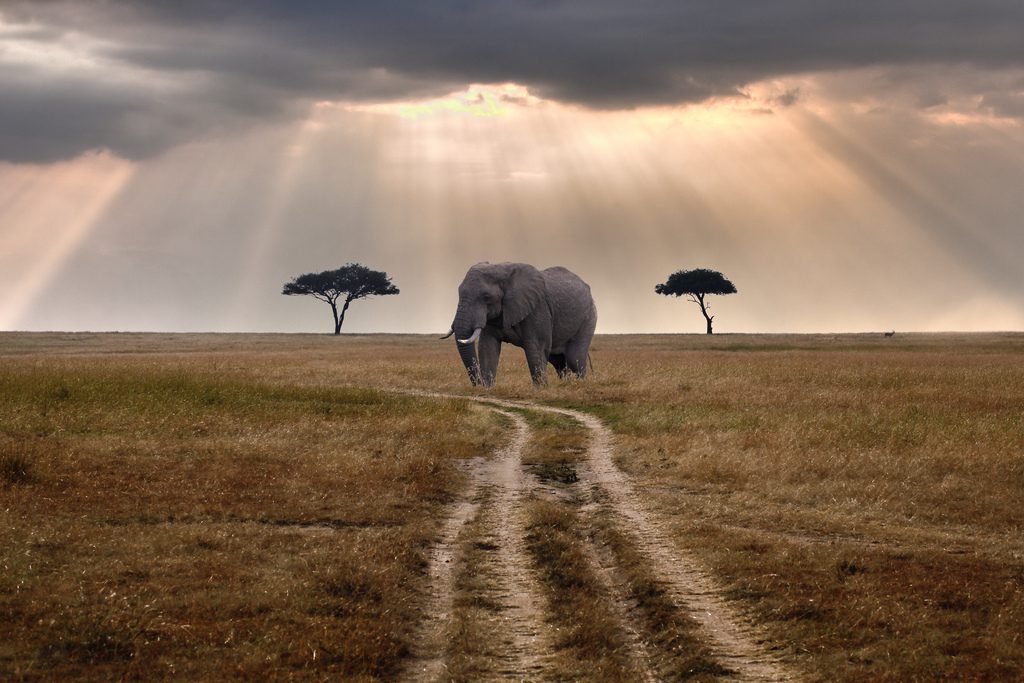
10-Day Best of Northern Tanzania Safari
Ten days combining the very best of the northern safari circuit.
View Package →
8-Day Authentic Tanzania Safari Tours
An authentic eight-day safari experience across classic Tanzania destinations.
View Package →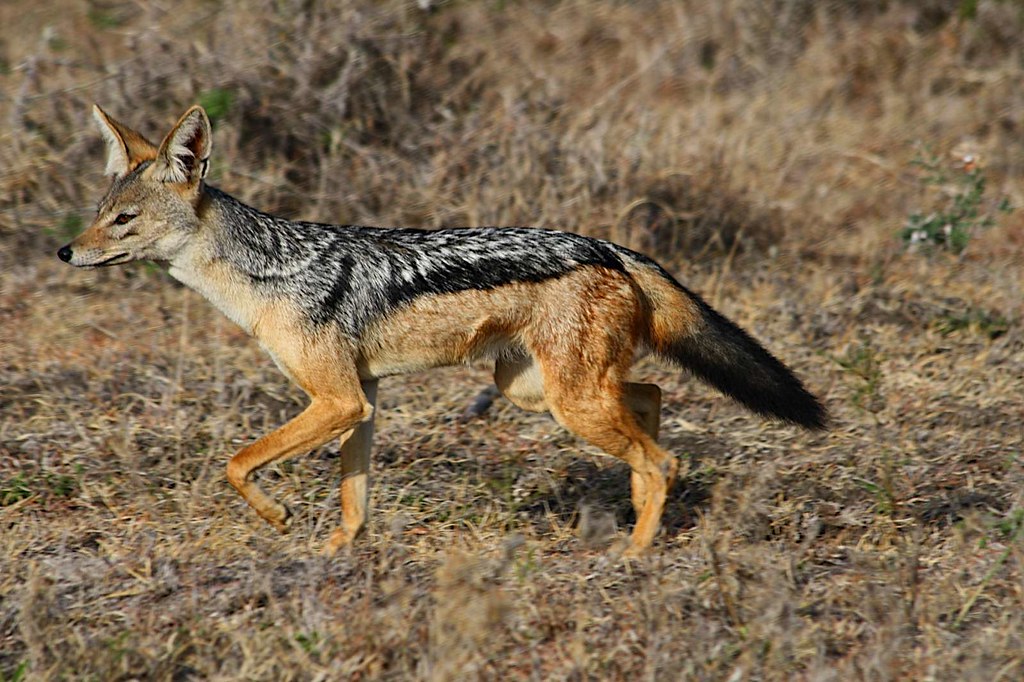
7-Day Amazing Tanzania Safari
A well-rounded seven-day safari across Tanzania's premier parks.
View Package →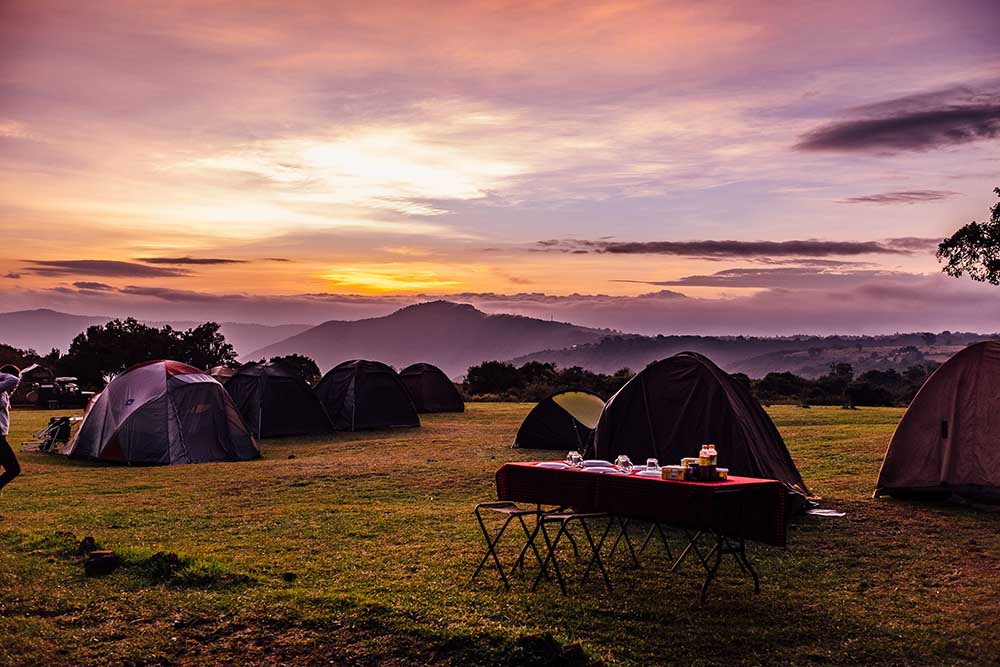
8-Day Remarkable Tanzania Safari
An eight-day journey across Tanzania's most remarkable wildlife areas.
View Package →
6-Day Highlights of Tanzania Mid-Range Safari
A six-day mid-range tour hitting Tanzania's essential safari highlights.
View Package →Arusha National Park Safari Planning Guides
Arusha National Park Malaria & Safety FAQs
Is Arusha National Park safe to visit?
Arusha National Park is widely regarded as one of Tanzania's safest and most accessible parks, sitting under an hour from Arusha town and benefiting from steady ranger presence, well-kept gates, and the low-crime environment typical of Tanzania's established northern-circuit parks. Visitors join guided game drives, canoeing on the Momella Lakes, and ranger-escorted walking safaris, all structured with safety as a priority. As with any international trip, sensible precautions around sun exposure, hydration, and keeping a respectful distance from wildlife matter. For specific health guidance, including malaria risk and vaccination questions, always consult a doctor or travel health clinic before departure.
Is malaria a risk when visiting Arusha National Park?
Malaria is present in parts of Tanzania, including areas around Arusha National Park, so it is sensible to treat the region as a malaria-risk destination when planning your trip. Travelers typically reduce exposure with covered clothing during dawn and dusk, insect repellent, and mosquito-proofed accommodation such as netted rooms or tents. Because individual risk depends on the season, itinerary, and personal health history, this guide cannot recommend specific prevention medication or dosages. The right approach is to consult a doctor or accredited travel health clinic several weeks before departure, who can advise on current regional risk and suitable prevention measures.
What vaccinations do I need before visiting Arusha National Park?
Vaccination requirements and recommendations for Tanzania can change and depend on factors like your home country, age, health history, and other destinations on your itinerary, so this guide does not list specific vaccines or doses. Many travelers to East Africa visit a travel health clinic or doctor around four to six weeks before departure to review routine immunizations and destination-specific recommendations, and to discuss general health preparation for a safari. Some regional entry rules also depend on where you are traveling from. Because this information changes, always confirm current requirements directly with a doctor or travel health clinic.
Is Arusha National Park a malaria-risk area year-round or seasonal?
Mosquito activity across northern Tanzania tends to fluctuate with rainfall, generally rising during and shortly after the wetter months and easing somewhat in drier stretches, though risk is never considered fully absent in a malaria-endemic region. Because Arusha National Park sits at a relatively cooler, higher elevation than the coast, some travelers assume risk is negligible, but health authorities still advise standard precautions regardless of season or altitude within this range. Rather than relying on general seasonal patterns, it is best to ask a doctor or travel health clinic for guidance tailored to your travel dates and health profile.
How does the walking safari in Arusha National Park work, and is it supervised?
Arusha National Park is one of the few Tanzanian parks where walking safaris are officially permitted, and by park regulation every walking group must be accompanied by an armed ranger from Tanzania National Parks alongside your safari guide. The ranger leads the route, sets a safe pace, and manages distance from wildlife such as giraffe, buffalo, and zebra, commonly seen on foot here. Walks typically move at an easy, observational pace rather than a strenuous hike. Travelers are briefed beforehand and asked to follow the ranger's and guide's instructions closely, including staying within the group near animals.
Are walking safaris in Arusha National Park safe for beginners?
Yes, walking safaris in Arusha National Park generally suit first-time participants because they are short, guided at a gentle pace, and always accompanied by an armed ranger together with an experienced safari guide who choose safe routes and maintain distance from wildlife. No prior hiking experience is expected; the emphasis is on quiet observation of birds, smaller mammals, and scenery such as the Momella Lakes and forest trails rather than covering long distances. Comfortable closed shoes and attentiveness to the ranger's instructions are the main preparation needed. Travelers with mobility concerns should mention this when booking so the route can be adapted.
Is Mount Meru safe to climb?
Mount Meru is a popular, well-established trekking route in Arusha National Park, climbed by a wide range of visitors each year with the support of registered guides, porters, and armed park rangers who accompany every group through wildlife areas on the lower slopes. The route is a serious trek rather than a casual walk, involving multiple days, mountain huts, and a steep, high-altitude summit push, so a reasonable level of fitness and preparation matters. Weather and terrain can change quickly at altitude. Because individual health and altitude tolerance vary, prospective climbers should discuss plans and any pre-existing conditions with a doctor before booking.
What should climbers know about altitude on Mount Meru?
Mount Meru summits at a high altitude, and climbers should be aware that reduced oxygen at elevation can affect people differently regardless of fitness level, making gradual ascent, pacing, and listening to your body important general principles on any high-altitude trek. Reputable operators build acclimatization into the itinerary and monitor climbers throughout the route. This guide does not offer medical advice on altitude-related symptoms or treatment, as appropriate responses depend on the individual and situation. Anyone planning to climb Mount Meru, particularly those with underlying health conditions or limited high-altitude experience, should discuss preparation with a doctor or travel health clinic beforehand.
Is Arusha National Park safe for solo travelers?
Arusha National Park is a practical, commonly chosen destination for solo travelers, partly because its proximity to Arusha town means shorter transfers and partly because entry is normally organized through a licensed operator with a professional driver-guide, adding structure and oversight to the day. Activities such as game drives, canoeing, and ranger-escorted walking safaris are typically done in small groups or with a private guide rather than alone in the bush. Solo travelers are encouraged to share their itinerary with someone at home, keep accommodation and guide contact details handy, and follow general safety practices recommended for independent travel anywhere.
Is Arusha National Park suitable for family safaris with children?
Arusha National Park is frequently recommended as a family-friendly introduction to safari because it is close to Arusha town, involves relatively short game-drive distances, and offers varied activities such as canoeing on the Momella Lakes and gentle ranger-led walks that can engage children more than a long game drive alone. Many lodges and operators are experienced in adapting the pace of activities for younger travelers. As with any wildlife destination, families should follow ranger and guide instructions closely and supervise children around water and wildlife. Specific health precautions for children, including malaria prevention, should be discussed with a doctor in advance.
Is the water safe to drink in Arusha National Park?
As in most of Tanzania, tap water in and around Arusha National Park is not generally recommended for visitors, and most lodges, camps, and safari operators instead provide bottled or filtered drinking water throughout the trip as standard practice. Travelers are typically advised to avoid ice of uncertain origin and to choose freshly prepared, thoroughly cooked food from reputable establishments, particularly early in a trip while adjusting to new food and water sources. Carrying a reusable bottle that your operator refills with safe water is a common, eco-friendlier approach. For personalized guidance on food and water precautions, a doctor or travel clinic is the best source.
Are the roads and vehicles used on Arusha National Park safaris safe?
Reputable Tanzanian safari operators use purpose-built 4x4 safari vehicles, maintained specifically for park terrain, and employ trained driver-guides familiar with Arusha National Park's roads, gates, and wildlife-crossing areas. Within the park, speed limits are enforced and driving off designated tracks is restricted, supporting both wildlife protection and passenger safety. Outside the park, general road conditions in Tanzania vary, so seatbelt use and choosing an operator with a strong vehicle-maintenance and driver-training record are sensible precautions. Travelers arranging their own transfers between Arusha town and the park should confirm their vehicle and driver are properly licensed for tourist transport.
Do I need travel insurance for an Arusha National Park safari?
Comprehensive travel insurance is strongly recommended for any safari to Arusha National Park, ideally covering emergency medical treatment, evacuation, trip cancellation, and adventure activities such as walking safaris and Mount Meru trekking if those are part of your itinerary. Many operators, including Foot Slopes Tours and Safaris, ask travelers to confirm they hold adequate cover before departure, since remote park locations can mean evacuation logistics take time to arrange. Policies vary widely in what they include, so it is worth checking that your plan explicitly covers wildlife-area travel and any high-altitude trekking before booking. This guide cannot recommend a specific insurer.
Why choose Foot Slopes Tours and Safaris for an Arusha National Park safari?
Foot Slopes Tours and Safaris designs Arusha National Park itineraries around local knowledge, dependable logistics, and attentive guiding, pairing each group with an experienced driver-guide who coordinates directly with park rangers for walking safaris and canoeing outings on the Momella Lakes. The team handles park permits, vehicle standards, and day-to-day planning so travelers can focus on the experience rather than logistics. Itineraries can be tailored for families, solo travelers, or those combining Arusha National Park with a wider northern-circuit safari or a Mount Meru climb. Clear pre-trip communication, including general safety guidance, is part of how the company prepares every traveler.
What safety measures does Foot Slopes Tours and Safaris follow on Arusha National Park trips?
Foot Slopes Tours and Safaris works with licensed driver-guides and coordinates directly with Tanzania National Parks rangers for every walking safari and Mount Meru climb, ensuring armed ranger escorts and briefings are arranged in line with park regulations. Vehicles used for game drives are maintained for park conditions, and itineraries are paced to allow reasonable rest and acclimatization on multi-day treks. Before departure, travelers receive general trip-preparation guidance covering packing, sun and hydration precautions, and a reminder to consult a doctor on malaria prevention and vaccinations. Throughout the trip, guides remain the primary point of contact for questions.
How experienced are Foot Slopes Tours and Safaris' guides and rangers?
Guides at Foot Slopes Tours and Safaris are trained and licensed for Tanzania's national parks, with hands-on experience leading game drives, canoeing outings, and walking safaris across Arusha National Park's varied terrain of forest, crater floor, and the Momella Lakes. On foot, guides work alongside armed Tanzania National Parks rangers, whose local knowledge of wildlife movement and terrain underpins the walking-safari and Mount Meru climbing programs. Many guides have years of northern-circuit experience and ongoing familiarity with seasonal park changes. This combination of a knowledgeable operator guide and an official armed ranger is central to safe walking activities.
What is included in a Foot Slopes Tours and Safaris Arusha National Park package?
A typical Foot Slopes Tours and Safaris package for Arusha National Park includes park entry fees, a licensed driver-guide, transport in a safari-equipped vehicle, and activities such as game drives, canoeing on the Momella Lakes, and a ranger-escorted walking safari, with Mount Meru trekking available as an add-on for a multi-day climb. Accommodation options range from lodges to tented camps depending on preference and budget. Pre-departure communication generally covers what to pack, general health and safety preparation, and a reminder to confirm malaria prevention and vaccination guidance with a doctor. Exact inclusions vary by itinerary, so confirm specifics before booking.
Plan Your Arusha National Park Safari
Tell us your dates, style, and preferred parks, and we will build the perfect itinerary around you.
Book Now Online →What Our Travelers Say
Real 5-star reviews from guests who traveled with us
Our Private African luxury Safari experience with Foot Slopes Tours and Safaris was nothing short of exceptional. From the very beginning, owner Gabriel was incredibly responsive, making the entire booking process smooth and stress-free. Gabriel went above and
We had an incredible private safari experience with Foot Slopes Tours and Safaris. Their office staff was very helpful and informative, and they communicated very well. Our pick-ups to and from the airport were on time and hassle-free, an unforgettable Safari
Foot Slopes Tours and Safaris is truly one of the best local tour companies in Tanzania. From start to finish, their service was professional, reliable, and personalized. The team went above and beyond to make sure every detail of our trip was perfect. Our saf
Our family chose Foot Slopes Tours and Safaris for a custom 11-day safari itinerary, and we couldn’t be happier with our choice! Everything from our initial inquiry to building our custom itinerary to pre-departure and on-trip support was top quality. Communic