
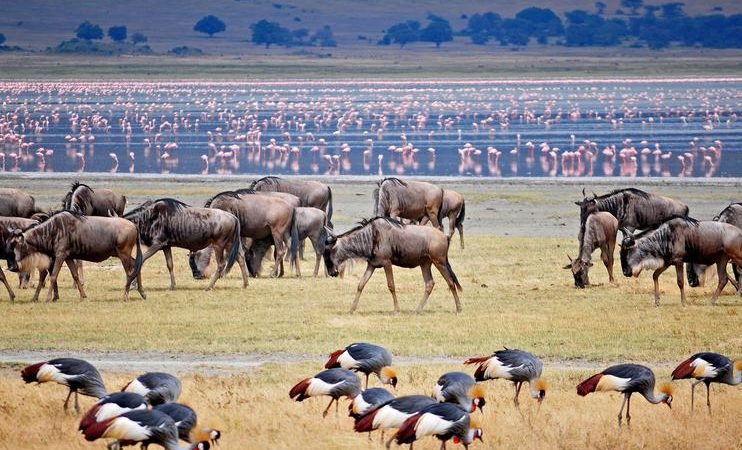
Arusha National Park Birds & Birding
Arusha National Park is one of northern Tanzania's premier birding destinations, home to more than 400 recorded bird species across a remarkably compact area beneath Mount Meru. The alkaline Momella Lakes are the park's undisputed birding highlight, drawing large flocks of lesser and greater flamingos alongside great white pelicans, African fish eagles, and a constantly shifting cast of ducks, geese, herons, and wading birds across seven interconnected lakes of varying salinity and colour. Away from the water, the montane forests cloaking Mount Meru's lower slopes hold a completely different bird community, including Hartlaub's turaco, bar-tailed trogon, and silvery-cheeked hornbill moving through dense canopy alongside black-and-white colobus monkeys. Arusha National Park is also the only Tanzanian park offering canoe safaris on the Momella Lakes, putting birders eye-level with flamingos and waterfowl. With forest, lake, and montane habitats packed into one accessible day-trip destination from Arusha town, it ranks among East Africa's best short birding safaris.
Birdlife of Arusha National Park
Flamingos on the Momella Lakes
The seven Momella Lakes are Arusha National Park's signature birding spectacle, their varying mineral content and algae levels drawing dense flocks of lesser and greater flamingos that turn the shallows shimmering pink. Numbers shift with water chemistry and rainfall, but the lakes rank among northern Tanzania's most dependable flamingo sites. Elevated viewpoints along the lake circuit and Mount Meru's foothills offer sweeping photographic angles over the flocks.
Pelicans & Waterfowl
Great white pelicans gather in tight, coordinated rafts across the Momella Lakes, fishing cooperatively in open water alongside Egyptian geese, yellow-billed ducks, and African spoonbills. Little grebes, African jacanas, and a rotating cast of herons and egrets work the reed-lined margins and shallows. The lakes' mix of open water, marsh, and grassland edge supports one of the densest waterbird concentrations in northern Tanzania.
Montane Forest Species
Mount Meru's forested lower slopes hold a completely different bird community from the lakes below. Hartlaub's turaco and Schalow's turaco flash crimson through the canopy, while the elusive bar-tailed trogon favours shaded ravines near Ngurdoto Crater. Silvery-cheeked hornbills, crowned eagles, and mixed flocks of sunbirds and greenbuls move through the same montane forest shared with black-and-white colobus and blue monkeys.
Raptors
Arusha National Park's varied habitats, lake, forest, savanna, and mountain slope, support a strong range of raptors. African fish eagles perch prominently around the Momella Lakes, their calls carrying across the water, while augur buzzards and crowned eagles hunt the forest edge. Verreaux's eagles and various vultures ride thermals rising off Mount Meru's slopes, often visible from the park's higher viewpoints and ridge trails.
Canoe Safari Birding
Arusha is the only northern Tanzania park offering canoe safaris, paddling quietly across Small Momella Lake within metres of feeding flamingos, pelicans, and waterfowl. The silent, low vantage point lets birders approach far closer than a vehicle allows, often alongside grazing giraffe and buffalo on the shoreline. Guided canoe sessions typically run in early morning or late afternoon, when bird activity and light are best.
Best Birding Areas & Times
The Momella Lakes circuit, Ngurdoto Crater rim, and forested tracks toward Mount Meru each offer distinct birding within a single park visit. Early morning delivers the most activity across all habitats, with cooler temperatures and active feeding. The wet season, November to May, boosts numbers with migrants and breeding plumage, while the dry season concentrates birds more predictably around the permanent Momella Lakes.
Plan Your Arusha National Park Safari
Trip Length
Comfort Level
Safari Style
Operator Rating
Specialized Tours
Filter by Operator
Other Tour Features
Arusha National Park Safaris for Birders
Combine world-class birding on the Momella Lakes with classic Northern Circuit game viewing on a tailor-made Arusha National Park safari.
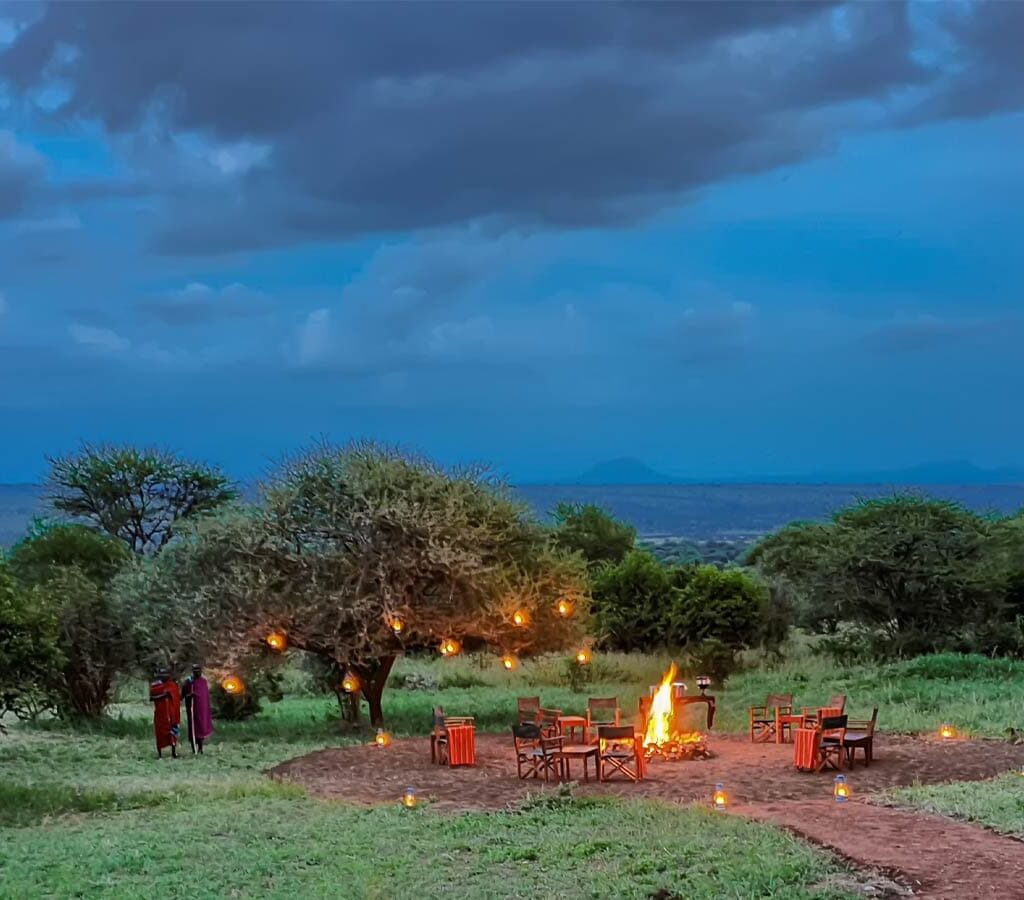
8-Day Northern Tanzania Safaris
An eight-day tour across Tanzania's top northern circuit parks.
View Package →
9-Day Private Northern Tanzania Safari
A nine-day fully private safari through Tanzania's northern circuit highlights.
View Package →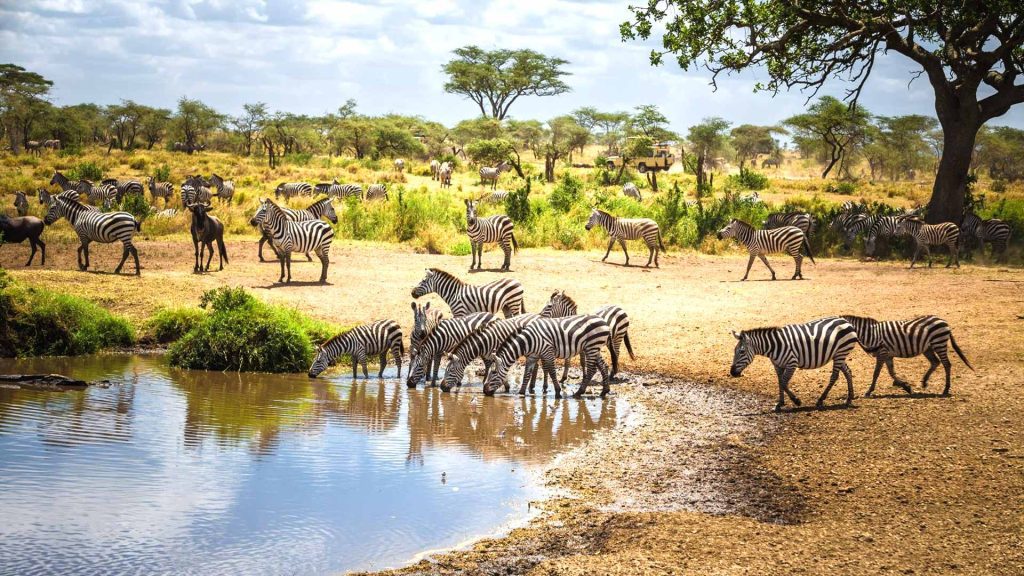
10-Day Amazing Northern Tanzania Safari
A ten-day journey across Tanzania's most celebrated northern parks.
View Package →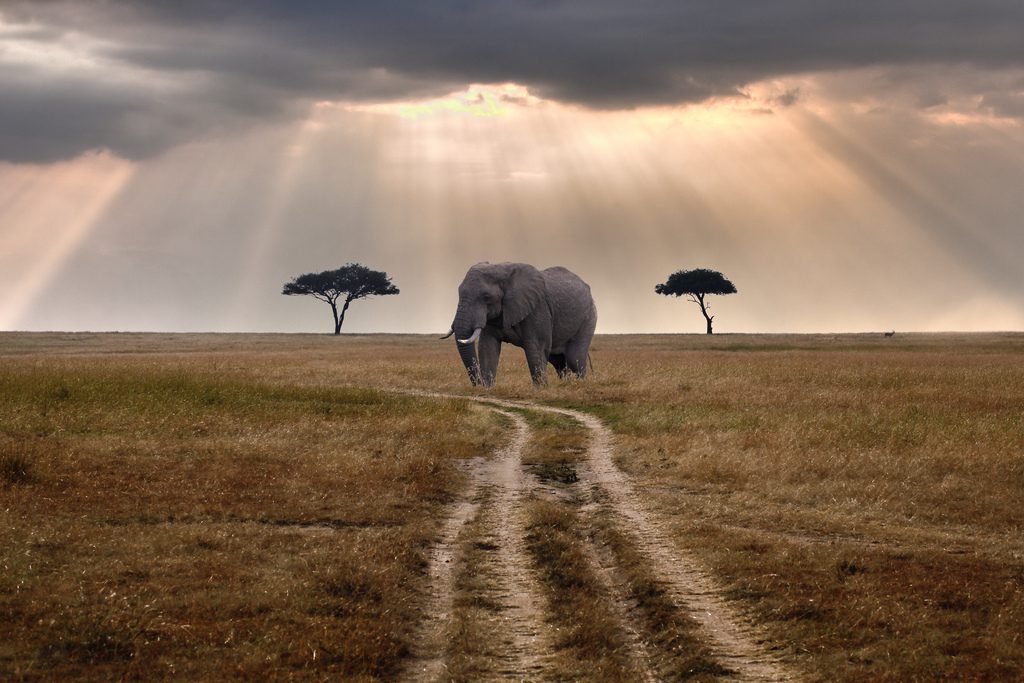
10-Day Best of Northern Tanzania Safari
Ten days combining the very best of the northern safari circuit.
View Package →
6-Day Fantastic Tanzania Safari
A fast-paced six-day safari covering Tanzania's top wildlife highlights.
View Package →
7-Day Amazing Tanzania Safari
A well-rounded seven-day safari across Tanzania's premier parks.
View Package →
8-Day Remarkable Tanzania Safari
An eight-day journey across Tanzania's most remarkable wildlife areas.
View Package →
8-Day Authentic Tanzania Safari Tours
An authentic eight-day safari experience across classic Tanzania destinations.
View Package →Arusha National Park Birding Planning Guides
Arusha National Park Birding FAQs
How many bird species can be seen in Arusha National Park?
Arusha National Park has recorded more than 400 bird species within a relatively small and highly accessible area beneath Mount Meru, making it one of northern Tanzania's richest birding destinations for its size. The Momella Lakes alone attract dense concentrations of flamingos, pelicans, and waterfowl, while the surrounding forest, savanna, and montane slopes add turacos, trogons, hornbills, raptors, and sunbirds to the list. Because the park sits only a short drive from Arusha town, visitors can cover lake, forest, and crater-rim habitats in a single well-guided day, seeing a striking cross-section of East African birdlife in one compact area.
When is the best time to see flamingos at the Momella Lakes?
Flamingos can appear at the Momella Lakes year-round, but the largest concentrations are generally seen during the dry season, from June through October, when water levels stabilise and algae blooms concentrate their food supply within specific lakes. Numbers and exact locations shift constantly, since lesser and greater flamingos move freely between the seven Momella Lakes and other Rift Valley soda lakes depending on salinity and food availability at any given time. Early morning game drives or guided canoe safaris along the lake circuit give the most reliable and closest views of feeding flocks against the dramatic Mount Meru backdrop.
Why do flamingo numbers at the Momella Lakes vary?
Flamingo numbers fluctuate because lesser and greater flamingos are highly mobile birds that follow food availability across a network of alkaline lakes spanning the East African Rift Valley, including the Momella Lakes, Lake Manyara, Lake Natron, and Lake Eyasi. Rainfall changes water chemistry and salinity, which directly affects the algae and small invertebrates flamingos feed on, prompting flocks to shift lakes within days or sometimes weeks. This means a lake that is spectacular one month may hold far fewer birds the next, which is exactly why local guides who track recent sightings closely are so valuable for trip planning.
What is the best season for birdwatching in Arusha National Park?
The wet season, roughly November through May, is generally considered the richest period for birdwatching in Arusha National Park, since migratory species arrive from Europe and elsewhere in Africa and resident birds display vivid breeding plumage while actively nesting and defending territory. Lush vegetation also boosts insect activity, drawing more forest and grassland species into easy view across the park. The dry season, June through October, offers its own clear advantage: birds concentrate more predictably around the permanent Momella Lakes and remaining water sources, making sightings easier even though overall recorded species counts run slightly lower than in the wetter months.
Can I go birding by canoe in Arusha National Park?
Yes, Arusha National Park is the only park in northern Tanzania where visitors can go birding by canoe, paddling quietly across Small Momella Lake within close range of feeding flamingos, pelicans, ducks, and other resident waterfowl. The silent, low vantage point lets birds continue feeding undisturbed, offering noticeably closer views and better photography angles than a standard vehicle safari allows. Canoe sessions are professionally guided, typically last around one to two hours, and often pass grazing giraffe, buffalo, and warthog along the shoreline, adding a genuine wildlife safari element to a specialised birding activity found nowhere else nearby in northern Tanzania.
What forest birds can I see on Mount Meru's slopes?
Mount Meru's forested lower slopes support a very different bird community from the lakes below, including Hartlaub's turaco and Schalow's turaco, whose crimson wing flashes are a genuine highlight for many visiting birders exploring the forest trails on foot. The elusive bar-tailed trogon favours shaded ravines near Ngurdoto Crater, while silvery-cheeked hornbills, crowned eagles, and mixed flocks of sunbirds and greenbuls move through the same canopy shared with black-and-white colobus monkeys. Because this forest zone differs so much from the open Momella Lakes, a well-planned visit typically covers both to see the park's full and varied range of habitats.
Are there raptors in Arusha National Park?
Arusha National Park's combination of lake, forest, savanna, and mountain slope habitats supports a genuinely strong range of raptors within a small overall area. African fish eagles perch prominently around the Momella Lakes, their calls carrying across the water, while augur buzzards and crowned eagles hunt along the forest edge and Ngurdoto Crater rim. Verreaux's eagles and several vulture species ride thermals rising off Mount Meru's slopes, often clearly visible from the park's higher viewpoints. This raptor diversity, spread across genuinely different habitat types within one compact park, is a major draw for birders focused specifically on birds of prey.
What waterbirds live on the Momella Lakes besides flamingos?
Beyond the famous flamingos, the Momella Lakes' shallow margins and reed beds support a constant rotation of waterbirds, including great white pelicans, Egyptian geese, yellow-billed ducks, African spoonbills, little grebes, African jacanas, and various herons and egrets working the shallow water. Migratory waders pass through on intercontinental routes during the wet season, adding plovers and sandpipers to the resident mix of species. Because the seven lakes vary in salinity and depth, each attracts a slightly different combination of birds, so working the full lake circuit rather than one viewpoint significantly increases the range seen in a single day.
Is Arusha National Park good for beginner birdwatchers?
Arusha National Park is an excellent choice for beginner birdwatchers because so many species are visible in the open around the Momella Lakes without requiring specialist forest tracking skills or years of prior birding experience. Flamingos, pelicans, and fish eagles are large, colourful, and easy to spot from a vehicle or canoe, giving newcomers confident and genuinely rewarding early sightings within minutes of arrival. The park's compact size also means lake, forest, and savanna habitats can all be covered in a single relaxed day, offering real variety without the long, demanding drives some larger parks require of first-time visitors.
Do I need a specialist guide for birding in Arusha National Park?
A specialist birding guide is not strictly necessary to enjoy Arusha National Park, since many highlight species like flamingos and pelicans are easy to see and identify independently around the open Momella Lakes without any prior experience. However, a knowledgeable local guide substantially improves results for forest species such as turacos and the bar-tailed trogon, which are often heard before they are seen and require practiced eyes and ears to locate within dense canopy. Guides also know current lake conditions and recent sightings, helping focus limited time on whichever areas are proving most active on any given day.
What is the difference between lesser and greater flamingos at the Momella Lakes?
Lesser flamingos are smaller, deeper pink, and typically far more numerous at the Momella Lakes, feeding mainly on blue-green algae filtered from the alkaline shallows in dense, tightly packed feeding flocks. Greater flamingos are larger, paler pink with black-tipped wings, and feed more on small invertebrates and crustaceans stirred from the mud, often standing slightly apart from the denser lesser flamingo groups nearby. Both species can appear together across the seven lakes, though their numbers shift independently with water chemistry, so a single visit may find one species dominant while the other appears only in small scattered numbers.
What time of day is best for birding in Arusha National Park?
Early morning and late afternoon are generally the most productive times for birding in Arusha National Park, when temperatures are cooler and birds are most actively feeding around the Momella Lakes and surrounding forest edges. Midday heat tends to reduce visible activity noticeably, particularly among forest species, though raptors often soar more visibly on rising thermals around midday hours above the crater rim and forested slopes. Canoe safaris are typically scheduled for early morning or late afternoon light, matching both peak bird activity and the most flattering conditions for photography across the lake circuit and dramatic Mount Meru backdrop.
Can Arusha National Park be combined with other parks for a birding safari?
Yes, Arusha National Park sits within easy reach of Tarangire National Park, Lake Manyara National Park, and the Ngorongoro Crater, making it straightforward to combine with a broader northern circuit birding safari itinerary spanning several days of travel. Its proximity to Kilimanjaro International Airport also makes it a natural first or last stop, letting visitors fit a half-day or full-day birding session around international flights without a long detour. Combining parks broadens the overall range of habitats covered, from Arusha's lakes and montane forest to Tarangire's baobab country and Ngorongoro's crater floor, all on a single well-planned itinerary.
Why choose Foot Slopes Tours and Safaris for an Arusha National Park birding safari?
Foot Slopes Tours and Safaris designs Arusha National Park itineraries around genuine local knowledge of the Momella Lakes' shifting flamingo populations and the forest trails where turacos and trogons are most reliably found, not generic sightseeing stops copied from a brochure. Vehicles and canoe sessions are timed to match peak bird activity, and guides carry field experience specific to the park's habitats rather than general safari knowledge alone. This focused, birding-first approach, paired with flexible scheduling and genuinely small group sizes, consistently delivers stronger sightings and a far more rewarding day than a standard one-size-fits-all park visit.
Does Foot Slopes Tours offer specialist birding guides for Arusha National Park?
Yes, Foot Slopes Tours and Safaris can arrange guides with strong birding expertise for Arusha National Park, experienced in locating forest specialities like the bar-tailed trogon and Hartlaub's turaco as well as identifying waterbirds across the full Momella Lakes circuit and forest trails. Guides carry field guide and optics knowledge suited to serious birders while remaining equally capable of running a relaxed, family-friendly wildlife day for less specialised travellers. Requests for a birding-focused guide can be arranged well in advance, ensuring the itinerary and daily pace match the traveller's specific interest and experience level from the very start of planning.
How does Foot Slopes Tours customize birding itineraries at Arusha National Park?
Foot Slopes Tours and Safaris builds each Arusha National Park itinerary around a traveller's specific interests, whether that means prioritising the Momella Lakes circuit for flamingos and waterfowl, spending extra time on Mount Meru's forest trails for turacos and trogons, or adding a dedicated canoe safari session for close-range waterbird photography and observation. Timing, pace, and vehicle or canoe choice are all carefully adjusted to match individual birding goals rather than following a fixed standard route. This flexibility means two travellers with different priorities receive genuinely different, tailored days rather than an identical generic park tour experience.
What makes Foot Slopes Tours different from other Tanzania safari operators for birders?
Foot Slopes Tours and Safaris combines deep, ground-level knowledge of Arusha National Park's lake, forest, and montane habitats with the flexibility to design birding-focused itineraries rather than standard game-drive templates followed by larger operators. As a locally rooted operator, current information on flamingo movements, forest activity, and canoe safari conditions is always close at hand, not filtered through distant booking agents or generic itineraries. Small group sizes, experienced guides, and genuine willingness to adjust pace and route for birders set Foot Slopes Tours and Safaris clearly apart from larger operators offering the same fixed itinerary to every traveller.
Plan Your Arusha National Park Birding
Tell us your dates, style, and preferred parks, and we will build the perfect itinerary around you.
Book Now Online →What Our Travelers Say
Real 5-star reviews from guests who traveled with us
Our Private African luxury Safari experience with Foot Slopes Tours and Safaris was nothing short of exceptional. From the very beginning, owner Gabriel was incredibly responsive, making the entire booking process smooth and stress-free. Gabriel went above and
We had an incredible private safari experience with Foot Slopes Tours and Safaris. Their office staff was very helpful and informative, and they communicated very well. Our pick-ups to and from the airport were on time and hassle-free, an unforgettable Safari
Foot Slopes Tours and Safaris is truly one of the best local tour companies in Tanzania. From start to finish, their service was professional, reliable, and personalized. The team went above and beyond to make sure every detail of our trip was perfect. Our saf
Our family chose Foot Slopes Tours and Safaris for a custom 11-day safari itinerary, and we couldn’t be happier with our choice! Everything from our initial inquiry to building our custom itinerary to pre-departure and on-trip support was top quality. Communic