
Lake Manyara National Park Malaria & Safety Guide
Lake Manyara National Park is one of northern Tanzania's most accessible and well-managed safari destinations, welcomed each year by families, couples, and solo travelers guided by experienced local operators who know the park's roads, gate procedures, and lodges well. Tanzania's northern safari circuit benefits from established tourism infrastructure and a generally low-crime, welcoming atmosphere for international visitors, and Lake Manyara is no exception. Because the park combines a soda lake, groundwater forest, and swampy floodplain, its shaded, humid habitat means mosquito activity is a genuine general consideration, much like other lake and forest destinations across sub-Saharan Africa, making a few sensible precautions worthwhile before you travel. None of this should feel alarming: with reasonable preparation, a reputable guide, and a pre-trip conversation with a doctor or accredited travel health clinic about vaccinations, malaria prevention, and precautions suited to you personally, most travelers explore Lake Manyara's tree-climbing lions, flamingo-lined shores, and forest trails safely and comfortably.
Health & Safety at a Glance
General, practical orientation for planning a comfortable and well-prepared Lake Manyara safari.
Malaria Prevention
Lake Manyara's lake-edge forest and swampy groundwater habitat sit within a region of Tanzania where malaria-carrying mosquitoes are generally present, and the moist, shaded conditions here make general precautions especially worth following. Simple habits, such as covering exposed skin around dusk and dawn, using insect repellent, and sleeping under a net where provided, are sensible throughout this region. This is general travel guidance, not medical advice, so please speak with a doctor or travel health clinic about precautions suited to you.
Vaccinations & Health Prep
Vaccination needs vary by traveler, home country, and itinerary, so they cannot be advised on by a tour operator or guide. Many visitors to Tanzania are asked about routine immunizations, and requirements can change over time. Book a visit with a doctor or accredited travel health clinic several weeks before departure to review current recommendations, discuss your medical history, and plan any preparation you may need for a Lake Manyara safari.
Wildlife Safety
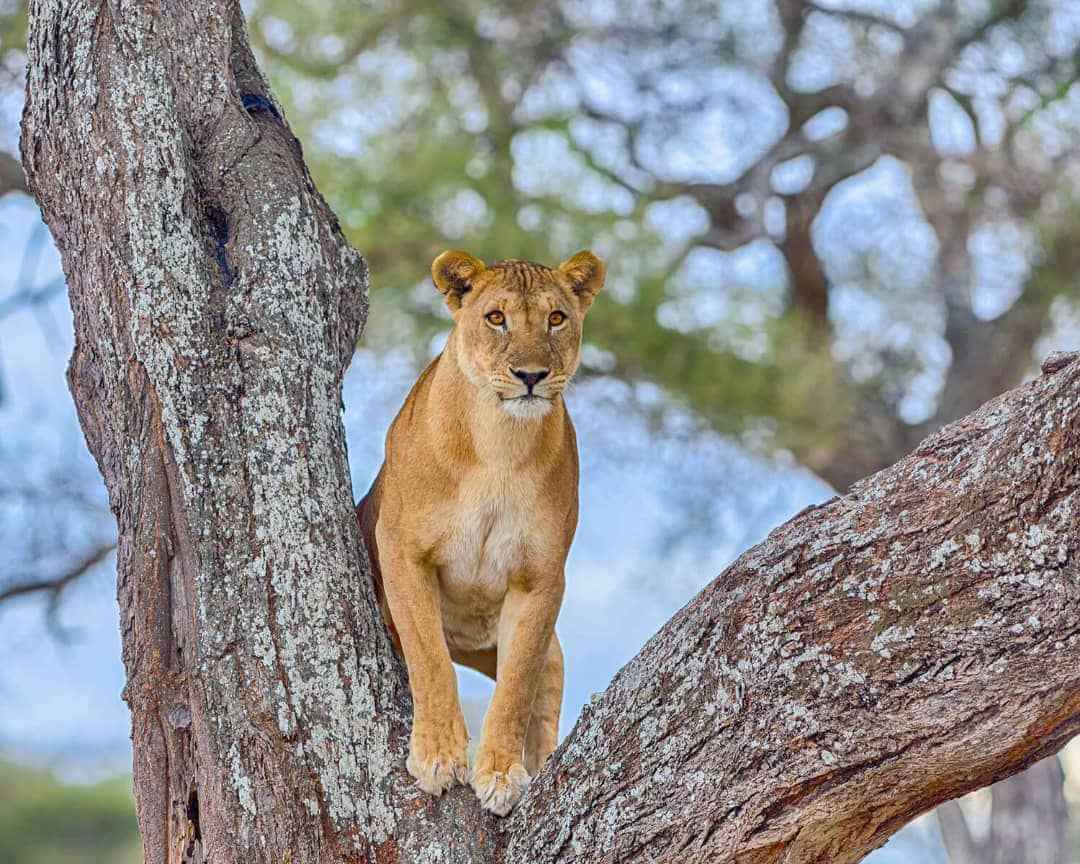
Lake Manyara is famous for its tree-climbing lions, best enjoyed by staying inside the vehicle and following your guide's instructions at all times. Experienced drivers keep respectful distances from lions resting in acacia branches, elephants, and buffalo along the forest edge, reading animal behavior calmly. Avoid loud noise and sudden movement, and never exit the vehicle except at designated points. Wildlife is naturally unpredictable, so always defer to your guide and any park ranger instructions.
Water & Food Safety
Reputable lodges and operators across Lake Manyara provide bottled or properly treated drinking water as standard practice. As a general precaution, stick to sealed bottled water, avoid tap water, and be mindful of salads or ice of uncertain origin, especially near the humid lakeshore. Most camps serve freshly prepared meals for guests. Mention any dietary needs or health sensitivities to your operator and doctor well before you travel.
Vehicle & Road Safety
Safari vehicles used in Lake Manyara are generally well maintained and driven by experienced local guides familiar with the park's forest tracks and lakeshore roads. Always wear a seatbelt where fitted, keep arms and hands inside during game drives, and remain seated while the vehicle is moving. Narrow forest sections can be uneven after rain, so reputable operators build flexible timing into itineraries between camps and activities.
Hiking & Walking Safety
Some areas bordering Lake Manyara's groundwater forest allow guided walking safaris or canoeing, always led by an armed ranger or licensed guide who sets the route and pace. Stay on marked trails, remain in single file, and follow every instruction immediately, since dense forest vegetation limits visibility of wildlife at close range. Wear sturdy, closed footwear and apply insect repellent before setting out, and discuss fitness or mobility concerns with your operator in advance.
Plan Your Lake Manyara Safari
Trip Length
Comfort Level
Safari Style
Operator Rating
Specialized Tours
Filter by Operator
Other Tour Features
Lake Manyara Safari Packages
Hand-crafted itineraries pairing Lake Manyara's tree-climbing lions and flamingo-lined shores with the best of Tanzania's northern safari circuit.
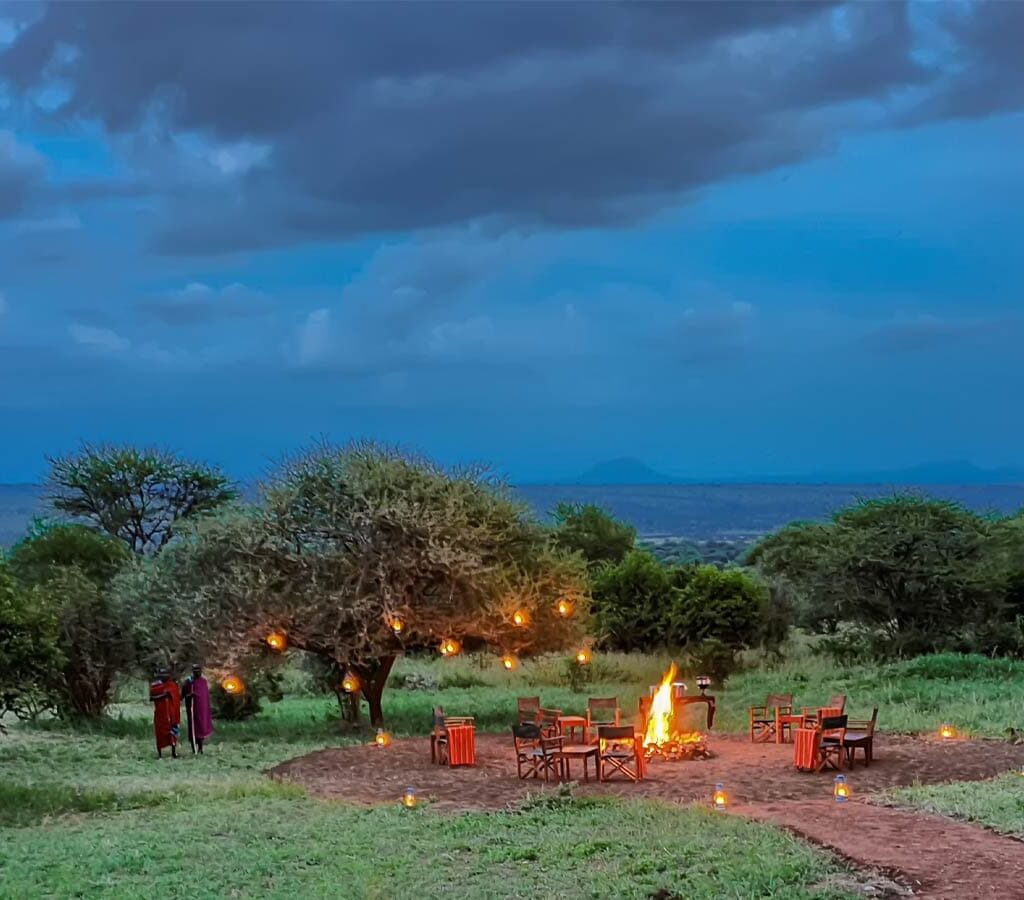
8-Day Northern Tanzania Safaris
An eight-day tour across Tanzania's top northern circuit parks.
View Package →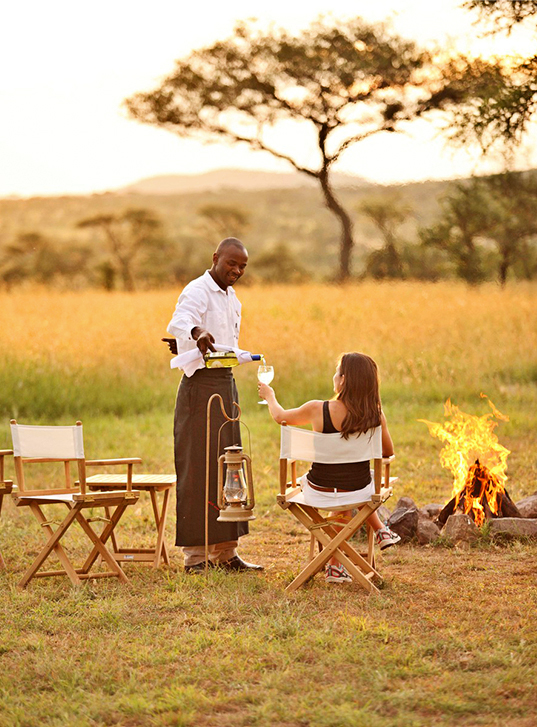
9-Day Private Northern Tanzania Safari
A nine-day fully private safari through Tanzania's northern circuit highlights.
View Package →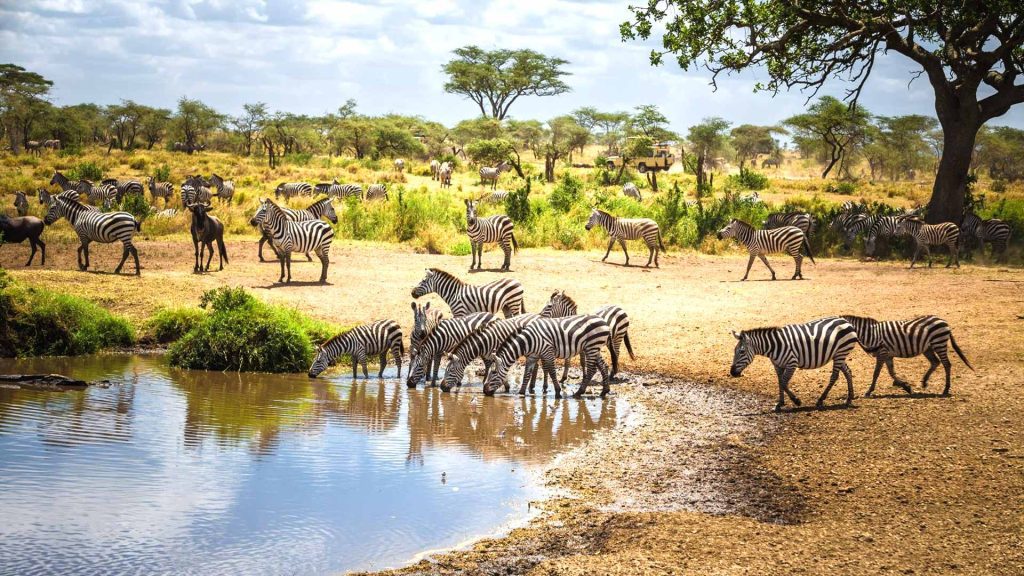
10-Day Amazing Northern Tanzania Safari
A ten-day journey across Tanzania's most celebrated northern parks.
View Package →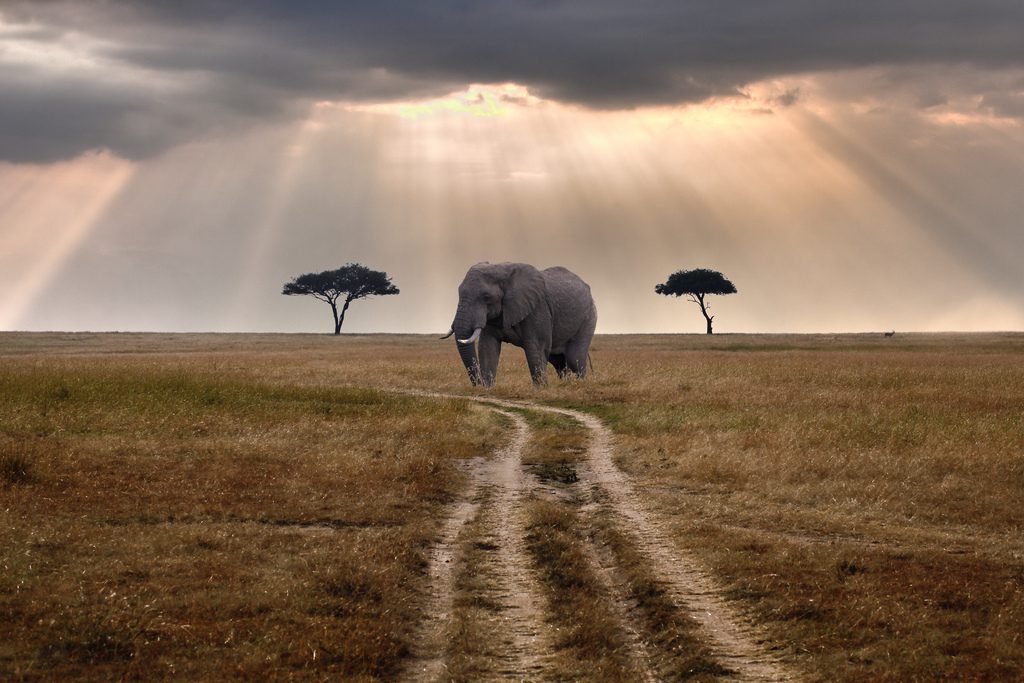
10-Day Best of Northern Tanzania Safari
Ten days combining the very best of the northern safari circuit.
View Package →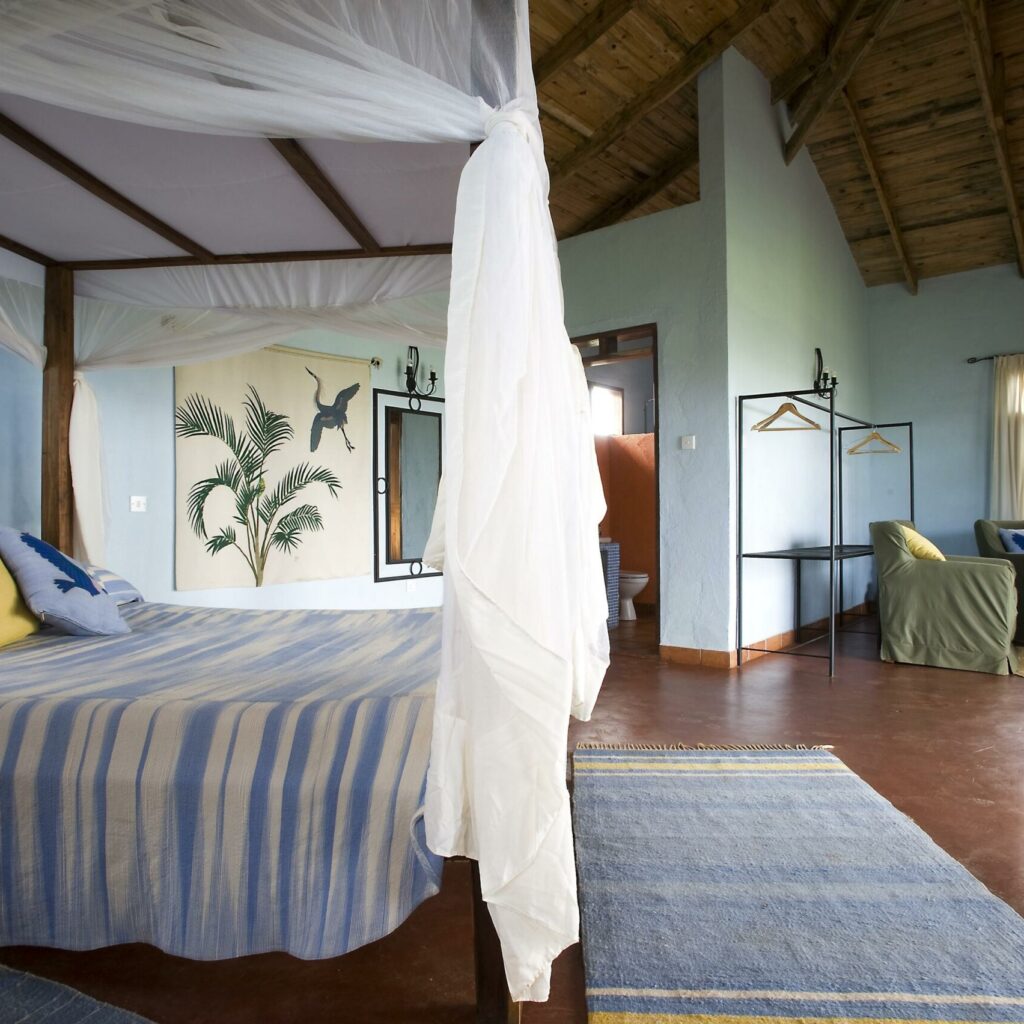
6-Day Fantastic Tanzania Safari
A fast-paced six-day safari covering Tanzania's top wildlife highlights.
View Package →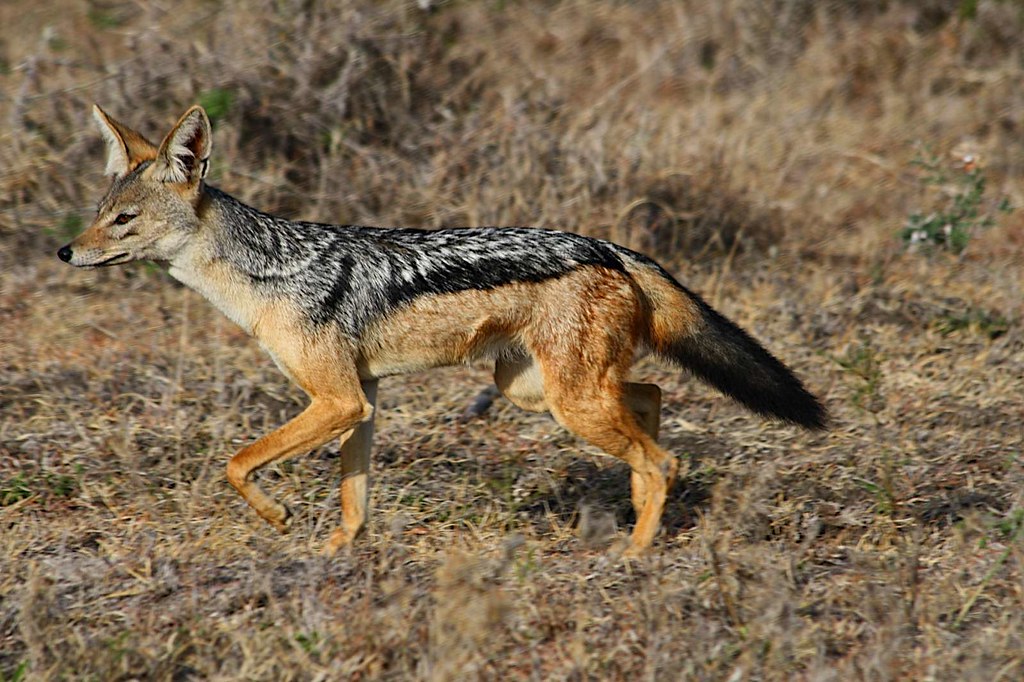
7-Day Amazing Tanzania Safari
A well-rounded seven-day safari across Tanzania's premier parks.
View Package →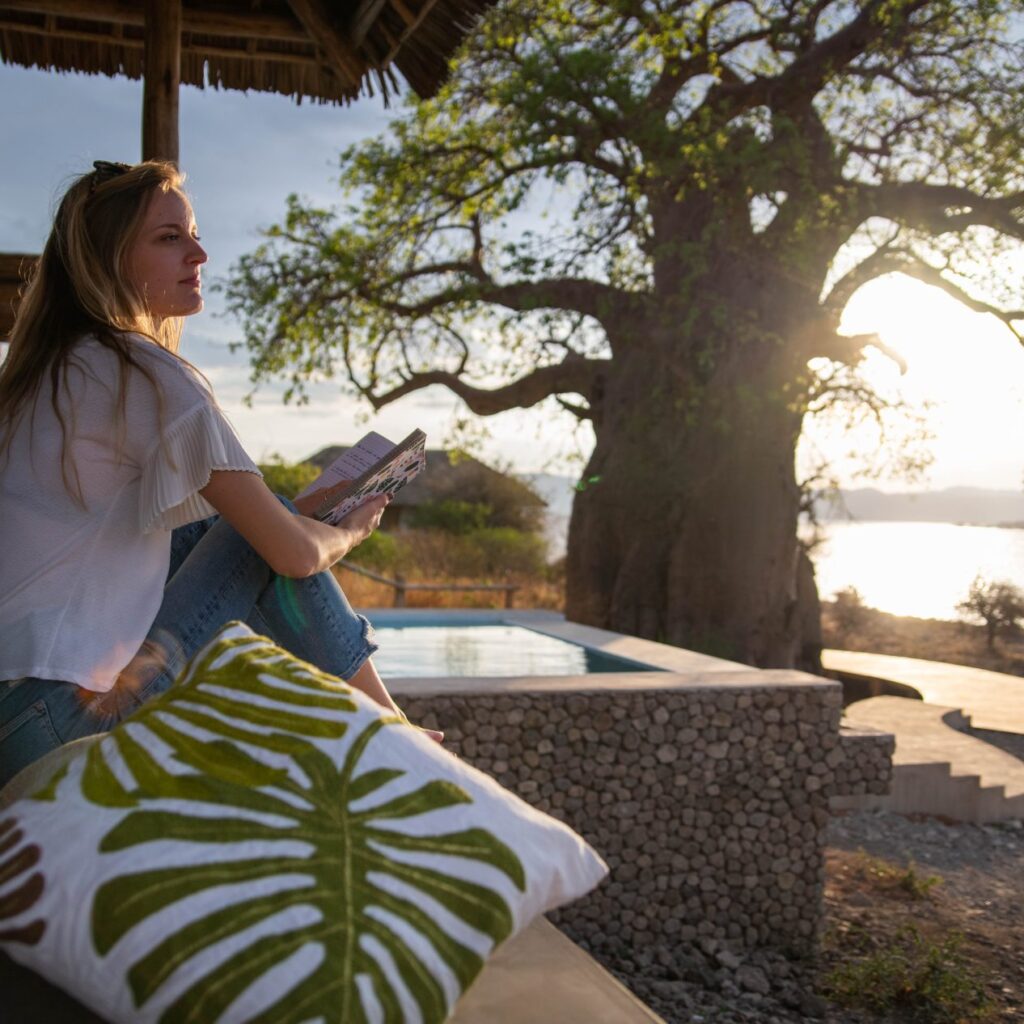
8-Day Authentic Tanzania Safari Tours
An authentic eight-day safari experience across classic Tanzania destinations.
View Package →
6-Day Serengeti and Ngorongoro Family Safaris
A six-day Serengeti and Ngorongoro combination built for multi-generation travelers.
View Package →Lake Manyara Safari Planning Guides
Frequently Asked Questions
Is Lake Manyara National Park safe to visit?
Lake Manyara National Park is a safe, well-managed safari destination visited comfortably every year by families, couples, and solo travelers. It lies within Tanzania's northern safari circuit, an area with established tourism infrastructure, well-maintained roads, and a generally low-crime, welcoming atmosphere for international visitors. Safety largely comes down to sensible preparation: booking with an experienced, licensed operator, staying inside your vehicle unless a guide says otherwise, and following ranger instructions around wildlife at all times. As with most tropical destinations, general precautions around mosquitoes, sun exposure, water, and food are worth planning for in advance. For guidance suited to your own health history, speak with a doctor or travel health clinic before departure.
Is there a malaria risk at Lake Manyara National Park?
Lake Manyara sits within a region of Tanzania where malaria-carrying mosquitoes are generally present, and its groundwater forest and lakeshore habitat create the kind of shaded, humid conditions where general mosquito precautions are especially worth following. This is common across much of sub-Saharan Africa and is not unique to this park. Sensible everyday habits include covering exposed skin around dusk and dawn, using insect repellent, and sleeping under a net where one is provided at your lodge or camp. This information is general travel guidance rather than medical advice, so plan a pre-trip visit with a doctor or accredited travel health clinic to discuss precautions appropriate for you.
What can travelers do to reduce mosquito exposure at Lake Manyara?
Because Lake Manyara's forest and lakeshore habitat can support mosquito activity, especially around dusk and dawn, general precautions are worth building into your daily routine. Many travelers choose to wear lightweight, long-sleeved clothing in the evenings, apply insect repellent regularly, and use bed nets where lodges provide them. Screened rooms, tents, and communal areas are common features of reputable camps in the area. These are general, practical habits rather than medical recommendations, and they work best alongside personalized advice. Before your trip, consult a doctor or travel health clinic about precautions and any preventive options appropriate for your itinerary, health history, and travel dates.
Do travelers need specific vaccinations to visit Lake Manyara?
Vaccination and health preparation needs vary by traveler, home country, medical history, and full itinerary, so they cannot be advised on by a tour operator, guide, or general guide like this one. Many visitors to Tanzania are asked about routine immunizations, and specific recommendations or entry requirements can change over time, so checking current guidance close to your travel dates matters. The most reliable step is booking an appointment with a doctor or accredited travel health clinic several weeks before departure. They can review your medical history, discuss the Lake Manyara region specifically, and outline any preparation, precautions, or documentation appropriate for your trip.
Is Lake Manyara safe for families traveling with children?
Lake Manyara is a popular choice for family safaris, thanks to its compact size, short game-drive distances, and relatively easy day trips from Arusha. Reputable operators tailor pacing, vehicle choice, and activities to suit children, and many lodges offer family rooms or interconnecting tents. General safety practices apply to every traveler: staying seated in the vehicle, keeping a firm hold on younger children near open sides, and following guide instructions around wildlife. Because of the general mosquito and sun considerations noted for this region, families should discuss age-appropriate precautions, including any relevant preparation, with a doctor or travel health clinic before departure.
Is Lake Manyara safe for solo and first-time safari travelers?
Lake Manyara is a comfortable choice for solo and first-time safari travelers, particularly as part of an organized northern circuit itinerary with an experienced guide. Traveling with a reputable operator means airport transfers, park entry, lodge check-ins, and daily logistics are handled for you, reducing the guesswork that can make solo travel feel daunting. Guides are experienced at helping solo guests feel included on shared game drives and at recommending sensible daily habits around sun, hydration, and general mosquito precautions. As with any trip, a pre-departure visit to a doctor or travel health clinic helps you arrive prepared and confident.
How does Lake Manyara's lake and forest setting affect health and safety planning?
Lake Manyara National Park combines a shallow soda lake, a dense groundwater forest, and open floodplain within a relatively small area, which is part of what makes its scenery and wildlife viewing so distinctive. This mix of habitats also means shaded, humid conditions in places, generally the kind of environment where mosquito activity is more noticeable, similar to other lake and forest parks in the region. It is a genuine, practical consideration rather than a reason for alarm, and reputable lodges are well equipped for it with screening and netting. Discuss general precautions suited to this habitat with a doctor or travel health clinic before your trip.
What wildlife safety precautions apply at Lake Manyara?
Lake Manyara is known for its tree-climbing lions, along with elephants, buffalo, hippos, and large troops of baboons, so following guide instructions closely matters throughout your visit. Staying inside the vehicle except at designated, ranger-approved points, avoiding loud noise or sudden movement, and keeping arms and hands inside during game drives are standard, sensible practices. Experienced drivers know how to read animal behavior and keep a respectful distance, particularly around lions resting in acacia branches or elephants with calves. Wildlife behavior is naturally unpredictable, so always defer to your guide and any park ranger in the moment rather than personal judgment.
Is walking or canoeing at Lake Manyara safe?
Certain areas bordering Lake Manyara, including sections of forest and the lakeshore, offer guided walking safaris or canoeing depending on water levels and season, and these are always led by an armed ranger or licensed guide who sets the route and pace. Staying on marked trails, walking in single file, and following instructions immediately are essential, since dense forest vegetation can limit visibility of wildlife at close range. Sturdy, closed footwear and insect repellent are sensible for these activities. Travelers with mobility, fitness, or health concerns should mention them to their operator in advance and discuss suitability with a doctor beforehand.
Is the drinking water and food safe at Lake Manyara lodges and camps?
Reputable lodges and camps around Lake Manyara routinely provide bottled or properly treated drinking water for guests as standard practice, and freshly prepared meals are the norm across most properties in the area. As a general precaution, most travelers stick to sealed bottled water, avoid tap water, and are mindful of salads, raw produce, or ice of uncertain origin, particularly given the humid lakeshore climate. If you have food allergies, dietary requirements, or digestive sensitivities, mention them to your operator when booking and discuss any relevant preparation with your doctor before you travel.
What should travelers know about road and vehicle safety in Lake Manyara?
Safari vehicles used in Lake Manyara are generally well maintained and operated by experienced local guides who know the park's forest tracks and lakeshore roads well. Wearing a seatbelt where fitted, keeping arms and hands inside the vehicle, and remaining seated while it is moving are simple, sensible habits throughout your game drives. Narrow forest sections can become uneven or slippery after rain, so reputable operators build flexible timing into itineraries between camps and activities. Choosing an established operator with well-maintained vehicles and trained drivers is one of the most effective general safety choices you can make.
Is it safe to get out of the vehicle for photographs at Lake Manyara?
Getting out of the vehicle at Lake Manyara is only appropriate at designated, ranger-approved points such as picnic sites, the hippo pool viewpoint, or lodge grounds, and never during a general game drive near wildlife. Elephants, buffalo, and the park's tree-climbing lions can appear close to the road, so guides keep engines running and maintain safe distances rather than encouraging guests to disembark for photographs. Long lenses and vehicle pop-up roofs let you capture excellent images without leaving the vehicle. Always follow your guide's instructions in the moment, since they are trained to judge distance and animal behavior far better than a general guideline can.
Why choose Foot Slopes Tours and Safaris for a Lake Manyara safari?
Foot Slopes Tours and Safaris plans Lake Manyara itineraries around experienced local guides, well-maintained vehicles, and lodges chosen for comfort, location, and reliability, so general health and safety considerations are handled thoughtfully throughout your trip. Itineraries are built around sensible daily pacing, realistic drive times, and knowledgeable drivers familiar with the park's roads and seasonal conditions. As a Tanzania-based operator, the team understands the practical realities of traveling in this region and communicates clearly with guests about what to expect. This hands-on, locally grounded approach is designed to make planning straightforward and your time in Lake Manyara comfortable and well organized.
Does Foot Slopes Tours and Safaris help travelers prepare for health and safety before a Lake Manyara trip?
Foot Slopes Tours and Safaris provides practical, general trip-planning information, such as what to pack, typical daily routines, and what lodges and vehicles are like in Lake Manyara, so travelers can plan with confidence. The team is not a medical provider and does not give medical advice, but it does encourage every guest to schedule a pre-trip visit with a doctor or accredited travel health clinic to discuss vaccinations, malaria precautions, and any preparation suited to their personal health and itinerary. Pairing this general planning support with qualified medical guidance is the most reliable way to prepare for a safe, comfortable safari.
How experienced are Foot Slopes Tours and Safaris guides on safety-sensitive routes like Lake Manyara?
Guides working with Foot Slopes Tours and Safaris are experienced professionals who know Lake Manyara's forest tracks, lakeshore roads, and wildlife patterns well, including where tree-climbing lions and large elephant herds are commonly found. This local knowledge shapes how they plan each day, read animal behavior, keep respectful distances from wildlife, and adjust routes around weather or road conditions. Guides also brief guests clearly on vehicle etiquette, walking-safari protocols where applicable, and general daily habits around sun and mosquito precautions. That consistent, hands-on experience is central to how the operator approaches safety across every itinerary it runs in the park.
What makes a Foot Slopes Tours and Safaris itinerary comfortable for families and solo travelers at Lake Manyara?
Foot Slopes Tours and Safaris tailors pacing, vehicle choice, and lodge selection to the traveler, whether that means family rooms and shorter drives for guests with children or thoughtfully paced group game drives for solo travelers joining an organized itinerary. Airport transfers, park logistics, and lodge check-ins are handled by the team, which reduces the everyday guesswork that can make a first safari feel overwhelming. Guides are attentive to comfort details, from hydration and shade during game drives to clear briefings before any walking or canoeing activity. This attention to individual needs is part of what keeps a Lake Manyara itinerary feeling manageable and enjoyable throughout.
Are Foot Slopes Tours and Safaris vehicles and lodges chosen with general health and safety in mind?
Foot Slopes Tours and Safaris selects vehicles that are well maintained and suited to Lake Manyara's forest and lakeshore terrain, along with lodges and camps known for reliable services such as treated drinking water, screened rooms, and freshly prepared meals. These practical standards matter in a lake and forest environment where general precautions around mosquitoes, sun, and hydration are worth planning for. The team also builds flexible timing into itineraries to account for seasonal road conditions. While these choices support a comfortable, well-prepared trip, they do not replace personalized medical guidance, so a pre-trip consultation with a doctor remains an important step.
Plan Your Lake Manyara Safari
Tell us your dates, style, and preferred parks, and we will build the perfect itinerary around you.
Book Now Online →What Our Travelers Say
Real 5-star reviews from guests who traveled with us
Our Private African luxury Safari experience with Foot Slopes Tours and Safaris was nothing short of exceptional. From the very beginning, owner Gabriel was incredibly responsive, making the entire booking process smooth and stress-free. Gabriel went above and
We had an incredible private safari experience with Foot Slopes Tours and Safaris. Their office staff was very helpful and informative, and they communicated very well. Our pick-ups to and from the airport were on time and hassle-free, an unforgettable Safari
Foot Slopes Tours and Safaris is truly one of the best local tour companies in Tanzania. From start to finish, their service was professional, reliable, and personalized. The team went above and beyond to make sure every detail of our trip was perfect. Our saf
Our family chose Foot Slopes Tours and Safaris for a custom 11-day safari itinerary, and we couldn’t be happier with our choice! Everything from our initial inquiry to building our custom itinerary to pre-departure and on-trip support was top quality. Communic