
Best Time to Visit Lake Manyara National Park
Lake Manyara National Park is a true year-round safari destination, thanks to its permanent groundwater forest, alkaline lake, and reliable water sources that keep resident wildlife — tree-climbing lions, elephants, hippos, and hundreds of bird species — in the park throughout the year. Unlike parks that depend on seasonal migration, Manyara's ecosystem means game viewing is rewarding in any month you choose to visit. That said, timing your trip can shape the kind of experience you have. The dry season, from June to October, concentrates wildlife around the park's shrinking water sources and open floodplain, making animals easier to spot amid clearer trails and drier ground. The wet season, from November to May, transforms Manyara into a lush, green paradise, swells the lake with fresh water that draws thousands of flamingos and migratory birds, and offers dramatically fewer crowds — ideal for birders, photographers and travelers seeking a quieter, more intimate safari experience.
Lake Manyara National Park Month-by-Month Guide
January
January in Lake Manyara falls in a short dry spell between the short and long rains, with warm sunny days and only occasional afternoon showers. The groundwater forest and lakeshore remain lush and green, and resident wildlife such as elephants, buffalo, hippos, and the park's famous tree-climbing lions gather reliably around remaining water. Birdlife is outstanding, with migratory species from Europe and Asia still present alongside resident storks, herons, and raptors, and flamingo numbers on the alkaline lake are often strong. Crowds are noticeably lighter than peak dry season, making January a rewarding, uncrowded month for game viewing and birdwatching.
February
February continues the short dry interlude, typically the driest and sunniest month of the wet-season cycle, with clear skies and comfortable temperatures. Vegetation stays green from earlier rains, and Lake Manyara's forest and floodplain support excellent sightings of elephant herds, buffalo, giraffe, and resident lions. It is calving season for many nearby antelope species, drawing predators and creating dynamic game drives. Birding remains exceptional, with flamingos and pelicans concentrated on the lake and raptors soaring overhead. With minimal rainfall and thin crowds, February offers some of the best value and most comfortable conditions of the entire year.
March
March marks the start of the long rains, bringing heavier and more frequent showers that green up Lake Manyara's forests and grasslands dramatically. Roads can turn muddy and some low-lying tracks may be seasonally difficult, but wildlife remains present year-round thanks to the park's permanent water sources. This is prime birding season, with resident and migratory species breeding, nesting, and displaying vivid plumage against a lush backdrop. Flamingos and other waterbirds often gather in large numbers as the lake level rises. Visitor numbers drop sharply, rates are lower, and photographers are rewarded with dramatic skies and vibrant scenery.
April
April is typically the wettest month at Lake Manyara, with sustained long rains that can make some park roads difficult to navigate and reduce visibility in denser areas. Wildlife stays resident around the forest and lakeshore, though sightings require more patience than in drier months. The upside is a spectacular transformation of the landscape into deep green, with swollen streams and a full, shimmering lake. Birding is at its peak, with breeding plumage, abundant insect life, and large concentrations of waterbirds and flamingos. April sees the fewest visitors of the year, appealing to travelers prioritizing solitude and lush scenery.
May
May remains within the long rainy season, though showers typically become shorter and less frequent as the month progresses, tapering toward the drier months ahead. The park is intensely green, with dense undergrowth and full water bodies supporting healthy populations of elephant, buffalo, hippo, and Manyara's tree-climbing lions. Birdlife continues to impress, with migratory species still present and resident populations thriving amid abundant food and water. Flamingo numbers on the lake can remain strong depending on water levels. Crowds and prices stay low, and the fresh, verdant scenery makes May a favorite among photographers and repeat travelers.
June
June marks the beginning of Lake Manyara's dry season and a clear shift toward classic safari conditions, with rainfall tapering off and skies turning clear and sunny. Grasses shorten and vegetation thins, improving visibility, while wildlife begins concentrating more predictably around the groundwater forest, springs, and remaining pools. Elephant, buffalo, giraffe, and tree-climbing lions become easier to spot along the park's main circuits. Birding remains rewarding, with resident species and raptors prominent, even as some migrants depart. Cooler mornings suit game drives and canoeing, and visitor numbers begin rising as the peak dry season approaches.
July
July is firmly within the dry season, bringing consistently sunny days, cool mornings, and minimal rainfall across Lake Manyara. Wildlife viewing becomes notably easier as animals cluster around the park's permanent water sources, dense groundwater forest, and open floodplain near the lake. Elephant herds, buffalo, hippo pods, and the region's famous tree-climbing lions are frequently encountered along well-used trails. While overall bird diversity dips slightly as migrants leave, resident species and raptors remain plentiful. July is popular when combined with Serengeti and Ngorongoro itineraries, so mid-range crowds build, though Manyara itself rarely feels overcrowded.
August
August sits at the heart of the dry season, with clear skies, low humidity, and dust rising from well-traveled tracks as vegetation thins further. Animals gather predictably around Lake Manyara's spring-fed forest and remaining water, delivering some of the year's most reliable game viewing, including elephants, buffalo, hippos, and tree-climbing lions resting in acacia and fig trees. Resident raptors, hornbills, and waterbirds remain visible, though overall bird counts are lower than in the wet season. August coincides with peak safari season across northern Tanzania, so the park and nearby lodges see higher visitor numbers, especially combined with Serengeti migration trips.
September
September continues the dry-season pattern, with warm, dust-dry days and excellent visibility across Lake Manyara's forest, floodplain, and lakeshore habitats. Wildlife concentrations remain high as animals rely on the park's few permanent water sources, making elephant, buffalo, giraffe, and tree-climbing lion sightings consistently strong. The lake itself may shrink considerably, occasionally reducing flamingo numbers compared to wetter months, though other waterbirds and raptors stay active. September remains one of the busiest months, popular with travelers combining Manyara with the Serengeti's southern migration areas, so early morning drives help avoid the largest crowds at main viewpoints.
October
October is the final month of the dry season, typically hot and dusty with the lowest rainfall and sparsest vegetation of the year, ideal for spotting wildlife with minimal cover. Elephant, buffalo, hippo, and tree-climbing lion sightings remain excellent as animals stay close to the groundwater forest and dwindling water sources. Bird diversity is lower than wet-season months, though raptors and resident species remain visible throughout. Crowds are still elevated early in the month before tapering toward the short rains. Late October can bring the first scattered showers, hinting at the wetter season ahead.
November
November brings the short rains, refreshing Lake Manyara's forest and grasslands after months of dry-season dust and signaling a shift back toward lush, green conditions. Showers are typically brief afternoon storms rather than all-day rain, and wildlife remains resident and visible around the park's permanent water sources. Migratory birds begin arriving from Europe and Asia, boosting species counts alongside resident storks, herons, and raptors. As the lake begins refilling, flamingo numbers often start building again. Crowds thin noticeably compared to the dry-season peak, and rates typically drop, making November a good-value month for birders and photographers.
December
December sees the short rains continue intermittently, keeping Lake Manyara green while generally allowing uninterrupted game drives between showers. Warm temperatures and a mix of sun and rain create dramatic skies that are popular with photographers. Resident wildlife, including elephants, buffalo, hippos, and tree-climbing lions, remains readily visible around the forest and floodplain, while birdlife flourishes with a strong mix of migrants and residents. Flamingo numbers on the lake can be excellent depending on water levels. Visitor numbers rise around the holiday period, though the park still feels far less crowded than during the July-to-September dry-season peak.
Plan Your Lake Manyara Safari
Trip Length
Comfort Level
Safari Style
Operator Rating
Specialized Tours
Filter by Operator
Other Tour Features
Lake Manyara Safari Packages
Hand-crafted northern circuit itineraries featuring Lake Manyara National Park, timed to match your ideal season.

9-Day Private Northern Tanzania Safari
A nine-day fully private safari through Tanzania's northern circuit highlights.
View Package →
8-Day Northern Tanzania Safaris
An eight-day tour across Tanzania's top northern circuit parks.
View Package →
10-Day Amazing Northern Tanzania Safari
A ten-day journey across Tanzania's most celebrated northern parks.
View Package →
10-Day Best of Northern Tanzania Safari
Ten days combining the very best of the northern safari circuit.
View Package →
10-Day Ultra-Luxury Tanzania Lodge Safari
Ten days of ultra-luxury lodges across Tanzania's premier parks.
View Package →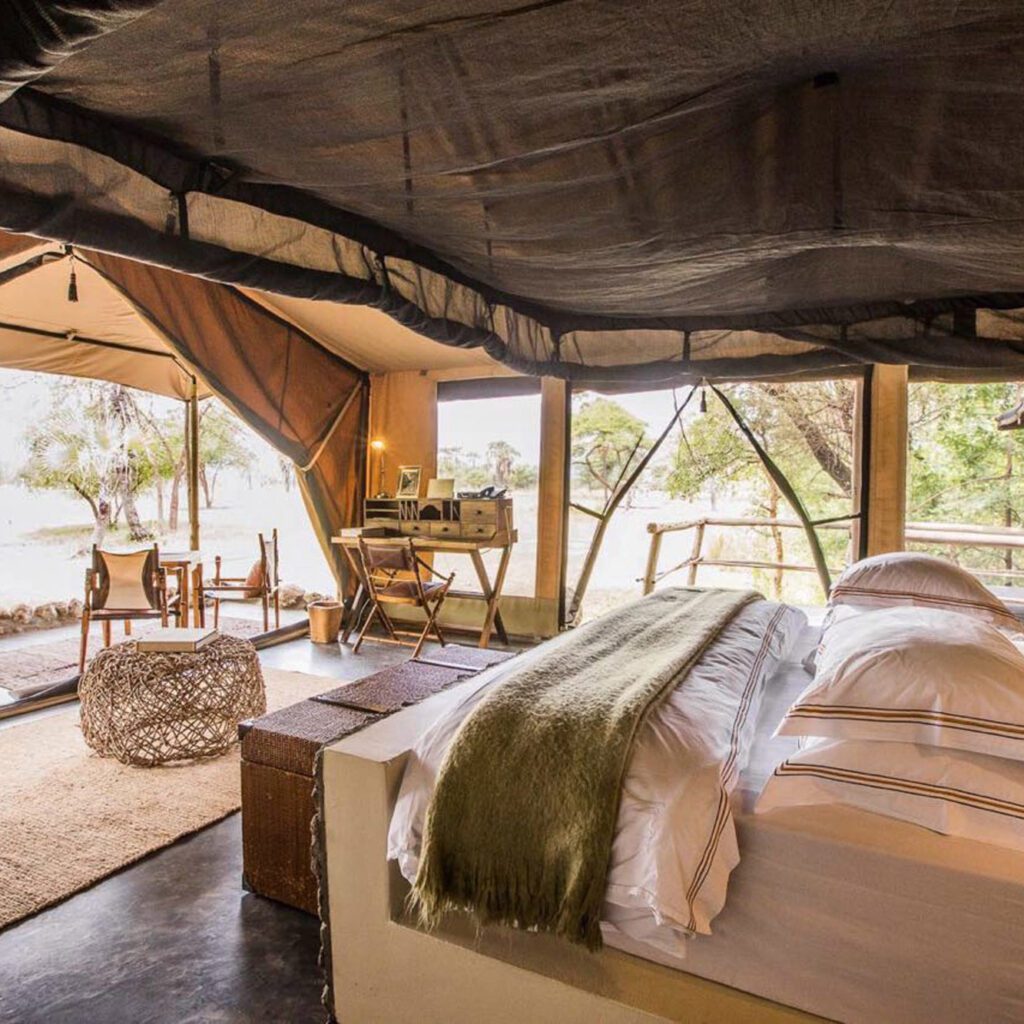
10-Day Luxury Safari in Tanzania
A ten-day luxury safari featuring premium lodges and private game drives.
View Package →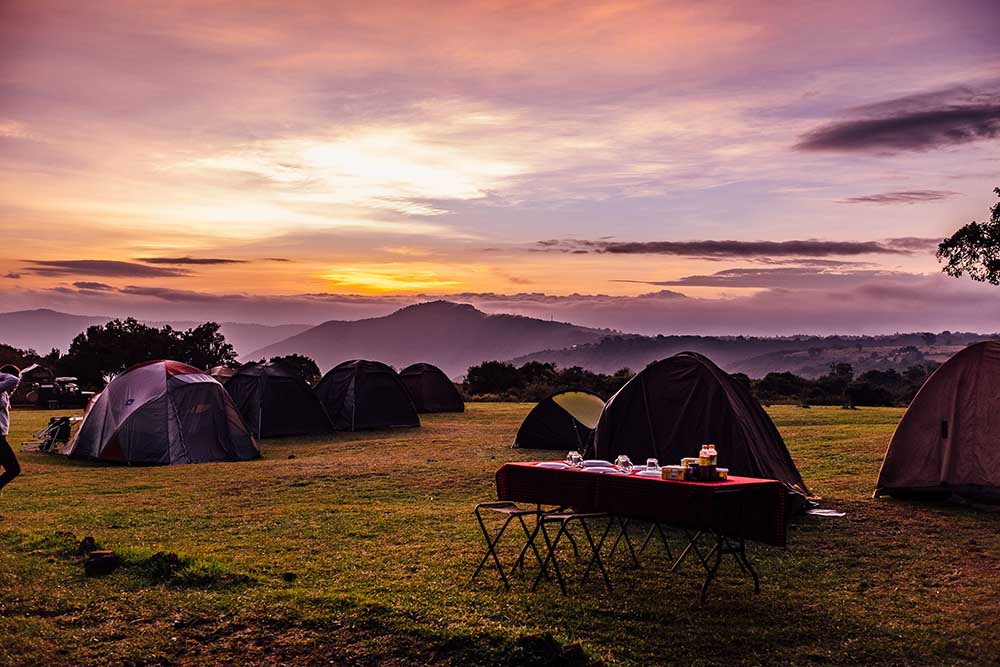
8-Day Remarkable Tanzania Safari
An eight-day journey across Tanzania's most remarkable wildlife areas.
View Package →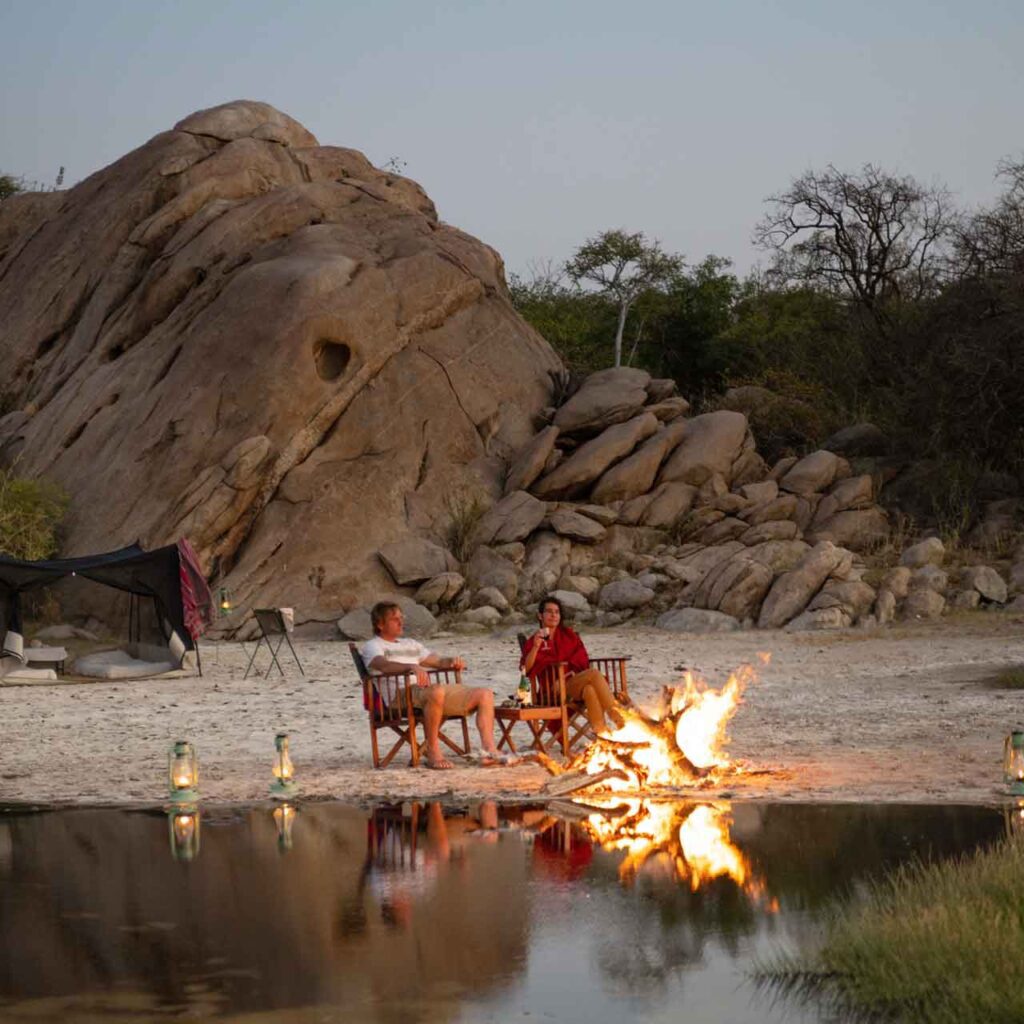
10-Day Marvellous Tanzania Safari
A marvellous ten-day journey across Tanzania's top safari circuit.
View Package →Lake Manyara Safari Planning Guides
Frequently Asked Questions: Best Time to Visit Lake Manyara
What is the best month to visit Lake Manyara National Park?
The single best month to visit Lake Manyara National Park is July, combining dry-season game viewing with comfortable weather and manageable crowds before the August-September peak. From June through October, wildlife concentrates predictably around the park's permanent groundwater forest and remaining water sources, making elephants, buffalo, hippos, and tree-climbing lions easy to find along well-maintained trails. However, because Lake Manyara's habitats hold water year-round, there is genuinely no bad month to visit: wet-season travelers, November through May, enjoy lush scenery, peak birding, flamingo concentrations, lower rates, and noticeably fewer visitors, making the ideal month ultimately a matter of personal travel priorities.
Is dry season or wet season better for visiting Lake Manyara?
Neither season is objectively better at Lake Manyara, since resident wildlife such as elephants, buffalo, hippos, and tree-climbing lions live in the park year-round thanks to its permanent forest and lake habitats. The dry season, June to October, offers easier game viewing as animals concentrate around shrinking water sources, clearer trails, and shorter grass, making it ideal for first-time safari-goers wanting predictable sightings. The wet season, November to May, transforms Manyara into a lush, green landscape with peak birding, migratory species, flamingo activity, lower prices, and far fewer visitors, and many photographers and repeat travelers prefer its dramatic light and quieter trails.
When do the flamingos arrive at Lake Manyara?
Flamingos are present at Lake Manyara year-round because the alkaline lake supports the algae they feed on, but their numbers fluctuate with seasonal water levels rather than following a strict migration schedule. Flamingo concentrations tend to peak during and shortly after the wetter months, roughly November through May, when rains raise the lake's water level and boost algae blooms that attract both greater and lesser flamingos in large flocks. During the driest months, June through October, the lake can shrink considerably, sometimes pushing flamingos toward other alkaline lakes such as Natron or Eyasi until conditions at Manyara improve again with the rains.
What is the rainiest month at Lake Manyara National Park?
April is typically the rainiest month at Lake Manyara National Park, falling in the middle of the long rains that run roughly from March through May. Rainfall during April is often heavy and sustained, which can make some low-lying park roads temporarily difficult to navigate and reduces visibility in denser forest areas. Despite the rain, wildlife remains resident and active around the park's permanent water sources, and birdlife reaches its peak, with breeding plumage and large waterbird concentrations. Travelers who don't mind rain showers are rewarded with dramatically lush scenery, fewer crowds, lower accommodation rates, and some of the best photography light of the year.
What is the driest month at Lake Manyara National Park?
August and September are generally the driest months at Lake Manyara National Park, sitting at the peak of the June-to-October dry season with minimal rainfall, low humidity, and thinning vegetation. These conditions concentrate wildlife predictably around the park's groundwater forest, floodplain, and remaining water sources, making elephants, buffalo, hippos, and tree-climbing lions especially easy to spot along the main game-viewing circuits. The trade-off is that these are also the busiest months, coinciding with the Serengeti's peak season and school holidays in many source markets, so visitors should expect more vehicles at popular viewpoints and should book accommodation well in advance.
Can you see the tree-climbing lions year-round at Lake Manyara?
Yes, Lake Manyara's famous tree-climbing lions are resident within the park and can potentially be seen in any month, since they do not migrate seasonally like herbivores in other ecosystems. Sightings depend more on the pride's current territory, recent weather, and time of day than on the calendar, though many guides find dry-season months, June through October, slightly easier for spotting lions resting in acacia and fig trees because thinner vegetation improves visibility. During the wet season, lush foliage can make lions harder to see at a distance, but experienced local guides at Foot Slopes Tours and Safaris know the trees and areas the prides favor throughout the year.
Is Lake Manyara worth visiting in the wet season?
Lake Manyara is absolutely worth visiting in the wet season, roughly November through May, and many repeat safari travelers and photographers consider it the park's most rewarding period. The landscape turns vividly green, migratory birds arrive alongside resident species for some of the best birding of the year, flamingo numbers can build significantly on the refilled lake, and accommodation rates typically drop. Crowds are far thinner than during the dry-season peak, allowing a quieter, more intimate experience on game drives and canoe safaris. Short afternoon showers rarely disrupt a full day's activities, making the wet season an excellent choice for travelers prioritizing scenery, birdlife, and value.
How many days should I spend at Lake Manyara National Park?
Most travelers spend one to two days at Lake Manyara National Park, which is compact enough for a thorough game drive covering the groundwater forest, floodplain, and lakeshore in a single day, while a second day allows time for a canoe safari, guided walk, or a more relaxed pace. Many itineraries pair Manyara with Tarangire, Ngorongoro Crater, and the Serengeti as part of a broader northern circuit safari, visiting for a half or full day en route between destinations. Foot Slopes Tours and Safaris can tailor the length of your Manyara stay based on your interests, whether that's serious birdwatching, photography, or a quick scenic stop.
What is the weather like at Lake Manyara throughout the year?
Lake Manyara enjoys a warm, tropical climate year-round, with daytime temperatures typically between 20 and 30 degrees Celsius and cooler evenings, especially near the escarpment. The dry season, June to October, brings sunny skies, low humidity, and minimal rainfall, with July and August often the coolest months. The wet season splits into the short rains, November and December, and the long rains, March through May, with April usually the wettest month. Even during rainy periods, showers are often brief afternoon storms rather than continuous rain, leaving mornings clear for game drives, canoe trips, and guided birdwalks most of the year.
When is the best time for birdwatching at Lake Manyara?
The best birdwatching at Lake Manyara National Park generally falls during the wet season, roughly November through May, when migratory species from Europe and Asia join resident populations, breeding plumage is at its brightest, and waterbird numbers, including flamingos, pelicans, storks, and herons, are typically highest around the lake. More than 400 bird species have been recorded across the park's diverse habitats, from groundwater forest to open floodplain and alkaline lake shoreline. Dry-season birding, June through October, remains rewarding too, with resident raptors, hornbills, and forest species easy to find, making Lake Manyara a strong birding destination essentially year-round for dedicated enthusiasts.
Does Lake Manyara get crowded, and when are crowds lowest?
Lake Manyara National Park is generally far less crowded than the Serengeti or Ngorongoro Crater, even during peak season, thanks to its smaller visitor footprint and extensive network of trails. That said, crowds are highest from July through September, when the dry season overlaps with peak Serengeti migration travel and school holidays, and around the December holiday period. Crowds are consistently lowest during the long rains, March through May, when visitor numbers drop sharply and travelers can enjoy game drives, canoe safaris, and guided walks with noticeably fewer other vehicles. Early morning starts also help avoid the busiest midday hours at the park's most popular viewpoints.
Is Lake Manyara good for a safari during the Serengeti migration season?
Lake Manyara makes an excellent complement to a Serengeti migration safari precisely because it offers something different: permanent, resident wildlife rather than migratory herds, so it delivers reliable sightings regardless of where the migration currently is. Many northern circuit itineraries combine a day or two at Manyara with Tarangire, Ngorongoro Crater, and the Serengeti, using Manyara's forest, floodplain, and lake habitats to diversify the scenery and species seen, particularly birds, tree-climbing lions, and elephants. Because the migration's location varies each month, pairing it with a consistent, resident-wildlife park like Manyara helps ensure a well-rounded, satisfying safari regardless of exactly when you travel.
Why should I book my Lake Manyara safari with Foot Slopes Tours and Safaris?
Foot Slopes Tours and Safaris specializes in northern Tanzania safaris, with local guides who know Lake Manyara's forest trails, canoe launch points, and the specific trees favored by the park's famous climbing lions throughout the year. Every itinerary is tailor-made around your travel dates, priorities, and budget, whether you're chasing peak flamingo season, dry-season game viewing, or quiet wet-season birding. As a Tanzania-based, locally run operator, Foot Slopes Tours and Safaris offers competitive pricing without the markup of international agencies, direct communication with experienced guides, and firsthand knowledge of current park conditions, ensuring your Lake Manyara safari is timed and planned around what will genuinely deliver the best experience.
Does Foot Slopes Tours and Safaris offer flexible or customizable Lake Manyara itineraries?
Yes, every Lake Manyara safari with Foot Slopes Tours and Safaris is fully customizable, from the length of your stay and choice of activities, such as game drives, canoe safaris, or guided forest walks, to the accommodation style and how Manyara fits within a broader northern circuit itinerary alongside Tarangire, Ngorongoro Crater, and the Serengeti. The team works directly with travelers to match itineraries to specific interests, whether that's serious birdwatching during the wet season, dry-season game viewing, honeymoon travel, or family safaris. This flexibility, combined with local expertise, allows Foot Slopes Tours and Safaris to design a Lake Manyara experience genuinely suited to each traveler's schedule and priorities.
How experienced are Foot Slopes Tours and Safaris' guides at Lake Manyara?
Foot Slopes Tours and Safaris employs experienced, professionally trained Tanzanian safari guides with deep, firsthand knowledge of Lake Manyara National Park's habitats, wildlife behavior, and seasonal patterns. Guides track where the tree-climbing lion prides are currently resting, know the best canoe launch points for birdwatching, and adjust game drive routes based on recent sightings and current water levels around the lake. This local expertise means guests consistently see more wildlife in less time compared to generic itineraries, and guides can offer real-time advice on the best months, routes, and activities based on actual current park conditions rather than generic seasonal guidelines alone.
Is booking directly with a local Tanzanian operator like Foot Slopes Tours and Safaris better than an international agency?
Booking with a local, Tanzania-based operator like Foot Slopes Tours and Safaris typically offers better value, more current park knowledge, and more direct, responsive communication than booking through a large international agency that resells the same itineraries at a markup. Local operators employ their own guides and vehicles, understand current road conditions, seasonal wildlife patterns, and park fees firsthand, and can adjust itineraries quickly in response to weather or sightings. Foot Slopes Tours and Safaris combines this local expertise with transparent pricing and personalized planning, ensuring travelers get an authentic, well-timed Lake Manyara safari without paying for unnecessary intermediary costs along the way.
What safety and health precautions should I know before visiting Lake Manyara?
Lake Manyara National Park lies in a low-risk malaria zone, so travelers should consult a doctor about antimalarial medication, use insect repellent, and wear long sleeves during dawn and dusk game drives, particularly in the wetter months when mosquito activity increases. Drinking bottled or treated water, wearing sun protection, and following guide instructions around wildlife, especially near elephants, buffalo, and the lakeshore, are standard safety practices. Foot Slopes Tours and Safaris provides updated health and safety guidance before every trip, uses experienced guides trained in wildlife safety protocols, and maintains well-equipped vehicles, helping ensure your Lake Manyara safari is both exciting and well-prepared regardless of season.
Plan Your Lake Manyara Safari
Tell us your dates, style, and preferred parks, and we will build the perfect itinerary around you.
Book Now Online →What Our Travelers Say
Real 5-star reviews from guests who traveled with us
Our Private African luxury Safari experience with Foot Slopes Tours and Safaris was nothing short of exceptional. From the very beginning, owner Gabriel was incredibly responsive, making the entire booking process smooth and stress-free. Gabriel went above and
We had an incredible private safari experience with Foot Slopes Tours and Safaris. Their office staff was very helpful and informative, and they communicated very well. Our pick-ups to and from the airport were on time and hassle-free, an unforgettable Safari
Foot Slopes Tours and Safaris is truly one of the best local tour companies in Tanzania. From start to finish, their service was professional, reliable, and personalized. The team went above and beyond to make sure every detail of our trip was perfect. Our saf
Our family chose Foot Slopes Tours and Safaris for a custom 11-day safari itinerary, and we couldn’t be happier with our choice! Everything from our initial inquiry to building our custom itinerary to pre-departure and on-trip support was top quality. Communic