African Safari Tours

All you need to know to plan an epic Serengeti Safari

Wildebeest Migration Safari Packages, 5-Day Serengeti Migration Safari, 11 Days The Greatest Serengeti Wildebeest Migration Safari, All you need to know to plan an epic Serengeti Safari, 6-Days Serengeti wildebeest Migration Safari, Why Do Zebra and Wildebeest Migrate Together During the Great Migration?

Planning an epic safari in the iconic Serengeti National Park is the ultimate African travel dream, blending luxury, adventure, and unforgettable wildlife encounters. Known worldwide for the legendary Great Migration, this UNESCO-listed destination offers front-row access to millions of wildebeest, zebras, and predators across vast golden plains. Whether you’re searching for “best Serengeti safari packages,” “luxury African safari tours,” or “affordable Tanzania safari itineraries,” this guide covers it all—costs, best time to visit, where to stay, and how to book trusted tour operators. From fly-in safaris to private game drives, the Serengeti promises bucket-list experiences for families, honeymooners, and solo travelers. Expect breathtaking landscapes, Big Five sightings, and world-class safari lodges that redefine comfort in the wild for every traveler. Where is Serengeti National Park? Serengeti National Park lies in northern Tanzania, stretching toward the border of Kenya, where it connects with the famous Maasai Mara National Reserve. This UNESCO World Heritage Site is one of Africa’s most iconic safari destinations, renowned for endless golden plains and exceptional wildlife density. Located within the Northern Safari Circuit, it is easily combined with Ngorongoro Crater and Tarangire National Park. For travelers searching for “best African safari destinations” or “Serengeti safari tours,” Serengeti family safari, Serengeti luxury safari tours, high-end premium Serengeti safari packages,  flying Serengeti Safari, Serengeti honeymoon safari tours, Serengeti private safari tours, Serengeti Senior safari tours, Affordable Serengeti Safari, Serengeti budget safari tours, Serengeti mid-range safari tours, this legendary park delivers unmatched game viewing, dramatic landscapes, and bucket-list experiences year-round. Serengeti National Park Map A detailed Serengeti National Park map is essential for planning a successful Tanzania safari. The park is divided into key regions: Central Serengeti (Seronera), Western Corridor, Northern Serengeti, and Southern Plains. Each area offers unique wildlife viewing and seasonal highlights, especially during the Great Migration. Maps highlight airstrips, lodges, camps, and game drive routes, helping travelers optimize their itinerary guide for Serengeti safari map,” Serengeti regions explained,” and “where to see migration in Serengeti” often guide planning decisions. Understanding distances is crucial, as the park spans over 14,750 square kilometers. A well-planned map ensures efficient travel, better wildlife sightings, and a smoother luxury or budget safari experience. How do I get to Serengeti National Park? Getting to Serengeti National Park is straightforward with multiple travel options. Most international travelers arrive via Kilimanjaro International Airport or Julius Nyerere International Airport. From Arusha, visitors can take a scenic drive or book a domestic flight to airstrips like Seronera or Kogatende. Fly-in safaris are popular for luxury travelers seeking convenience, while road safaris offer immersive landscapes through the Ngorongoro Highlands. Keywords such as “how to get to Serengeti,” “Serengeti flights,” and “Tanzania safari transport” rank highly. Choosing between fly-in and drive-in depends on budget, time, and safari style, with both options delivering unforgettable experiences. What is the Serengeti National Park’s entrance fee? The entrance fee for Serengeti National Park is a key consideration when budgeting a Tanzania safari. As of recent guidelines, international visitors typically pay around $70 per adult per day, excluding VAT. Additional costs include vehicle fees, concession fees for lodges, and camping charges. These fees contribute to conservation efforts, wildlife protection, and park management. Travelers searching for “Serengeti safari cost,” “Tanzania park fees,” or “African safari budget” Serengeti safari on budget, should factor these into their overall ultimate Tanzania safari itinerary. While costs may seem high, they support one of the world’s most diverse ecosystems, ensuring sustainable tourism and preserving the Serengeti’s extraordinary biodiversity for future generations. Why choose the Serengeti for your Safari Choosing Serengeti National Park means experiencing one of the best safari destinations in Africa. The park offers unmatched wildlife viewing, including the Big Five—lion, leopard, elephant, buffalo, and rhino. Its vast plains create cinematic landscapes perfect for photography safaris and luxury travel experiences. The Serengeti is also home to the world-famous Great Migration, attracting millions of wildebeest and zebras annually, which is popular for “best Tanzania safari,” “luxury Serengeti safari,” and “African wildlife safari tours,” highlighting its global appeal. Whether you seek adventure, romance, or family-friendly travel, the Serengeti delivers unforgettable moments and authentic African safari experiences. How to choose a Serengeti safari tour operator Selecting the right Serengeti safari tour operator is crucial for a seamless experience. Look for licensed companies with strong Serengeti safari reviews, experienced guides, transparent pricing, “best Tanzania safari company,” “top Serengeti tour operators,” and “trusted African safari guides” dominate search rankings when choosing operators offering Serengeti Tanzania tailored Safari itineraries, whether luxury, mid-range, or budget safaris. Verify safety standards, vehicle quality, and guide expertise. Reputable operators often belong to organizations like the Tanzania Association of Tour Operators. A reliable Serengeti Safari company ensures excellent wildlife sightings, comfortable accommodations, and personalized service, transforming your Serengeti safari into a once-in-a-lifetime East African Safari adventure. When is the best time of year to visit the Serengeti National Park The best time to visit Serengeti National Park depends on your African safari goals. The dry season (June to October) offers excellent wildlife viewing, with animals gathering near water sources. The Great Migration River crossings occur in the Northern Serengeti from July to September, making it peak safari season. The green season (November to May) features lush landscapes, fewer crowds, and the calving season in the Southern Serengeti Ndutu Plains. May and June are best for the Western Serengeti National Park Grumeti River crossing. Book, compare, and discover “best time for Serengeti safari,” “Great Migration timing,” and “Tanzania safari seasons” are highly competitive. Each season offers unique experiences, making the Serengeti a year-round destination. How to Book a Serengeti Safari Booking a Serengeti safari requires careful planning to secure the best deals and experiences. Start by researching top-rated tour operators, comparing itineraries, and reading verified reviews when you need to “book Serengeti safari,” “Tanzania safari packages,” and “African safari deals” for inspiration. Decide on travel dates, budget, and accommodation style before confirming your trip. Booking your Serengeti safari 6–12 months in advance is recommended, especially for peak migration season. Foot

how many days to spend on a Serengeti Safari

African Safaris For Families - Tanzania Safaris, Responsible Serengeti Safari, First Timer's Guide Step-by-Step to Planning your Tanzania Safari, How many Days to Spend on a Serengeti Safari? 10-Days Tanzania Budget Safari Tours.

How many days to spend on a Serengeti safari is one of the most searched travel questions for Africa safari planning, Tanzania safari tours, and wildlife safari holidays. The ideal duration depends on your travel goals, budget, and desire to explore the world-famous plains of the Serengeti National Park, home to the Great Migration, Big Five wildlife sightings, and endless golden savannahs. Most travelers look for the perfect balance between game drives, travel time, and relaxation. Whether you are planning a luxury safari, a budget safari, or a honeymoon safari in Tanzania, choosing the right number of days ensures a rewarding experience. This guide explores the best safari duration options, from short 2-day trips to extended 10-day wildlife adventures, helping you decide the perfect Serengeti safari itinerary for unforgettable wildlife viewing, photography, and immersive African safari experiences. 2 Days Serengeti Safari A 2-day Serengeti safari is ideal for travelers on a tight schedule, flying from Arusha or Zanzibar to  Serengeti for convenience, saving time. Book this in advance to allow operator to arrange logistics in advance or combine multiple Tanzania safari destinations. This short Serengeti safari itinerary usually includes one travel day into the Serengeti National Park and one full game drive day. It offers a quick glimpse of African wildlife safari experiences, including lions, elephants, giraffes, and zebras. However, the travel distance from Arusha or Ngorongoro is long, making the experience fast-paced. This option is best for last-minute safari bookings, budget travelers, or those adding Serengeti as part of a longer Tanzania safari circuit. While short, it still provides iconic wildlife sightings and photography opportunities, especially in the central Serengeti regions. A 2-day safari is not enough for deep exploration, but it works well for travelers who want a taste of the Serengeti safari adventure experience and Great Migration highlights in a limited time. 3 Days Serengeti Safari A 3-day Serengeti safari is one of the most popular short safari packages in Tanzania. It allows travelers to spend more time inside the Serengeti National Park, usually with two full days of game drives. This duration significantly increases the chances of spotting the Big Five, witnessing predator action, and exploring different habitats such as river valleys and open plains. It is perfect for budget and mid-range travelers seeking a balanced safari experience. Many itineraries include arrival via Ngorongoro Crater, combining two of Tanzania’s safari destinations. With three days, travelers can enjoy sunrise and sunset game drives, improving wildlife photography opportunities. Although still relatively short, this duration provides a richer experience compared to 2-day safaris, making it ideal for first-time visitors who want a deeper introduction to Serengeti wildlife safari tours and African adventure travel.  4 Days Serengeti Safari A 4-day Serengeti safari offers a more relaxed and immersive experience inside the Serengeti National Park. This incredible Serengeti safari itinerary typically includes three full days of game drives, allowing exploration of different regions such as central, northern, or western Serengeti, depending on the season. Travelers have better chances of witnessing the Great Migration, lion hunts, cheetah sightings, and large herds of wildebeest and zebras. This duration is highly recommended for wildlife photography enthusiasts and safari lovers seeking a deeper connection with nature. It also reduces travel fatigue compared to shorter safaris. A 4-day fabulous Serengeti safari safari balances cost and experience, making it a popular choice for mid-range and luxury Tanzania safari packages. It provides enough time to enjoy early morning game drives, sunset safaris, and optional hot air balloon rides, creating a well-rounded African safari adventure experience. 5 Days Serengeti Safari A 5-day Serengeti safari is considered the sweet spot for many travelers seeking a comprehensive wildlife experience in the Serengeti National Park. With four Serengeti safari full days of game drives, visitors can explore multiple ecosystems, increasing the likelihood of witnessing Big Five encounters and dramatic predator-prey interactions. This duration is ideal for travelers who want a deeper Serengeti safari experience without rushing. It often includes extensions to Ngorongoro Crater or Lake Manyara, forming a classic northern Tanzania safari circuit. A 5-day itinerary allows time for relaxed travel, photography stops, and full-day safari excursions. It is perfect for honeymooners, families, and wildlife enthusiasts seeking immersive safari holidays. The extended stay enhances chances of seeing the Great Migration herds if timed correctly, making it one of the most recommended durations for Tanzania wildlife safari tours and luxury African safari packages. 6 Days Serengeti Safari A 6-day Serengeti safari offers an extended and highly immersive journey into the heart of the Serengeti National Park. With five full days of game viewing, travelers can explore different regions such as the central Seronera Valley, northern Mara River, or southern plains, depending on the season. This duration provides excellent chances to witness the Great Migration crossings, big cat behavior, and diverse birdlife. It is especially suited for photographers and serious wildlife enthusiasts. A 6-day amazing Serengeti safari itinerary reduces travel stress and allows slower, more rewarding safari experiences. Many tours combine Serengeti with Ngorongoro Crater for a complete Tanzania safari adventure. Guests enjoy sunrise and sunset game drives, luxury lodge stays, and optional cultural visits. This Serengeti safari duration is ideal for those seeking a deeper connection with African nature and a premium Serengeti wildlife safari experience. 7 Days Serengeti Safari A 7-day Serengeti safari is one of the most recommended durations for a full and rewarding Tanzania safari experience in the Serengeti National Park. It allows six full days of game drives across multiple regions, offering unmatched wildlife diversity and seasonal migration viewing opportunities. Travelers can explore vast ecosystems, from endless savannahs to river crossings filled with crocodiles and dramatic predator action. This duration is perfect for luxury safari travelers, photographers, and wildlife enthusiasts seeking deeper exploration. A 7-day safari often includes visits to Ngorongoro Crater or Tarangire National Park, creating a complete northern Tanzania safari circuit. With more time, guests enjoy relaxed schedules, extended game drives, and better chances of rare sightings such as leopards and cheetahs. This is an ideal

How to Prepare For Tanzania Safari

Photo Safari in Tanzania | Incredible Tanzania Photographic Safari Packages, What To Know Before Going For Big Five Safari In Tanzania, Best All-Inclusive African Safari Vacations, big five in Tanzania, 4-Days Serengeti Migration Safari, 10-Days Student Safari Tanzania, Simple Tips to Improve Your Safari Photographs, Best Tailor-Made Big 5 African Safaris, Responsible Travel, Ngorongoro Crater, Is the Ngorongoro Crater Worth Visiting?, 8 things that should be on your Tanzania itinerary, why you should visit the Ngorongoro Crater, What Camera should i bring for Tanzania Safari? How to Photograph Animals on the Move, Wildlife Photography Tips for Your Next Tanzania Safari, 10 Best African Photographic Safaris, How to Take Fabulous Smartphone Photos on Safari, Lake Eyasi Safari, Best Things to Do in Lake Manyara National Park, Best African Wildlife Safari, Tanzania Flying Safaris, Asilia Africa, The Ultimate Guide to Going on an African Safari, The Beginner’s Guide to Photographing an African Safari, How to Prepare For Tanzania Safari, Tips to Improve Your Wildlife & Nature Photography, African Safari Itineraries, Where to Go in Africa on a Photographic Safari, Serengeti Luxury Safaris, Ngorongoro Crater Trips for Solo Travelers, Arusha Safari Tours, Photography Safari in Tanzania, Luxury Wildlife Photo Tours, Trips, 7-Day Best of Serengeti Safari

Preparing for a Tanzania safari is the key to enjoying one of Africa’s most unforgettable wildlife adventures. From the vast plains of the Serengeti National Park to the dramatic landscapes of the Ngorongoro Crater, proper planning ensures a smooth and stress-free journey. Understanding Tanzania safari preparation includes choosing the best time to visit, arranging travel documents like visas, and getting recommended vaccinations. Travelers should also plan safari packing lists, lightweight clothing, and essential gear for game drives. Whether you are visiting from Europe, Asia, or Africa, a well-structured Tanzania safari guide helps maximize wildlife sightings, comfort, and safety. This introduction covers essential SEO-focused travel tips to help you prepare for an unforgettable Tanzania wildlife safari experience with expert insights, practical advice, and must-know planning steps for first-time and returning safari travelers. Choose the Best Time for Tanzania Safari Selecting the best time for a Tanzania safari is one of the most important preparation steps. The dry season from June to October is widely considered ideal for wildlife viewing in destinations such as the Serengeti National Park and Tarangire National Park. During this period, animals gather around water sources, making game drives more rewarding. The Great Migration also attracts travelers seeking dramatic river crossings. The green season from November to May offers lush landscapes, birdwatching opportunities, and fewer crowds, often at lower safari costs. Understanding Tanzania’s weather patterns, safari seasons, and park accessibility helps travelers optimize their experience. Whether planning luxury safaris, budget safaris, or honeymoon trips, timing directly impacts wildlife encounters. Always align your travel dates with your safari goals for photography, migration viewing, or family-friendly adventures in Tanzania’s top national parks. Understand Visa and Entry Requirements Before traveling, understanding Tanzania visa requirements is essential for a smooth safari experience. Most international visitors need a tourist visa, which can be obtained online as an e-visa or on arrival at major entry points like Kilimanjaro International Airport near Arusha. A valid passport with at least six months remaining is required. Travelers should also check entry rules, passport photos, and immigration policies before departure. Some nationalities may have different visa conditions, so verifying official updates is important. In addition, ensure your travel documents match your safari itinerary, especially if visiting multiple parks such as the Serengeti and Ngorongoro regions. Proper visa preparation avoids delays and ensures a stress-free start to your Tanzania safari adventure. Always carry printed copies of your travel insurance, accommodation bookings, and safari confirmations for smooth immigration processing. Get Recommended Vaccinations and Health Preparations Health preparation is a crucial part of planning a Tanzania safari. Travelers are often advised to get vaccinations such as yellow fever (if required), hepatitis A, typhoid, and tetanus before visiting Tanzania. Consulting a travel health clinic ensures personalized medical advice based on your itinerary. Malaria prevention is also important, especially in wildlife regions like the Serengeti National Park and surrounding safari circuits. Carry mosquito repellent, long-sleeved clothing, and prescribed antimalarial medication if recommended. Staying hydrated and protecting yourself from sun exposure are also essential during game drives. A well-prepared health plan ensures safety, comfort, and uninterrupted safari enjoyment. Travel insurance covering medical emergencies, evacuation, and trip cancellations is strongly recommended for all Tanzania safari travelers exploring remote national parks and wilderness areas. Pack the Right Tanzania Safari Clothing and Gear Packing correctly for a Tanzania safari improves comfort and enhances wildlife viewing experiences. Lightweight, breathable clothing in neutral colors like khaki, green, and beige is ideal for game drives in parks such as Serengeti National Park and Ngorongoro Crater. Avoid bright colors and camouflage patterns. Essential items include a wide-brim hat, sunglasses, sunscreen, insect repellent, and comfortable walking shoes. Early morning and evening game drives can be cold, so layering with a light jacket is important. Binoculars, cameras with zoom lenses, and power banks are highly recommended for wildlife photography. A small backpack helps organize essentials during safari trips. Packing smart ensures you are ready for changing weather conditions, long drives, and outdoor adventures across Tanzania’s diverse safari landscapes and national parks. Book the Right Tanzania Safari Tour and Operator Choosing the right safari operator is key to a successful Tanzania safari experience. Reputable tour companies offer guided trips to top destinations such as the Serengeti National Park, Ngorongoro Crater, and Lake Manyara National Park. When selecting a safari package, consider reviews, experience, vehicle quality, and guide expertise. Options include luxury safaris, mid-range safaris, and budget camping safaris, depending on your travel style. A good operator provides airport transfers, accommodation, park fees, and knowledgeable guides who enhance wildlife viewing. Booking early ensures better prices and availability, especially during peak migration season. Comparing itineraries helps you choose between private safaris and group tours. A trusted safari company guarantees safety, comfort, and a well-organized itinerary for an unforgettable Tanzania wildlife adventure. Plan Your Tanzania Safari Budget Wisely Budget planning is essential when preparing for a Tanzania safari. Costs vary depending on accommodation type, park fees, transport, and tour style. Luxury safaris in areas like Serengeti National Park offer premium lodges, while budget safaris include camping options near national parks. Additional expenses include flights, visas, tips, travel insurance, and optional activities such as hot air balloon rides. Planning helps avoid unexpected costs and ensures a smooth travel experience. Travelers should compare safari packages and seasonal discounts to maximize value. Currency exchange and cash availability in remote areas should also be considered. A well-structured budget allows you to enjoy game drives, cultural tours, and accommodation without financial stress while exploring Tanzania’s world-famous wildlife destinations and breathtaking landscapes. Prepare Travel Insurance and Safety Essentials Travel insurance is a must-have for any Tanzania safari adventure. It protects against medical emergencies, trip cancellations, lost luggage, and evacuation from remote safari areas like the Serengeti National Park. Many safari regions are far from major hospitals, making emergency coverage essential. Safety preparation also includes following park rules, listening to professional guides, and maintaining safe distances from wildlife. Carrying a basic first-aid kit, personal medication, and copies of important documents enhances safety. Reliable

Mount Kilimanjaro Map

Visit Mount Kilimanjaro on a trip to Tanzania, How Much Does It Cost to Climb Kilimanjaro, Mount Everest Base Camp vs Mount Kilimanjaro, How to Prepare for Climbing Mount Kilimanjaro, How Do You Mentally Prepare for Climbing Kilimanjaro? What Can I do While at Camp on Kilimanjaro? Do you lose weight climbing Kilimanjaro? Overweight Climbing Kilimanjaro, Why Drinking Water Is So Important During Mount Kilimanjaro Climb?, Common Mistakes While Climbing Mount Kilimanjaro, Trail Shoes Vs. Boots On Kilimanjaro, What is the Best Rain Jacket for Climbing Kilimanjaro? Medical Check-Up before climbing Kilimanjaro, Climbing Kilimanjaro in April, Walk Each Day On Kilimanjaro Routes, Why Does Mount Kilimanjaro Have Snow, Glaciers, and Ice Cap?, 8 Foot Care Tips While Hiking Kilimanjaro, Should We Sleep at Kilimanjaro Crater Camp?, Are You Wearing the Right Shoe Size to Climb Kilimanjaro?, What Type of Mask Should I Bring to Climb Kilimanjaro?, How hard is summit night on Kilimanjaro?, How to choose a backpack for high-altitude trekking, Paying the Balance Amount for Your Kilimanjaro Trek, tips for happy feet on Kilimanjaro, Most Dangerous Mountains to Climb, Tanzania’s Sacred Sites: Spiritual Journeys in the Heart of Africa, Is Mount Kilimanjaro Too Crowded?, What Are the Best Body Wipes for Kilimanjaro Climb?

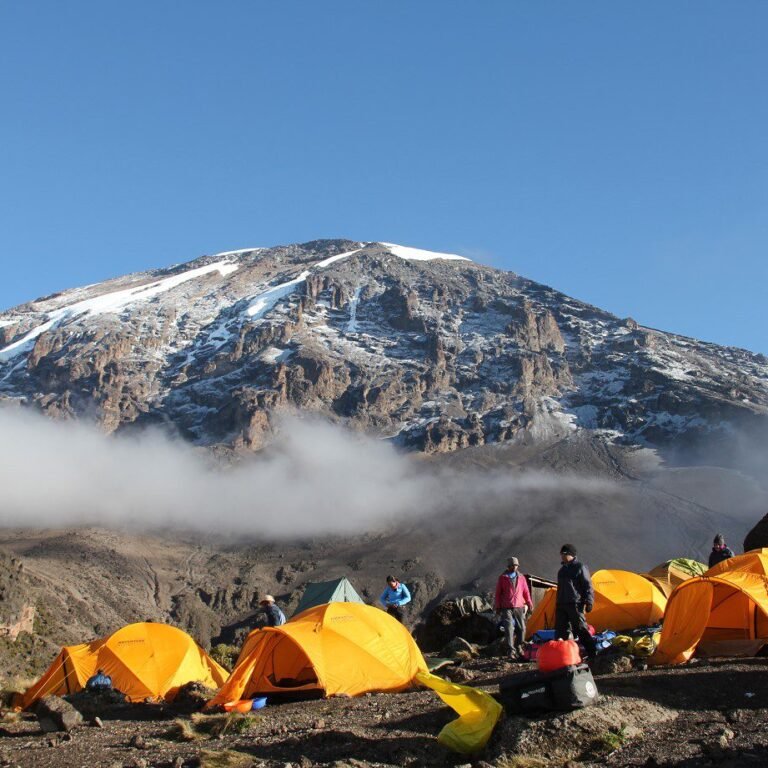
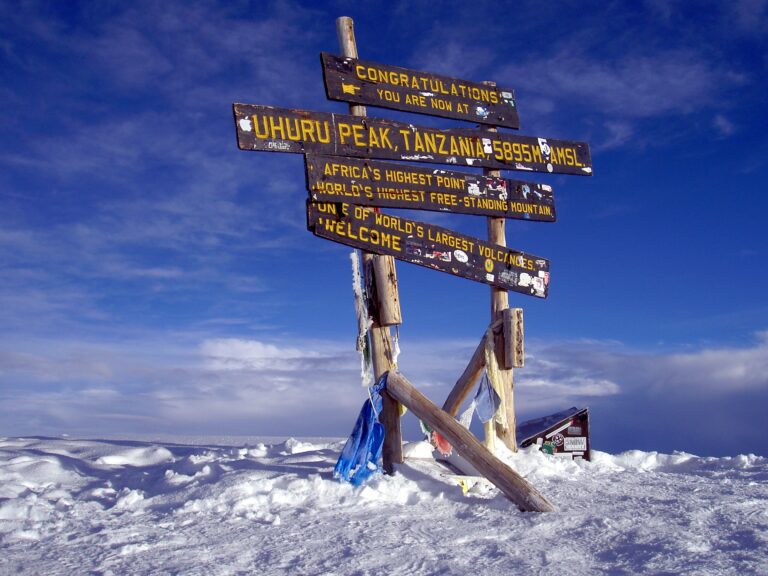
A Mount Kilimanjaro map is one of the most important tools for planning a successful Tanzania trekking adventure. Located in northeastern Tanzania, Mount Kilimanjaro is Africa’s tallest mountain and the world’s highest free-standing peak, rising 5,895 meters above sea level. Detailed Kilimanjaro maps help climbers understand the mountain’s geography, climbing routes, camps, elevation zones, glaciers, and surrounding attractions. Whether you choose the Machame Route, Marangu Route, Lemosho Route, Rongai Route, Northern Circuit, or Umbwe Route, a topographic Kilimanjaro map improves navigation and trekking preparation. Most Kilimanjaro trekking maps also highlight rainforest zones, alpine deserts, summit trails, and key landmarks such as Stella Point and Uhuru Peak. Travelers, hikers, and safari enthusiasts use Kilimanjaro route maps to compare distances, acclimatization profiles, camping locations, and scenic viewpoints before starting their unforgettable African mountain climbing expedition. Understanding the Geography of Mount Kilimanjaro The geography displayed on a Mount Kilimanjaro map reveals the mountain’s enormous volcanic structure and diverse ecological zones. Kilimanjaro consists of three volcanic cones: Kibo, Mawenzi, and Shira. Kibo is the highest and home to Uhuru Peak, the ultimate summit destination for climbers. Most Kilimanjaro maps show the mountain inside Kilimanjaro National Park, a UNESCO World Heritage Site famous for spectacular trekking adventures and biodiversity. Detailed maps illustrate forests, moorlands, alpine deserts, glaciers, and summit ice fields. Climbers can visualize the transition between climate zones while ascending the mountain. Geographic maps also highlight nearby towns such as Moshi and Arusha, which serve as major gateways for Kilimanjaro expeditions. Understanding the terrain helps trekkers prepare physically and mentally for altitude changes, hiking distances, and weather variations encountered during Africa’s most iconic mountain climbing journey. The Importance of Kilimanjaro Route Maps A Kilimanjaro route map is essential for selecting the best trekking path to the summit. Every route offers unique scenery, acclimatization opportunities, and difficulty levels. Popular routes shown on Mount Kilimanjaro maps include Machame, Marangu, Lemosho, Rongai, Shira, Umbwe, and Northern Circuit. These trekking maps help hikers compare route lengths, overnight camps, elevation gains, and summit approaches. The Machame Route is famous for stunning landscapes and excellent acclimatization, while the Marangu Route is known for hut accommodations. The Lemosho Route provides scenic wilderness experiences and higher summit success rates. Route maps also identify emergency exits, ranger stations, and water points. Understanding these details improves safety and trekking efficiency. Many professional tour operators use detailed Kilimanjaro maps to explain daily itineraries, hiking times, and camp locations before climbers begin their unforgettable Tanzania mountain expedition adventure. Machame Route Map on Mount Kilimanjaro The Machame Route map is among the most searched Kilimanjaro trekking maps because of its scenic beauty and high summit success rate. Known as the “Whiskey Route,” this trail approaches the mountain from the southwest side and passes through lush rainforests, moorlands, alpine deserts, and icy summit terrain. A Machame Route map typically highlights Machame Gate, Shira Camp, Barranco Camp, Karanga Camp, Barafu Camp, Stella Point, and Uhuru Peak. Climbers use the map to understand elevation gain and acclimatization progress over six or seven days. The route’s famous Barranco Wall appears prominently on most detailed Kilimanjaro maps. Trekking guides rely heavily on route maps to monitor daily hiking distances and campsite positions. The Machame Route is ideal for adventurous hikers seeking spectacular panoramic views and one of the best Mount Kilimanjaro climbing experiences in Tanzania. Marangu Route Map and Hut Locations The Marangu Route map is one of the easiest Kilimanjaro trekking maps to understand because the route follows a straightforward path with permanent mountain huts. Often called the “Coca-Cola Route,” it is the only Kilimanjaro route offering sleeping huts instead of camping accommodations. A detailed Marangu Route map highlights Marangu Gate, Mandara Hut, Horombo Hut, Kibo Hut, Gilman’s Point, and Uhuru Peak. The route approaches the mountain from the southeast and provides gradual elevation gain suitable for some beginner trekkers. Kilimanjaro hiking maps help climbers calculate trekking distances and acclimatization schedules. The map also illustrates nearby rainforest zones rich with monkeys and exotic birdlife. Although the Marangu Route is shorter than other routes, proper preparation remains important because altitude sickness can affect climbers. Many trekkers prefer Marangu maps for their simplicity and organized mountain hut system. Lemosho Route Map and Scenic Landscapes The Lemosho Route map is widely recommended for climbers seeking one of the most scenic and successful Kilimanjaro trekking experiences. Beginning on the western side of the mountain, the route crosses remote wilderness areas before joining the Machame Route near Lava Tower. A detailed Lemosho map includes Londorossi Gate, Mti Mkubwa Camp, Shira Plateau, Barranco Camp, Karanga Camp, Barafu Camp, and Uhuru Peak. Trekkers use the map to monitor altitude progression and acclimatization opportunities during the seven- or eight-day climb. The Shira Plateau stands out on Kilimanjaro maps because of its vast volcanic landscapes and dramatic mountain views. Wildlife sightings occasionally occur in the lower rainforest sections. Lemosho Route maps are valuable for understanding terrain transitions, campsite distances, and summit preparation. This route remains a favorite among photographers, adventure travelers, and experienced Kilimanjaro trekking enthusiasts worldwide. Rongai Route Map from the Northern Side The Rongai Route map offers a unique perspective of Mount Kilimanjaro because it approaches the mountain from the northern side near the Kenya border. This route is less crowded than Machame or Marangu and is ideal during rainy seasons due to its drier conditions. Detailed Rongai maps highlight Nalemoru Gate, Simba Camp, Second Cave, Kikelewa Camp, Mawenzi Tarn, Kibo Hut, and Uhuru Peak. The route provides stunning views of Mawenzi Peak and the surrounding wilderness. Climbers use Rongai trekking maps to study elevation profiles and daily hiking distances before their expedition begins. The northern slopes shown on the map feature open landscapes, alpine vegetation, and remote mountain scenery. Many hikers appreciate the peaceful atmosphere of the Rongai Route. Kilimanjaro maps also indicate emergency access points and campsite elevations, helping climbers prepare safely for their Tanzania trekking adventure. Northern Circuit Route Map Explained The Northern Circuit Route map represents the longest and one of the most

Where Is Kilimanjaro

Lemosho Route 7 days Itinerary, Prices & Dates, What Is The Best Down Jacket For Climbing Kilimanjaro? 10 Reasons Why You Can't Climb Mt Kilimanjaro in a Day, Kilimanjaro Experience | Highest Mountain in Africa, Oldest Person To Climb Kilimanjaro, Best Tour Operators in Tanzania, 6 Days Shira route, How high is Mount Kilimanjaro? Everything you need to know, The 10 Biggest Misconceptions About Climbing Kilimanjaro, Do I Need a Camp Pillow for Climbing Kilimanjaro, Kilimanjaro Climb and Safari Packages, How To Prepare For Climbing Mount Kilimanjaro, Food on Kilimanjaro, Which is Harder Inca Trail or Kilimanjaro? Kilimanjaro Inspiring Stories, Natural Foods and Supplements, Kilimanjaro Books That Transport You To The Roof Of Africa, Climbing Kilimanjaro in September, Why do prices differ between Kilimanjaro tour operators?, It is Important to Find Good Footwear for Kilimanjaro, What Plants and Trees Will I See on Mount Kilimanjaro?, How To Stay Warm On The Summit Of Kilimanjaro?, What is the Best Sleeping Bag for Climbing Kilimanjaro?, Kilimanjaro Base Camp and Campsites by Route, Is Mount Kilimanjaro Easy to Climb?, Why Mount Kilimanjaro Must Be in Your Bucket List, Eight Steps to Make Climbing Kilimanjaro Easier, effective ways of preparing for Kilimanjaro climb, Kilimanjaro now has high-speed internet, Why Kilimanjaro is a Natural Wonder, Where to Stay on Machame Route, How Climbing Mount Kilimanjaro Changed Travelers’ perspective on Life?, Mount Kenya vs Kilimanjaro, Why Lemosho Route is the Best Way to Climb Kilimanjaro, Northern Circuit Route Cost, Kilimanjaro Record Breakers Climb Times And Nationalities

Mount Kilimanjaro is one of the most iconic natural landmarks in the world, located in northern Tanzania iconic safari destination in Africa, famous for its towering height, snow-capped peak, and dramatic location in East Africa. Travelers, adventurers, and geography enthusiasts often ask: Where is Kilimanjaro? This majestic mountain stands as the highest free-standing mountain on Earth and draws thousands of climbers every year from across the globe. Kilimanjaro’s unique blend of ecological zones, ranging from tropical rainforest to alpine desert and arctic summit conditions, makes it a remarkable destination for both scientific interest and outdoor adventure tourism. Understanding Kilimanjaro’s exact geographic location, height, and surrounding country context is essential for planning expeditions, educational projects, and inspiring travel content. In this article, we’ll share expert details about Kilimanjaro’s location, height, map placement, figures, how to get there, and interesting facts. Mount Kilimanjaro Location and Geographic Coordinates Mount Kilimanjaro is situated in northeastern Tanzania, near the border with Kenya, and lies within the Kilimanjaro Region of East Africa. The exact geographic coordinates of Kilimanjaro’s summit, Uhuru Peak, are approximately 3°04′33″S latitude and 37°21′12″E longitude, easily found on detailed topographic and GPS maps. As part of the Eastern Rift of the Great Rift Valley, Kilimanjaro’s location reflects the complex tectonic forces that shaped East Africa’s dramatic landscapes. The mountain’s position near the equator gives it an unusual climate: despite its tropical location, the summit is covered in ice and snow. Kilimanjaro’s location also places it within reach of major Tanzanian towns like Moshi and Arusha, which serve as gateway cities for climbers and tourists. This prime location has helped Kilimanjaro become one of Africa’s most famous natural wonders and a must-visit destination for nature lovers and hikers worldwide. Mount Kilimanjaro Country Mount Kilimanjaro is located entirely within the United Republic of Tanzania, a diverse East African country known for its rich wildlife, cultural heritage, and world-class safari destinations. Tanzania is home to phenomenal national parks, including Serengeti National Park, Ngorongoro Crater, and Manyara National Park, making the country a prime tourist destination. Kilimanjaro holds particular national pride for Tanzania; it is featured on the Tanzanian coat of arms and represents the country’s natural beauty and adventurous spirit. While close to the border with Kenya, the entire mountain falls under Tanzanian jurisdiction and is protected by Kilimanjaro National Park. The park was declared a UNESCO World Heritage Site due to its unique biodiversity, climatic zones, and geological significance. Visiting Kilimanjaro also supports local economies, from Tanzanian guides and porters to hotels and tour operators, strengthening sustainable tourism across the region. Mount Kilimanjaro Height Mount Kilimanjaro’s summit reaches an awe-inspiring altitude of 5,895 meters (19,341 feet) above sea level, making it the highest peak in Africa and one of the famed Seven Summits — the tallest mountains on each continent. What makes Kilimanjaro even more remarkable is that it is the world’s tallest free-standing mountain, meaning it rises independently from the surrounding plains rather than from a mountain range. Climbers and trekkers preparing to ascend Kilimanjaro must plan for significant altitude gain, as the vertical rise impacts weather, temperature, and oxygen levels. The mountain’s height also creates distinct ecological zones, shaped by elevation — from lush tropical rainforests at the base to alpine deserts and icy summit glaciers. Despite ongoing glacier retreat due to climate change, Kilimanjaro’s dramatic height and snow-tipped peak remain a breathtaking sight and a bucket list challenge for adventurers and travel enthusiasts alike. Mount Kilimanjaro on the map On a map, Mount Kilimanjaro appears in northeastern Tanzania, approximately 200 kilometers (125 miles) inland from the Indian Ocean coastline. The mountain sits between the towns of Moshi and Arusha, both popular base towns for climbers and tourists. Viewing Kilimanjaro on a physical map reveals its position near the eastern edge of the East African Rift Valley, a region defined by tectonic activity that created the vast landscapes of Kenya and Tanzania. Modern digital maps and GPS tools make it easy for travelers to visualize Kilimanjaro’s location, routes, and nearby infrastructure such as Kilimanjaro International Airport (JRO). On satellite maps, Kilimanjaro’s massive volcanic cones — Kibo, Mawenzi, and Shira — are distinctly visible, with Kibo hosting the summit crater. Whether using road maps, hiking maps, or interactive online maps, Kilimanjaro’s placement stands out clearly as a major geographical landmark in East Africa. Mount Kilimanjaro Figures Mount Kilimanjaro’s figures are as impressive as its appearance. The mountain covers an area of roughly 1,688 square kilometers (652 square miles) within Kilimanjaro National Park. Kilimanjaro consists of three volcanic cones: Kibo (the highest), Mawenzi, and Shira, with Kibo’s central crater, Reusch Crater, marking the summit region. Kilimanjaro’s glaciers and ice fields have been studied extensively, though they are retreating due to climate change. Estimates suggest that Kilimanjaro’s ice cover may shrink dramatically in the coming decades. On average, climbers can expect to trek between 60 and 100 kilometers (37 to 62 miles) round-trip depending on their chosen route. More than 30,000 climbers attempt to summit Kilimanjaro each year, with success often depending on acclimatization and fitness. These figures highlight Kilimanjaro’s scale and the planning required for a safe, successful climb. How Do I Get to Kilimanjaro Travelers heading to Mount Kilimanjaro typically fly into Kilimanjaro International Airport (JRO), which receives flights from major African hubs and international destinations. From Kilimanjaro Airport, visitors can arrange transfers to climbing towns like Moshi and Arusha, which serve as staging points for treks and tours. Overland travel is also possible from Tanzania’s major cities, such as Dar es Salaam and Dodoma, or from neighboring Kenya via road transport. Once in Moshi or Arusha, climbers obtain permits and meet guide services before driving to the mountain’s various trailheads. Popular climbing routes include Machame, Marangu, Lemosho, and Rongai, each with differing landscapes and difficulty levels. Planning — including porters, guides, equipment, and acclimatization days — is essential for a successful Kilimanjaro experience. Local tour operators in Tanzania can help organize every detail of your Kilimanjaro journey. A Few Quick Facts About

Interesting Facts About Lions

Lion Safari Tanzania Serengeti National Park, Best Time To Visit Tanzania (Month by Month), What to Consider When Planning Luxury Safari in Tanzania, Top Five Tanzania Safari Companies Ranking, BookAllSafaris | All-Inclusive Tanzania Safari, The African big five and where to find them in Tanzania, Tanzania Safari Safety, big five in Tanzania, 10 Wonderful Wildlife To See During Your Tanzania Safari, 10 Different Types of African Safaris, What Will Be The Most Thrilling Event In Your Tanzania Safari? Kilimanjaro Safari - Recommended Parks to Visit, Tanzania Safari Holidays 2023/2024, Tailor-Made African Safari Vacation, Simba Safari, Lion King Tanzania Safari, Adventure, Reviews, Trips, Best Places To See Hippos In Africa, Tanzania Safari Cost, 10 Interesting Facts About Lions: The Kings of the Savanna, 10 Fascinating Facts About African Big Cats, Fastest Land Animals in the World

Top 10 Interesting Facts About Lions. Lions, the Fierce and Powerful Predators – Lions have long been revered as the kings of the animal kingdom. With their majestic manes and commanding presence, they have fascinated humans for centuries. Found primarily in Africa’s savannas and grasslands, these large and powerful big cats exhibit a range of fascinating behaviors and adaptations. In this article, we will delve into the world of lions and explore 10 interesting facts about these awe-inspiring creatures. As we venture into the captivating realm of fauna, one creature reigns supreme—the majestic lion. With its unrivaled charisma and awe-inspiring presence, the lion stands as an emblem of power, grace, and authority. In this article, we delve into the fascinating world of lions, unveiling ten intriguing facts that showcase their remarkable attributes. Join us on this exhilarating journey and unlock the secrets of the king of the jungle. Discover fascinating and lesser-recognized facts about lions, the kings of the animal kingdom. Explore their behavior, habitat, hunting strategies, and more in this article. Facts 1: The Lion’s Roar: A Fearsome Symphony Few sounds can match the raw power and intensity of a lion’s roar. This awe-inspiring vocalization can be heard from as far as five miles away, making it a profound declaration of area ownership and an effective means of communication within a pride. The lion’s roar serves as a vocal fingerprint, unique to each individual, enabling fellow pride members to identify one another and maintain social cohesion. Cool Facts  2: Social Structures: The Pride’s Domain Lions are social animals, living in tightly-knit family units known as prides. These prides consist of multiple related lionesses, their cubs, and a dominant male lion—often referred to as the “king.” By uniting and working together, lions create a formidable force capable of protecting their territory and securing abundant prey. The hierarchical structure within a pride ensures efficient cooperation, survival, and the continuation of their bloodline. Amazing Facts 3: Ferocious Hunters: The Art of Ambush Lions are renowned for their prowess in hunting, apply various methods to capture their prey. While lionesses are initially responsible for hunting, the male lion’s imposing presence aids in intimidating potential threats and making they have successful kills. Utilizing stealth, patience, and extraordinary teamwork, lions execute strategic ambushes, often relying on the element of surprise to overpower their unsuspecting prey. Interesting facts 4: Powerful Physique The lion’s physical attributes epitomize strength and agility. With well-developed muscles and a sturdy build, these powerful creatures possess the ability to sprint at speeds of up to 50 miles per hour, helping them to execute swift pursuits and capture fast-moving prey. Additionally, their sharp retractable claws and strong jaws equipped with formidable canines give to their efficient hunting techniques and unmatched dominance in the animal kingdom. Fun Facts 5: Symbolic Mane: A Regal Crown One of the most iconic quality of the male lion is its powerful mane—a symbol of power and virility. This impressive tuft of hair across the lion’s head serves both as a visual display of dominance and as a means of protection during area conflict. The darker and fuller the mane, the more likely a male lion is to attract potential mates and create his authority within the pride. Fabulous Facts  6: Maternal Instincts: Nurturing the Future Lionesses exhibit remarkable maternal instincts, playing an important role in raising and nurturing their cubs. These devoted mothers provide rule, protection, and education, teaching their cubs vital survival skills. Young cubs spend their early months under the careful eyes of their mothers, learning to playing together, hunt, and adapt to the tough life of the savannah.  Fascinating Facts 7: Territories and Boundaries: Kings of the Land Lions are unbounded creatures, fiercely guarding their designated domains from rival prides. These areas encompass vast expanses, ranging from 20 to 400 square miles, based on the availability of resources. Boundaries are marked through a combination of scent insure and roaring, acting as a clear warning to intruders. By protecting their area, lions secure ample hunting grounds and ensure the safety and prosperity of their pride. Interesting Facts 8: Lions are Apex Predators As apex predators, lions play a vital role in sustain the balance of ecological community.  Their presence helps regulate prey populations and prevents overgrazing. Lions initially prey on large herbivores such as zebras, gnu, and buffalo. Interesting Facts 9: Lions Display Sexual Dimorphism One of the notable quality of lions is sexual dimorphism, where males and females have distinct physical traits.Male lions possess a powerful mane, which serves as a visual display of their control and is linked to their reproductive success. Female lions, on the other hand, have a leaner and more streamlined physique. Interesting Facts 10: Habitat and Conservation Lions once roamed across vast regions of Africa, Asia, and Europe. However, due to habitat loss, poaching, and conflicts with humans, their numbers have significantly fall. Today, they initially inhabit protected areas and national parks. Conservation efforts are crucial to safeguard these magnificent creatures and preserve their habitats for future generations. What are 10 interesting facts about lions? Lions are the only cats that live in groups.A group, or pride, can be up to 30 lions, depending on how much food and water is available.Female lions are the main hunters. …A lion’s roar can be heard up to eight kilometres away.Lions scent mark their territory, using their wee, to create a border. Lions can go up to four days without drinking water, but they need to eat every day. Adult lionesses eat about 11 pounds of meat each day, while adult males eat 16 pounds or more. They prey on large herbivores like zebra and wildebeest, and occasionally feed on smaller animals like mice, birds, hares, and lizards. What are the unique features of a lion? Lions have strong, compact bodies and powerful forelegs, teeth and jaws for pulling down and killing prey. Their coats are yellow-gold, and adult males have shaggy manes that range in color from blond to reddish-brown to

Kilimanjaro National Park Fees

5 Days Kilimanjaro Climb Marangu Route, Climbing Mt Kilimanjaro during the rainy season, Top 10 Best Kilimanjaro Tour Companies 2021/2022/ 2023 Reviews, What Gloves Do I Need to Climb Kilimanjaro, Top Questions Everyone Asks Before Climbing Kilimanjaro, Kilimanjaro National Park Fees, Rules, and Regulations, Gertrude Benham First Woman to Summit Mount Kilimanjaro, Lemosho vs Machame: Which Kilimanjaro Route is Best for You? Things They Don’t Tell You About Climbing Kilimanjaro, Machame or Marangu? What happens to your body when you climb Kilimanjaro?

Planning a trek to Kilimanjaro National Park means understanding one of the most important aspects of your journey: park fees. These official Tanzania National Parks (TANAPA) charges are mandatory for every climber and form a significant portion of your overall Kilimanjaro climbing cost. Whether you’re booking a luxury Kilimanjaro safari, budget trekking package, or private guided climb, park fees directly impact your total price. They cover conservation, safety, ranger services, and infrastructure that make Mount Kilimanjaro one of Africa’s most iconic travel destinations. From entry fees and camping charges to rescue and hut fees, each cost plays a role. In this guide, we break down Kilimanjaro National Park fees in detail, helping you budget smartly, compare packages, and plan a seamless, unforgettable Mount Kilimanjaro trekking experience. Well-structured table summarizing the fees for Kilimanjaro National Park: Fee Type Cost (USD) Frequency Description Park Entry Fee $70 per person Per day Mandatory fee for all climbers പ്രവേശing the park; supports conservation and park operations. Camping Fee $50 per person Per night Charged on camping routes (Machame, Lemosho, Rongai, Northern Circuit). Hut Fee (Marangu Route) $60 per person Per night Applies only to Marangu Route; includes basic hut accommodation. Rescue Fee $20 per person Per trip Covers emergency rescue services (excluding helicopter evacuation). Crew Entry Fee ~$2–$10 per crew member Per day Paid for guides, porters, and cooks entering the park. Conservation Fee Included in entry fee — Supports environmental protection and wildlife conservation efforts. VAT (18%) Applied on total fees One-time Government tax added to park and operator costs. Kilimanjaro National Park Entry Fees The Kilimanjaro National Park entry fee is the primary cost every climber must pay to access the mountain. As of current TANAPA rates, international visitors pay approximately $70 per person per day. This fee is charged for every day you spend inside the park, meaning longer routes like Lemosho or Northern Circuit increase total costs. Entry fees contribute to wildlife conservation, trail maintenance, and park management, ensuring Kilimanjaro remains a sustainable travel destination. Whether you’re booking a luxury Kilimanjaro climb or a budget trekking tour, this fee is always included in your package price. It’s important to note that these fees are non-negotiable and must be paid through licensed tour operators. Understanding this cost helps travelers compare Kilimanjaro climbing packages and plan accurately for their adventure. Kilimanjaro Camping Fees Camping fees apply to climbers using routes that require overnight stays in tents, such as Machame, Lemosho, Rongai, and Northern Circuit. The average camping fee is around $50 per person per night, charged for each campsite used during your trek. These fees cover campsite maintenance, sanitation facilities, and environmental protection efforts. Budget Kilimanjaro safaris often rely heavily on camping routes, making this fee a significant component of overall costs. Luxury trekking operators may enhance the experience with premium tents, portable toilets, and upgraded camping gear, but the base camping fee remains fixed by TANAPA. Choosing a shorter route can reduce camping nights and overall expenses, while longer scenic routes increase fees but offer better acclimatization and higher summit success rates, making them popular among experienced climbers. Kilimanjaro Hut Fees (Marangu Route) Unlike other routes, the Marangu Route—often called the “Coca-Cola Route”—uses mountain huts instead of tents. Climbers pay a hut fee of approximately $60 per person per night. These huts provide basic accommodation with shared dormitory-style rooms, mattresses, and communal dining areas. While not luxurious, they offer shelter from harsh weather conditions, making Marangu a preferred choice for those seeking a less rugged trekking experience. The hut fee replaces camping fees but still contributes significantly to total Kilimanjaro climbing costs. This route is popular among budget travelers and first-time climbers due to its perceived simplicity. However, it has lower summit success rates compared to longer routes. Understanding hut fees helps travelers decide whether comfort, cost, or success rate is their top priority when choosing a Kilimanjaro route. Kilimanjaro Rescue Fees Safety is a top priority on Mount Kilimanjaro, and the rescue fee is a mandatory charge included in park fees. Typically costing around $20 per person per trip, this fee supports emergency evacuation services within the park. While it does not cover full helicopter evacuation or comprehensive travel insurance, it ensures that basic rescue infrastructure is available if needed. Climbers are still strongly advised to purchase travel insurance that includes high-altitude trekking coverage. The rescue fee contributes to ranger training, emergency response coordination, and safety monitoring systems across Kilimanjaro routes. Whether you’re on a luxury Kilimanjaro safari or a budget trek, this fee is automatically included in your package. It provides peace of mind, allowing climbers to focus on the adventure while knowing support systems are in place. Kilimanjaro Crew Fees and Regulations Although not classified as park fees, crew-related costs are closely tied to Kilimanjaro National Park regulations. Every climber must be accompanied by a licensed guide, and most expeditions include porters and cooks. TANAPA enforces strict rules to ensure fair wages, ethical treatment, and proper working conditions for all mountain staff. Crew entry fees are also paid to the park, increasing the overall cost of your climb. Ethical Kilimanjaro tour operators follow guidelines set by the Kilimanjaro Porters Assistance Project (KPAP), ensuring responsible tourism. When comparing Kilimanjaro climbing prices, it’s important to understand that cheaper packages may cut corners on crew welfare. Investing in a reputable operator not only supports sustainable tourism but also enhances your overall trekking experience with better service, safety, and support. Total Kilimanjaro Park Fees Breakdown When combined, Kilimanjaro National Park fees can range between $800 and $1,500 per person, depending on the number of days and route chosen. This includes entry fees, camping or hut fees, rescue fees, and crew-related park charges. For example, a 7-day Machame Route climb will cost more than a 5-day Marangu Route due to additional park days and camping nights. These fees make up a large portion of the total Kilimanjaro climbing price, which can range from $1,500 for budget tours to over $6,000 for luxury

Interesting Facts About Serengeti

The great migration in Serengeti National Park, Tanzania. Serengeti wildebeest migration explained with moving map. Complete Guide to a Wildebeest Migration Safari, 4-Days Serengeti Migration Safari, 8 Must-Have Items to Take for Wildebeest Migration Safari, 8 Days Serengeti Migration Safari, Best Masai Mara Safari Tour Deals, Tips for Planning an African Great Migration Safari, 10 Reasons Why You Should See The Great Migration Safari in Tanzania, Tips for Planning Your Wildebeest Migration Safari, Ultimate Complete Guide to Great Serengeti Wildebeests Migration., Tanzania in August, ultimate Tanzania safari, Best Things to Do in Serengeti National Park, Interesting Facts About the Serengeti National Park, 10 Reasons Why You Should Visit the Serengeti National Park, Climate and Weather in Serengeti National Park, Great Migration River Crossing, Serengeti in August, Witness the Great Migration in Serengeti in July, 10 Day Tanzania Great Migration Safari, The Great Migration: What, When, and Where?, How to Plan & Book a Wildebeest Migration Safari, 10-Day Serengeti Migration Safari Mid-Range Tour

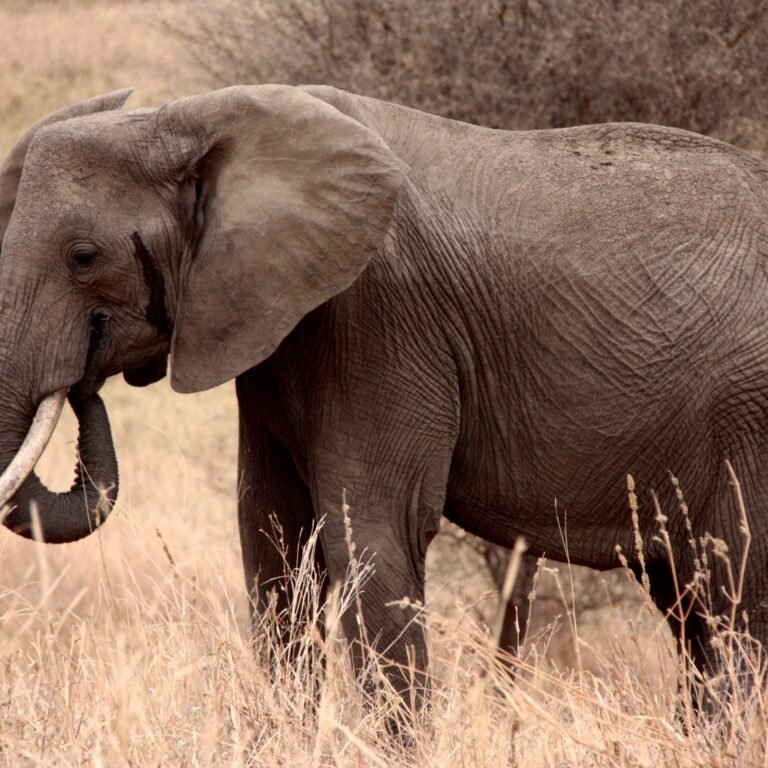
The Serengeti National Park is one of Africa’s most iconic safari destinations, located in northern Tanzania and famous for its endless plains, rich wildlife, and the world-renowned Great Migration. This UNESCO World Heritage Site offers unmatched Tanzania safari experiences, attracting travelers searching for Big Five safari, wildlife safari, and luxury African safari adventures. The Serengeti ecosystem supports millions of wildebeest, zebras, and gazelles, alongside predators such as lions, leopards, and cheetahs. Visitors enjoy game drives, hot air balloon safaris, and cultural tours with Maasai communities. Known globally for breathtaking landscapes and year-round wildlife viewing, the Serengeti remains a top keyword destination for African safari holidays, safari tours in Tanzania, and unforgettable nature experiences in East Africa, making it a dream destination for travelers worldwide seeking adventure and nature experiences today Fact 1. Endless Plains That Define Africa One of the most interesting facts about Serengeti National Park is its vast, endless plains that stretch as far as the eye can see. These golden grasslands are among the most photographed landscapes in the world and are a major reason why Tanzania safari tours are so popular. The word Serengeti comes from the Maasai language, meaning “endless plains,” perfectly describing this iconic ecosystem. These open savannahs provide ideal conditions for wildlife safari adventures, making it easy to spot lions, elephants, giraffes, and cheetahs. The landscape also supports the Great Migration, as millions of animals move across the plains searching for fresh grazing. Visitors often describe the Serengeti as a living postcard, making it a top destination for African safari holidays, wildlife photography, and luxury safari experiences in East Africa, attracting global travelers every year Fact 2. The Great Migration Wonder The Great Migration is the most spectacular wildlife event in the Serengeti ecosystem and one of the top safari keywords searched globally for Tanzania safari and Serengeti safari packages. Each year, over 1.5 million wildebeest, accompanied by hundreds of thousands of zebras and gazelles, move in a circular journey across Serengeti National Park and Maasai Mara in search of fresh grazing and water. This natural wonder is driven by rainfall patterns and survival instincts, creating dramatic river crossings at the Mara and Grumeti Rivers where crocodiles wait. Tourists from around the world visit Serengeti National Park to witness this Big Five safari experience and predator-prey interaction. It is a highlight of African safari holidays and a leading destination in East Africa for safari tours and wildlife viewing experiences today Fact 3. Home of the Big Five Safari Serengeti National Park is one of the best places in Africa to see the Big Five safari animals, which include lions, elephants, leopards, rhinos, and buffalo. This makes it a top choice for Tanzania safari packages and wildlife safari enthusiasts from around the world. Lions are especially abundant in the Serengeti, often seen resting on kopjes or hunting in groups across the plains. Elephants roam in large herds, while elusive leopards are spotted in riverine forests. Buffalo are common in open grasslands, and the endangered black rhino can still be seen in protected areas. These sightings make Serengeti a dream destination for African safari holidays, wildlife photography tours, and luxury safari experiences. The concentration of iconic species makes it one of the most searched safari destinations in East Africa, attracting global travelers year round today now Fact 4. Incredible Predator-Prey Balance Another fascinating fact about Serengeti National Park is its perfect predator-prey balance, which creates one of the most dramatic wildlife safari experiences in the world. Lions, cheetahs, leopards, hyenas, and wild dogs all thrive in this ecosystem due to the abundance of prey animals such as wildebeest, zebras, and antelopes. This balance makes Serengeti safari tours highly popular for visitors seeking authentic Tanzania safari adventures. Predators play a crucial role in maintaining ecological stability by controlling herbivore populations. The open plains allow tourists to witness hunting scenes, especially during early morning or evening game drives. This dynamic interaction between species is a major highlight of African safari holidays and a key reason Serengeti is ranked among the top wildlife destinations in East Africa for safari tours, game drives, and nature photography experiences today Fact 5. UNESCO World Heritage Status Serengeti National Park is recognized as a UNESCO World Heritage Site due to its outstanding natural beauty and ecological importance. This global recognition highlights its value as one of the most important wildlife safari destinations on Earth. Located in northern Tanzania, the park is a key attraction for Tanzania safari holidays and African safari tours. Its unique ecosystem supports the Great Migration and a wide range of biodiversity, making it a top keyword destination for conservation travel and nature tourism. UNESCO status also ensures strong protection measures that preserve wildlife habitats and natural landscapes for future generations. Visitors exploring Serengeti National Park experience one of the last remaining intact ecosystems in the world. This recognition boosts its popularity for luxury safari experiences, wildlife photography safaris, and adventure travel in East Africa today Fact 6. Hot Air Balloon Serengeti Safari Experience A hot air balloon safari over Serengeti National Park is one of the most unforgettable experiences in Tanzania safari tourism. This unique adventure allows visitors to float silently above the endless plains at sunrise, offering breathtaking views of wildlife below. From the sky, tourists can see herds of wildebeest, elephants, and giraffes moving across the savannah, making it a top luxury safari activity. Balloon safaris are especially popular during the Great Migration season, attracting travelers searching for premium African safari holidays. The experience ends with a champagne breakfast in the bush, adding a touch of elegance to wildlife safari adventures. This activity is widely searched under Serengeti safari tours, romantic safari experiences, and luxury travel in East Africa, making it one of the most exclusive ways to explore the park today Fact 7. Rich Maasai Cultural Heritage The Serengeti region is not only about wildlife but also rich in Maasai cultural heritage, making it a unique Tanzania safari destination. The Maasai people live near

Elevation Gains on your Kilimanjaro Climb

Unique trips to Kilimanjaro in Tanzania, Youngest Person To Climb Kilimanjaro, Elevation Gains on your Kilimanjaro Climb, Do I Need a Camp Pillow for Climbing Kilimanjaro? How cold is the top of Mount Kilimanjaro? Stella Point Kilimanjaro, Climbing Kilimanjaro in November, Can You Climb Kilimanjaro Solo?, The Snows of Kilimanjaro, Kilimanjaro Climb Peaks, Volcanic cones, Cliffs & Craters, Glaciers, Milestones, Mount Kilimanjaro Facts, Hard Truths About Climbing Kilimanjaro (That You Need to Know), Deadliest Mountains to Climb in the World

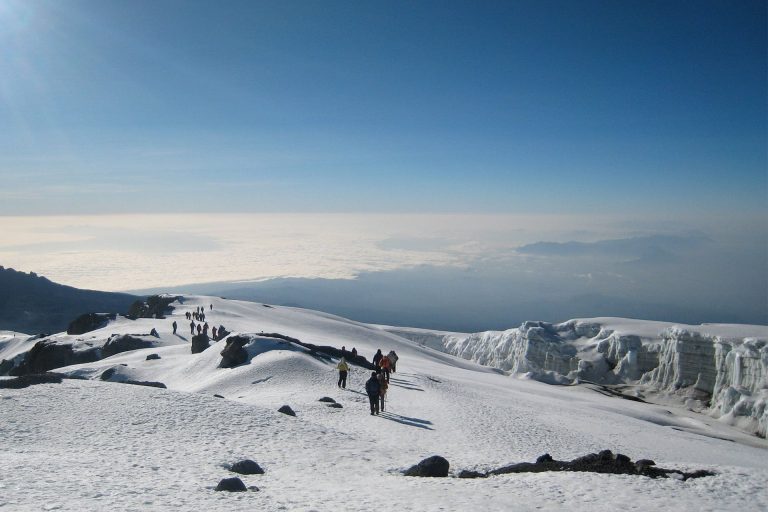
Climbing Mount Kilimanjaro is not just a trekking adventure—it is a powerful journey through extreme elevation gains, dramatic climate zones, and one of the world’s most iconic high-altitude environments. Standing at 5,895 meters (19,341 ft) at Uhuru Peak, Kilimanjaro is the highest free-standing mountain in the world and a major bucket-list destination for trekkers seeking a non-technical summit climb. Understanding elevation gain on Kilimanjaro is essential for success, as climbers ascend from tropical foothills to arctic summit conditions. Each route presents different altitude profiles, acclimatization challenges, and physical demands. From rainforest trails to alpine deserts and icy summit nights, elevation gain directly affects stamina, oxygen levels, and summit success rates. This guide explores how elevation shapes your Kilimanjaro climb, including altitude zones, route comparisons, acclimatization strategies, and summit push challenges, helping you prepare for one of the most rewarding high-altitude trekking experiences on Earth. 1. Understanding Kilimanjaro Elevation Gain Basics Elevation gain on Kilimanjaro refers to the total vertical distance climbed from the starting trailhead to Uhuru Peak. Most routes begin between 1,800 and 2,400 meters and ascend to 5,895 meters, meaning trekkers experience over 3,500 to 4,000 meters of elevation gain. Unlike other mountains, Kilimanjaro’s ascent is gradual, allowing climbers to pass through multiple ecological zones. However, the high altitude still presents oxygen reduction challenges. Kilimanjaro elevation gain, altitude climb in Tanzania, and summit height of Kilimanjaro. Understanding this gain is critical for planning pace, acclimatization days, and route selection. The slower the ascent, the higher the summit success rate. Proper preparation ensures the body adapts to decreasing oxygen levels, reducing altitude sickness risks while maximizing endurance for the final push to Africa’s highest point. 2. Starting Elevation Points and Their Impact The Kilimanjaro climb begins at different elevations depending on the chosen route, significantly influencing total elevation gain and acclimatization. Common starting points include Marangu Gate (1,870 m), Machame Gate (1,800 m), and Londorossi Gate (2,100 m). Higher starting elevations reduce overall gain but also mean quicker exposure to altitude effects. The keyword focus here includes Kilimanjaro starting altitude, trek entry points, and climb difficulty levels. Climbers departing from Arusha or Moshi typically experience gradual environmental transitions, but even early stages affect breathing and stamina. The initial elevation also determines how fast hikers enter the rainforest zone. Choosing the right starting point balances comfort, scenic variety, and acclimatization efficiency. Experienced guides often recommend routes that start slightly higher but ascend slowly, ensuring a safer and more manageable climb toward the summit. 3. Rainforest Zone Elevation Gain Experience The rainforest zone sits between 1,800 and 2,800 meters, marking the first major elevation gain phase of the Kilimanjaro climb. This lush section is humid, green, and filled with wildlife such as colobus monkeys and exotic birds. Keywords like Kilimanjaro rainforest trek, tropical altitude zone, and forest hiking elevation are important here. Although oxygen levels are still comfortable, hikers begin to feel the first signs of altitude change, especially when climbing steep sections. Trails are often muddy and slippery, making physical effort more demanding. This stage is crucial for setting the climbing rhythm and conserving energy for higher elevations. The gradual ascent through dense forest helps the body begin natural acclimatization. Many climbers underestimate this stage, but it plays a vital role in preparing the lungs and legs for the increasingly thinner air ahead. 4. Heath and Moorland Elevation Transition Between 2,800 and 4,000 meters, climbers enter the heath and moorland zone, where elevation gain becomes more noticeable. Vegetation becomes sparse, replaced by giant groundsels and surreal volcanic landscapes. SEO keywords include Kilimanjaro moorland zone, altitude transition hike, and high elevation trekking in Tanzania. Oxygen levels decrease significantly, and hikers often slow their pace naturally. This stage introduces the first real test of endurance, as long uphill sections dominate the terrain. Temperatures drop, and the air becomes drier. The body starts adjusting to lower oxygen saturation, making hydration and steady pacing essential. This zone is also where acclimatization strategies begin to matter most. Climbers who rush here often experience fatigue and headaches. Proper trekking rhythm—“pole pole” (slowly, slowly in Swahili)—is essential for conserving energy and preparing for the alpine desert zone above. 5. Alpine Desert Elevation Challenge The alpine desert zone spans roughly 4,000 to 5,000 meters and represents one of the most demanding sections of Kilimanjaro’s elevation gain. The landscape is dry, rocky, and almost lunar, with extreme temperature shifts between day and night. Kilimanjaro alpine desert trek, high altitude desert conditions, and oxygen-thinning climb are commonly searched. Climbers experience noticeable shortness of breath during ascents, even at moderate speeds. The terrain requires mental strength as much as physical endurance. Water availability is limited, increasing the importance of hydration management. This zone plays a critical role in acclimatization before summit night. Many trekkers camp here for at least one night to allow the body to adjust. Despite its harsh conditions, the alpine desert offers breathtaking views of glaciers and volcanic formations, making it both challenging and visually unforgettable. 6. Summit Night Elevation Gain Push Summit night is the most intense elevation gain phase, often involving a 1,200–1,300 meter climb in darkness to reach Uhuru Peak. Starting from high camps such as Barafu (4,673 m), climbers ascend steep scree slopes under freezing conditions. Kilimanjaro summit night challenge, Uhuru Peak ascent, and extreme altitude trekking. Oxygen levels are at their lowest, making every step physically demanding. The slow, steady pace is essential to conserve energy and avoid exhaustion. Headlamps illuminate the trail as trekkers push through volcanic ash and ice. The emotional and physical intensity peaks as climbers approach Stella Point (5,756 m) before reaching the summit. This final elevation gain tests mental determination, endurance, and acclimatization success. Reaching Uhuru Peak marks the culmination of all elevation gains experienced throughout the climb, making it one of the most rewarding achievements in global trekking. 7. Altitude Sickness and Elevation Impact Altitude sickness is one of the most important considerations when discussing Kilimanjaro’s elevation gain. As climbers ascend above 3,000 meters, oxygen levels

Lemosho vs Machame

Climbing Kilimanjaro - Summit Mount Kilimanjaro, Kilimanjaro hiking and climbing adventures, Best Boots for Climbing Kilimanjaro, Conquering the Roof of Africa in Style and Comfort, Do I Need Gaiters to Climb Kilimanjaro? How Do I Prevent Injuries While Climbing Kilimanjaro? What vaccinations do I need for Kilimanjaro? How to Book Your Kilimanjaro Climb, Gilman's Point on Mount Kilimanjaro, Kilimanjaro Tipping, Climbing Kilimanjaro Reviews, Kilimanjaro Travel Insurance, Can I Climb Kilimanjaro if I am Afraid of Heights?, Rongai Route, Kilimanjaro Routes Comparison, Seven Summits, Avoid the Crowds While Climbing Kilimanjaro, The best foods and drinks for acclimatising to high altitude, Beginner Tips for First-Time Mountain Climbers, Tanzania is the perfect travel destination, Why You Need Kilimanjaro Travel Insurance, Optional Activities During a Tanzania Safari, What is the Best Fleece Jacket for Climbing Kilimanjaro? Highest Mountains in The World, Medications that Help Acclimatization & Combat Altitude Sickness, Is Everest really the tallest mountain in the world? Climbing Kilimanjaro in October, Kilimanjaro Temperature, Climbing Kilimanjaro in March, Lemosho vs Machame: Which Kilimanjaro Route is Best for You? Should You Hire a Personal Porter on Kilimanjaro, What is the easiest route to climb Kilimanjaro?, Machame or Marangu? What’s the Best Route to Climb Kilimanjaro, things Kilimanjaro taught me, Where Do the Kilimanjaro Climbs Begin?, 5 Medications that Help Acclimatization & Combat Altitude Sickness, Flora and Fauna of Kilimanjaro, Is Kilimanjaro in the Death Zone, Do You Need Diamox to Climb Kilimanjaro?, Can Kilimanjaro Be Seen From the Serengeti?, Myths About Altitude (That You Probably Think are True), Don’t Be Scared of Climbing Kilimanjaro, Best camp shoes for Kilimanjaro

When it comes to climbing Mount Kilimanjaro, one of the most significant decisions you’ll face is choosing the right route. Among the many paths that lead to the summit, the Lemosho and Machame routes are two of the most popular. Both routes offer unique experiences, striking vistas, and their own challenges. But which one is best for you? Each offers unique experiences, and understanding their distinctions will help you make an informed decision. Let’s explore the distinguishing features of the Lemosho and Machame routes, helping you make an informed choice. Here’s a detailed comparison of Lemosho vs. Machame based on several factors. Lemosho vs Machame route distance The distance between the two routes varies significantly. The Lemosho route typically spans about 70 kilometers (43 miles), depending on the specific variation taken. In contrast, the Machame route covers roughly 62 kilometers (39 miles). While the Machame route might appear shorter, the longer Lemosho route allows for a gradual ascent, which can be vital for acclimatization. Lemosho vs Machame Route Duration  Duration another critical factor. Generally, the Lemosho route takes about 7-8 days to complete. Which offers ample time for climbers to acclimatize to the altitude. The Machame route, known as the “Whiskey Route,” is generally quicker and can be completed in 6-7 days. This variance in duration may affect your comfort and success rate in summiting the peak. ✔The Lemosho route begins on the western side of Kilimanjaro. Often praised for its stunning scenery and less crowded trails. This route is relatively new compared to other paths, having been established in the late 2000s, which means that trekkers can enjoy a more serene experience. Over the course of about 7 to 8 days, climbers traverse diverse ecosystems, from lush rainforests at the lower elevations to the breathtaking alpine desert near the summit. ✔On the other hand, the Machame route, often referred to as the “Whiskey Route,” one of the oldest and most well-trodden paths. Known for its popularity, it’s typically busier than Lemosho. Machame also offers spectacular views and a variety of terrains, winding through rainforests, moorlands, and finally to the summit plateau. This route usually takes approximately 6 to 7 days to complete. Lemosho vs Machame route Accommodation Both routes provide different types of accommodation, with the Lemosho route typically being more serene and less crowded. On Lemosho, climbers often camp in designated areas surrounded by lush vegetation and wildlife. In contrast, the Machame route can be more crowded, with hikers often sharing campsites. The quality of accommodation on both routes is generally good, with experienced guides and team members ensuring a comfortable experience. Lemosho vs Machame route map Understanding the route map can illuminate the differences in the paths taken. The Lemosho route begins in the western highlands and offers a wide variety of landscapes. Whereas the Machame route starts in the southwest and provides stunning views of the mountain right from the onset. Route maps are crucial for visualizing the journey, and can be obtained from various trekking agencies. Lemosho vs Machame route Ascend/Descend In terms of ascent and descent, both routes follow distinct paths. The Lemosho route typically ascends slowly and descends via the Mweka route, providing a chance to enjoy different sceneries. The Machame route usually follows the same path for the ascent and descent, leading to a familiar view on the way back. Lemosho vs Machame route Scenery Scenery is a subjective but vital aspect of choosing a route. The Lemosho route is often praised for its varying ecosystems, from rainforests to alpine deserts, culminating in breathtaking views near the summit. The Machame route, while also scenic, is more renowned for its panoramic views of Kilimanjaro’s northern slopes, especially during sunset. ✔One of the most compelling reasons to choose Lemosho rich biodiversity. As you trek through rainforests and heath, you’re likely to encounter a variety of wildlife and unique plant species. The breathtaking vistas of the Shira and Kibo peaks are a constant backdrop, and the dramatic scenery makes for great photographs. Since Lemosho is less frequented, you’ll find quiet spots to soak in the beauty around you. ✔In contrast, the Machame route highlights its panoramic views. Climbers often rave about the opportunity to gaze down upon the clouds from higher altitudes, especially near the Barranco Wall. The iconic images of Kilimanjaro rising above the land make this route an Instagram favorite. While you may share the trail with more fellow trekkers, the camaraderie can enhance the adventure. Lemosho vs Machame route Acclimatization  Acclimatization essential for a successful summit. The Lemosho route’s longer duration aids acclimatization, allowing climbers to gradually adjust to the altitude. The Machame route, despite its shorter itinerary, has a good acclimatization profile since it includes a ‘climb high, sleep low’ strategy, albeit in a more accelerated manner. ✔Acclimatization crucial when climbing Kilimanjaro, and both routes are designed with this in mind. The Lemosho route offers a gradual ascent—typically taking 7 days. This extended duration allows climbers to adjust better to the altitude, potentially reducing the risk of altitude sickness. The diverse environments and slower pace help trekkers acclimatize properly. ✔The Machame route faster-paced, and while it is considered more challenging due to its steeper sections—like the Barranco Wall—the shorter duration can be attractive for those who are physically fit and looking to maximize their adventure in a shorter timeframe. Lemosho vs Machame Route Success Rate Success rates can be influenced by many factors, including the route taken. The Lemosho route boasts a success rate of around 90% due to its gradual ascent and longer time allocated for acclimatization. The Machame route has a slightly lower success rate, generally around 80%, which may be attributed to its quicker ascent. Lemosho vs Machame route Crowds If you prefer solitude on your trek, the Lemosho route is less crowded. Making it attractive for those looking for a more peaceful experience. The Machame route, being more popular, tends to have larger groups, which can lead to a more bustling atmosphere on the trail and