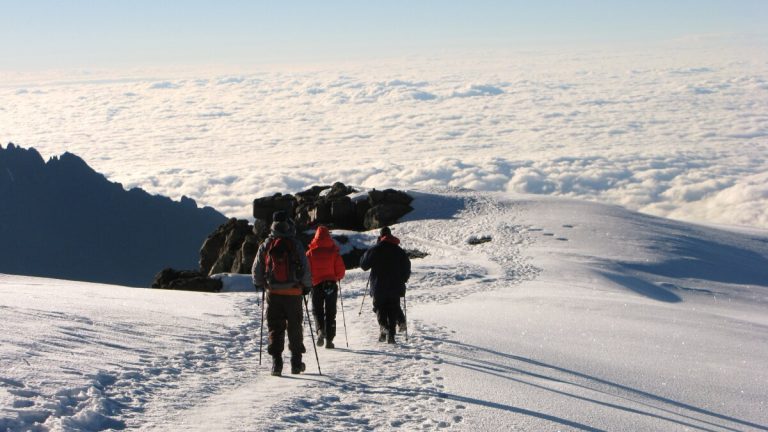
Can You Climb Kilimanjaro Solo

Can You Climb Mount Kilimanjaro As A Solo Climber Embarking on a solo expedition up and expect on how can you climb Kilimanjaro Solo, the majestic and awe-inspiring peak in Tanzania, is a thrilling prospect that ignites the spirit of adventure within many intrepid souls. The allure of conquering Africa’s highest summit alone, surrounded by the breathtaking beauty of nature, can be an exhilarating and life-changing experience. But before you embark on this remarkable journey, it is essential to delve into the intricacies and considerations of climbing Kilimanjaro solo. Understanding the Challenges of Solo Climbing Climbing Kilimanjaro solo presents a unique set of challenges that differ from the experience of climbing with a group or a guided tour. It demands careful planning, physical and mental preparation, and a thorough understanding of the risks involved. Let’s delve deeper into these aspects to help you make an informed decision. Planning and Preparation Embarking on a solo climb requires meticulous planning. You are responsible for organizing permits, obtaining the necessary gear, arranging transportation, and designing a detailed itinerary. Extensive research and preparation are crucial to ensure a safe and successful ascent. Physical and Mental Fitness Scaling Kilimanjaro is a demanding feat, even with a group. However, undertaking the journey solo places additional emphasis on physical and mental fitness. You need to be in excellent health, with a focus on cardiovascular endurance, strength training, and altitude acclimatization. Mental resilience is equally vital as you navigate the physical challenges and solitude of the climb. Safety Considerations Safety should be a paramount concern when climbing Kilimanjaro alone. Without a support system in place, it is crucial to be well-versed in mountain safety protocols, emergency procedures, and self-rescue techniques. Assessing your abilities honestly and being prepared for potential risks are essential steps in ensuring your well-being throughout the expedition. Benefits of Climbing Kilimanjaro Solo While the challenges of solo climbing are evident, there are also several unique advantages to undertaking this adventure independently. Complete Freedom and Flexibility Embarking on a solo climb provides unparalleled freedom and flexibility. You have the autonomy to set your own pace, choose your preferred route, and indulge in moments of solitude amidst the stunning landscapes. This sense of independence allows for a deeply personal and introspective experience. Immersive Connection with Nature Kilimanjaro’s natural beauty and awe-inspiring vistas are best experienced through a solitary lens. With no distractions or external influences, you can immerse yourself fully in the serenity of the mountain, allowing its magnificence to unfold before you. The uninterrupted communion with nature can be profoundly transformative. Personal Growth and Self-Discovery Solo climbing demands self-reliance and self-discovery. It presents a unique opportunity for personal growth as you navigate the physical and mental challenges, push your boundaries, and triumph over obstacles. The journey can inspire resilience, boost confidence, and foster a profound sense of accomplishment. Essential Tips for Climbing Kilimanjaro Solo To ensure a successful solo climb up Kilimanjaro, consider the following tips: Thorough Research Study the different routes, climatic conditions, and logistical requirements meticulously to make informed decisions. Physical Training Engage in a comprehensive training program that includes cardiovascular exercises, strength training, and altitude acclimatization. Mental Preparation Cultivate mental resilience, positivity, and determination to overcome the physical and mental challenges that lie ahead. Safety Measures Familiarize yourself with mountain safety protocols, emergency procedures, and essential first aid skills. Proper Gear: Invest in high-quality gear and equipment suitable for the climb. Acclimatization: Allow sufficient time for acclimatization during the ascent. Gradual progression and rest days at specific altitudes are crucial to minimize the risk of altitude-related illnesses. Pack Light Pack efficiently and only bring essential items to reduce the weight of your backpack. Remember that you’ll be carrying everything yourself throughout the climb. Hydration and Nutrition: Stay well-hydrated by drinking plenty of water and maintaining a balanced diet. Proper nutrition and hydration are essential for sustaining energy and promoting overall well-being during the climb. Sleeping Gear Invest in a high-quality sleeping bag and pad to ensure a comfortable and restful night’s sleep in the mountain’s challenging conditions. Navigational Skills: Brush up on your navigational skills and carry a map, compass, or GPS device to navigate the trails confidently. Leave No Trace: Practice responsible tourism by adhering to the principles of “Leave No Trace.” Respect the environment, dispose of waste properly, and avoid damaging the natural surroundings. Physical Limitations: Be aware of your physical limitations and listen to your body. Pace yourself accordingly, taking breaks as needed, to prevent exhaustion or overexertion. Weather Awareness: Stay informed about the weather conditions and be prepared for sudden changes. Dress in layers to accommodate temperature variations and protect yourself from extreme weather elements. Communication: Inform someone trustworthy about your solo climb and maintain regular communication with them. Provide them with your itinerary and check-in at designated intervals. Perseverance and Patience: Climbing Kilimanjaro solo can be physically and mentally demanding. Embrace perseverance and patience as you face the challenges along the way. Stay focused on your goal and maintain a positive mindset Kilimanjaro Treks for Solo Traveler’s. By following these essential tips, you can enhance your chances of a successful and rewarding solo climb up Mount Kilimanjaro. FAQs about Climbing Kilimanjaro Solo Is it possible to climb Kilimanjaro independently? A straightforward answer to that question is NO! It is illegal to explore Kilimanjaro independently without a guide. Unlike many other treks, it is not possible to just turn up at the foot of Kilimanjaro with a backpack and camping gear and head up the mountain. Can you climb Kilimanjaro solo without any prior climbing experience? While prior climbing experience is not mandatory, it is highly recommended. Kilimanjaro is a challenging mountain, and having some experience in mountaineering, trekking, or high-altitude hiking will significantly increase your chances of a successful solo climb. How do I prepare physically for a solo climb? Physical preparation is crucial for a successful solo climb. Engage in regular cardiovascular exercises like running, hiking, or cycling to improve your endurance. Strength training, especially focusing
Places for the Best Photographs on Mount Kilimanjaro

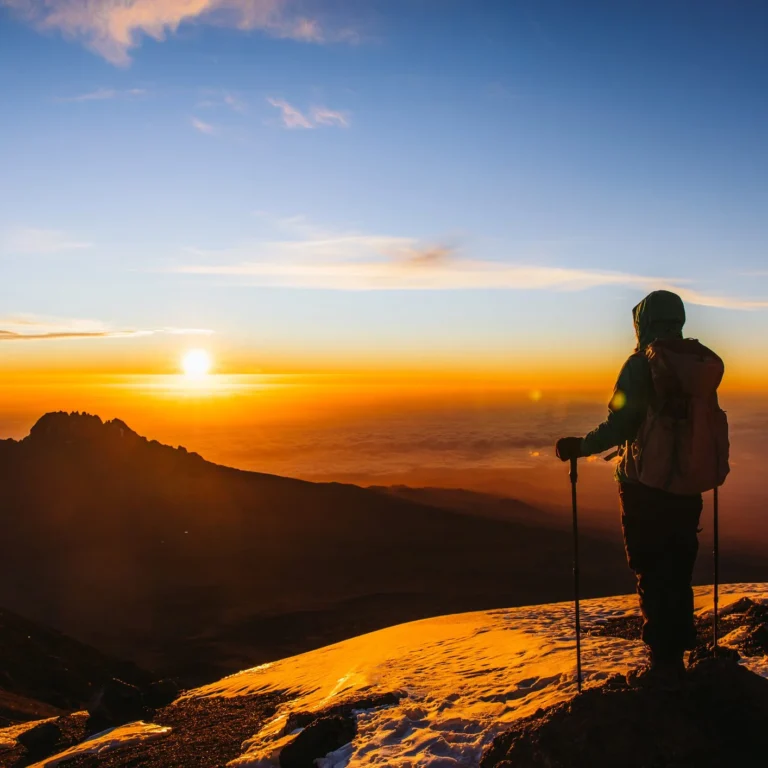
Photographing Mount Kilimanjaro is about far more than simply taking a summit selfie. Every stage of the climb offers extraordinary opportunities for adventure photography, travel storytelling, and cinematic landscape images. From misty rainforest trails and giant alpine plants to volcanic deserts, glaciers, and breathtaking sunrise views above the clouds, Kilimanjaro presents constantly changing scenery across multiple ecological zones. Whether climbing the Machame Route, Lemosho Route, Marangu Route, or Northern Circuit, photographers can capture unforgettable trekking moments and stunning Tanzania mountain landscapes. Choosing lightweight camera gear, protecting batteries from cold temperatures, and understanding mountain lighting conditions are essential for successful high-altitude photography. With proper preparation and creativity, every climber can document the emotional journey, dramatic scenery, and unforgettable memories of Africa’s highest mountain adventure. 1. Lemosho Route – Shira Plateau The Shira Plateau on the Lemosho Route is one of the most spectacular photography locations on Mount Kilimanjaro. This vast high-altitude plateau offers panoramic mountain views, dramatic cloud formations, volcanic scenery, and golden sunrise landscapes perfect for travel photographers and adventure filmmakers. During clear weather, photographers can capture sweeping views of Kibo Peak rising above the African plains. The open scenery also provides excellent opportunities for Milky Way and astrophotography at night. Trekkers often photograph giant groundsels, unique alpine vegetation, and silhouettes of hikers crossing the plateau during sunset. The Lemosho Route is especially popular among landscape photographers because of its remote wilderness atmosphere and lower crowds. For breathtaking wide-angle images and cinematic trekking content, the Shira Plateau remains one of Kilimanjaro’s finest photography destinations and a highlight of Tanzania mountain adventures. 2. Machame Route – Barranco Wall The Barranco Wall along the Machame Route is one of the most iconic and photogenic sections of Mount Kilimanjaro. This dramatic volcanic cliff creates incredible photography opportunities featuring steep rock faces, adventurous climbers, and panoramic valley scenery. Photographers love capturing trekkers ascending the winding trail with massive mountain backdrops and changing cloud patterns. Early morning light creates beautiful shadows and golden colors across the landscape, making this area ideal for adventure photography and cinematic trekking footage. The Barranco Valley below also features giant senecio plants and unique alpine vegetation rarely found elsewhere in the world. Action cameras and wide-angle lenses work exceptionally well here because they emphasize the scale and excitement of the climb. For unforgettable Kilimanjaro trekking photos, the Barranco Wall is one of Tanzania’s ultimate high-altitude photography locations. 3. Uhuru Peak – The Summit of Africa Uhuru Peak, the highest point on Mount Kilimanjaro, is undoubtedly the most famous photography spot on the mountain. Standing at 5,895 meters above sea level, the summit offers breathtaking sunrise views, glaciers, cloud oceans, and the iconic summit sign that every climber dreams of photographing. Most trekkers arrive before dawn, creating dramatic opportunities for golden sunrise photography above the clouds. The summit’s icy landscapes and panoramic African scenery produce some of the world’s most extraordinary high-altitude travel photographs. Wide-angle lenses are ideal for capturing the vast scenery, while portrait shots beside the Uhuru Peak sign become treasured lifetime memories. Because temperatures are extremely cold, photographers should prepare spare batteries and weather protection. Reaching Uhuru Peak provides not only emotional achievement but also truly legendary Kilimanjaro photography moments. 4. Northern Circuit – Remote Wilderness Landscapes The Northern Circuit Route is considered one of the best Kilimanjaro photography routes because of its remote scenery, quiet trails, and panoramic wilderness views. This route circles the northern slopes of the mountain, offering spectacular perspectives rarely seen by most climbers. Photographers can capture vast alpine deserts, rolling clouds, dramatic ridges, and untouched landscapes stretching toward the Kenyan border. The reduced crowds create opportunities for peaceful nature photography and cinematic trekking shots without distractions. Sunrise and sunset lighting across the northern side of Kilimanjaro produce stunning golden tones ideal for professional landscape photography. Wildlife sightings, including antelope and mountain birds near lower elevations, can also enhance travel photography collections. For photographers seeking solitude, expansive scenery, and unique mountain compositions, the Northern Circuit provides some of Kilimanjaro’s most rewarding photography experiences. 5. Rainforest Zone – Misty Jungle Photography The rainforest zone at the lower slopes of Mount Kilimanjaro offers a completely different photography experience filled with lush greenery, mist-covered trails, waterfalls, and exotic wildlife. This tropical environment is perfect for nature photography, macro photography, and atmospheric cinematic shots. Photographers can capture black-and-white colobus monkeys, blue monkeys, giant ferns, moss-covered trees, and dramatic jungle pathways disappearing into the mist. Early morning light filtering through dense forest canopies creates magical photography conditions ideal for storytelling and travel blogging. Waterproof camera protection is essential because rain and humidity are common in this ecosystem. The rainforest sections along routes like Machame, Lemosho, and Marangu provide excellent opportunities to photograph the diverse ecological beauty of Kilimanjaro before reaching the alpine zones. These lush landscapes create powerful contrasts within any Mount Kilimanjaro photography collection. 6. Lava Tower – Dramatic Volcanic Scenery Lava Tower is one of the most dramatic photography locations on Mount Kilimanjaro because of its rugged volcanic landscape and towering rock formations. Situated at high altitude along several popular trekking routes, this area provides incredible opportunities for capturing the raw geological beauty of Africa’s tallest mountain. Photographers can create stunning compositions featuring trekkers walking beneath massive volcanic cliffs surrounded by alpine desert scenery. The changing weather conditions around Lava Tower often produce dramatic clouds and moody atmospheric lighting perfect for cinematic travel photography. Sunrise and late afternoon are especially ideal for highlighting textures and shadows across the rocky terrain. This location also allows photographers to document the acclimatization process and physical challenges of the climb. For powerful adventure images and iconic Kilimanjaro landscapes, Lava Tower remains an unforgettable photography destination. 7. Karanga Camp – Sunset Photography Paradise Karanga Camp is one of the best sunset photography locations on Mount Kilimanjaro thanks to its open views, colorful evening skies, and dramatic mountain scenery. Located between Barranco Camp and Barafu Camp, Karanga offers photographers beautiful golden-hour lighting across valleys, ridges, and volcanic landscapes. Trekkers often capture silhouettes
How Hard is it to Climb Kilimanjaro

Climbing Mount Kilimanjaro is one of the most rewarding yet challenging adventure travel experiences in Africa. Known as the highest mountain in Africa and the tallest free-standing mountain in the world, Kilimanjaro rises to 5,895 meters (19,341 feet) above sea level. Many travelers ask, “How hard is it to climb Kilimanjaro?” The answer depends on your fitness level, mental strength, altitude adaptation, and preparation. Unlike technical mountain climbs, Kilimanjaro trekking does not require ropes or climbing experience, but the high altitude and changing weather make the trek physically demanding. Thousands attempt the summit of Kilimanjaro every year to reach Uhuru Peak, yet only well-prepared climbers succeed comfortably. Proper training, experienced guides, quality gear, hydration, and acclimatization are the keys to safely and successfully conquering this iconic Tanzania safari and trekking destination. Dealing with Altitude Difficulty on Kilimanjaro The greatest challenge when climbing Mount Kilimanjaro is altitude sickness. As you climb higher toward Uhuru Peak, oxygen levels decrease significantly, making breathing more difficult. Even fit hikers can struggle with acute mountain sickness during a Kilimanjaro trekking expedition. Symptoms may include headaches, nausea, dizziness, fatigue, and shortness of breath. This is why acclimatization is extremely important for Kilimanjaro summit success. Choosing longer Kilimanjaro routes, such as the Lemosho Route or Northern Circuit, improves your body’s ability to adapt gradually. Professional Kilimanjaro guides encourage climbers to walk slowly using the famous Swahili phrase “pole pole,” meaning slowly, slowly. Drinking enough water, eating properly, and maintaining a steady pace help reduce altitude-related difficulties. Many trekkers discover that altitude, rather than steep terrain, is what truly makes Mount Kilimanjaro difficult and unforgettable. Kilimanjaro Training: Your Fitness Good physical preparation greatly improves your chances of reaching the summit of Mount Kilimanjaro successfully. Although Kilimanjaro is considered a non-technical climb, it still requires endurance, stamina, and determination. Training for Kilimanjaro should ideally begin several months before your Tanzania trekking adventure. Cardiovascular exercises such as hiking, running, cycling, swimming, and stair climbing help strengthen your lungs and heart for high-altitude trekking. Strength training also prepares your legs, back, and core muscles for long hiking days carrying a daypack. Practice hikes on hills or mountains with elevation gain are highly recommended because they simulate real Kilimanjaro conditions. Consistency is more important than extreme fitness levels. Even beginner hikers can climb Kilimanjaro successfully if they train properly and maintain a steady pace. A strong fitness foundation helps reduce fatigue and makes the overall mountain climbing experience more enjoyable. Camping & Sleeping on the Trail Difficulty Camping on Mount Kilimanjaro can be physically and mentally challenging, especially for first-time trekkers. Most Kilimanjaro routes involve sleeping in mountain tents for several nights while temperatures become colder at higher elevations. Sleeping at altitude is often difficult because thinner air affects breathing and sleep quality. Many climbers experience restless nights before summit day. Campsites on Kilimanjaro are basic but offer incredible scenery and unforgettable sunrise and sunset views. Porters usually carry tents, sleeping equipment, and food, making the trekking experience more manageable. A high-quality sleeping bag rated for cold temperatures is essential for comfort during the expedition. Despite the camping challenges, many trekkers enjoy the sense of adventure and connection with nature. Sharing stories around camp, enjoying mountain meals, and waking beneath Africa’s highest peak become memorable highlights of every Kilimanjaro climbing journey. Mount Kilimanjaro Temperature & Weather Weather conditions on Mount Kilimanjaro change dramatically from rainforest to arctic summit zones. Climbers experience multiple climate zones during the trek, which makes Kilimanjaro’s weather one of the mountain’s biggest challenges. Lower slopes are warm and humid, while higher elevations become freezing, windy, and snowy. Summit night temperatures near Uhuru Peak can drop well below freezing, especially during windy conditions. Rain, cold air, and sudden weather changes may increase trekking difficulty if climbers are unprepared. The best time to climb Kilimanjaro is during the dry seasons from January to March and June to October when trails are more stable, and visibility is excellent. Proper layering is essential for staying comfortable throughout the climb. Waterproof jackets, insulated clothing, gloves, and thermal wear help protect trekkers against extreme mountain weather while improving overall safety and summit success rates. Climbing Mount Kilimanjaro for Your Health Climbing Mount Kilimanjaro requires careful attention to physical health and wellness before and during the trek. Most healthy individuals can climb Kilimanjaro successfully with proper preparation and guidance. However, the mountain’s high altitude places stress on the heart, lungs, and overall body. Staying hydrated is extremely important because dehydration increases the risk of altitude sickness. Eating nutritious meals and maintaining energy levels also help climbers remain strong during long trekking days. Before booking a Kilimanjaro climb, travelers with medical conditions should consult healthcare professionals for safety advice. Guides often monitor oxygen levels and general health throughout the expedition to ensure climbers remain safe. Good sleep, slow hiking pace, and acclimatization days greatly improve physical adaptation. Many climbers describe the Kilimanjaro journey as physically demanding but also life-changing, inspiring confidence, resilience, and personal achievement after reaching the summit. Your Mt Kilimanjaro Guide An experienced Kilimanjaro guide plays a major role in determining how difficult your climb feels. Professional mountain guides provide leadership, motivation, safety monitoring, and expert knowledge throughout the trekking adventure. On Mount Kilimanjaro, guides help climbers maintain the correct pace, recognize altitude sickness symptoms, and stay mentally focused during difficult moments. Reputable Kilimanjaro tour operators employ trained guides, cooks, and porters who work together to support climbers on the mountain. Guides also share fascinating information about Kilimanjaro’s ecosystems, culture, and history, making the journey more educational and enjoyable. Choosing a trusted Tanzania trekking company with high safety standards is essential for a successful expedition. A skilled guide can transform a challenging climb into an achievable dream. Many climbers say the encouragement from their guides during summit night was the key factor that helped them finally reach Uhuru Peak successfully. Kilimanjaro Hiking Mental Fitness Mental strength is just as important as physical fitness when climbing Mount Kilimanjaro. Long hiking days, cold temperatures, altitude
What to Expect When Climbing Kilimanjaro

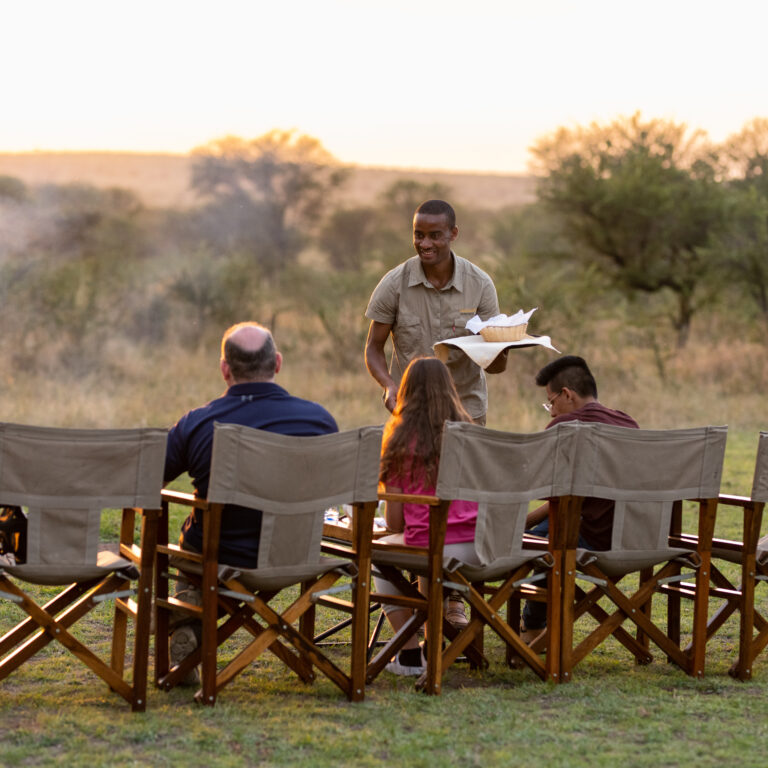
Climbing Mount Kilimanjaro is one of Africa’s greatest adventure travel experiences and a dream for trekkers worldwide. Rising to 5,895 meters, Kilimanjaro is the highest mountain in Africa and the tallest free-standing mountain on Earth. Travelers planning a Kilimanjaro trekking tour can expect breathtaking landscapes, changing climate zones, physical challenges, and unforgettable summit moments. From lush rainforest trails to alpine deserts and icy glaciers, every day on the mountain offers a new experience. Most climbers join guided Kilimanjaro climbing tours with experienced local guides, porters, and cooks who help ensure safety and comfort. Whether choosing the Machame Route, Lemosho Route, or Marangu Route, proper preparation, acclimatization, and fitness are essential. A successful Kilimanjaro summit trek rewards climbers with incredible sunrise views and lifelong memories from Tanzania’s iconic mountain adventure. Expect Different Climate Zones One of the most fascinating parts of climbing Mount Kilimanjaro is experiencing several climate zones during a single trek. The journey begins in dense tropical rainforest filled with giant trees, monkeys, and colorful birds. As you continue higher, the landscape changes into moorland with giant lobelias and senecio plants unique to Kilimanjaro National Park. Higher elevations reveal alpine desert terrain with dry air, rocky trails, and dramatic volcanic scenery. Near the summit, climbers enter an arctic zone covered with glaciers, snow, and freezing temperatures. Temperatures can range from hot daytime weather to subzero summit nights. This rapid environmental transition makes Kilimanjaro trekking one of the most unique hiking adventures in Africa. Layered clothing, waterproof gear, and quality hiking boots are necessary to stay comfortable while crossing these stunning ecological zones during your Kilimanjaro climbing expedition. Expect Physical and Mental Challenges A Kilimanjaro climb is not technical, but it is physically and mentally demanding. Climbers hike for several hours daily across steep, rocky, and uneven terrain while adjusting to high altitude. Summit night is often the hardest part because trekkers begin climbing around midnight in freezing temperatures and thin air. Fatigue, headaches, and shortness of breath are common challenges on the journey to Uhuru Peak. Mental determination becomes just as important as physical fitness during the final ascent. Most successful climbers prepare with cardio training, hiking practice, and strength exercises before traveling to Tanzania. Maintaining a slow and steady pace greatly improves acclimatization and summit success. Guides frequently remind climbers with the Swahili phrase “pole pole,” meaning slowly slowly. Patience, persistence, hydration, and positive thinking are essential for completing one of the world’s most famous mountain climbing adventures. Expect Altitude Sickness Awareness Altitude sickness is one of the biggest concerns when climbing Mount Kilimanjaro. Because the mountain rises nearly 6,000 meters above sea level, oxygen levels decrease significantly at higher elevations. Many trekkers experience mild symptoms such as headaches, dizziness, nausea, poor sleep, or loss of appetite. Professional Kilimanjaro guides closely monitor climbers during the trek and encourage frequent hydration and slow hiking speeds for better acclimatization. Choosing longer routes like the Lemosho Route or Northern Circuit increases summit success because the body has more time to adapt to altitude changes. Drinking plenty of water, avoiding alcohol, and listening to your guide are essential safety practices. Serious altitude sickness is rare when climbers follow proper acclimatization procedures. Understanding altitude effects before your Tanzania trekking adventure helps climbers stay prepared, safe, and confident throughout the Kilimanjaro expedition experience. Expect Incredible Scenic Views The scenery on Mount Kilimanjaro is among the most spectacular in Africa. Climbers witness lush rainforest valleys, volcanic rock formations, giant endemic plants, and panoramic views stretching across Tanzania and Kenya. Sunrise and sunset above the clouds create magical photography opportunities during the trek. On clear days, climbers can see Mount Meru standing proudly in the distance while glaciers sparkle near the summit. Every Kilimanjaro route offers unique landscapes, from the scenic ridges of the Machame Route to the remote wilderness of the Northern Circuit. The summit view from Uhuru Peak is unforgettable, especially when the golden sunrise lights the glaciers and volcanic crater below. Wildlife sightings in the forest zone may include blue monkeys, colobus monkeys, and exotic birds. These constantly changing landscapes make Kilimanjaro climbing one of the most rewarding trekking experiences for adventure travelers and nature lovers. Expect Guided Trekking Support All climbers on Mount Kilimanjaro must climb with licensed guides according to Tanzania National Park regulations. Guided Kilimanjaro tours include experienced mountain guides, cooks, and porters who carry camping equipment, food supplies, and luggage. Porters play a vital role in supporting trekkers and maintaining safe, organized camps on the mountain. Many climbers are surprised by the level of hospitality and encouragement provided throughout the expedition. Hot meals, warm drinks, and daily health checks help trekkers remain comfortable during the journey. Professional guides also share local culture, mountain history, and safety advice while monitoring altitude conditions carefully. Ethical climbing companies focus on fair porter treatment, proper wages, and responsible tourism practices. This strong support system allows climbers to focus on enjoying the experience while increasing their chances of reaching Uhuru Peak successfully during their Tanzania mountain adventure. Expect Basic Mountain Accommodation Accommodation on Mount Kilimanjaro depends on the trekking route selected. Most routes use mountain tents set up at designated campsites along the trail. The Marangu Route is the exception because it offers simple mountain huts with shared sleeping and dining areas. Camping conditions are basic but comfortable enough for most trekkers. Climbers sleep in high-quality expedition tents designed for cold mountain weather, while dining tents provide meals and social gathering spaces. Toilets are usually shared public facilities, though some premium operators offer private portable toilets for added comfort. Nights can become extremely cold at higher elevations, especially near Barafu Camp or Kosovo Camp before summit night. A warm sleeping bag rated for freezing temperatures is essential. Despite the simple accommodations, many climbers enjoy the authentic wilderness experience and peaceful atmosphere of sleeping under Kilimanjaro’s star-filled skies. Expect Delicious Mountain Meals Many first-time climbers are surprised by the quality of food served during a Kilimanjaro trek. Professional mountain cooks prepare nutritious meals designed
Mount Kilimanjaro Amazing Range of Climates

Experience the ultimate Mount Kilimanjaro, Africa’s highest peak and the world’s tallest free-standing mountain, is more than just a climbing destination—it’s a living showcase of diverse ecosystems. Rising majestically from Tanzania’s plains, Kilimanjaro presents climbers with a rare journey through distinct climate zones in just a few days. From lush bushlands and dense rainforests to alpine deserts and icy Arctic summits, each zone offers unique landscapes, wildlife, and challenges. Understanding Kilimanjaro’s climatic range helps trekkers prepare for the changing temperatures, terrain, and weather conditions, ensuring a safer and more rewarding climb. Whether you’re planning a Kilimanjaro trekking adventure, a Mount Kilimanjaro hike, or an expedition to Uhuru Peak, knowing what to expect in each ecological zone is essential. This guide explores each of Kilimanjaro’s climate zones in detail, giving you insights into the flora, fauna, temperatures, and experiences awaiting every climber. 1. The Bushland/Cultivated Zone of Mount Kilimanjaro – What You’ll See The lower slopes of Mount Kilimanjaro are dominated by the Bushland and Cultivated Zone, ranging from 800 to 1,800 meters above sea level. This zone is characterized by rolling farmland, small villages, and fertile plains. Trekkers will notice banana plantations, coffee farms, and maize fields interspersed with local Maasai settlements, offering a glimpse of Tanzanian rural life. Wildlife in this zone includes baboons, colobus monkeys, and a variety of birds, making it a delight for nature enthusiasts. The climate here is warm and humid, perfect for growing crops, but temperatures can drop in the evening. Trekking through this area provides a gradual acclimatization to higher altitudes. For those seeking cultural experiences, this zone offers interactions with local communities and the chance to witness traditional farming techniques. Starting your Kilimanjaro trek here allows your body to adjust gently before entering the mountain’s more challenging and cooler climate zones. 2. The Rainforest Zone of Kilimanjaro – What’s it Like? As climbers ascend to approximately 1,800–2,800 meters, Kilimanjaro’s lush Rainforest Zone unfolds. This zone is renowned for dense tropical forests, moss-covered trees, and cascading waterfalls. Frequent mist and high humidity create a mystical atmosphere, perfect for spotting colobus monkeys, duikers, and vibrant bird species. The rainforest is often damp, with temperatures ranging from 10–20°C, so trekkers should be prepared with waterproof gear. Trails here are shaded, winding along streams and dramatic ridges, providing both a serene and challenging trekking experience. This zone plays a crucial role in acclimatization, as the gradual increase in altitude allows climbers to adapt to thinner air. Photography enthusiasts will find endless opportunities to capture Kilimanjaro’s unique flora, from giant tree ferns to orchids. Entering this rainforest feels like stepping into a tropical paradise, blending wildlife encounters, adventure trekking, and natural beauty in one unforgettable segment of the climb. 3. The Heath/Moorland Zone of Mount Kilimanjaro – What’s it Like? Above 2,800 meters, Mount Kilimanjaro transitions into the Heath and Moorland Zone, offering a striking contrast to the dense rainforest below. This semi-arid region features giant lobelias, heathers, and ground-hugging shrubs, creating surreal landscapes that appear almost otherworldly. Temperatures vary widely, from chilly nights to mild daytime warmth, often ranging between 5–15°C. Trekkers may encounter rock hyraxes and endemic bird species, while the trails become steeper and more exposed. The zone’s dramatic scenery includes deep valleys, ridges, and panoramic views of the lower forests and plains, providing breathtaking photo opportunities. Hiking here requires careful attention to hydration and sun protection, as the altitude and sun exposure can be deceptive. For climbers aiming for Uhuru Peak, this zone is crucial for acclimatization, helping the body adjust before tackling the harsher Alpine Desert and Arctic Zones. It’s a surreal stage of the climb, blending adventure with unique high-altitude ecology. 4. The Alpine Desert Zone of Kilimanjaro – What to Expect Rising between 4,000 and 5,000 meters, the Alpine Desert Zone marks Kilimanjaro’s high-altitude extremes. Vegetation becomes sparse, replaced by barren volcanic rocks, gravel plains, and occasional hardy shrubs. Temperatures can swing dramatically from below freezing at night to sunny warmth during the day. Oxygen levels decrease significantly, making breathing more difficult and increasing the risk of altitude sickness. Trekkers must move carefully, pacing themselves while carrying essential gear such as layered clothing, gloves, and hats. The stark beauty of this zone, with wide-open vistas, lava formations, and dramatic skies, contrasts sharply with the lower forested zones. Visibility often stretches for miles, offering views of Tanzania’s plains and even distant Mount Meru. Successful navigation through this challenging climate is vital for reaching the final Arctic Zone. For adventure travelers and Kilimanjaro climbers, this desert-like environment tests endurance while rewarding with unforgettable landscapes and a profound sense of isolation at high altitudes. 5. The Arctic Zone of Kilimanjaro – How to Tackle Africa’s Ice Cap The Arctic Zone, above 5,000 meters, crowns Kilimanjaro with snow, glaciers, and ice fields—the highest point being Uhuru Peak at 5,895 meters. Temperatures often drop well below freezing, and climbers face strong winds, snow, and icy terrain. This zone demands careful preparation, including insulated clothing, crampons, and trekking poles. Acclimatization is critical to prevent altitude sickness, and climbers often tackle the summit in a pre-dawn push to witness the sunrise over Africa. The glacial landscapes, deep crevasses, and dramatic ridges offer a surreal, almost lunar environment. Despite the extreme conditions, reaching the summit provides unmatched panoramic views, a sense of triumph, and a true bucket-list experience. This Arctic Zone represents the pinnacle of adventure trekking on Kilimanjaro, combining technical climbing challenges with the awe-inspiring beauty of Africa’s highest ice cap, making it a once-in-a-lifetime expedition for serious climbers. How many climate zones are on Mount Kilimanjaro? Mount Kilimanjaro boasts six distinct climate zones, ranging from lush tropical forests at its base to icy Arctic conditions at the summit. These zones—Cultivation, Rainforest, Heath/Moorland, Alpine Desert, Arctic, and Summit Icecap—each feature unique temperatures, vegetation, and weather patterns. Understanding the Kilimanjaro climate zones is essential for trekkers, as each zone affects altitude acclimatization, gear selection, and overall trekking experience. Exploring all six zones ensures a full appreciation of
How high is Mount Kilimanjaro

Mount Kilimanjaro, located in northern Tanzania, is one of the world’s most iconic natural wonders and the highest free-standing mountain on Earth. Often searched as “How high is Mount Kilimanjaro?”, the answer is 5,895 meters (19,341 feet) above sea level at its summit, Uhuru Peak. This legendary mountain is part of Kilimanjaro National Park and attracts climbers, trekkers, and adventure travelers from across the globe. Known as the “Roof of Africa,” Kilimanjaro stands independently, unlike most mountain ranges formed within systems. Its snow-capped summit, tropical base, and dramatic ecological zones make it a top keyword in Tanzania safari and climbing Kilimanjaro searches. Understanding its height helps travelers prepare physically, mentally, and logistically for this unforgettable expedition. The Exact Height of Mount Kilimanjaro Mount Kilimanjaro reaches an official height of 5,895 meters (19,341 feet) above sea level, making it the tallest mountain in Africa. This measurement is taken at Uhuru Peak, the highest point on Kibo volcano, one of Kilimanjaro’s three volcanic cones. The mountain’s height is frequently searched in terms like “Mount Kilimanjaro elevation,” “highest peak in Africa,” and “Kilimanjaro summit height.” Its towering presence dominates the Tanzanian landscape and can be seen from hundreds of kilometers away on clear days. Unlike many other high mountains, Kilimanjaro does not require technical climbing skills, but its extreme altitude still demands physical preparation. The impressive elevation contributes to its global reputation as a bucket-list trekking destination for adventurers and nature lovers alike. Uhuru Peak – The True Summit Uhuru Peak is the highest point of Mount Kilimanjaro and the ultimate goal for climbers. Standing at 5,895 meters, it represents the true summit of Africa’s tallest mountain. The name “Uhuru” means “freedom” in Swahili, symbolizing Tanzania’s independence and national pride. When travelers search for the Kilimanjaro summit, they are referring to this exact point on the crater rim of Kibo. Reaching Uhuru Peak is a major achievement in global trekking and a highlight of Tanzania safari adventures. The summit is covered in glaciers and ice fields, despite being near the equator. This contrast between the tropical base and icy summit makes Kilimanjaro unique. The climb to Uhuru Peak is challenging due to altitude, but it is non-technical, making it accessible to determined hikers. Kilimanjaro’s Position in Africa Mount Kilimanjaro is located in northern Tanzania, near the border with Kenya, within Kilimanjaro National Park. It is the highest mountain in Africa and one of the Seven Summits of the world. Its strategic position near the equator makes it a geological and climatic wonder. Despite its tropical location, the peak remains snow-covered throughout much of the year. Many travelers searching for “the highest mountain in Africa” or “Mount Kilimanjaro location” are drawn to its unique geography. The mountain rises dramatically from the surrounding savannah plains, creating one of the most iconic landscapes in Africa. Its visibility from Amboseli National Park in Kenya also makes it a cross-border natural attraction. Kilimanjaro is a central highlight in Tanzania safari itineraries and East African adventure tourism. The Three Volcanic Cones Mount Kilimanjaro consists of three volcanic cones: Kibo, Mawenzi, and Shira. Kibo is the highest and home to Uhuru Peak at 5,895 meters. Mawenzi reaches 5,149 meters and is rugged and inaccessible for trekking. Shira is the oldest cone and has eroded significantly over time. These geological structures are key to understanding Kilimanjaro’s height and formation. Search terms like “Kilimanjaro volcano structure” and “Kibo summit height” often relate to this natural formation. The mountain is classified as a dormant stratovolcano, meaning it is not currently active but could theoretically erupt again. Kibo’s crater is still visible at the summit, adding to the dramatic experience for climbers. These volcanic origins explain why Kilimanjaro stands as a free-standing mountain rather than part of a range. Why Kilimanjaro’s Height Feels Extreme Although Mount Kilimanjaro is not the tallest mountain in the world, its altitude of 5,895 meters feels extreme due to rapid elevation gain. Climbers start at around 1,800 meters and ascend through five distinct ecological zones. This sudden altitude change creates thinner air and lower oxygen levels, making altitude sickness a common concern. Keywords such as “Kilimanjaro altitude sickness,” “how hard is Kilimanjaro climb,” and “highest trekking mountain in Africa” reflect this challenge. The summit push becomes physically demanding even without technical climbing. Many trekkers underestimate how altitude affects breathing, energy, and sleep. This is why acclimatization days are included in most Kilimanjaro climbing routes. The mountain’s height is not just a number—it is a physiological challenge that defines the entire expedition experience. Kilimanjaro Compared to Other Mountains Mount Kilimanjaro is the highest mountain in Africa, but not the tallest in the world. It is often compared to Mount Everest (8,849 meters) and Mount Kenya (5,199 meters). However, Kilimanjaro stands out because it is the highest free-standing mountain globally. Search queries like “Kilimanjaro vs Everest height” and “highest mountain in Africa vs world” highlight this comparison. Unlike Everest, Kilimanjaro does not require ropes or technical climbing gear, making it more accessible to trekkers. Its height of 5,895 meters places it in a unique category where adventure tourism meets high-altitude trekking. This comparison helps travelers understand its difficulty level and global ranking among famous peaks. Climatic Zones from Base to Summit One of the most fascinating aspects of Mount Kilimanjaro is its five climatic zones, which occur due to its height of 5,895 meters. These include cultivated farmland, rainforest, heath and moorland, alpine desert, and arctic summit. As climbers ascend, temperatures drop dramatically and vegetation changes completely. Keywords like “Kilimanjaro climate zones,” “ecological zones Kilimanjaro,” and “why Kilimanjaro has snow” are commonly searched. The summit zone is icy and barren, resembling polar conditions despite being near the equator. This environmental diversity makes Kilimanjaro a natural laboratory for scientists and an unforgettable experience for trekkers. The mountain’s height directly influences these climate variations, making every stage of the climb feel like a different world. Snow and Glaciers at the Summit Despite its equatorial location, Mount Kilimanjaro’s summit remains partially covered in
Mount Kilimanjaro Summiting the best of the Seven Summits

Rising above the plains of Mount Kilimanjaro in Tanzania, this iconic peak stands as one of the most achievable yet rewarding climbs among the legendary Seven Summits. At 5,895 meters, Kilimanjaro attracts adventurers seeking a high-altitude trekking experience without technical climbing. From lush rainforests to alpine deserts and icy glaciers, every step reveals breathtaking landscapes. Summiting Kilimanjaro is not just a physical challenge but a transformative journey of resilience and discovery. Whether you are a first-time climber or an experienced trekker, Kilimanjaro offers the ultimate African safari adventure combined with mountain exploration, making it one of the best destinations for bucket-list travel and unforgettable summit success stories. The Significance of Kilimanjaro in the Seven Summits Among the renowned Seven Summits, Mount Kilimanjaro holds a special place as the tallest free-standing mountain on Earth. Unlike peaks such as Mount Everest, Kilimanjaro requires no ropes or technical climbing skills, making it accessible to a wider range of adventurers. Its prominence in Africa and relatively non-technical routes have made it a top choice for climbers pursuing the Seven Summits challenge. Despite its accessibility, the mountain demands respect due to altitude and weather conditions. Climbers experience diverse ecosystems while ascending, offering a unique blend of trekking and mountaineering. This balance of challenge and accessibility is why Kilimanjaro remains one of the most popular and achievable summits globally. Understanding Kilimanjaro’s Height and Geography Mount Kilimanjaro rises to 5,895 meters (19,341 feet) above sea level, dominating the northern landscape of Tanzania near the Kenyan border. The mountain consists of three volcanic cones: Kibo, Mawenzi, and Shira, with Kibo hosting the famous Uhuru Peak, the highest point in Africa. Located within Kilimanjaro National Park, the region is recognized as a UNESCO World Heritage Site. Its unique geographical structure creates dramatic ecological zones that change with altitude. From fertile farmland at the base to glaciers at the summit, Kilimanjaro offers an extraordinary vertical landscape. Understanding its geography helps climbers prepare for the journey and appreciate the diverse environments encountered along the ascent. Best Time to Climb Kilimanjaro The best time to summit Mount Kilimanjaro largely depends on weather patterns in Tanzania. The most favorable climbing seasons are January to March and June to October, when conditions are relatively dry, and visibility is clear. These months provide stable weather, making trekking safer and more enjoyable. The dry season also offers stunning views across the plains and spectacular sunrise experiences at Uhuru Peak. While climbing is possible year-round, rainy seasons can make trails slippery and challenging. Choosing the right time increases your chances of successful summiting and enhances the overall experience. Proper planning around weather conditions is essential for both safety and enjoyment during this once-in-a-lifetime adventure. Popular Kilimanjaro Climbing Routes Several routes lead to the summit of Mount Kilimanjaro, each offering a unique experience. The Marangu Route, often called the “Coca-Cola Route,” is known for its hut accommodations and gradual ascent. The Machame Route, or “Whiskey Route,” is more scenic and slightly more challenging, providing better acclimatization. Other popular routes include Lemosho, Rongai, and the Northern Circuit, each varying in duration, difficulty, and scenery. Choosing the right route depends on your fitness level, time, and preference for comfort or adventure. Routes with longer itineraries typically yield higher summit success rates due to better acclimatization. Understanding the characteristics of each route helps climbers make informed decisions for a successful Kilimanjaro expedition. Physical Preparation and Fitness Climbing Mount Kilimanjaro requires good physical fitness and mental determination. While no technical climbing skills are necessary, endurance is key. Training should focus on cardiovascular fitness, strength, and hiking practice. Activities such as long-distance walking, stair climbing, and aerobic workouts prepare your body for high-altitude trekking. Mental resilience is equally important, as summit day can be physically and emotionally demanding. Preparing in advance increases your chances of reaching Uhuru Peak successfully. Many climbers underestimate the challenge, but proper preparation transforms the journey into an achievable goal. A well-trained body adapts better to altitude changes, reducing fatigue and improving overall performance during the climb. Here is a clear “Best of the Seven Summits” comparison table, highlighting each continent’s highest peak in the famous Seven Summits challenge: Continent Mountain Country Height Key Highlights Africa Mount Kilimanjaro Tanzania 5,895 m Tallest free-standing mountain, non-technical trek Asia Mount Everest Nepal / China 8,849 m The highest peak on Earth, at an extreme altitude South America Aconcagua Argentina 6,961 m Highest outside Asia, cold and windy North America Denali USA (Alaska) 6,190 m Severe weather, technical climbing Europe Mount Elbrus Russia 5,642 m Snow-covered volcanic peak Antarctica Vinson Massif Antarctica 4,892 m Remote, extreme cold expedition Australia/Oceania Puncak Jaya Indonesia 4,884 m Technical rock climb, jungle access Key Insight: Among all peaks in the Seven Summits, Mount Kilimanjaro is widely considered the most accessible and beginner-friendly, making it the “gateway summit” for global climbers. Altitude Sickness and Acclimatization Altitude sickness is one of the biggest challenges when climbing Mount Kilimanjaro. As climbers ascend, oxygen levels decrease, making acclimatization essential. Symptoms can include headaches, nausea, and fatigue. To minimize risks, climbers follow the principle of “climb high, sleep low” and choose longer routes for gradual ascent. Staying hydrated and maintaining a steady pace also helps the body adjust. Professional guides monitor climbers closely to ensure safety. Understanding altitude sickness and taking preventive measures significantly increases summit success rates. Proper acclimatization allows climbers to fully enjoy the experience while safely reaching the summit of Africa’s highest peak. What to Pack for Kilimanjaro Packing the right gear is crucial for a successful climb of Mount Kilimanjaro. Essential items include layered clothing for varying temperatures, sturdy hiking boots, a warm sleeping bag, and waterproof gear. Accessories such as gloves, hats, and sunglasses protect against harsh conditions. A good backpack and trekking poles improve comfort and stability during the trek. Nutrition and hydration supplies are equally important. Weather conditions can change rapidly, so being prepared ensures safety and comfort. Many tour operators provide detailed packing lists to guide climbers. Proper gear not only enhances
Climbing Mt Kilimanjaro during the Rainy Season

Climbing Mount Kilimanjaro during the rainy season is one of the most underrated yet strategic choices for adventurous trekkers seeking a quieter, greener, and more affordable experience. The rainy seasons in Tanzania, mainly from March to May (long rains) and November to December (short rains), transform Kilimanjaro’s landscapes into lush rainforest, misty valleys, and dramatic cloud-covered slopes. While many hikers avoid this period due to wet trails, those who choose it benefit from fewer crowds, lower costs, and a more private trekking atmosphere. “Kilimanjaro rainy season climb,” “best time to climb Kilimanjaro,” and “low season Kilimanjaro trekking” dominate search trends. With proper gear, preparation, and route selection, climbing during this season can be safe and rewarding, offering a unique perspective of Africa’s highest peak. Understanding the Kilimanjaro Rainy Seasons The Kilimanjaro rainy season is divided into two main periods: the long rains from March to May and the short rains from November to December. During these months, moisture from the Indian Ocean brings frequent showers, especially on the lower slopes. However, rainfall does not occur all day; mornings are often clearer, allowing trekking to continue. Understanding this weather pattern is essential for planning a successful Kilimanjaro climb. “Kilimanjaro weather by month” and “climbing Kilimanjaro in rainy season pros and cons” highlight the importance of timing. The rainforest zone becomes especially vibrant, with waterfalls and dense vegetation at their peak beauty. Climbers must prepare for muddy trails, slippery rocks, and occasional heavy rainfall, making waterproof gear and strong hiking boots essential for safety and comfort. Why Climb Kilimanjaro During the Rainy Season Climbing Kilimanjaro in the rainy season offers several surprising advantages. First, it is significantly less crowded, allowing trekkers to enjoy a more peaceful and personal journey. Second, prices for tours and accommodation are often lower due to reduced demand, making it attractive for budget-conscious climbers searching for “cheap Kilimanjaro climb deals.” Third, the scenery is at its most dramatic—lush forests, misty ridges, and flowing streams create a cinematic trekking experience. Wildlife sightings in the lower forest zones also increase during this time. Additionally, availability on popular routes like Machame and Lemosho is easier. While weather conditions require preparation, experienced guides ensure safe navigation. For those seeking solitude and value, the rainy season is a hidden gem in Kilimanjaro trekking. Challenges of Wet-Season Climbing Despite its beauty, climbing Kilimanjaro during the rainy season comes with challenges. The most obvious issue is wet and slippery trails, especially in the rainforest and moorland zones. Hikers may also experience reduced visibility due to thick clouds and mist. Gear can become damp, increasing the risk of discomfort and fatigue. “Is Kilimanjaro dangerous in the rainy season?” reflects these concerns. However, with proper preparation, these challenges are manageable. Trekking poles, waterproof jackets, and gaiters become essential equipment. Porters and guides play a crucial role in maintaining safety and pace. While summit success rates may slightly decrease due to weather conditions, well-prepared climbers still achieve successful ascents. The key is mental readiness and flexibility in weather conditions. Best Routes for Rainy Season Climbs Choosing the right route is critical when climbing Kilimanjaro in wet conditions. The Lemosho and Machame routes are highly recommended due to their gradual ascent and better acclimatization profiles. The Rongai route, located on the northern dry side of the mountain, is also a popular option during rainy months because it receives less rainfall. “best Kilimanjaro route rainy season” and “easiest Kilimanjaro trekking route” often highlight these options. The Marangu route, although popular, can become slippery and congested in wet weather. Longer routes generally offer better summit success rates because they allow the body to adjust gradually to altitude. Selecting the right route significantly improves comfort, safety, and overall trekking experience during the rainy season. Weather Conditions on the Mountain The weather on Kilimanjaro changes dramatically during the rainy season. The lower rainforest zone experiences frequent showers, high humidity, and dense vegetation. As climbers ascend, conditions shift to misty moorlands and eventually cold, windy alpine desert. Near the summit, temperatures can drop below freezing, often combined with snow or ice. “Kilimanjaro summit weather” and “Kilimanjaro temperature by altitude” are commonly searched by trekkers. Despite rain at lower levels, upper zones may still offer clear skies and stunning sunrise views. The unpredictable nature of the weather requires flexible planning and layered clothing. Experienced guides monitor conditions daily to ensure safe movement. Understanding these weather transitions is essential for a successful and enjoyable climb. Essential Gear for Rainy Season Climbing Proper gear is the foundation of a successful Kilimanjaro rainy season climb. Waterproof clothing, including jackets, trousers, and backpack covers, is essential. High-quality hiking boots with a strong grip help prevent slipping on muddy trails. Trekking poles provide stability on steep and wet terrain. “Kilimanjaro packing list” and “what to wear on Kilimanjaro rainy season” highlight the importance of preparation. Quick-dry clothing, thermal layers, gloves, and a warm hat are also necessary for higher altitudes. Dry bags or waterproof liners protect electronics and clothing. Good gear not only enhances comfort but also reduces the risk of hypothermia and fatigue. Investing in proper equipment ensures a safer and more enjoyable trekking experience during wet months. Acclimatization and Altitude Awareness Altitude sickness remains one of the biggest challenges on Kilimanjaro, regardless of season. During the rainy season, slower hiking conditions can actually support better acclimatization. Search terms like “Kilimanjaro altitude sickness prevention” and “how to acclimatize on Kilimanjaro” are highly relevant. Climbers are advised to follow the “climb high, sleep low” principle and choose longer routes for better adaptation. Symptoms such as headache, nausea, and fatigue must be monitored carefully. Guides are trained to recognize early warning signs and adjust pace accordingly. Staying hydrated and maintaining a steady walking rhythm are crucial. While weather adds complexity, proper acclimatization strategies significantly increase summit success rates even in wet conditions. Crowd Levels and Trekking Experience One of the biggest advantages of climbing Kilimanjaro during the rainy season is the reduced number of trekkers. Popular routes like Machame and
What Animals Will I See on Safari in Tanzania

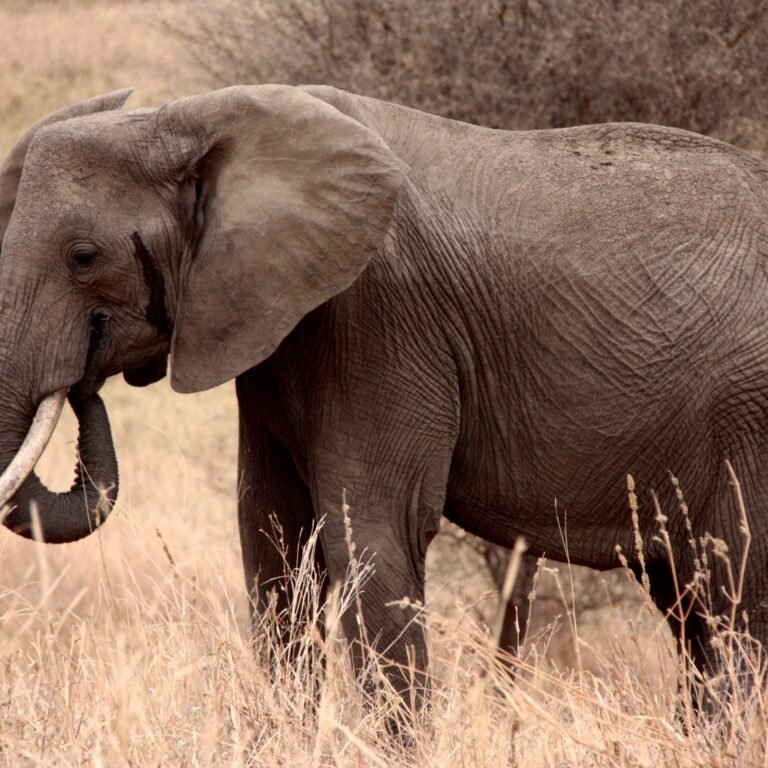
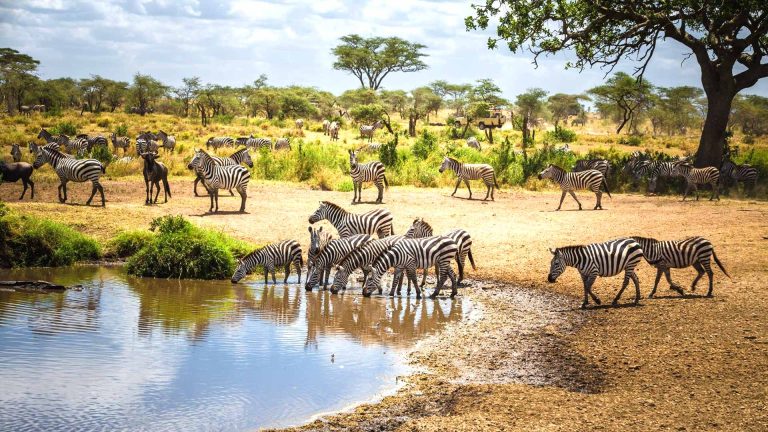
A Tanzania safari is one of the most extraordinary wildlife experiences in Africa, offering unmatched opportunities to see iconic animals in their natural habitat. From the endless plains of Serengeti National Park to the breathtaking crater floor of Ngorongoro Crater, Tanzania is home to diverse ecosystems teeming with life. Travelers can expect close encounters with the Big Five, witness the Great Migration, and discover rare and unique species found nowhere else. Whether you’re planning a luxury safari, budget adventure, or family wildlife tour, Tanzania delivers unforgettable game drives, photographic safaris, and immersive nature experiences. With world-class national parks, experienced guides, and year-round wildlife viewing, Tanzania remains a top safari destination. This guide explores the animals you’ll see on safari in Tanzania, helping you plan the ultimate African wildlife adventure. 1. The Big Five Safari Animals The Big Five—lion, leopard, elephant, buffalo, and rhino—are the highlight of any Tanzania safari. Originally named by hunters, today they symbolize the ultimate wildlife viewing experience. In parks like Serengeti National Park and Tarangire National Park, travelers have excellent chances to see four of the Big Five regularly. The rare black rhino is best spotted in Ngorongoro Crater. These animals represent Africa’s raw beauty and ecological importance, making them essential to any safari itinerary. Whether on a luxury African safari or a budget-friendly tour, seeing the Big Five is a bucket-list achievement. Professional guides track these animals daily, ensuring high success rates for sightings. A Tanzania Big Five safari combines adventure, photography, and conservation awareness in one unforgettable journey. 2. The Great Migration Wildlife Spectacle The Great Migration is one of the most spectacular wildlife events on Earth, involving over two million wildebeest, zebras, and gazelles moving across the plains of Serengeti National Park. This dramatic journey is driven by rainfall and the search for fresh grazing. Visitors can witness river crossings, predator-prey interactions, and massive herds stretching across the horizon. The migration is a top reason travelers book Tanzania safari tours, especially during peak seasons. It offers unmatched photography opportunities and thrilling game drives. The ecosystem supports lions, crocodiles, and hyenas that follow the herds. Whether you choose a fly-in safari or an overland adventure, the Great Migration delivers unforgettable moments. It’s a must-see highlight for anyone planning an African wildlife safari in Tanzania. 3. Lions – Kings of the Savannah Lions are among the most sought-after animals on a Tanzania safari, often seen resting under acacia trees or hunting in prides across the plains. Serengeti National Park hosts one of the largest lion populations in Africa, making sightings frequent and dramatic. Watching lions interact, hunt, or care for cubs offers a powerful glimpse into the wild. These apex predators play a crucial role in maintaining ecological balance. Tanzania’s open landscapes make it easier to observe lions compared to other destinations. Whether on a luxury safari or mid-range tour, encountering lions up close is unforgettable. Early morning and late afternoon game drives provide the best chances to see them active. A Tanzania safari isn’t complete without witnessing these majestic kings of the savannah. 4. Elephants – Gentle Giants of Tanzania Elephants are a defining feature of Tanzania’s wildlife, especially in Tarangire National Park, known for its large elephant herds. These intelligent and social animals are often seen moving in family groups, feeding, bathing, or protecting their young. Their presence adds depth to any safari experience, offering both emotional and photographic moments. Tanzania’s conservation efforts have helped sustain healthy elephant populations, making sightings common throughout the year. Watching elephants interact in the wild highlights their strong family bonds and remarkable memory. Safari guides often share insights into their behavior, enhancing the experience. Whether crossing rivers or walking beneath baobab trees, elephants are a must-see on any Tanzania safari itinerary. 5. Leopards – Elusive and Elegant Leopards are among the most elusive animals on safari, known for their solitary and secretive nature. In Serengeti National Park and Lake Manyara National Park, lucky visitors may spot them resting in trees or stalking prey at dusk. Their spotted coats provide excellent camouflage, making sightings rare but incredibly rewarding. Leopards are powerful climbers and often drag prey into trees to avoid scavengers. Spotting one requires patience, expert guiding, and a bit of luck. These elegant predators are a highlight for wildlife photographers and safari enthusiasts. Including leopard tracking in your Tanzania safari increases the thrill and sense of adventure, making every sighting unforgettable. 6. Cheetahs – Speed of the Savannah Cheetahs are the fastest land animals and a thrilling sight on the open plains of Serengeti National Park. Unlike other big cats, cheetahs rely on speed rather than strength, reaching incredible velocities when chasing prey. Their slender bodies and distinctive tear marks make them easy to identify. Tanzania offers excellent opportunities to observe cheetahs hunting or resting on termite mounds. These animals prefer open landscapes where they can spot prey from a distance. Watching a cheetah sprint across the savannah is one of the most exciting moments on safari. Though vulnerable due to habitat loss, Tanzania remains a stronghold for their population. A cheetah sighting adds adrenaline and wonder to any African safari experience. 7. Giraffes – Tanzania’s National Animal The giraffe, Tanzania’s national animal, is a graceful and iconic species commonly seen across many parks, including Serengeti National Park and Arusha National Park. Known for their long necks and unique coat patterns, giraffes browse on treetops, especially acacia leaves. Their calm demeanor makes them a favorite among safari travelers and photographers. Giraffes move in loose groups and are often spotted silhouetted against the African sunset. Tanzania is home to the Maasai giraffe, the tallest subspecies. Observing their feeding behavior and gentle interactions provides a peaceful contrast to predator sightings. Including giraffes in your safari experience enriches your understanding of Africa’s diverse wildlife. 8. Zebras and Wildebeest Herds Zebras and wildebeest dominate Tanzania’s plains, especially during the Great Migration in Serengeti National Park. These animals form massive herds that move together for protection against predators. Zebras’ striking black-and-white
The Youngest Person To Climb Kilimanjaro

Mount Kilimanjaro, the highest peak in Africa and one of the world’s most iconic trekking destinations, continues to attract climbers of all ages from every corner of the globe. Standing at 5,895 meters (19,341 feet), this dormant volcanic mountain in Tanzania is often associated with endurance, determination, and personal achievement. One of the most frequently searched topics in adventure travel SEO is “the youngest person to climb Kilimanjaro,” reflecting global curiosity about youth mountaineering records. While no single universally confirmed record exists due to varying tour documentation, multiple young climbers—some as young as 10 years old—have successfully reached Uhuru Peak under strict supervision. Tanzania National Park regulations set a minimum climbing age of 10, making Kilimanjaro a rare high-altitude trek accessible to older children and teenagers under safe guided expeditions. Understanding Kilimanjaro and Its Global Appeal Mount Kilimanjaro is not just a mountain; it is a global trekking icon and a UNESCO World Heritage Site that symbolizes adventure and achievement. Its snow-capped summit rising above the African plains attracts thousands of climbers annually, including families and young trekkers. The phrase “youngest person to climb Kilimanjaro” often trends in search engines due to the mountain’s reputation for being non-technical yet physically demanding. Unlike alpine climbs requiring ropes or technical gear, Kilimanjaro relies on endurance, altitude acclimatization, and mental strength. This makes it possible for younger climbers—typically aged 10 and above—to attempt the ascent under professional guidance. The journey through rainforests, alpine deserts, and icy summit zones creates a life-changing experience that appeals to adventurous families seeking unforgettable bonding moments in Tanzania’s most famous natural wonder. Age Requirements for Climbing Mount Kilimanjaro One of the most important aspects when discussing the youngest climber of Kilimanjaro is the official age requirement set by the Tanzania National Parks Authority. The minimum age allowed to climb Mount Kilimanjaro is generally 10 years old, primarily for safety reasons related to altitude sickness and physical endurance. This regulation ensures that children attempting the trek are mature enough to handle extreme weather changes and long trekking hours. There is no officially recognized “youngest climber record” due to variations in tour operator documentation and international participation. However, many successful summit stories involve teenagers and pre-teens accompanied by parents and certified guides. These regulations balance adventure tourism with safety, ensuring that Kilimanjaro remains accessible yet responsible for younger climbers seeking to reach Africa’s highest point. Who Are the Young Climbers of Kilimanjaro? The title “youngest person to climb Kilimanjaro” is often associated with various young adventurers from around the world who have reached the summit before adulthood. These climbers are typically children of experienced mountaineers or participants in family trekking expeditions. While records vary, successful ascents by children aged between 10 and 13 are well documented across trekking communities. These young climbers usually undertake carefully planned itineraries with extra acclimatization days to reduce altitude risks. Their journeys highlight not only physical endurance but also mental resilience and strong preparation. Kilimanjaro’s accessibility compared to technical peaks makes it a unique challenge for youth adventurers. These stories continue to inspire families globally to consider Tanzania’s highest mountain as a safe yet ambitious trekking destination for younger participants. Here is a clean table of The Youngest People To Climb Mount Kilimanjaro: Rank Name Age Country Summit Date Route Used Success Tips for Young Climbers 1 Ognjen Živković 5 Serbia Aug 2023 Machame Route Extra acclimatization days, strong family support, slow pacing 2 Ashleen Mandrick 6 USA Sep 2019 Lemosho Route Guided family trek, hydration focus, gradual ascent 3 Coltan Tanner 6 USA Oct 2018 Marangu Route Short daily hikes, rest breaks, oxygen monitoring 4 Samuel Bernier 7 Canada Aug 2023 Machame Route Mental encouragement, warm clothing layers, steady walking pace 5 Keats Boyd 7 USA Feb 2008 Marangu Route Early acclimatization training, supportive guide team 6 Montannah Kenney 7 USA Mar 2018 Lemosho Route Nutrition planning, slow climb strategy 7 Aadya Bennur 8 India Jun 2023 Machame Route High-energy diet, gradual altitude gain 8 Ayaan Mendon 8 India Aug 2022 Lemosho Route Family expedition, hydration discipline 9 Roxy Getter 8 USA Jul 2017 Marangu Route Proper gear selection, steady pacing 10 Zain Ackrim 9 UK Aug 2015 Machame Route Altitude awareness training, long route choice 11 Raefe Kemmis 10 UK Oct 2023 Lemosho Route Medical checks, slow ascent schedule 12 Aurelia Kemmis 14 UK Oct 2023 Lemosho Route Sibling support, endurance preparation 13 Sam Irving 10 UK Jun 2015 Marangu Route Hydration strategy, early training hikes 14 Param Singh Rathore 10 India Feb 2023 Machame Route Guided trekking, altitude adaptation breaks 15 Vivek Neelam 11 India Jul 2023 Lemosho Route Physical fitness training, steady pacing 16 Sophie Bayat Makou 11 France Feb 2023 Machame Route Cold-weather preparation, nutrition control 17 Samarah Jerry 11 USA Dec 2022 Rongai Route Less crowded route selection, gradual ascent 18 Pierce Valliere 12 Canada Jan 2024 Lemosho Route Mental resilience, hydration discipline 19 Abbas Khambalia 12 UK Mar 2023 Machame Route Strong guide supervision, pacing strategy 20 Victor Siegers & Marcus Siegers 12 & 13 Netherlands Jul 2023 Rongai Route Team trekking, altitude monitoring 21 Olivia Maiden 13 UK Aug 2015 Marangu Route Endurance training, structured itinerary Why Young Climbers Succeed on Kilimanjaro Young climbers often succeed on Mount Kilimanjaro because of strong physical adaptability and structured support systems provided by professional guides. Unlike technical mountains, Kilimanjaro relies heavily on gradual ascent, allowing climbers to adjust to altitude over several days. Many youth expeditions use longer routes such as Lemosho or Machame, which improve acclimatization and increase summit success rates. Mental determination also plays a major role, as young trekkers are often highly motivated by family encouragement and the excitement of adventure travel. Proper hydration, nutrition, and rest schedules designed by experienced guides ensure safety throughout the climb. With careful planning, even younger hikers can reach Uhuru Peak successfully, making Kilimanjaro one of the few high-altitude mountains where age is less of a barrier compared to preparation and guidance. Safety Measures for Young Kilimanjaro Climbers Safety is