Is climbing Mount Kilimanjaro safe?

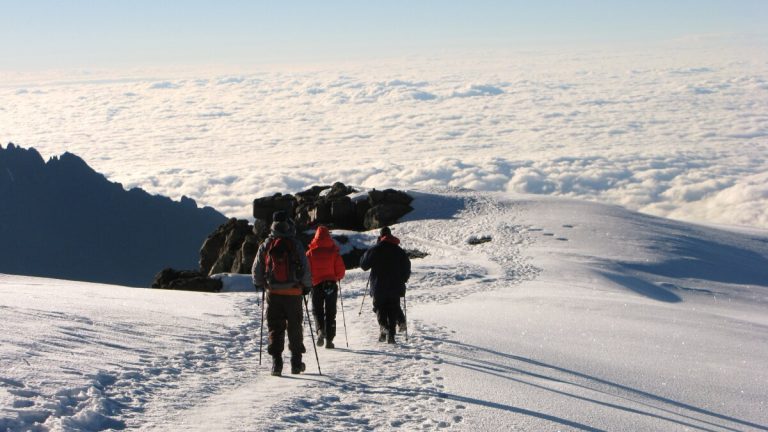
Climbing Mount Kilimanjaro is considered safe for thousands of trekkers every year when proper preparation, experienced guides, and gradual acclimatization are prioritized. As Africa’s highest mountain and one of the world’s most famous trekking destinations, Kilimanjaro attracts adventure travelers, solo hikers, honeymooners, and wildlife safari enthusiasts from across the globe. Unlike technical mountain climbs, Kilimanjaro requires no ropes or advanced mountaineering skills, making it accessible to beginners with reasonable fitness. Safety on Mount Kilimanjaro largely depends on choosing reputable tour operators, following altitude guidelines, staying hydrated, and listening to professional mountain guides. Routes such as the Lemosho Route and Machame Route offer excellent acclimatization profiles that improve summit success rates. With modern rescue systems, trained crews, and medical monitoring, climbing Kilimanjaro can be a safe, unforgettable, and life-changing African adventure experience for prepared trekkers. Kilimanjaro Is a Non-Technical Mountain One of the main reasons climbing Mount Kilimanjaro is considered safe is that it is a non-technical mountain. Trekkers do not need previous climbing experience, ropes, harnesses, or ice axes to reach Uhuru Peak. Most routes involve hiking through rainforest, moorland, alpine desert, and glacier landscapes rather than dangerous rock climbing. This makes Kilimanjaro one of the best beginner-friendly high-altitude adventures in the world. Many travelers successfully summit the mountain every year with the assistance of certified mountain guides and support crews. Although the climb is physically demanding, the trails are well-established and regularly maintained. The biggest challenge is altitude rather than terrain. Proper pacing, gradual acclimatization, and following the guide instructions significantly improve safety. With the right preparation and a trusted Tanzania tour operator, climbing Kilimanjaro becomes a manageable and rewarding adventure for hikers of many different fitness levels. Altitude Sickness Is the Biggest Safety Challenge The greatest risk on Mount Kilimanjaro is altitude sickness, also known as Acute Mountain Sickness (AMS). Because the mountain rises rapidly to 5,895 meters above sea level, climbers may experience headaches, dizziness, nausea, fatigue, or shortness of breath. However, most altitude-related issues can be reduced through proper acclimatization and slow trekking schedules. Choosing longer routes such as the Lemosho Route, Northern Circuit, or Machame Route helps the body adjust gradually to high elevation. Professional Kilimanjaro guides monitor trekkers daily and often use pulse oximeters to check oxygen levels. Drinking enough water, eating nutritious meals, and hiking slowly using the famous “pole pole” Swahili approach also improve safety. Severe altitude sickness is rare when climbers follow the guide’s instructions carefully. Understanding altitude symptoms early and descending immediately when necessary is one of the most important safety measures on Kilimanjaro expeditions. Experienced Kilimanjaro Guides Greatly Improve Safety Professional mountain guides play a major role in keeping Kilimanjaro climbers safe throughout the expedition. Reputable Tanzania trekking companies employ trained guides certified in wilderness first aid, altitude management, emergency evacuation, and mountain rescue procedures. Guides monitor hikers closely for signs of exhaustion or altitude sickness while maintaining safe hiking speeds. They also provide encouragement, weather updates, and health assessments during the trek. Many operators conduct regular medical checks using oxygen saturation devices to ensure climbers remain healthy at higher elevations. Porters and cooks additionally support trekkers by carrying equipment, preparing nutritious meals, and setting up camps safely. Choosing a licensed and experienced Kilimanjaro operator dramatically improves both safety and summit success rates. Reliable guides understand changing mountain conditions and know when a climber should rest or descend. Their expertise transforms Kilimanjaro from a challenging climb into a safer and more organized adventure experience. Choosing the Right Kilimanjaro Route Enhances Safety Selecting the best Kilimanjaro route is extremely important for climbers’ safety and successful acclimatization. Some routes provide better altitude adjustment and lower risk compared to shorter itineraries. The Lemosho Route and Northern Circuit are widely regarded as among the safest routes because they allow gradual elevation gain and more acclimatization days. The Machame Route also offers strong success rates when climbed over seven days or longer. Short routes such as the Marangu Route or Umbwe Route may increase altitude-related risks because climbers ascend too quickly. Longer itineraries improve the body’s ability to adapt naturally to reduced oxygen levels. Safety also depends on campsite quality, weather exposure, and daily trekking distances. Reputable operators recommend routes based on experience level, fitness, and travel goals. Taking extra acclimatization days may cost more, but it significantly improves both safety and summit success on Mount Kilimanjaro expeditions. Weather Conditions on Kilimanjaro Can Change Quickly Mount Kilimanjaro’s weather changes dramatically as climbers move through different ecological zones. Trekkers may experience warm rainforest temperatures, freezing alpine nights, heavy rain, strong winds, and snow near the summit. Understanding these changing weather conditions is essential for staying safe on the mountain. Proper clothing, layering systems, and waterproof gear help protect climbers from hypothermia and exhaustion. The best time to climb Kilimanjaro is generally during the dry seasons from January to March and June to October when trails are safer, and visibility is clearer. Sudden weather shifts can still occur even during favorable seasons, so experienced guides monitor mountain conditions closely. Quality trekking equipment, insulated sleeping bags, and warm summit gear reduce weather-related risks significantly. Preparing for cold temperatures and unpredictable mountain weather ensures a safer, more comfortable trekking experience while climbing Africa’s tallest mountain successfully. Physical Fitness Helps Reduce Risks Although Mount Kilimanjaro does not require technical climbing skills, good physical fitness is essential for a safe and enjoyable trekking experience. Climbers spend several days hiking long distances across steep terrain at high altitude, which can be physically exhausting. Cardiovascular endurance, strong legs, and mental determination help trekkers manage fatigue and recover better during the expedition. Training before the climb improves breathing efficiency, stamina, and overall confidence on the mountain. Popular preparation activities include hiking, running, cycling, stair climbing, and strength training. Fit climbers are generally better able to cope with changing temperatures and long summit nights. However, even athletic people can experience altitude sickness, which is why acclimatization remains critical. Preparing the body properly reduces the chance of injury, muscle strain, and extreme exhaustion. Combining
Why the Machame Route is Popularly Called the “Whiskey Route”

The Machame Route on Mount Kilimanjaro is one of the most popular and scenic trekking paths in Africa, famously known as the “Whiskey Route.” This nickname comes from its reputation as a more challenging, adventurous, and physically demanding climb compared to the easier “Coca-Cola Route” (Marangu Route). The Machame Route attracts climbers seeking a true Kilimanjaro trekking experience, combining steep ascents, diverse ecosystems, and breathtaking views. It is widely featured, such as “best Kilimanjaro climbing routes,” “Tanzania trekking adventures,” and “Whiskey Route Kilimanjaro guide.” Its popularity continues to grow among adventure travelers who want both challenge and reward. This route is especially favored for its high success rates, stunning landscapes, and immersive wilderness experience, making it a top choice for climbing Mount Kilimanjaro. Origin of the “Whiskey Route” Name The Machame Route earned the nickname “Whiskey Route” due to its difficulty level and adventurous nature compared to the easier Marangu “Coca-Cola Route.” In early Kilimanjaro trekking history, climbers used beverage metaphors to describe the routes—Coca-Cola for easy and sweet, Whiskey for strong and challenging. The Machame Route involves steep trails, longer hiking hours, and more demanding terrain, making it suitable for experienced trekkers or physically fit beginners. “Whiskey Route Kilimanjaro meaning,” “Machame Route difficulty,” and “Mount Kilimanjaro hiking routes” often highlight this comparison. The name has become iconic in travel blogs and trekking guides, reinforcing its reputation as the ultimate adventure path. Today, it symbolizes resilience, endurance, and the rewarding challenge of reaching the summit of Africa’s highest mountain. Location and Starting Point The Machame Route begins on the southern slopes of Mount Kilimanjaro near Machame Gate, which is located within Kilimanjaro National Park. This route is easily accessible from Moshi and Arusha, making it a convenient starting point for international trekkers arriving in Tanzania for safari and Kilimanjaro trekking adventures. The entry point is surrounded by lush rainforest, offering a dramatic introduction to the climb. “Machame Gate Kilimanjaro,” “starting point Machame Route,” and “Kilimanjaro trekking access points” are commonly searched by travelers planning their expedition. From the very beginning, climbers experience dense vegetation, tropical birds, and humid forest conditions. This scenic start sets the tone for the diverse ecological zones that follow throughout the climb, making it one of the most visually rewarding Kilimanjaro routes. Scenic Beauty and Landscapes One of the main reasons the Machame Route is so popular is its extraordinary scenic beauty. Climbers pass through five distinct ecological zones: rainforest, heath, moorland, alpine desert, and Arctic summit zone. Each stage offers breathtaking views, making it one of the most photographed Kilimanjaro trekking routes. Most scenic Kilimanjaro route,” Machame Route landscapes,” and “Tanzania trekking views” rank highly in travel searches. The route provides panoramic views of Shira Plateau, Lava Tower, and the majestic glaciers near Uhuru Peak. Unlike shorter Kilimanjaro routes, Machame allows gradual altitude exposure, enhancing both safety and experience. The dramatic scenery is a major attraction for photographers, hikers, and adventure seekers looking for unforgettable African trekking experiences on Mount Kilimanjaro. Challenging Terrain and Steep Trails The Machame Route is famous for its steep and rugged terrain, which is why it is called the Whiskey Route. Climbers face long hiking days, steep ascents, and physically demanding sections that test endurance and determination. “Kilimanjaro hardest routes,” “Machame Route difficulty level,” and “steep Kilimanjaro trails” highlight its challenging nature. Unlike easier routes, Machame requires strong stamina and proper acclimatization strategies. The terrain includes rocky paths, narrow ridges, and volcanic formations, especially near the Shira Plateau and Barranco Wall. Despite the difficulty, many trekkers prefer it because the challenge enhances the sense of achievement. Reaching the summit via this route is considered a true accomplishment in the world of high-altitude trekking and adventure tourism in Tanzania. High Success Rate for Climbers Despite being challenging, the Machame Route has one of the highest summit success rates on Mount Kilimanjaro. This is mainly due to its “climb high, sleep low” strategy, which helps climbers acclimate better to high altitude. “Kilimanjaro summit success rate,” “best route to climb Kilimanjaro,” and “Machame Route success statistics” are frequently searched by trekkers. The gradual ascent profile allows the body to adjust effectively, reducing altitude sickness risks. Most climbers choose 6 or 7-day itineraries for better acclimatization and improved chances of reaching Uhuru Peak. Because of this balance between challenge and success, the Machame Route is considered one of the best trekking options in Tanzania for both beginners with fitness and experienced mountaineers. Acclimatization Advantage The Machame Route is highly regarded for its excellent acclimatization profile, making it safer than many other Kilimanjaro trekking routes. The “climb high, sleep low” approach allows climbers to adapt gradually to altitude changes. The “Kilimanjaro acclimatization routes,” “Machame Route altitude sickness prevention,” and “best Kilimanjaro climbing itinerary” are commonly associated with this benefit. Key stops such as Shira Camp and Lava Tower play an important role in preparing the body for higher elevations. This strategic elevation gain and descent pattern significantly increases summit success rates. Trekkers are advised to take it slow, stay hydrated, and follow the professional guide’s instructions. Because of this natural acclimatization design, the Machame Route is often recommended by experts as one of the safest and most effective ways to climb Mount Kilimanjaro. Camping Experience Along the Route Unlike hut-based routes, the Machame Route offers a full camping experience, which adds to its adventurous “Whiskey Route” reputation. Climbers sleep in tents at designated campsites such as Machame Camp, Shira Camp, Barranco Camp, and Barafu Camp. “Kilimanjaro camping experience,” “Machame Route campsites,” and “mountain trekking tents Tanzania” are widely searched by adventure travelers. Camping allows trekkers to feel fully immersed in nature, surrounded by dramatic mountain landscapes and star-filled skies. Nights on the mountain are cold but unforgettable, creating a strong sense of adventure and teamwork among climbers. This outdoor lifestyle is a key reason why thrill-seekers prefer the Machame Route over more comfortable alternatives. Barranco Wall Adventure One of the most exciting sections of the Machame Route is the famous Barranco Wall, a steep
Wildlife Photography Tips for Your Next Tanzania Safari

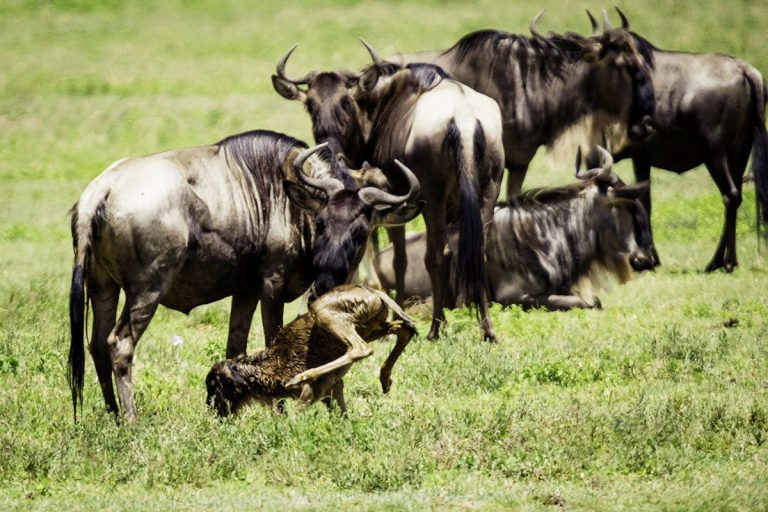
Experience incredible wildlife photography tips for your next Tanzania Safari are essential for capturing the breathtaking beauty of Africa’s most iconic landscapes and wildlife encounters. Tanzania is a world-leading destination for wildlife photography, offering unmatched scenes in the Serengeti National Park, Ngorongoro Crater, and Tarangire National Park. From the Great Migration to close-up predator action, every moment is a chance to create professional-quality safari images. Using the right camera settings, understanding light, and anticipating animal behavior are photographers planning a Tanzania safari. Whether you are a beginner or a professional, mastering composition, timing, and patience will transform your safari experience into a visual storytelling journey across Africa’s most photogenic wilderness. Optimize your wildlife photography workflow for visibility and unforgettable safari memories in Tanzania’s premier national parks today. Choosing the Best Camera Gear for Wildlife Photography in Tanzania Safari Choosing the Best Camera Gear for Wildlife Photography in Tanzania Safari begins with selecting the right DSLR or mirrorless camera paired with a telephoto lens for long-distance wildlife shots. A 100–400mm or 150–600mm lens is ideal for capturing animals in the Serengeti National Park and Ngorongoro Crater without disturbing their natural behavior. Professional safari photographers also recommend carrying extra batteries, memory cards, and a weather-resistant camera bag due to dusty and unpredictable safari conditions. Lightweight equipment is important for mobility during game drives in Tarangire National Park and Lake Manyara National Park. Investing in quality gear ensures sharper images, better zoom capability, and enhanced low-light performance during golden hour photography in Tanzania’s iconic landscapes. Essential for wildlife safari photography guides worldwide in competitive travel search results today. Mastering Golden Hour Lighting for Tanzania Safari Photography Mastering Golden Hour Lighting for Tanzania Safari Photography is one of the most important wildlife photography tips for capturing dramatic and professional images. The golden hour, shortly after sunrise and before sunset, provides soft, warm light that enhances animal textures and landscapes in Serengeti National Park and Ngorongoro Crater. During this time, shadows are longer, colors are richer, and wildlife activity is at its peak, especially predators on the hunt. Photographers should adjust ISO, aperture, and shutter speed to balance natural light and motion. Shooting during golden hour in Tarangire National Park also improves composition and reduces harsh midday glare. Understanding light direction and positioning your subject correctly ensures more impactful storytelling images for safari photography content across digital platforms. Boost visibility on global travel photography searches right now. Composition Techniques for Stunning Wildlife Photography in Tanzania Safari Composition Techniques for Stunning Wildlife Photography in Tanzania Safari focuses on framing, perspective, and storytelling to create visually powerful safari images. Using the rule of thirds helps photographers position animals like lions, elephants, and zebras within iconic Tanzanian landscapes such as Serengeti National Park and Lake Manyara National Park. Including foreground elements like acacia trees or river reflections adds depth and context. Capturing eye-level shots creates an emotional connection with subjects, while wide-angle compositions showcase the vastness of Ngorongoro Crater. Leading lines, such as migration paths, guide the viewer naturally through the image. Strong composition is essential for wildlife photography content, helping images rank higher in search engines and attract global safari tourism audiences. Enhances engagement and professional safari photography portfolio quality, online and offline visibility. Camera Settings for Wildlife Action Shots in Tanzania Safari Understanding Camera Settings for Wildlife Action Shots in Tanzania Safari is crucial for freezing fast-moving animals such as cheetahs in Serengeti National Park or wildebeest during the Great Migration. Key settings include fast shutter speed, high ISO in low light, and an appropriate aperture for sharp focus. A shutter speed of 1/1000 or faster helps eliminate motion blur. ISO adjustments allow flexibility during early morning or evening game drives in Ngorongoro Crater. Aperture settings like f/4 to f/8 provide balanced depth of field for wildlife portraits. Mastering these settings improves performance for safari photography tutorials and travel blogs targeting Tanzania wildlife photography audiences worldwide. Essential for ranking safari photography guides and travel blogs globally. Improve engagement and visibility for content creators across digital marketing platforms today, safari photography tips guide now. Selecting the Best Lenses for Tanzania Wildlife Photography Selecting the Best Lenses for Tanzania Wildlife Photography determines the quality and reach of your safari images. Telephoto lenses such as 100–400mm or 200–600mm are essential for capturing distant animals in Serengeti National Park and Tarangire National Park without disturbing wildlife. Prime lenses offer sharp detail for portraits of elephants, lions, and giraffes in Ngorongoro Crater. Wide-angle lenses are ideal for landscapes and environmental storytelling during sunrise and sunset game drives. Image stabilization helps reduce blur in moving safari vehicles. Investing in high-quality lenses improves SEO ranking for wildlife photography blogs and ensures professional results for Tanzania safari travel content creators. Boosts search engine visibility for safari photography keywords worldwide. Perfect for travel optimization and wildlife storytelling excellence in competitive digital safari markets today rank higher globally. Anticipating Animal Behavior in Tanzania Safari Wildlife Photography Anticipating Animal Behavior in Tanzania Safari Wildlife Photography helps capture rare moments such as lion hunts, elephant herds, and river crossings in Serengeti National Park. Understanding feeding patterns, movement routes, and social interactions improves timing and shot accuracy. Early mornings and late afternoons in Ngorongoro Crater and Tarangire National Park offer peak activity. Observing quietly and staying patient increases the chances of dramatic wildlife photography results. This technique is essential for wildlife photography content because authentic behavior images perform better in travel blogs and social media engagement. Improves organic search performance for safari photography globally for professional safari photographers worldwide, audience growth, and tourism impact optimization today in digital travel markets rank better globally for safari content now. Understanding Safari Timing in Tanzania Understanding Safari Timing in Tanzania is crucial for maximizing wildlife photography opportunities. The best game viewing hours are early morning and late afternoon when animals are most active in Serengeti National Park and Ngorongoro Crater. Midday light is often harsh, making it less ideal for professional safari photography. Seasonal timing also matters, especially during the Great
Kilimanjaro climbing Age Restrictions

The official minimum Kilimanjaro climbing Age Restrictions to climb Mount Kilimanjaro are 10 years old, set by the Tanzania National Parks Authority (KINAPA and TANAPA). There is no maximum age limit. Anyone under 18 must be accompanied by a parent or legal guardian. Mount Kilimanjaro, Africa’s highest peak and one of the world’s most iconic trekking destinations, attracts climbers from every corner of the globe. However, many travelers ask an important question: what are the age restrictions on Mount Kilimanjaro? According to Tanzania National Park Authority (TANAPA) regulations and Kilimanjaro National Park guidelines, age limits exist to ensure safety, physical readiness, and responsible trekking. While there is no strict maximum age limit, there is a recommended minimum age requirement. Understanding the Mount Kilimanjaro age limit is essential for families, schools, and adventure travelers planning a safe and successful summit. These rules help protect young climbers and ensure every trekker is physically and mentally prepared for high-altitude conditions and demanding mountain terrain. Minimum Age Requirement for Climbing Kilimanjaro The official minimum age to climb Mount Kilimanjaro is generally 10 years old, as set by Kilimanjaro National Park regulations. However, most reputable tour operators recommend a minimum age of 12 to 15 years for better safety and endurance. The high altitude, cold temperatures, and long trekking hours make the climb physically demanding. Young trekkers must demonstrate strong fitness, stamina, and mental readiness before attempting the ascent. Parents considering family trekking in Tanzania should carefully assess their child’s ability to handle altitude sickness risks. Although children under 10 are not permitted, older teenagers often successfully summit with proper preparation, guided support, and gradual acclimatization schedules designed for safe Kilimanjaro climbing experiences. Why Age Restrictions Exist on Mount Kilimanjaro Age restrictions on Mount Kilimanjaro are primarily designed to ensure climber safety and reduce health risks associated with high-altitude trekking. The mountain rises to 5,895 meters, where oxygen levels are significantly lower. Younger children may struggle with altitude sickness, fatigue, and unpredictable weather conditions. The Tanzania National Park Authority enforces these guidelines to maintain safe trekking standards. Additionally, long daily hikes of 5–8 hours require strong physical endurance and mental resilience. By setting a minimum age limit, authorities ensure that climbers can responsibly manage the challenges of Kilimanjaro trekking routes such as Machame, Marangu, and Lemosho. These regulations help reduce emergencies and improve overall summit success rates for all climbers. Physical Fitness Requirements by Age While age is an important factor, physical fitness is equally critical for climbing Mount Kilimanjaro. Younger climbers must demonstrate excellent cardiovascular endurance, strength, and hiking experience. Teenagers between 12 and 17 should ideally engage in regular hiking, running, or sports training before the climb. Adults of any age must also be fit enough to handle steep ascents, long walking hours, and changing climates. Fitness preparation helps reduce the risk of altitude sickness and fatigue during the Kilimanjaro trekking. Tour operators often assess participants’ fitness levels regardless of age to ensure safety. Ultimately, whether young or older, climbers must be prepared for one of the most physically demanding hiking experiences in Africa. Health Considerations for Young Climbers Health plays a major role in determining whether a young person should climb Mount Kilimanjaro. Children and teenagers are more sensitive to altitude changes, dehydration, and cold temperatures. Medical checks are strongly recommended before planning the trek. Conditions such as asthma or heart issues must be carefully evaluated. Altitude sickness is a major concern on Kilimanjaro, especially above 3,000 meters. Parents should ensure proper hydration, nutrition, and gradual acclimatization for young trekkers. Experienced guides monitor health throughout the journey, checking oxygen levels and overall condition. Responsible Kilimanjaro climbing practices prioritize safety over speed, ensuring that younger climbers are not pushed beyond safe physical limits during the ascent. Maximum Age Limit for Kilimanjaro Climbing Interestingly, there is no official maximum age limit for climbing Mount Kilimanjaro. Many climbers in their 60s, 70s, and even 80s have successfully reached Uhuru Peak. However, older trekkers must undergo medical clearance and intensive preparation. Fitness level, rather than age, is the key determining factor. Experienced senior climbers often choose longer trekking routes like Lemosho or Northern Circuit for better acclimatization. With proper pacing, hydration, and professional guiding, older adventurers can safely enjoy the Kilimanjaro trekking experience. The absence of a strict upper age limit reflects the inclusive nature of Tanzania tourism, allowing people of different generations to challenge themselves on Africa’s highest mountain. Family Trekking on Mount Kilimanjaro Family trekking on Mount Kilimanjaro is becoming increasingly popular among adventure travelers. Families with teenagers often choose routes such as Marangu or Machame due to their relatively well-established paths and accommodation huts or camps. Traveling together creates unforgettable bonding experiences while exploring one of the world’s most famous mountains. However, careful planning is essential when including younger climbers. Proper training, slow ascent schedules, and professional guides are necessary for safety. Tour operators often customize family-friendly Kilimanjaro climbing packages to match different fitness levels. These experiences allow families to enjoy Tanzania’s natural beauty while ensuring that age-appropriate trekking practices are followed throughout the journey. Kilimanjaro National Park Rules and Regulations Kilimanjaro National Park Authority (TANAPA) enforces strict rules to regulate climbers’ safety, including age guidelines. All climbers must register through licensed tour operators and follow approved trekking routes. The minimum age policy is part of broader conservation and safety efforts. Rangers and guides ensure compliance throughout the expedition. These regulations also protect the fragile mountain ecosystem while managing tourist flow. Climbers must adhere to park rules regarding camping, waste disposal, and guided trekking. Understanding these regulations is essential before planning a climb. Following official Kilimanjaro National Park guidelines ensures a safe, environmentally responsible, and well-organized climbing experience for all age groups. Recommended Age for First-Time Climbers Although the minimum age is 10, the recommended age for first-time Kilimanjaro climbers is typically 15 and above. At this age, most individuals have developed stronger physical endurance and mental resilience. First-time climbers should also have prior hiking experience before attempting high-altitude trekking. Young adults
Can an Unfit Person Climb Mount Kilimanjaro

Climbing Mount Kilimanjaro, Africa’s highest peak and the world’s tallest free-standing mountain, is often seen as a challenge reserved for highly fit athletes. However, many trekkers wonder: can an unfit person climb Mount Kilimanjaro? The answer is yes—most healthy individuals with average fitness can complete a Kilimanjaro trek with proper preparation. Unlike technical climbs, Kilimanjaro hiking does not require mountaineering skills, but it does demand endurance, mental strength, and adaptation to high altitude. With popular routes like Machame, Marangu, and Lemosho, thousands of beginners reach Uhuru Peak each year. Success depends more on pacing, acclimatization, and determination than extreme fitness. This guide explores Kilimanjaro difficulty, training tips, altitude sickness risks, and essential preparation strategies for a safe and successful climb. Understanding Kilimanjaro Difficulty Mount Kilimanjaro is classified as a non-technical trekking peak, meaning no climbing equipment is required, but the challenge lies in long hiking days and high altitude. The Kilimanjaro difficulty level increases as climbers ascend from rainforest to alpine desert and finally Arctic summit conditions. Although an unfit person can attempt the climb, they must understand that endurance is more important than speed or strength. The biggest challenge is not steep terrain but reduced oxygen levels at high altitude. Kilimanjaro trekking routes range from moderate to difficult depending on duration and elevation gain. Longer routes like Lemosho and Northern Circuit offer better acclimatization and higher success rates. Proper preparation, slow pacing, and mental determination significantly reduce difficulty and increase summit success for beginners and average fitness climbers. Fitness Level Requirements Climbing Kilimanjaro does not require elite athletic fitness, but a reasonable base level of endurance is essential. An unfit person can climb Mount Kilimanjaro if they are healthy and capable of walking 5–10 hours per day with breaks. Cardiovascular fitness, leg strength, and stamina are important for long trekking days. Training before Kilimanjaro should include walking, hiking, jogging, or stair climbing to simulate uphill movement. The Kilimanjaro fitness requirement is often described as “walk fit,” meaning regular walking ability without exhaustion. Even beginners can succeed if they prepare for several weeks or months in advance. The key is gradual conditioning rather than intense workouts. With proper training, hydration, and pacing, most average individuals can meet the physical demands of Kilimanjaro trekking and reach the summit successfully. Importance of Mental Strength Mental strength is one of the most important success factors when climbing Mount Kilimanjaro, especially for unfit or beginner trekkers. The journey involves long hiking hours, cold temperatures, fatigue, and reduced oxygen levels, which can challenge motivation. Many climbers who reach Uhuru Peak do so because of determination, discipline, and a positive mindset. Mental resilience helps trekkers push through discomfort, especially during summit night when conditions are toughest. Kilimanjaro trekking is often described as “90% mental and 10% physical” because psychological endurance plays a major role in success. Staying focused, breaking the climb into small sections, and maintaining a steady rhythm can help beginners overcome challenges. Even an unfit person can climb Kilimanjaro if they stay mentally strong, patient, and committed throughout the entire ascent. Role of Acclimatization Acclimatization is critical for anyone climbing Mount Kilimanjaro, especially beginners or unfit climbers. As altitude increases, oxygen levels decrease, making it harder for the body to function normally. Proper acclimatization allows the body to gradually adjust to high elevation and reduces the risk of altitude sickness. Kilimanjaro trekking routes that take longer, such as Lemosho or Northern Circuit, provide better acclimatization opportunities. The “climb high, sleep low” technique is often used to improve adaptation. Slow ascent is essential for increasing summit success rates. Without proper acclimatization, even fit climbers may struggle, while unfit but well-acclimatized trekkers can succeed. Rest days, hydration, and controlled pacing are key strategies. Understanding acclimatization is vital for safe and successful Mount Kilimanjaro climbing. Training Before the Climb Training before attempting Mount Kilimanjaro significantly increases the chances of success, especially for unfit individuals. A good Kilimanjaro training plan should start at least 6–8 weeks before the trek. Activities such as hiking on hills, walking long distances, cycling, swimming, and stair climbing help build stamina and leg strength. Training should focus on endurance rather than speed. Carrying a backpack during practice hikes simulates real trekking conditions. Consistency is more important than intensity. Even beginners can prepare adequately with regular physical activity. Strengthening core muscles and improving cardiovascular fitness will make Kilimanjaro trekking easier. Mental preparation should also be included, as long days and altitude changes can be challenging. With proper training, even an unfit person can successfully climb Mount Kilimanjaro and enjoy the adventure. Altitude Sickness Risks Altitude sickness is one of the biggest challenges when climbing Mount Kilimanjaro, especially for beginners and unfit climbers. As elevation increases above 3,000 meters, oxygen levels drop significantly, causing symptoms such as headache, nausea, dizziness, and fatigue. Severe cases can lead to Acute Mountain Sickness (AMS), which may force climbers to descend. Kilimanjaro trekking requires careful monitoring of symptoms and gradual ascent to reduce risks. Staying hydrated, eating properly, and walking slowly are essential prevention methods. Guides are trained to recognize early signs of altitude sickness and take appropriate action. Even physically fit climbers can be affected, showing that fitness alone is not enough. Understanding altitude risks is crucial for safe Kilimanjaro climbing, and proper acclimatization remains the most effective prevention strategy. Best Kilimanjaro Routes for Beginners Choosing the right route is essential for unfit or beginner climbers attempting Mount Kilimanjaro. The best Kilimanjaro routes for beginners include Lemosho, Machame, and Marangu. Lemosho is highly recommended due to its gradual ascent and excellent acclimatization profile, increasing summit success rates. Machame is slightly more challenging but offers beautiful scenery and good acclimatization opportunities. Marangu is known as the “Coca-Cola route” and has hut accommodations, but its shorter duration reduces acclimatization time. Longer routes generally improve success for unfit climbers because they allow the body to adjust slowly to altitude. Kilimanjaro trekking success depends more on route selection than fitness level alone. Beginners should avoid rushed itineraries and choose extended routes
Can Anyone Climb Mount Kilimanjaro

Climbing Mount Kilimanjaro is one of the most searched adventure travel experiences in the world, attracting trekkers who dream of reaching the highest free-standing mountain on Earth. Located in Tanzania within Kilimanjaro National Park, this iconic peak rises to 5,895 meters and is part of the famous “Seven Summits” challenge. Many people ask: Can anyone climb Mount Kilimanjaro? The answer is yes, because it is a non-technical trekking mountain, not a technical climb. However, success depends on fitness, preparation, acclimatization, and choosing the right Kilimanjaro climbing route, such as Machame, Marangu, Lemosho, or Rongai. This article explores whether beginners, older travelers, and first-time hikers can safely attempt a Kilimanjaro trek. It also highlights essential Kilimanjaro trekking tips, altitude sickness awareness, and what makes this Tanzania safari adventure both challenging and achievable for thousands of climbers each year. Accessibility of Mount Kilimanjaro Mount Kilimanjaro is considered one of the most accessible high-altitude trekking mountains in the world, making it a top destination for adventure tourism in Tanzania. Unlike technical peaks that require ropes, ice axes, or mountaineering skills, Kilimanjaro is a walking climb. This means almost anyone with determination and basic physical fitness can attempt it. The Kilimanjaro trekking routes are well-established, supported by professional guides and porters, ensuring safety and guidance throughout the journey. Popular routes like Machame and Lemosho offer gradual ascent profiles, improving summit success rates. Because of its non-technical nature, Kilimanjaro climbing is often chosen by first-time high-altitude trekkers. However, accessibility does not mean easy; altitude challenges, long trekking days, and changing weather conditions require mental and physical preparation for a successful summit experience on Africa’s tallest mountain. Physical Fitness Requirements Although Mount Kilimanjaro does not require technical climbing skills, a reasonable level of physical fitness is essential for a successful trek. Climbers should prepare for long hiking days, steep ascents, and walking at high altitude. Cardiovascular endurance is especially important, as oxygen levels decrease significantly above 3,000 meters. Training for Kilimanjaro typically includes hiking, jogging, stair climbing, and strength conditioning several weeks before departure. Many trekking experts recommend at least 2–3 months of preparation for beginners. The good news is that you do not need to be an athlete or marathon runner to reach the summit. Thousands of ordinary travelers complete the Kilimanjaro trek each year. With proper pacing, hydration, and mental resilience, most healthy individuals can successfully climb Kilimanjaro and enjoy one of the most rewarding trekking adventures in Africa. Age and Experience Factors One of the most remarkable aspects of Mount Kilimanjaro is that climbers of many ages and experience levels successfully reach the summit. There is no strict requirement for prior mountaineering experience, making it ideal for beginners. Teenagers, adults, and even seniors over 60 have completed the Kilimanjaro trek. What matters most is not age, but physical condition, determination, and proper acclimatization. First-time trekkers are strongly advised to choose longer routes such as Lemosho or Northern Circuit, which increase the chances of successful acclimatization. Experienced hikers may prefer shorter routes, but must still respect altitude risks. Kilimanjaro is often called a “walkable mountain,” but it still demands endurance and patience. With the right preparation and guided support, age is not a barrier to achieving the incredible goal of reaching Uhuru Peak. Understanding Altitude Challenges Altitude is the biggest challenge on Mount Kilimanjaro, not technical climbing difficulty. As trekkers ascend, oxygen levels drop, making breathing harder and increasing fatigue. This condition, known as altitude sickness, can affect anyone regardless of fitness level. Symptoms include headaches, nausea, dizziness, and loss of appetite. Proper acclimatization is key to reducing these risks. That is why longer Kilimanjaro climbing routes are recommended for higher success rates. Slow ascent, hydration, and “pole pole” (slowly, slowly in Swahili) are essential trekking principles. Most climbers who respect altitude rules safely reach summit levels. However, ignoring symptoms can lead to serious health risks. Understanding altitude is crucial for anyone planning a Kilimanjaro trekking adventure, as it is the main factor that determines whether climbers successfully reach the summit or turn back early. Importance of Acclimatization Acclimatization is one of the most important factors in determining whether someone can successfully climb Mount Kilimanjaro. It refers to how the body adapts to lower oxygen levels at higher altitudes. Good acclimatization increases summit success rates significantly. This is why longer trekking routes such as Lemosho and Machame are recommended—they allow gradual ascent. Climbers are encouraged to follow the “climb high, sleep low” strategy when possible. Rest days built into itineraries also help the body adjust. Proper hydration and slow pacing are essential. Many failed summit attempts are due to poor acclimatization rather than a lack of fitness. Professional guides on Kilimanjaro trekking tours carefully monitor climbers’ health throughout the journey. With the right acclimatization plan, even beginners can safely reach the summit of Africa’s highest mountain. Choosing the Right Route Selecting the right Kilimanjaro climbing route plays a major role in determining success. There are several popular routes, including Marangu, Machame, Lemosho, Rongai, and Northern Circuit. Each route varies in duration, scenery, difficulty, and acclimatization profile. The Machame route is known for its scenic beauty and moderate challenge, while Lemosho offers the best acclimatization and higher summit success rates. Marangu is shorter but less effective for acclimatization. Beginners are often advised to avoid rushed itineraries. Longer routes increase the chances of reaching Uhuru Peak comfortably. Choosing the right route also depends on budget, time availability, and personal preference. Professional Kilimanjaro tour operators in Tanzania help trekkers select the most suitable path. Ultimately, the right route can make the difference between struggling and successfully standing on the roof of Africa. Role of Guides and Porters Climbing Mount Kilimanjaro is a guided experience, and every climber is required to trek with licensed guides and porters. These professionals play a vital role in ensuring safety, comfort, and success. Guides monitor health conditions, manage pace, and provide important altitude advice. Porters carry camping equipment, food, and supplies, allowing trekkers to focus on walking and acclimatization. Without this
How Many Days Should You Spend on an African Safari?

How many days should you spend on an African safari is one of the most searched travel planning questions for Tanzania safari, Kenya safari, Serengeti safari, and East Africa wildlife safari experiences. The ideal safari duration depends on budget, distance, parks visited, and wildlife expectations such as the Big Five, Great Migration, and game drive intensity. Most travelers want a perfect balance between adventure and relaxation while maximizing game viewing opportunities in destinations like Serengeti National Park, Ngorongoro Crater, and Tarangire National Park. Generally, safari itineraries range from short 3-day safaris to extended 10–14-day luxury African safari holidays. Understanding the right number of days helps travelers avoid rushed trips and fully enjoy landscapes, wildlife photography, and cultural experiences. This guide explains the best safari duration options for first-time and returning visitors seeking the ultimate African safari experience. Short African Safari (2–3 Days) A 2 to 3-day African safari is ideal for travelers with limited time, especially those visiting Tanzania or Kenya on short holidays or business trips. These short safari packages usually focus on one or two nearby parks such as Tarangire National Park, Lake Manyara National Park, or Nairobi National Park. While brief, they still offer excellent opportunities to see elephants, lions, giraffes, and other wildlife on guided game drives. However, short safaris can feel rushed due to travel time from airports and between parks. They are best suited for budget safari travelers or those wanting a quick wildlife experience before heading to Zanzibar beach holidays or other destinations. Although you may not cover many ecosystems, a 2–3 day safari still delivers unforgettable African safari memories and a taste of wilderness adventure in a compact itinerary. Weekend African Safari Escape (3 Days) A 3-day safari is one of the most popular short safari options in East Africa, especially for visitors entering through Kilimanjaro International Airport or Nairobi. This duration allows travelers to explore at least one major national park and one additional reserve, often including Serengeti fly-in safaris or Ngorongoro Crater tours. With proper planning, you can witness lions, elephants, buffalo, and possibly the Big Five in a short time. Many Tanzania safari packages use this timeframe for Lake Manyara, Tarangire, and Ngorongoro Crater combinations. Although game viewing is limited compared to longer safaris, it is perfect for photographers, weekend travelers, and honeymooners with tight schedules. A 3-day safari delivers high-impact wildlife encounters while keeping costs relatively affordable, making it an excellent introduction to African safari travel experiences. Ideal First African Safari (4 Days) A 4-day African safari is often recommended as the minimum ideal duration for first-time safari travelers. It provides enough time to explore two to three major parks without feeling overly rushed. Popular routes include Tarangire National Park, Serengeti National Park, and Ngorongoro Crater, offering diverse landscapes and rich wildlife sightings. This duration increases your chances of witnessing predators like lions, cheetahs, and leopards in action. It also allows time for scenic game drives, sunrise photography, and comfortable lodge stays. A 4-day itinerary balances travel logistics and wildlife experience, making it one of the most efficient Tanzania safari packages. While still relatively short, it delivers a more complete African safari experience compared to weekend trips, especially for travelers seeking value, variety, and deeper immersion into East Africa’s wilderness. Balanced African Safari Experience (5 Days) A 5-day African safari offers a more relaxed and balanced wildlife experience, allowing visitors to explore multiple ecosystems across Tanzania or Kenya. This duration is perfect for combining Serengeti plains, Ngorongoro Crater, and Tarangire woodlands without rushing. Travelers enjoy extended game drives, better wildlife tracking, and improved chances of seeing the Big Five and seasonal Great Migration movements. With five days, safari operators can include longer stays in each park, enhancing photography opportunities and cultural encounters with Maasai communities. It is also ideal for mid-range and luxury safari packages, offering comfortable lodges and tented camps. A 5-day safari is considered one of the best-value options for travelers who want a deeper African safari adventure while still keeping the itinerary manageable and cost-effective. Classic African Safari Duration (6 Days) A 6-day African safari is a classic choice for travelers seeking a well-rounded wildlife journey across Tanzania’s top national parks. This duration allows for a slower pace and more immersive game viewing experiences. Common itineraries include Serengeti National Park, Ngorongoro Crater, Lake Manyara, and Tarangire National Park. With six days, travelers can enjoy sunrise and sunset game drives, witness predator-prey interactions, and explore different habitats ranging from savannahs to crater floors. It also provides time for rest between long drives, making the journey more comfortable. This length is ideal for honeymoon safaris, family safaris, and photography tours. A 6-day safari strikes a perfect balance between adventure and relaxation, offering one of the most complete African safari experiences without requiring extended travel time. Standard African Safari Adventure (7 Days) A 7-day African safari is one of the most recommended durations for travelers wanting a comprehensive wildlife experience in East Africa. It allows enough time to explore major destinations like Serengeti National Park, Ngorongoro Crater, Tarangire National Park, and sometimes Lake Manyara or Lake Eyasi. With a full week, travelers can track the Big Five, observe the Great Migration (seasonal), and enjoy diverse landscapes without rushing. This duration is ideal for luxury safari packages, offering premium lodges and extended game drives. A 7-day itinerary also reduces travel fatigue by spacing out long drives and including rest periods. It is perfect for photographers, wildlife enthusiasts, and first-time visitors who want an in-depth African safari experience that captures both iconic wildlife and cultural richness across Tanzania’s most famous parks. Extended African Safari Journey (8 Days) An 8-day African safari provides a deeper and more immersive exploration of Tanzania’s wildlife circuits. This duration allows travelers to fully experience multiple national parks with extended stays and flexible game drives. Popular itineraries often include Serengeti, Ngorongoro, Tarangire, and additional off-the-beaten-path destinations. With eight days, travelers can follow wildlife movements more closely, especially during the Great Migration season in the Serengeti.
Is Climbing Kilimanjaro Worth It

Climbing Mount Kilimanjaro is one of the most unforgettable travel adventures in Africa and one of the most searched bucket-list experiences in the world. Rising proudly above the plains of Tanzania, Kilimanjaro attracts thousands of trekkers, hikers, photographers, and adventure seekers every year. Many travelers ask the same important question before booking their journey: Is climbing Kilimanjaro worth it? The answer for most climbers is a powerful yes. From breathtaking landscapes and stunning sunrise views to personal achievement and cultural experiences, the mountain offers much more than a simple hiking trip. Whether you are looking for adventure travel, wildlife encounters, physical challenge, or self-discovery, Kilimanjaro delivers an experience unlike any other. This famous African mountain combines nature, endurance, and inspiration, making it one of the best trekking destinations and safari add-ons in Tanzania. The Thrill of Standing on Africa’s Highest Mountain Reaching the summit of Mount Kilimanjaro is one of the greatest achievements for adventure travelers. Standing at Uhuru Peak, the highest point in Africa, gives climbers an unmatched feeling of accomplishment and pride. The breathtaking sunrise above the clouds creates unforgettable memories and incredible photography opportunities. Many travelers dream for years about climbing Kilimanjaro because it represents determination, courage, and personal growth. Unlike technical mountain climbing expeditions, Kilimanjaro trekking does not require advanced climbing skills, making it accessible to beginners with proper preparation. The emotional moment of reaching the summit often becomes life-changing for many hikers. Climbers from around the world describe the experience as inspiring, humbling, and rewarding. Whether you are an experienced trekker or first-time adventurer, the chance to stand on Africa’s roof is absolutely worth every step. Kilimanjaro Offers Spectacular Scenery One reason climbing Kilimanjaro is worth it is the extraordinary scenery found along every route. The mountain features diverse ecological zones, including lush rainforest, heath and moorland, alpine desert, and icy summit glaciers. Trekkers experience changing landscapes every day, creating a journey that feels like traveling through different worlds. The rainforest is filled with giant trees, colorful birds, and playful monkeys, while the alpine desert offers dramatic volcanic beauty and panoramic mountain views. Near the summit, the sparkling glaciers create a magical atmosphere unlike anywhere else in Africa. Every trail on Kilimanjaro provides excellent photography opportunities for nature lovers and travel enthusiasts. Popular routes like Machame, Lemosho, and Northern Circuit are especially famous for scenic beauty. The ever-changing environment keeps climbers motivated and excited throughout the trek. A Powerful Personal Achievement For many travelers, climbing Kilimanjaro becomes more than a holiday adventure because it tests mental strength, patience, and endurance. Reaching the summit requires determination, discipline, and a positive mindset. The climb pushes people beyond their comfort zones, helping them discover inner strength they never knew existed. Many climbers describe the experience as transformational because it teaches resilience and confidence. Completing the trek gives people a lasting sense of pride that continues long after returning home. Every difficult step toward Uhuru Peak becomes part of a meaningful personal journey. Whether someone climbs to celebrate a milestone birthday, raise money for charity, or achieve a lifelong dream, the mountain creates unforgettable emotional rewards. Kilimanjaro is not just about hiking; it is about proving to yourself that you can overcome challenges and accomplish extraordinary goals. No Technical Climbing Skills Are Required Unlike many famous mountains around the world, Mount Kilimanjaro does not require ropes, ice axes, or advanced mountaineering experience. This makes the climb one of the best beginner-friendly high-altitude adventures available today. Travelers with average fitness levels can successfully reach the summit with proper training, pacing, and acclimatization. Professional mountain guides and support teams help climbers throughout the journey, making the experience safer and more manageable. Many people who never considered themselves athletes successfully complete the trek every year. This accessibility is one of the biggest reasons Kilimanjaro remains so popular among international travelers. Choosing longer routes such as Lemosho or Rongai increases summit success rates by allowing more time for altitude adjustment. For adventurous travelers seeking a major achievement without technical climbing dangers, Kilimanjaro offers the perfect balance of challenge, safety, and excitement. The Cultural Experience Adds Great Value Climbing Kilimanjaro is not only about reaching the summit; it is also an opportunity to experience Tanzanian culture and hospitality. Local guides, porters, and cooks play an essential role in every expedition, creating a welcoming and supportive environment on the mountain. Many climbers form lasting friendships with their trekking crews during the journey. Travelers also learn basic Swahili phrases, local traditions, and stories about the Chagga people who live around Kilimanjaro. Singing and dancing celebrations at camp create joyful memories and strengthen team spirit during the climb. Supporting local tour operators directly benefits Tanzanian communities and provides employment opportunities for thousands of families. The cultural connection makes the experience feel more meaningful and authentic. For many travelers, the kindness and encouragement from local mountain crews become one of the most memorable parts of the entire Kilimanjaro adventure. The Best Routes Provide Incredible Experiences Mount Kilimanjaro offers several trekking routes, each providing unique scenery, difficulty levels, and adventure experiences. The Machame Route is popular for its beautiful landscapes and excellent acclimatization profile, while the Lemosho Route is known for scenic wilderness and high summit success rates. The Marangu Route offers hut accommodation instead of camping, attracting climbers seeking extra comfort. The Northern Circuit provides a quieter experience with fewer crowds and panoramic mountain views. Rongai Route is favored during rainy seasons because it receives less precipitation. Every route offers a different perspective of the mountain, allowing travelers to choose the experience that best matches their goals and fitness level. This variety adds significant value to climbing Kilimanjaro because travelers can customize their adventure. Whether you prefer challenging trekking, scenic photography, or peaceful wilderness, there is a Kilimanjaro route for everyone. The Sunrise at Uhuru Peak Is Unforgettable One of the most magical moments on Kilimanjaro happens during summit night when climbers hike toward Uhuru Peak under a sky full of stars. As dawn approaches, the horizon
How Do You Mentally Prepare for Climbing Kilimanjaro

Climbing Mount Kilimanjaro is more than a physical adventure; it is a powerful mental journey that tests determination, patience, resilience, and focus. Africa’s highest mountain rises above the clouds at 5,895 meters, attracting trekkers from around the world seeking the ultimate Tanzania trekking experience. While fitness and proper gear are important, mental preparation for climbing Kilimanjaro often determines summit success. High altitude, changing weather, long hiking days, and exhaustion can challenge even experienced climbers. A positive mindset, realistic expectations, and emotional readiness help hikers stay motivated during difficult moments. Whether you are planning a Machame Route trek, Lemosho Route climb, or Rongai Route adventure, preparing your mind is essential for reaching Uhuru Peak successfully. Strong mental endurance transforms a difficult Kilimanjaro climb into an unforgettable and rewarding life-changing experience. Understand the Challenge Ahead Mental preparation for climbing Kilimanjaro begins with understanding the realities of the trek. Many climbers underestimate the effects of altitude sickness, cold temperatures, fatigue, and long walking hours. Researching Kilimanjaro routes, summit night conditions, and trekking difficulties helps reduce fear and anxiety before departure. Knowing what to expect allows your brain to adapt mentally to challenges before they occur on the mountain. Read travel guides, watch documentaries, and learn from successful climbers who reached Uhuru Peak. Accept that the climb will push your comfort zone physically and emotionally. Once you recognize the mountain’s demands, you can create a realistic mindset focused on endurance instead of perfection. Preparation builds confidence and removes uncertainty. Climbers who mentally accept the difficulty of Mount Kilimanjaro often remain calmer, stronger, and more motivated during challenging moments on Africa’s tallest mountain. Build a Positive Mindset A positive mindset is one of the most powerful tools during a Kilimanjaro trek. Negative thoughts can quickly drain energy and reduce motivation, especially during difficult hiking days or freezing summit night conditions. Train your mind to focus on encouragement, progress, and personal achievement instead of fear or discomfort. Replace thoughts like “I cannot do this” with “I am getting stronger every step.” Positive thinking helps improve mental stamina and emotional resilience at high altitude. Many successful climbers use affirmations, visualization, and motivational reminders throughout the journey. Mental strength often matters more than physical fitness when climbing Mount Kilimanjaro. Staying optimistic also improves teamwork and group morale on the trail. A hopeful attitude helps trekkers adapt to unpredictable weather, exhaustion, and altitude challenges while maintaining the determination needed to successfully reach Uhuru Peak and complete the adventure. Set Realistic Expectations Setting realistic expectations is essential for mental success on Mount Kilimanjaro. The climb is not a luxury vacation or an easy hike; it is a demanding high-altitude expedition requiring patience and determination. Some days feel exciting and energizing, while others may feel exhausting and uncomfortable. Understanding that challenges are normal helps reduce frustration during the trek. Many climbers experience headaches, slow walking speeds, cold temperatures, and moments of self-doubt. Accepting these experiences as part of the Kilimanjaro journey helps maintain emotional balance. Avoid comparing yourself to other trekkers because everyone responds differently to altitude and physical stress. Focus on steady progress rather than speed or competition. Realistic expectations help climbers stay mentally calm, motivated, and adaptable. By preparing for both good and difficult moments, you increase your chances of enjoying the adventure and successfully reaching the summit. Practice Patience and Slow Progress Climbing Kilimanjaro teaches patience better than almost any adventure travel experience in Africa. The famous trekking phrase “pole pole,” meaning “slowly slowly” in Swahili, is essential for altitude acclimatization and mental endurance. Many first-time climbers struggle because they want quick progress instead of steady movement. Learning to embrace slow hiking speeds helps conserve energy and reduce stress during the climb. Patience becomes especially important during summit night, when exhaustion and freezing temperatures can make every step difficult. Mentally accepting slow progress prevents frustration and improves focus. Kilimanjaro is not a race; it is a journey requiring consistent effort over several days. Trekkers who stay patient often acclimatize better and maintain stronger emotional control at high altitude. By practicing calmness and steady determination, climbers build the mental resilience needed to successfully reach Uhuru Peak and enjoy the experience fully. Train Your Mind Through Visualization Visualization is a powerful mental preparation technique used by many successful Kilimanjaro climbers and athletes worldwide. Before your Tanzania trekking adventure begins, imagine yourself hiking through rainforest trails, crossing alpine deserts, and finally standing proudly at Uhuru Peak. Visualizing difficult moments is equally important because it prepares your mind for challenges before they happen. Picture yourself overcoming exhaustion, cold weather, and steep summit climbs with confidence and determination. Mental rehearsal reduces fear and builds emotional readiness for high-altitude trekking. Many climbers use visualization during training hikes and daily exercise routines to strengthen focus. The brain responds positively when success is imagined repeatedly. Visualization also helps maintain motivation during difficult sections of the mountain. By mentally experiencing the journey before arriving in Tanzania, trekkers develop confidence, emotional stability, and a stronger connection to their goal of conquering Mount Kilimanjaro successfully. Learn to Manage Fear and Doubt Fear and self-doubt are common emotions during a Mount Kilimanjaro climb, especially for first-time trekkers attempting Africa’s highest mountain. Fear of altitude sickness, physical exhaustion, or failure can create anxiety before and during the expedition. Mental preparation involves learning how to control these emotions instead of allowing them to dominate your thoughts. Accept that nervousness is normal and part of every major adventure travel experience. Focus on preparation, training, and positive action rather than imagined worst-case scenarios. Breathing exercises, mindfulness, and positive self-talk help calm the mind during stressful moments. Many climbers discover that doubt disappears once they continue moving forward step by step. Confidence grows through persistence and resilience. By managing fear effectively, trekkers stay mentally strong, emotionally balanced, and determined throughout the Kilimanjaro journey, increasing their chances of reaching Uhuru Peak successfully and safely. Prepare for Summit Night Mentally Summit night on Mount Kilimanjaro is often the most mentally demanding part of the climb. Trekkers
The seven different Kilimanjaro routes

Mount Kilimanjaro, Africa’s tallest peak and the world’s highest free‑standing mountain, attracts trekkers from across the globe seeking an unforgettable adventure. Choosing the best Kilimanjaro route is one of the most important decisions for your climb. Each Kilimanjaro trekking route offers unique landscapes, distinct difficulty levels, acclimatization advantages, and scenery that ranges from rainforest jungles to alpine deserts and lunar summits. Whether you’re looking for panoramic views, higher success rates, or a quieter trail experience, there’s a route that suits your style and fitness level. Understanding the pros and cons of each Kilimanjaro route helps climbers pick the right path to Kilimanjaro summit success. In this guide, we explore the Lemosho, Machame, Marangu, Rongai, Shira, Northern Circuit, and Umbwe routes in detail, so you can choose the perfect Kilimanjaro journey for your adventure travel goals. 1. Lemosho Route The Lemosho Route is widely recognized as one of the most scenic and rewarding Kilimanjaro climbing routes. Starting on the western side of Kilimanjaro, the trail enters through lush forests and gradually ascends through moorland and alpine deserts before reaching high mountain ridges. One of the biggest advantages is its excellent acclimatization profile, especially on the longer 8‑day itinerary, which significantly increases your chances of successful summit attempts. The gentle rise and stunning views of Shira Plateau make Lemosho particularly popular with photographers and nature lovers. However, this route is longer than others, so it demands more time, and with more scenic stops, it can be physically and mentally challenging for some climbers. Logistically, Lemosho is slightly more remote than routes like Marangu or Machame, which can add to travel time. Overall, Lemosho is ideal for adventurers seeking beauty, higher success rates, and a balanced trekking experience on Mount Kilimanjaro. 2. Machame Route The Machame Route, often called the “Whiskey Route,” is one of the most popular climbing trails on Kilimanjaro. Known for its incredible panoramic views and varied landscapes, Machame offers dramatic scenery from rainforest to alpine desert. This route’s popularity stems from its balance of challenge and beauty, appealing to both experienced hikers and first‑time Kilimanjaro climbers. The acclimatization strategy, especially on the 7‑day itinerary, includes a climb‑high, sleep‑low approach, which increases summit success. Unlike the Marangu Route, Machame requires trekking in and out, meaning no hut accommodations—only tents—which many climbers see as part of the authentic mountain experience. However, the trail is steep in sections, particularly Barranco Wall, and can be physically demanding. Machame also tends to be busier during peak seasons, which may affect the sense of wilderness. Despite this, Machame remains a top choice due to its scenic diversity, satisfying challenge, and strong support from experienced guides and crews. 3. Marangu Route The Marangu Route, also known as the “Coca‑Cola Route,” is one of Kilimanjaro’s oldest and most established trails. It’s famed for offering hut accommodations, which are dormitory‑style shelters along the way—making it appealing for climbers who prefer not to camp. Marangu’s more direct path and gentler gradients on some sections make it one of the easier climbs in terms of technical trekking. However, the route’s relative ease shouldn’t be mistaken for simplicity; altitude remains the biggest challenge, and many climbers experience difficulty without proper acclimatization. Since Marangu is shorter and more direct, this can increase the risk of altitude sickness compared with longer routes like Lemosho or Northern Circuit. Another downside is that Marangu is one of the busiest routes, which may reduce the sense of solitude and wilderness. Despite these challenges, Marangu remains popular for first‑time Kilimanjaro climbers and those looking for budget‑friendly, hut‑based trekking with clear paths and reliable support infrastructure. 4. Rongai Route The Rongai Route is distinctive as Kilimanjaro’s only trail that approaches from the northern side near the Kenya border. Known for its quieter, less crowded terrain, Rongai offers a more peaceful trekking experience compared with busy Machame and Marangu routes. The trail features gentle ascents and gradual elevation gain, providing a more comfortable acclimatization profile, especially beneficial for climbers concerned about altitude sickness. Rongai’s landscape boasts semi‑arid plains, open views, and a diverse range of flora and fauna. One of its advantages is often better weather on the northern slopes, which can mean clearer views near the summit. However, Rongai’s views, while beautiful, are sometimes perceived as less dramatic than the western and southern circuit panoramas. Additionally, Rongai is slightly longer in distance, which can feel repetitive for some trekkers. Overall, Rongai is an excellent choice for climbers seeking a gentler, quieter, and high‑success‑rate Kilimanjaro route with unique northern scenery. 5. Shira Route The Shira Route approaches Kilimanjaro from the west, similar to Lemosho, but starts at a much higher elevation. This makes it a shorter and less common option for climbers with limited time. The early high starting point means you quickly enter the open moorland and vast Shira Plateau, which offers sweeping panoramic views and a dramatic sense of space. Shira’s primary advantage is its relatively direct access to high elevations, which can appeal to experienced trekkers who want a shorter, scenic route. However, starting high also increases the risk of altitude sickness due to less gradual acclimatization. For this reason, many trekkers combine Shira with additional acclimatization days or merge it into extended routes like the Lemosho‑Shira or Northern Circuit for better acclimatization. Fewer trekkers choose Shira exclusively, so it’s quieter but requires attention to altitude management. In summary, Shira is best for seasoned hikers seeking wide open landscapes, dramatic plateaus, and efficient summit access with proper acclimatization plans. 6. Northern Circuit Route The Northern Circuit is the newest and longest of the Kilimanjaro trekking routes, offering the most comprehensive acclimatization and the highest summit success rates. Making a wide loop around the northern slopes, it combines elements of Lemosho and Shira while adding new sections rarely seen by trekkers. This extended trail provides uninterrupted panoramic views, gentle ascents, and a slower climb that significantly improves the body’s ability to adapt to altitude. This route is ideal for climbers who want solitude, remarkable scenery, and