African Safari Tours

Travel Hacks for Smoother and Stress-Free Trips

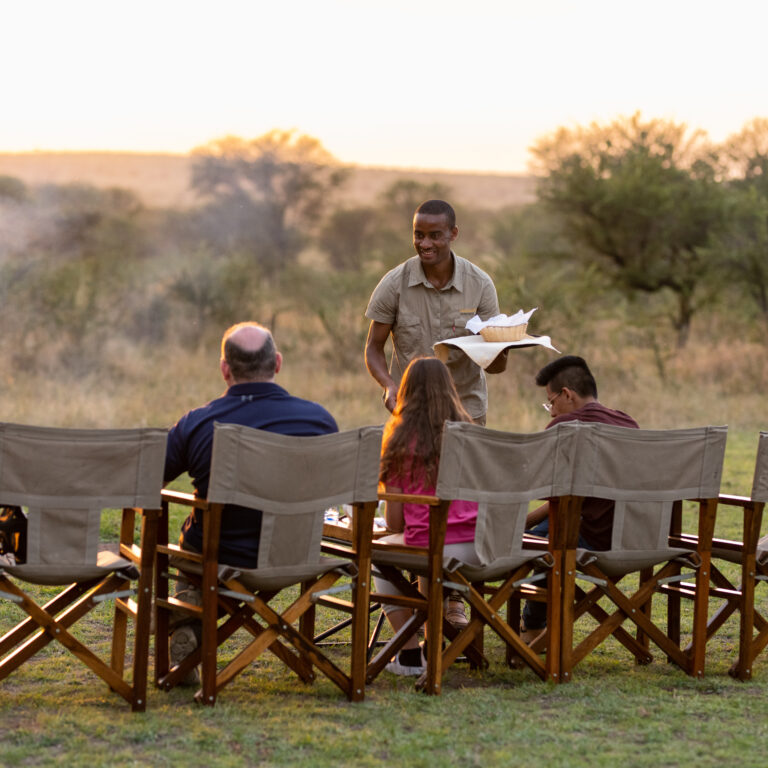
Sayari Camp - safari lodge in Serengeti National Park, 7 Travel Hacks for Smoother and Stress-Free Trips

Travel hacks for smoother and stress-free trips are essential for modern travelers seeking comfort, efficiency, and budget-friendly experiences in today’s fast-paced world. With the rise of global tourism and digital booking platforms, planning has become easier yet more overwhelming than ever before. This guide explores the best travel hacks including packing tips, airport strategies, accommodation booking tricks, transportation savings, and safety insights to help you travel smarter, not harder. Whether you are a solo traveler, family explorer, or business tourist, these SEO optimized travel tips ensure seamless journeys, reduced stress, better planning, and unforgettable experiences around the world while maximizing savings and convenience throughout every stage of your trip planning and execution process ensuring you enjoy every destination with confidence, clarity, and peace of mind while traveling worldwide efficiently safely. 1. Smart Packing Hacks Smart packing is one of the most important travel hacks for stress-free trips. Packing light helps reduce baggage fees and makes movement through airports easier. Use packing cubes to organize clothes and maximize luggage space. Choose versatile clothing items that can be mixed and matched for different occasions. Always check airline baggage policies before traveling to avoid unexpected charges. Roll clothes instead of folding to save space and reduce wrinkles. Keep essential items like toiletries, documents, and electronics in your carry-on bag for easy access during travel. This method improves organization, reduces stress, and ensures smoother travel experiences while also saving time at security checkpoints and helping you stay prepared for any unexpected delays or changes in your itinerary which enhances overall travel convenience significantly, especially for long trips abroad. 2. Travel Documentation Hacks Keeping travel documents organized is a key travel hack for stress-free journeys. Always store digital copies of your passport, visa, and ID in cloud storage for backup. Print physical copies and keep them separate from originals to avoid loss in emergencies. Use travel wallets or document organizers to keep everything secure and accessible. Check visa requirements early to prevent last-minute issues. Many countries require advance applications or online approvals. Having well-prepared documents reduces airport stress, improves immigration experience, and ensures smoother international travel transitions while also protecting you from unexpected legal complications during your trip journey worldwide. Always double-check expiration dates for passports and visas before departure and renew them early to avoid last-minute travel disruptions. Use travel apps for storing secure copies and emergency contact details for added safety assurance. 3. Airport Hacks Arriving early at the airport is one of the best travel hacks for avoiding stress. Early arrival gives you enough time for check-in, security, and boarding procedures without rushing. Use online check-in services to save time and select preferred seats in advance. Pack smart carry-on items to avoid baggage delays. Familiarize yourself with airport layout for smoother navigation. Stay hydrated and carry snacks for long waits. Efficient airport planning reduces anxiety, improves travel flow, and enhances overall flying experience while ensuring you remain relaxed and prepared throughout your journey from departure to arrival especially when traveling internationally where procedures can take longer and require additional documentation checks. Always monitor flight updates to avoid delays and gate changes efficiently improving travel confidence and convenience overall while reducing travel stress significantly worldwide. 4. Transportation Hacks Choosing the right transportation options is a crucial travel hack for saving money and time. Compare flights, trains, buses, and ride-sharing services before booking to find the best deals. Use fare comparison websites and apps to track price fluctuations. Book tickets in advance to secure lower rates whenever possible. Consider public transportation in destinations for affordable and authentic travel experiences. Avoid peak travel times to reduce costs and congestion. Smart transportation planning enhances travel efficiency, improves budgeting, and ensures smoother transitions between destinations while helping travelers maximize convenience and flexibility. Always research local transport safety standards before using unfamiliar services and keep emergency ride options saved on your phone for quick access in case of delays or cancellations. This ensures reliability and reduces unexpected stress during travel planning and execution. 5. Accommodation Hacks Finding the right accommodation is essential for a stress-free travel experience. Use trusted booking platforms to compare hotels, hostels, and vacation rentals based on price, location, and reviews. Always read guest feedback to ensure quality and safety. Book early during peak travel seasons to secure better rates and availability. Choose accommodations near major attractions or transport hubs for convenience. Verify cancellation policies before booking to avoid unexpected charges. Smart accommodation planning improves comfort, reduces stress, and enhances overall travel satisfaction while ensuring safe and reliable lodging experiences for all types of travelers. Always check amenities such as Wi-Fi, breakfast, and airport shuttle services before confirming your stay and communicating directly with hosts for special requests. This helps improve comfort and ensures smoother check-in experiences while reducing potential misunderstandings during travel. 6. Packing Essentials Hacks Packing essential items correctly is a major travel hack for stress-free trips. Always create a packing checklist before departure to avoid forgetting important items. Include travel adapters, chargers, medications, and toiletries. Pack multi-purpose items to reduce luggage weight. Keep valuables in carry-on bags for safety and easy access during travel. Use TSA-approved containers for liquids to speed up security checks. Efficient packing saves time, reduces stress, and improves travel organization while ensuring you have everything needed for a comfortable journey experience. Always pack weather-appropriate clothing based on destination forecasts and use compression bags to maximize space and minimize wrinkles. Keep emergency essentials like first-aid kits and power banks easily accessible during travel for added safety and convenience, ensuring a smooth travel experience overall every time you travel worldwide efficiently, safely, and comfortably. 7. Digital Travel Hacks Using digital tools is one of the most effective travel hacks for modern travelers. Download travel apps for flight tracking, hotel bookings, and navigation. Use Google Maps or offline maps for easier direction finding. Store boarding passes and tickets digitally to reduce paper clutter. Enable roaming or local SIM cards for reliable internet access while traveling. Use translation apps to communicate

What to Expect When Visiting a Maasai Village in Tanzania

What to expect when visiting a Maasai village in Tanzania, 10 Interesting Facts About the Maasai Tribe That You Should Know, 3Day Tanzania Classic Safari, Exploring the Wild on Foot: Maasai Walking Safaris, Tanzania Culture, Most Beautiful Tribes in Tanzania You Must See, What to Expect on a Tanzania Cultural Safari Experience, Tanzania Cultural Tours | Immerse Yourself In Tanzanian Culture

Visiting a Maasai village in Tanzania is one of the most authentic cultural tourism experiences in East Africa, offering travelers a rare opportunity to explore traditional Maasai culture, lifestyle, and heritage while on safari in Serengeti, Ngorongoro, and surrounding regions. Travelers can expect a deeply immersive journey into Maasai traditions, including their iconic red shukas, beadwork, cattle culture, and semi-nomadic way of life that has remained unchanged for centuries. This cultural experience is often included in Tanzania safari itineraries, especially those exploring Ngorongoro Conservation Area and Serengeti National Park, making it a highlight for visitors seeking authentic African cultural encounters. It offers unforgettable Maasai village visits, cultural exchange, and insight into Tanzania’s rich heritage tourism experience. Perfect for safari travelers seeking meaningful cultural interaction and local community engagement experiences today.  Arrival and First Impressions  When you arrive at a Maasai village in Tanzania, the first impression is a striking contrast of vibrant red clothing, open landscapes, and traditional mud and stick manyatta homes. Visitors are usually welcomed by Maasai warriors, known as Moran, who greet guests with ceremonial chants and jumping dances called adumu. The atmosphere feels both warm and ceremonial, setting the tone for an unforgettable cultural tourism experience. You will immediately notice the strong connection between the Maasai people and their livestock, especially cattle and goats, which are central to their daily life and economy. The village setting near Serengeti or Ngorongoro often offers breathtaking views of savannah plains. This moment introduces travelers to authentic Maasai culture, traditional hospitality, and the beginning of a meaningful Tanzania cultural safari adventure filled with discovery and connection. Traditional Maasai Welcome Ceremony  A key highlight of visiting a Maasai village in Tanzania is the traditional welcome ceremony, which showcases authentic Maasai cultural heritage. Visitors are greeted with rhythmic chants, singing, and energetic jumping dances performed by Maasai warriors. This ceremonial welcome is not just entertainment but a symbolic gesture of respect and hospitality deeply rooted in Maasai traditions. Tourists are often invited to participate, making it an interactive cultural tourism experience in East Africa. Elders may also offer blessings in the Maasai language, enhancing the authenticity of the moment. The ceremony reflects the strong unity of the Maasai community and their pride in preserving ancestral customs. Many Tanzania safari itineraries include this experience as part of Ngorongoro cultural tours or Serengeti village visits, giving travelers a powerful introduction to Maasai lifestyle, identity, and social structure. Learning Maasai Culture and Traditions   During a Maasai village visit in Tanzania, travelers gain deep insight into Maasai culture, traditions, and daily life. Guides or elders explain the structure of Maasai society, including the roles of warriors, women, and elders. Visitors learn about traditional beliefs, rites of passage, and the importance of cattle in Maasai economic and spiritual life. This cultural tourism experience in Tanzania highlights how the Maasai maintain their heritage despite modern influences. You may hear stories about their migration history across East Africa and their relationship with wildlife around Serengeti and Ngorongoro. Handcrafted beadwork, jewelry, and clothing styles are also explained in detail, showcasing artistic expression and identity. This immersive learning experience helps travelers understand authentic African cultural tourism and creates a meaningful connection between visitors and the Maasai community in their natural environment. Maasai Traditional Homes (Manyattas)   One of the most fascinating aspects of visiting a Maasai village in Tanzania is exploring the traditional homes known as manyattas. These circular huts are made from a mixture of mud, sticks, grass, and cow dung, carefully constructed by Maasai women. Inside, the homes are simple, with small sleeping areas, cooking spaces, and storage sections for household items. Despite their simplicity, manyattas are designed to be practical and durable, reflecting the Maasai way of life in harmony with nature. Visitors on cultural tourism safaris in Serengeti or Ngorongoro often get a guided tour inside these homes to understand daily living conditions. This experience highlights traditional African architecture and sustainable living practices. It offers a unique glimpse into Maasai culture, showing how families live in close connection with their environment and livestock. Maasai Dress and Beadwork  Maasai dress and beadwork are among the most recognizable symbols of Maasai culture in Tanzania. Visitors to Maasai villages will see men and women wearing brightly colored shukas, often in red, blue, or patterned designs. These garments represent identity, bravery, and cultural pride. Women are especially known for intricate beadwork jewelry, including necklaces, bracelets, and earrings, each carrying symbolic meaning related to age, marital status, and social position. During cultural tourism experiences in Ngorongoro or Serengeti regions, travelers often get a chance to try on Maasai attire and learn about bead-making techniques. This interaction supports local craftsmanship and helps preserve traditional skills. The vibrant colors and artistic designs make Maasai culture visually stunning and memorable, offering visitors a deeper appreciation of Tanzania’s rich cultural heritage tourism experience. Maasai Dance and Music Experience   Maasai dance and music are powerful expressions of identity and celebration, often showcased during village visits in Tanzania. The most famous performance is the adumu, or jumping dance, performed by Maasai warriors in competitive rhythm and height displays. Accompanied by chanting, humming, and rhythmic vocal sounds, the dance reflects strength, unity, and community pride. Visitors on Tanzania cultural tourism safaris are often invited to join the dance, creating an interactive and unforgettable experience. The music is traditionally vocal-based, without instruments, emphasizing harmony and group participation. These performances are not staged entertainment but authentic cultural expressions rooted in Maasai traditions. Whether in Serengeti, Ngorongoro, or surrounding areas, this experience gives travelers a deeper emotional connection to Maasai culture and highlights the importance of oral tradition in East African heritage tourism. Maasai Cattle Culture and Livelihood   Cattle are central to Maasai culture and livelihood, making them a key focus during any Maasai village visit in Tanzania. The Maasai are traditionally pastoralists, relying on livestock for food, income, and cultural identity. Visitors learn how cattle are used for milk, meat, and even social transactions such as dowries and ceremonies. This deep

How to Climb Kilimanjaro Sustainably and Responsibly

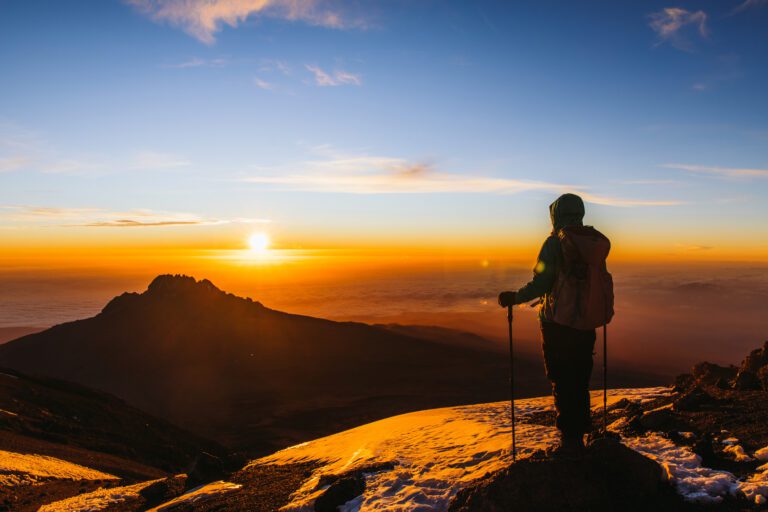
Mt. Kilimanjaro Summit from Karanga Camp, What I Wish I Knew Before Climbing Kilimanjaro, Climb Kilimanjaro Sustainably And Responsibly, All You Need To Know To Climb Mt Kilimanjaro, climbing and summiting Mt Kilimanjaro, Why the Machame Route is Popularly Called the "Whiskey Route", Choosing Lemosho Route Or Rongai Route, kilimanjaro campsites according routes, Climbing Kilimanjaro in July, Kilimanjaro Mawenzi Peak, Kilimanjaro’s Southern Circuit Route, Hygiene During Kilimanjaro Expeditions

Experiencing the ultimate climbing of Mount Kilimanjaro sustainably and responsibly is one of the most important ways to protect Africa’s highest peak while enjoying a once-in-a-lifetime adventure in Tanzania. As one of the world’s most iconic trekking destinations, Kilimanjaro National Park attracts thousands of climbers every year, making eco-friendly tourism and responsible travel essential. Sustainable Kilimanjaro trekking focuses on reducing environmental impact, supporting local communities, and following Leave No Trace principles. From choosing ethical tour operators to respecting wildlife and conserving resources, every decision matters. Whether you are planning a budget climb or a luxury expedition, understanding responsible tourism in Tanzania ensures the mountain remains pristine for future generations. This guide explores practical tips, eco-conscious strategies, and essential insights for climbing Kilimanjaro sustainably while enjoying a safe, meaningful, and unforgettable journey on Africa’s legendary mountain. Planning an eco-friendly Kilimanjaro climb Planning an eco-friendly Kilimanjaro climb begins with understanding the importance of sustainable tourism in Tanzania. Travelers should research responsible trekking practices and choose itineraries that minimize environmental impact on Kilimanjaro National Park. Popular eco-friendly Kilimanjaro tours, responsible climbing Kilimanjaro, and sustainable travel Tanzania should guide your planning process. Selecting the right route, such as Machame, Lemosho, or Marangu, can influence both success rate and environmental footprint. Proper preparation ensures you respect nature, conserve resources, and enjoy a safe, ethical, and memorable mountain experience in East Africa’s iconic peak. Additional preparation includes training, fitness awareness of altitude challenges, and packing lightweight gear to reduce waste and emissions during the climb. Choosing eco-certified operators further supports conservation efforts on Kilimanjaro, ensuring long-term protection of the mountain ecosystem preservation ensured. Choosing a responsible Kilimanjaro tour operator Choosing a responsible tour operator is one of the most important steps for climbing Kilimanjaro sustainably. Travelers should look for licensed Kilimanjaro operators that prioritize eco-friendly practices, fair wages for porters and guides, and adherence to Kilimanjaro National Park rules. Best Kilimanjaro tour companies, ethical trekking operators in Tanzania, and sustainable safari and trekking packages help guide your choice. Reputable operators reduce environmental impact, ensure safety, and support conservation initiatives. They also provide well-trained crews, proper equipment, and transparent pricing. Avoid companies that exploit workers or neglect environmental responsibility. Choosing wisely guarantees a more meaningful and sustainable Kilimanjaro experience. It also helps reduce carbon footprint and supports local Tanzanian communities around the mountain, ensuring long-term conservation success and responsible tourism growth in East African ecosystems, ensuring sustainability. Kilimanjaro Permits and Park Regulations Obtaining proper Kilimanjaro climbing permits is essential for sustainable and responsible trekking in Tanzania. Kilimanjaro National Park Authority requires all climbers to follow strict conservation rules designed to protect the mountain ecosystem. Kilimanjaro permits, fees, regulations, and park rules for climbers help improve search visibility. Understanding permit requirements ensures compliance and avoids penalties or delays. Permits also support conservation funding, ranger operations, and environmental protection initiatives. Visitors must respect designated routes, waste disposal rules, and wildlife protection laws to preserve Kilimanjaro for future generations. Responsible compliance strengthens eco-tourism sustainability. Climbers should apply early through certified tour operators to ensure smooth approval processes and avoid last-minute issues while supporting regulated tourism development in Tanzania mountain regions, preserving natural heritage balance and safety standards maintained compliance fully ensured. Leave No Kilimanjaro Trace principles Practicing Leave No Trace principles is fundamental to climbing Kilimanjaro sustainably. These principles help reduce environmental impact and preserve the natural beauty of Kilimanjaro National Park. Leave No Trace Kilimanjaro, eco-friendly trekking, and responsible tourism in Tanzania . Climbers should avoid littering, stay on designated trails, and respect wildlife habitats. Proper waste disposal and minimal camp disturbance are critical practices for sustainability. Porters and guides also play a key role in maintaining cleanliness and enforcing park rules. Following Leave No Trace ensures that future generations can enjoy the pristine environment of Africa’s highest peak. Responsible climbers should carry reusable bottles, reduce plastic use, and minimize campsite impact through careful planning and awareness of environmental conservation ethics on mountain ecosystems protection practices, ensuring long-term sustainability success on the Kilimanjaro ecosystem. Waste management on Kilimanjaro Effective waste management on Mount Kilimanjaro is essential for sustainable climbing and environmental protection in Tanzania. Proper disposal systems ensure that all trash is carried down the mountain, reducing pollution in Kilimanjaro National Park. Kilimanjaro waste management, eco-friendly trekking, and responsible climbing in Tanzania. Climbers should avoid single-use plastics and use biodegradable materials where possible. Tour operators must provide waste bags and enforce strict cleanup policies. Campsites should be left cleaner than they were found. Supporting proper waste systems helps protect wildlife habitats, water sources, and fragile mountain ecosystems. Sustainable practices ensure long-term conservation success on Africa’s iconic peak. Climbers must separate recyclables when possible and follow ranger instructions while minimizing environmental footprint through responsible behavior during expedition journeys across mountain routes, ensuring cleanliness preservation maintained ensured. Water usage and conservation Water usage and conservation on Mount Kilimanjaro are critical for sustainable trekking in Tanzania. Freshwater sources are limited at high altitudes, making responsible consumption essential. Kilimanjaro water conservation, eco-friendly trekking, and sustainable climbing in Tanzania. Climbers should avoid wasting water and use it efficiently during cooking, cleaning, and drinking. Tour operators must educate trekkers about conservation practices and provide safe, treated water sources. Reducing water waste helps protect fragile ecosystems and supports local communities downstream. Responsible behavior ensures the long-term sustainability of Kilimanjaro National Park. Environmental awareness plays a key role in preserving natural resources for future generations on Africa’s highest mountain. Climbers should carry refillable bottles and avoid disposable plastics while following strict hydration planning guidelines to minimize environmental impact during ascent, maintaining eco-friendly travel standards on Kilimanjaro. Wildlife respect on Kilimanjaro Respecting wildlife on Mount Kilimanjaro is essential for sustainable trekking and responsible tourism in Tanzania. Although Kilimanjaro is not a traditional safari destination, it hosts unique ecosystems that must be protected. Kilimanjaro wildlife conservation, eco-friendly trekking, and responsible tourism in Tanzania. Climbers should avoid disturbing animals, birds, and insects along the routes. Maintaining safe distances and minimizing noise helps preserve natural behavior patterns. Tour guides play

Feline Species of the World Found in Tanzania Safari

Serengeti Safari Tours offered by best Tour Operators, The 10 Best Tanzania Safari Parks You Shouldn’t Miss, What Are The Things Included In Your Tanzania Safari Cost?Northern Circuit Tanzania Safari and Zanzibar Combined Tour, Tanzania in April

Tanzania safari destinations are among the richest wildlife ecosystems in the world, offering incredible opportunities for viewing the most iconic feline species of Africa. From the endless plains of the Serengeti National Park to the dramatic landscapes of the Ngorongoro Crater and Tarangire National Park, Tanzania is a top safari destination for big cat encounters. Visitors searching for “African lions in Tanzania safari,” “leopards in Serengeti,” and “cheetah sightings in Tanzania” will find unmatched biodiversity. The country hosts a wide range of feline species, including lions, leopards, cheetahs, servals, caracals, and rare wildcats. These predators play a vital role in the ecosystem, shaping the balance of wildlife across savannah, woodland, and forest habitats. Tanzania remains one of the best places in Africa for luxury safaris, wildlife photography, and unforgettable big cat adventures. 1. African Lions – Kings of the Tanzania Safari Plains African lions are the most dominant and easily spotted feline species in Tanzania safari parks, especially in the Serengeti ecosystem and Ngorongoro Crater. Known as the “King of the Jungle,” lions thrive in open savannahs where prey is abundant, making Tanzania one of the best destinations for lion safaris in Africa. Tourists frequently search for “lion prides in Serengeti,” “lion hunting behavior in Tanzania,” and “Big Five safari Tanzania.” Lions live in structured prides led by dominant males, with females doing most of the hunting. Their social behavior, roaring communication, and cooperative hunting strategies make them fascinating to observe. Early morning and late evening game drives offer the highest chances of sightings. Tanzania’s conservation efforts have helped maintain stable lion populations, ensuring unforgettable wildlife encounters for safari travelers and photographers. 2. Leopards – The Elusive Tree-Climbing Felines of Tanzania Leopards are among the most mysterious and hard-to-spot feline species in Tanzania safari destinations. Found in Serengeti National Park, Ruaha, and Selous Game Reserve, leopards are highly adaptable predators known for their stealth and tree-climbing abilities. Explore incredible “leopard safari Tanzania,” “leopard sightings Serengeti trees,” and “African leopard behavior” highlight their popularity among wildlife enthusiasts. Leopards are solitary hunters, often active at night or during early morning hours. They drag their prey into trees to avoid scavengers like hyenas and lions. Their spotted coat provides excellent camouflage in wooded savannah environments. Despite being widespread, they remain elusive, making sightings a special highlight of any Tanzania safari. Professional safari guides use tracking skills to locate them resting on tree branches or near riverbanks. 3. Cheetahs – The Fastest Land Felines in Tanzania Safari Cheetahs are one of the most exciting feline species to observe in Tanzania safari parks, especially in the Serengeti and Ndutu plains. Known as the fastest land animals, they can reach speeds of up to 110 km/h during high-speed chases. Discover fabulous “cheetah safari Tanzania,” “cheetah hunting in Serengeti,” and “fastest animals in Africa safari” attract global travelers. Cheetahs prefer open grasslands where they can spot prey such as gazelles from a distance. Unlike lions and leopards, cheetahs are more slender and rely on speed rather than strength. They are often seen alone or in small family groups. Their survival is threatened by habitat loss and competition from stronger predators. Tanzania remains one of the best destinations in Africa for witnessing cheetah hunting behavior in the wild. 4. Serval Cats – The Grassland Hunters of Tanzania Serval cats are medium-sized feline species commonly found in Tanzania’s wetlands, grasslands, and savannah edges. They are highly skilled hunters with long legs and large ears, adapted for detecting rodents and small birds. Discover amazing “serval cat Tanzania safari,” “African wild cats in grasslands,” and “night hunting cats Tanzania” reflect growing interest in these unique felines. Servals are most active at dawn and dusk, using their exceptional hearing to locate prey hidden in tall grass. Their striking golden coat with black spots makes them visually stunning for wildlife photography. Unlike larger cats, servals rely on precision jumps rather than speed or strength. Tanzania’s diverse ecosystems, including Lake Manyara and the Serengeti plains, offer ideal habitats for serval sightings during safari game drives. 5. Caracals – The Secretive Jumping Felines of Tanzania Caracals are rarely seen but a fascinating feline species found in parts of Tanzania safari landscapes. Known for their powerful hind legs and dramatic jumping ability, caracals can leap high into the air to catch birds in flight, spott it when you go on a Fascinating “caracal Tanzania safari,” “African lynx cat sightings,” and “wild cat behavior Tanzania” highlight their growing popularity. These solitary predators prefer dry savannahs and semi-desert areas, making them more common in remote regions. Their reddish coat and tufted ears make them easily recognizable if spotted. Caracals are highly territorial and nocturnal hunters, feeding on small mammals and birds. Because of their elusive nature, sightings are rare, but they add excitement to wildlife safaris for experienced travelers seeking unique feline encounters beyond the Big Five. 6. African Wildcat – The Ancestor of Domestic Cats in Tanzania The African wildcat is one of the lesser-known feline species found in Tanzania safari ecosystems. It is considered the direct ancestor of the modern domestic cat, making it an important species in evolutionary studies. “African wildcat Tanzania,” “wild cat species Africa safari,” and “small cats of Tanzania” are increasingly searched by wildlife enthusiasts. African wildcats inhabit savannahs, grasslands, and scrublands where they hunt rodents and small reptiles. They are solitary, nocturnal hunters with excellent camouflage, making them difficult to spot. Their appearance closely resembles domestic cats, but with longer legs and more defined stripes. Tanzania’s protected areas help preserve its natural habitat, ensuring its continued survival. These cats play a vital ecological role in controlling rodent populations across African ecosystems. 7. African Golden Cat – Rare Forest Feline of Tanzania The African golden cat is one of the rarest feline species potentially found in Tanzania’s forested regions, although sightings are extremely uncommon. It is a mysterious and elusive predator inhabiting dense tropical forests and mountainous areas, observing the “rare cats Africa Tanzania,” “forest wild cats East Africa,” and “African

How You Can Support Conservation During Your Tanzania Safari

Honeymoon safaris in Tanzania | Tours, Luxury & Prices, How You Can Support Conservation During Your Tanzania Safari, Tanzania Safari Packages | Exploring The Finest Wildlife and Nature

Supporting conservation during your Tanzania safari is one of the most powerful ways to protect Africa’s iconic wildlife, landscapes, and ecosystems for future generations. Tanzania is home to world-famous destinations such as the Serengeti National Park, Ngorongoro Crater, Tarangire National Park, and Selous Game Reserve, all of which depend on responsible tourism and eco-friendly travel practices. By choosing sustainable safari operators, respecting park rules, and engaging in community-based tourism, travelers directly contribute to wildlife conservation in Tanzania initiatives. Eco tourism in Tanzania not only protects endangered species like elephants, lions, and rhinos but also supports local communities living around protected areas. This guide explores practical ways you can support conservation during your Tanzania safari while enjoying a meaningful, ethical, and unforgettable African adventure experience every single journey matters. Choose Eco-Friendly Tanzania Tour Operators  Choosing eco-friendly tour operators is one of the most effective ways to support conservation during your Tanzania safari. Responsible safari companies in Tanzania prioritize low-impact travel, wildlife protection, and community empowerment in areas such as Serengeti, Ngorongoro, and Lake Manyara. These operators follow standards including reducing plastic waste, limiting carbon emissions, and supporting anti poaching initiatives. By booking with sustainable safari companies, travelers help fund conservation programs that protect endangered species and preserve natural habitats. Many responsible operators collaborate with local communities to ensure tourism benefits are shared fairly. When planning your Tanzania safari, look for companies that promote responsible travel and wildlife viewing. Your choice of safari operator directly influences conservation success in Tanzania’s national parks and reserves, ensuring long term protection of Africa’s ecosystems and heritage. Support Local Conservation Fees  Paying conservation fees is a direct and impactful way to support wildlife protection during your Tanzania safari. Every entrance fee to national parks such as Serengeti, Ngorongoro Crater, and Tarangire contributes to vital conservation work. These funds are used for anti poaching patrols, habitat restoration, ranger salaries, and wildlife monitoring programs. By paying park fees willingly and understanding their purpose, travelers actively participate in preserving Tanzania’s natural heritage. Conservation fees also support research projects that study animal behavior and ecosystem health. Without these contributions, many conservation efforts would struggle to operate effectively. Responsible tourism ensures that every visitor becomes part of the solution. When you pay park fees during your safari, you are not just entering a wildlife destination, you are directly investing in the protection of Africa’s most valuable and fragile ecosystems. Respect Wildlife Viewing Rules  Respecting wildlife viewing rules is essential for supporting conservation during your Tanzania safari. In national parks such as Serengeti and Ngorongoro Crater, maintaining a safe distance from animals helps reduce stress on wildlife and prevents habitat disturbance. Tourists are encouraged to avoid off road driving, loud noises, and feeding animals, as these actions can disrupt natural behaviors and endanger species. Following park regulations supports anti poaching efforts and protects fragile ecosystems. Responsible wildlife viewing ensures that iconic animals like lions, elephants, leopards, and rhinos continue to thrive in their natural environment. By practicing safari behavior, visitors contribute to long term wildlife conservation Tanzania initiatives and eco tourism sustainability. Every respectful action taken during a safari plays a role in preserving Tanzania’s biodiversity for future generations while ensuring a safari experience. Reduce Plastic Waste on Tanzania Safari  Reducing plastic waste is a simple yet powerful way to support conservation during your Tanzania safari. Single use plastics can harm wildlife, pollute rivers, and damage fragile ecosystems in parks like Serengeti and Ngorongoro. Travelers are encouraged to carry reusable water bottles, eco friendly bags, and refillable containers throughout their journey. Many safari lodges and camps in Tanzania now support plastic free policies to protect the environment. Proper waste disposal also ensures that animals do not ingest harmful materials. By minimizing plastic consumption, tourists contribute to cleaner landscapes and healthier habitats. Eco conscious travel practices help preserve the natural beauty of Tanzania’s national parks. Every small action, from refusing plastic straws to properly disposing of waste, plays an important role in maintaining ecological balance and supporting long term wildlife conservation efforts across Tanzania’s protected areas and tourism destinations. Support Local Communities   Supporting local communities is a key way to enhance conservation during your Tanzania safari. Many communities living near Serengeti, Ngorongoro, and other protected areas depend on tourism for their livelihoods. By purchasing locally made crafts, staying in community owned lodges, and hiring local guides, travelers directly contribute to economic development. This reduces pressure on wildlife resources and promotes sustainable land use practices. Community based tourism also encourages conservation awareness among local people, creating a shared responsibility for protecting wildlife. When communities benefit from tourism, they are more motivated to preserve natural habitats and support anti poaching efforts. Engaging with Maasai culture and other indigenous groups adds cultural value to your safari experience. Responsible spending ensures that tourism income supports both people and wildlife, strengthening the long term success of conservation initiatives across Tanzania’s safari destinations and rural areas. Choose Eco Lodges and Camps   Choosing eco lodges and sustainable camps is an important way to support conservation during your Tanzania safari. Many lodges in Serengeti, Ngorongoro, and Tarangire are built using environmentally friendly materials and operate on renewable energy sources such as solar power. These accommodations reduce water usage, recycle waste, and support local conservation projects. Staying in eco lodges ensures that tourism has a minimal environmental footprint while maximizing positive impact on surrounding communities. Many of these camps also employ local staff, creating jobs that reduce dependence on natural resource exploitation. Eco friendly accommodation providers often participate in wildlife protection programs and anti poaching initiatives. By selecting sustainable lodging options, travelers directly support conservation focused tourism. This choice helps preserve Tanzania’s natural landscapes while offering an authentic and responsible safari experience that aligns with global eco tourism standards and environmental sustainability goals. Avoid Off Road Driving  Avoiding off road driving is essential for protecting fragile ecosystems during your Tanzania safari. National parks such as Serengeti and Ngorongoro Crater have designated tracks designed to minimize environmental damage and protect wildlife habitats.

How to Book a Sustainable African Safari: Ultimate Guide

How to Book a Sustainable African Safari: Ultimate Guide, 8-Day Tanzania Family Safari Vacations, What to Expect from a Mid-Range Safari in Tanzania, Should You Travel Solo on an African Safari?, Once-in-a-Lifetime African Safari Vacations, Authentic African Safaris, Luxury Fly-in & Fly Out Safaris, Tanzania Entry Requirements: Everything You Need to Know, Why Are African Safaris So Expensive? Unveiling the Hidden Costs, 1 Week Tanzania Safari Itinerary (Ultimate guide & Costs), Top 10 Activities While on Safari, Serengeti Walking Safari, Family Safari in Tanzania | Best Luxury African Safaris, Game Drive, 4x4 Safari Tours, Serengeti Safari From Arusha - Compare 398 Tours, Tanzania Safari From Arusha - Compare 933 Tour Packages, Safari Words to Know When Travelling in Africa, What Makes an African Safari for Seniors Unique, Serengeti Wildlife Photo Safaris, Unique Ways to Experience a Tanzania Safari, Enjoy The Finest Private Mid-Range Experience, 6-Day Mid-Range Highlights of Tanzania Safari, What Are The Things Included In Your Tanzania Safari Cost?, Great Migration Photo Safari, Top 15 Things to do in Tanzania, Serengeti and Zanzibar - Compare Combo Packages, The Perfect Tanzania Luxury Safari, Basic Swahili Phrases for Your Tanzania Safari, Family Friendly Safaris in Tanzania | Kid Friendly Stay & Activities, 10 Things You Need to Know About a Serengeti Safari, Best African Safari Tour Operators, Tanzania Safari from USA, Genuine Luxury Travel Company, 5-Day Ultra-Luxury First Class Serengeti Safari, 9-Day Tanzania Safari Deals | Tarangire, Lake Natron, Serengeti & Ngorongoro Crater, Ultra-luxury Tanzania Lodge & Tented Safari, Top African Safari Destinations for Families, How To Plan Your First Safari Vacation

To book a sustainable African safari, research eco-friendly tour operators and lodges, choose private conservancies or reserves, and prioritize ethical practices during your trip. Consider joining conservation-based safaris and minimizing your environmental impact by limiting time spent on safari and avoiding animal products. Booking well in advance, especially for popular destinations or during peak season, is recommended. The African safari, an age-old dream for many, is a journey into the heart of a continent brimming with life. It’s a chance to witness majestic lions, colossal elephants, and towering giraffes in their natural habitats. But as the world becomes more aware of its environmental and social footprint, the way we travel must evolve. A safari is no longer just about the thrill of the chase; it’s about preserving the very wilderness we’ve come to admire. Booking a sustainable African safari is a commitment—a pledge to protect wildlife, support local communities, and minimize your impact. It’s about trading a fleeting adventure for a lasting legacy. Here’s your ultimate guide to becoming a conscious explorer and crafting a safari that is as meaningful as it is memorable. 1. Choose an Ethical African Safari Operator Your choice of a safari operator is the single most important decision you’ll make. A truly ethical operator goes beyond the glossy brochures and promises. They are the guardians of the land, the advocates for its people, and the champions of its wildlife. Seek out operators with transparent policies on conservation and community engagement. Look for certifications from recognized bodies like the Global Ecotourism Network (GEN) or the African Responsible Tourism Awards. Ask them directly: How do they support local guides? What is their stance on animal welfare? Do they give back to the communities they operate in? A reputable operator will not only have answers but will be proud to share their initiatives with you. 2. Research Wildlife Conservation Efforts A safari’s purpose is to see wildlife, but a sustainable safari’s purpose is to protect it. Before booking, research the country’s and the specific region’s conservation efforts. Understand the challenges the local wildlife faces, whether it’s poaching, habitat loss, or human-wildlife conflict. Many parks and reserves, particularly in countries such as Kenya, Tanzania, and South Africa, are at the forefront of conservation efforts. Some operators contribute directly to these efforts through fees, donations, or by employing and training anti-poaching units. A safari with such an operator is more than a vacation; it’s a direct investment in the future of these magnificent creatures. 3. Consider Accommodation Options Where you rest your head at night matters just as much as what you see during the day expect to choose our top eco-friendly Lodges in East Africa, Tanzania. Ditch the large, high-impact lodges for more intimate, eco-friendly alternatives. Boutique lodges and tented camps often have a smaller footprint and are designed to blend seamlessly with the natural environment. Look for accommodations that use renewable energy, practice responsible waste management, and source their food locally. Many of these camps also serve as pillars of the community, providing employment and a market for local goods. By staying at these places, you’re not just a guest; you’re a partner in their mission among the best destinations for sustainable African safari honeymoons or family friendly. Top-rated Tanzania sustainable properties, eco-friendly safari lodges, offer a fantastic opportunity to experience the wonders of nature while minimizing your environmental impact. Several lodges across Africa and beyond are leading the way in sustainable tourism practices, focusing on renewable energy, water conservation, community development, and wildlife conservation. 4. Plan Your Sustainable African Itinerary Wisely The modern traveler often feels the urge to see it all, but a sustainable safari is about quality over quantity. Instead of a whirlwind tour of multiple national parks, consider spending more time in one or two areas our ultimate beginner’s guide to sustainable travel. This reduces your carbon footprint from travel and allows for a deeper, more immersive experience. Opt for activities that are low-impact, such as walking safaris or canoeing, which offer a different perspective and a more intimate connection with the environment. Avoid activities that exploit animals, such as riding elephants or interacting with captive predators. A truly wild encounter is a respectful one. 5. Engage with Local Communities The human element of a safari is just as important as the wildlife. The communities surrounding national parks and reserves are often the ones who bear the brunt of conservation efforts. A sustainable safari empowers and benefits these communities. Seek out opportunities to interact with local people in a respectful and meaningful way, responsible choices for your family, honeymoon, luxury, mid-range, budget eco-safari. Visit a community-run craft market, a local school, or a cultural village. A genuine operator will facilitate these interactions in a way that is mutually beneficial and avoids a “human zoo” dynamic. It’s about sharing a part of their world, not just observing it. 6. Pack Your Sustainable African Safari Mindfully Your Eco-Friendly Safari in Africa luggage can be a statement of your values checklist for a sustainable safari. Pack light to reduce the weight on aircraft and safari vehicles, which in turn reduces fuel consumption. Choose eco-friendly products, from biodegradable toiletries to reusable water bottles. Many camps have systems in place to filter water, so you won’t need to rely on single-use plastic bottles. Consider packing a small, solar-powered charger for your electronics. And remember to bring durable, long-lasting clothing that can withstand the rigors of a safari without needing frequent replacements. Every item you bring, or don’t bring, contributes to your overall footprint. 7. Capture Memories Respectfully The Ethical African Safari Experience’s desire to capture every moment on camera is understandable, but it’s crucial to do so with respect. Be mindful of your sustainable African Safaris for the conscious traveler’s presence and your equipment. Don’t use flash photography at night, as it can disorient nocturnal animals. Maintain a safe and respectful distance from wildlife, and don’t pressure your guide to get closer for the perfect shot. The best

All You Need to Know to Climb Mt Kilimanjaro

Mt. Kilimanjaro Summit from Karanga Camp, What I Wish I Knew Before Climbing Kilimanjaro, Climb Kilimanjaro Sustainably And Responsibly, All You Need To Know To Climb Mt Kilimanjaro, climbing and summiting Mt Kilimanjaro, Why the Machame Route is Popularly Called the "Whiskey Route", Choosing Lemosho Route Or Rongai Route, kilimanjaro campsites according routes, Climbing Kilimanjaro in July, Kilimanjaro Mawenzi Peak, Kilimanjaro’s Southern Circuit Route, Hygiene During Kilimanjaro Expeditions

Climbing Mount Kilimanjaro, Africa’s tallest peak at 5,895 meters, is a dream for adventurers worldwide. Situated in Tanzania, Kilimanjaro is known for its dramatic landscapes, from lush rainforests to alpine deserts and glacial summit zones. Unlike technical climbs, summiting Kilimanjaro is achievable for those with moderate fitness, making it one of the most popular trekking adventures globally. Choosing the right route, understanding altitude challenges, preparing for varied weather, and packing smartly are crucial to a successful trek. From cost estimates to the best climbing seasons, this guide covers everything you need to know for an unforgettable Kilimanjaro experience, whether you’re a first-time climber or an experienced hiker seeking Africa’s ultimate adventure. 1. Choosing the Right Kilimanjaro Route Selecting the ideal Kilimanjaro route is essential for success and enjoyment. There are seven main routes: Marangu, Machame, Lemosho, Shira, Rongai, Umbwe, and Northern Circuit. Marangu is the “Coca-Cola Route,” offering huts for overnight stays, while Machame is scenic and challenging. Lemosho and Shira routes provide longer itineraries, increasing acclimatization success. Rongai is the quietest route from the north, Umbwe is steep and for experienced trekkers, and Northern Circuit offers the longest, most remote trek. Each route differs in difficulty, scenery, and success rate. Consider factors like time availability, fitness level, and whether you prefer huts or tents. Choosing the right route enhances summit chances and ensures an unforgettable Kilimanjaro trekking experience, blending adventure with stunning panoramic views. 2. No Technical Skills Needed One of the most appealing aspects of climbing Kilimanjaro is that no technical climbing skills are required. Unlike Mount Everest or the Alps, you don’t need ropes, crampons, or specialized mountaineering experience. The trek relies on endurance, moderate fitness, and mental preparation. Trails are well-marked and supported by guides and porters who manage logistics, including camp setup and meals. While the summit is physically demanding due to steep ascents and high altitude, climbers use trekking poles and sturdy boots to navigate safely. This accessibility makes Kilimanjaro one of the most popular non-technical high-altitude climbs in the world. First-time climbers and adventurers can enjoy a bucket-list experience without advanced mountaineering training, relying on preparation, pacing, and professional guidance. 3. When is the Best Time to Climb Kilimanjaro The best time to climb Kilimanjaro depends on weather, trail conditions, and your preference for crowds. Peak climbing seasons are from January to March and June to October, offering dry, stable conditions with clear skies. These periods maximize summit success and minimize rain-related hazards. The shoulder months, November and May, have more rain, making trails slippery and less predictable. December and April are low-season months with fewer trekkers, which can appeal to those seeking solitude. Weather can vary dramatically with elevation, so even during the best times, climbers may encounter cold nights and high winds. Planning your climb during optimal months improves safety, comfort, and the chance to witness breathtaking sunrise and glacier views from Africa’s highest peak. 4. What is the Hardest Part of the Climb The hardest part of climbing Kilimanjaro is often the final ascent to Uhuru Peak. Known as the “Summit Night,” climbers leave camp around midnight to reach the summit by sunrise. The climb involves extreme cold, thin air, and steep inclines. Fatigue, low oxygen, and early waking make this stage mentally and physically challenging. Many trekkers experience altitude-related symptoms, including headaches, nausea, and breathlessness. Preparation through longer acclimatization days, proper pacing, and hydration is key. Despite the difficulty, the reward is immense: a panoramic view of Africa at dawn above clouds. While challenging, with adequate training, a proper route, and experienced guides, climbers can overcome the hardest part, making the summit experience profoundly rewarding. 5. How Fit Should I Be for the Hike Fitness is crucial for a successful Kilimanjaro climb. While no technical skills are needed, the trek demands cardiovascular endurance, leg strength, and mental stamina. Hikes range from 5 to 9 days, with 5–8 hours of daily trekking. Regular aerobic exercise, such as running, cycling, or swimming, improves stamina. Strength training for legs, core, and back aids uphill trekking and carrying a light daypack. Practicing long hikes with weighted backpacks simulates mountain conditions. Flexibility and balance exercises also help on uneven trails. Fitness levels affect acclimatization, fatigue, and overall summit success. Even moderate training months before the climb can significantly increase the chances of a safe, enjoyable, and triumphant ascent to Africa’s highest peak.  6. What Do I Need to Pack for Kilimanjaro Packing smart is essential for Kilimanjaro treks. Essentials Kilimanjaro packing list include layered clothing to adjust to varying temperatures: base layers, fleece mid-layers, and waterproof outer layers. Sturdy, broken-in hiking boots and moisture-wicking socks prevent blisters. Accessories include gloves, hats, sunglasses, and a headlamp. Trekking poles reduce knee strain during steep ascents. A durable backpack carries water, snacks, and personal items. High-SPF sunscreen and lip balm protect against strong UV rays at altitude. A reusable water bottle or hydration system ensures constant hydration. Don’t forget a camera for scenic memories and toiletries. Proper packing enhances comfort, safety, and endurance, allowing trekkers to focus on the summit and fully enjoy the changing landscapes of Kilimanjaro’s diverse ecological zones. 7. What is the Scariest Part of Kilimanjaro For many climbers, the scariest part of Kilimanjaro is the night-time summit push. Trekking in near darkness is the Scariest Part of Kilimanjaro, with extreme cold and low oxygen, creates a mentally intimidating environment. The trails are steep, rocky, and slippery in some areas, and the altitude may trigger dizziness or nausea. Concerns about altitude sickness, exhaustion, and harsh weather amplify fear. Despite these challenges, careful pacing, teamwork, and experienced guides provide reassurance. Proper mental preparation, visualization, and positive mindset help overcome fear. While the night ascent is daunting, it is also the most rewarding segment, culminating in sunrise views from Uhuru Peak. Facing this fear often becomes a highlight of the Kilimanjaro adventure, leaving climbers with a sense of achievement and resilience. 8. Altitude is the Biggest Challenge Altitude presents the most significant challenge on Kilimanjaro.

Must-Know Serengeti Safari Tips

Practical Information For Tanzania Safari, Arusha National Park Day Trip, Best Time To Visit Lake Manyara, Best Places to See Zebras in Tanzania, Tanzania in May: Weather, Tips and More, Tanzania Travel Seasons, Tanzania Weather, Ngorongoro Crater Safari Cost, Why Green Season is the Best Time for a Safari, Exploring Serengeti in June: A Comprehensive Guide, Serengeti in March, Ngorongoro in January, Ngorongoro in March, How to Get to Ngorongoro Crater, What Animals Will I See on Safari in Tanzania?, 8 Must-Know Serengeti Safari Tips, Top 5 Reasons to Give Green Season the Green Light, Why Africa Should Be Your Next Travel Destination, Arusha National Park Travel Guide, Unforgettable Tanzania Wildlife Encounters

A Serengeti safari is one of the most iconic wildlife experiences in Africa, offering unmatched opportunities to explore the vast plains of northern Tanzania. Serengeti National Park is world-famous for the Great Wildebeest Migration, Big Five sightings, and breathtaking landscapes that define the ultimate Tanzania safari adventure. These must-know Serengeti safari tips will help you plan a smooth, safe, and unforgettable journey. Whether you are booking luxury Tanzania safari packages or budget camping tours, understanding the best time to visit, what to pack, and how to prepare for game drives is essential. This guide also highlights expert travel advice, safari safety tips, and wildlife viewing strategies. From choosing the right safari lodges to maximizing your photography experience, everything is designed to help you enjoy the best Serengeti safari experience with confidence and ease. Best Time to Visit Serengeti   The best time to visit Serengeti depends on what you want to experience during your Tanzania safari. For the Great Wildebeest Migration, the peak months are June to October when wildlife gathers in large numbers across the northern Serengeti. January to March is ideal for calving season in the southern plains, offering dramatic predator action and newborn wildlife sightings. April and May bring lush green landscapes with fewer crowds and lower safari prices, perfect for budget travelers. Serengeti safari tips recommend planning early bookings during peak seasons to secure the best lodges and camps. Weather conditions are generally warm year-round, but the dry season offers better game viewing. Understanding seasonal wildlife movements ensures you experience the most rewarding safari adventure in Africa. Choose the Right Serengeti Safari Package  Selecting the right Tanzania safari package is crucial for a successful Serengeti adventure. Options range from luxury fly-in safaris to affordable camping tours and mid-range lodge experiences. Luxury safaris offer private guides, high-end lodges, and personalized itineraries, while budget tours provide shared vehicles and basic but comfortable accommodations. When booking, consider duration, destinations included, and whether the itinerary covers key parks like Serengeti, Ngorongoro Crater, and Tarangire. Serengeti safari tips suggest choosing packages that include full-day game drives for better wildlife encounters. Always compare operators based on reviews, safety standards, and experience. A well-planned safari package ensures you maximize wildlife sightings, reduce travel stress, and enjoy a seamless journey through Tanzania’s most famous national parks. Packing Essentials for Serengeti Safari   Packing correctly for a Serengeti safari is essential for comfort and practicality. Lightweight, neutral-colored clothing such as khaki, beige, and olive green is recommended to blend with the environment and avoid attracting insects. Include a wide-brim hat, sunglasses, sunscreen, and insect repellent for protection during game drives. Comfortable walking shoes are necessary for lodge stays and nature walks. Serengeti safari tips also emphasize bringing binoculars, a good camera with extra batteries, and memory cards for capturing wildlife moments. A light jacket is useful for early morning and evening game drives when temperatures drop. Avoid heavy luggage due to the small safari aircraft’s weight limits. Packing smart ensures a smooth, enjoyable Tanzania safari experience with everything you need for adventure in the wild. Understand the Serengeti Great Migration  The Great Wildebeest Migration is one of the most spectacular natural events in the world and a highlight of any Serengeti safari. Over two million wildebeest, zebras, and gazelles move across the ecosystem in search of fresh grazing and water. This movement creates dramatic river crossings, predator-prey interactions, and breathtaking scenery. Serengeti safari tips recommend timing your visit based on migration routes, especially the Mara River crossings between July and September. However, migration is a year-round cycle, so different regions offer unique experiences throughout the seasons. Understanding this movement helps travelers choose the best locations for wildlife viewing. A knowledgeable safari guide can significantly enhance your experience by tracking herds and positioning you for unforgettable photographic opportunities in Tanzania’s wilderness. Book Experienced Serengeti Safari Guides   An experienced safari guide can transform your Serengeti adventure into a life-changing experience. Professional guides have deep knowledge of animal behavior, migration patterns, and hidden wildlife hotspots. They also ensure your safety while navigating remote areas of Serengeti National Park. Serengeti safari tips strongly recommend choosing licensed, English-speaking guides with strong local expertise. A good guide helps you spot elusive animals like leopards, cheetahs, and rhinos, which are often difficult to find. They also share cultural insights about Tanzania’s ecosystems and conservation efforts. Whether you are on a luxury or budget safari, having the right guide improves your chances of seeing the Big Five and enhances your overall travel experience. Always check reviews and operator credentials before confirming your safari booking. Serengeti Safari Game Drive Tips   Game drives are the highlight of any Serengeti safari, offering close encounters with Africa’s most iconic wildlife. Early morning and late afternoon drives are the best times for animal activity and photography. Serengeti safari tips recommend keeping quiet during drives to avoid disturbing wildlife. Always carry a camera with a zoom lens and binoculars for distant sightings. Stay seated unless instructed by your guide, as safety is a top priority. Patience is essential, as wildlife sightings can take time but are always rewarding. Avoid sudden movements or loud noises that may scare animals away. Following your guide’s instructions ensures a safe and enjoyable experience. Game drives in Tanzania provide unforgettable Serengeti safari moments, from lion hunts to elephant herds crossing the plains under golden African light. Safari Accommodation Options in Serengeti   Accommodation in the Serengeti ranges from luxury lodges to tented camps and budget-friendly public campsites. Luxury safari lodges offer comfort, gourmet meals, and panoramic views of the savannah, while tented camps provide an immersive wilderness experience close to nature. Budget camps are ideal for adventurous travelers seeking affordable Tanzania safari experiences. Serengeti safari tips suggest booking accommodation early, especially during peak migration seasons. Staying inside the park increases your chances of early morning wildlife sightings. Many lodges also offer guided game drives, bush dinners, and cultural experiences. Choosing the right accommodation depends on your budget, travel style, and comfort preferences. Whether luxury or simple,

best things to do in Kilimanjaro region

Marangu Route 5- 6 days Itinerary, Prices & Dates, Is Climbing Kilimanjaro Worth It, How Hard is it to Climb Mount Kilimanjaro? The 10 best things to do in Kilimanjaro region, The Bushland/Cultivated Zone of Mount Kilimanjaro, The Arctic Zone of Kilimanjaro, Should I Use Trekking Poles on Kilimanjaro?

The Kilimanjaro Region in Tanzania is one of Africa’s most iconic travel destinations, blending breathtaking landscapes, rich culture, and world-class adventure. Dominated by the legendary Mount Kilimanjaro, this region offers far more than trekking Africa’s tallest peak. From lush coffee farms and hidden waterfalls to vibrant Chagga villages and wildlife-rich national parks, Kilimanjaro tourism delivers unforgettable experiences for every traveler. Whether you’re planning a luxury safari, budget adventure, honeymoon escape, or solo trip, the region is packed with top-rated attractions and activities. With excellent accessibility from Moshi and Arusha, diverse climates, and year-round travel opportunities, Kilimanjaro stands out as a must-visit destination in East Africa. This guide explores the best things to do in the Kilimanjaro Region while helping you plan the ultimate Tanzania adventure. 1. Climb Mount Kilimanjaro Climbing Mount Kilimanjaro is the ultimate bucket-list adventure and one of the best things to do in Tanzania. As Africa’s highest peak at 5,895 meters, it attracts thousands of trekkers seeking the challenge of reaching Uhuru Peak. Popular Kilimanjaro routes such as Machame, Marangu, Lemosho, and Rongai offer varying difficulty levels, scenic beauty, and success rates. This once-in-a-lifetime trek takes you through diverse ecosystems, from rainforest to alpine desert and icy summit glaciers. Guided by experienced local porters and guides, climbers enjoy a safe and well-supported journey. Whether you choose a luxury Kilimanjaro climb or a budget trekking package, the experience promises breathtaking views and personal achievement. It’s a must-do adventure for hikers, thrill-seekers, and anyone seeking the ultimate African safari and trekking experience. 2. Explore Kilimanjaro National Park A visit to Kilimanjaro National Park is essential for nature lovers and adventure travelers. This UNESCO World Heritage Site protects the slopes of Mount Kilimanjaro and offers diverse habitats, from dense montane forests to alpine landscapes. Visitors can enjoy day hikes, birdwatching, and guided nature walks without summiting the mountain. The park is home to wildlife such as colobus monkeys, elephants, and various bird species, making it ideal for eco-tourism and photography. Kilimanjaro National Park is also a starting point for trekking expeditions, with well-maintained routes and scenic viewpoints. Whether you’re planning a short excursion or a full climb, the park provides an immersive experience in Tanzania’s natural beauty. It’s one of the top attractions in the Kilimanjaro Region for travelers seeking both relaxation and adventure. 3. Visit Materuni Waterfalls Nestled near Moshi, Materuni Waterfalls is one of the most beautiful natural attractions in the Kilimanjaro Region. Surrounded by lush greenery and banana farms, this hidden gem offers a refreshing escape from the heat. The hike to the waterfall takes you through scenic Chagga villages, providing insight into local culture and daily life. Once you arrive, you’ll be rewarded with a stunning cascade perfect for swimming and photography. Many tours combine a visit to Materuni with a traditional coffee-making experience, where you can learn how coffee is grown, roasted, and brewed. This eco-friendly activity is ideal for families, couples, and solo travelers looking for authentic experiences. Visiting Materuni Waterfalls is a must-do for those seeking relaxation, cultural immersion, and natural beauty in Tanzania. 4. Discover Chagga Culture The Kilimanjaro Region is home to the Chagga people, one of Tanzania’s most fascinating ethnic groups. Visiting a local village offers a unique cultural tourism experience where you can learn about traditional farming, food preparation, and community life. Many tours include visits to underground caves historically used during tribal conflicts, as well as banana plantations and coffee farms. Engaging with Chagga traditions provides deeper insight into the region’s heritage and way of life. Cultural tours are often guided by local experts who share stories, music, and dance. This immersive experience is perfect for travelers seeking meaningful connections and authentic African culture. Exploring Chagga culture not only enriches your journey but also supports local communities through sustainable tourism initiatives in the Kilimanjaro Region. 5. Experience Coffee Tours in Moshi Moshi is renowned for its high-quality Arabica coffee, grown on the fertile slopes of Mount Kilimanjaro. A coffee tour in this region is a must for coffee lovers and cultural explorers. Visitors can tour local farms, learn about organic coffee cultivation, and participate in traditional roasting and brewing processes. These tours often take place in scenic գյուղ settings, offering stunning views of the mountain and surrounding countryside. The experience is interactive, allowing you to grind beans by hand and enjoy freshly brewed coffee. Coffee tourism in Kilimanjaro supports local farmers and promotes sustainable agriculture. Whether you’re a casual drinker or a coffee enthusiast, this activity provides a deeper appreciation for Tanzania’s coffee industry. It’s one of the most relaxing and educational things to do in the Kilimanjaro Region. 6. Visit Kikuletwa Hot Springs Also known as Chemka Hot Springs, Kikuletwa Hot Springs is a hidden oasis in the Kilimanjaro Region. Surrounded by fig trees and crystal-clear turquoise اthis spring offers a perfect place to relax after a safari or trek. The warm is ideal for swimming, and the rope swings add a fun, adventurous element. Located between Moshi and Arusha, it’s easily accessible for day trips. Visitors can enjoy picnics, sunbathing, and nature photography in this tranquil setting. Kikuletwa Hot Springs is especially popular among couples, families, and backpackers looking for a peaceful retreat. This paradise is one of the best-kept secrets in Tanzania and a must-visit destination for anyone exploring the Kilimanjaro Region. 7. Take a Day Trip to Arusha National Park A short journey from Kilimanjaro takes you to Arusha National Park, a destination for a day safari. Known for its diverse landscapes, the park features Mount Meru, lush forests, and the scenic Momella Lakes. Visitors can enjoy game drives, walking safaris, and canoeing experiences. Wildlife sightings include giraffes, zebras, buffaloes, and flamingos, making it perfect for photography enthusiasts. Unlike larger parks, Arusha National Park offers a less crowded safari experience. It’s ideal for travelers with limited time who still want to enjoy Tanzania’s wildlife. Combining this trip with Kilimanjaro activities creates a well-rounded travel itinerary. A visit here adds variety to your adventure,

First Timer’s Guide Step-by-Step to Planning your Tanzania Safari

Entamanu Ngorongoro | Best Tanzania Safari Lodges, Is It Safe to Travel to Tanzania?, First Timer's Guide Step-by-Step to Planning your Tanzania Safari

Planning your first Tanzania safari is one of the most exciting travel experiences in Africa, combining breathtaking wildlife, iconic landscapes, and an unforgettable first-timer’s guide step-by-step to planning your Tanzania Safari adventure. From the world-famous Great Migration in the Serengeti to the dramatic wildlife-filled Ngorongoro Crater, Tanzania offers some of the best safari experiences on earth. First-time travelers often search for terms like “Tanzania safari planning guide,” “best African safari destinations,” and “affordable Tanzania safari packages,” and this step-by-step guide brings everything together in one place. Whether you are planning a luxury safari, mid-range adventure, or budget camping safari, understanding the process is key. This guide will help you choose the best time, destinations, safari style, accommodation, costs, and travel essentials while ensuring you experience a safe, well-organized, and truly unforgettable Tanzania safari adventure from start to finish. Step 1: Decide the Best Time to Go on a Tanzania Safari Choosing the best time to visit Tanzania is crucial for an unforgettable safari experience. The dry season from June to October is considered the peak safari period, offering excellent wildlife viewing in parks like Serengeti National Park and Tarangire National Park as animals gather around water sources. This is also the best time for witnessing the Great Migration river crossings. The green season from November to May is ideal for birdwatching, lush landscapes, and fewer crowds, making it perfect for budget travelers and photographers. Many travelers search for “best time for Tanzania safari” or “Tanzania weather safari guide,” and the answer depends on your interests. If you prefer dramatic wildlife action, choose the dry season. If you want green scenery and lower prices, the wet season is ideal. Planning around seasons ensures better sightings and smoother safari experiences. Step 2: Choose Tanzania Safari Parks & Destinations Selecting the right safari parks is essential for your Tanzania adventure. The most popular destinations include Serengeti National Park for the Great Migration, Ngorongoro Crater for dense wildlife in a volcanic caldera, and Tarangire National Park, known for large elephant herds and baobab landscapes. Other must-visit locations include Lake Manyara National Park and Arusha National Park for shorter game drives. Travelers often search for “best Tanzania safari parks,” “Northern Circuit Tanzania safari,” and “wildlife safari destinations in Africa.” Each park offers unique experiences—Serengeti for vast plains, Ngorongoro for big five sightings, and Tarangire for off-the-beaten-path beauty. Choosing the right combination of parks ensures a well-rounded safari itinerary. First-time visitors should consider a Northern Circuit safari route for convenience, diversity, and the highest chance of seeing the Big Five. Step 3: Choose Tanzania Safari Styles Tanzania offers a wide range of safari styles to match different budgets and travel preferences. Popular options include luxury safaris, mid-range lodge safaris, budget camping safaris, private guided safaris, and fly-in fly-out safaris. Luxury safaris focus on comfort, high-end lodges, and exclusive wildlife experiences, while budget safaris offer affordability and adventure. Many travelers search for “best Tanzania safari types,” “luxury vs budget safari Tanzania,” and “private safari Tanzania cost.” Choosing your safari style depends on your budget, comfort level, and travel goals. For example, honeymoon travelers often prefer luxury tented camps, while backpackers choose camping safaris. Family travelers may opt for private safaris for flexibility. Fly-in safaris are ideal for saving travel time and maximizing wildlife viewing. Understanding safari styles helps you balance comfort, cost, and adventure while ensuring a personalized and unforgettable Tanzania safari experience. Step 4: Select Tanzania Safari Accommodation Accommodation plays a major role in your Tanzania safari experience. Options range from luxury safari lodges and tented camps to mid-range lodges and budget campsites. Popular searches include “best Tanzania safari lodges,” “tented camps Serengeti,” and “affordable safari accommodation Tanzania.” Luxury lodges near Serengeti National Park offer premium comfort, fine dining, and incredible views of wildlife. Mid-range lodges provide comfort at reasonable prices, while budget camps offer simple but immersive nature experiences. Many accommodations are strategically located inside or near parks for easy access to game drives. Choosing the right stay depends on your safari style and budget. For first-time travelers, tented camps are highly recommended as they combine comfort with an authentic bush experience. Booking early, especially during peak season, ensures better availability and competitive prices. Step 5: Book with a Reputable Tanzania Safari Tour Operator Booking with a trusted safari tour operator is one of the most important steps in planning your trip. Many travelers search for “best Tanzania safari companies,” “reliable safari operators Tanzania,” and “how to book Tanzania safari packages.” A reputable operator ensures safety, professional guides, well-planned itineraries, and transparent pricing. They also handle park fees, accommodation, transportation, and logistics, making your journey stress-free. Look for licensed companies with positive reviews, experienced guides, and strong knowledge of parks like Ngorongoro Crater and Serengeti. Compare multiple safari packages and check what is included before booking. Avoid extremely cheap offers, as they may compromise safety or quality. A good operator customizes your itinerary based on your interests, whether wildlife photography, luxury travel, or budget adventure. Booking early ensures better availability and smoother planning for your Tanzania safari experience. Step 6: Understand Tanzania Safari Costs Understanding safari costs helps you plan a realistic budget. Tanzania safari prices vary depending on accommodation, season, duration, and safari style. Travelers often search for “Tanzania safari cost per day,” “cheap Tanzania safari packages,” and “luxury safari Tanzania price.” Budget safaris may start from lower daily rates, while luxury safaris can be significantly higher due to premium lodges and services. Park fees, especially for places like Serengeti National Park and Ngorongoro Crater, also contribute to total costs. Additional African Safari expenses include flights, tips, drinks, and optional activities like hot air balloon safaris. A 5–7 day Tanzania safari is ideal for first-timers to balance cost and experience. Planning ahead helps avoid hidden charges and ensures better value. Comparing packages from different operators helps you find the best balance between comfort, experience, and affordability. Step 7: Pack Smart for Your Tanzania Safari Packing correctly is essential for a comfortable Tanzania safari