How to Find the Best Kilimanjaro Tour Operators
To find the best Kilimanjaro tour operator, shortlist licensed Tanzanian companies, then compare their guides, safety equipment, route length, porter welfare, equipment, written quotes and independent reviews. The best operators carry emergency oxygen and pulse oximeters, run twice-daily health checks, recommend seven to nine-day routes such as Lemosho or Machame, follow KPAP porter standards and answer every question clearly in writing before you pay a deposit.
Finding the best Kilimanjaro tour operator is one of the most important steps in planning a safe and successful climb of Africa's highest mountain. Hundreds of companies sell Kilimanjaro climbs every year, and their prices, guides, equipment and safety standards vary widely. This step-by-step guide shows you exactly how to check an operator, from licensing and guide training to safety equipment, acclimatisation, porter welfare, written quotes and reviews. It also compares the main routes, explains what a fair quote should include, lists the red flags to avoid and gives you a simple printable checklist to use before you book anything.
How to Find the Best Kilimanjaro Tour Operator in 10 Steps
The easiest way to find the best Kilimanjaro tour operator is to check every company on your shortlist in exactly the same order, step by step. The ten tabs below walk you through each step, from licensing and guide training to safety equipment, route length, itinerary detail, success rates, equipment, porter welfare, pricing and reviews. Each tab explains what to check, the question to ask, the proof to request and the red flag that should make you walk away. Work through all ten steps and you will quickly see which operators truly deserve your trust and your deposit.
Step 1: Check Licensing and Park Authorisation
A valid Tanzania tourism licence (TALA) and Kilimanjaro National Park authorisation
“What is your licence number?”
Start by confirming that the operator is a registered Tanzanian company with a valid tourism licence and authorisation to run climbs in Kilimanjaro National Park. Licensed operators pay official park fees, follow park rules and are accountable if something goes wrong. Ask for the licence number in writing and check that park fees appear clearly on your quote.
Learn more →Step 2: Assess Guide Experience and Training
Park-licensed lead guides with wilderness first-aid training and years of summits
“How many climbs has my lead guide led?”
Your lead guide makes the decisions that keep you safe at altitude, so experience matters most. The best operators employ park-licensed guides trained in wilderness first aid, who recognise altitude sickness early and adjust the pace. Ask how many summits your lead guide has led, what training they hold and how many assistant guides will join your climb.
Learn more →Step 3: Evaluate Safety Standards and Emergency Support
Emergency oxygen, pulse oximeters, first-aid kit and twice-daily health checks
“What happens if I need to descend?”
A professional operator carries emergency oxygen, pulse oximeters and a full first-aid kit on every climb, and checks your oxygen level and pulse twice a day. It also has a clear evacuation plan, a way to contact park rescue and a guide who will escort you down if needed. Ask the operator to explain each step of its emergency procedure.
Learn more →Step 4: Compare Routes and Acclimatisation
Seven to nine-day routes such as Lemosho, Machame or the Northern Circuit
“Why do you recommend this route?”
Route length matters more than route name, because extra days give your body time to adjust to the altitude. Good operators recommend Lemosho, Machame, Rongai or the Northern Circuit on seven to nine-day itineraries that follow the climb high, sleep low principle. They explain why a route suits your fitness and dates rather than simply selling the shortest option.
Learn more →Step 5: Ask for a Detailed Day-by-Day Itinerary
Daily walking times, altitudes, camps and meals for every day
“Can I see the full day-by-day plan?”
A detailed itinerary shows that the operator knows the mountain and plans carefully. It should list each day's walking time, starting and finishing altitude, campsite, meals and the summit-night timing, plus hotel nights and transfers before and after the climb. Use it to compare operators fairly, and be cautious of companies that send only a vague outline.
Learn more →Step 6: Ask About Summit Success Rates
Success rates broken down by route and number of days
“What is your success rate on this route?”
Summit success depends mostly on route length and acclimatisation, so ask for success rates broken down by route and number of days rather than one headline figure. Longer itineraries usually show much higher success than short climbs. A trustworthy operator explains how its rates are measured and is honest that weather, health and altitude can still stop any climber.
Learn more →Step 7: Check Equipment, Camping Gear and Food
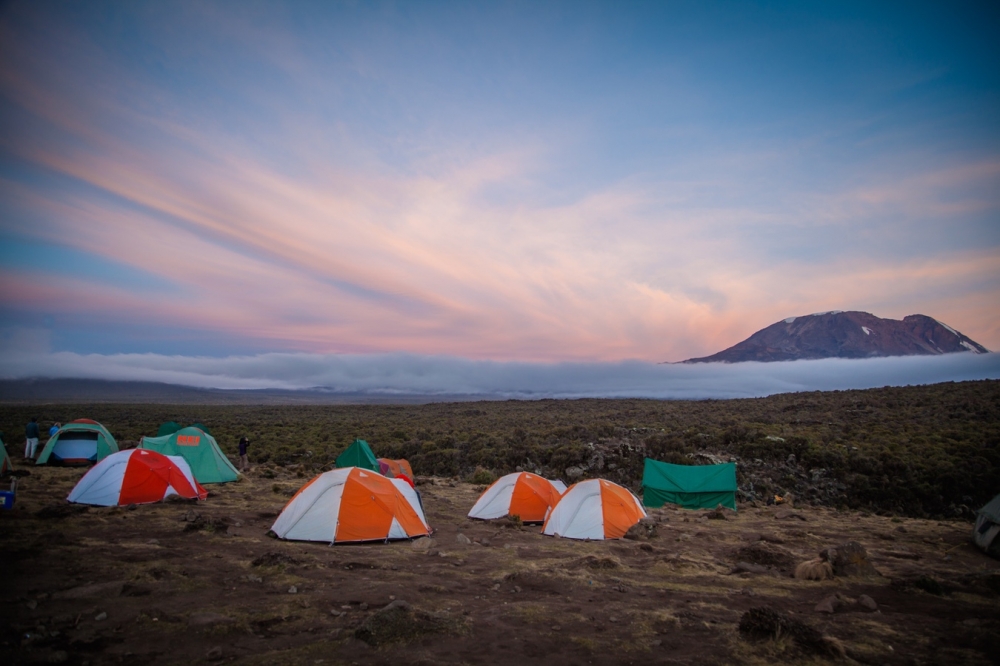
Four-season tents, thick sleeping mats, a dining tent and fresh, varied meals
“What tents, mats and meals do you provide?”
Good sleep and good food keep your energy up on long walking days, so equipment quality matters. The best operators use well-maintained four-season tents, thick sleeping mats, a dining tent with table and chairs, and an optional private toilet tent. Experienced mountain cooks prepare fresh, balanced meals and safely treated drinking water. Ask for photos of the actual equipment used.
Learn more →Step 8: Confirm Ethical Porter Treatment
Fair wages, meals, warm gear, shelter and park load limits
“Do you follow KPAP porter standards?”
Porters carry your tents, food and bags, and they deserve fair pay, proper meals, warm clothing, sleeping shelter and loads within park weight limits. The Kilimanjaro Porters Assistance Project, known as KPAP, monitors these standards and lists partner companies that meet them. Ask whether the operator follows KPAP standards and how it pays and equips its crew.
Learn more →Step 9: Compare Prices and Cost Transparency
A written, itemised quote with clear inclusions and exclusions
“What exactly does the price include?”
Kilimanjaro National Park fees are the largest single cost, and they are charged per person per day, which is why longer climbs cost more. A professional operator gives you a written, itemised quote covering park fees, crew, meals, tents, transfers and hotel nights, and lists what is excluded. Compare quotes line by line rather than choosing on price alone.
Learn more →Step 10: Read Reviews and Test Customer Support
Recent, detailed independent reviews and fast, clear replies
“Can you answer my questions in writing?”
Read recent, detailed reviews on independent platforms that describe guides, food, safety and support, not only the summit. Read low ratings too and see how the company replied. Then test the operator yourself by sending the same questions to every company on your shortlist. Fast, clear and honest written answers usually reflect how well the climb will be organised.
Learn more →Kilimanjaro Routes and Acclimatisation
A good Kilimanjaro tour operator will help you choose the right route for your fitness, dates and comfort, rather than simply selling the cheapest or shortest option available. The table below compares the seven main Kilimanjaro routes by typical length, sleeping style and what to expect on the trail, so you can check whether an operator's advice makes sense. Longer routes such as Lemosho, Machame and the Northern Circuit allow better acclimatisation and usually lead to higher summit success. Use the altitude guide underneath to understand how quickly each itinerary gains height before the long summit night begins.
| Route | Days | Sleeping | What to expect |
|---|---|---|---|
| Lemosho | 7–8 days | Tents | Scenic, quiet start, excellent acclimatisation |
| Machame | 6–7 days | Tents | Scenic and popular, good acclimatisation |
| Northern Circuit | 8–9 days | Tents | Longest and quietest, best acclimatisation |
| Rongai | 6–7 days | Tents | Drier northern side, gentle and quieter |
| Marangu | 5–6 days | Huts | Only route with huts, shorter itinerary |
| Shira | 7–8 days | Tents | Starts high on the Shira Plateau |
| Umbwe | 6–7 days | Tents | Steep and direct, for experienced trekkers |
Kilimanjaro altitude at a glance
- about 890 mMoshi town
- about 1,800 mPark gates
- about 3,800 mShira Plateau
- about 4,670 mBarafu Camp
- 5,895 mUhuru Peak
What a Kilimanjaro Quote Should Include
A clear quote is one of the best ways to tell a professional Kilimanjaro tour operator from a risky one. The best operators send a written, itemised quote that lists exactly what is included and what is not, so there are no unwelcome surprises in Arusha or at the park gate. Use the two lists below to check every quote you receive, and ask the operator to confirm anything that is missing. Remember that Kilimanjaro National Park fees are charged per person per day, so a longer and safer route will always cost more than a short one.
Usually included
- Kilimanjaro National Park fees (conservation, camping or huts, rescue)
- Licensed lead guide, assistant guides, cook and porters
- Tents, sleeping mats, dining tent and toilet tent
- Emergency oxygen, pulse oximeters and first-aid kit
- All meals and treated drinking water on the mountain
- Airport and park gate transfers
- Hotel nights before and after the climb
Usually not included
- International flights
- Tanzania visa
- Travel insurance covering trekking to 6,000 m
- Personal gear, sleeping bag and trekking poles (rental possible)
- Tips for guides, cook and porters
- Drinks and personal expenses in hotels
Red Flags to Avoid When Choosing an Operator
Some warning signs appear again and again when Kilimanjaro climbs go wrong, and most of them are visible before you ever pay a deposit. The eight red flags below come from the same checks covered in the step-by-step guide, from missing licences and vague answers on safety to unclear quotes and pressure to book quickly. If an operator shows one of these signs, ask the company for a clear written explanation. If it shows several, simply remove it from your shortlist and move on, because a cheaper or quicker booking is never worth risking your safety on the mountain.
Often means underpaid porters, poor equipment or too few acclimatisation days.
A legitimate operator shares its Tanzania tourism licence without hesitation.
Basic safety equipment should be standard on every climb, not an extra.
Five-day climbs keep prices low but reduce acclimatisation and success.
No altitudes, camps or walking times usually means poor planning.
Park fees, transfers or rescue added after you book.
No answer on porter wages, meals, gear or load limits.
Rushed deposits and slow, unclear replies to your questions.
Kilimanjaro Operator Checklist
Use this checklist to compare every Kilimanjaro tour operator on your shortlist side by side. Tick each point off only when the company has given you clear proof, such as a licence number, a written itinerary, a description of its safety equipment, an itemised quote or links to recent independent reviews. An operator that passes all ten checks is very likely to run a safe, well-organised, enjoyable and truly memorable climb. You can print the list, take it to your calls with each company and keep it with your quotes so you can make a confident final decision.
Kilimanjaro operator checklist 10 checks
This operator passes every check. Time to plan your climb!
How to Book Your Kilimanjaro Climb
Once you have found the right Kilimanjaro tour operator, booking your climb should be simple, clear, transparent and fully supported from your first enquiry onwards. A professional operator guides you through each stage, from choosing dates and a route to confirming your private itinerary, paying a deposit and preparing for the mountain. The five steps below show how booking normally works, and exactly what a good operator should send you along the way. Keep every confirmation in writing, and make sure your travel insurance covers trekking to 6,000 metres before you travel to Tanzania for your Kilimanjaro climb.
- Share your plansSend your dates, fitness level, budget and preferred comfort level to your shortlist.
- Compare written quotesCheck itineraries and itemised quotes side by side using the checklist above.
- Confirm your private climbAgree the route, number of days, hotel nights and any safari or Zanzibar extension.
- Pay your depositPay only after you have received a written confirmation and booking terms.
- Prepare for the mountainTrain with long hikes, arrange insurance and your visa, and follow the packing list.
How to Find the Best Kilimanjaro Tour Operators: FAQs
How do I find the best Kilimanjaro tour operator?
Shortlist licensed Tanzanian operators, then compare them step by step: guide experience, safety equipment, route length, itinerary detail, success rates by route, equipment and food, porter welfare, written quotes and independent reviews. Send every company the same questions and judge both the answers and how clearly and quickly they reply. Book only when an operator has shown proof for each point.
What licences should a Kilimanjaro tour operator have?
A Kilimanjaro tour operator should be a registered Tanzanian company with a valid Tanzania tourism licence, known as a TALA licence, and authorisation to run climbs in Kilimanjaro National Park. Lead guides should be licensed by the park. Ask for the licence number in writing and check that official park fees are listed on your quote.
What safety equipment should a Kilimanjaro operator carry?
A professional operator carries emergency oxygen, pulse oximeters and a full first-aid kit on every climb, and checks each climber's oxygen level and pulse twice a day. It should also have a clear evacuation plan, a way to contact park rescue and a guide available to escort you down if you need to descend early.
Which Kilimanjaro route gives the best chance of reaching the summit?
Longer routes with good acclimatisation give the best chance. Lemosho and Machame over seven or eight days and the Northern Circuit over eight or nine days are widely recommended because they follow the climb high, sleep low principle. Shorter five or six-day itineraries are cheaper but give your body less time to adjust to the altitude.
What is KPAP and why does it matter?
KPAP is the Kilimanjaro Porters Assistance Project, which works to improve working conditions for porters on the mountain. It monitors fair wages, meals, warm clothing, shelter and load limits, and lists partner companies that meet its standards. Choosing an operator that follows KPAP standards helps make sure the crew who carry your gear are treated fairly.
Why do Kilimanjaro climbing prices vary so much?
Kilimanjaro National Park fees are charged per person per day, so longer routes cost more. Prices also vary with comfort level, crew size, equipment, hotel nights and transfers. Very cheap climbs often save money by underpaying porters, using worn equipment or cutting acclimatisation days. Compare itemised written quotes line by line rather than looking only at the headline price.
What should a Kilimanjaro quote include?
A good quote lists park fees, the guide team, cook and porters, tents and sleeping mats, the dining and toilet tents, safety equipment, all mountain meals and water, transfers and hotel nights before and after the climb. It should also list what is excluded, such as international flights, visa, travel insurance, personal gear and tips for the crew.
What are the red flags when choosing a Kilimanjaro operator?
Watch for very low prices, no licence number, no emergency oxygen or pulse oximeters, pressure to book five-day climbs, vague itineraries, hidden extras, no answer on porter welfare and pressure to pay a deposit quickly. One warning sign deserves a clear written explanation, while several signs are a strong reason to choose another operator.
Should I book with a local or an international Kilimanjaro operator?
Many international agencies resell climbs run by local Tanzanian operators, adding cost without changing who guides you on the mountain. Booking directly with a licensed local operator usually gives better value, faster communication and more flexibility, and keeps more of your money in Tanzania. Check the same licensing, safety and porter standards whichever you choose.
Why climb Kilimanjaro with Foot Slopes Tours and Safaris?
Foot Slopes Tours and Safaris is a local Arusha operator that arranges every Kilimanjaro climb as a private, tailor-made trip. You plan directly with our team, choose your route, comfort level and dates, and receive a clear itemised quote. Our guides carry emergency oxygen and pulse oximeters, and we can add a private safari or a Zanzibar beach stay.
More Kilimanjaro Guides
Climb Kilimanjaro With Confidence
Tell us your dates, fitness and preferred route, and our Arusha mountain team will plan a safe, well-acclimatised private climb with a clear itemised quote.
Start Planning