What Makes the Ngorongoro Crater Worth Visiting?
The Ngorongoro Crater is one of Africa's most extraordinary safari destinations, a vast volcanic caldera whose grassy floor is home to an astonishing density of wildlife, including the rare black rhino. Few places allow you to see so many animals, in such a dramatic setting, in a single day. Yet first-time visitors often ask whether it lives up to the hype and how it compares with the Serengeti. This guide explains what makes the Ngorongoro Crater worth visiting, with ten compelling reasons, an honest look at crowds, costs and timing, practical planning advice and answers to the most common questions.
Is the Ngorongoro Crater worth visiting?
Yes, the Ngorongoro Crater is absolutely worth visiting. It is the world's largest intact volcanic caldera, with one of Africa's highest concentrations of wildlife, the best black rhino sightings in Tanzania and a real chance of seeing the Big Five in one day. It also offers flamingos, Maasai culture, Olduvai Gorge and an easy link to the Serengeti.
0110 Reasons the Ngorongoro Crater Is Worth Visiting
The Ngorongoro Crater combines spectacular scenery, exceptional wildlife, fascinating geology and rich human history within one compact and accessible area. Its enclosed crater floor creates a natural sanctuary where animals live year-round, while the wider Ngorongoro Conservation Area protects Maasai communities, forested highlands, other craters and some of the world's most important archaeological sites. The ten cards below explain the main reasons the Ngorongoro Crater is worth visiting on a Tanzania safari, from its record-breaking caldera and black rhinos to flamingos, culture, ancient history and memorable crater hikes. Together, they make the crater an essential northern safari stop.
The world's largest intact volcanic caldera
The Ngorongoro Crater is the world's largest intact, unflooded volcanic caldera, formed when a giant volcano collapsed millions of years ago. Its floor covers roughly 260 square kilometres, surrounded by walls around 600 metres high. Standing on the rim at sunrise, looking down into this vast natural amphitheatre, is an unforgettable moment. Bring your camera.
Incredible wildlife density
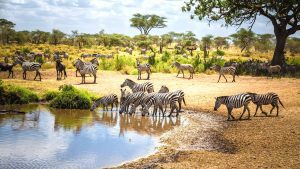
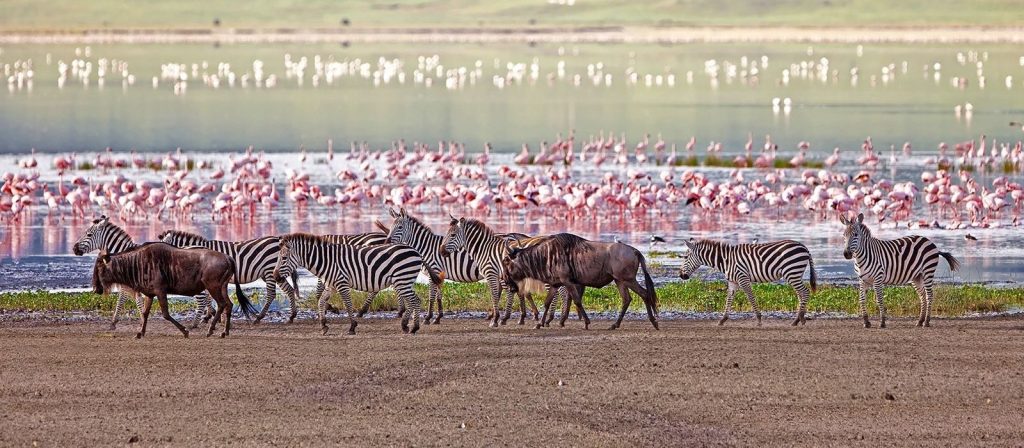
The crater floor supports one of the highest densities of large animals in Africa, with tens of thousands of wildebeest, zebras, buffalo, gazelles and other species living alongside their predators. Because water and grazing are available all year, most animals stay put, so game viewing is excellent in every season and sightings come thick and fast.
Tanzania's best black rhino sightings
The Ngorongoro Crater is the most reliable place in Tanzania to see the critically endangered black rhino, which grazes and browses on the open crater floor under close protection. Sightings are often at a distance, so binoculars help, but spotting one of these rare animals is a highlight of any Tanzania safari. Rangers protect them closely.
A chance of the Big Five in one day
With lions, buffalo, elephants and black rhinos all present on the crater floor, and leopards in the forested rim, the Ngorongoro Crater offers one of Africa's best chances of seeing the Big Five in a single day. Its famous black-maned lions and old bull elephants with large tusks are especially memorable. Lions here are relaxed.
Flamingos and rich birdlife
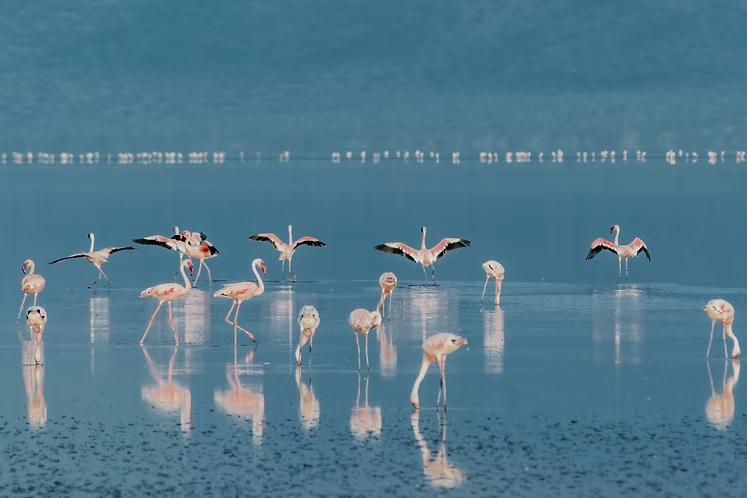
The soda waters of Lake Magadi on the crater floor often attract flocks of pink flamingos, while the swamps, grasslands and forests support hundreds of bird species, including crowned cranes, kori bustards, ostriches and secretary birds. Birdwatchers will find the crater rewarding all year, with extra migratory species from November to April. Bring binoculars too.
Lerai Forest and hippo pools
The crater floor is not just grassland. The yellow-barked acacias of Lerai Forest shelter elephants and monkeys, the Ngoitokitok Spring and other hippo pools are lovely picnic spots, and swamps attract buffalo and waterbirds. These varied habitats create beautiful scenery and give each game drive plenty of variety and surprise. Each area feels wonderfully different.
Maasai culture and coexistence
The Ngorongoro Conservation Area is unusual because Maasai pastoralists live within it alongside wildlife, grazing cattle on the highland slopes. Visiting a Maasai boma offers insights into traditional homes, dances, beadwork and a way of life closely tied to the land, adding a meaningful cultural dimension to your crater safari. Always ask before taking photographs.
Olduvai Gorge and human origins
Within the Ngorongoro Conservation Area lies Olduvai Gorge, one of the world's most important sites for understanding human evolution, where fossils and stone tools spanning around two million years have been found. Nearby Laetoli preserves ancient hominin footprints. A visit to the Olduvai museum fits easily between the crater and the Serengeti. History comes alive here.
Empakaai and Olmoti crater hikes
Beyond the main crater, guided hikes lead to the Empakaai Crater, with its deep soda lake and flamingos, and to Olmoti Crater and its waterfall. These walks, accompanied by an armed ranger, offer spectacular highland scenery, fresh mountain air and a quieter, more active way to experience the conservation area. Hikes need a moderate fitness level.
UNESCO status and easy access
The Ngorongoro Conservation Area is a UNESCO World Heritage Site, recognised for both its natural and cultural value. It lies on the main route between Arusha and the Serengeti, so it fits naturally into most northern safaris, and combines perfectly with Tarangire, Lake Manyara and the Great Migration in the Serengeti. Most itineraries include it.
02Is It Worth It? Honest Pros and Considerations
The Ngorongoro Crater is one of Africa's great safari experiences, but like any popular destination it has a few practical considerations worth knowing before you go. Crowds can build at popular sightings, crater fees are higher than many other parks, time on the crater floor is limited, and nights on the rim can be cold. None of these should put you off, but planning around them helps. Use the tabs below to explore an honest look at the Ngorongoro Crater, with the main considerations and our expert tips for making your visit as rewarding and memorable as possible.
Managing Crowds on the Crater Floor
Early starts and quiet corners
Beat the busiest hours
Because the crater is compact and popular, several vehicles may gather at lion or rhino sightings, especially from mid-morning in peak season. The best way to avoid crowds is to descend at first light, when the floor is quiet and wildlife is active. Your private guide can also head to quieter corners while others gather elsewhere.
Ngorongoro Crater safari →
Conservation and Crater Service Fees
Understanding your quote
Fees fund conservation
Visiting the Ngorongoro Crater involves conservation fees per person and a crater service fee for each vehicle descending to the floor, set by the Ngorongoro Conservation Area Authority. These fees help protect the wildlife and support local communities. On a private tailor-made safari, all crater fees are included in your quote, so there are no surprises.
Ngorongoro Crater fees →
Limited Time on the Crater Floor
A well-planned single day
Make every hour count
To protect the fragile crater floor, time spent inside the crater is limited each day, and vehicles must leave by late afternoon. A well-planned single day, with an early descent, a picnic lunch at a hippo pool and an afternoon drive, is usually enough to enjoy the crater fully. Your guide will manage the timings carefully.
Ngorongoro safari tours →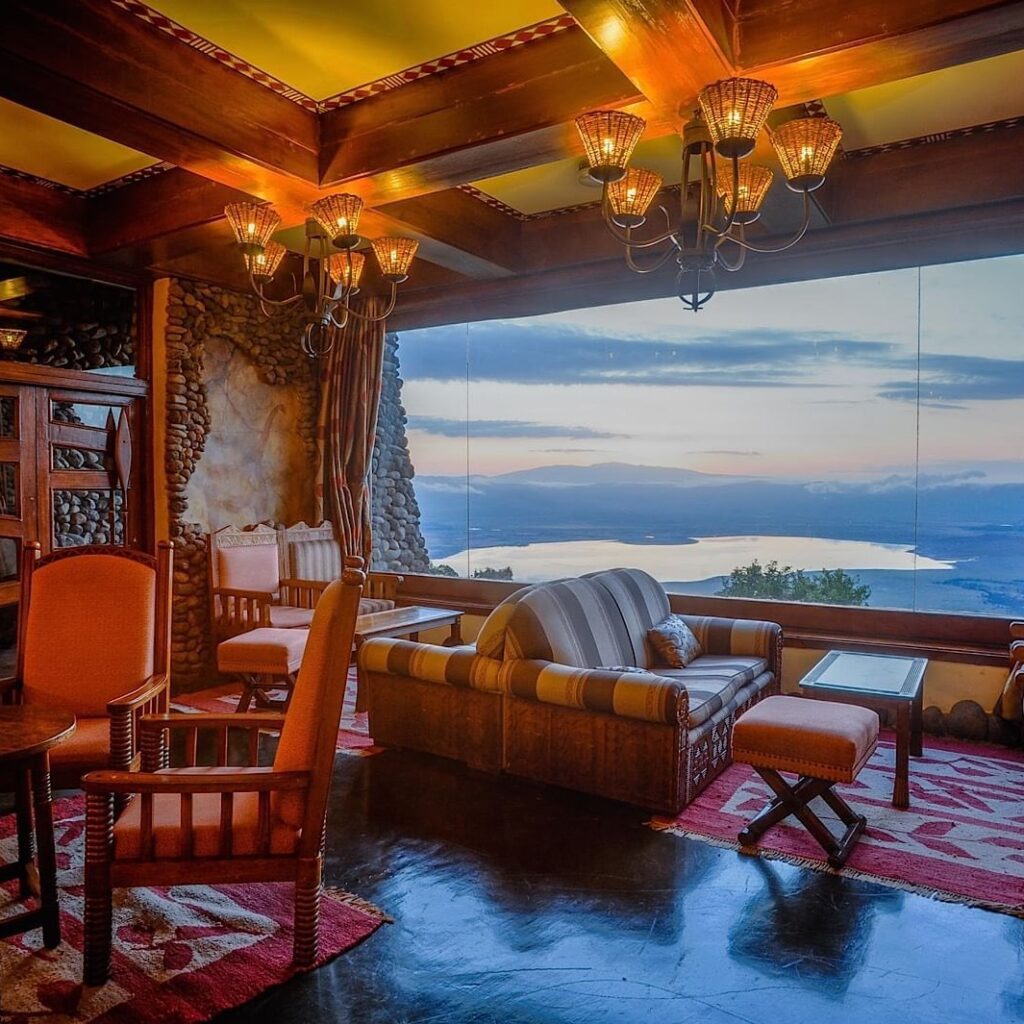
Cool Weather on the Crater Rim
Packing the right layers
Chilly mornings and nights
The crater rim sits at around 2,200 to 2,300 metres above sea level, so early mornings and nights can be surprisingly cold, especially from June to August. Mist often covers the rim at dawn, clearing as the day warms. Pack a warm fleece, jacket and hat, and enjoy cosy lodge fireplaces in the evenings. Blankets are often provided.
Ngorongoro weather →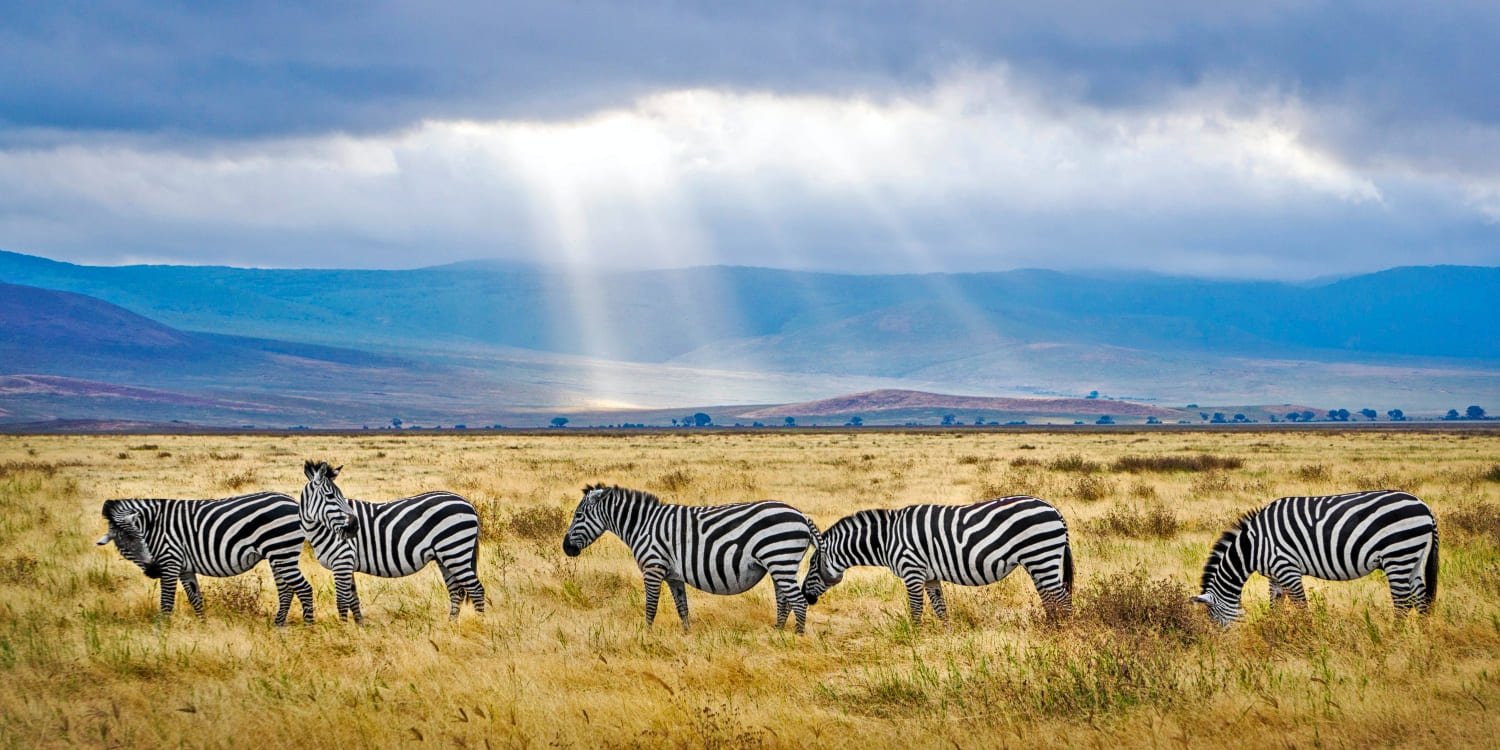
Good Wildlife in Every Season
Year-round visits
Always rewarding
Because most wildlife stays in the crater all year, the Ngorongoro Crater is excellent in every season. The dry months from June to October offer clear views and easy driving, while the green season brings lush scenery, newborn animals and fewer vehicles. The April and May long rains can make some tracks muddy. Every visit is special.
Best time to visit →03Plan Your Ngorongoro Crater Visit
A little planning ensures your Ngorongoro Crater visit is relaxed, rewarding and perfectly timed. Choosing where to stay, deciding how long to spend in the conservation area, timing your crater descent and combining the crater with other parks all shape your experience. Most travellers visit as part of a northern circuit safari that includes Tarangire and the Serengeti. The four cards below offer practical tips for planning your Ngorongoro Crater visit, so our specialists can design a private tailor-made safari that makes the most of this remarkable destination and its fascinating surroundings, with expert guides throughout the journey.
Stay on the rim or in Karatu
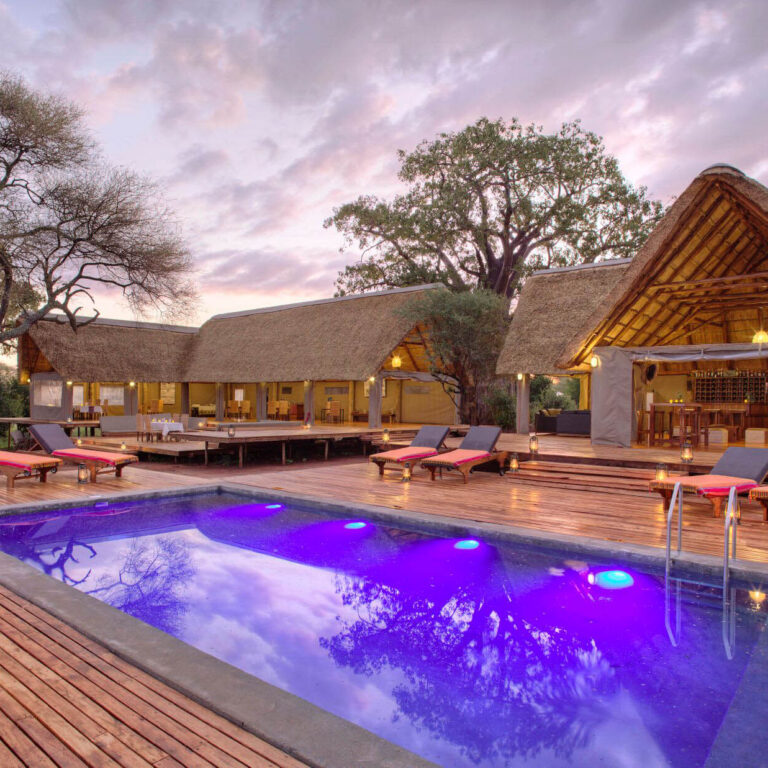
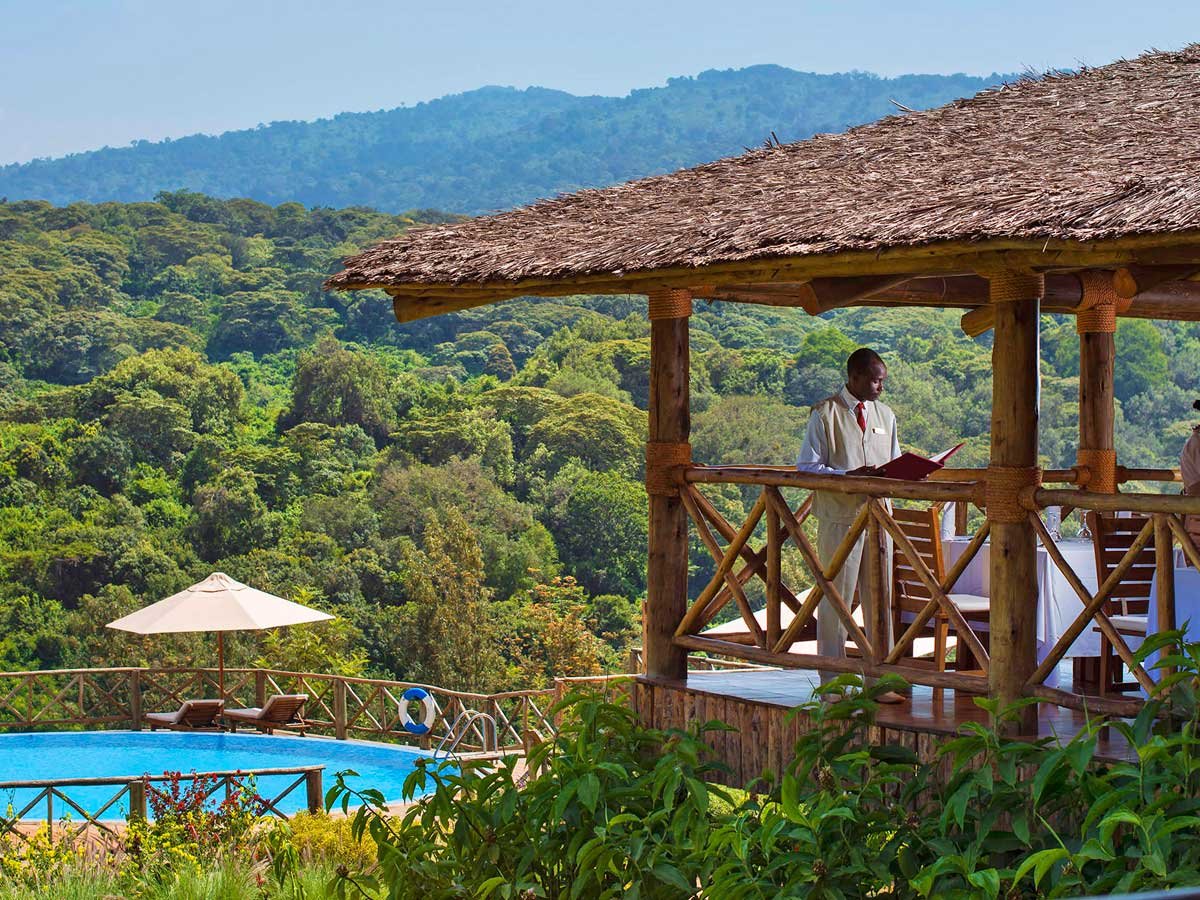
Lodges on the crater rim offer breathtaking views and the quickest access to the floor for an early descent, while the Karatu highlands, about forty minutes away, offer charming farm lodges and good value. Both are excellent bases. Rim lodges are ideal for sunrise starts, while Karatu suits relaxed, budget-conscious itineraries. Book rim lodges early.
Spend at least one full day
One full day in the crater is usually enough to enjoy excellent game viewing, a picnic lunch and the main highlights. Adding a second day in the conservation area allows time for Olduvai Gorge, a Maasai village visit or a hike to Empakaai or Olmoti Crater, creating a richer and more varied experience. Time flies here.
Descend at sunrise
Start your crater day as early as possible, descending at first light when the floor is quiet, the light is beautiful and predators are most active. Bring a packed breakfast or enjoy it at a scenic spot on the crater floor. An early start also gives you the best chance of finding black rhinos. The rewards are worth it.
Combine with the Serengeti and Tarangire
The Ngorongoro Crater sits between Arusha and the Serengeti, so it fits naturally into a classic northern circuit route with Tarangire, Lake Manyara and the Serengeti. A six to eight day private safari covering these parks offers the Big Five, the Great Migration, elephants, big cats and wonderfully varied landscapes in one trip. It flows naturally.
04Ngorongoro Crater Visit Checklist
A successful Ngorongoro Crater visit comes down to a few simple decisions and a little preparation. Choosing the right base, planning an early descent, packing warm layers and binoculars, and deciding whether to add Olduvai Gorge, a Maasai village or a crater hike all help you make the most of your time. Respecting park rules and wildlife keeps the crater special for everyone. Use this checklist to prepare for your visit, then send it to our Arusha-based specialists, who will design a private tailor-made safari that includes the Ngorongoro Crater at its very best, timed perfectly for you.
Planning0/4
On the day0/4
Packing0/4
05Ngorongoro Crater: Frequently Asked Questions
Is the Ngorongoro Crater worth visiting?
Yes, the Ngorongoro Crater is well worth visiting. It is the world's largest intact volcanic caldera, with one of Africa's highest concentrations of wildlife, Tanzania's best black rhino sightings and a real chance of seeing the Big Five in one day. Its dramatic scenery makes it a highlight of any northern safari. It rarely disappoints.
What makes the Ngorongoro Crater special?
The Ngorongoro Crater is special because it combines a vast, enclosed volcanic caldera with a year-round population of wildlife, including black rhinos, lions, elephants, buffalo, hippos and flamingos. It is also part of a UNESCO World Heritage Site that includes Maasai communities, other craters and Olduvai Gorge, a key site for human evolution. It is truly unique.
How big is the Ngorongoro Crater?
The Ngorongoro Crater floor covers roughly 260 square kilometres, and the crater walls rise around 600 metres from the floor to the rim. The rim sits at about 2,200 to 2,300 metres above sea level. The crater lies within the much larger Ngorongoro Conservation Area in northern Tanzania. The views from the rim are truly breathtaking.
Can you see the Big Five in the Ngorongoro Crater?
Yes, the Ngorongoro Crater offers one of the best chances in Africa of seeing the Big Five in a single day. Lions, buffalo, elephants and black rhinos live on the crater floor, while leopards are found mainly in the forested areas of the rim, so leopard sightings are less frequent. Binoculars are always very helpful.
How long should I spend at the Ngorongoro Crater?
One full day in the crater is usually enough to enjoy the main highlights and excellent game viewing. Adding a second day in the Ngorongoro Conservation Area allows time for Olduvai Gorge, a Maasai village visit or a ranger-led hike to Empakaai or Olmoti Crater for a more varied experience. Longer stays feel more relaxed.
When is the best time to visit the Ngorongoro Crater?
The Ngorongoro Crater is excellent all year, because most wildlife stays in the crater throughout the seasons. June to October offers dry weather and clear views, while November to May brings green scenery, newborn animals and fewer vehicles. The April and May long rains can make some tracks muddy. Every season has its own appeal.
Is the Ngorongoro Crater better than the Serengeti?
Neither is better, as they offer different experiences. The Ngorongoro Crater offers concentrated wildlife, black rhinos and dramatic scenery in a compact area, ideal for one day. The Serengeti offers vast plains, the Great Migration and outstanding big cat sightings over several days. Most travellers visit both on one safari. Each complements the other perfectly.
Is the Ngorongoro Crater crowded?
The Ngorongoro Crater can be busy at popular sightings, especially from mid-morning in the peak season from July to October. Descending at first light, when the floor is quiet and wildlife is active, helps you avoid the busiest periods. A private guide can also find quieter areas away from other vehicles. Patience is often rewarded.
How much does it cost to visit the Ngorongoro Crater?
Visiting the Ngorongoro Crater involves conservation fees per person and a crater service fee for each vehicle, set by the Ngorongoro Conservation Area Authority, which may change. On a private tailor-made safari, these fees are included in your quote. Overall safari costs depend on your accommodation style, season and itinerary. Your specialist will advise you.
Where should I stay near the Ngorongoro Crater?
You can stay in lodges on the Ngorongoro Crater rim, which offer spectacular views and quick access for an early descent, or in the Karatu highlands, about forty minutes away, which offer charming farm lodges and good value. Both are excellent bases for exploring the crater and the conservation area. Book early for peak months.
Do Maasai people live in the Ngorongoro Crater?
Maasai pastoralists live within the wider Ngorongoro Conservation Area, grazing cattle on the highland slopes alongside wildlife, an unusual example of people and wildlife coexisting. They do not live on the crater floor itself. Visiting a Maasai boma offers a fascinating insight into their traditional homes, dances and way of life. Always ask before photographing people.
What is Olduvai Gorge?
Olduvai Gorge, within the Ngorongoro Conservation Area, is one of the world's most important sites for understanding human evolution, where fossils and stone tools spanning around two million years have been discovered. A small museum explains the discoveries, and it is easy to visit on the drive between the crater and the Serengeti. It fascinates visitors of all ages.
Is it cold at the Ngorongoro Crater?
Yes, the Ngorongoro Crater rim can be cold, as it sits at around 2,200 to 2,300 metres above sea level. Early mornings and nights are chilly, especially from June to August, and mist often covers the rim at dawn. Pack warm layers, a jacket and a hat for your visit. Most rim lodges usually have fireplaces.
Why visit the Ngorongoro Crater on a private safari?
A private safari gives you your own vehicle and expert guide, so you can descend at first light, stay longer at sightings, avoid the busiest areas and focus on what you most want to see, such as black rhinos. Your itinerary is tailor-made around the crater and the parks that best suit your interests. Contact us to start planning.
Ngorongoro Crater Planning Guides
Book Your Ngorongoro Crater Safari
Crater Safaris
Combined Safaris
See the Ngorongoro Crater on a Private Safari
Tell us your travel dates and wildlife wishes, and our Arusha-based specialists will design a private tailor-made safari with a sunrise descent into the Ngorongoro Crater, black rhino searches, Olduvai Gorge or Maasai visits and extensions to the Serengeti.
Book Now Online →What Our Travelers Say
Real 5-star reviews from guests who traveled with us