Fascinating Facts About the Black Rhino
Fascinating Facts About the Black Rhino
The black rhino (Diceros bicornis) is one of Africa’s most fascinating and critically endangered wildlife species, widely recognized among top African safari animals. Found mainly in East Africa and Southern Africa, including Tanzania, this iconic species is known for its hooked lip, thick armored skin, and solitary behavior. Black rhinos are a key highlight in wildlife safaris and conservation tours, attracting global attention due to ongoing rhino conservation efforts. As one of the most endangered species in the world, black rhinos face severe threats from poaching and habitat loss. Understanding black rhino facts is essential for wildlife enthusiasts, safari travelers, and conservationists aiming to protect Africa’s biodiversity and preserve this majestic megafauna for future generations across the continent today sustainably protected through global conservation efforts.
Physical Characteristics of the Black Rhino
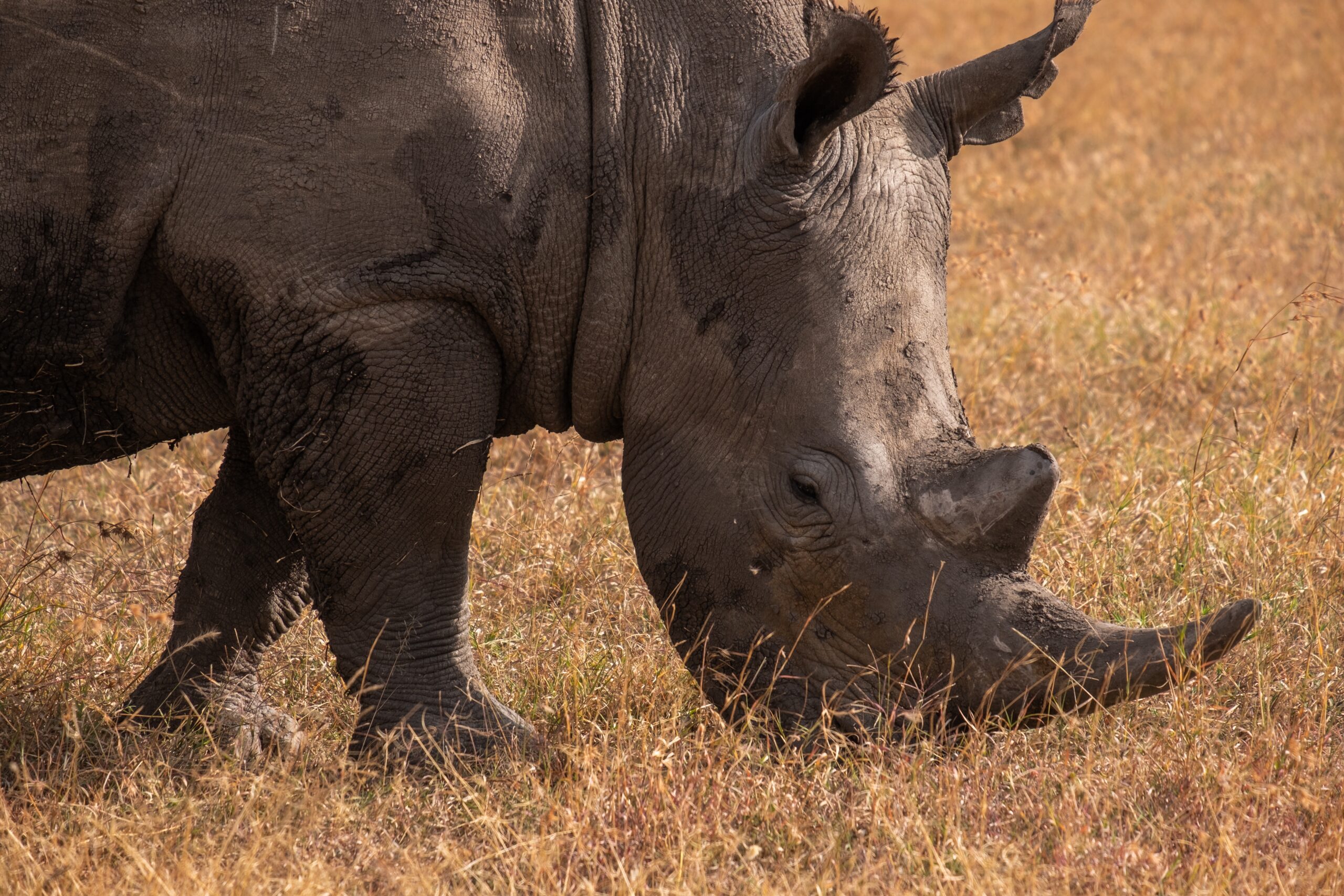
The black rhino is a powerful and distinctive African megafauna species known scientifically as Diceros bicornis. Despite its name, the black rhino is actually gray in color and can be identified by its hooked upper lip, which is perfectly adapted for browsing shrubs and trees. Compared to the white rhino, it is smaller but more aggressive and highly alert in the wild. Adult black rhinos can weigh up to 1,400 kilograms and stand about 1.6 meters tall at the shoulder. Their thick, armor-like skin helps protect them from thorny vegetation and predators. These fascinating black rhino facts make it a popular highlight in African safari tours, wildlife documentaries, and conservation education programs focused on endangered species protection and biodiversity awareness in Africa’s national parks and reserves today and beyond forever.
Habitat and Distribution
Black rhinos primarily inhabit savannas, woodlands, scrublands, and semi-desert regions across Africa, with key populations found in Tanzania National Park. These African safari critically endangered animals prefer areas with dense vegetation where they can feed easily and stay hidden from threats. Historically, their range was much wider across the African continent, but habitat loss and poaching have drastically reduced their distribution. Today, conservation areas, national parks, and protected reserves play a vital role in preserving remaining populations. Popular African safari destinations such as Serengeti, Ngorongoro offer rare opportunities to observe black rhinos in the wild. Understanding black rhino habitat and distribution is essential for conservation efforts, eco-tourism planning, and protecting Africa’s biodiversity for future generations through sustainable wildlife management programs and global support initiatives across the continent.
Diet and Feeding Behavior
Black rhinos are strict browsers, feeding mainly on leaves, shoots, thorny bushes, and small trees rather than grass. Their distinctive hooked upper lip is a key adaptation that allows them to grasp branches and strip foliage efficiently. This feeding behavior makes them important ecological engineers in African savannas, helping shape vegetation growth and maintain ecosystem balance. They are most active during early morning and late afternoon when temperatures are cooler. Black rhinos can consume up to 50 kilograms of vegetation daily depending on habitat conditions. Their diet varies seasonally based on plant availability, which is why they are often found moving within defined home ranges. These fascinating black rhino feeding facts are essential for understanding African wildlife ecology, safari experiences, and conservation strategies aimed at preserving endangered megafauna across protected national parks in East Africa and Southern Africa today.
Behavior and Temperament
Black rhinos are generally solitary animals, known for their shy yet highly aggressive temperament when threatened. Unlike white rhinos, they are more alert and unpredictable, often charging when they sense danger. They rely heavily on their sense of smell and hearing rather than vision, which is relatively poor. Each rhino maintains a personal territory marked with dung piles and urine sprays to communicate with others. Despite their aggressive reputation, black rhinos usually avoid confrontation unless provoked. Mothers are highly protective of their calves and will fiercely defend them from predators such as lions and hyenas. These behavioral traits make black rhinos one of the most intriguing species in African wildlife safaris. Understanding black rhino behavior is essential for safe wildlife viewing, conservation education, and promoting awareness of endangered species in Africa’s protected ecosystems and safari destinations.
- ArushaGateway
- TarangireElephants
- NgorongoroCrater
- SerengetiBig Five
- ZanzibarBeach
Reproduction and Lifespan
Black rhinos have a slow reproductive rate, which significantly contributes to their endangered status. Females typically give birth to a single calf after a gestation period of about 15 to 16 months. Calves stay close to their mothers for up to two to three years, learning survival skills in the wild. Females reach sexual maturity around 5 to 7 years, while males mature slightly later. Due to long intervals between births, population recovery is slow even under conservation programs. In the wild, black rhinos can live up to 35–40 years, while those in protected reserves may live slightly longer due to reduced threats. These reproductive characteristics make black rhino conservation especially challenging. Understanding black rhino breeding behavior is crucial for wildlife conservation efforts, zoo breeding programs, and African safari education focused on protecting endangered species across national parks and reserves.
Conservation Status
The black rhino is listed as critically endangered by the International Union for Conservation of Nature (IUCN), making it one of the most threatened large mammals in Africa. Its population declined dramatically in the 20th century due to intense poaching driven by illegal rhino horn trade and widespread habitat destruction. At one point, numbers dropped by over 90%, pushing the species close to extinction. Today, thanks to global conservation efforts, anti-poaching patrols, and protected reserves, populations are slowly recovering but still remain fragile. Countries like Kenya, Namibia, and South Africa have become key strongholds for black rhino survival. Conservation programs focus on habitat protection, relocation, and community engagement. Understanding black rhino conservation status is vital for wildlife tourism, biodiversity protection, and supporting sustainable African safari initiatives that help preserve endangered megafauna for future generations worldwide.
Threats to Survival
Black rhinos face multiple threats, with poaching being the most severe due to illegal demand for rhino horn in some markets. Habitat loss caused by agriculture, human settlement, and infrastructure development also reduces their living space. Climate change further impacts vegetation patterns, affecting their food supply. Human-wildlife conflict occurs when rhinos wander into farmland areas, increasing risks of retaliation or injury. Low reproductive rates make population recovery extremely slow, worsening their vulnerability. Conservationists also face challenges in protecting rhinos across vast and remote landscapes. These threats combined make black rhino survival highly uncertain without continuous intervention. Understanding black rhino threats is essential for wildlife protection strategies, anti-poaching campaigns, and eco-tourism awareness programs that support African safari conservation efforts aimed at preserving endangered species across Africa’s national parks and wildlife reserves for long-term survival.
Role in the Ecosystem
Black rhinos play a vital ecological role in maintaining the balance of African savanna and woodland ecosystems. As browsers, they help control the growth of shrubs and small trees, preventing overgrowth and promoting biodiversity. Their feeding habits create open spaces that benefit other herbivores such as antelopes and zebras. Additionally, their dung acts as a natural fertilizer, enriching soil nutrients and supporting plant regeneration. By shaping vegetation structure, black rhinos indirectly support a wide range of wildlife species. Their presence is an indicator of a healthy ecosystem, making them a key focus in conservation biology. Understanding black rhino ecological importance is crucial for environmental sustainability, wildlife conservation planning, and African safari education that highlights the interconnectedness of species within protected ecosystems and national parks across Africa’s biodiversity-rich landscapes today.
Black Rhino Horn Facts
The black rhino’s horn is made of keratin, the same protein found in human hair and nails, and not bone as many believe. It can grow continuously throughout the rhino’s life and may reach lengths of over one meter. Unfortunately, this horn has made black rhinos a major target for poachers due to illegal wildlife trade demand. Despite widespread myths, rhino horn has no proven medicinal value, yet it continues to drive serious conservation challenges. Both male and female black rhinos possess horns, with the front horn typically longer. Conservation efforts include horn dehorning in some reserves to reduce poaching risk. Understanding black rhino horn facts is essential for wildlife education, anti-poaching awareness campaigns, and promoting ethical African safari tourism that supports the protection of endangered species across global conservation networks and protected areas.
Black Rhino Communication
Black rhinos communicate using a combination of vocal sounds, body language, scent marking, and physical behavior. They produce grunts, snorts, and bellows to signal alarm, aggression, or mating readiness. Scent marking through dung piles and urine spraying is one of their primary communication methods, helping establish territories and identity. Their excellent sense of smell plays a key role in detecting other rhinos and potential threats. Body posture, such as ear positioning and head movement, also conveys emotional states. Although often solitary, these communication methods are essential for reproduction and territorial awareness. Understanding black rhino communication is important for wildlife researchers, safari guides, and conservationists studying endangered species behavior in African ecosystems, helping improve tracking, monitoring, and protection strategies across national parks and wildlife reserves throughout Africa’s safari destinations today.
Black Rhino and Human Interaction
Historically, black rhinos have had complex interactions with humans, ranging from conflict to conservation partnership. In many regions, habitat expansion and farming have led to encounters that sometimes result in human-wildlife conflict. However, modern conservation efforts have transformed this relationship through community-based wildlife management and eco-tourism initiatives. Local communities now benefit economically from protecting rhinos through safari tourism and conservation projects. Anti-poaching units, wildlife authorities, and international organizations work together to safeguard populations. Education programs also help raise awareness about the importance of preserving endangered species. Understanding black rhino human interaction is essential for sustainable development, conservation success, and promoting responsible African safari tourism that supports both biodiversity protection and local livelihoods across Africa’s national parks and wildlife conservation areas today and into the future sustainably.
Famous Black Rhino Conservation Areas
Several protected areas in Africa are renowned for successful black rhino conservation efforts. In Tanzania, Ngorongoro Conservation Area and Mkomazii National Park are among the most important strongholds for this species host significant populations. These reserves use advanced anti-poaching technology, ranger patrols, and habitat management to protect rhinos. Translocation programs help move rhinos to safer environments to boost population growth. Understanding black rhino conservation areas is essential for wildlife tourism planning, safari travel experiences, and global biodiversity protection efforts that highlight the success of African conservation models in safeguarding endangered species within protected ecosystems and national parks across the continent today.
Interesting Black Rhino Facts
Black rhinos are among the most intelligent and adaptable African megafauna species, capable of surviving in diverse environments from deserts to dense woodlands. They can run up to 55 km/h despite their large size, making them surprisingly fast and agile. Their skin, although thick, is sensitive and often coated with mud to protect against insects and sunburn. Each rhino has a unique horn shape, which can be used for identification in conservation studies. They are mostly active at night or during cooler hours of the day. These fascinating black rhino facts make them a major attraction for African safari tourists and wildlife enthusiasts worldwide. Understanding these unique traits enhances appreciation for biodiversity, endangered species conservation, and the importance of protecting Africa’s wildlife heritage through sustainable tourism and global conservation initiatives.
Final Thought
The black rhino remains one of Africa’s most iconic and critically endangered species, symbolizing both the fragility and resilience of wildlife in the modern world. Despite severe threats from poaching and habitat loss, ongoing conservation efforts across Africa’s national parks and wildlife reserves offer hope for recovery. From Tanzania’s Ngorongoro Crater to Kenya’s protected conservancies, black rhinos continue to survive thanks to global cooperation and eco-tourism support. Protecting them is not only about saving a species but preserving biodiversity, ecological balance, and Africa’s natural heritage. Supporting responsible African safari tourism and conservation programs ensures that future generations can still witness the power and beauty of the black rhino in the wild, thriving safely in its natural habitat across protected ecosystems and landscapes.
Fascinating Facts About the Black Rhino: FAQs
What should you know about physical characteristics of the black rhino?
The black rhino is a powerful and distinctive African megafauna species known scientifically as Diceros bicornis. Despite its name, the black rhino is actually gray in color and can be identified by its hooked upper lip, which is perfectly adapted for browsing shrubs and trees.
What can you expect from habitat and distribution for fascinating facts about the black rhino?
Black rhinos primarily inhabit savannas, woodlands, scrublands, and semi-desert regions across Africa, with key populations found in Tanzania National Park. These African safari critically endangered animals prefer areas with dense vegetation where they can feed easily and stay hidden from threats. Historically, their range was much wider across the African continent, but habitat loss and poaching have drastically reduced their distribution.
What should you know about diet and feeding behavior for fascinating facts about the black rhino?
Black rhinos are strict browsers, feeding mainly on leaves, shoots, thorny bushes, and small trees rather than grass. Their distinctive hooked upper lip is a key adaptation that allows them to grasp branches and strip foliage efficiently. This feeding behavior makes them important ecological engineers in African savannas, helping shape vegetation growth and maintain ecosystem balance.
What can you expect from behavior and temperament for fascinating facts about the black rhino?
Black rhinos are generally solitary animals, known for their shy yet highly aggressive temperament when threatened. Unlike white rhinos, they are more alert and unpredictable, often charging when they sense danger. They rely heavily on their sense of smell and hearing rather than vision, which is relatively poor.
What should you know about reproduction and Lifespan for fascinating facts about the black rhino?
Black rhinos have a slow reproductive rate, which significantly contributes to their endangered status. Females typically give birth to a single calf after a gestation period of about 15 to 16 months. Calves stay close to their mothers for up to two to three years, learning survival skills in the wild.
What can you expect from conservation status for fascinating facts about the black rhino?
The black rhino is listed as critically endangered by the International Union for Conservation of Nature (IUCN), making it one of the most threatened large mammals in Africa. Its population declined dramatically in the 20th century due to intense poaching driven by illegal rhino horn trade and widespread habitat destruction.
What should you know about threats to survival for fascinating facts about the black rhino?
Black rhinos face multiple threats, with poaching being the most severe due to illegal demand for rhino horn in some markets. Habitat loss caused by agriculture, human settlement, and infrastructure development also reduces their living space. Climate change further impacts vegetation patterns, affecting their food supply.
What can you expect from role in the ecosystem for fascinating facts about the black rhino?
Black rhinos play a vital ecological role in maintaining the balance of African savanna and woodland ecosystems. As browsers, they help control the growth of shrubs and small trees, preventing overgrowth and promoting biodiversity. Their feeding habits create open spaces that benefit other herbivores such as antelopes and zebras.
Plan Your Private Tanzania Safari
Tell us your travel dates, interests and budget, and our local team will design a private tailor-made safari around you.