What is the easiest route to climb Kilimanjaro?
What is the easiest route to climb Kilimanjaro?
Climbing Mount Kilimanjaro, Africa’s highest peak at 5,895 meters, is a dream for many adventure travelers. For beginners and casual trekkers, the easiest Kilimanjaro route is critical to ensure safety, enjoyment, and a higher summit success rate. While Kilimanjaro offers multiple trekking options, routes differ in difficulty, scenery, altitude acclimatization, and duration. Popular paths include Marangu, Machame, Lemosho, Rongai, and Umbwe routes. Among these, the Marangu route, often called the “Coca-Cola route,” is widely regarded as the simplest for first-time climbers due to its gradual ascent, well-maintained paths, and availability of huts for overnight stays. This guide explores the easiest Kilimanjaro climb, route comparisons, and practical tips for planning your trek.
Why Choosing the Right Route Matters
Selecting the correct Kilimanjaro route directly impacts summit success, safety, and overall experience. Trekking routes vary in altitude gain, terrain, difficulty, and scenic diversity. Routes with gradual ascents, like Marangu or Rongai, reduce the risk of altitude sickness while giving climbers more rest. Fast, steep routes, such as Umbwe, demand high fitness but less acclimatization time, making them harder for beginners. Understanding each trail’s challenges helps first-time climbers plan efficiently and choose guided tours with experienced operators. Besides physical preparation, factors like weather patterns, seasonal accessibility, and availability of accommodation or campsites influence route selection. A careful decision ensures you enjoy breathtaking landscapes, including the Shira Plateau, moorlands, and alpine deserts.
Overview of the Marangu Route
The Marangu route is the most recommended for beginners and those seeking the easiest Kilimanjaro climb. It starts from Marangu village, offering gradual slopes and a comfortable approach. Uniquely, climbers sleep in huts rather than tents, providing convenience and comfort, especially for less experienced trekkers. The route usually spans 5–6 days, balancing a steady pace and acclimatization, which reduces altitude sickness risks. While shorter than other routes, Marangu covers major Kilimanjaro landmarks: Mandara Huts, Horombo Huts, and Gilman’s Point summit approach. Its popularity ensures well-marked trails and abundant guides and porters, making it suitable for solo trekkers, families, and older hikers. This route is an ideal mix of accessibility, safety, and scenic beauty.
Machame Route vs Marangu Route
The Machame route, also called the “Whiskey route,” is more scenic than Marangu but considered slightly more challenging. Machame involves tented camps, steeper climbs, and longer daily treks, which may be harder for beginners. However, it offers a higher summit success rate due to gradual acclimatization over 6–7 days. In comparison, Marangu’s gentle slope and hut accommodations make it easier but slightly less scenic. Machame rewards trekkers with diverse landscapes, including rainforest, moorlands, and alpine desert, appealing to hikers seeking adventure. First-time climbers choosing the easiest route often prefer Marangu for comfort, minimal strain, and logistical simplicity, while Machame suits those who want a mix of challenge and visual variety.
Rongai Route: The Northern Alternative
The Rongai route, approaching Kilimanjaro from the north, offers another beginner-friendly path. It is less crowded than Marangu, providing a peaceful hiking experience. Rongai’s gradual ascent allows ample acclimatization time, reducing the risk of altitude sickness. Tented camps along the trail ensure safety and shelter. Over 6 days, trekkers encounter unique terrains, including savannahs and moorlands, contrasting the rainforest of the southern routes. Rongai is suitable for solo trekkers, families, and older climbers seeking an easy Kilimanjaro adventure. Its dry-season trekking conditions make it ideal from December to February, while Marangu remains accessible most of the year. For beginners looking for less crowded, manageable climbs, Rongai is an excellent alternative.
Umbwe Route: Steep but Short
The Umbwe route is the shortest and steepest Kilimanjaro path, starting from the south-western forests. It is physically demanding and less suitable for first-timers due to rapid altitude gain. Climbers experience intense hiking, requiring strong fitness levels. While Umbwe provides a dramatic and adventurous route with incredible scenery, the limited acclimatization increases altitude sickness risk, making it harder than Marangu or Rongai. Typically, only experienced hikers or those seeking a challenge choose Umbwe. For beginners, it is recommended to combine Umbwe with longer treks to improve summit chances. Understanding route difficulty, daily elevation gain, and fitness demands ensures climbers choose paths matching their experience levels.
Lemosho Route: Easy with Scenic Diversity
The Lemosho route is considered beginner-friendly for climbers who want longer acclimatization and scenic variety. It spans 7–8 days, increasing summit success with gradual elevation gain. Lemosho begins on the western Shira Plateau, showcasing unique landscapes rarely seen on Marangu. Tented camps accommodate trekkers comfortably, and the trail merges with Machame in the later stages. Although longer than Marangu, Lemosho’s slower pace makes it easier to adapt to altitude. Trekkers enjoy forest, moorland, and alpine desert sections with lower crowd density. For first-time climbers seeking a balance of ease, scenery, and higher summit chances, Lemosho is an excellent alternative, offering safety and memorable Kilimanjaro trekking experiences.
Safety Considerations for Beginners
Safety is crucial when choosing the easiest Kilimanjaro route. Altitude sickness is the main concern, emphasizing gradual ascent, proper hydration, and acclimatization. Routes like Marangu and Rongai minimize risk with steady slopes and multiple resting points. Choosing licensed guides and reputable tour operators ensures emergency support, equipment, and local knowledge. Monitoring weather conditions is essential, as temperatures can vary from tropical rainforest to freezing alpine peaks. Preparing for cold nights, sun exposure, and rain ensures climbers remain safe. Beginners should also understand daily trekking distances, elevation gain, and physical requirements. Prioritizing safety allows a positive experience, reduces health risks, and enhances the enjoyment of Kilimanjaro’s breathtaking landscapes.
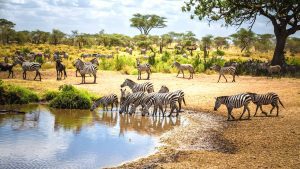
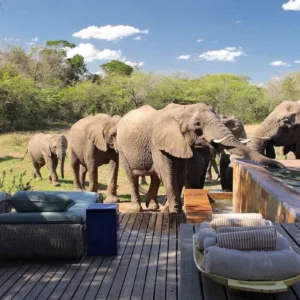
Approach, feed or disturb wildlife, or leave the vehicle unless your guide says it is safe.
Follow your guide, carry travel insurance and check current health and travel advice.
Best Time to Climb Kilimanjaro
Timing your trek affects comfort, safety, and summit success rate. The best months for the easiest Kilimanjaro climbs are January–March and June–October, when trails are dry and temperatures moderate. Rainy seasons, typically March–May and November, increase slippery conditions and reduce trail accessibility. For the Marangu and Rongai routes, dry-season treks offer clearer paths and safer ascents. Lemosho and Machame also benefit from these periods, enhancing visibility and scenic experiences. Early booking is recommended during peak seasons due to high demand. Seasonal planning improves climbers’ summit chances, ensures comfort in camps, and avoids unnecessary strain from mud or heavy rainfall.
Guided Tours vs Solo Trekking
For beginners, guided tours are highly recommended on the easiest Kilimanjaro routes. Licensed guides provide safety, navigation, and altitude management. Solo trekking is possible but risky due to changing weather, altitude sickness, and limited access to emergency support. Guided tours include porters, meals, accommodation, and emergency care. Marangu’s hut-based approach simplifies logistics, while tented routes like Lemosho and Rongai require guides for proper camp management. Choosing a reputable operator ensures compliance with Kilimanjaro National Park regulations, safety, and environmental protection. Guided climbs also provide education about flora, fauna, and local culture, enhancing the overall trekking experience. For first-timers, professional support increases confidence and maximizes summit success.
Physical Preparation for Beginners
Even the easiest Kilimanjaro route demands physical fitness and preparation. Daily hikes can last 5–8 hours with varying terrain. Beginners should train with long walks, stair climbing, and endurance exercises weeks before departure. Strengthening legs and improving cardiovascular fitness helps manage long ascents. Marangu, with gentle slopes, reduces strain, but acclimatization still requires stamina. Packing lightweight gear, proper hiking boots, and trekking poles improves balance and comfort. Pre-trek medical checks ensure safety, especially for altitude-sensitive individuals. Adequate preparation ensures climbers avoid fatigue, enjoy the trek, and maximize summit success while experiencing Kilimanjaro’s dramatic landscapes safely.
Altitude Acclimatization Tips
Acclimatization is key to the easiest Kilimanjaro climbs, preventing altitude sickness. Climbers should ascend gradually, drink plenty of water, and rest at intermediate camps. Routes like Marangu and Rongai allow for slow, steady progression, increasing summit success. Sleeping higher after moderate daytime treks helps the body adapt to lower oxygen levels. Avoiding alcohol, heavy meals, and overexertion improves adaptation. Monitoring for symptoms—headache, nausea, fatigue—is critical. Guides trained in altitude safety provide support and advice. Proper acclimatization enhances trekking enjoyment, reduces risks, and ensures climbers experience Kilimanjaro’s stunning landscapes with minimal health concerns.
Packing Essentials for an Easy Climb
Packing wisely ensures comfort on the easiest Kilimanjaro routes. Essentials include layered clothing for temperature variation, waterproof jackets, trekking boots, gloves, hats, and sunglasses. For Marangu, bring light sleeping bags for huts; for tented routes like Lemosho, tents and camping gear may be included by operators. High-energy snacks, hydration systems, and personal medications are important. Trekking poles support balance on steep sections. Sunscreen and headlamps improve safety and comfort. Proper preparation reduces fatigue, enhances summit success, and allows climbers to enjoy Kilimanjaro’s diverse landscapes without unnecessary burdens.
Mental Preparation and Motivation
Climbing Kilimanjaro, even on the easiest routes, requires mental resilience. Motivation and determination are critical during long treks and altitude challenges. Positive thinking, goal-setting, and focusing on summit milestones enhance endurance. Encouragement from guides and fellow climbers boosts morale. Visualization of reaching Uhuru Peak helps maintain energy. Beginners benefit from mental strategies like pacing, meditation, and celebrating small victories. Mental readiness complements physical preparation, ensuring climbers enjoy the journey, safely overcome challenges, and achieve the rewarding experience of summiting Kilimanjaro on an easy route.
Common Mistakes to Avoid
First-time climbers often make mistakes, impacting safety and summit success. Common errors include rushing, underestimating altitude effects, overpacking, or skipping acclimatization days. Choosing a route without considering difficulty or season can cause fatigue or health issues. Ignoring hydration, weather preparedness, and guide advice reduces enjoyment. On Marangu, skipping hut reservations or daily pacing may lower summit chances. Proper planning, route selection, and awareness of pitfalls are crucial. Avoiding these mistakes ensures a safe, comfortable, and rewarding Kilimanjaro trekking experience on the easiest routes for beginners.
Experienced Guide Recommendations
Guides are essential for safe and enjoyable Kilimanjaro climbs. Experienced professionals provide knowledge of terrain, weather, and altitude management. They teach trekking techniques, pacing, and emergency procedures. For Marangu or Rongai, guides ensure proper hut use, meal distribution, and camp setup. On tented routes, they manage equipment, logistics, and environmental protection. Hiring licensed guides improves summit success, reduces risk, and enhances overall experience. Beginners gain confidence knowing a knowledgeable guide navigates challenges, monitors health, and supports morale, making the easiest Kilimanjaro climb safer, smoother, and more rewarding.
Celebrating Summit Success
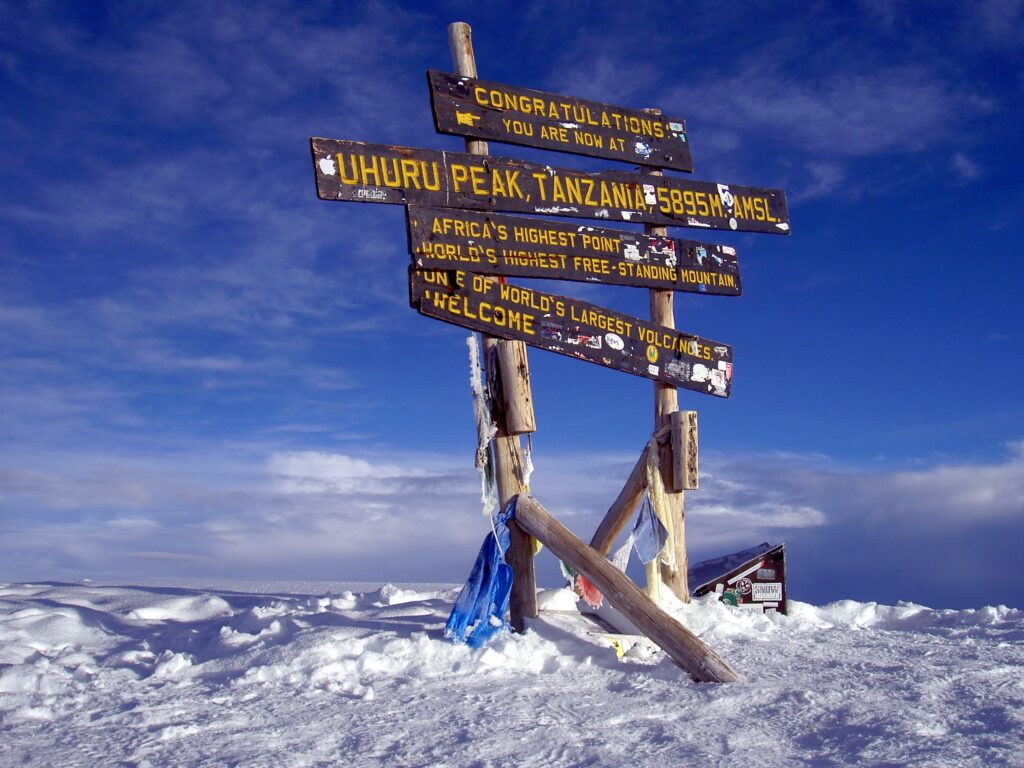
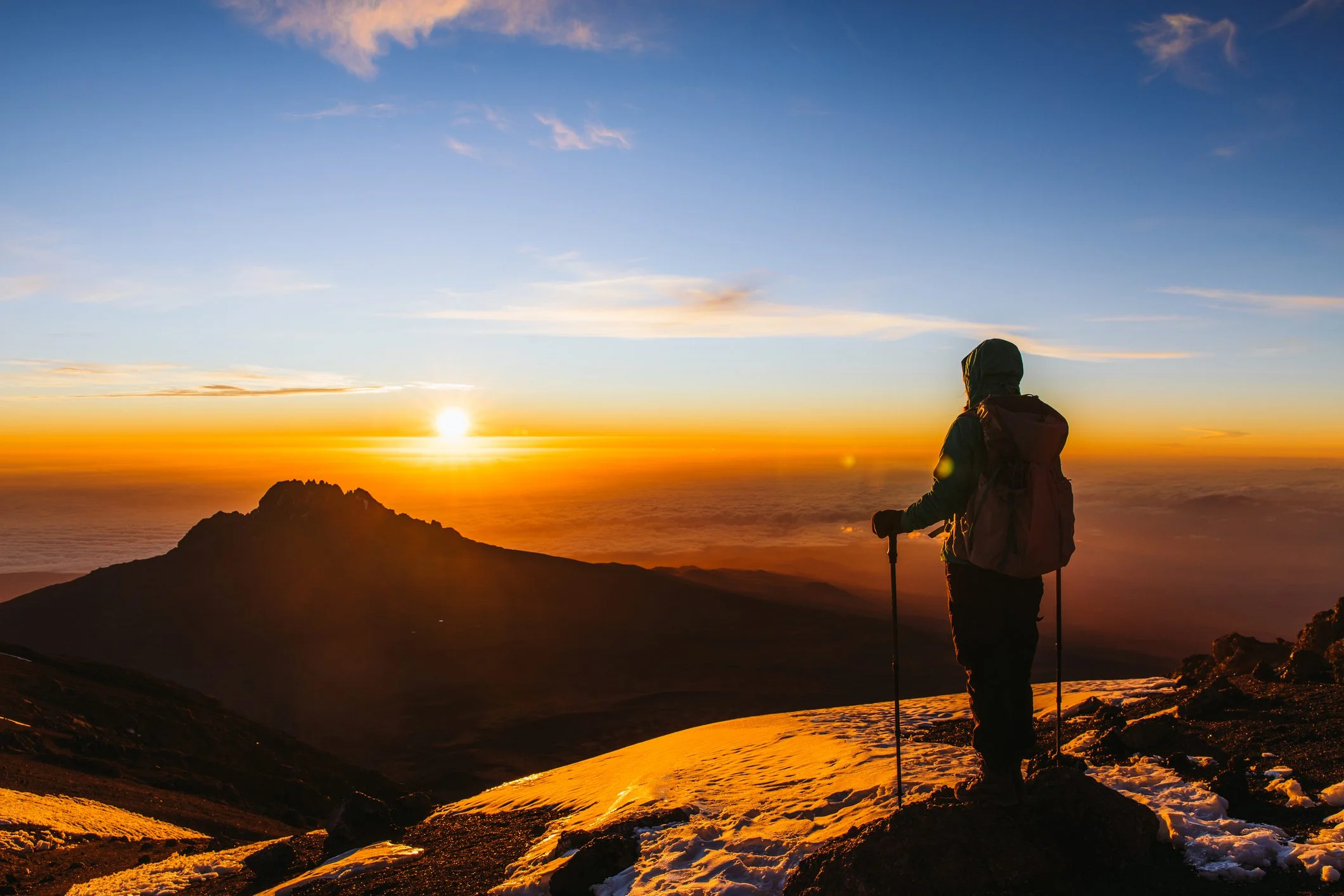
Reaching Uhuru Peak, the highest point in Africa, is an unforgettable achievement. Even on the easiest Kilimanjaro routes, it’s a combination of preparation, persistence, and support from guides that leads to success. Climbers experience sunrise above the clouds, panoramic views, and a sense of accomplishment. Photographs capture memories, and celebration rituals at the peak honor the journey. Descending safely with proper pacing and guidance completes the adventure. Summiting provides confidence for future treks and life challenges, marking a milestone in adventure travel. For beginners, the Marangu or Rongai routes ensure a manageable, safe, and rewarding path to Kilimanjaro’s summit.
Final Thought
The easiest route to climb Kilimanjaro balances safety, gradual ascent, and scenic enjoyment. For first-timers, Marangu offers hut accommodations, gentle slopes, and high summit success rates. Rongai and Lemosho provide alternatives for peaceful or scenic climbs. Proper physical and mental preparation, professional guides, and strategic acclimatization ensure a safe, rewarding adventure. Choosing the right route, season, and tour operator allows climbers to experience Kilimanjaro’s majestic landscapes with minimal risk while creating memories that last a lifetime. Whether seeking comfort, scenery, or challenge, beginners can achieve Uhuru Peak and fulfill the dream of climbing Africa’s iconic mountain.
What is the easiest route to climb Kilimanjaro?: FAQs
Why Choosing the Right Route Matters?
Selecting the correct Kilimanjaro route directly impacts summit success, safety, and overall experience. Trekking routes vary in altitude gain, terrain, difficulty, and scenic diversity. Routes with gradual ascents, like Marangu o r Rongai , reduce the risk of altitude sickness while giving climbers more rest. Fast, steep routes, such as Umbwe, demand high fitness but less acclimatization time, making them harder for beginners.
What is Machame Route vs Marangu Route like?
The Machame route, also called the “Whiskey route,” is more scenic than Marangu but considered slightly more challenging. Machame involves tented camps, steeper climbs, and longer daily treks, which may be harder for beginners. However, it offers a higher summit success rate due to gradual acclimatization over 6–7 days.
What is Umbwe Route like?
The Umbwe route is the shortest and steepest Kilimanjaro path, starting from the south-western forests. It is physically demanding and less suitable for first-timers due to rapid altitude gain. Climbers experience intense hiking, requiring strong fitness levels. While Umbwe provides a dramatic and adventurous route with incredible scenery, the limited acclimatization increases altitude sickness risk, making it harder than Marangu or Rongai.
What can you expect from safety Considerations for beginners on Kilimanjaro?
Safety is crucial when choosing the easiest Kilimanjaro route. Altitude sickness is the main concern, emphasizing gradual ascent, proper hydration, and acclimatization. Routes like Marangu and Rongai minimize risk with steady slopes and multiple resting points. Choosing licensed guides and reputable tour operators ensures emergency support, equipment, and local knowledge.
What should you know about guided tours vs solo trekking on Kilimanjaro?
For beginners, guided tours are highly recommended on the easiest Kilimanjaro routes. Licensed guides provide safety, navigation, and altitude management. Solo trekking is possible but risky due to changing weather, altitude sickness, and limited access to emergency support. Guided tours include porters, meals, accommodation, and emergency care.
What are the altitude acclimatization tips on Kilimanjaro?
Acclimatization is key to the easiest Kilimanjaro climbs, preventing altitude sickness. Climbers should ascend gradually, drink plenty of water, and rest at intermediate camps. Routes like Marangu and Rongai allow for slow, steady progression, increasing summit success. Sleeping higher after moderate daytime treks helps the body adapt to lower oxygen levels.
What can you expect from mental preparation and Motivation on Kilimanjaro?
Climbing Kilimanjaro, even on the easiest routes, requires mental resilience. Motivation and determination are critical during long treks and altitude challenges. Positive thinking, goal-setting, and focusing on summit milestones enhance endurance. Encouragement from guides and fellow climbers boosts morale. Visualization of reaching Uhuru Peak helps maintain energy.
What should you know about experienced guide Recommendations on Kilimanjaro?
Guides are essential for safe and enjoyable Kilimanjaro climbs. Experienced professionals provide knowledge of terrain, weather, and altitude management. They teach trekking techniques, pacing, and emergency procedures. For Marangu or Rongai, guides ensure proper hut use, meal distribution, and camp setup. On tented routes, they manage equipment, logistics, and environmental protection.
Climb Kilimanjaro With Confidence
Tell us your dates and fitness, and our experienced mountain team will plan a safe, well-acclimatized private climb.