Marangu Route
Marangu Route
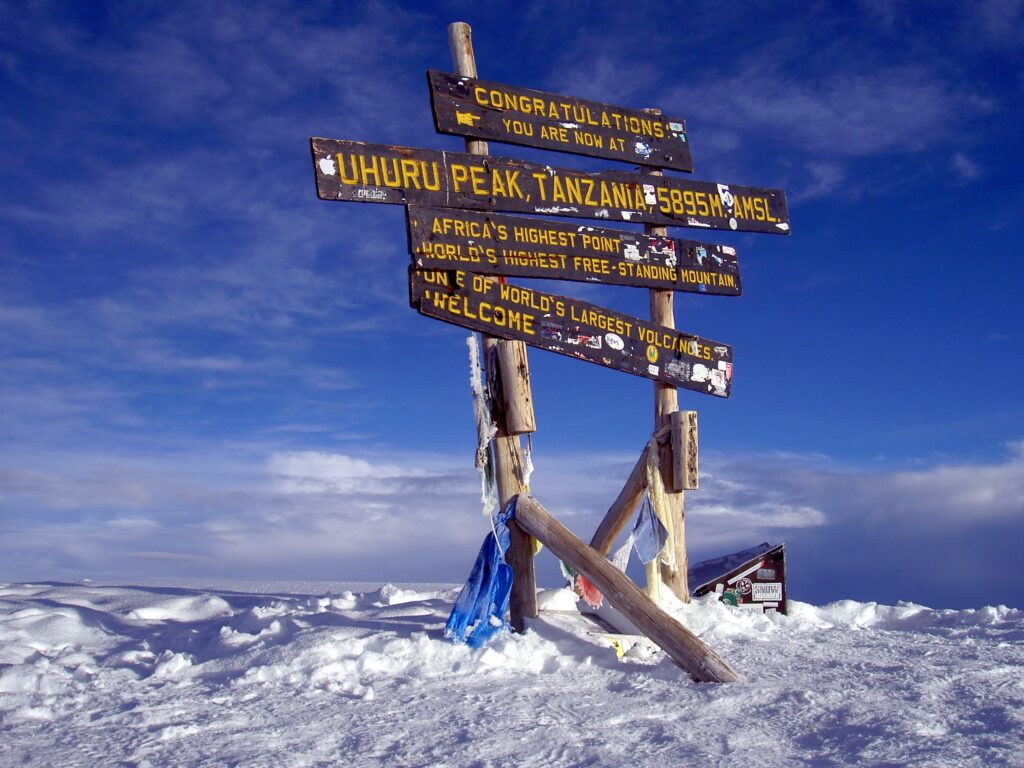
The Marangu Route is one of the most popular and oldest trekking paths on Mount Kilimanjaro, Tanzania, offering a classic “Coca-Cola Route” experience. Known for its gradual slope and hut accommodations, it attracts climbers searching for a comfortable yet challenging Kilimanjaro climbing adventure. This route passes through diverse ecological zones, from lush rainforest to alpine desert and finally to the Arctic summit zone at Uhuru Peak. It is often chosen by first-time climbers due to its perceived ease and established infrastructure. However, success still requires proper acclimatization and preparation. The Marangu Route remains a top choice for budget Kilimanjaro trekking, scenic landscapes, and cultural trekking experiences.
Marangu Gate – Starting Point of Adventure
Marangu Gate, located within Kilimanjaro National Park, is the official starting point of the Marangu Route. This is where climbers complete registration, meet guides, and begin their unforgettable Mount Kilimanjaro trekking journey. The gate sits at approximately 1,860 meters and is surrounded by lush rainforest filled with monkeys, birds, and exotic plants.” From here, hikers officially enter the Kilimanjaro ecosystem under park regulations. Porters organize gear while climbers prepare for the ascent. The atmosphere is filled with excitement, anticipation, and adventure energy. The trail from Marangu Gate immediately introduces trekkers to dense rainforest, making it a scenic and immersive beginning to one of Africa’s most iconic climbing experiences.
Marangu Route Difficulty Level
The Marangu Route is considered a “moderate” difficulty climb on Kilimanjaro, though it still demands strong physical fitness and mental endurance. Often marketed as the “easiest Kilimanjaro route,” it actually presents challenges due to its shorter acclimatization period compared to other routes.” The steady incline makes it less technical, but altitude sickness remains a major risk. The lack of a proper acclimatization loop reduces summit success unless extra days are added. Despite this, its hut accommodation system makes it more comfortable than camping routes. Proper training, hydration, and slow pacing are essential. Climbers should not underestimate it, as Uhuru Peak remains a high-altitude challenge regardless of the chosen route.
Marangu Route Map
The Marangu Route map shows a direct southeastern approach to Mount Kilimanjaro’s summit, Uhuru Peak. The route starts at Marangu Gate and passes through key huts: Mandara Hut, Horombo Hut, and Kibo Hut before reaching the summit via Gilman’s Point.” The map highlights a linear ascent and descent on the same trail, unlike circuit routes. Climbers traverse rainforest, moorland, alpine desert, and arctic zones. The visual route map helps trekkers understand distance, elevation gain, and rest points. It is widely used for planning logistics, acclimatization strategy, and summit timing. The simplicity of the map makes the Marangu Route popular among first-time climbers seeking clear navigation.
Marangu Route Elevation
The Marangu Route covers a dramatic elevation gain from about 1,860 meters at Marangu Gate to 5,895 meters at Uhuru Peak. Key elevations include Mandara Hut at 2,700 meters, Horombo Hut at 3,720 meters, and Kibo Hut at 4,700 meters.” Climbers experience multiple climate zones as altitude increases, from rainforest humidity to freezing summit conditions. Oxygen levels significantly drop above 4,000 meters, increasing the risk of altitude sickness. Proper acclimatization is essential for success. The elevation profile is one of the reasons why additional acclimatization days are recommended for higher summit success rates. Despite being gradual, the high summit elevation remains the ultimate challenge for all climbers.
Marangu Route Distance
The Marangu Route covers approximately 72 kilometers (45 miles) round trip from Marangu Gate to Uhuru Peak and back. The distance is typically completed in 5 to 6 days, depending on the itinerary.The ascent and descent follow the same path, making navigation simple compared to circuit routes. Daily trekking distances vary between 8 and 17 kilometers depending on stage progression. Although the distance is not the longest among Kilimanjaro routes, altitude gain makes it physically demanding. Proper pacing and rest stops are crucial for success. The return journey is faster but still requires caution due to knee strain and fatigue accumulated during the summit descent.
Best Time to Climb the Marangu Route
The best time to climb the Marangu Route is during Tanzania’s dry seasons: January to mid-March and June to October. These months offer clear skies, stable weather conditions, and higher summit success rates. During dry months, trails are less slippery, and visibility is excellent for photography. The rainy seasons of April–May and November are less ideal due to muddy trails and reduced visibility, though fewer crowds are present. Temperature varies greatly with altitude, from warm rainforest conditions to freezing summit nights. Choosing the right season significantly improves safety, comfort, and overall trekking experience. Most tour operators recommend booking in advance during the peak dry season months for guaranteed permits and accommodations.
Accommodations on the Marangu Route
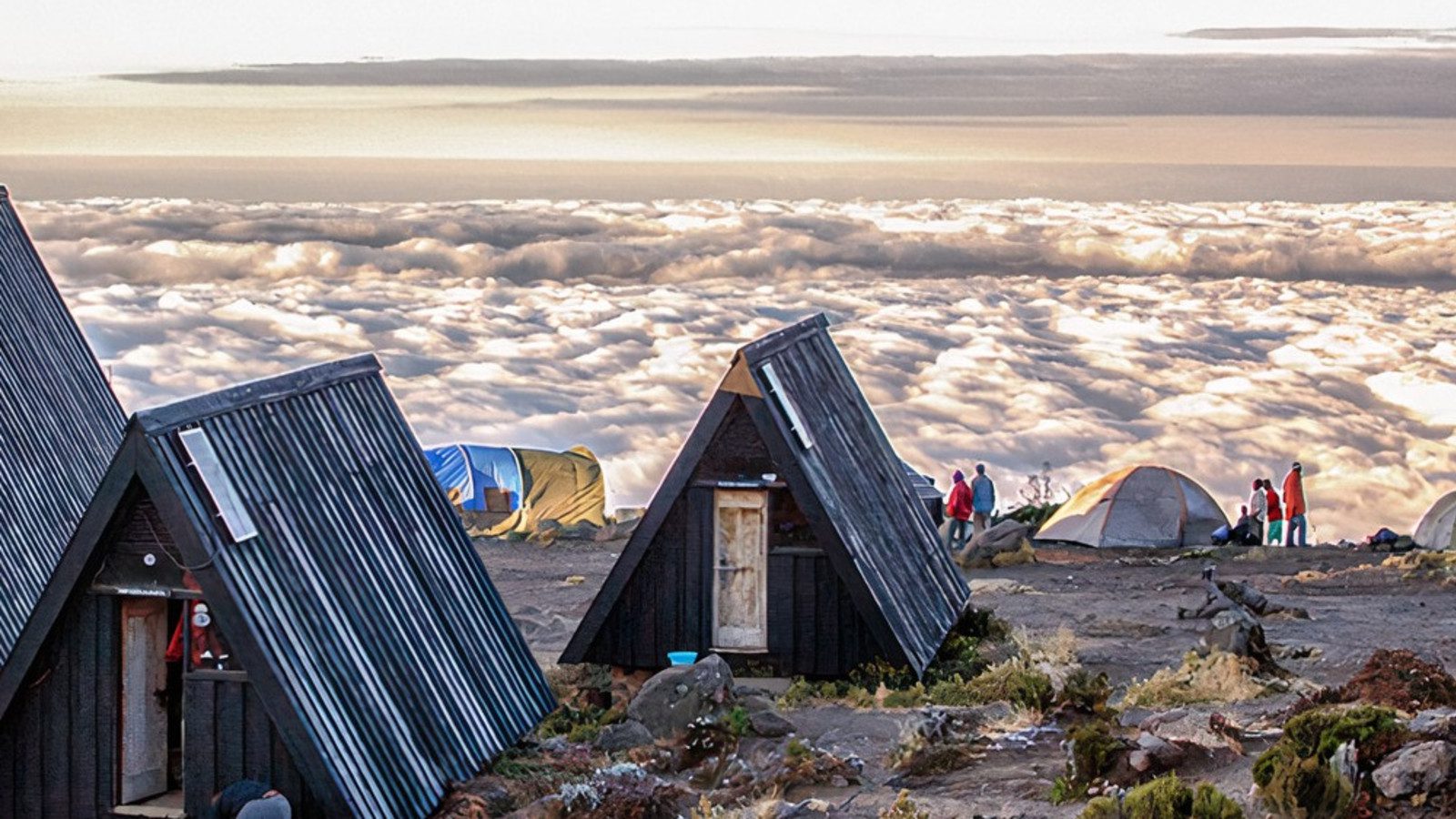
The Marangu Route is unique among Kilimanjaro routes because it offers hut accommodation instead of tents. Climbers sleep in shared dormitory-style huts at Mandara, Horombo, and Kibo huts. This makes it popular in searches like “Kilimanjaro hut accommodation,” “Marangu Route lodging,” and “comfortable Kilimanjaro climb.” Each hut provides basic beds, mattresses, dining halls, and shared toilets. Although simple, the huts offer shelter from rain and cold mountain winds. Electricity and modern facilities are not available, so climbers must carry headlamps and essentials. The communal setup encourages social interaction among trekkers from around the world. Despite limited comfort, huts provide a more stable sleeping environment compared to camping routes. Early booking is essential during peak seasons due to high demand and limited hut capacity.
Packing List for Marangu Route
Packing for the Marangu Route requires careful preparation due to changing climates and high-altitude conditions. Essential items include layered clothing, thermal jackets, waterproof gear, trekking boots, gloves, hats, and sunglasses.A sleeping bag rated for sub-zero temperatures is crucial even in hut accommodation. Other essentials include a headlamp, trekking poles, sunscreen, reusable water bottles, and energy snacks. Personal medication for altitude sickness is strongly recommended. Lightweight packing is important because porters carry limited weight allowances. Proper gear ensures safety, comfort, and endurance during the climb. Travelers should avoid cotton clothing and instead use moisture-wicking and insulating layers for better temperature regulation throughout the ascent.
Interesting Facts About the Marangu Route
The Marangu Route is famously known as the “Coca-Cola Route” due to its relative comfort and availability of soft drinks at huts. It is the only Kilimanjaro route with hut accommodation, making it unique among trekking paths.The route is also the oldest established path on the mountain, historically used by early climbers. Interestingly, ascent and descent follow the same trail, unlike scenic circuit routes. Despite its reputation for being easier, it has one of the lower summit success rates due to short acclimatization time. The route is also rich in biodiversity, passing through five distinct ecological zones from rainforest to Arctic summit conditions.
How to Get to the Marangu Route
Reaching the Marangu Route typically begins in Moshi or Arusha, Tanzania’s main safari and trekking hubs. From either town, climbers travel by road for about 1.5 to 2 hours to Marangu Gate inside Kilimanjaro National Park.” Most tour operators provide private 4x4 transfers as part of trekking packages. Kilimanjaro International Airport (JRO) is the nearest airport for international travelers. From the airport, it takes about one hour to reach Moshi. The journey to Marangu Gate passes through scenic villages and coffee plantations, offering cultural views of local Chagga communities. Proper planning ensures smooth logistics before starting the climb. Organized tours are highly recommended for permits, guides, and park entry arrangements.
- Kilimanjaro Airport (JRO)Arrival
- MoshiAbout 45 min
- ArushaAbout 1 hour
- Safari parksNorthern Circuit
How Many Days for the Marangu Route
The Marangu Route is commonly completed in 5 or 6 days, depending on acclimatization plans. The standard itinerary includes ascent through Mandara Hut, Horombo Hut, and Kibo Hut before reaching Uhuru Peak.A 5-day option is more challenging due to limited acclimatization time, while the 6-day version improves summit success rates. Some operators recommend adding extra acclimatization hikes around Horombo Hut for better adaptation. Longer duration increases the chances of avoiding altitude sickness. Most climbers prefer the 6-day itinerary for safety and comfort. Regardless of duration, pacing and hydration remain key success factors. Proper planning ensures a higher probability of reaching the summit successfully.
Marangu Route Success Rate
The Marangu Route has a moderate summit success rate, typically lower than longer Kilimanjaro routes. On average, success ranges between 50% to 65%, depending on itinerary length and acclimatization.” The main reason for lower success is the shorter acclimatization period and the rapid ascent profile. Climbers who choose the 6-day itinerary generally have higher success rates than those who choose the 5-day option. Proper preparation, slow pacing, and hydration significantly improve chances of reaching Uhuru Peak. Despite its reputation as an “easy route,” altitude remains the biggest challenge. Tour operators often recommend longer routes like Machame or Lemosho for higher success rates, but Marangu remains popular due to comfort and simplicity.
Marangu Route Scenic Highlights
The Marangu Route offers stunning scenic diversity as climbers ascend through five ecological zones. Highlights include lush rainforest filled with colobus monkeys, heath and moorland landscapes with giant lobelias, and expansive alpine desert terrain near Kibo Hut.On clear days, climbers can see Mawenzi Peak and the surrounding Tanzanian plains. Sunrises and sunsets above the clouds provide unforgettable photographic moments. The summit approach reveals glaciers and icy terrain at Uhuru Peak. Each stage of the climb offers a dramatic shift in environment, making the Marangu Route visually rich despite being less scenic than circuit routes. Its natural transitions make it a favorite for first-time climbers seeking diverse landscapes in one journey.
Kilimanjaro Marangu Routes Comparison with Other Routes
The Marangu Route differs significantly from routes like Machame, Lemosho, and Rongai. Unlike scenic circuit routes, Marangu follows a direct ascent and descent on the same path.” Marangu offers hut accommodation, while others use camping tents. However, it has a lower summit success rate due to limited acclimatization time. Machame and Lemosho provide longer, more scenic routes with higher success rates. Marangu is often preferred by budget travelers and those seeking comfort. It is less crowded in certain seasons compared to popular Western routes. Despite its simplicity, it remains iconic as the original Kilimanjaro trekking route, offering a traditional climbing experience.
Safety on the Marangu Route
Safety on the Marangu Route is a top priority for climbers and guides. The main risk is altitude sickness due to rapid ascent, making proper acclimatization essential.Professional guides monitor climbers daily for symptoms such as headaches, nausea, and fatigue. Emergency evacuation procedures are in place if conditions worsen. Weather conditions can change quickly, especially near the summit, requiring proper gear and preparation. Staying hydrated, eating well, and maintaining a slow pace are key safety strategies. Organized tours ensure compliance with Kilimanjaro National Park regulations. Overall, with proper preparation and guidance, the route is safe for most healthy climbers.
Approach, feed or disturb wildlife, or leave the vehicle unless your guide says it is safe.
Follow your guide, carry travel insurance and check current health and travel advice.
Pros & Cons of Marangu Route
The Marangu Route offers both advantages and disadvantages for climbers. Pros include hut accommodation, a well-established trail, lower cost compared to luxury routes, and easier logistics.It is also less physically technical, making it accessible for beginners. However, cons include lower summit success rates, shorter acclimatization time, and less scenic variety compared to circuit routes. The shared hut dormitories may lack privacy. Additionally, the same ascent and descent path reduces landscape diversity. Despite drawbacks, it remains popular due to comfort and simplicity. Choosing between Marangu and other routes depends on experience level, fitness, and trekking goals.
Marangu Route Logistics and Preparation
Proper logistics for the Marangu Route include permits, guides, porters, transportation, and accommodation arrangements. Most climbers book through licensed tour operators in Tanzania.Preparation involves physical training, altitude conditioning, and packing appropriate gear. Climbers must obtain Kilimanjaro National Park permits before starting the trek. Meals, water, and camping or hut arrangements are typically included in guided packages. Travel insurance covering high-altitude trekking is strongly recommended. Early booking during peak seasons ensures availability. Proper planning reduces stress and improves summit success chances. Organized logistics allow climbers to focus on endurance, safety, and enjoying the adventure rather than operational challenges.
What to Expect on a Marangu Route
On the Marangu Route, climbers should expect a gradual but challenging ascent through diverse ecosystems, changing weather, and increasing altitude effects.” Days involve several hours of trekking, followed by rest in shared huts. Meals are provided by support teams, and evenings are spent acclimatizing and resting. Nights become colder as altitude increases, especially near Kibo Hut. Summit night is the most demanding part, requiring a midnight ascent to Uhuru Peak. Physical fatigue, low oxygen, and cold temperatures test endurance. However, reaching the summit offers a rewarding sunrise above Africa. Overall, climbers can expect a structured, supported, and memorable trekking experience with professional guides ensuring safety throughout the journey.
Final Thought
The Marangu Route remains one of the most iconic and historically significant paths to the summit of Mount Kilimanjaro. It offers a unique combination of comfort, accessibility, and adventure, making it a top choice for first-time climbers and budget trekkers. While it may not provide the highest summit success rate compared to longer routes, its hut accommodation and straightforward trail continue to attract global attention.With proper preparation, training, and acclimatization, climbers can successfully reach Uhuru Peak. The journey delivers unforgettable landscapes, cultural encounters, and personal achievement. Ultimately, the Marangu Route is not just a climb but a life-changing experience that showcases the beauty and challenge of Africa’s highest mountain.
Marangu Route: FAQs
What can you expect from Marangu gate?
Marangu Gate, located within Kilimanjaro National Park, is the official starting point of the Marangu Route. This is where climbers complete registration, meet guides, and begin their unforgettable Mount Kilimanjaro trekking journey. The gate sits at approximately 1,860 meters and is surrounded by lush rainforest filled with monkeys, birds, and exotic plants.” From here, hikers officially enter the Kilimanjaro ecosystem under park regulations.
What is Marangu Route Map like?
The Marangu Route map shows a direct southeastern approach to Mount Kilimanjaro’s summit, Uhuru Peak. The route starts at Marangu Gate and passes through key huts: Mandara Hut, Horombo Hut, and Kibo Hut before reaching the summit via Gilman’s Point.” The map highlights a linear ascent and descent on the same trail, unlike circuit routes.
What is Marangu Route Distance like?
The Marangu Route covers approximately 72 kilometers (45 miles) round trip from Marangu Gate to Uhuru Peak and back. The distance is typically completed in 5 to 6 days, depending on the itinerary.The ascent and descent follow the same path, making navigation simple compared to circuit routes. Daily trekking distances vary between 8 and 17 kilometers depending on stage progression.
What is Accommodations on the Marangu Route like?
The Marangu Route is unique among Kilimanjaro routes because it offers hut accommodation instead of tents. Climbers sleep in shared dormitory-style huts at Mandara, Horombo, and Kibo huts. This makes it popular in searches like “Kilimanjaro hut accommodation,” “Marangu Route lodging,” and “comfortable Kilimanjaro climb.” Each hut provides basic beds, mattresses, dining halls, and shared toilets.
What is Interesting Facts About the Marangu Route like?
The Marangu Route is famously known as the “Coca-Cola Route” due to its relative comfort and availability of soft drinks at huts. It is the only Kilimanjaro route with hut accommodation, making it unique among trekking paths.The route is also the oldest established path on the mountain, historically used by early climbers.
How Many Days for the Marangu Route ?
The Marangu Route is commonly completed in 5 or 6 days, depending on acclimatization plans. The standard itinerary includes ascent through Mandara Hut, Horombo Hut, and Kibo Hut before reaching Uhuru Peak.A 5-day option is more challenging due to limited acclimatization time, while the 6-day version improves summit success rates.
What is Marangu Route Scenic Highlights like?
The Marangu Route offers stunning scenic diversity as climbers ascend through five ecological zones. Highlights include lush rainforest filled with colobus monkeys, heath and moorland landscapes with giant lobelias, and expansive alpine desert terrain near Kibo Hut.On clear days, climbers can see Mawenzi Peak and the surrounding Tanzanian plains.
What is Safety on the Marangu Route like?
Safety on the Marangu Route is a top priority for climbers and guides. The main risk is altitude sickness due to rapid ascent, making proper acclimatization essential.Professional guides monitor climbers daily for symptoms such as headaches, nausea, and fatigue. Emergency evacuation procedures are in place if conditions worsen.
Climb Kilimanjaro With Confidence
Tell us your dates and fitness, and our experienced mountain team will plan a safe, well-acclimatized private climb.