Kilimanjaro Lemosho Route
Kilimanjaro Lemosho Route
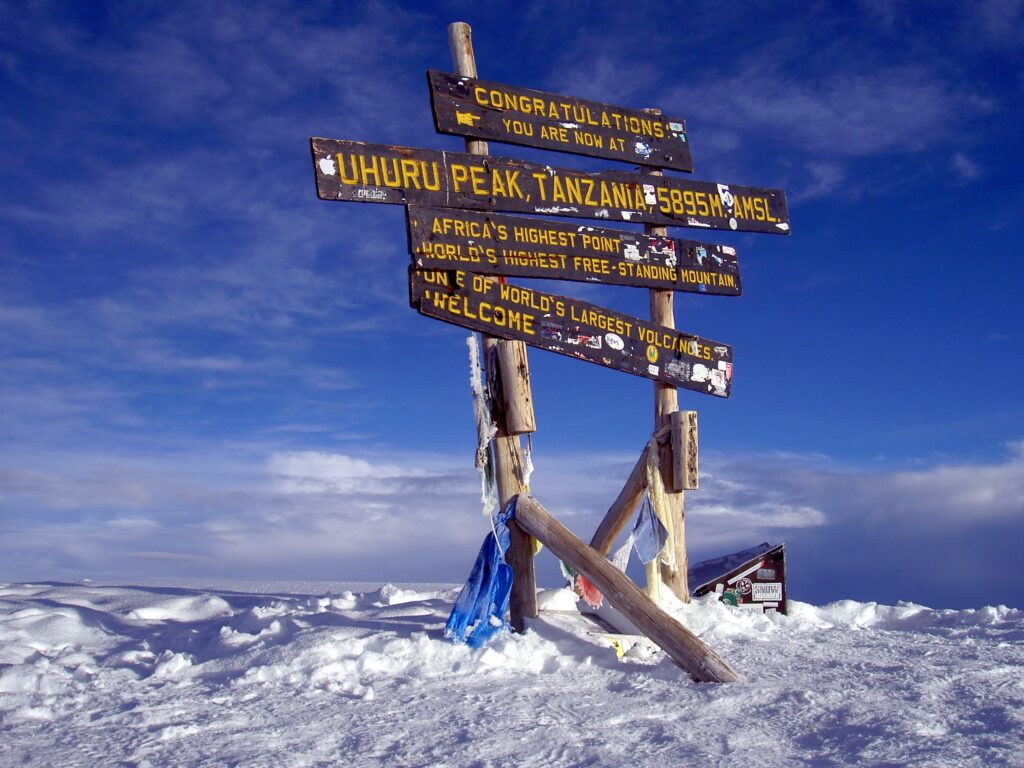
The Lemosho Route on Mount Kilimanjaro is widely regarded as one of the most scenic and least crowded trekking paths to the summit of Uhuru Peak in Kilimanjaro National Park, Tanzania. Known for its high success rate, excellent acclimatization profile, and breathtaking landscapes, the Lemosho Route is a top choice for climbers seeking a safe and rewarding Kilimanjaro trekking experience. This Kilimanjaro Lemosho Route itinerary begins on the western side of the mountain and passes through diverse ecological zones, including rainforest, moorland, alpine desert, and Arctic summit conditions. Popular among both beginners and experienced hikers, it offers a longer duration that improves altitude adjustment. With stunning views, rich wildlife, and professional Kilimanjaro tour operators, the Lemosho Route stands out as one of the best Kilimanjaro climbing routes for adventure travel and trekking tours in Tanzania.
Lemosho Route Map Starting Point and Access
The Lemosho Route map starts on the western side of Mount Kilimanjaro, typically accessed through Londorossi Gate in Kilimanjaro National Park, Tanzania. Climbers usually reach the starting point by road transfer from Arusha or Moshi, two main safari hubs. The route begins in remote rainforest areas, making it less crowded compared to other Kilimanjaro routes. The Lemosho Route starting point is ideal for acclimatization and scenic trekking. It later merges with the Machame Route near Shira Plateau. This access point is preferred for luxury Kilimanjaro climbs, trekking tours, and guided expeditions due to its beautiful and gradual ascent profile.
Rainforest Zone Experience on Lemosho Route
The rainforest zone on the Lemosho Route offers a lush, green environment filled with dense vegetation, moss-covered trees, and tropical beauty. This section of Mount Kilimanjaro is humid, warm, and often misty, creating a magical trekking atmosphere. Hikers may encounter muddy trails due to frequent rainfall, making waterproof gear essential. The Kilimanjaro rainforest zone is home to unique plant species and vibrant ecosystems. It provides a gentle introduction to altitude climbing while immersing trekkers in Tanzania’s natural wilderness. Bird calls and distant wildlife sounds enhance the experience, making it one of the most memorable parts of the Lemosho trekking route.
Wildlife Encounters on Lemosho Route
Wildlife encounters on the Lemosho Route are common in the lower rainforest zones of Kilimanjaro National Park. Trekkers may see colobus monkeys, blue monkeys, duikers, and various bird species along the trail. Although large animals are rare, the biodiversity is rich and exciting for nature lovers. The Lemosho Route offers one of the best chances to experience Kilimanjaro wildlife during trekking expeditions. Guided tours ensure safety while exploring these habitats. The presence of wildlife adds an authentic safari feel to the climb, making Lemosho Route hiking a unique combination of mountain trekking and wildlife adventure in Tanzania.
Difficulty and Fitness Level
The Lemosho Route is considered a moderate to challenging Kilimanjaro climbing route, suitable for trekkers with good physical fitness. Its longer duration improves acclimatization, increasing summit success rates. Daily hiking involves gradual altitude gain, steep sections, and changing terrain from rainforest to alpine desert. While technical climbing skills are not required, endurance and stamina are important. Proper training before the Kilimanjaro trek is recommended, including hiking practice and cardio fitness. The Lemosho Route difficulty is lower compared to shorter routes due to its extended itinerary, making it ideal for both beginners and experienced hikers seeking a successful summit attempt.
Unique Features of the Lemosho Route
The Lemosho Route is famous for its remote start, low crowd levels, and spectacular panoramic views of Mount Kilimanjaro. One of its unique features is the gradual ascent, which improves acclimatization and summit success. The route crosses diverse ecological zones, offering rainforest, moorland, and alpine desert scenery. Another highlight is the Shira Plateau, one of the largest high-altitude plateaus in the world. The Lemosho Route also joins the Machame Route later, combining scenic beauty with established trails. Its exclusivity and natural beauty make it a top-rated Kilimanjaro trekking route in Tanzania for adventure and luxury climbing experiences.
Kilimanjaro Lemosho Route Elevation Gain
The Kilimanjaro Lemosho Route elevation gain is gradual and well-balanced, starting at approximately 2,100 meters at Londorossi Gate and reaching 5,895 meters at Uhuru Peak. This steady ascent allows better acclimatization compared to shorter routes. Climbers pass through multiple altitude zones, including rainforest, heath, moorland, alpine desert, and Arctic summit conditions. The elevation profile is designed to reduce altitude sickness risk and improve summit success rates. Daily trekking gains vary between 300 to 1,000 meters depending on the stage. This makes the Lemosho Route one of the most effective Kilimanjaro routes for safe and successful high-altitude trekking.
Kilimanjaro Lemosho Route Camps
The Lemosho Route includes several scenic campsites such as Mti Mkubwa, Shira 1, Shira 2, Barranco Camp, Karanga Camp, Barafu Camp, and Uhuru Peak summit camp. Each camp provides unique landscapes and acclimatization benefits. Mti Mkubwa Camp is located in the rainforest, while Shira Plateau camps offer wide open views. Barranco Camp is known for the famous Barranco Wall. Barafu Camp serves as the final base before the summit push. These Kilimanjaro camps on the Lemosho Route are well-managed by guides and porters, ensuring safety, rest, and preparation for climbers aiming to reach the summit successfully.
Lemosho Route Distance
The Lemosho Route distance varies depending on the itinerary, but it typically covers between 70 to 100 kilometers round trip on Mount Kilimanjaro. This extended trekking distance allows better acclimatization and increases summit success rates. The route begins on the western side and gradually joins the Machame Route after Shira Plateau. The longer distance makes it less rushed and more scenic compared to shorter Kilimanjaro routes. Trekkers experience diverse landscapes across multiple days. The Lemosho Route distance is ideal for those seeking a full trekking adventure, combining endurance, natural beauty, and high-altitude hiking in Tanzania’s premier national park.
Lemosho Route Success Rate
The Lemosho Route has one of the highest summit success rates on Mount Kilimanjaro, often ranging between 85% and 95% depending on the number of trekking days. Its success is mainly due to the gradual ascent and excellent acclimatization profile. Longer itineraries such as 7 to 8 days significantly improve the chances of reaching Uhuru Peak. Professional guides, proper pacing, and well-structured camping schedules contribute to this high success rate. Compared to other Kilimanjaro routes, Lemosho is recommended for climbers who want a safer and more reliable summit experience with reduced risk of altitude sickness.
Lemosho Route Itinerary
The Lemosho Route itinerary typically spans 7 to 8 days, starting from Londorossi Gate and ending at Uhuru Peak. Day one involves rainforest trekking to Mti Mkubwa Camp. The route continues through Shira Plateau, Lava Tower, Barranco Camp, Karanga Camp, and Barafu Camp before the summit push. The descent follows the Mweka Route. This itinerary allows proper acclimatization, increasing summit success. The Lemosho Route itinerary is flexible, with shorter or longer options depending on fitness level. It is widely used by Kilimanjaro trekking companies in Tanzania for both budget and luxury climbing packages.
Lemosho Route Altitude Considerations
Altitude is a major factor on the Lemosho Route, as climbers ascend from about 2,100 meters to 5,895 meters at Uhuru Peak. Proper acclimatization is essential to avoid altitude sickness. The route is designed with gradual elevation gain and acclimatization days, especially at Shira Plateau and Barranco Camp. Symptoms like headaches and fatigue may occur but can be managed with proper hydration and pacing. Guides closely monitor climbers for safety. The Lemosho Route altitude profile makes it one of the safest Kilimanjaro climbing routes, ideal for both beginners and experienced trekkers aiming for a successful summit.
Lemosho Route Ascending and Descending
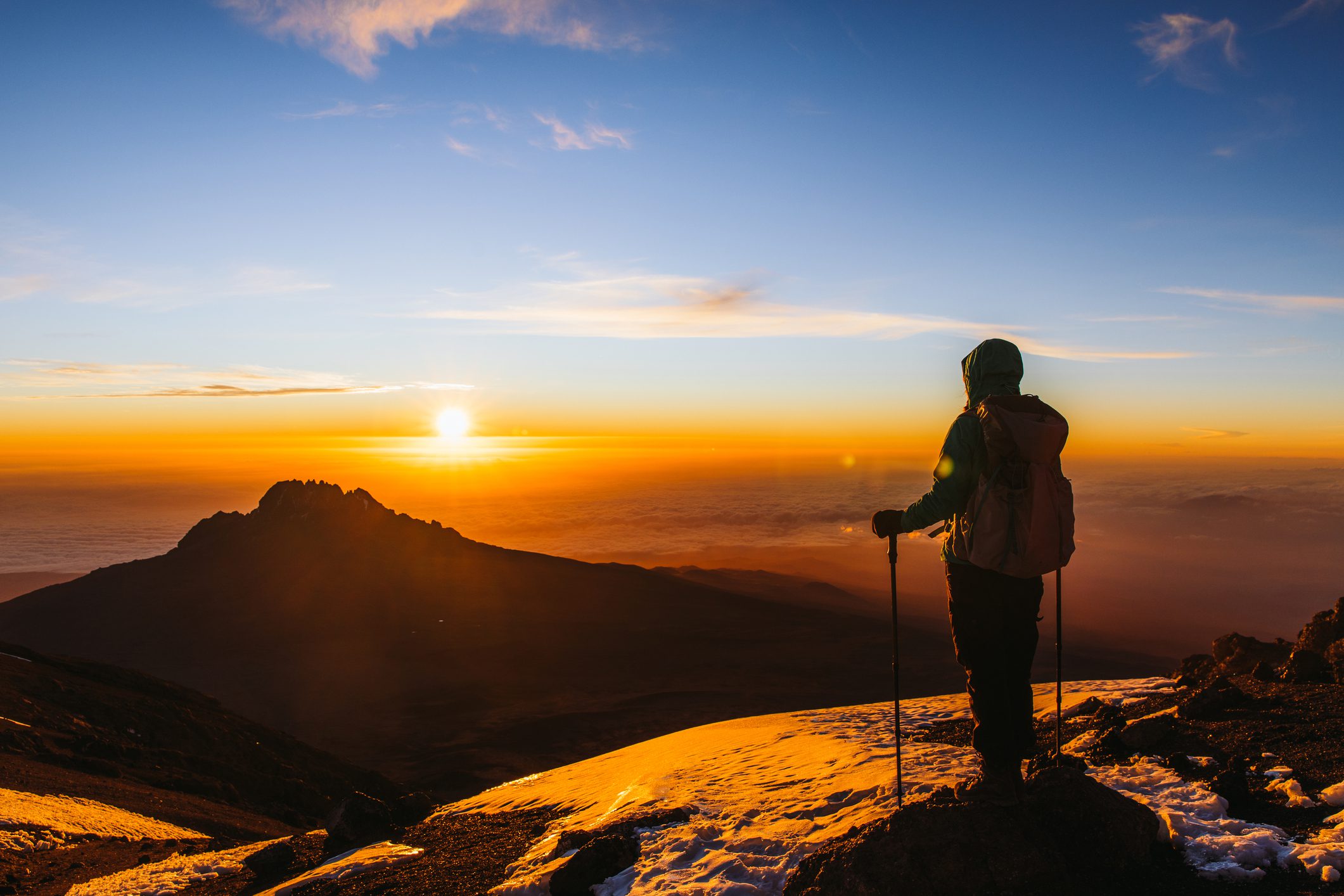
The Lemosho Route ascent begins in the western rainforest and gradually climbs through multiple ecological zones to Uhuru Peak. Climbers pass Shira Plateau, Lava Tower, and Barranco Valley before reaching Barafu Camp for the summit attempt. The final ascent starts at midnight for sunrise at the summit. The descent follows the Mweka Route, offering a faster return through rainforest landscapes. This combination of ascending and descending routes improves safety and trail balance. The Lemosho Route climbing pattern is designed for acclimatization and scenic diversity, making it one of the most rewarding Kilimanjaro trekking experiences in Tanzania.
Lemosho Route Safety Measures
Safety on the Lemosho Route is a top priority for Kilimanjaro trekking operators. Experienced guides monitor altitude sickness symptoms, weather conditions, and climber health daily. Emergency oxygen, first aid kits, and communication devices are carried during the climb. Gradual ascent and proper acclimatization reduce risks significantly. Climbers are advised to stay hydrated, walk slowly, and follow guide instructions. The Kilimanjaro National Park regulations also ensure controlled trekking conditions. Rescue teams are available if needed. These safety measures make the Lemosho Route one of the safest and most reliable options for climbing Mount Kilimanjaro in Tanzania.
Approach, feed or disturb wildlife, or leave the vehicle unless your guide says it is safe.
Follow your guide, carry travel insurance and check current health and travel advice.
Lemosho Route Packing List
A proper packing list for the Lemosho Route includes layered clothing, waterproof jackets, thermal wear, hiking boots, gloves, hats, and sunglasses. Essential gear includes a sleeping bag, backpack, trekking poles, and headlamp. Personal items such as sunscreen, lip balm, and toiletries are important. Hydration systems and energy snacks help maintain stamina. Since the route passes through varying climates, from rainforest to arctic summit, adaptable clothing is crucial. Kilimanjaro packing lists also include altitude medication and first aid basics. Proper preparation ensures comfort and safety throughout the Lemosho Route trekking experience in Tanzania’s Mount Kilimanjaro National Park.
Lemosho Route vs. Other Routes
Compared to other Kilimanjaro routes like Marangu, Machame, and Rongai, the Lemosho Route offers better acclimatization and higher summit success rates. Unlike the Marangu Route, which is shorter and more crowded, Lemosho is longer and more scenic. It also provides a quieter and more remote start compared to Machame. The Rongai Route is drier, while Lemosho offers diverse ecosystems and rainforest beauty. For climbers seeking a balance of challenge, safety, and scenery, Lemosho is often considered the best Kilimanjaro route. It is highly recommended by trekking experts and tour operators in Tanzania.
Lemosho Route Reviews
Lemosho Route reviews from climbers are overwhelmingly positive, highlighting its scenic beauty, excellent acclimatization, and high summit success rates. Many trekkers describe it as the most beautiful Kilimanjaro route due to its diverse landscapes and low crowd levels. Reviews often praise professional guides, well-organized camps, and supportive porters. Some note challenges with long trekking days and altitude, but overall satisfaction remains high. The Lemosho Route is frequently recommended by travel experts and online trekking communities. It is considered ideal for both first-time climbers and experienced hikers seeking a rewarding Mount Kilimanjaro adventure in Tanzania.
When is Best Time to Explore Lemosho Route
The best time to explore the Lemosho Route is during the dry seasons in Tanzania, from June to October and December to February. These months offer clear skies, stable weather, and excellent trekking conditions on Mount Kilimanjaro. Rainy seasons, especially March to May, can make trails muddy and more challenging. The dry season provides better visibility of scenic landscapes and higher summit success rates. Many Kilimanjaro tour operators recommend booking in advance during peak months. Choosing the right season enhances safety, comfort, and overall trekking experience on the Lemosho Route in Kilimanjaro National Park.
Why Do You Choose Lemosho Route
The Lemosho Route is chosen for its stunning scenery, high summit success rate, and excellent acclimatization profile. It offers a quieter and more remote start compared to other Kilimanjaro routes, making it ideal for a peaceful trekking experience. Climbers appreciate its diverse ecosystems, from rainforest to alpine desert, and its gradual ascent to Uhuru Peak. It is recommended for both beginners and experienced trekkers seeking a safe and rewarding climb. The Lemosho Route is also favored by luxury and guided trekking operators in Tanzania, making it one of the most popular Kilimanjaro climbing routes.
Final Thought
The Lemosho Route stands out as one of the most rewarding ways to experience Mount Kilimanjaro, combining breathtaking scenery, excellent acclimatization, and a high summit success rate. From the quiet rainforest start to the dramatic summit at Uhuru Peak, every stage of the journey offers a unique and unforgettable adventure. Its longer itinerary makes the climb safer and more enjoyable, especially for trekkers seeking a well-paced ascent. For anyone planning a Kilimanjaro climb in Tanzania, the Lemosho Route is not just a path to the summit—it is a complete wilderness experience that captures the true spirit of African mountain trekking.
Kilimanjaro Lemosho Route: FAQs
What is Lemosho Route Map Starting Point and Access like?
The Lemosho Route map starts on the western side of Mount Kilimanjaro, typically accessed through Londorossi Gate in Kilimanjaro National Park, Tanzania. Climbers usually reach the starting point by road transfer from Arusha or Moshi, two main safari hubs. The route begins in remote rainforest areas, making it less crowded compared to other Kilimanjaro routes.
What is Wildlife Encounters on Lemosho Route like?
Wildlife encounters on the Lemosho Route are common in the lower rainforest zones of Kilimanjaro National Park. Trekkers may see colobus monkeys, blue monkeys, duikers, and various bird species along the trail. Although large animals are rare, the biodiversity is rich and exciting for nature lovers.
What is Unique Features of the Lemosho Route like?
The Lemosho Route is famous for its remote start, low crowd levels, and spectacular panoramic views of Mount Kilimanjaro. One of its unique features is the gradual ascent, which improves acclimatization and summit success. The route crosses diverse ecological zones, offering rainforest, moorland, and alpine desert scenery.
What is Kilimanjaro Lemosho Route Camps like?
The Lemosho Route includes several scenic campsites such as Mti Mkubwa, Shira 1, Shira 2, Barranco Camp, Karanga Camp, Barafu Camp, and Uhuru Peak summit camp. Each camp provides unique landscapes and acclimatization benefits. Mti Mkubwa Camp is located in the rainforest, while Shira Plateau camps offer wide open views.
What is Lemosho Route Success Rate like?
The Lemosho Route has one of the highest summit success rates on Mount Kilimanjaro, often ranging between 85% and 95% depending on the number of trekking days. Its success is mainly due to the gradual ascent and excellent acclimatization profile. Longer itineraries such as 7 to 8 days significantly improve the chances of reaching Uhuru Peak.
What is Lemosho Route Altitude Considerations like?
Altitude is a major factor on the Lemosho Route, as climbers ascend from about 2,100 meters to 5,895 meters at Uhuru Peak. Proper acclimatization is essential to avoid altitude sickness. The route is designed with gradual elevation gain and acclimatization days, especially at Shira Plateau and Barranco Camp.
What is Lemosho Route Safety Measures like?
Safety on the Lemosho Route is a top priority for Kilimanjaro trekking operators. Experienced guides monitor altitude sickness symptoms, weather conditions, and climber health daily. Emergency oxygen, first aid kits, and communication devices are carried during the climb. Gradual ascent and proper acclimatization reduce risks significantly.
What is Lemosho Route vs. Other Routes like?
Compared to other Kilimanjaro routes like Marangu, Machame, and Rongai, the Lemosho Route offers better acclimatization and higher summit success rates. Unlike the Marangu Route, which is shorter and more crowded, Lemosho is longer and more scenic. It also provides a quieter and more remote start compared to Machame.
Climb Kilimanjaro With Confidence
Tell us your dates and fitness, and our experienced mountain team will plan a safe, well-acclimatized private climb.