Machame or Marangu
Machame or Marangu
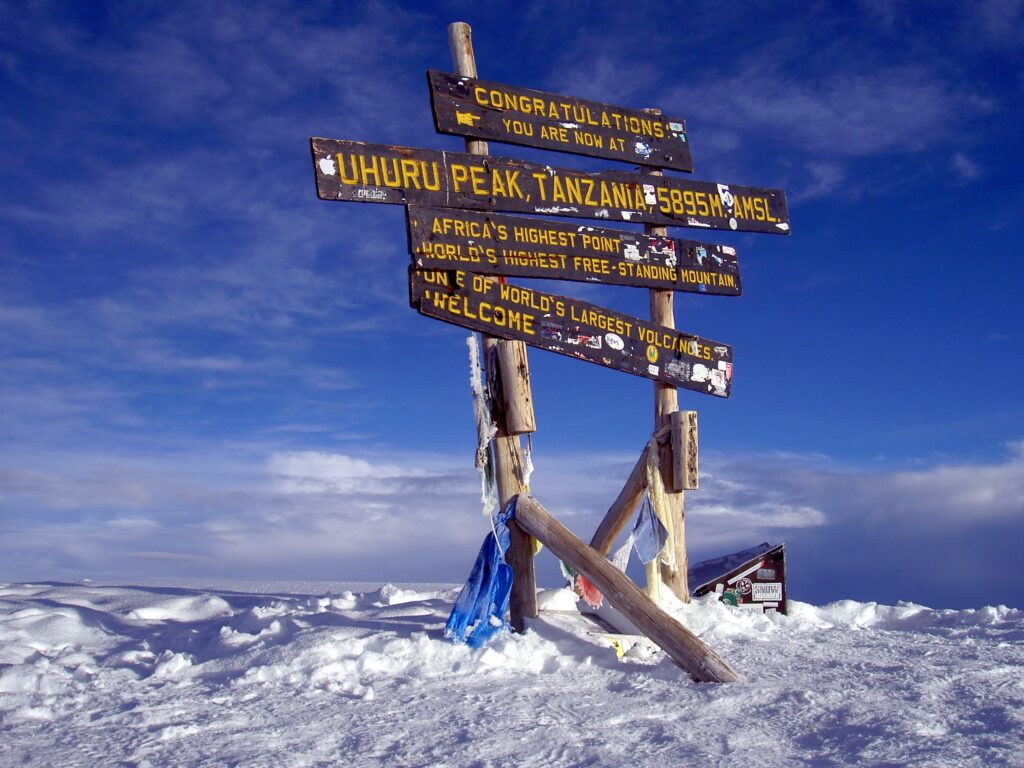
Climbing Mount Kilimanjaro is a dream adventure for trekkers worldwide. When planning your ascent, choosing the right route is crucial to maximizing your success and enjoyment. Two of the most popular options are the Machame Route and the Marangu Route, each offering unique experiences, scenery, and challenges. The Machame Route is renowned for its scenic variety and higher acclimatization potential, while the Marangu Route is often considered the “Coca-Cola” route, known for its gentler slopes and hut accommodations. Understanding the differences, including trek duration, altitude gain, difficulty, and scenery, helps climbers select the route that aligns with their fitness, time, and adventure preferences. Both routes ultimately lead to the Kilimanjaro summit, Uhuru Peak, offering unforgettable vistas of Africa’s tallest mountain.
Overview of Machame Route
The Machame Route is often called the “Whiskey Route” because of its challenging terrain and adventure-filled journey. Starting from the lush rainforest zone, trekkers experience diverse ecosystems including moorlands, alpine deserts, and the dramatic Shira Plateau. The route spans 6–7 days, offering optimal acclimatization that increases summit success rates. Daily hikes are longer than Marangu, but the scenery is breathtaking with expansive valleys, lava towers, and panoramic views. Camping along the Machame Route immerses climbers in the wild beauty of Kilimanjaro, giving a more intimate mountain experience. With professional guides and porters, Machame provides a rewarding combination of adventure, physical challenge, and immersive nature. It’s ideal for those seeking a scenic, challenging, and high-success Kilimanjaro climb.
Overview of Marangu Route
The Marangu Route, often dubbed the “Coca-Cola Route,” is Kilimanjaro’s oldest and most popular path. It offers a gentler climb with moderate daily hiking distances and well-established huts, eliminating the need for camping. Typically completed in 5–6 days, Marangu is suited for climbers seeking comfort and a structured itinerary. The route ascends through lush rainforest, moorlands, and alpine zones, culminating at the iconic Uhuru Peak. While less scenic than Machame, Marangu’s steady trail improves safety and offers a higher comfort level. However, shorter itineraries reduce acclimatization, slightly lowering summit success rates. Ideal for beginner climbers or those preferring hut accommodations, Marangu is a manageable and organized Kilimanjaro trekking experience without sacrificing the thrill of standing atop Africa’s highest peak.
Duration and Difficulty Comparison
When choosing between Machame and Marangu, duration and difficulty are key considerations. Machame spans 6–7 days, providing more gradual altitude gain, which enhances acclimatization and increases summit success rates. Daily hikes are challenging but offer rewarding vistas. Marangu is shorter, 5–6 days, with gentler slopes and more predictable terrain. The huts reduce camping challenges but provide less flexibility for acclimatization. For physically fit climbers seeking adventure and high success potential, Machame’s longer, strenuous route is ideal. Those preferring comfort, structured huts, and easier trails may opt for Marangu. Understanding your fitness, trekking experience, and summit goals is essential in determining which route suits your Kilimanjaro climbing style and maximizes your chances of a safe and memorable ascent.
Scenic Beauty and Views
One of Machame Route’s standout features is its diverse scenery. Hikers traverse the dense rainforest, cross the Shira Plateau’s volcanic landscapes, navigate the lava towers, and hike alpine deserts before reaching the summit. Marangu, in contrast, is more linear, with rainforest and moorlands dominating the early stages, offering fewer panoramic views. Machame’s multiple viewpoints provide dramatic photo opportunities and a sense of adventure at every turn. Climbers often rate Machame higher for photography, nature immersion, and breathtaking vistas, while Marangu is ideal for those who prioritize comfort over landscape diversity. For trekkers chasing the ultimate visual experience, Machame is the route of choice, capturing the varied ecosystems and natural grandeur of Kilimanjaro from base to summit.
Accommodation and Camping Experience
Accommodation options differ significantly. Machame relies primarily on camping, which offers immersive mountain experiences under starry African skies. Porters handle tents, meals, and gear, allowing climbers to focus on trekking. Marangu provides hut accommodations, featuring dorm-style rooms, beds, and communal dining, eliminating the need for camping gear. Camping enhances flexibility and adventure but requires adapting to outdoor conditions. Huts provide comfort and warmth but can be crowded and less intimate. Choosing between Machame and Marangu depends on your preference for authentic mountain experiences versus convenience and comfort. For adventurers, camping along Machame is a highlight, while those seeking structured, stress-free accommodations may prefer Marangu.
Summit Success Rates
Summit success is closely linked to route choice and acclimatization time. Machame’s longer itinerary and gradual ascent contribute to higher success rates, often exceeding 80–85% for climbers completing 6–7 days. Marangu’s shorter climbs offer less acclimatization, resulting in slightly lower success rates, averaging around 60–70%. Proper hydration, rest, and pacing are essential on both routes. Experienced guides help monitor altitude sickness and adjust schedules accordingly. For climbers prioritizing reaching Uhuru Peak, Machame provides a statistically better chance, while Marangu suits those balancing comfort and moderate difficulty. Choosing a route that aligns with your health, fitness, and summit goals is crucial for a safe and successful Kilimanjaro climb.
Kilimanjaro Acclimatization Tips
Acclimatization is vital to prevent altitude sickness. Machame’s longer days and higher altitude gains allow climbers to adapt gradually, increasing summit success. “Climb high, sleep low” strategies are easier to implement. Marangu offers less flexibility, so climbers may experience quicker fatigue. Hydration, balanced meals, slow pacing, and regular rest breaks are essential. Professional guides monitor symptoms and adjust itineraries for safety. Supplementing acclimatization with short treks or extra nights at mid-altitude camps can improve outcomes. Climbers should listen to their bodies, avoid rushing, and carry basic altitude sickness medication. Proper acclimatization ensures a safer ascent and enhances the overall Kilimanjaro trekking experience.
Fitness Requirements
Machame is physically demanding, requiring strong endurance, cardiovascular fitness, and mental stamina for long days and rugged terrain. Climbers should prepare with hikes, stair climbing, and aerobic exercises before departure. Marangu is moderate, suitable for beginners or those preferring steady-paced trekking with shorter daily distances. Fitness preparation improves energy, reduces fatigue, and supports acclimatization. Regardless of route, proper gear, layered clothing, and trekking poles are recommended. Pre-climb training ensures a successful summit attempt and a safer experience. Machame rewards fit climbers with adventure and scenery, while Marangu provides a manageable alternative for those prioritizing comfort without compromising the thrill of standing atop Mount Kilimanjaro.
Wildlife and Flora Along the Routes
Machame offers hikers encounters with diverse Kilimanjaro wildlife and flora, including exotic birds, monkeys, giant lobelias, and proteas. Rainforest sections teem with endemic species, while alpine zones reveal rare plant life. Marangu also features rich flora in the lower zones, but wildlife sightings are less frequent due to shorter trails. Machame’s route variety allows climbers to experience ecosystem transitions, from dense forests to volcanic deserts. For nature enthusiasts, Machame delivers more immersive interaction with Kilimanjaro’s biodiversity. Marangu suits those seeking scenic trails with less focus on wildlife. Both routes provide educational insights into mountain ecology, but Machame stands out for its visual and biological diversity, perfect for trekkers passionate about nature.
Best Season to Climb
The best seasons to climb Kilimanjaro are during the dry months of January–March and June–October. The weather is more predictable, trails are safer, and summit success improves. Rainfall in April–May and November can make trails slippery and less enjoyable. Machame benefits from the dry season’s clear views, enhancing photography and landscape appreciation. Marangu’s hut system provides some protection during off-peak months, but heavy rains still pose risks. Early booking during peak seasons ensures availability and guides attention. Choosing the right season, combined with route selection, significantly influences summit chances and trekking experience. Dry seasons maximize the beauty, safety, and adventure of climbing Mount Kilimanjaro.
Trekking Gear Essentials
Proper gear is crucial for both Machame and Marangu. Essentials include waterproof boots, layered clothing, thermal wear, gloves, hats, trekking poles, and high-quality backpacks. Machame’s camping requires additional equipment like tents and sleeping bags, provided by porters. Marangu’s hut-based trek reduces gear weight, but climbers still need warm layers for summit night. Sunglasses, sunscreen, and hydration systems are vital. Technical gear like headlamps and trekking poles enhances safety. Choosing high-quality gear minimizes discomfort, protects against altitude and weather extremes, and improves summit success and overall trekking enjoyment. Preparation ensures climbers are ready for both adventurous Machame routes and comfortable Marangu ascents.
Professional Guides and Porters
Both routes require licensed Kilimanjaro guides who monitor altitude sickness, pace groups, and provide safety briefings. Porters carry camping gear, tents, and meals on Machame, allowing climbers to focus on trekking. On Marangu, porters may assist with hut accommodations and supplies. Guides share knowledge about flora, fauna, and cultural insights, enriching the climbing experience. Hiring experienced guides is crucial for safety, successful summits, and ethical support of local communities. Professional guidance ensures climbers navigate the Kilimanjaro ecosystem responsibly and safely, regardless of route. Machame’s extended camping trek particularly benefits from well-coordinated porter teams, while Marangu emphasizes structured support in hut accommodations.
Adventure and Challenge Factor
Machame is more adventurous and challenging, offering varied terrains, steep ascents, and rugged landscapes. Hikers face lava towers, rocky paths, and longer daily distances, appealing to thrill-seekers. Marangu is gentler, designed for comfort and steadier pacing, making it ideal for beginners or those avoiding extreme exertion. Adventure enthusiasts often choose Machame for its immersive, dynamic climbing experience, while Marangu suits those who prefer organized, less strenuous trekking. Both routes deliver the satisfaction of reaching Uhuru Peak, but Machame’s combination of challenge, scenery, and camping adds excitement and a profound sense of achievement.
Photography and Memories
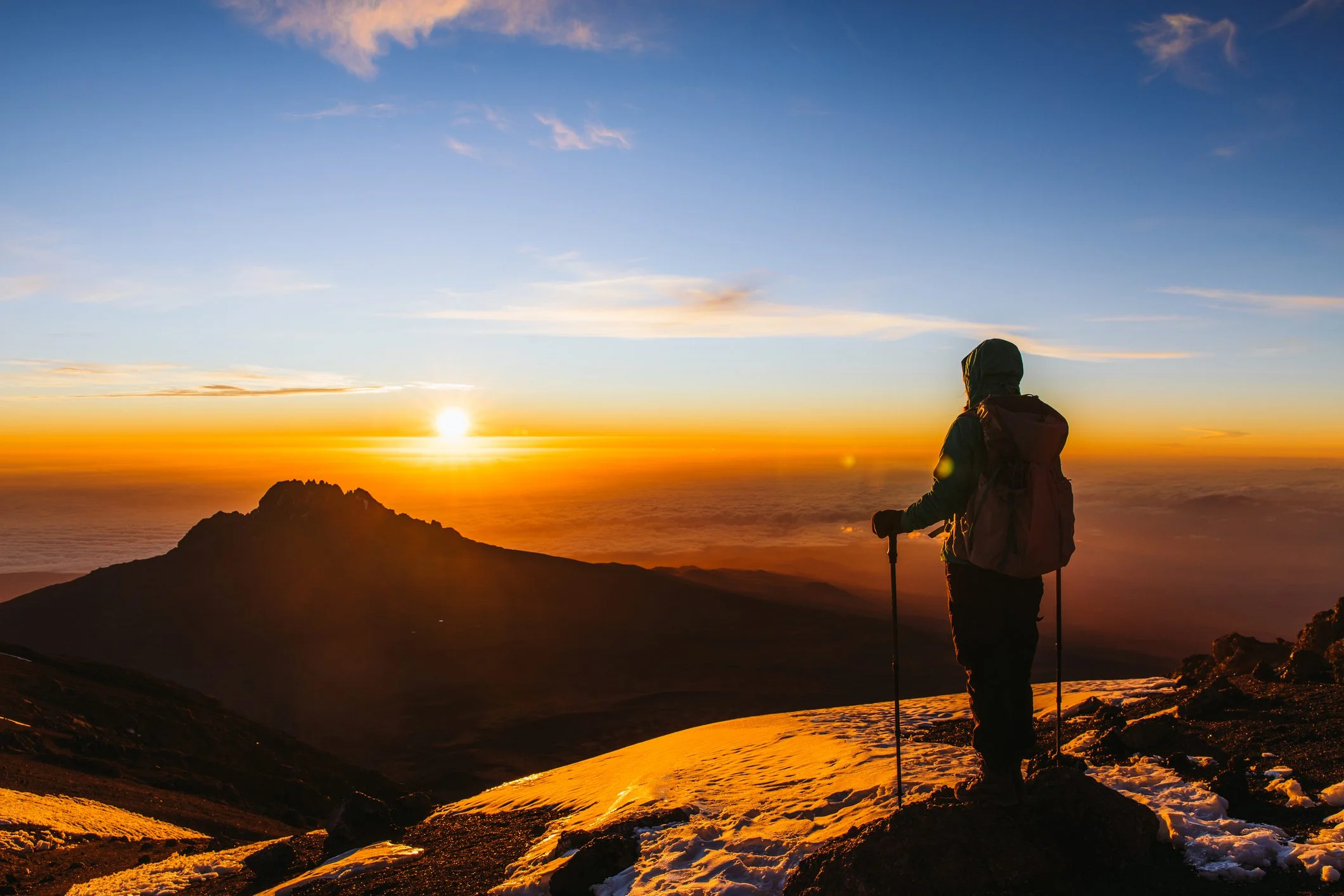
Machame Route offers superb photography opportunities, from forested valleys to alpine deserts, Shira Plateau, and dramatic sunsets. Marangu’s scenery is less varied, though rainforest sections and summit views provide memorable shots. Camping on Machame allows sunrise and sunset photos near the summit. Marangu huts restrict outdoor photography at night but offer comfortable settings for group photos. Adventure, wildlife, and varied landscapes make Machame ideal for climbers wanting to capture Kilimanjaro’s diversity. Both routes create unforgettable memories, but Machame is preferred for trekkers prioritizing visual storytelling, photography, and immersive experiences of Africa’s highest peak.
Cost Comparison
Costs vary based on route, duration, and accommodation type. Machame generally costs more due to longer itineraries, camping logistics, and porter teams, averaging $2100–$2,500. Marangu is slightly cheaper, $1,800–$2,000, thanks to hut accommodations and shorter itineraries. Both routes include park fees, guide services, meals, and accommodation. Choosing Machame offers higher summit success and adventure, while Marangu balances cost, comfort, and accessibility. Budget planning should account for flights, gear, tips, and optional extras like extra acclimatization days or summit night tents. Understanding costs helps climbers select a route aligned with budget, comfort, and adventure goals.
- Accommodation
- Meals
- Park fees
- Vehicle & guide
- Transfers
- International flights
- Visas
- Travel insurance
- Tips
- Premium drinks
Choosing Your Ideal Route
Selecting between Machame and Marangu depends on fitness, trekking experience, comfort preference, and adventure goals. Machame suits those seeking a challenging, scenic, and immersive experience with camping and longer itineraries. Marangu is ideal for beginners, those seeking hut comfort, or travelers with limited time. Both lead to Uhuru Peak, offering a rewarding summit experience. Consider acclimatization needs, summit success rates, scenery, and personal adventure style. Consulting experienced guides and tour operators can help match your abilities and expectations. Ultimately, the “best” route is personal: whether chasing adventure, comfort, photography, or summit success, Kilimanjaro promises an unforgettable mountain experience for every climber.
Final Thought
Choosing between Machame and Marangu comes down to your personal adventure style, fitness, and summit goals. Machame offers breathtaking scenery, immersive camping, and higher summit success due to better acclimatization. Marangu provides a comfortable, structured experience with hut accommodations and gentler slopes, perfect for beginners or time-limited trekkers. Both routes lead to the iconic Uhuru Peak, offering a life-changing journey across diverse Kilimanjaro ecosystems. Whether you seek challenge, comfort, or photography, understanding each route’s unique benefits ensures an informed decision, a safer climb, and an unforgettable Kilimanjaro trekking experience that will stay with you for a lifetime.
Machame or Marangu: FAQs
What is Overview of Machame Route like?
The Machame Route is often called the “Whiskey Route” because of its challenging terrain and adventure-filled journey. Starting from the lush rainforest zone, trekkers experience diverse ecosystems including moorlands, alpine deserts, and the dramatic Shira Plateau. The route spans 6–7 days, offering optimal acclimatization that increases summit success rates.
What can you expect from duration and difficulty Comparison for Machame or Marangu?
When choosing between Machame and Marangu, duration and difficulty are key considerations. Machame spans 6–7 days, providing more gradual altitude gain, which enhances acclimatization and increases summit success rates. Daily hikes are challenging but offer rewarding vistas. Marangu is shorter, 5–6 days, with gentler slopes and more predictable terrain.
What is the accommodation and camping experience for Machame or Marangu like?
Accommodation options differ significantly. Machame relies primarily on camping, which offers immersive mountain experiences under starry African skies. Porters handle tents, meals, and gear, allowing climbers to focus on trekking. Marangu provides hut accommodations, featuring dorm-style rooms, beds, and communal dining, eliminating the need for camping gear.
What are the Kilimanjaro acclimatization tips for Machame or Marangu?
Acclimatization is vital to prevent altitude sickness. Machame’s longer days and higher altitude gains allow climbers to adapt gradually, increasing summit success. “Climb high, sleep low” strategies are easier to implement. Marangu offers less flexibility, so climbers may experience quicker fatigue. Hydration, balanced meals, slow pacing, and regular rest breaks are essential.
What should you know about wildlife and flora along the routes for Machame or Marangu?
Machame offers hikers encounters with diverse Kilimanjaro wildlife and flora, including exotic birds, monkeys, giant lobelias, and proteas. Rainforest sections teem with endemic species, while alpine zones reveal rare plant life. Marangu also features rich flora in the lower zones, but wildlife sightings are less frequent due to shorter trails.
What should you know about trekking gear Essentials for Machame or Marangu?
Proper gear is crucial for both Machame and Marangu. Essentials include waterproof boots, layered clothing, thermal wear, gloves, hats, trekking poles, and high-quality backpacks. Machame’s camping requires additional equipment like tents and sleeping bags, provided by porters. Marangu’s hut-based trek reduces gear weight, but climbers still need warm layers for summit night.
What should you know about adventure and challenge Factor for Machame or Marangu?
Machame is more adventurous and challenging, offering varied terrains, steep ascents, and rugged landscapes. Hikers face lava towers, rocky paths, and longer daily distances, appealing to thrill-seekers. Marangu is gentler, designed for comfort and steadier pacing, making it ideal for beginners or those avoiding extreme exertion.
How much should you budget for cost Comparison for Machame or Marangu?
Costs vary based on route, duration, and accommodation type. Machame generally costs more due to longer itineraries, camping logistics, and porter teams, averaging $2100–$2,500. Marangu is slightly cheaper, $1,800–$2,000, thanks to hut accommodations and shorter itineraries. Both routes include park fees, guide services, meals, and accommodation. Choosing Machame offers higher summit success and adventure, while Marangu balances cost, comfort, and accessibility.
Climb Kilimanjaro With Confidence
Tell us your dates and fitness, and our experienced mountain team will plan a safe, well-acclimatized private climb.