
Kilimanjaro Climb
Popular Kilimanjaro Climb Packages
Expert-guided climbs across every major route, for every fitness level and budget.
7-Day Lemosho Route: The Most Beautiful Route on Mount Kilimanjaro
The most scenic route, with excellent acclimatization built in.
View Package →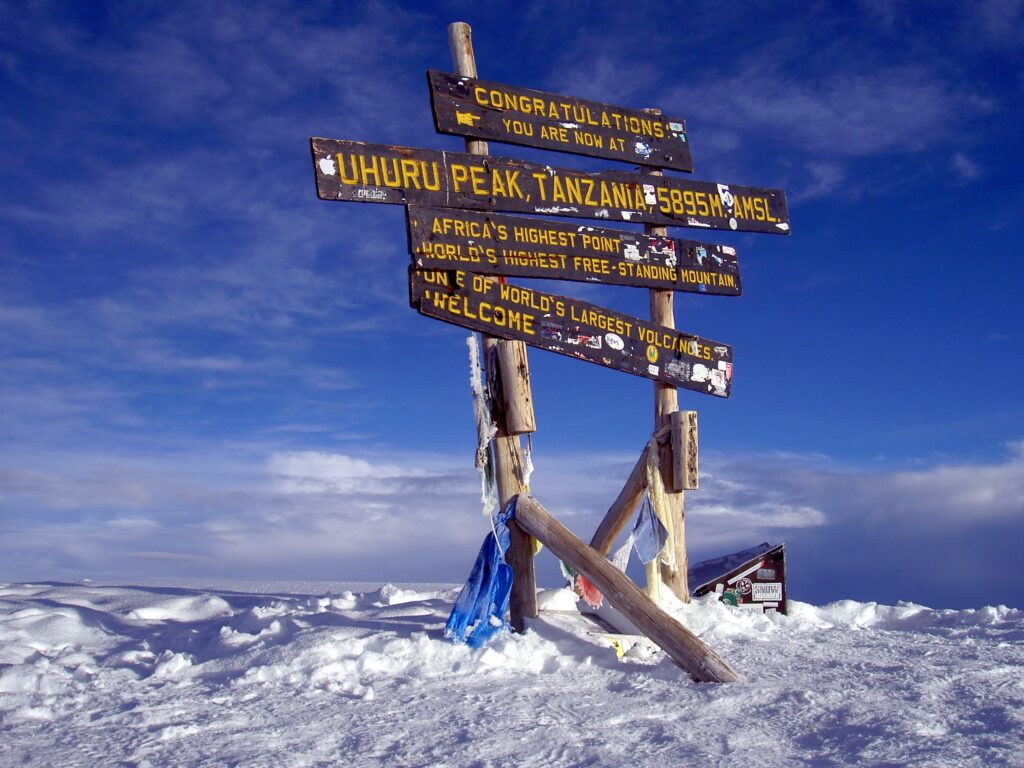
6-Day Machame Route
A popular, scenic route with a 95% summit success rate.
View Package →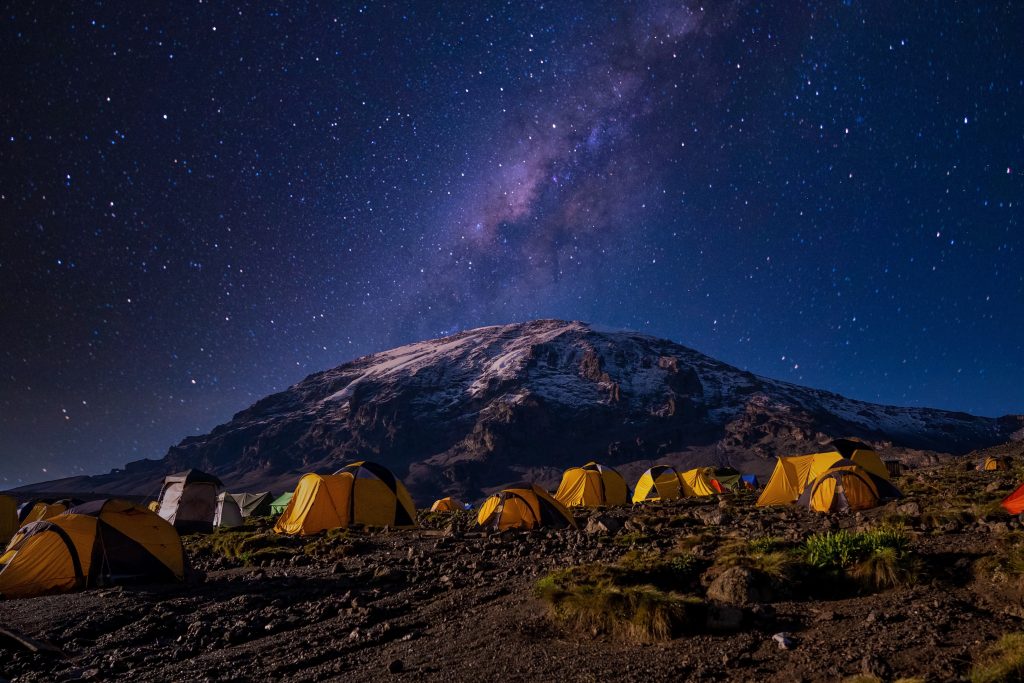
6-Day Marangu Route
The only route with hut accommodation, great for beginners.
View Package →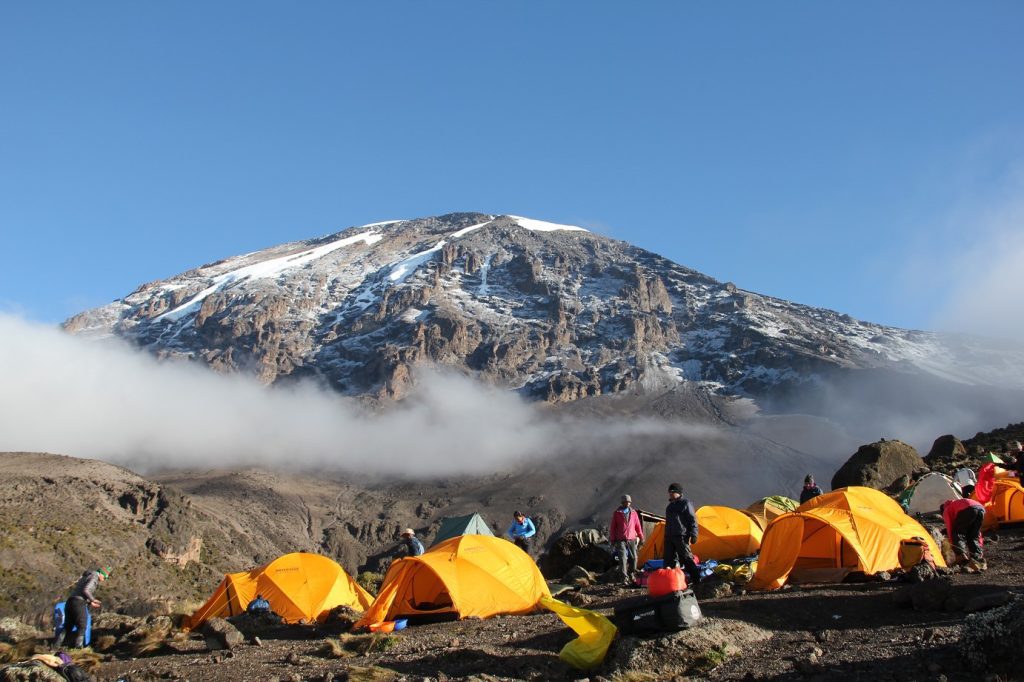
11-Day Northern Circuit: The Ultimate Extended Kilimanjaro Trek
The longest route, with a 98% summit success rate.
View Package →7-Day Rongai Route
A quieter northern approach with a 95% success rate.
View Package →
6-Day Umbwe Route
The hardest route on Kilimanjaro, for experienced climbers.
View Package →7-Day Shira Route on Kilimanjaro
A hidden gem, quiet and genuinely rewarding.
View Package →8-Day Lemosho Route
An extra acclimatization day for an even higher summit chance.
View Package →The Complete Guide to the Best Kilimanjaro Routes
Exploring Kilimanjaro offers a breathtaking adventure, and choosing the right route is key to a successful trek. This comprehensive guide covers the best Kilimanjaro routes, including Machame, Lemosho, Marangu, and Rongai. Each route presents unique scenery, difficulty levels, and acclimatization opportunities, catering to different climbers’ preferences. Whether you’re seeking stunning views, a less-traveled path, or a guided experience, our guide has you covered. Discover the route that best matches your adventure spirit and prepare for an unforgettable ascent to the summit.
Machame Route
The Machame Route on Mount Kilimanjaro is famously known as the “Whiskey Route” and is ideal for trekkers seeking a challenging yet scenic climb. It spans 6–7 days and combines steep ascents with diverse landscapes, from rainforest to alpine desert and glaciers. Trekkers benefit from better acclimatization, increasing summit success rates compared to shorter routes. Daily hikes can range from 5 to 9 hours, with the final summit push starting around midnight. While physically demanding, it rewards climbers with stunning panoramic views and a memorable adventure. Fitness, proper gear, and gradual acclimatization are essential for a safe climb.
Lemosho Route
The Lemosho Route on Mount Kilimanjaro is considered one of the most scenic and rewarding treks, offering moderate to high difficulty. Starting from the lush western rainforest, it provides longer acclimatization days, increasing your chances of reaching the summit. Trekkers face steep climbs, high-altitude challenges, and unpredictable weather, from rain in the forest to cold, windy conditions near the summit. With daily hikes ranging from 5 to 8 hours, stamina and fitness are crucial. Despite the challenges, Lemosho rewards climbers with breathtaking vistas of the Shira Plateau, Lava Tower, Barranco Wall, and stunning sunrise views from Uhuru Peak.
Marangu Route
The Marangu Route on Mount Kilimanjaro is often called the “Coca-Cola Route” and is considered the easiest and most accessible path for trekkers. It features a gradual ascent, well-marked trails, and hut accommodations, reducing the need for camping gear. The trek typically takes 5–6 days, allowing better acclimatization, though altitude sickness can still occur. Despite its gentler slopes, the route still demands good fitness and endurance, especially for the final summit push. Marangu offers scenic views through rainforest, moorland, and alpine desert. Making it ideal for first-time climbers seeking a comfortable yet challenging Kilimanjaro experience.
Northern Circuit Route
The Northern Circuit Kilimanjaro Route is the longest and most scenic trek to Mount Kilimanjaro’s summit. Covering 8–9 days, it approaches from the less-traveled north, offering panoramic views, diverse ecosystems, and excellent acclimatization. Trekkers pass through rainforests, moorlands, alpine deserts, and the dramatic Shira Plateau before reaching the summit via Gilman’s Point and Uhuru Peak. Its gradual ascent makes it ideal for reducing altitude sickness risk while maximizing photographic opportunities. This route combines adventure, challenge, and breathtaking scenery, making it perfect for experienced hikers seeking a comprehensive Kilimanjaro experience with high success rates and unmatched natural beauty.
Rongai Route
The Rongai Route on Mount Kilimanjaro approaches Africa’s highest peak from the quiet northern side near the Kenyan border. Known for its gentle gradients, low crowds, and beautiful wilderness, it offers a scenic and less-traveled path to the summit at Uhuru Peak. Climbers pass through forests, alpine desert. Dramatic mountain views, making it ideal for trekkers seeking a peaceful and successful Kilimanjaro climbing experience.
Umbwe Route
The Umbwe Route is widely known as the toughest trail on Mount Kilimanjaro, designed for experienced and adventurous climbers seeking a steep and direct challenge. Starting from the dense rainforest, the route ascends rapidly along narrow ridges to the dramatic Barranco Valley, offering spectacular scenery and fewer crowds. Although physically demanding with a lower acclimatization profile. The Umbwe Route rewards determined trekkers with raw wilderness, breathtaking landscapes, and a thrilling path to Uhuru Peak, Africa’s highest point.
Shira Route
The Shira Route is one of the less-traveled paths to summit Kilimanjaro, starting from the western side of the mountain. Known for its scenic beauty and gradual acclimatization, it crosses the Shira Plateau, a high-altitude lava flow offering spectacular views of Mount Meru and the surrounding valleys. The route is moderately challenging, with long days of hiking but gentler slopes compared to Machame. Trekkers benefit from good acclimatization due to the extended itinerary. Making it ideal for those seeking a quieter, more scenic climb while reducing the risk of altitude sickness.
Kilimanjaro Climb Guide
How to climb Kilimanjaro: a complete guide
Climbing Mount Kilimanjaro requires no technical mountaineering skills, only sustained walking at a steady pace over multiple days across changing terrain, from rainforest to alpine desert. Success depends on choosing a longer route, generally 7 to 9 days, for proper acclimatization, pacing yourself with the guides' "pole pole" (slowly slowly) approach, and staying well-hydrated throughout. A licensed operator provides guides, porters, cooks, and camping equipment, handling permits and logistics. Physical preparation through regular cardio and hiking in the months beforehand meaningfully improves your summit chances, alongside proper cold-weather gear for the freezing summit night push.
The complete beginner's guide to climbing Kilimanjaro
First-time climbers should choose a route known for gradual acclimatization, such as Machame or Lemosho, both offering excellent scenery and strong success rates without requiring prior climbing experience. Beginners benefit most from longer itineraries, since more days spent gaining altitude gradually reduces the risk of altitude sickness considerably. General fitness matters more than technical skill, so regular hiking or cardio training beforehand helps significantly. Traveling with an experienced, licensed operator ensures proper guidance, safety protocols, and quality equipment throughout. With realistic expectations, steady pacing, and determination, beginners can confidently reach Uhuru Peak on their first attempt.
How to plan the most incredible Kilimanjaro climb
Planning an incredible Kilimanjaro climb starts with selecting a route matching your fitness and available time, then booking travel dates within the dry seasons, June to October or December to February, for the most reliable weather. Choose a licensed, reputable operator well in advance, particularly for peak season departures, and begin physical training months ahead through hiking and cardio exercise. Pack proper layered clothing, sturdy boots, and cold-weather gear for summit night. Arrange travel insurance covering high-altitude evacuation beforehand. Combining thoughtful preparation with an experienced guide team transforms a challenging trek into a genuinely unforgettable, well-supported mountain adventure.
Kilimanjaro climbing success rates by route
Kilimanjaro summit success rates vary significantly by route, largely determined by how many days each itinerary allows for acclimatization. Marangu, the shortest route at 5 to 6 days, sees lower success rates around 60 to 70 percent. Machame and Rongai, both 6 to 7 days, achieve around 85 to 95 percent success. Lemosho and the Northern Circuit, spanning 7 to 9 or more days, offer the highest success rates, often exceeding 95 to 98 percent, thanks to superior acclimatization profiles. Choosing a longer route remains the single most reliable way climbers can improve their own personal summit chances.
Kilimanjaro climbing tips
Successful Kilimanjaro climbing tips include walking slowly and steadily throughout each day, following your guides' pacing to conserve energy and aid acclimatization naturally. Stay consistently hydrated, drinking at least three to four liters of water daily, and eat well even when appetite decreases at altitude. Layer clothing to adjust for dramatic temperature swings between daytime heat and freezing summit nights. Choose a longer route for better acclimatization, and communicate honestly with guides about any symptoms of altitude sickness. Proper physical training beforehand, quality gear, and a positive, patient mindset all genuinely contribute to a safer, more successful summit attempt.
How difficult is a Kilimanjaro trek
A Kilimanjaro trek is considered moderately difficult overall, requiring no technical climbing skills but demanding genuine physical endurance across daily hikes lasting four to eight hours through varied, often steep terrain. The primary challenge comes from high altitude rather than technical difficulty, with summit night involving a long, cold, steep push through darkness. Weather shifts dramatically between warm lower forests and freezing summit conditions. Difficulty also varies meaningfully by route, with Umbwe considered hardest due to its steep, direct ascent, while Marangu offers a gentler, hut-based experience better suited to those seeking a comparatively easier climbing experience.
How much does it cost to climb Kilimanjaro
Kilimanjaro climbing costs vary widely by route, duration, and service level, typically ranging from 1,800 to 2,500 dollars for budget camping climbs, 2,800 to 4,500 dollars for mid-range packages, and 5,000 to 8,000 dollars or more for luxury private expeditions with premium camping and high success rates. Costs generally include park fees, guide services, meals, porters, camping equipment, and rescue fees, while international flights, visas, tips, and personal gear remain additional expenses. Pricing also depends on route popularity, since Machame, Lemosho, and Marangu each carry different fee structures. Comparing reputable operators carefully ensures fair value and genuine safety standards.
Plan Your Kilimanjaro Climb
Tell us your dates, fitness level, and preferred route, and we will build the right itinerary for your summit attempt.
Book Now Online →What Our Climbers Say
Real 5-star reviews from climbers who traveled with us