The African Big Five and Where to Find Them in Tanzania
The African Big Five, the lion, leopard, elephant, Cape buffalo and black rhino, live across many of Tanzania's parks, but each destination offers a different combination and different chances of success. The Ngorongoro Crater is famous for rhino, the Serengeti for big cats, Tarangire for elephants and remote Katavi for vast buffalo herds. Knowing exactly where to go makes all the difference. This guide shows where to find the Big Five in Tanzania across twelve northern and southern destinations, explains where to look for each animal within a park, suggests three sample routes and answers the most common questions.
Where can you find the Big Five in Tanzania?
You can find the Big Five in Tanzania mainly in the Ngorongoro Crater, the best place for black rhino, and the Serengeti, which holds all five. Tarangire, Lake Manyara, Ruaha, Nyerere, Mikumi and Katavi offer lions, leopards, elephants and buffalo, while Mkomazi protects a rhino sanctuary. The dry season, June to October, is the best time to visit.
01Where to Find the Big Five in Northern Tanzania
Northern Tanzania is the heart of Big Five safaris, combining the Ngorongoro Crater's rhinos with the Serengeti's big cats and Tarangire's elephants on one easy, well-connected route from Arusha. Within the vast Serengeti, the central, northern and southern areas each offer different Big Five opportunities depending on the season. Smaller parks such as Lake Manyara and Arusha National Park add welcome variety and convenience. The seven cards below explain where to find the Big Five in northern Tanzania, listing which animals each destination offers, where sightings are most likely and the best months to visit for each one.
Ngorongoro Crater: all five
The Ngorongoro Crater is Tanzania's most reliable place to find all five, especially black rhino, which graze in the open grasslands of the crater floor. Lions, buffalo and old elephant bulls are seen on most game drives, while leopards keep mostly to the forested rim. Visit year-round, ideally early morning for the best, quietest sightings.
Central Serengeti (Seronera): all five
The Seronera area in the central Serengeti is one of Africa's best places for lions and leopards, which rest on kopjes and in sausage trees along the Seronera River. Elephants and buffalo are common, and a small, protected rhino population lives near Moru Kopjes to the south. Big cat sightings here are excellent all year round.
Northern Serengeti: four of five
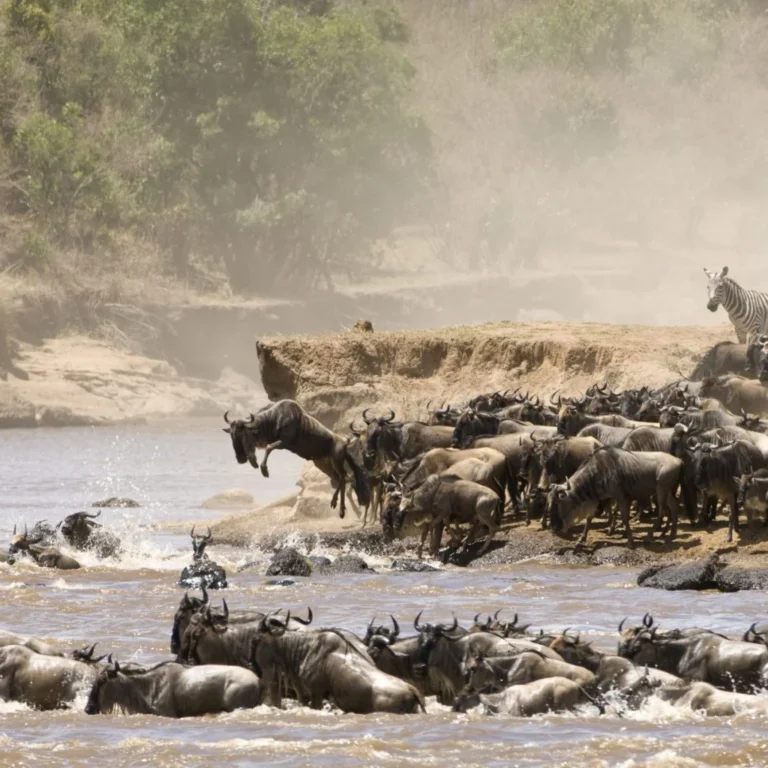
The northern Serengeti, around Kogatende, Lamai and Lobo, is famous for Mara River crossings from July to October, when lions and leopards follow the herds. Elephants and buffalo roam its rolling hills and lush riverine woodland. Rhinos are very rarely seen here, so pair the north with the Ngorongoro Crater to complete the full Big Five list.
Southern Serengeti and Ndutu: four of five
From December to March, the southern Serengeti and Ndutu host the calving herds, drawing lions, cheetahs, hyenas and leopards that hunt along the woodland edges around Lake Ndutu. Elephants and buffalo are found in smaller numbers in the surrounding acacia woodlands. Rhinos are not normally seen, so combine Ndutu with a nearby Ngorongoro Crater game drive.
Tarangire National Park: four of five
Tarangire is one of Tanzania's best parks for elephants, with hundreds gathering along the Tarangire River and swamps from June to October. Buffalo herds, lions and leopards are also present, often among the baobabs and riverine woodland. There are no rhinos, but Tarangire's location about two hours from Arusha makes it an ideal first stop on the circuit.
Lake Manyara National Park: four of five
Lake Manyara is a compact park where elephants and buffalo move between groundwater forest and lakeshore, and lions are famous for occasionally climbing acacia trees. Leopards live in the dense forest but are rarely seen. There are no rhinos in the park. A half-day visit fits neatly into the drive between Tarangire and the Ngorongoro Crater.
Arusha National Park: three of five
Arusha National Park, just outside Arusha town, is home to buffalo, elephants and shy leopards in its dense montane forests, but has no resident lions or rhinos. It is ideal for a short, scenic walking safari or canoe trip, with giraffes, colobus monkeys and stunning views of Mount Meru, rather than a full Big Five game-viewing experience.
02Where to Find the Big Five in Southern and Western Tanzania
Beyond the famous north, southern and western Tanzania offer wild, uncrowded Big Five experiences in some of Africa's largest protected areas. Ruaha and Nyerere are superb for lions, leopards, elephants and buffalo, Mikumi is easy to reach from Dar es Salaam, and remote Katavi hosts enormous buffalo herds. Rhinos are scarce in the south, but Mkomazi's sanctuary protects them in the northeast. The five cards below explain where to find the Big Five beyond the Northern Circuit, which animals each park offers and how to combine them with the Ngorongoro Crater for a complete private Big Five safari.
Ruaha National Park: four of five
Ruaha is one of Tanzania's largest and wildest parks, known for big lion prides, large elephant herds and good leopard sightings along the Great Ruaha River and its sand rivers. Buffalo gather near water in the dry season from June to October. Rhinos are rarely if ever seen here, so combine Ruaha with the Ngorongoro Crater.
Nyerere National Park: four of five
Nyerere, formerly part of the Selous Game Reserve, offers lions, leopards, elephants and buffalo across a landscape of rivers, lakes and palm-fringed channels. Boat safaris on the Rufiji River add a unique perspective on hippos and elephants. A small number of rhinos survive in remote areas, but sightings are extremely rare. Visit between June and October.
Mikumi National Park: four of five
Mikumi is the most accessible southern park, about a half-day drive from Dar es Salaam, making it ideal for a short Big Five safari. The open Mkata floodplain supports lions, elephants, buffalo, giraffes and zebras, while leopards are present but less often seen. There are no rhinos. It pairs well with a relaxing Zanzibar beach holiday.
Katavi National Park: four of five
Remote Katavi in western Tanzania is one of Africa's last true wilderness parks, famous for enormous buffalo herds that can number in the thousands during the dry season. Lions, leopards and elephants follow the shrinking rivers, waterholes and floodplains, alongside huge numbers of hippos. Reached by light aircraft, Katavi offers exclusive, uncrowded sightings for adventurous travellers, though rhinos are absent.
Mkomazi National Park: rhino sanctuary
Mkomazi in northeastern Tanzania protects a fenced black rhino sanctuary where critically endangered rhinos are bred and closely guarded around the clock. Rhino viewing is carefully managed and may be possible by arrangement. The wider park supports elephants, buffalo, leopards and occasional lions, along with endangered African wild dogs, offering a quieter, deeply rewarding conservation-focused Big Five experience.
03Where to Look for Each Big Five Animal
The right park is only half the story. Each of the Big Five prefers a particular habitat, and knowing where to look within a park improves your chances of a memorable sighting. Lions rest in the shade of kopjes, leopards drape themselves along sausage tree branches, elephants follow rivers and swamps, buffalo graze near water, and rhinos keep to open grassland. Use the tabs below to explore where to look for each Big Five animal in Tanzania, with the best parks, preferred habitat, time of day and expert spotting tips your private guide will use on every drive.
Where to Find Lions in Tanzania
Serengeti, Ngorongoro, Ruaha
Prides resting on granite kopjes
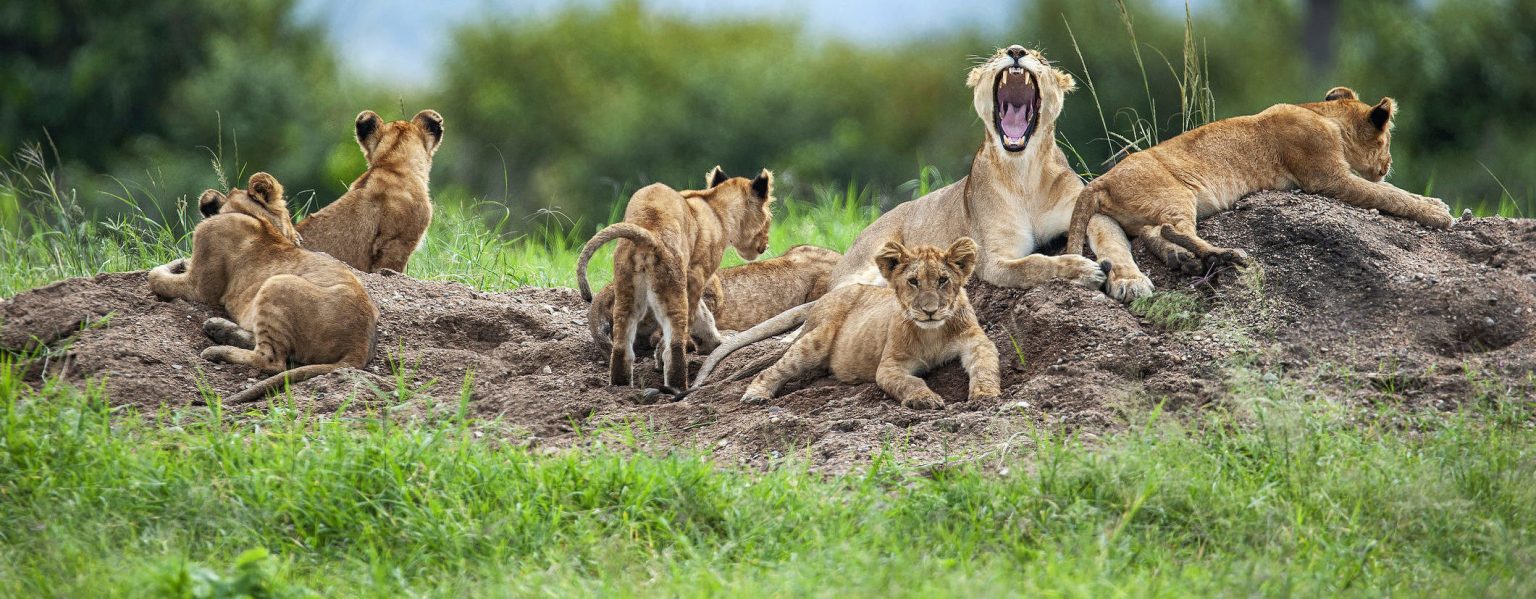
Lions are most easily found in the central Serengeti, where prides rest on granite kopjes and in the shade of acacia trees during the heat of the day. Look for them early in the morning and late afternoon, when they are most active and hunting. Circling vultures, alarm calls and nervous herds often reveal a nearby pride.
Lion safari guide →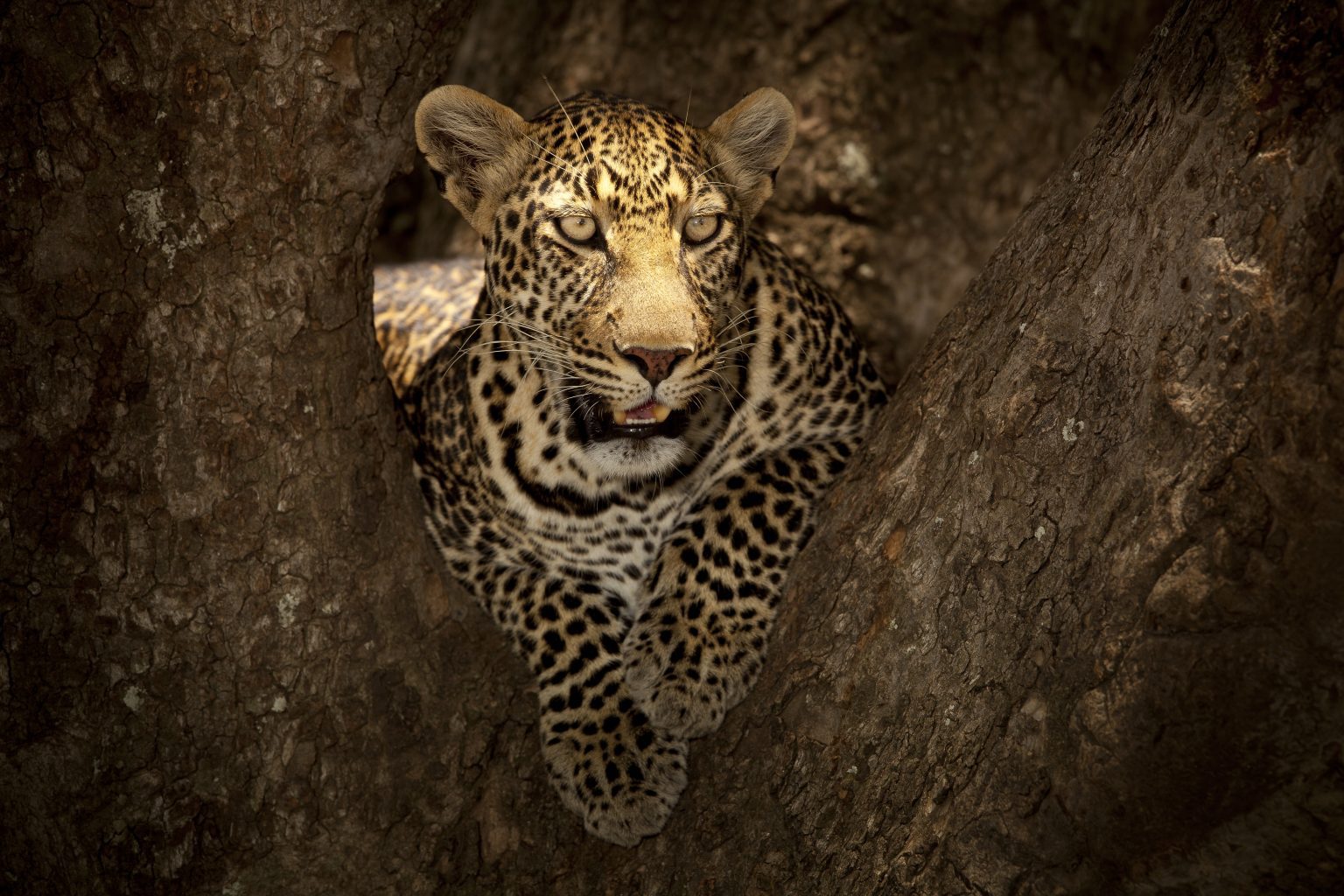
Where to Find Leopards in Tanzania
Seronera, Tarangire, Ruaha
Leopards lounging in riverside trees
Leopards are the hardest of the Big Five to find because they are solitary, nocturnal and superbly camouflaged. In the Seronera Valley, scan the branches of sausage and acacia trees along rivers, especially for a dangling tail or a hoisted kill. Tarangire and Ruaha also offer good leopard sightings, particularly in riverine woodland during the dry season.
Where to see leopards →
Where to Find Elephants in Tanzania
Tarangire, Ruaha, Nyerere
Herds gathering at the Tarangire River
Elephants are found in most Tanzanian parks, but Tarangire is outstanding from June to October, when large herds gather along the Tarangire River and its swamps. Ruaha and Nyerere also hold impressive populations. Look near rivers, waterholes and baobab woodland, especially at midday, when elephants come to drink, bathe and cool down in the mud.
Where to see elephants →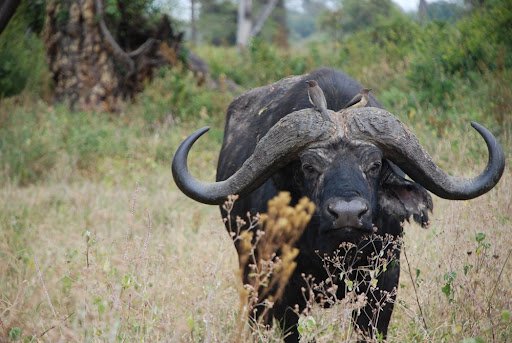
Where to Find Cape Buffalo in Tanzania
Katavi, Ngorongoro, Serengeti
Huge herds on the Katavi floodplains
Cape buffalo are the easiest of the Big Five to find, as they live in large herds near water and good grazing. The Ngorongoro Crater floor and the Serengeti host healthy herds, while remote Katavi is famous for gatherings of thousands in the dry season. Solitary old bulls, known as dagga boys, often wallow in muddy pools.
Katavi National Park →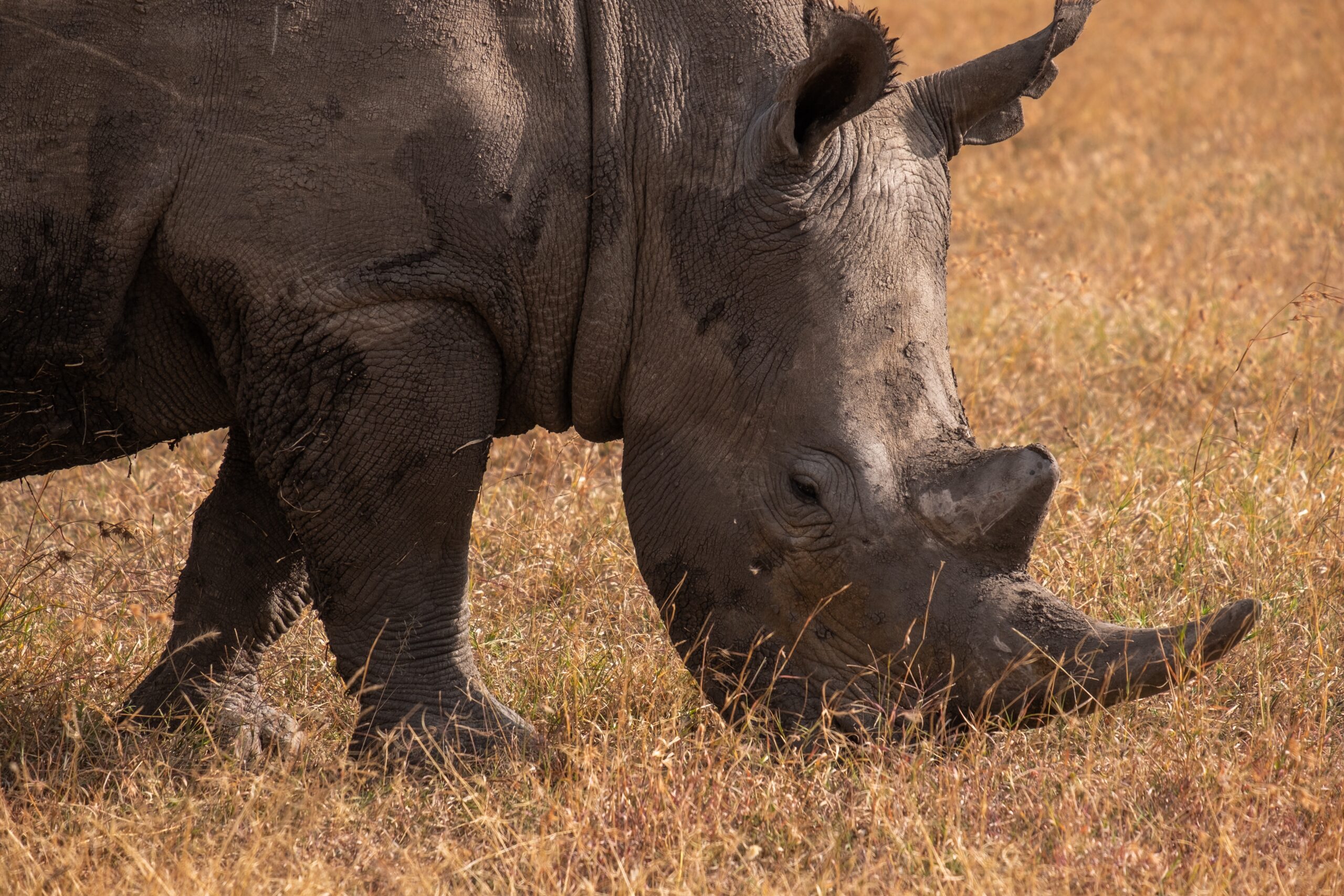
Where to Find Black Rhinos in Tanzania
Ngorongoro Crater, Mkomazi
Black rhinos grazing on the crater floor
Black rhinos are the rarest of the Big Five, and the Ngorongoro Crater is by far the best place to see them in Tanzania. Scan the open grasslands and the edges of Lerai Forest early in the morning, often at a distance, so binoculars help. Small populations also live near Moru Kopjes in the Serengeti and in Mkomazi's sanctuary.
Rhino safari →04Sample Big Five Routes in Tanzania
Knowing where the Big Five live makes it easier to plan a route that gives you the best chance of seeing all five on one trip. Because black rhinos are reliably seen only in the Ngorongoro Crater, almost every successful Big Five itinerary includes at least one full day there. From that anchor, you can add the Serengeti for big cats, Tarangire for elephants or the wild southern parks for exclusivity. The three sample routes below show how to combine Tanzania's best Big Five destinations into a private tailor-made safari that suits your time, interests and preferred travel style.
Classic Northern Big Five route
This six to seven day route starts in Tarangire for elephants, continues through Lake Manyara, then spends several days in the central or northern Serengeti for lions and leopards. It finishes with a full day on the Ngorongoro Crater floor for black rhino and buffalo, giving you the strongest overall chance of seeing all five animals.
Short Big Five route
With only three or four days, combine Tarangire National Park with the Ngorongoro Crater. Tarangire delivers elephants, buffalo, lions and sometimes leopards, while the crater adds black rhino and more lions. This short route suits travellers combining a safari with a Kilimanjaro climb or Zanzibar beach holiday, although leopard sightings are less certain than in the Serengeti.
Southern wilderness and crater route
For repeat visitors and those seeking solitude, fly to Ruaha or Nyerere for several days of lions, leopards, elephants and buffalo in remote wilderness, then fly north to the Ngorongoro Crater to complete the Big Five with black rhino. This fly-in route covers more ground in comfort and offers wonderfully exclusive, uncrowded game viewing throughout.
05Big Five Destinations Checklist
Use this checklist to make sure your private Big Five safari visits the right parks at the right time of year. The most important decision is to include the Ngorongoro Crater for black rhino, then add destinations that match your other wildlife priorities, whether that means big cats in the Serengeti, elephants in Tarangire or exclusive game viewing in Ruaha and Nyerere. Season matters too, because dry months concentrate animals near water. Send the checklist to your Foot Slopes safari specialist, who will match each destination to your dates, interests and preferred style for a smooth and successful journey.
Must-include parks0/4
Timing0/4
On the ground0/4
06Frequently Asked Questions About Where to Find the Big Five in Tanzania
Where is the best place to see the Big Five in Tanzania?
The Ngorongoro Crater is the best single place to see the Big Five in Tanzania, because it offers the country's most reliable black rhino sightings alongside lions, buffalo and elephants. Leopards are harder to spot there, so most travellers combine the crater with the Serengeti, where leopards are frequently seen resting in trees in the Seronera Valley.
Can you see the Big Five in the Serengeti?
Yes, all five live in the Serengeti, which is outstanding for lions, leopards, elephants and buffalo. Rhinos, however, are few and mostly found in a protected area near Moru Kopjes in the south, so sightings are not guaranteed. Adding a day in the nearby Ngorongoro Crater greatly improves your chances of seeing a black rhino.
Which Tanzanian parks have rhinos?
Black rhinos are found mainly in the Ngorongoro Crater, the most reliable place to see them, and in a small protected area of the Serengeti near Moru Kopjes. Mkomazi National Park protects a fenced breeding sanctuary, where viewing may be arranged. A very small number also survive in Nyerere, but sightings there are extremely rare and unpredictable.
Where are leopards easiest to find in Tanzania?
Leopards are most often seen in the Seronera Valley in the central Serengeti, where they rest in sausage and acacia trees along the rivers. Tarangire, Ruaha and Lake Manyara also have healthy leopard populations. Your best chance is a slow early morning or late afternoon game drive with an experienced guide who knows their favourite trees.
Which park is best for elephants in Tanzania?
Tarangire National Park is widely considered the best park for elephants in Tanzania, especially from June to October, when large herds gather along the Tarangire River. Ruaha and Nyerere in the south also support very large populations. The Ngorongoro Crater is known for old bull elephants with impressive tusks, often seen feeding near Lerai Forest on the crater floor.
Where can you see large buffalo herds in Tanzania?
Katavi National Park in western Tanzania is famous for enormous buffalo herds that can number in the thousands during the dry season. The Serengeti, the Ngorongoro Crater, Ruaha and Nyerere also hold large herds. Buffalo are the easiest of the Big Five to find, often seen grazing peacefully in open grassland near rivers, swamps and waterholes.
Are there tree-climbing lions in Tanzania?
Yes, Lake Manyara National Park is known for lions that occasionally climb and rest in acacia trees, a behaviour also sometimes seen in the Serengeti and Tarangire. Sightings are not guaranteed, since lions climb only from time to time, possibly to escape biting insects or catch a cooling breeze. Your guide will check favourite trees during each drive.
Can you see the Big Five in southern Tanzania?
You can see four of the Big Five easily in southern Tanzania, as Ruaha, Nyerere and Mikumi offer excellent lions, elephants and buffalo, with good leopard sightings in Ruaha and Nyerere. Rhinos are extremely rare in the south, so travellers who want all five usually combine a southern safari with a day in the Ngorongoro Crater.
Which part of the Serengeti is best for the Big Five?
The central Serengeti around Seronera is the best area for the Big Five overall, with year-round lions and leopards, plenty of elephants and buffalo, and rhinos nearby at Moru Kopjes. The northern Serengeti is superb from July to October, and Ndutu in the south from December to March, but rhinos are rarely seen in either area.
When is the best time to find the Big Five in Tanzania?
The best time to find the Big Five is the dry season from June to October, when grass is short, vegetation thins and animals gather near rivers and waterholes. January and February are also very good, particularly in the southern Serengeti. The long rains in April and May make some areas muddier, though crater sightings remain good.
How many days do you need to see the Big Five in Tanzania?
Most travellers need at least five to seven days to have a strong chance of seeing all five, allowing time in Tarangire, the Serengeti and a full day in the Ngorongoro Crater. A shorter three or four day safari through Tarangire and the crater can work, but leopards are harder to find without time in the Serengeti.
Is Arusha National Park good for the Big Five?
Arusha National Park is not a full Big Five destination, as it has no resident lions or rhinos. It does offer buffalo, elephants and occasional leopards, along with giraffes, colobus monkeys, walking safaris and canoeing on the Momella Lakes. It is a lovely first or last day close to Arusha town rather than a Big Five park.
Can you see the Big Five on a walking safari in Tanzania?
Walking safaris offer a thrilling close-up experience of the bush, but they focus on tracks, plants, birds and smaller creatures rather than the Big Five, which are best and most safely viewed from a vehicle. Walks are possible in Arusha National Park, Ruaha, Nyerere and parts of the Serengeti, always with an armed ranger escort.
Does a private safari improve Big Five sightings?
Yes, a private tailor-made safari improves your chances because your guide can follow your wildlife priorities, start early, stay longer at sightings and move to areas where animals were recently seen. Your itinerary can also be built around the parks with the best Big Five opportunities for your travel dates, budget and preferred style of travel.
More Big Five and Wildlife Guides
Book a Big Five Safari to These Parks
Find the Big Five on Your Private Tanzania Safari
Tell us your travel dates and wildlife wishes, and our Arusha-based specialists will design a private tailor-made Big Five route through the Ngorongoro Crater, Serengeti, Tarangire or the wild southern parks, with expert guides who know exactly where each animal lives.
Book Now Online →What Our Travelers Say
Real 5-star reviews from guests who traveled with us