Sleeping on Kilimanjaro
On Kilimanjaro you sleep in four-season mountain tents at official campsites on most routes, or in shared huts on the Marangu Route. Nights are mild in the rainforest but fall below freezing at higher camps, so a warm sleeping bag, a good sleeping mat and dry layers are essential. Lighter, broken sleep is normal at altitude, and on summit night you rest only a few hours before setting off around midnight.
Good sleep is one of the hardest things to get on Kilimanjaro, yet it makes a real difference to your energy, mood and acclimatisation on every day of the climb. Cold nights, thin air and a new routine all affect how well you rest, so it really helps to know exactly what to expect before you go. This guide explains where you sleep on Kilimanjaro, how night conditions change with altitude, the sleep system you need, why sleep feels different at height, how summit night works and practical tips that help you rest well on your private, tailor-made climb.
Night Conditions by Altitude
Night conditions on Kilimanjaro change a great deal as you climb, because you pass through several climate zones on the way to the summit. Lower camps in the rainforest are mild and often damp, while camps on the moorland and in the alpine desert can be very cold, clear and windy. The table below shows how nights usually feel in each zone, with examples of camps and their approximate altitudes. Conditions vary with season and weather, so pack for the coldest night of your climb, not the first, and always keep warm layers close to your sleeping bag.
| Zone | Example camps | Altitude | What nights feel like |
|---|---|---|---|
| Rainforest | Machame Camp, Mti Mkubwa, Mandara Hut | about 2,700–3,000 m | Mild and often damp; humid air and forest sounds |
| Moorland | Shira 2, Horombo Hut, Simba Camp | about 3,600–3,900 m | Cold and clear; temperatures often near freezing |
| Alpine desert | Barranco, Karanga, Mawenzi Tarn | about 3,950–4,330 m | Below freezing on clear nights; frost on tents |
| High camps | Barafu, Kibo Hut, School Hut | about 4,670–4,800 m | Well below freezing and often windy; short rest before the summit |
Where You Sleep on Kilimanjaro
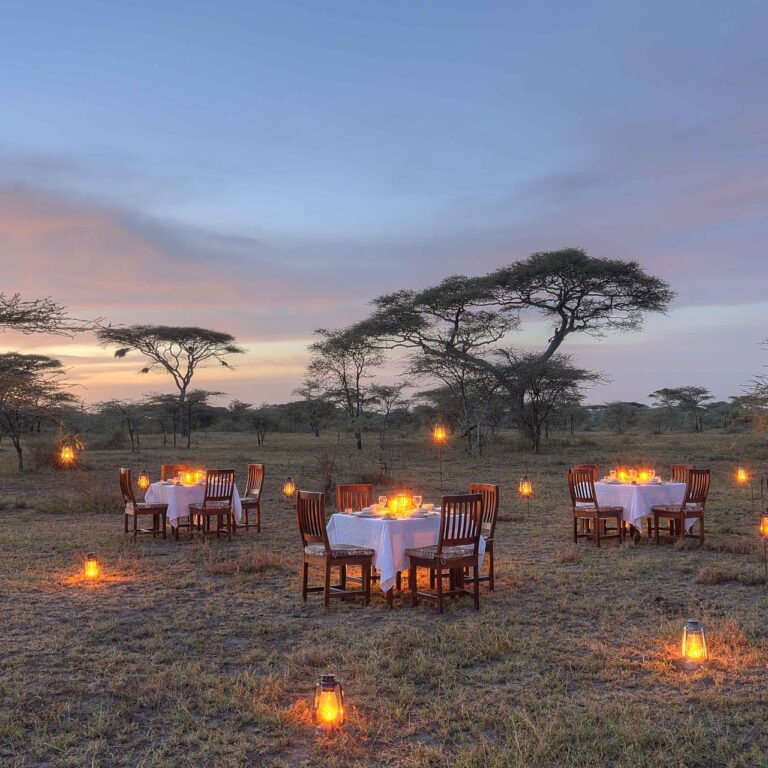
Where you sleep on Kilimanjaro depends mainly on your route and the comfort level you choose. Most climbers sleep in strong four-season tents pitched by the crew at official national park campsites, while climbers on the Marangu Route sleep in simple shared huts with bunk beds. Luxury climbs add walk-in tents, thicker mattresses and a private toilet tent. The three cards below compare the main sleeping options on the mountain, and each one links to a more detailed guide, so you can choose the style of accommodation that suits you best and plan your sleeping gear around it.
Four-season dome tents, usually two climbers in a three-person tent, set up before you reach camp.
Tents and huts →Bunk beds with foam mattresses in shared huts at Mandara, Horombo and Kibo. Bring your own sleeping bag.
Marangu Route →Walk-in tents tall enough to stand in, thick mattresses or camp beds and more space per person.
Luxury climbs →Your Kilimanjaro Sleep System
A good sleep system is the single biggest factor in staying warm and rested on Kilimanjaro, because the ground and the night air at high camps are very cold. Your sleeping bag, mat, liner and night clothing work together to trap warmth and keep moisture out. The six tabs below explain each part of the system, what to look for, why it matters and whether you can rent it in Moshi or Arusha. If you are unsure about any item, ask your operator before you travel, because the right sleep system turns cold mountain nights into restful ones.
Four-Season Sleeping Bag
Comfort rating well below freezing
Your sleeping bag is the most important part of your sleep system. Choose a mummy-shaped bag with a comfort rating well below freezing, ideally down for warmth and low weight, and a snug hood. A bag that keeps you warm at the high camps will feel comfortable lower down, where you can simply open the zip.
Best Sleeping Bags →Insulated Sleeping Mat
Thick, insulated mat
The cold ground steals heat faster than the air, so a thick, insulated mat matters as much as your bag. Most operators provide a foam mattress, and many climbers add a self-inflating or insulated air mat for extra warmth and comfort. Together they lift you off the frozen ground and help you sleep more soundly at night.
Best Sleeping Pads →Camp Pillow
Inflatable or compressible
A small inflatable or compressible camp pillow weighs very little but makes a big difference to comfort. Without one, climbers usually stuff spare clothes into a bag, which works but tends to flatten during the night. A pillow also helps to raise your head slightly, which many climbers find makes breathing feel easier at altitude.
Do You Need a Pillow? →Sleeping Bag Liner
Fleece, silk or thermal
A sleeping bag liner adds several degrees of warmth and keeps your bag clean, which is especially useful if you rent one. Fleece and thermal liners give the most warmth, while silk liners are light and compact. Slip it inside your bag each night and air it out during the day whenever there is sunshine at camp.
Kilimanjaro Packing List →Dry Sleeping Layers
Thermal base layers, socks and hat
Keep a set of clean, dry thermal base layers, warm socks and a beanie only for sleeping. Change into them as soon as you settle in, because damp clothes from the day's walk will chill you quickly. On the coldest nights, add a fleece or down jacket, but avoid so many layers that they restrict your circulation.
How to Stay Warm →Night-Time Accessories
Headlamp, earplugs, eye mask, pee bottle
A few small items make nights much easier. Keep a headlamp in the tent pocket for night-time toilet trips, use earplugs and an eye mask in busy camps or shared huts and consider a clearly marked pee bottle so you can avoid leaving your warm bag on freezing nights. Keep spare batteries warm inside your sleeping bag.
Toilets on Kilimanjaro →Sleeping at High Altitude
Most climbers notice that sleep feels different on Kilimanjaro, especially above about 3,500 metres, because there is less oxygen in each breath. Your body adjusts during the climb, but while it does you may sleep more lightly, wake more often and need the toilet more at night. These changes are a normal part of acclimatisation and usually ease after a night or two at a similar height. The two lists below show what is common and harmless at altitude, and the warning signs that you should always report to your guide straight away, whatever the time of night.
Common and normal at altitude
- Lighter sleep and waking more often
- Vivid or unusual dreams
- Irregular breathing pattern while asleep
- Needing to urinate more at night
- Feeling short of breath when turning over
Tell your guide straight away
- Severe headache that painkillers do not ease
- Nausea or vomiting
- Breathlessness while resting
- Confusion or unusual drowsiness
- Unsteady walking or loss of balance
Sleep on Summit Night
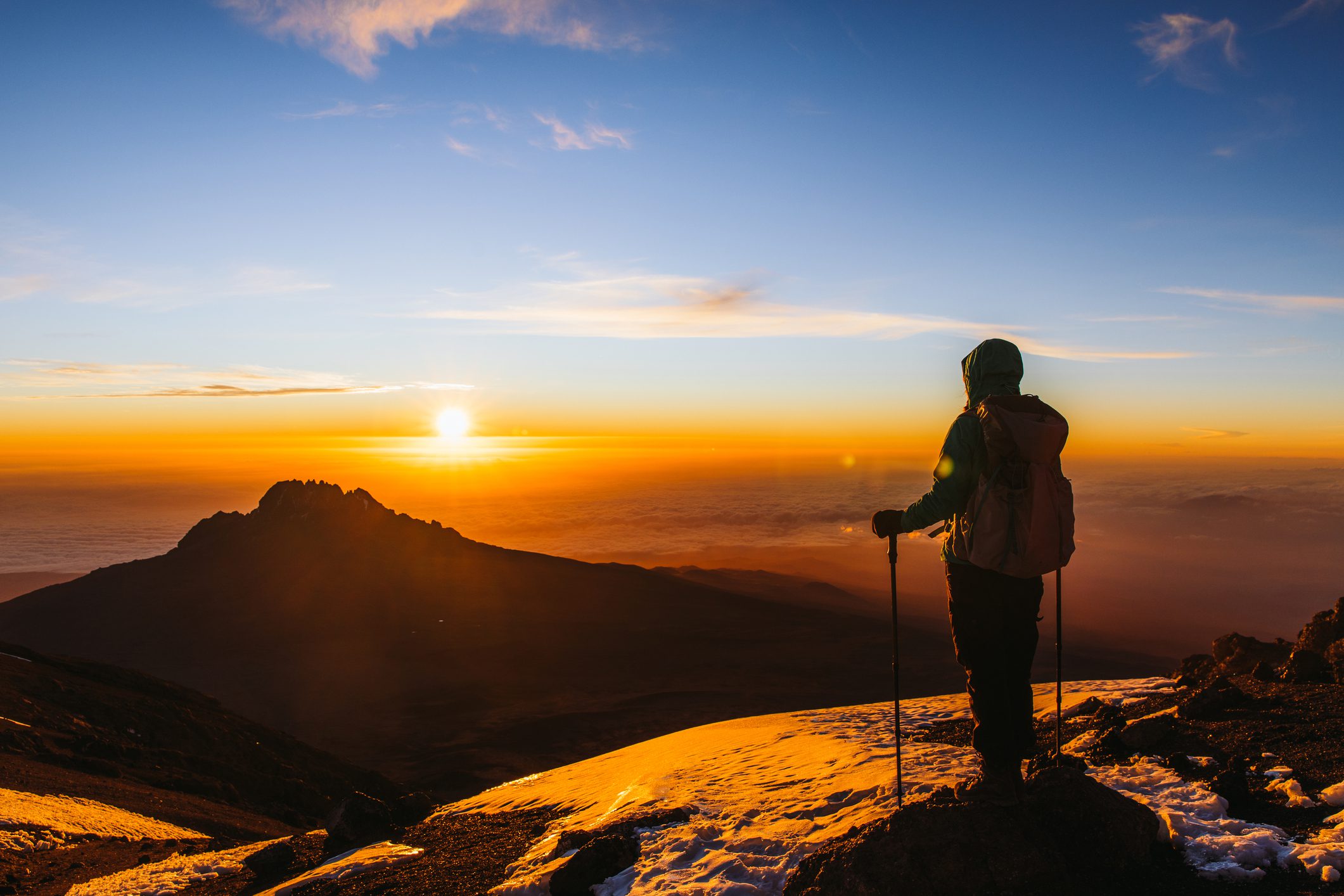
Summit night is the shortest and most unusual night of your climb, because you rest for only a few hours before starting the final ascent. Most climbers leave high camp around midnight so they can reach the crater rim near sunrise and descend before the afternoon. Even if you cannot fall asleep, lying quietly in your warm sleeping bag still rests your body. The five steps below show how a typical summit night works, from an early dinner at high camp to a well-earned sleep at a lower camp, which is often the best night of the whole climb.
- Early dinnerA filling, early meal at high camp, followed by your guide's summit briefing.
- Rest earlyClimbers are usually in their sleeping bags by early evening to rest for a few hours.
- Wake around midnightHot tea and a light snack, then layers on and headlamps ready.
- Summit and returnClimb to the crater rim and Uhuru Peak, then return to high camp for a short rest.
- Sleep lower downDescend to a lower camp, where thicker air helps most climbers sleep deeply.
Tips for Sleeping Well on Kilimanjaro
Small habits make a big difference to how well you sleep on Kilimanjaro, and most of them cost nothing. The aim is simple: stay warm, stay dry, stay hydrated and reduce the number of times you need to leave your tent in the cold. The six practical tips below come from the daily routine of experienced mountain guides and help you rest better at every camp. Your crew can also help, for example by filling a sealed water bottle with hot water to warm your sleeping bag before you climb in on cold nights high up on the mountain.
Drink most of your water before evening to reduce night-time toilet trips.
Swap damp walking clothes for clean, dry sleepwear as soon as you reach camp.
Ask the crew to fill a sealed bottle with hot water to warm your bag.
A warm, filling meal helps your body produce heat through the night.
Store your headlamp, water and batteries inside the tent or bag.
Short acclimatisation walks above camp help your body adjust and sleep better.
Sleeping on Kilimanjaro: FAQs
Where do you sleep on Kilimanjaro?
On most routes you sleep in four-season mountain tents at official Kilimanjaro National Park campsites, set up by your crew before you arrive. On the Marangu Route you sleep in shared huts with bunk beds and foam mattresses at Mandara, Horombo and Kibo huts.
How cold is it at night on Kilimanjaro?
Nights are mild in the rainforest, but temperatures often fall to around or below freezing on the moorland and well below freezing at high camps such as Barafu, Kibo Hut and School Hut, especially on clear, windy nights. Pack for the coldest night of your climb.
What sleeping bag do I need for Kilimanjaro?
You need a warm, mummy-shaped sleeping bag with a comfort rating well below freezing, ideally down-filled, with a snug hood. If you do not own one, good-quality sleeping bags can be rented in Moshi or Arusha, and a liner adds extra warmth.
Is it hard to sleep on Kilimanjaro?
Many climbers sleep more lightly than usual, especially above about 3,500 metres, because there is less oxygen. Waking more often and vivid dreams are common. A warm sleep system, good hydration, a filling dinner and gradual acclimatisation all help you rest better.
How much sleep do you get on summit night?
Usually only a few hours. Climbers go to bed in the early evening after dinner and a briefing, then wake around midnight to start the summit attempt. Even if you cannot sleep, resting quietly in your sleeping bag still helps your body recover.
Can I take sleeping pills on Kilimanjaro?
Most mountain doctors advise against sedative sleeping pills at high altitude, because they can depress breathing during sleep. Talk to a doctor experienced in travel or altitude medicine before your climb about any medication, including medicines used to help acclimatisation.
Do I share a tent on Kilimanjaro?
Usually two climbers who are travelling together share a tent designed for three people, leaving space for bags. Solo climbers normally have a tent of their own. On a private climb, you can request your own tent if you prefer more space and privacy.
Is a sleeping mat provided on Kilimanjaro?
Most operators provide a foam mattress or sleeping mat, but quality varies. Many climbers bring an extra insulated or self-inflating mat for more warmth and comfort. Ask your operator what is included in your quote before you pack.
Why do I need to urinate so much at night on Kilimanjaro?
Increased urination is a normal response to altitude and a sign that your body is acclimatising. Drinking most of your water earlier in the day helps, and many climbers use a clearly marked pee bottle to avoid leaving their warm sleeping bag at night.
When should I tell my guide about poor sleep?
Tell your guide straight away if poor sleep comes with a severe headache that painkillers do not ease, vomiting, breathlessness at rest, confusion or unsteady walking. These can be signs of serious altitude sickness, and your guide is trained to respond.
More Kilimanjaro Guides
Rest Well on Your Kilimanjaro Climb
Tell us your dates, route and comfort level, and our Arusha mountain team will plan your tents, sleeping mats and acclimatisation so you sleep as well as possible on the mountain.
Start Planning