Do I Need a Camp Pillow for Climbing Kilimanjaro
Do I Need a Camp Pillow for Climbing Kilimanjaro
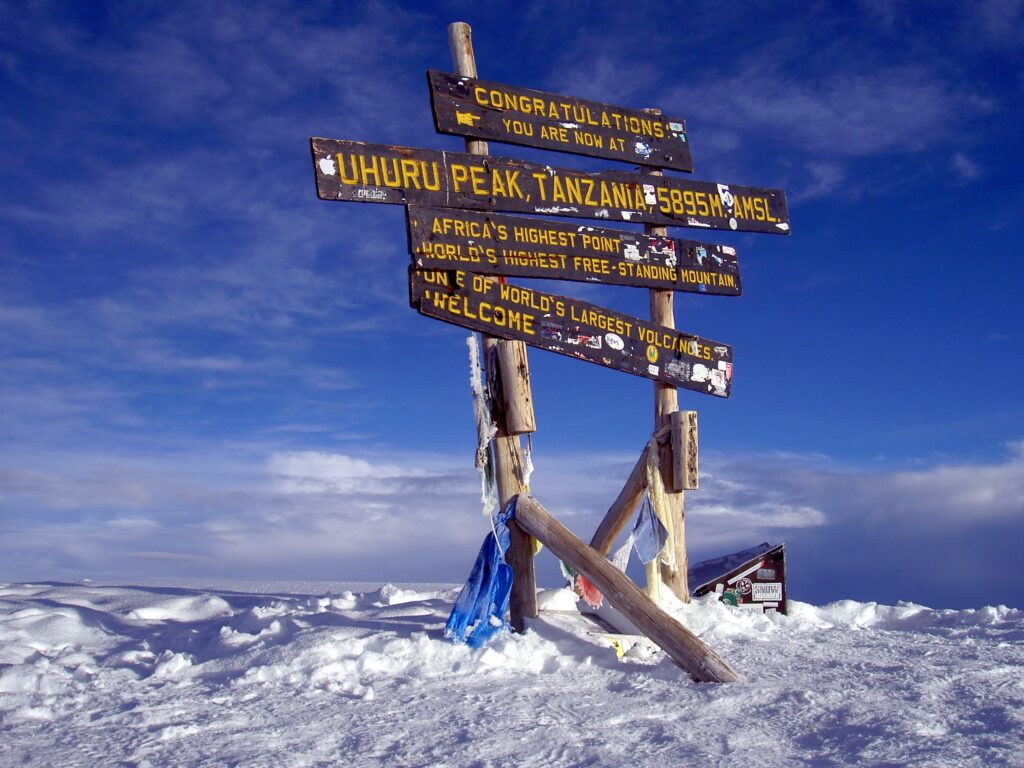
Climbing Mount Kilimanjaro is one of the greatest trekking adventures in Africa, attracting thousands of hikers seeking the ultimate Tanzania safari and mountain climbing experience. While most climbers focus on hiking boots, sleeping bags, trekking poles, and warm jackets, many forget one important comfort item: a camp pillow. During a Kilimanjaro trek, quality sleep is essential for altitude adjustment, energy recovery, and summit success. Temperatures on the mountain can drop below freezing, especially near Uhuru Peak, making comfortable rest even more important. A camp pillow may seem like a luxury item, but it can greatly improve sleep quality during multi-day climbs. Whether you are taking the Machame Route, Lemosho Route, or Marangu Route, understanding the importance of camping comfort can help you prepare wisely for your Kilimanjaro climbing adventure.
Why Sleep Quality Matters on Kilimanjaro
A successful Kilimanjaro climb depends heavily on proper rest and recovery. Climbers spend long hours trekking through rainforest, moorland, alpine desert, and arctic summit zones. After exhausting hiking days, your body requires quality sleep to recover from altitude stress and physical fatigue. Poor sleep can increase exhaustion, headaches, and difficulty acclimatizing. A camp pillow helps support your neck and head, improving comfort during cold mountain nights. Unlike regular camping trips, Kilimanjaro expeditions last several days, meaning small discomforts become more noticeable over time. Better sleep may improve your energy for summit night, the most challenging stage of the trek. Many experienced mountain guides recommend bringing lightweight sleeping accessories to improve rest. Comfortable sleeping arrangements are especially important during high-altitude trekking adventures like Mount Kilimanjaro climbing tours in Tanzania.
What Is a Camp Pillow?
A camp pillow is a lightweight travel pillow designed specifically for hiking, camping, backpacking, and mountain climbing. Unlike regular household pillows, camping pillows are compact, portable, and easy to pack inside trekking bags or duffel bags. Most Kilimanjaro climbers choose inflatable pillows, compressible foam pillows, or hybrid travel pillows. These pillows provide neck support while taking up minimal space during the trek. High-quality camp pillows often include soft fabric covers for warmth and comfort in cold mountain conditions. Since Kilimanjaro trekking involves camping on most routes, portable sleeping gear becomes extremely useful. Many hikers underestimate how difficult sleeping at altitude can be. Thin mountain air, cold temperatures, and crowded sleeping tents may disrupt rest. A camp pillow helps create a more comfortable sleeping environment during your Kilimanjaro adventure in Tanzania.
Can You Climb Kilimanjaro Without a Pillow?
Yes, you can absolutely climb Kilimanjaro without a camp pillow, and many trekkers do. Some climbers use rolled-up jackets, fleece layers, or duffel bags as makeshift pillows. However, these alternatives often provide uneven support and may become uncomfortable after several nights. Sleeping comfortably at high altitude can already be difficult due to colder temperatures and reduced oxygen levels. Without proper neck support, you may wake up stiff, tired, or restless before a long trekking day. Climbers attempting summit night need as much energy and recovery as possible. Although a camp pillow is not an essential Kilimanjaro packing item like hiking boots or thermal clothing, it is considered a valuable comfort item by experienced trekkers. Ultimately, bringing one depends on your comfort preferences, packing space, and how important quality sleep is during your Tanzania mountain climbing expedition.
Types of Camp Pillows for Kilimanjaro
There are several excellent camp pillow options for Kilimanjaro trekking adventures. Inflatable pillows are among the most popular because they are lightweight, compact, and easy to carry in a backpack. Compressible foam pillows provide more comfort but take up additional space in your luggage. Hybrid pillows combine inflatable support with soft foam padding, offering a balance between comfort and portability. Some trekkers also use microfiber travel pillows designed for backpacking and outdoor camping. When choosing a pillow for climbing Mount Kilimanjaro, prioritize weight, warmth, durability, and packability. Since porters carry most duffel bags on the mountain, small comfort items are manageable for most climbers. Lightweight camping equipment can greatly improve your trekking experience. The right camp pillow can help you sleep better while exploring Tanzania’s famous high-altitude trekking destination.
Benefits of Bringing a Camp Pillow
Bringing a camp pillow during your Kilimanjaro climb offers several important benefits. The biggest advantage is improved sleep quality, which supports recovery after demanding hiking days. A pillow provides proper neck alignment, reducing muscle stiffness and discomfort during cold nights on the mountain. Better sleep may improve mood, energy levels, and overall trekking performance. Many climbers report feeling more refreshed after sleeping with a supportive camping pillow. Comfort also becomes increasingly important during longer routes like the Northern Circuit or Lemosho Route. A small luxury item can boost morale during difficult weather conditions or altitude challenges. Because Kilimanjaro expeditions involve multiple nights in mountain tents, comfort plays a bigger role than many trekkers expect. Lightweight backpacking pillows add very little weight while significantly improving rest during your Tanzania adventure travel experience.
Drawbacks of Carrying a Camp Pillow
Although camp pillows offer comfort, they also have a few disadvantages during Kilimanjaro trekking tours. Some pillows add unnecessary weight or occupy valuable packing space inside your duffel bag or daypack. Large foam pillows may become inconvenient for climbers trying to pack light. Cheaper inflatable pillows sometimes make noise, lose air overnight, or feel uncomfortable against cold temperatures. Some trekkers prefer using clothing layers instead of carrying additional camping accessories. Budget-conscious climbers may also choose to avoid purchasing extra trekking gear. However, modern backpacking pillows are usually lightweight and highly compact, minimizing these concerns. The decision ultimately depends on personal comfort preferences and packing priorities. If you sleep well without a pillow at home or during camping trips, you may not need one for Kilimanjaro. Still, many climbers believe the added comfort outweighs the minor disadvantages during long mountain expeditions.
How Cold Nights Affect Sleep on Kilimanjaro
Nighttime temperatures on Mount Kilimanjaro can become extremely cold, especially at higher camps near the summit zone. Camps such as Barafu Camp and Kibo Hut often experience freezing temperatures and strong winds. Cold conditions can make sleeping difficult, even with high-quality sleeping bags. A camp pillow adds comfort and warmth around your head and neck area, helping improve sleep during harsh mountain nights. Since climbers wake around midnight for summit attempts, getting proper rest before summit night becomes very important. Cold temperatures combined with altitude can cause restless sleep, headaches, and discomfort. Comfortable sleeping arrangements help reduce stress on the body during multi-day trekking adventures. Proper preparation for Kilimanjaro includes investing in warm layers, insulated sleeping gear, and comfortable camping accessories that support better recovery on Africa’s highest mountain.
Do Kilimanjaro Tour Operators Provide Pillows?
Most Kilimanjaro tour operators provide tents, sleeping mattresses, dining tents, and camping equipment, but camp pillows are not always included. Luxury Kilimanjaro climbing packages sometimes offer extra sleeping comforts, including pillows and thicker mattresses. Budget trekking companies may only provide basic camping gear, requiring climbers to bring personal comfort items. Before your Tanzania trekking adventure begins, always confirm equipment details with your tour operator. Many climbers prefer bringing their own travel pillow for hygiene, comfort, and familiarity. Personal camping gear also ensures consistent support throughout the expedition. Even when operators provide pillows, they may not match your preferred comfort level. Since quality sleep affects trekking performance and acclimatization, many experienced hikers choose to pack lightweight camping pillows regardless of operator services. Proper planning helps create a safer and more enjoyable Kilimanjaro climbing experience.
Best Pillow Features for High-Altitude Trekking
The best camp pillows for Kilimanjaro climbing should be lightweight, compact, durable, and comfortable. Inflatable pillows with adjustable firmness allow climbers to customize support levels during mountain camping. Soft fleece or microfiber covers provide extra warmth in cold alpine conditions. Water-resistant materials also help protect against moisture and condensation inside tents. Since Kilimanjaro trekking involves several hiking days, durability becomes important for repeated use. Compact pillows are ideal because they fit easily inside daypacks or trekking duffel bags. Some backpacking pillows include ergonomic shapes that support the neck during side sleeping. High-quality outdoor gear can improve both comfort and recovery during challenging climbs. When preparing your Kilimanjaro packing list, prioritize gear that balances functionality with portability. A good camp pillow may become one of the most appreciated comfort items during your Tanzania mountain expedition.
Alternatives to a Camp Pillow
If you prefer not to carry a camp pillow, there are several practical alternatives for Kilimanjaro trekking. Many climbers use down jackets, fleece layers, or spare clothing stuffed inside a soft bag as temporary pillows. Packing cubes and compression sacks filled with clothes can also provide basic neck support. Some trekkers use airplane neck pillows for lightweight comfort during camping nights. While these alternatives save money and reduce packing weight, they often lack proper support compared to dedicated backpacking pillows. Improvised pillows may shift during sleep or feel uncomfortable after long trekking days. Nevertheless, minimalist climbers often find these solutions acceptable during short mountain expeditions. Choosing whether to bring a camp pillow depends on your comfort needs, trekking style, and sleeping habits. Testing your sleep system before your Kilimanjaro adventure can help determine the best option.
What Experienced Kilimanjaro Climbers Recommend
Many experienced Kilimanjaro climbers and mountain guides recommend bringing a lightweight camp pillow for added comfort during the trek. Although it is not considered mandatory equipment, seasoned trekkers understand how important rest becomes at high altitude. Climbers who sleep comfortably often feel more energized, positive, and prepared for demanding summit attempts. Professional guides frequently suggest inflatable camping pillows because they provide excellent support while taking up very little packing space. Long trekking routes especially benefit from improved sleeping conditions. Some climbers who initially skipped a pillow later regretted the decision due to neck discomfort and poor sleep quality. Since Kilimanjaro climbing already involves physical exhaustion and altitude challenges, reducing unnecessary discomfort can improve the overall experience. Investing in small comfort items may significantly enhance your Tanzania mountain trekking adventure and increase summit enjoyment.
Should Beginners Bring a Camp Pillow?
Beginner climbers are often unsure which Kilimanjaro packing items are truly necessary. While a camp pillow is not an essential survival item, it can greatly improve comfort for first-time trekkers unfamiliar with mountain camping. Beginners may struggle more with altitude discomfort, cold temperatures, and sleeping inside tents for several consecutive nights. A familiar pillow can provide better relaxation and help reduce stress during the expedition. Since most Kilimanjaro climbs are fully supported by porters, carrying lightweight comfort gear is usually manageable. First-time climbers often appreciate extra comfort during physically demanding adventures. A small inflatable pillow can make a noticeable difference in sleep quality without adding significant weight. For many beginners, investing in comfortable sleeping equipment helps create a more enjoyable, successful, and memorable Kilimanjaro climbing experience in Tanzania.
Final Thought
A camp pillow may seem like a minor item on your Kilimanjaro packing list, but it can have a surprisingly big impact on comfort, recovery, and sleep quality during your climb. While not absolutely essential, many trekkers find that a lightweight camping pillow improves rest during cold, high-altitude nights on Mount Kilimanjaro. Better sleep can support acclimatization, energy recovery, and overall trekking performance, especially before summit night. Whether you choose an inflatable pillow, foam travel pillow, or improvised alternative, prioritizing comfort is important during multi-day mountain expeditions. Every climber has different preferences, but experienced hikers often agree that small comfort items can greatly enhance the adventure. Careful preparation, quality trekking gear, and proper rest all contribute to a safer and more enjoyable Kilimanjaro climbing journey in Tanzania.
Do I Need a Camp Pillow for Climbing Kilimanjaro: FAQs
Why Sleep Quality Matters on Kilimanjaro?
A successful Kilimanjaro climb depends heavily on proper rest and recovery. Climbers spend long hours trekking through rainforest, moorland, alpine desert, and arctic summit zones. After exhausting hiking days, your body requires quality sleep to recover from altitude stress and physical fatigue. Poor sleep can increase exhaustion, headaches, and difficulty acclimatizing.
What Is a Camp Pillow?
A camp pillow is a lightweight travel pillow designed specifically for hiking, camping, backpacking, and mountain climbing. Unlike regular household pillows, camping pillows are compact, portable, and easy to pack inside trekking bags or duffel bags. Most Kilimanjaro climbers choose inflatable pillows, compressible foam pillows, or hybrid travel pillows.
Can You Climb Kilimanjaro Without a Pillow?
Yes, you can absolutely climb Kilimanjaro without a camp pillow, and many trekkers do. Some climbers use rolled-up jackets, fleece layers, or duffel bags as makeshift pillows. However, these alternatives often provide uneven support and may become uncomfortable after several nights. Sleeping comfortably at high altitude can already be difficult due to colder temperatures and reduced oxygen levels.
What is Types of Camp Pillows for Kilimanjaro like?
There are several excellent camp pillow options for Kilimanjaro trekking adventures. Inflatable pillows are among the most popular because they are lightweight, compact, and easy to carry in a backpack. Compressible foam pillows provide more comfort but take up additional space in your luggage. Hybrid pillows combine inflatable support with soft foam padding, offering a balance between comfort and portability.
What is Benefits of Bringing a Camp Pillow like?
Bringing a camp pillow during your Kilimanjaro climb offers several important benefits. The biggest advantage is improved sleep quality, which supports recovery after demanding hiking days. A pillow provides proper neck alignment, reducing muscle stiffness and discomfort during cold nights on the mountain. Better sleep may improve mood, energy levels, and overall trekking performance.
What is Drawbacks of Carrying a Camp Pillow like?
Although camp pillows offer comfort, they also have a few disadvantages during Kilimanjaro trekking tours. Some pillows add unnecessary weight or occupy valuable packing space inside your duffel bag or daypack. Large foam pillows may become inconvenient for climbers trying to pack light. Cheaper inflatable pillows sometimes make noise, lose air overnight, or feel uncomfortable against cold temperatures.
How Cold Nights Affect Sleep on Kilimanjaro?
Nighttime temperatures on Mount Kilimanjaro can become extremely cold, especially at higher camps near the summit zone. Camps such as Barafu Camp and Kibo Hut often experience freezing temperatures and strong winds. Cold conditions can make sleeping difficult, even with high-quality sleeping bags. A camp pillow adds comfort and warmth around your head and neck area, helping improve sleep during harsh mountain nights.
Do Kilimanjaro Tour Operators Provide Pillows?
Most Kilimanjaro tour operators provide tents, sleeping mattresses, dining tents, and camping equipment, but camp pillows are not always included. Luxury Kilimanjaro climbing packages sometimes offer extra sleeping comforts, including pillows and thicker mattresses. Budget trekking companies may only provide basic camping gear, requiring climbers to bring personal comfort items.
Climb Kilimanjaro With Confidence
Tell us your dates and fitness, and our experienced mountain team will plan a safe, well-acclimatized private climb.