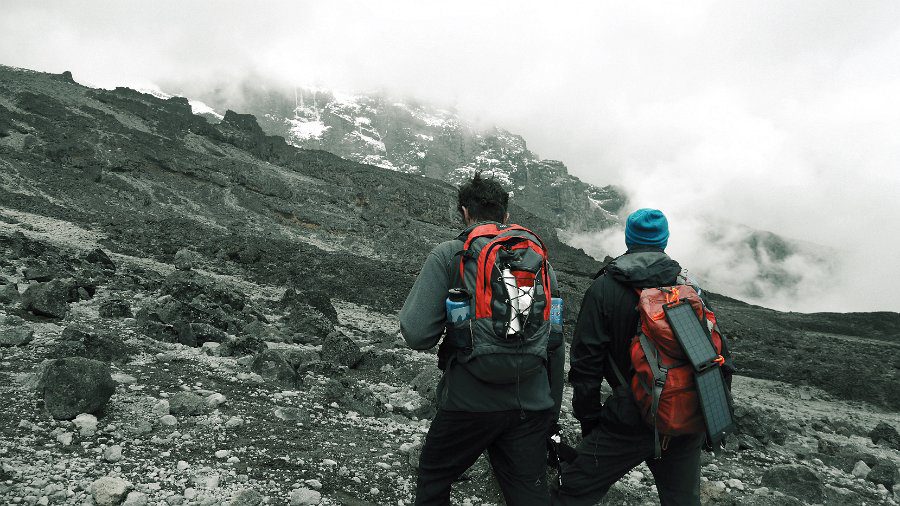
What is the Best Sleeping Pad for Climbing Kilimanjaro?
What is the Best Sleeping Pad for Climbing Kilimanjaro?
Choosing the best sleeping pad for climbing Mount Kilimanjaro is essential for warmth, comfort, and altitude recovery during your trek to Africa’s highest peak. Temperatures can drop below freezing, especially near Barafu Camp and Uhuru Peak summit nights, making insulation a top priority. The best sleeping pad for Kilimanjaro must have a high R-value for cold weather, lightweight design for backpacking, and durable construction for multi-day trekking. Inflatable insulated sleeping pads and self-inflating mats are most recommended over basic foam mats due to superior comfort and heat retention. Combined with a proper sleeping bag, the right sleeping pad ensures better rest, energy recovery, and summit success on your Kilimanjaro climbing adventure in Tanzania’s extreme alpine conditions.
Understanding Sleeping Pad R-Value for Kilimanjaro
R-value measures how well a sleeping pad resists heat loss from your body to the cold ground. For Kilimanjaro trekking, experts recommend a sleeping pad with an R-value between 4.5 and 6.5 due to freezing summit temperatures. A higher R-value means better insulation and warmth, especially at high altitude camps like Kibo Hut and Barafu Camp. According to mountain gear standards, R-value below 3 is not suitable for extreme cold. Since Kilimanjaro combines wet conditions and sub-zero nights, selecting a high R-value insulated sleeping pad is critical. Many climbers use layered systems, combining foam mats provided by tour operators with inflatable pads for added thermal protection and comfort throughout the seven-day climb.
- Accommodation
- Meals
- Park fees
- Vehicle & guide
- Transfers
- International flights
- Visas
- Travel insurance
- Tips
- Premium drinks
Why Insulation Matters on Mount Kilimanjaro
Insulation is the most important factor when choosing a sleeping pad for Kilimanjaro climbing. The ground at high altitude rapidly absorbs body heat, especially in alpine desert zones where temperatures can drop dramatically at night. Without proper insulation, even the best sleeping bag cannot prevent heat loss. A well-insulated sleeping pad acts as a barrier between your body and frozen ground, reducing energy loss and helping maintain core temperature. Climbers often underestimate this factor, but it directly affects sleep quality and summit performance. Proper insulation ensures you wake up rested instead of fatigued, which is essential for the final summit push to Uhuru Peak during freezing pre-dawn conditions.
Inflatable vs Foam Sleeping Pads
There are two main types of sleeping pads used on Kilimanjaro: inflatable pads and closed-cell foam pads. Inflatable sleeping pads offer superior comfort, lightweight packing, and high insulation levels, making them popular among trekkers. Foam pads, while durable and inexpensive, provide limited cushioning and are bulkier to carry. On Kilimanjaro, most tour operators supply foam mattresses, but experienced climbers often add an inflatable insulated pad for extra warmth and comfort. Inflatable pads with thermal insulation layers are best for extreme cold conditions. Foam pads alone are not recommended for summit nights due to low R-value and reduced heat retention in freezing mountain environments. Top recommended Sleeping Pads for Climbing Kilimanjaro
Therm-a-Rest NeoAir XTherm
The Therm-a-Rest NeoAir XTherm is widely considered the warmest ultralight sleeping pad for extreme cold conditions, making it perfect for Kilimanjaro summit night. With a very high R-value (around 6.9–7.3), it provides outstanding insulation against frozen volcanic ground. Its reflective internal layers reduce heat loss while maintaining a lightweight design under 500g–600g depending on size. Despite its ultralight build, it offers strong durability and reliable performance in alpine environments. This pad is especially popular among high-altitude climbers and mountaineers who need maximum warmth without carrying heavy gear during multi-day Kilimanjaro trekking expeditions.
Big Agnes Q-Core Deluxe
The Big Agnes Q-Core Deluxe is designed for maximum comfort and stability, making it ideal for side sleepers climbing Kilimanjaro. It features thick air chambers that create a soft, mattress-like feel, helping reduce pressure on hips and shoulders after long trekking days. While slightly heavier than ultralight models, it still provides strong insulation suitable for cold mountain nights when paired with a winter-rated sleeping bag. Its durable construction and quiet sleeping surface make it a good option for climbers who prioritize comfort over ultra-minimal weight during their Tanzania safari and trekking experience.
Sea to Summit Comfort Plus
The Sea to Summit Comfort Plus stands out with its dual-layer air chamber system, which allows customizable firmness and extra protection against ground cold. This design improves insulation efficiency and reduces the risk of complete deflation during multi-day climbs. It performs very well in wet and cold conditions commonly experienced on Kilimanjaro routes such as Machame and Lemosho. Although slightly bulkier than ultralight pads, it offers exceptional sleeping stability and comfort, making it a strong choice for climbers who want a balance between warmth, safety, and durability on high-altitude expeditions.
NEMO Tensor Ultralight
The NEMO Tensor Ultralight is one of the most popular backpacking sleeping pads for Kilimanjaro climbers seeking lightweight performance and comfort. It offers excellent warmth-to-weight ratio, typically with an R-value around 4.5–5.4 depending on the model. Its soft baffle design provides quiet sleep and reduces movement noise inside the tent, which is important at crowded camps. The Tensor is also compact, making it easy to pack in a duffel bag used by porters on Kilimanjaro expeditions. It is ideal for trekkers who want a balance of insulation, comfort, and ultralight portability.
Best R-Value Range for Kilimanjaro Climbers
The ideal sleeping pad R-value for Kilimanjaro is between 4.5 and 6.5, depending on personal cold tolerance and season. This range provides enough insulation for temperatures that can reach below -10°C at higher camps. Pads within this category are designed for winter camping and high-altitude expeditions. Anything below R-value 4 may lead to cold discomfort, especially during summit night. Many climbers use a combination of sleeping pads to increase insulation efficiency, as R-values are additive when layered correctly. Choosing the correct R-value ensures better sleep quality, faster recovery, and reduced risk of altitude fatigue during your multi-day Kilimanjaro trekking expedition in Tanzania.
Weight and Packability Considerations
When climbing Kilimanjaro, every gram of gear matters because trekkers carry only essential items in their daypack or duffel bag. The best sleeping pad should balance warmth and weight, ideally under 1 kilogram for inflatable models. Lightweight insulated pads compress easily, saving space in your backpack while still providing excellent thermal protection. Foam mats are heavier and bulkier, making them less suitable for long trekking routes like Machame or Lemosho. Modern ultralight sleeping pads use advanced insulation technology to reduce weight without sacrificing warmth. Choosing a compact, lightweight sleeping pad improves overall trekking efficiency and reduces fatigue on long hiking days across Tanzania’s mountain terrain.
Comfort and Sleep Quality at High Altitude
Comfort plays a major role in sleep quality during Kilimanjaro expeditions. High altitude can cause fatigue, headaches, and poor sleep, so a comfortable sleeping surface is essential for recovery. Inflatable sleeping pads with thickness above 5 cm provide better cushioning against uneven tent floors. Good comfort reduces pressure points on hips and shoulders, especially for side sleepers. Combined with a quality sleeping bag, a well-designed sleeping pad helps regulate body temperature and improves rest at camps like Shira, Barranco, and Karanga. Better sleep directly improves energy levels for trekking long distances and increases your chances of successfully reaching Uhuru Peak.
Durability for Harsh Mountain Conditions
Durability is another key factor when selecting the best sleeping pad for Kilimanjaro. The terrain is rugged, and conditions inside tents can be abrasive due to volcanic dust and rocky ground. High-quality sleeping pads are made from ripstop nylon or reinforced polyester materials that resist punctures and wear. Since Kilimanjaro involves multiple nights of use at high altitude, durability ensures consistent performance throughout the climb. A puncture-resistant sleeping pad reduces the risk of deflation during cold nights, which can be dangerous in freezing temperatures. Always choose trusted mountaineering brands designed for extreme outdoor expeditions and multi-day trekking conditions in Africa.
Temperature Performance at Different Camps
Kilimanjaro has different climate zones, from rainforest to arctic summit conditions. Sleeping pads must perform across all temperature ranges, especially in alpine desert and glacial zones. At lower camps like Machame Gate, temperatures are mild, but higher camps like Barafu and Uhuru Peak demand extreme insulation. A high R-value sleeping pad maintains warmth consistently despite changing conditions. This thermal stability ensures climbers remain comfortable throughout the ascent. Proper temperature performance also reduces the risk of hypothermia and improves overall trekking safety. Selecting a pad designed for multi-zone performance is essential for a successful Kilimanjaro summit experience.
Compatibility with Sleeping Bags
A sleeping pad works together with your sleeping bag as a complete sleep system. Even the best sleeping bag cannot perform well without proper ground insulation. For Kilimanjaro, a sleeping pad with R-value above 4.5 complements a cold-rated sleeping bag (around -10°C to -20°C). Together, they trap body heat efficiently and prevent cold air from seeping in from the ground. Many climbers underestimate this combination, but it is critical for summit success. Proper compatibility ensures warmth, comfort, and energy recovery throughout the trek. Always test your sleep system before the climb to ensure maximum efficiency in high-altitude conditions.
Recommended Features for Kilimanjaro Sleeping Pads
The best sleeping pads for Kilimanjaro should include key features such as thermal insulation layers, non-slip surfaces, quick inflation systems, and compact packing size. Reflective thermal technology is especially useful for retaining heat in freezing conditions. A built-in pump sack is also helpful at high altitude where manual inflation can be difficult. Anti-slip bottom surfaces keep the pad stable inside the tent, improving sleep comfort. These features enhance performance during long trekking expeditions. Choosing a pad with advanced design ensures safety, warmth, and durability across all Kilimanjaro routes including Marangu, Machame, and Lemosho.
Common Mistakes When Choosing a Sleeping Pad
Many climbers make mistakes when selecting sleeping pads for Kilimanjaro. The most common error is choosing a pad with low R-value, which leads to cold nights and poor sleep. Another mistake is prioritizing weight over insulation, resulting in insufficient warmth at high altitude. Some climbers rely only on tour operator foam mats, which are not always enough for summit night. Ignoring durability is also risky due to harsh terrain conditions. To avoid these issues, always prioritize insulation first, then comfort and weight. Proper selection significantly improves trekking performance and summit success rate on Mount Kilimanjaro.
Final Thought
The best sleeping pad for climbing Kilimanjaro is one that balances insulation, comfort, durability, and lightweight design. With summit temperatures dropping far below freezing, a high R-value insulated inflatable sleeping pad is strongly recommended. It should work as part of a complete sleep system with a cold-rated sleeping bag for maximum warmth. Investing in a quality sleeping pad greatly improves sleep quality, recovery, and overall trekking experience. Since Kilimanjaro is a physically demanding seven-day ascent, proper rest is essential for reaching Uhuru Peak successfully. Choosing the right sleeping pad is not just comfort—it is a key factor in summit success on Africa’s highest mountain.
What is the Best Sleeping Pad for Climbing Kilimanjaro?: FAQs
What should you know about understanding sleeping pad R-value for Kilimanjaro?
R-value measures how well a sleeping pad resists heat loss from your body to the cold ground. For Kilimanjaro trekking, experts recommend a sleeping pad with an R-value between 4.5 and 6.5 due to freezing summit temperatures. A higher R-value means better insulation and warmth, especially at high altitude camps like Kibo Hut and Barafu Camp.
Why Insulation Matters on Mount Kilimanjaro?
Insulation is the most important factor when choosing a sleeping pad for Kilimanjaro climbing. The ground at high altitude rapidly absorbs body heat, especially in alpine desert zones where temperatures can drop dramatically at night. Without proper insulation, even the best sleeping bag cannot prevent heat loss.
What can you expect from inflatable vs foam sleeping pads?
There are two main types of sleeping pads used on Kilimanjaro: inflatable pads and closed-cell foam pads. Inflatable sleeping pads offer superior comfort, lightweight packing, and high insulation levels, making them popular among trekkers. Foam pads, while durable and inexpensive, provide limited cushioning and are bulkier to carry.
What should you know about therm-a-rest NeoAir XTherm on Kilimanjaro?
The Therm-a-Rest NeoAir XTherm is widely considered the warmest ultralight sleeping pad for extreme cold conditions, making it perfect for Kilimanjaro summit night. With a very high R-value (around 6.9–7.3), it provides outstanding insulation against frozen volcanic ground. Its reflective internal layers reduce heat loss while maintaining a lightweight design under 500g–600g depending on size.
What can you expect from Big Agnes Q-core Deluxe on Kilimanjaro?
The Big Agnes Q-Core Deluxe is designed for maximum comfort and stability, making it ideal for side sleepers climbing Kilimanjaro. It features thick air chambers that create a soft, mattress-like feel, helping reduce pressure on hips and shoulders after long trekking days. While slightly heavier than ultralight models, it still provides strong insulation suitable for cold mountain nights when paired with a winter-rated sleeping bag.
What should you know about sea to summit comfort Plus on Kilimanjaro?
The Sea to Summit Comfort Plus stands out with its dual-layer air chamber system, which allows customizable firmness and extra protection against ground cold. This design improves insulation efficiency and reduces the risk of complete deflation during multi-day climbs. It performs very well in wet and cold conditions commonly experienced on Kilimanjaro routes such as Machame and Lemosho.
What can you expect from NEMO Tensor ultralight on Kilimanjaro?
The NEMO Tensor Ultralight is one of the most popular backpacking sleeping pads for Kilimanjaro climbers seeking lightweight performance and comfort. It offers excellent warmth-to-weight ratio, typically with an R-value around 4.5–5.4 depending on the model. Its soft baffle design provides quiet sleep and reduces movement noise inside the tent, which is important at crowded camps.
What are the best R-value range for Kilimanjaro climbers?
The ideal sleeping pad R-value for Kilimanjaro is between 4.5 and 6.5, depending on personal cold tolerance and season. This range provides enough insulation for temperatures that can reach below -10°C at higher camps. Pads within this category are designed for winter camping and high-altitude expeditions.
Climb Kilimanjaro With Confidence
Tell us your dates and fitness, and our experienced mountain team will plan a safe, well-acclimatized private climb.