Tips for Staying Warm on the Summit of Kilimanjaro
Tips for Staying Warm on the Summit of Kilimanjaro
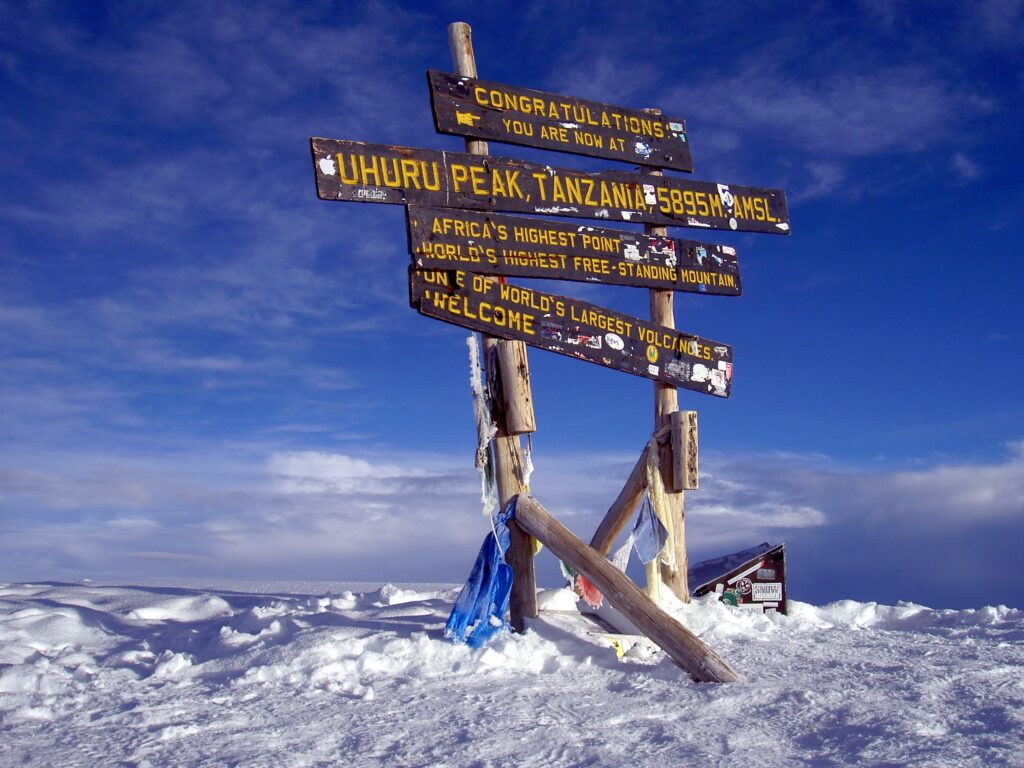
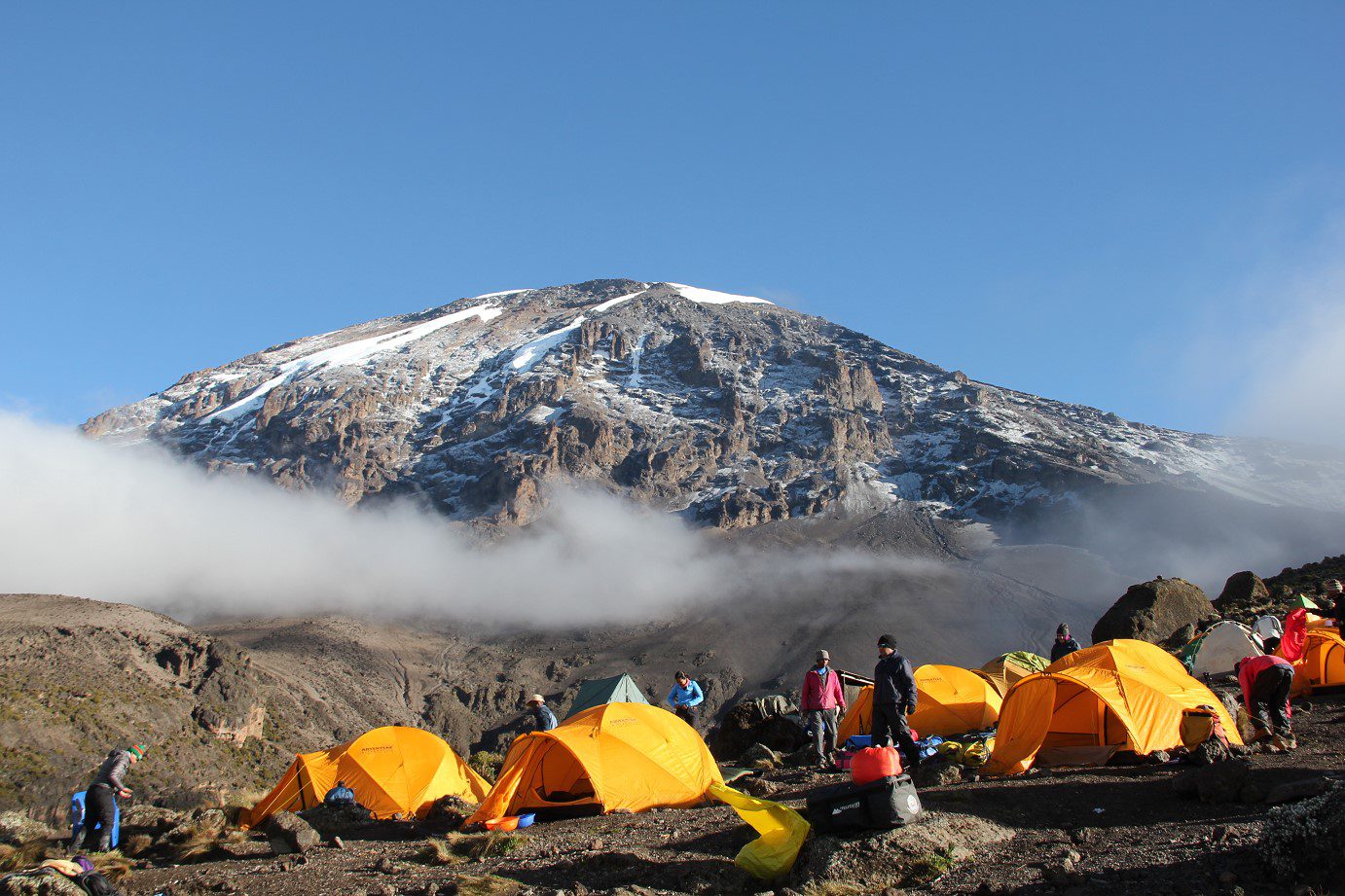
Climbing Mount Kilimanjaro to reach Uhuru Peak is one of the most iconic trekking experiences in the world, but summit night is also the coldest and most challenging part of the journey. Temperatures can drop well below freezing, with strong winds and thin air making the cold feel even more intense. Many climbers underestimate how extreme Kilimanjaro summit conditions can be, especially during the final ascent from base camp to the summit. Staying warm is not just about comfort—it is essential for safety, endurance, and success. Proper preparation, layering systems, and smart trekking strategies can make the difference between struggling in the cold and standing proudly at the Roof of Africa. This guide explains how to stay warm on the Kilimanjaro summit night using proven, practical, and experience-based techniques.
Understand Kilimanjaro Summit Cold Conditions
The first step in staying warm on Kilimanjaro is understanding the extreme cold at high altitude. Summit night can reach temperatures between -7°C and -20°C, especially near Uhuru Peak. The combination of wind chill, low oxygen levels, and exhaustion makes the cold feel more intense than expected. At this altitude, your body loses heat faster and produces less energy. Many trekkers also slow down, which reduces body heat generation. Knowing these conditions helps you prepare mentally and physically. It also highlights the importance of insulation, proper clothing, and pacing. Without understanding the environment, climbers often underdress or underestimate how quickly cold can affect performance. Preparation starts with awareness of what the mountain demands.
Use a Proper Layering System
A proper layering system is the foundation of warmth on Kilimanjaro. This includes a moisture-wicking base layer, an insulating mid-layer, and a protective outer shell. The base layer keeps sweat away from your skin, preventing cooling effects. The mid-layer, often fleece or light down, traps body heat effectively. The outer shell blocks wind, snow, and moisture. Layering allows you to adjust easily as you climb through different temperature zones. Many climbers fail by wearing too many heavy items at once, which causes sweating and later freezing. Smart layering keeps your body temperature stable and adaptable. On summit night, layering becomes critical because conditions shift rapidly from cold to extremely cold within hours.
Choose High-Quality Thermal Base Layers
Thermal base layers are essential for retaining warmth during summit night. Materials like merino wool or synthetic thermal fabrics are ideal because they wick moisture and retain heat even when damp. Cotton should be avoided completely as it traps moisture and increases cold exposure. A good base layer fits snugly without restricting movement. It acts as your first defense against freezing temperatures. Wearing both top and bottom thermal layers ensures full-body insulation. Many climbers underestimate how important this layer is, focusing more on jackets. However, without a strong base layer, even the best outer gear will not keep you warm. It is the foundation of your Kilimanjaro cold-weather protection system.
Invest in a High-Quality Down Jacket
A thick, insulated down jacket is one of the most important items for summit success. It provides powerful heat retention even in sub-zero temperatures. Look for jackets with high fill power, preferably 600–800+, designed for extreme cold conditions. A good down jacket traps warm air while remaining lightweight, which is important for long summit hikes. It should also be wind-resistant and slightly oversized to fit over multiple layers. On Kilimanjaro summit night, this jacket becomes your primary shield against freezing winds. Many climbers only realize its importance when temperatures drop sharply above 4,000 meters. Without proper insulation, fatigue and cold exposure increase significantly.
Use Insulated Waterproof Outer Shells
Your outer layer protects you from wind, snow, and moisture, all of which can rapidly drain body heat. A waterproof and windproof shell jacket and pants are essential. Gore-Tex or similar materials are highly recommended because they balance breathability and protection. On Kilimanjaro, weather conditions can shift quickly, especially near the summit zone. Strong winds are common, and they can make temperatures feel much colder than they are. A good outer shell prevents heat loss while allowing sweat to escape. Without this layer, even high-quality thermal clothing will not perform effectively. It acts as a barrier between your warm body and the harsh mountain environment.
Protect Hands with Proper Gloves
Hands are one of the first body parts to feel extreme cold on Kilimanjaro. Using a layered glove system is highly effective. Start with thin liner gloves for dexterity, then add insulated waterproof gloves for warmth. On summit night, temperatures can cause numbness within minutes if gloves are inadequate. Windproof materials are especially important because wind chill greatly increases heat loss. Some climbers also carry hand warmers for extra protection. Keeping your hands warm is essential for using trekking poles and adjusting gear. Cold hands reduce performance and increase fatigue. Proper gloves ensure both safety and comfort during the long ascent to the summit.
Wear Thermal Hats and Balaclavas
A significant amount of body heat is lost through the head and face, making head protection crucial. A thermal beanie combined with a balaclava or neck gaiter provides excellent insulation. These items protect against freezing winds and biting cold at high altitude. On summit night, wind chill can be severe, especially in exposed areas. Covering your face also helps reduce discomfort from cold air breathing. Many climbers underestimate how quickly facial skin can become exposed and painful. A proper head and face system ensures warmth retention and reduces energy loss. This small adjustment can dramatically improve comfort and endurance during the climb.
Keep Your Feet Warm and Dry
Foot warmth is essential for a successful summit attempt. Wear high-quality thermal socks, preferably wool, and avoid cotton completely. Double-layer sock systems are often used for extra insulation. Waterproof and insulated boots are also necessary to protect against cold and possible snow. Boots should be well broken in before the climb to prevent blisters. Cold feet can slow movement and reduce morale during summit night. Proper foot care also includes ensuring socks stay dry, as moisture increases heat loss. Some climbers use foot warmers for additional protection. Comfortable, warm feet are key to maintaining steady progress toward the summit.
Stay Hydrated to Regulate Body Temperature
Hydration plays a critical role in maintaining body warmth on Kilimanjaro. When dehydrated, the body struggles to regulate temperature efficiently, increasing sensitivity to cold. Drinking water regularly helps maintain circulation and energy levels. Even though it may feel difficult to drink in cold conditions, small, frequent sips are best. Insulated water bottles or hydration systems prevent freezing at high altitudes. Warm drinks like tea can also help maintain internal warmth. Many climbers forget hydration during summit night due to fatigue, but it is essential for performance. Proper hydration supports circulation, endurance, and overall cold resistance during the climb.
Eat High-Energy Foods Before Summit Push
Food is fuel, and on summit night, your body needs maximum energy to stay warm. High-calorie meals rich in carbohydrates and fats help maintain heat production. Eating well before the final ascent ensures your body has enough energy reserves for long hours of climbing. Snacks like nuts, chocolate, and energy bars are useful during the trek. Lack of food intake can cause fatigue and make you feel colder faster. Many climbers lose their appetite at high altitude, but eating is still essential. Proper nutrition supports metabolism, which directly influences body heat generation in extreme cold conditions.
Move Steadily to Generate Body Heat
Maintaining a steady pace is important for generating internal heat during summit night. Moving too slowly can cause the body to cool down, while moving too fast can cause excessive sweating. A consistent rhythm helps regulate temperature and conserve energy. Trekking poles assist in maintaining balance and reducing fatigue. Guides often set a slow “pole pole” pace to ensure climbers do not burn out. This steady movement allows the body to produce enough heat while avoiding exhaustion. On Kilimanjaro, pacing is not about speed—it is about endurance and survival in cold, thin air conditions.
Avoid Sweating Too Much
Sweating in cold environments is dangerous because moisture cools the body rapidly. Proper layering and pacing help prevent overheating. If you sweat, you risk becoming cold once you stop or slow down. Ventilation adjustments, such as opening jacket zippers, can help regulate temperature. Choosing breathable fabrics is also important. Many climbers make the mistake of dressing too warmly at the start of the ascent, leading to sweat buildup. Staying dry is one of the most effective ways to remain warm on Kilimanjaro. Managing body temperature carefully prevents unnecessary heat loss and improves summit success chances.
Use Hand and Body Warmers
Chemical hand and body warmers can provide extra heat during summit night. These small heat packs are activated by air and can last several hours. They are especially useful in gloves, boots, and jacket pockets. While not essential, they offer psychological comfort and physical warmth during extreme cold. Many climbers use them as backup insulation when temperatures drop significantly. They are lightweight and easy to carry, making them a popular addition to the Kilimanjaro packing list. Warmers are most effective when combined with proper layering and insulation systems, not as a replacement.
Sleep Well Before Summit Night
Rest before summit night is crucial for maintaining body temperature and energy levels. Poor sleep reduces your body’s ability to generate heat and increases fatigue. Even if sleep is limited due to altitude, resting helps recovery. Staying warm in your sleeping bag before the summit push also helps conserve energy. Proper acclimatization during the earlier days of the climb improves sleep quality. Many climbers underestimate how important rest is for cold endurance. A well-rested body performs better, stays warmer, and handles extreme conditions more efficiently during the final ascent.
Acclimatize Properly Before the Summit
Acclimatization helps your body adapt to high altitude and cold conditions. When your body adjusts properly, it becomes more efficient at oxygen use and temperature regulation. Slow ascent schedules and rest days are essential. Rushing the climb increases the risk of altitude sickness and cold sensitivity. Proper acclimatization also improves circulation, which helps maintain warmth in extremities. Many experienced climbers follow itineraries designed specifically for gradual elevation gain. Without acclimatization, even the best gear cannot fully protect you from extreme cold on summit night.
Trust Your Guide and Follow the Plan
Experienced guides play a vital role in keeping climbers safe and warm on Kilimanjaro. They understand weather conditions, pacing, and proper layering adjustments. Listening to their instructions ensures better temperature management and energy conservation. Guides monitor climbers for signs of cold stress and altitude effects. Following their lead helps you stay focused and reduces mistakes caused by fatigue or confusion. Many successful summit experiences are the result of trusting the guide's expertise. Their knowledge of the mountain is essential for handling extreme cold conditions effectively.
Final Thought
Staying warm on the summit of Mount Kilimanjaro is a combination of preparation, smart clothing choices, steady movement, and proper acclimatization. Summit night is demanding, but with the right layering system, insulation, and pacing strategy, climbers can successfully handle freezing temperatures and strong winds. Every detail matters—from thermal base layers to hydration and rest. The mountain rewards those who respect its conditions and prepare thoroughly. With the right approach, reaching Uhuru Peak becomes not just possible, but an unforgettable achievement at the Roof of Africa.
Tips for Staying Warm on the Summit of Kilimanjaro: FAQs
What can you expect from understand Kilimanjaro summit cold conditions?
The first step in staying warm on Kilimanjaro is understanding the extreme cold at high altitude. Summit night can reach temperatures between -7°C and -20°C, especially near Uhuru Peak. The combination of wind chill, low oxygen levels, and exhaustion makes the cold feel more intense than expected.
What should you know about choose high-quality thermal base layers on Kilimanjaro?
Thermal base layers are essential for retaining warmth during summit night. Materials like merino wool or synthetic thermal fabrics are ideal because they wick moisture and retain heat even when damp. Cotton should be avoided completely as it traps moisture and increases cold exposure. A good base layer fits snugly without restricting movement.
What can you expect from use insulated waterproof outer Shells on Kilimanjaro?
Your outer layer protects you from wind, snow, and moisture, all of which can rapidly drain body heat. A waterproof and windproof shell jacket and pants are essential. Gore-Tex or similar materials are highly recommended because they balance breathability and protection. On Kilimanjaro, weather conditions can shift quickly, especially near the summit zone.
What should you know about wear thermal Hats and Balaclavas on Kilimanjaro?
A significant amount of body heat is lost through the head and face, making head protection crucial. A thermal beanie combined with a balaclava or neck gaiter provides excellent insulation. These items protect against freezing winds and biting cold at high altitude. On summit night, wind chill can be severe, especially in exposed areas.
What is the stay Hydrated to regulate body temperature on Kilimanjaro like?
Hydration plays a critical role in maintaining body warmth on Kilimanjaro. When dehydrated, the body struggles to regulate temperature efficiently, increasing sensitivity to cold. Drinking water regularly helps maintain circulation and energy levels. Even though it may feel difficult to drink in cold conditions, small, frequent sips are best.
What can you expect from Move Steadily to generate body heat on Kilimanjaro?
Maintaining a steady pace is important for generating internal heat during summit night. Moving too slowly can cause the body to cool down, while moving too fast can cause excessive sweating. A consistent rhythm helps regulate temperature and conserve energy. Trekking poles assist in maintaining balance and reducing fatigue.
What should you know about use hand and body warmers?
Chemical hand and body warmers can provide extra heat during summit night. These small heat packs are activated by air and can last several hours. They are especially useful in gloves, boots, and jacket pockets. While not essential, they offer psychological comfort and physical warmth during extreme cold.
What can you expect from acclimatize properly before the summit?
Acclimatization helps your body adapt to high altitude and cold conditions. When your body adjusts properly, it becomes more efficient at oxygen use and temperature regulation. Slow ascent schedules and rest days are essential. Rushing the climb increases the risk of altitude sickness and cold sensitivity.
Climb Kilimanjaro With Confidence
Tell us your dates and fitness, and our experienced mountain team will plan a safe, well-acclimatized private climb.