Kilimanjaro Travel Insurance: What Cover Do You Need?
Kilimanjaro travel insurance is essential for every climber on Africa's highest mountain. Because Uhuru Peak stands at 5,895 metres, you need a policy that covers trekking up to at least 6,000 metres, emergency medical treatment, evacuation including helicopter rescue, repatriation and trip cancellation. Many standard travel policies exclude high-altitude trekking, so always carefully check the altitude limit and exclusions before you buy any policy. This guide explains why insurance matters, what your policy must include, plan types, cost factors, timing, common mistakes and emergencies, so you can climb Kilimanjaro with confidence on a private climb with our experienced local team.
Do I need travel insurance to climb Kilimanjaro?
Yes. You should have travel insurance that covers trekking up to at least 6,000 metres, emergency medical treatment, evacuation including helicopter rescue, repatriation and cancellation. Many standard policies exclude high-altitude trekking, so check the altitude limit, activity list and exclusions carefully. Buy your policy as soon as you book your climb, so cancellation cover starts straight away, and carry your policy details on the mountain.
01Interactive Kilimanjaro Insurance Checklist
Use this interactive Kilimanjaro insurance checklist to make sure your policy gives you the right protection before you climb. It covers the essential benefits every climber needs, from high-altitude trekking cover and helicopter evacuation to cancellation, medical treatment and the documents to carry on the mountain. Tick each item as you check your policy and follow your progress with the bar, or print the list and keep it with your travel documents. If any item is missing, contact your insurer before you travel and ask for written confirmation of your cover, then share your policy details with our team.
Altitude and Activities0/4
Medical and Evacuation0/4
Trip Protection0/4
Health Declarations0/4
Documents to Carry0/4
02Why You Need Kilimanjaro Travel Insurance
Climbing Mount Kilimanjaro is a safe and rewarding adventure with the right preparation, but it still involves high altitude, remote terrain and unpredictable mountain conditions. If something goes wrong, emergency medical care, evacuation and hospital treatment can be very expensive without suitable cover. Travel insurance also protects the money you have invested in flights, your climb and any safari or beach extension. Climbing without suitable cover puts your health and savings at risk. The cards below explain the main reasons every climber needs Kilimanjaro travel insurance and why responsible operators ask for policy details before the trek begins.
Remote, High-Altitude Terrain
Kilimanjaro rises to 5,895 metres, and most of the climb takes place far from roads and hospitals. If you become seriously ill or injured, you may need a stretcher descent, vehicle transfer or helicopter evacuation, followed by hospital care. Without suitable insurance, these emergency costs can be very high and must be paid by you.
Altitude Sickness Risk
Altitude sickness can affect anyone, regardless of age or fitness, and severe cases need rapid descent and medical treatment. Good acclimatisation, a longer route and experienced guides reduce the risk, but cannot remove it. Insurance that covers altitude-related illness ensures you receive the care you need without worrying about the cost. Always tell your guide about any symptoms.
Cancellation and Delays
Illness, injury, family emergencies or flight disruption can force you to cancel or cut short your trip. Cancellation and curtailment cover can help you recover non-refundable costs, such as climb payments, flights and hotel stays, depending on your policy terms. Delayed baggage cover helps replace essential clothing and gear quickly. Check the list of insured reasons carefully.
Required by Responsible Operators
Responsible Kilimanjaro operators ask every climber to hold suitable travel insurance before the trek begins, and we ask for your policy details when you book. This ensures our team can contact your insurer and arrange help quickly if needed. Insurance is part of climbing responsibly, protecting you, your family and our mountain crew. It is never optional.
03What Kilimanjaro Travel Insurance Must Include
Not every travel insurance policy is suitable for Kilimanjaro, so it is important to check the details before you buy. A reliable policy must cover trekking up to at least 6,000 metres, emergency evacuation including helicopter rescue, medical treatment, repatriation, cancellation and curtailment. Baggage, gear and travel delay cover are also useful for long international journeys. Reading the policy wording is the only way to be sure. The cards below explain the four essential benefits every Kilimanjaro climber needs and what to look for in the policy wording, helping you choose cover that truly protects you on the mountain.
Trekking Up to 6,000 Metres
Your policy must cover trekking up to at least 6,000 metres, because Uhuru Peak stands at 5,895 metres. Many standard policies stop at 2,000, 3,000 or 4,500 metres, so read the altitude limit carefully. Some insurers list Kilimanjaro by name, while others require you to add an adventure or trekking upgrade. Ask for written confirmation if unsure.
Emergency Evacuation and Rescue
Emergency evacuation cover should include mountain rescue, stretcher descent, helicopter evacuation where available and transfer to a suitable hospital. Check that the limit is high enough for remote high-altitude evacuations, and that cover applies when evacuation is arranged by your guides in an emergency, not only by the insurer. Ask how evacuation is authorised in an emergency.
Medical Treatment and Repatriation
Your policy should cover emergency medical treatment, hospital stays, doctor consultations and prescribed medicine, including treatment for altitude sickness. Repatriation cover pays to return you home if you are too ill to travel normally. Make sure the medical limit is generous, as serious cases may need care in Nairobi or abroad. Check the excess you would need to pay.
Cancellation and Curtailment
Cancellation cover protects non-refundable payments if you cannot travel for an insured reason, such as illness or a family emergency. Curtailment cover helps if you must end your trip early. Check that the cancellation limit is high enough to cover your climb, safari, flights and accommodation, and read the list of insured reasons. Keep proof of every payment.
04Types of Kilimanjaro Travel Insurance Plans
There are several different types of travel insurance, and they offer very different levels of protection for a Kilimanjaro climb. Standard travel policies often exclude high-altitude trekking, while adventure upgrades, specialist trekking insurance and some annual multi-trip policies can provide the cover you need. The right choice depends on your climb, any safari or beach extension, your travel habits, your health and your budget. Simply select each tab below to compare what each type of plan is best for, its altitude cover, its main limitation and a useful tip before you buy your own Kilimanjaro travel insurance policy.

Standard Travel Insurance
Beach holidays and city trips, not usually Kilimanjaro on its own
Often limited to 2,000 to 4,500 metres, or excludes trekking entirely
Standard travel insurance covers everyday holiday risks such as cancellation, medical treatment and lost luggage, but many policies exclude high-altitude trekking or set a low altitude limit. On its own, a standard policy is often not suitable for Kilimanjaro. Check whether your insurer offers an adventure or trekking upgrade that extends cover to 6,000 metres.
Zanzibar beach holidays →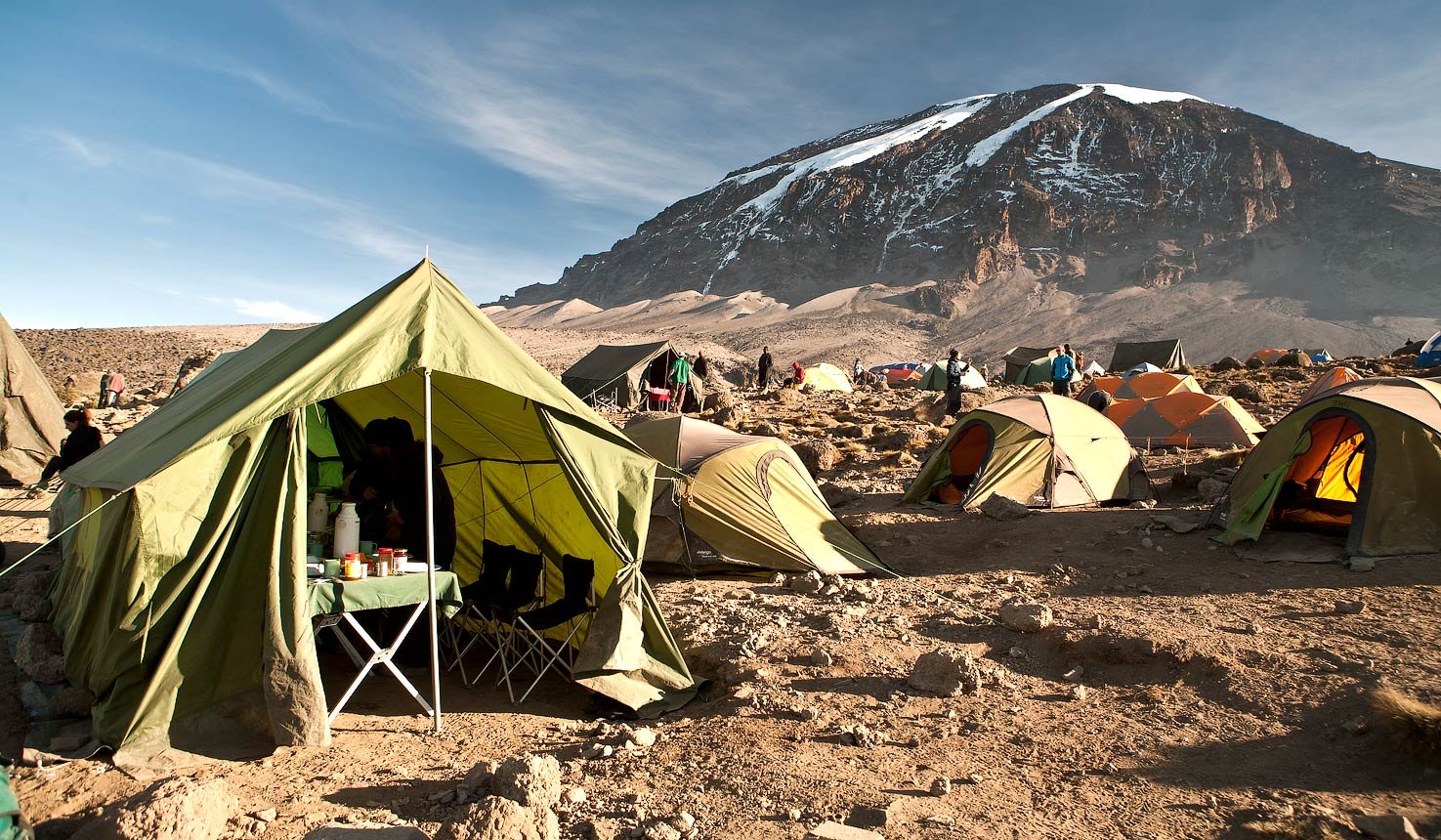
Adventure or Trekking Upgrade
Climbers who want one policy for the climb, safari and beach
Usually extends trekking cover to 6,000 metres or more
Many insurers offer an adventure or trekking upgrade that adds high-altitude walking to a standard policy. This is often a convenient option for climbers combining Kilimanjaro with a safari or Zanzibar. Check that the upgrade covers trekking up to 6,000 metres, guided climbs without ropes and emergency evacuation, and confirm the dates cover your climb.
Kilimanjaro climb and safari →
Specialist Trekking Insurance
Climbers who want the strongest cover for remote mountain trips
Designed for trekking up to 6,000 metres and beyond
Specialist trekking and mountaineering insurers design policies for high-altitude adventures, with strong evacuation, search and rescue and medical benefits. These policies suit climbers who travel to remote mountains regularly or want the most comprehensive protection available for their climb. Check whether cancellation and baggage cover are included, as some specialist policies focus mainly on medical and rescue benefits.
Kilimanjaro climbing packages →
Annual Multi-Trip Insurance
Frequent travellers taking several trips each year
Varies, often needs a trekking or adventure add-on
Annual multi-trip policies cover several trips within twelve months and can be good value for frequent travellers. However, many annual policies have trip length limits and exclude high-altitude trekking unless you add an upgrade. Check the maximum trip length, the altitude limit and whether Africa is included in your chosen region before relying on it.
Kilimanjaro FAQs →05What Affects the Cost of Kilimanjaro Travel Insurance
The cost of Kilimanjaro travel insurance varies widely, depending on your age, home country, trip length, total trip cost, cover limits and medical history. Policies that include high-altitude trekking, helicopter evacuation and high medical limits usually cost more than basic holiday cover, but they provide the protection a remote mountain climb requires. Choosing the cheapest policy without checking the altitude limit is a false saving. Good cover is a small part of your trip budget. The cards below explain the main factors that affect your premium, helping you compare quotes and choose good-value cover for your private Kilimanjaro climb.
Your Age
Age is one of the biggest factors in the cost of travel insurance, and premiums often rise for older travellers. Some policies have upper age limits for adventure activities or high-altitude trekking. If you are over 50 or 60, compare several insurers carefully, as cover and terms can vary widely between providers. Declare your age accurately when buying.
Trip Cost and Cover Limits
The total value of your trip affects the price, because higher cancellation limits cost more to insure. Higher medical and evacuation limits also increase the premium, but they are worth it for a remote mountain climb. Choose limits that match your real trip cost rather than the cheapest available option. Remember to include any safari or beach extension too.
Pre-Existing Medical Conditions
Pre-existing medical conditions can affect the price and terms of your policy. Always declare every condition and medication honestly, even if it seems minor, because undeclared conditions can lead to a claim being refused. Some insurers specialise in covering travellers with medical conditions on adventure trips. Ask your doctor to confirm you are fit to climb Kilimanjaro.
Home Country and Trip Length
Prices vary depending on where you live, because insurers and healthcare costs differ between countries. The length of your trip also matters, so a climb with a long safari and Zanzibar extension costs more to insure than a climb alone. Make sure your policy covers every day of your journey. Include travel days at both ends of your trip.
06When to Buy Kilimanjaro Travel Insurance
Timing really matters when buying Kilimanjaro travel insurance, because cancellation cover only protects your payments once the policy has started. The best time to buy is as soon as you book your climb, and your policy dates should cover every day from leaving home to returning. Before you fly, confirm your cover in writing and share your policy details with your operator and family at home. The cards below explain when to buy, how to cover your whole journey, what to confirm before travel and what to do if your health changes after you have bought your policy.
Buy Right After Booking
The best time to buy Kilimanjaro travel insurance is as soon as you book your climb and pay your deposit. This means cancellation cover starts straight away, protecting your payments if illness or another insured event stops you travelling. Waiting until just before you fly leaves those payments unprotected for weeks or months. It is a simple, sensible step.
Cover Your Whole Journey
Make sure the policy dates cover your entire journey, from leaving home to returning, including arrival nights in Moshi or Arusha, the climb, any safari or Zanzibar extension and your flights home. If your plans change, ask your insurer to update the dates, so you are never travelling without valid cover. Check the end date matches your flight home.
Confirm Cover Before You Fly
Before you travel, read your policy wording again and confirm that trekking up to 6,000 metres, emergency evacuation and all your activities are included. If anything is unclear, contact the insurer and ask for written confirmation. Then send your policy details to our team, so we can help quickly in an emergency. Keep a printed copy in your daypack.
Update After Medical Changes
If your health changes after you buy your policy, such as a new diagnosis, medication or hospital visit, tell your insurer straight away. Failing to update your declaration can affect your cover. Your insurer will confirm whether your policy still applies, and your doctor can advise whether the climb remains suitable. Keep a record of every update you make.
07How to Choose the Right Kilimanjaro Insurance Policy
Choosing the right Kilimanjaro insurance policy takes a little time, but it is well worth the effort. Reading the full policy wording, checking the exclusions, confirming the emergency assistance service and comparing several quotes helps you find cover that truly protects you on the mountain. Look beyond the price and focus on altitude limits, evacuation cover and clear terms. Our team is happy to explain the cover climbers usually need. The cards below explain how to compare policies with confidence, so you can choose reliable, good-value Kilimanjaro travel insurance for your climb and any safari or Zanzibar extension afterwards.
Read the Policy Wording
Do not rely on the summary or advert alone. Read the full policy wording, especially the sections on hazardous activities, altitude limits, evacuation and exclusions. Look for the words trekking, hiking or mountaineering, and check whether guided treks without ropes or technical equipment are included. Keep a copy of the wording with you. Ask questions before you buy.
Check the Exclusions
Exclusions explain what the policy will not cover. Common examples include trekking above a set altitude, undeclared medical conditions, alcohol-related incidents, ignoring medical advice and travelling against government advice. Understanding the exclusions helps you avoid surprises and choose a policy that genuinely protects you on your Kilimanjaro climb. If an exclusion worries you, ask the insurer for clarification.
Check the Assistance Service
A good insurer provides a 24-hour emergency assistance service that can authorise treatment and arrange evacuation quickly. Save the assistance number in your phone and write it on a card in your daypack. Check whether the insurer works with evacuation providers in Tanzania and how quickly they respond to emergency calls. Share it with your family at home too.
Compare Several Quotes
Compare at least three quotes, looking at altitude limits, evacuation and medical limits, cancellation cover, excess amounts and customer reviews, not only the price. A slightly more expensive policy with strong evacuation cover and clear wording is usually far better value than a cheap policy that excludes high-altitude trekking. Customer reviews about claims handling are especially useful.
08Recommended Travel Insurance Providers for Climbing Kilimanjaro
Many experienced Kilimanjaro climbers choose insurers that specialise in adventure travel and high-altitude trekking. World Nomads, Global Rescue and Ripcord, Rise and Shield, True Traveller, Big Cat Insurance and Campbell Irvine are popular options with travellers from the UK, the United States and many other countries. Policies, eligibility and altitude limits change over time and vary by country of residence, so always compare several quotes and read the full policy wording before buying. Foot Slopes Tours and Safaris is not affiliated with these providers, and this list is provided for general guidance only, not a guarantee of cover.
World Nomads
Travellers from many countries
Trekking, medical and evacuation options
World Nomads is a well-known travel insurer for adventurous travellers, available to residents of many countries. Its plans can include trekking, emergency medical cover and evacuation, but altitude limits and covered activities vary by plan and country of residence. Check that your chosen plan covers trekking to 6,000 metres before you buy. Plans can usually be bought online.
Kilimanjaro FAQs →Global Rescue and Ripcord
Climbers wanting strong evacuation services
Evacuation and field rescue services
Global Rescue offers membership-based medical evacuation and field rescue services, which many climbers combine with a separate travel insurance policy. Ripcord offers travel protection plans that include rescue and evacuation services, popular with travellers from the United States. Check what each plan includes, as evacuation membership alone is not full travel insurance. Many climbers use both together.
How we keep you safe →Rise and Shield
Active and adventurous travellers
Trekking, medical and evacuation options
Rise and Shield provides travel insurance designed for active and adventurous travellers, with options that can include trekking, emergency medical treatment and evacuation. As with every insurer, check the altitude limit, eligible countries of residence and the activity list carefully, and confirm in writing that a guided Kilimanjaro climb to 5,895 metres is covered. Keep written confirmation.
Kilimanjaro safety →True Traveller
UK and European residents
Trekking levels for higher altitudes
True Traveller is popular with UK and European travellers and offers trekking cover options for higher altitudes, often chosen by Kilimanjaro climbers. Cover levels and altitude limits depend on the plan and any trekking upgrade you select, so read the policy wording carefully and choose the level that covers trekking up to 6,000 metres. Declare all medical conditions.
Kilimanjaro routes →Big Cat Insurance
UK travellers combining climb and safari
Adventure and altitude activity levels
Big Cat Insurance is a UK provider offering travel insurance with cover for adventure and hazardous activities, including trekking at different altitude levels. Climbers should select the activity or altitude level that includes Kilimanjaro, declare any medical conditions and check the evacuation and medical limits before buying a policy for their climb and safari. Compare levels carefully.
Climb and safari packages →Campbell Irvine
UK and international travellers
Adventure and high-altitude trekking cover
Campbell Irvine is a long-established UK specialist offering adventure and trekking insurance, popular with UK and international travellers. Its policies are often considered by climbers who need cover for high-altitude trekking, medical treatment and evacuation. Check eligibility for your country of residence, the altitude limit and any upgrades needed for Kilimanjaro. Compare their quotes with other specialist insurers.
Medical check-up guide →09Common Kilimanjaro Insurance Mistakes to Avoid
Many climbers make simple insurance mistakes that can lead to refused claims or unprotected payments. Buying a standard policy that excludes high-altitude trekking, failing to declare medical conditions, buying too late and forgetting to cover safari or beach extensions are among the most common. Each of these mistakes is easy to avoid with a little care and attention. A few minutes of checking saves a lot of stress. The cards below explain the most common Kilimanjaro insurance mistakes and how to avoid them, so your policy protects you fully from the moment you book until you return home safely.
Buying a Standard Policy Only
The most common mistake is buying a standard holiday policy that excludes high-altitude trekking or stops at a low altitude. If you need help above that limit, your claim may be refused. Always check that your policy clearly covers trekking up to at least 6,000 metres before you travel. Adventure upgrades are often available at a modest extra cost.
Not Declaring Medical Conditions
Failing to declare a medical condition or medication, even one that seems minor, can invalidate your policy. Always answer health questions honestly and completely, and keep a record of what you declared. If you are unsure whether something counts, ask your insurer before buying, and keep written confirmation of their answer. Honesty protects your cover and your claim.
Buying Too Late
Many climbers buy insurance just before they fly, leaving their climb payments unprotected for months. If you fall ill or face a family emergency before then, you may lose non-refundable costs. Buying immediately after booking gives you cancellation cover from the start and greater peace of mind throughout your preparation. Make insurance part of your booking routine.
Forgetting the Safari and Beach
Some climbers insure the climb but forget their safari, Zanzibar extension or extra nights in Arusha. Make sure your policy covers every activity and every day of your trip, including game drives, beach activities and any water sports you plan, so you are protected from your first day to your last. One clear policy is easiest to manage.
10Emergencies and Insurance Claims on Kilimanjaro
Serious emergencies on Kilimanjaro are uncommon with good preparation and experienced guides, but knowing how they are handled gives you peace of mind. Our guides monitor every climber daily, and the first response to serious illness is usually immediate descent, followed by evacuation where needed. Your insurance pays for evacuation and treatment, so contacting your insurer early and keeping good records is absolutely essential. The four cards below explain how emergencies are handled, when to contact your insurer, which documents to keep for a claim and why you should share your policy details with us before your climb begins.
How Emergencies Are Handled
Our guides are trained in mountain first aid and monitor every climber's health daily. If a climber becomes seriously ill, the first response is usually immediate descent, supported by our crew. Where needed, we coordinate evacuation by stretcher, vehicle or helicopter to a hospital in Moshi or Arusha, working with your insurer throughout. Your safety always comes first.
Contact Your Insurer Early
In an emergency, your insurer's assistance team should be contacted as soon as possible, ideally before major treatment or evacuation, unless urgent care cannot wait. Our team can help make the call. Many insurers need to authorise costs in advance, so early contact helps your claim run smoothly. Keep your phone charged and the assistance number saved.
Keep Records and Receipts
Keep copies of all medical reports, doctor's notes, receipts, invoices and evacuation records, plus a written account of what happened. If your trip is cancelled or cut short, keep booking confirmations and proof of payment. Detailed records make it much easier to submit a complete claim when you return home. Submit your claim as soon as possible.
Share Your Policy Details
Before your climb, send our team your insurer's name, policy number and 24-hour assistance number, and carry the same details in your daypack. This allows your guides and our office to contact your insurer immediately in an emergency, saving valuable time when every minute matters on the mountain. Your family should also have a copy of these details.
Kilimanjaro Planning and Safety Guides
11Kilimanjaro Travel Insurance FAQs
Do I need travel insurance to climb Kilimanjaro?
Yes. You need cover for trekking up to 6,000 metres, emergency evacuation, medical treatment, repatriation and cancellation.
What altitude should my insurance cover for Kilimanjaro?
At least 6,000 metres, because Uhuru Peak stands at 5,895 metres. Many standard policies stop well below this altitude.
Does standard travel insurance cover Kilimanjaro?
Often not. Many standard policies exclude high-altitude trekking, so check the altitude limit or add a trekking upgrade.
Does travel insurance cover helicopter rescue on Kilimanjaro?
Good policies include emergency evacuation and helicopter rescue. Check the wording and limit before you buy.
Does insurance cover altitude sickness?
Most suitable policies cover treatment and evacuation for altitude sickness, provided your altitude and activity are covered.
How much does Kilimanjaro travel insurance cost?
It varies with your age, home country, trip length, trip cost and cover limits. Compare several quotes carefully.
When should I buy Kilimanjaro travel insurance?
As soon as you book your climb, so cancellation cover protects your payments from the start.
Does my insurance need to cover my safari too?
Yes. Make sure your policy covers every activity and every day, including safaris, Zanzibar and extra nights.
Do I need to declare medical conditions?
Yes. Declare every condition and medication honestly, because undeclared conditions can invalidate your policy.
Is there an age limit for Kilimanjaro insurance?
Some insurers set age limits for trekking, and premiums often rise with age. Compare insurers if you are older.
Which insurance companies cover Kilimanjaro?
Popular options include World Nomads, True Traveller, Big Cat, Campbell Irvine, Rise and Shield, Ripcord and Global Rescue.
Do tour operators require insurance for Kilimanjaro?
Responsible operators ask climbers to hold suitable insurance, and we ask for your policy details when you book.
What documents should I carry on the climb?
Carry your policy number, 24-hour assistance number and a copy of your policy wording in your daypack.
What happens in an emergency on Kilimanjaro?
The first response is usually descent. Evacuation and hospital care are arranged where needed, working with your insurer.
Plan Further: Kilimanjaro Climbs
Climb Kilimanjaro
Popular Routes
Plan Your Private Kilimanjaro Climb
Tell us your travel dates and experience, and our local team will plan a private tailor-made Kilimanjaro climb with the right route for acclimatisation, experienced guides, daily health checks and clear guidance on the insurance cover you need.
Book Now Online →What Our Travelers Say
Real 5-star reviews from guests who traveled with us