Is an African Safari Worth It? What You Need to Know
Is an African safari worth it? For most travelers, the answer is a resounding yes. Watching lions on the Serengeti plains, elephants beneath baobab trees or a million wildebeest on the move creates memories that last a lifetime. However, a safari is a significant investment of time and money, so it is worth understanding what you get, what it costs and how to choose wisely. This guide explains why a safari is worth it, the factors to consider before booking and how to get the best value, focusing on private tailor-made safaris in Tanzania, one of Africa's finest wildlife destinations.
Quick Answer: Is an African Safari Worth It?
Yes, an African safari is worth it for most travelers. It offers close encounters with lions, elephants and the Great Migration, expert guiding, stunning landscapes and unique cultural experiences. A private Tanzania safari costs about US$250 to 2,500+ per person per day, so choosing the right season, length and comfort level ensures excellent value for money.
01Why an African Safari Is Worth It
An African safari is unlike any other holiday. Instead of sightseeing from behind glass, you spend your days in wild landscapes, watching animals behave naturally in their own environment, guided by experts who understand every track and call. Many travelers describe it as life-changing, and a large number return to Africa again. The value goes far beyond wildlife sightings, including reconnection with nature, cultural encounters and time together away from screens. These six reasons explain why an African safari is worth it and what makes the experience so special and memorable for so many people around the world.
Unforgettable wildlife encounters
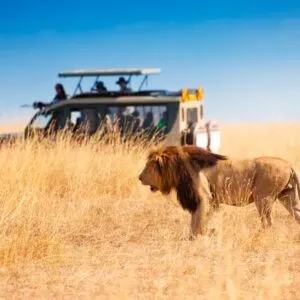
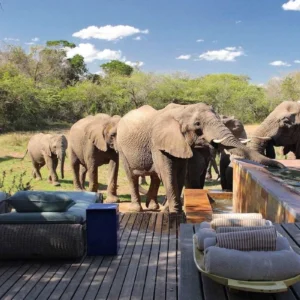
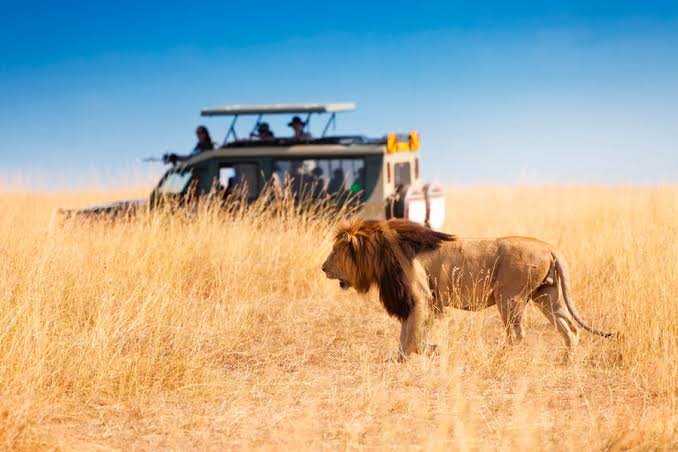
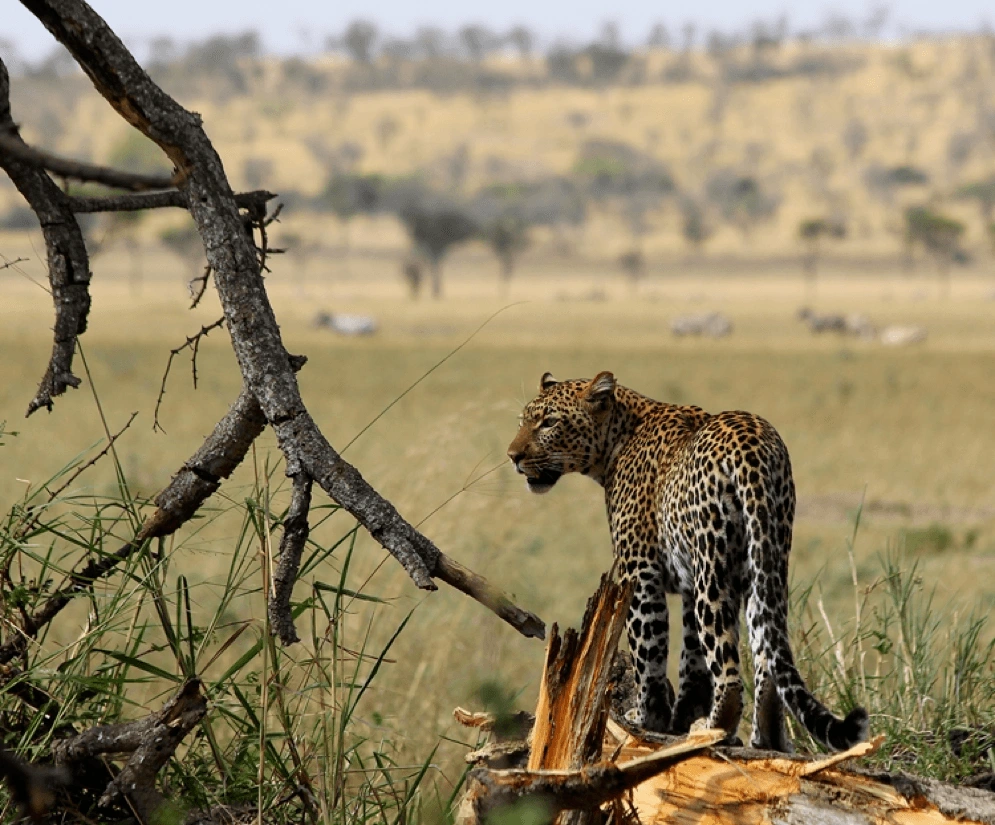
Nothing compares to seeing a lion pride resting in the morning sun, a leopard draped over a branch or elephants crossing in front of your vehicle. In Tanzania, you can see the Big Five, cheetahs, giraffes, hippos and hundreds of bird species. Every game drive is different, and each sighting feels personal and thrilling. Memories last forever.
The Great Migration
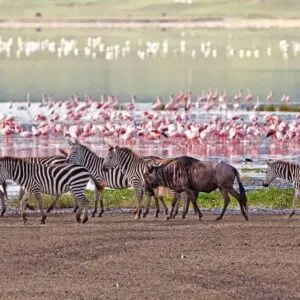
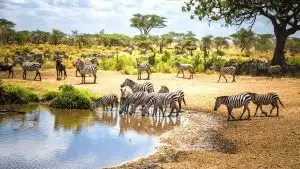
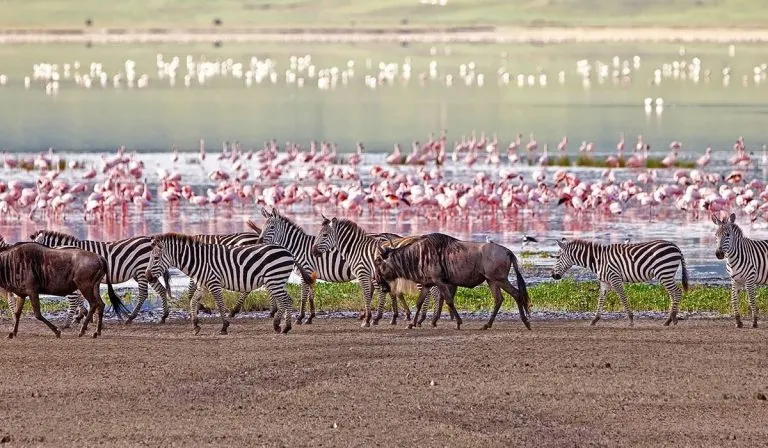
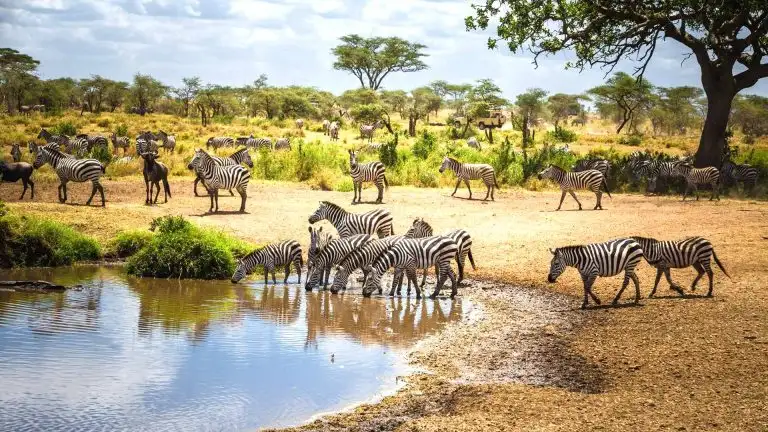
Witnessing the Great Wildebeest Migration is one of the world's ultimate travel experiences. More than a million wildebeest, with zebras and gazelles, move through the Serengeti year-round, calving in the south early in the year and crossing the Mara River from July to October. Seeing this natural wonder alone makes a Tanzania safari worthwhile for many travelers.
Expert guiding
A professional safari guide transforms your trip, tracking animals, explaining behaviour and finding sightings you would never spot alone. On a private safari, your guide tailors each day to your interests, from photography to birdwatching. Their knowledge of wildlife, landscapes and local culture turns every game drive into a fascinating, educational and unforgettable experience. Guides make the safari.
Reconnecting with nature
A safari takes you far from busy cities, emails and screens. Waking to birdsong, watching sunsets over the savannah and falling asleep to the sounds of the bush create a deep sense of calm. Many travelers say a safari restores their energy and perspective, offering wellness benefits that last long after they return home. It is truly restorative.
Cultural experiences
Meeting the Maasai, visiting Hadzabe hunter-gatherers near Lake Eyasi or exploring Stone Town on Zanzibar adds depth and meaning to your safari. These respectful, community-based encounters offer genuine insight into traditional ways of life and support local people directly. Many travelers find these cultural moments as memorable as their wildlife sightings. Always travel respectfully and ask before photographing.
Supporting conservation
Safari tourism is one of the main sources of funding for wildlife conservation in Africa. Park and conservation fees help protect habitats, pay rangers and support anti-poaching work, while lodges and operators create jobs for local communities. By choosing a responsible safari, you directly contribute to protecting Africa's wildlife for future generations. Your trip has real impact.
02Things to Consider Before Booking a Safari
While a safari is worth it for most travelers, it is not the right fit for everyone, and a little honest planning helps you avoid disappointment. Safaris involve early mornings, long days in a vehicle, remote locations and a significant budget, and they usually require vaccinations, visas and long-haul flights. Understanding these realities in advance lets you choose the right itinerary, pace and comfort level for you. These four key considerations explain what to think about before booking, so you can be confident that your African safari will be both enjoyable and excellent value for money. Ask us anything.
The cost
A safari is a significant investment because of park fees, remote logistics, specialist vehicles and expert guides. A private Tanzania safari costs about US$250 to 390 per person per day for camping, US$550 to 990 for mid-range lodges and US$990 to 2,500 or more for luxury. Most prices are all-inclusive, covering accommodation, meals, guiding and fees.
Time and pace
Safaris start early, often before sunrise, because wildlife is most active in the cool morning and late afternoon. Days can include several hours of driving on bumpy roads between parks. Allow at least seven to ten days to avoid rushing, and build in rest time or a beach stay. A private safari lets you set your own pace.
Health and travel requirements
Most visitors need a visa for Tanzania, and many safari areas carry a malaria risk, so speak to a travel doctor about vaccinations and antimalarials several weeks before you travel. Comprehensive travel insurance is strongly recommended. Long-haul flights are usually needed to reach Kilimanjaro International Airport, so plan for jet lag on arrival. A rest day helps.
Weather and expectations
Wildlife is wild, so sightings are never guaranteed, and weather can affect road conditions and game viewing. The dry season from June to October offers the easiest viewing, while the green season brings rain, lush scenery and lower rates. Setting realistic expectations and travelling with an experienced guide helps you enjoy every moment, whatever you see.
03How to Get the Best Value From Your Safari
Getting real value from an African safari is not about finding the cheapest price, but about making every day and every dollar count. The right season, itinerary length, camp location and guide make a far bigger difference to your experience than small savings on accommodation. Spending wisely on what matters most, and saving where it matters less, delivers a richer and more rewarding trip. These four practical tips explain how to maximise value on a private Tanzania safari, helping you enjoy exceptional wildlife, comfort and service within your budget. Our specialists can help you balance every choice carefully.
Travel in shoulder or green season
Travelling in the green season from April to May, or shoulder months such as November and early June, can offer lower rates, fewer vehicles and lush landscapes. January to March combines good value with the calving season. Wildlife remains excellent in most parks, making these periods ideal for value-conscious travelers and photographers. Ask about seasonal rates.
Choose fewer parks, longer stays
Spending more nights in fewer parks reduces long driving days and gives you more time with wildlife. Three or four nights in the Serengeti, with stops at Tarangire and the Ngorongoro Crater, often delivers better value than rushing between five or six parks. A slower pace also means more relaxed game drives and better photography. Quality beats quantity.
Spend on location
Camp location matters more than luxury extras. A well-located mid-range camp near the migration often gives better wildlife viewing than a luxury lodge far from the action. If your budget allows one upgrade, choose a luxury camp in the Serengeti, and stay at comfortable mid-range lodges elsewhere for a balanced, excellent-value hybrid itinerary. This approach works beautifully.
Book with a local operator
Booking directly with a reputable local operator in Tanzania gives you expert local knowledge, professional guides and transparent pricing without unnecessary middlemen. A local team can recommend the right season, parks and camps for your budget, respond quickly to questions and support you throughout your trip. Always compare inclusions and check reviews carefully before booking. It pays off.
04Is a Safari Right for You? Checklist
Use this checklist to decide whether an African safari is right for you and how to make it worthwhile. Start by identifying your must-see experiences, such as the Great Migration, the Big Five or a beach extension, then choose your travel season and budget. Allow enough days to travel at a relaxed pace, and focus spending on camp location and guiding. Finally, arrange visas, health advice and travel insurance early. When you are ready, our Arusha-based specialists will design a private tailor-made Tanzania safari that delivers exceptional experiences and real value for your investment, with clear, all-inclusive pricing.
Decide0/4
Prioritise0/4
Prepare0/4
05Is an African Safari Worth It: FAQs
Is an African safari worth the money?
For most travelers, yes. An African safari includes accommodation, meals, park fees, a professional guide and private vehicle, plus unforgettable wildlife encounters you cannot experience anywhere else. The memories, photographs and sense of connection with nature last a lifetime. Choosing the right season, length and comfort level ensures your safari delivers excellent value for your budget.
Why are African safaris so expensive?
African safaris are expensive because of high park and conservation fees, remote locations that require complex logistics, specialist 4x4 vehicles, professional guides and limited accommodation in prime wildlife areas. Many camps are small and rely on long supply routes in remote areas. These costs fund conservation and local jobs, and most safari prices are all-inclusive, covering most expenses.
How much does an African safari cost?
A private safari in Tanzania costs about US$250 to 390 per person per day for camping, US$550 to 990 for mid-range lodges and US$990 to 2,500 or more for luxury camps and lodges. Total cost depends on the number of days, season, parks, accommodation and whether you fly between parks. International flights are usually extra. Ask us for a quote.
Which country is best for a first African safari?
Tanzania is one of the best countries for a first African safari, thanks to the Serengeti, the Ngorongoro Crater, the Great Migration and easy combinations with Zanzibar or Kilimanjaro. The classic northern circuit is easy to travel by road from Arusha. Kenya, Botswana and South Africa are also excellent, each with different strengths and styles for first-timers.
Is a safari worth it with children?
Yes. A family safari is an incredible, educational experience that children remember for life. A private safari lets you adjust game drive lengths, take breaks and choose family-friendly lodges with pools. Children aged around six and above usually enjoy safaris most, and some camps offer junior ranger activities. Some camps have minimum age policies, so check first.
Is a safari worth it for seniors?
Yes. Safaris are ideal for seniors because most wildlife viewing takes place from a comfortable vehicle, with no strenuous walking required. A private safari allows a relaxed pace, shorter driving days and comfortable lodges. Fly-in options reduce long road journeys. With good planning, seniors can enjoy every highlight, from the Ngorongoro Crater to the Serengeti.
Is it worth going on safari in the rainy season?
Yes, for many travelers. The green season from April to May offers lower rates, lush landscapes, dramatic skies and far fewer vehicles, with wildlife still easy to see in the Ngorongoro Crater and central Serengeti. The short rains in November are usually brief showers. Some camps close in April and May, and roads can be muddy.
Is a luxury safari worth the extra cost?
A luxury safari is worth it if camp location, privacy, exceptional service and comfort matter to you. Luxury camps are often closer to the wildlife, with fewer vehicles and gourmet dining. For many travelers, a hybrid itinerary combining mid-range lodges with one luxury Serengeti camp offers the best balance of experience, value and comfort overall.
Will I definitely see the Big Five?
Sightings are never guaranteed, because wildlife is wild. However, Tanzania offers excellent chances of seeing the Big Five, especially when you combine the Serengeti for lions and leopards, Tarangire for elephants and the Ngorongoro Crater for buffalo and black rhinos. An experienced private guide and enough days greatly improve your chances of success. Leopards are the hardest to find.
How long should a safari be?
A safari of seven to ten days is ideal for most first-time visitors, allowing time for Tarangire, the Ngorongoro Crater and three or four nights in the Serengeti without rushing. Shorter trips of four to five days are possible but involve more driving. Add three to five days on Zanzibar for a relaxing end to your trip.
Is a private safari worth it?
Yes. A private safari gives you your own guide and 4x4 vehicle, so you decide when to start, how long to stay at sightings and when to return to camp. It is ideal for photographers, families and couples who want flexibility, and it creates a more personal, relaxed experience. Every itinerary is tailored to your interests.
Is a safari ever boring?
Most travelers find a safari endlessly exciting, but some periods involve driving between parks or waiting quietly at sightings. These moments are part of the experience, often rewarded with sudden action such as a hunt or river crossing. Mixing game drives with walks, cultural visits, balloon flights or a beach stay keeps every day varied and memorable.
Is an African safari safe?
Yes, an African safari is generally safe when you travel with a reputable, licensed operator and follow your guide's instructions. Stay inside the vehicle on game drives, keep a respectful distance from wildlife and be escorted around unfenced camps at night. Take normal travel precautions in cities, and arrange travel insurance before you leave home.
How do I book a safari that is worth it?
Contact our Arusha-based specialists with your dates, interests and budget. We will recommend the best season, parks and camps for you, then design a private tailor-made Tanzania safari with an expert guide, private 4x4 vehicle and transparent, all-inclusive pricing. We focus on value, location and guiding, so every day of your safari counts. Book early for peak months.
Safari Value and Planning Guides
Book a Private Tanzania Safari
Make Your African Safari Worth Every Moment
Tell us your dates, interests and budget, and our Arusha-based specialists will design a private tailor-made Tanzania safari focused on the right season, well-located camps and expert guiding, with transparent, all-inclusive pricing and no surprises.
Book Now Online →What Our Travelers Say
Real 5-star reviews from guests who traveled with us