Tanzania Safari Routes and Distances
Tanzania Safari Routes and Distances
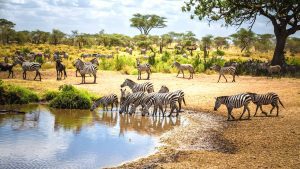
Tanzania Safari Routes and Distances are among the most popular travel topics for visitors planning a wildlife adventure in East Africa. Understanding the best Tanzania safari circuits, driving distances, travel times, and park connections is essential for a smooth and well-planned safari experience. Most Tanzania safaris begin in Arusha or Kilimanjaro International Airport, leading to world-famous destinations such as Serengeti National Park, Ngorongoro Crater, Tarangire National Park, and Lake Manyara National Park. These Northern Circuit safari routes offer incredible wildlife encounters, including the Big Five, Great Migration, and breathtaking landscapes. Knowing safari travel times helps travelers choose between road safaris and fly-in safaris while optimizing time, cost, and comfort.
Arusha to Tarangire National Park Route
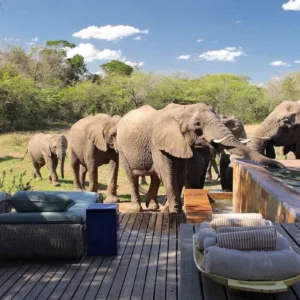
The Arusha to Tarangire National Park route is one of the shortest and most popular safari drives in northern Tanzania. Covering approximately 110–120 km, the journey takes about 2 to 2.5 hours depending on road and weather conditions. This scenic route passes through Maasai villages and open savannah landscapes before entering Tarangire, famous for its massive elephant herds and iconic baobab trees. It is often the first stop on many Tanzania safari itineraries due to its proximity to Arusha. Travelers enjoy smooth tarmac roads before reaching the park entrance, where game drives begin immediately. This route is ideal for short safaris, weekend trips, and family-friendly wildlife tours.
- ArushaGateway
- TarangireElephants
- NgorongoroCrater
- SerengetiBig Five
- ZanzibarBeach
Arusha to Lake Manyara National Park Route
The Arusha to Lake Manyara route covers around 125 km and takes approximately 2 to 3 hours. This scenic drive passes through the vibrant town of Mto wa Mbu, known for cultural tourism and local markets. Lake Manyara National Park is famous for tree-climbing lions, flamingos, and lush groundwater forests. The route is part of the classic Tanzania safari circuit and is often combined with Tarangire and Ngorongoro Crater. Travelers experience changing landscapes from open plains to lush escarpments of the Great Rift Valley. This route is suitable for both budget and luxury safaris, offering excellent wildlife viewing within a short travel distance from Arusha.
Arusha to Ngorongoro Conservation Area Route
The Arusha to Ngorongoro route is approximately 180–190 km, taking 3.5 to 4 hours by road. This is one of the most scenic Tanzania safari routes, passing through coffee plantations, highlands, and Maasai grazing lands. The highlight is the descent into the Ngorongoro Crater, a UNESCO World Heritage Site and one of Africa’s top wildlife destinations. Travelers often spot the Big Five in a single game drive. This route is a key part of the Northern Safari Circuit and is commonly included in 3-day to 7-day Tanzania safari itineraries. It offers a perfect blend of scenery, culture, and wildlife in a relatively short travel distance.
Arusha to Serengeti National Park Route
The Arusha to Serengeti route is one of the longest but most rewarding safari journeys in Tanzania. The distance ranges between 325 and 370 km, depending on entry gates, with a driving time of 6 to 8 hours. This route passes through Ngorongoro Highlands before entering the endless plains of Serengeti National Park. Serengeti is world-famous for the Great Migration, big cats, and vast savannah ecosystems. Many travelers prefer fly-in safaris to reduce travel time, but road safaris offer stunning scenic transitions. This route is essential for multi-day safari itineraries and is the backbone of Tanzania’s Northern Circuit.
Tarangire to Ngorongoro Route
The Tarangire to Ngorongoro safari route is one of the most popular Tanzania safari circuits, connecting two iconic wildlife destinations in northern Tanzania. The distance is approximately 150 km, taking around 2 to 3 hours by 4x4 safari vehicle via the scenic Mto wa Mbu and Karatu highlands. This route is part of the famous Northern Tanzania safari circuit, known for Big Five safaris, wildlife photography, and luxury safari itineraries. Travelers enjoy views of Maasai villages, Great Rift Valley landscapes, and open savannahs. The road is mostly paved with short gravel sections near the Ngorongoro Conservation Area. This route is ideal for combined Tanzania safari packages including Tarangire elephants and Ngorongoro Crater wildlife experiences, making it perfect for Tanzania safari tours, family safaris, and private guided expeditions.
Lake Manyara to Serengeti Route
The Lake Manyara to Serengeti route is a key Tanzania safari travel corridor linking lush forests with the endless plains of Serengeti National Park. The distance is about 210 km, taking 5 to 7 hours depending on wildlife stops and road conditions. The route passes through the Ngorongoro Conservation Area, offering breathtaking crater viewpoints and wildlife photography opportunities. It is a major part of the Serengeti migration safari route, used in many luxury and budget Tanzania safari itineraries. Travelers experience dramatic landscape transitions from Rift Valley escarpments to vast savannah plains. This route is ideal for Great Migration safaris, Big Cats sightings, and overland Tanzania safari adventures, making it one of the most scenic safari routes in East Africa.
Arusha to Central Serengeti Route
The Arusha to Central Serengeti route is the backbone of Tanzania safari travel, connecting the safari capital Arusha with Serengeti National Park. The distance is approximately 325 km, taking 6 to 8 hours by road or 1 hour by flight via Seronera Airstrip. This route passes through Lake Manyara, the Ngorongoro Highlands, and endless plains rich in wildlife. It is widely used in Serengeti safari packages, luxury lodge safaris, Tanzania big five safari, and wildlife photography tours. The journey includes scenic stops and game viewing en route, especially within the Ngorongoro Conservation Area. Central Serengeti is famous for the Big Five animals, predators, and year-round game viewing. This makes the route essential for Tanzania safari itineraries, fly-in safaris, and premium wildlife adventures.
Ngorongoro to Serengeti Route
The Ngorongoro to Serengeti route is a legendary safari path in northern Tanzania, connecting the Ngorongoro Crater highlands with the vast Serengeti plains. The distance is about 160 km, taking 3 to 4 hours depending on stops and road conditions. This route passes through the Ngorongoro Conservation Area, offering spectacular views of wildlife, Maasai communities, and volcanic landscapes. It is one of the most important safari transfer routes for Tanzania wildlife safaris and Great Migration tours. Travelers often spot zebras, wildebeests, and giraffes along the way. The route is commonly used in multi-day Tanzania safari packages combining Ngorongoro Crater game drives with Serengeti National Park Safari adventures, making it ideal for luxury African safaris, budget African safaris, and private guided African Safari tours.
Tarangire to Serengeti Route
The Tarangire to Serengeti route is a long-distance safari connection linking elephant-rich Tarangire National Park with the world-famous Serengeti ecosystem. The distance is approximately 300 km, taking 6 to 7 hours via the Ngorongoro Conservation Area. This route is part of the classic Northern Tanzania safari circuit and is widely used in multi-park safari itineraries. Travelers enjoy scenic drives through Maasai lands, volcanic highlands, and endless savannah plains. It is ideal for Big Five safaris, Great Migration tours, and luxury Tanzania safari packages. Wildlife sightings may occur en route, especially near Ndutu and Ngorongoro areas. This route is perfect for adventure seekers, photographers, and travelers seeking immersive African safari experiences across Tanzania’s top national parks.
Arusha to Kilimanjaro Airport Route
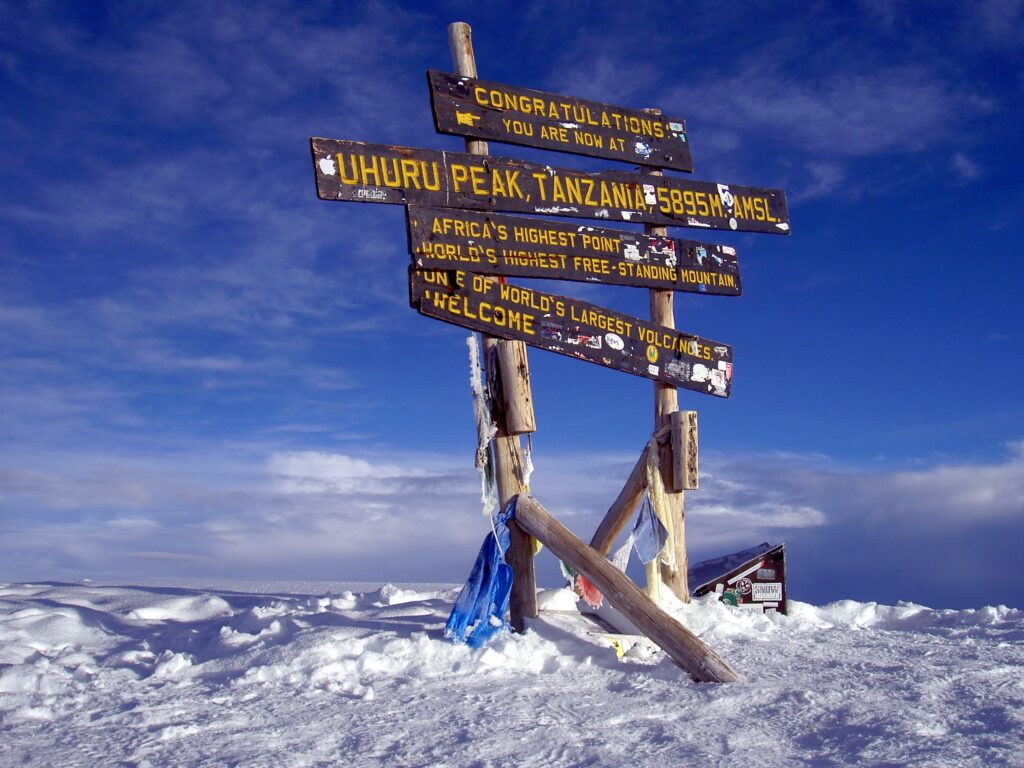
The Arusha to Kilimanjaro International Airport (JRO) route is the main gateway transfer for Tanzania safaris. The distance is about 50 km, taking 45 minutes to 1 hour depending on traffic. This route connects safari travelers to Arusha city hotels, safari lodges, and Kilimanjaro climbing expeditions. It is commonly used in Tanzania safari packages, airport transfers, and tour operator logistics. The road is fully paved and passes through small towns and scenic landscapes of the Mount Meru region. This route is essential for international travelers arriving for Serengeti safaris, Ngorongoro Crater tours, and Mount Kilimanjaro trekking. It is one of the most important and frequently used safari transport routes in northern Tanzania.
- Kilimanjaro Airport (JRO)Arrival
- MoshiAbout 45 min
- ArushaAbout 1 hour
- Safari parksNorthern Circuit
Serengeti Internal Safari Routes
Serengeti internal safari routes connect key wildlife regions such as Central Serengeti (Seronera), Northern Serengeti (Mara River), and Western Corridor. Distances vary from 80 km to 200 km depending on movement. These routes are used for Great Wildebeest Migration safaris, predator tracking, and photography tours. Roads are mostly gravel and require 4x4 safari vehicles. Travel time ranges from 2 to 6 hours, depending on game drives. Internal routes allow visitors to follow seasonal wildlife movement, including river crossings and predator-prey interactions. These routes are essential for luxury mobile camping safaris, budget safari tours, and fly-in Serengeti experiences. They offer some of the best Big Cats sightings in Africa, making Serengeti internal routes a highlight of Tanzania safari itineraries.
Ngorongoro to Lake Eyasi Route
The Ngorongoro to Lake Eyasi route is a cultural safari connection in northern Tanzania, covering approximately 90 km in about 2 hours. This scenic route descends from the Ngorongoro highlands into the Rift Valley floor. Lake Eyasi is famous for the Hadzabe and Datoga tribes, making it a top destination for cultural safari experiences in Tanzania. The road includes gravel sections and passes through rural landscapes, salt lakes, and traditional villages. This route is popular in cultural safari packages, anthropology tours, and off-the-beaten-path Tanzania itineraries. It offers a unique contrast to wildlife safaris, focusing on indigenous culture and traditional hunter-gatherer lifestyles. It is ideal for travelers seeking authentic cultural encounters alongside Big Five safari experiences.
Arusha to Lake Natron Route
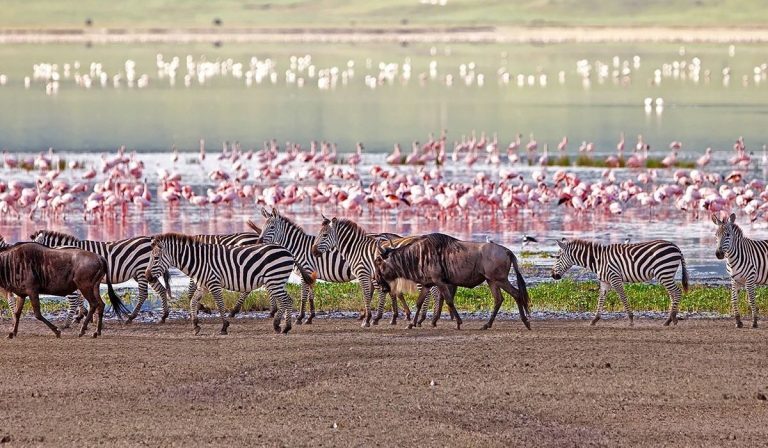
The Arusha to Lake Natron route is an adventurous safari drive covering about 240 km in 4 to 6 hours. This remote route passes through Maasai lands, volcanic terrain, and Rift Valley escarpments. Lake Natron is known for flamingos, Ol Doinyo Lengai volcano, and surreal red salt flats. The road is rough and requires a 4x4 safari vehicle, making it ideal for adventure safari tours and off-the-beaten-path Tanzania travel. This route is often included in northern circuit safari extensions and photography safaris. Travelers experience dramatic scenery and cultural encounters with Maasai communities. It is one of the most scenic yet least crowded safari routes in Tanzania, perfect for nature lovers and explorers.
Arusha to Mkomazi National Park Route
The Arusha to Mkomazi National Park route covers approximately 120 km to 150 km, taking 3 to 4 hours depending on road conditions. This lesser-known safari route leads to one of Tanzania’s hidden gems, famous for black rhino conservation and African wild dog sanctuaries. The road passes through semi-arid landscapes, villages, and the foothills of the Pare Mountains. It is ideal for conservation-focused safaris, wildlife research tours, and offbeat Tanzania safari itineraries. Mkomazi offers unique wildlife experiences away from crowded parks, making it perfect for eco-tourism and private safari adventures. This route is gaining popularity among travelers seeking exclusive and quiet safari destinations in Tanzania.
Serengeti to Lake Victoria Route
The Serengeti to Lake Victoria route connects the northern Serengeti ecosystem with Africa’s largest lake. The distance is approximately 200 km, taking 4 to 6 hours depending on entry points. This route passes through remote wilderness areas and rural fishing communities. It is often used in extended Tanzania safari circuits combining wildlife and cultural experiences. Lake Victoria offers birdwatching, fishing villages, and relaxation after safari adventures. This route is ideal for travelers continuing into western Tanzania safari circuits or cross-border trips to Uganda or Kenya. It provides a unique blend of savannah wildlife and freshwater ecosystems, making it a diverse safari extension route.
Arusha to Arusha National Park Route
The Arusha to Arusha National Park route is a short safari drive of about 25 km to 40 km, taking 30 minutes to 1 hour. This is one of the easiest Tanzania safari routes, ideal for day trips and short wildlife tours. The park features Mount Meru, Momella Lakes, and rich wildlife, including giraffes, colobus monkeys, and buffalo. The route is fully paved and suitable for all travelers. It is commonly included in Tanzania budget safaris, Tanzania family safari tours, and pre-Kilimanjaro trekking excursions. This route is perfect for quick wildlife experiences near Arusha city.
Ngorongoro to Tarangire Route via Karatu
The Ngorongoro to Tarangire route via Karatu covers about 150 km and takes 3 to 4 hours. This scenic route passes through Karatu highlands, coffee plantations, and rural villages. It is widely used in Tanzania safari circuits connecting Ngorongoro Crater and Tarangire National Park. Travelers enjoy beautiful landscapes and occasional wildlife sightings along the way. The road is mostly paved, making it suitable for all Tanzania safari types, including luxury tours, family safaris, and individual private customized safaris. This route is essential for multi-park safari itineraries in northern Tanzania.
Serengeti to Ndutu Plains Route
The Serengeti to Ndutu Plains route covers approximately 80 km to 150 km, depending on the starting points. It takes 2 to 4 hours through wildlife-rich savannahs. Ndutu is famous for the Great Migration calving season and predator activity. This route is used in seasonal safari itineraries between December and March. It is ideal for photography safaris, wildlife documentaries, and luxury mobile camps. The route passes through southern Serengeti ecosystems and offers excellent game viewing opportunities.
Arusha to Southern Tanzania (Ruaha/Nyerere) Route
The Arusha to Southern Tanzania route is a long-distance safari journey covering 800 km to 1,000+ km depending on the destination. Travel is usually done by domestic flight (1.5–2 hours) or a multi-day road safari. This route connects to Ruaha National Park and Nyerere National Park (Selous), known for remote wilderness and fewer tourists. It is ideal for luxury fly-in safaris, exclusive wildlife experiences, and off-grid safari adventures. The southern circuit offers large elephant herds, predators, and untouched landscapes. This route is perfect for experienced safari travelers seeking remote and less crowded safari destinations in Tanzania.
Fly-In Safari Routes in Tanzania (Arusha, Serengeti, Ngorongoro & Zanzibar Connections)
Fly-in Tanzania safari routes are among the most popular luxury safari Tanzania experiences, offering fast access between major parks such as Serengeti National Park, Ngorongoro Conservation Area, and Zanzibar Island. Flights from Arusha or Kilimanjaro Airport to Serengeti airstrips like Seronera take about 1–2 hours, compared to 6–8 hours by road. These fly-in safari Tanzania packages reduce travel fatigue and maximize game drive time. Popular routes include Arusha–Serengeti, Serengeti–Zanzibar, and Kilimanjaro–Tarangire combinations. Fly-in safaris are ideal for honeymoon safaris, luxury travelers, and photographers seeking efficient wildlife access and scenic aerial views of the Great Rift Valley.
- White-sand beaches
- Stone Town
- Spice tours
- Dhow cruises
- Snorkelling & diving
Safari Circuit Overview (Northern Route Loop, Tanzania)
The Northern Tanzania safari circuit is the most famous wildlife route in Africa, forming a classic loop between Arusha, Tarangire, Lake Manyara, Ngorongoro Crater, and Serengeti National Park. Distances are relatively short, making it ideal for Tanzania safari itineraries of 5–10 days. Arusha to Tarangire is about 120 km (2–3 hours), Tarangire to Ngorongoro is around 155 km (3–4 hours), and Ngorongoro to Serengeti is 145–200 km, depending on the entry gate (4–6 hours). This loop is highly recommended for Big Five safari Tanzania experiences, wildlife photography, and first-time visitors seeking the best Tanzania safari routes and game drive circuits.
Best Road Conditions for Safari Routes in Tanzania
Road conditions across Tanzania safari routes vary depending on the season and park location. The Northern Circuit safari roads are generally well-maintained gravel and murram roads, especially between Arusha, Tarangire, and Ngorongoro. However, Serengeti roads can become rough and dusty during the dry season and muddy during the rainy season (March–May). A 4x4 safari jeep is essential for all Tanzania wildlife safari routes, ensuring safety and comfort. Main highways between cities like Arusha and Karatu are paved, while park interior routes are rugged, enhancing the authentic African safari adventure experience.
Best Time for Tanzania Safari Routes
The best time for Tanzania safari routes and wildlife viewing is during the dry season from June to October, when animals gather around water sources, making game viewing easier. This is also the peak period for the Great Wildebeest Migration in Serengeti National Park. December to March is ideal for calving season in the southern Serengeti and Ndutu, attracting predators and dramatic wildlife action. The wet season (April–May) offers lush green landscapes, fewer tourists, and discounted safari packages, but we don't recommend traveling due to heavy rainfall. Each season affects travel distances and road conditions, making timing essential for planning the perfect Tanzania safari itinerary.
Tanzania Safari Route Planning Tips
When planning Tanzania safari routes and distances, always consider travel time, park entry points, and seasonal wildlife movements. Avoid overloading itineraries—long distances such as Arusha to Central Serengeti can take 6–7 hours. The best strategy is to combine nearby parks like Tarangire, Ngorongoro, and Lake Manyara before heading to Serengeti. Booking with a trusted Tanzania safari tour operator ensures efficient routing, park fee management, and expert guiding. Always plan early for peak seasons and prioritize fewer destinations for deeper wildlife experiences rather than rushed travel schedules.
Budget vs Luxury Safari Route Choices in Tanzania
Budget and luxury Tanzania safari routes differ mainly in transport style, accommodation, and travel speed. Budget Tanzania safaris typically use road transfers, public-style camps, and shared itineraries along the Northern Circuit. Luxury high-end premium Tanzania safari packages often include fly-in routes, private 4x4 vehicles, and high-end lodges in Serengeti and Ngorongoro. Budget travelers may spend more time on road distances, while luxury travelers reduce travel hours significantly. Both options cover key best premium Tanzania Safari destinations like Serengeti National Park and Ngorongoro Crater, but luxury safaris offer faster routes, personalized itineraries, and premium comfort for a high-end African safari experience.
- Accommodation
- Meals
- Park fees
- Vehicle & guide
- Transfers
- International flights
- Visas
- Travel insurance
- Tips
- Premium drinks
Final Thought
Tanzania safari routes and distances define the true adventure of East African travel. From short scenic drives around Arusha to long cross-park journeys connecting Serengeti, Ngorongoro, and Tarangire, each route offers unique wildlife, landscapes, and cultural experiences. Understanding these safari routes helps travelers plan better African Safari itineraries, reduce travel fatigue, and maximize game viewing time. Whether it is a luxury Tanzania safari, a Tanzania budget safari, a Tanzania honeymoon safari, or a Tanzania photography expedition, Tanzania’s well-connected safari circuit ensures unforgettable Tanzania Safari journeys across some of the most iconic national parks in Africa.
Tanzania Safari Routes and Distances: FAQs
What is Arusha to Tarangire National Park Route like?
The Arusha to Tarangire National Park route is one of the shortest and most popular safari drives in northern Tanzania. Covering approximately 110–120 km, the journey takes about 2 to 2.5 hours depending on road and weather conditions. This scenic route passes through Maasai villages and open savannah landscapes before entering Tarangire, famous for its massive elephant herds and iconic baobab trees.
What is Arusha to Serengeti National Park Route like?
The Arusha to Serengeti route is one of the longest but most rewarding safari journeys in Tanzania. The distance ranges between 325 and 370 km, depending on entry gates, with a driving time of 6 to 8 hours. This route passes through Ngorongoro Highlands before entering the endless plains of Serengeti National Park.
What is Arusha to Central Serengeti Route like?
The Arusha to Central Serengeti route is the backbone of Tanzania safari travel, connecting the safari capital Arusha with Serengeti National Park. The distance is approximately 325 km, taking 6 to 8 hours by road or 1 hour by flight via Seronera Airstrip. This route passes through Lake Manyara, the Ngorongoro Highlands, and endless plains rich in wildlife.
What is Arusha to Kilimanjaro Airport Route like?
The Arusha to Kilimanjaro International Airport (JRO) route is the main gateway transfer for Tanzania safaris. The distance is about 50 km, taking 45 minutes to 1 hour depending on traffic. This route connects safari travelers to Arusha city hotels, safari lodges, and Kilimanjaro climbing expeditions. It is commonly used in Tanzania safari packages, airport transfers, and tour operator logistics.
What is Arusha to Lake Natron Route like?
The Arusha to Lake Natron route is an adventurous safari drive covering about 240 km in 4 to 6 hours. This remote route passes through Maasai lands, volcanic terrain, and Rift Valley escarpments. Lake Natron is known for flamingos, Ol Doinyo Lengai volcano, and surreal red salt flats.
What is Arusha to Arusha National Park Route like?
The Arusha to Arusha National Park route is a short safari drive of about 25 km to 40 km, taking 30 minutes to 1 hour. This is one of the easiest Tanzania safari routes, ideal for day trips and short wildlife tours. The park features Mount Meru, Momella Lakes, and rich wildlife, including giraffes, colobus monkeys, and buffalo.
What is Arusha to Southern Tanzania (Ruaha/Nyerere) Route like?
The Arusha to Southern Tanzania route is a long-distance safari journey covering 800 km to 1,000+ km depending on the destination. Travel is usually done by domestic flight (1.5–2 hours) or a multi-day road safari. This route connects to Ruaha National Park and Nyerere National Park (Selous), known for remote wilderness and fewer tourists.
What are the best road conditions for safari routes in Tanzania?
Road conditions across Tanzania safari routes vary depending on the season and park location. The Northern Circuit safari roads are generally well-maintained gravel and murram roads, especially between Arusha, Tarangire, and Ngorongoro. However, Serengeti roads can become rough and dusty during the dry season and muddy during the rainy season (March–May).
Plan Your Private Tanzania Safari
Tell us your travel dates, interests and budget, and our local team will design a private tailor-made safari around you.