Wild Animals You Must See on African Safari
Wild Animals You Must See on an African Safari at a Glance
An African safari is more than just a trip; it’s an immersive journey into the very heartbeat of the wild. From the moment your boots touch the dusty earth of the savanna, a profound sense of anticipation takes hold. While every creature, from the tiniest dung beetle to the most magnificent raptor, plays a vital role in this intricate ecosystem, there are certain iconic animals that define the quintessential African safari experience. These are the creatures whose presence commands awe, whose behaviors tell ancient stories, and whose images will forever be etched in your memory.
The Big Five Safari Icons
Whether you begin your adventure in the safari hub of Arusha, explore the plains of the Serengeti or travel further afield, seeing Africa's great animals in their natural habitat is a privilege that goes far beyond sightseeing. No safari checklist is complete without the Big Five: the African elephant, Cape buffalo, leopard, rhinoceros and lion. The term was originally coined by big-game hunters for the five most difficult and dangerous animals to hunt on foot. Today these magnificent creatures are symbols of African wildlife, and seeing all five on a private tailor-made Tanzania safari is a thrilling achievement for any traveler.
Lion (Panthera leo): The King of the Jungle (or Savanna)
The undisputed monarch of the African plains, the lion is a creature of immense power and regal bearing. Seeing a pride of lions, whether they are dozing under an acacia tree, a lioness stalking prey with stealthy grace, or a majestic male with his impressive mane surveying his territory, is an electrifying experience. Their social dynamics, the playful antics of cubs, and the sheer power of their roar are unforgettable.
Lions: Kings of the Savanna
Lions are a cornerstone of any African safari thanks to their iconic status, complex social lives and raw predatory power. Watching a pride rest, play or hunt together reveals fascinating family dynamics, and hearing a lion's roar echo across the savanna at dawn or dusk is an experience that will send shivers down your spine. Lions are abundant in Tanzania's Serengeti National Park and Ngorongoro Crater, where sightings are frequent throughout the year. Elsewhere in Africa, they are also found in Kenya's Maasai Mara and in South Africa's Kruger National Park, both famous destinations for watching big cats in action.
Leopard (Panthera pardus): The Elusive Master of Stealth
More elusive and solitary than the lion, the leopard is a master of camouflage and stealth. Spotting one, often draped elegantly over a tree branch or moving silently through tall grass, is a rare and highly prized sighting. Their stunning rosette patterns and piercing eyes make them incredibly photogenic.
Leopards: The Elusive Big Cat
A leopard sighting feels like a true privilege because of this cat's beauty, grace and incredible stealth. Leopards are mostly solitary, often resting in trees or hiding in dense cover, so spotting one is a testament to your guide's keen eye and patience. Although finding them can be challenging, leopards live in most major safari parks. In Tanzania, the Serengeti, especially the Seronera Valley with its rivers and sausage trees, is one of the best places to look. Elsewhere in Africa, Kruger National Park in South Africa and Botswana's Okavango Delta also offer good chances of seeing these elusive predators.
Elephant (Loxodonta africana): The Gentle Giant of the Bush
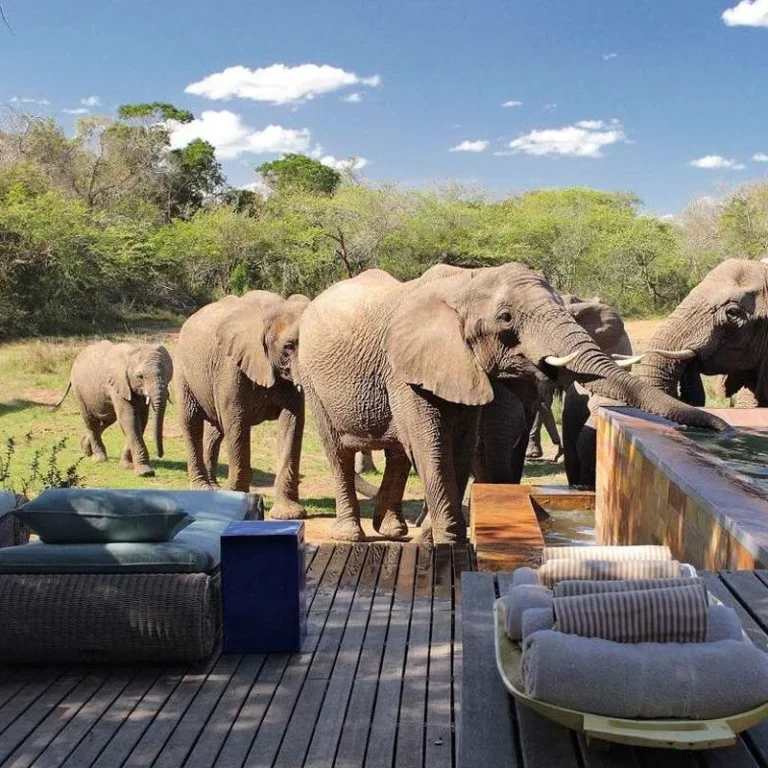
The largest land animal on Earth, the African elephant is a creature of profound intelligence, complex social structures, and immense presence. Watching a herd of elephants, from tiny calves to wise matriarchs, move gracefully through the landscape, feeding, bathing, or interacting with each other, is deeply moving. Their sheer size, combined with their gentle nature, is truly captivating.
Elephants: Gentle Giants
Elephants make every encounter powerful thanks to their intelligence, emotional depth and impressive size. Watching a herd move together, protect its young and greet relatives reveals strong social bonds that make for a truly heartwarming safari experience. Tarangire National Park in Tanzania is famous for its large elephant herds, especially in the dry season when animals gather along the Tarangire River beneath giant baobab trees. Elephants are also widespread in the Serengeti and Ngorongoro. Beyond Tanzania, Amboseli National Park in Kenya and Chobe National Park in Botswana are renowned for their elephant populations, making them classic destinations for elephant lovers.
Rhinoceros (Diceros bicornis - Black Rhino / Ceratotherium simum - White Rhino): The Ancient Armored Giants
Black rhinos are critically endangered and white rhinos are near threatened, making every sighting a poignant reminder of ongoing conservation efforts. The black rhino is smaller and more aggressive, often found browsing in dense bush, while the white rhino is larger and a grazer, often seen in open grasslands. Their prehistoric appearance and powerful presence are awe-inspiring.
Rhinos: Living Dinosaurs
Rhinos are often described as living dinosaurs, and their endangered status makes every sighting incredibly special. Seeing one in the wild also highlights the urgency of conservation and the work of rangers who protect them around the clock. Tanzania's Ngorongoro Crater is one of the most reliable places in Africa to see black rhinos, which graze on the open crater floor under close protection. White rhinos are more common in South Africa, including Kruger National Park and several private reserves. Including the Ngorongoro Crater in your private tailor-made Tanzania safari gives you an excellent chance of encountering this rare animal.
Cape Buffalo (Syncerus caffer): The Unpredictable Powerhouse
Often underestimated, the Cape buffalo is considered one of Africa's most dangerous animals, known for its unpredictable temperament. Seeing large herds grazing, or a solitary "dagga boy" (older male) wallowing in mud, reveals their immense power and resilience.
Cape Buffalo: Formidable Grazers
The Cape buffalo completes the Big Five and is one of the most impressive animals to watch on safari. Huge herds can number in the hundreds, and the sight of them grazing or moving together across the plains is unforgettable. Their formidable reputation for unpredictability and defending one another against lions adds real excitement to every sighting. Cape buffalo are widespread across most major safari destinations, including Tanzania's Serengeti National Park and Ngorongoro Crater, as well as Kruger National Park in South Africa. On a Tanzania safari, you are very likely to see them on almost every game drive.
- Cape buffalo herds can number in the hundreds.
- An older male buffalo is called a “dagga boy.”
- Buffalo are rarely seen on a Tanzania safari.
The Great Migration: Nature's Grandest Spectacle
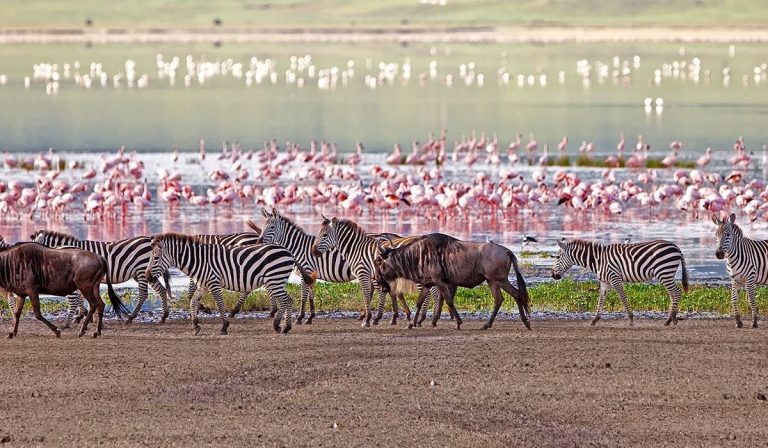
While not a single animal, the Great Migration is a phenomenon driven by millions of wildebeest, accompanied by hundreds of thousands of zebras and gazelles, moving in a continuous cycle across the Serengeti-Mara ecosystem in search of fresh grazing and water.
The Great Wildebeest Migration
The Great Migration is the largest overland movement of mammals on Earth, a breathtaking spectacle of life, death and survival as huge herds of wildebeest and zebra follow the rains in search of fresh grazing. The most dramatic moments are the river crossings, when animals brave crocodile-infested waters. The migration takes place in Tanzania's Serengeti National Park and continues into Kenya's Maasai Mara National Reserve. Because the herds' location changes throughout the year, careful planning is essential. A private tailor-made safari lets your guide position you in the right area of the Serengeti for the season in which you travel.
A general guide: the herds follow the rains.
Cheetah (Acinonyx jubatus): The Speed Demon of the Plains
The fastest land animal, the cheetah is a marvel of evolutionary design. Seeing one gracefully poised on a termite mound, scanning the plains for prey, or, if you're incredibly lucky, witnessing a high-speed chase, is an unforgettable adrenaline rush. Their slender build and distinctive tear marks make them easily identifiable.
Cheetahs: Speed on the Plains
Cheetahs are mesmerizing to watch because of their incredible speed and elegant hunting technique. As the fastest land animal, they represent the pinnacle of adaptation for pursuit, with a slender body, long legs and a flexible spine built for explosive acceleration. Unlike lions and leopards, cheetahs usually hunt during the day, which gives safari guests a real chance of witnessing a chase. They prefer open grasslands where they can spot prey from a distance. The best places to see them include Tanzania's Serengeti plains, Kenya's Maasai Mara and parts of Kruger National Park in South Africa, where open country suits them.
Giraffe (Giraffa camelopardalis): The Towering Icon
The gentle giants of the savanna, giraffes are instantly recognizable with their impossibly long necks, distinctive coat patterns, and graceful gait. Watching them browse on acacia leaves, splay their legs to drink, or engage in "necking" (a form of fighting among males) is always a delight.
Giraffes: Graceful Giants
Giraffes are among the most quintessential African sights, with their unique patterned coats, long necks and calm, serene presence. They add vertical elegance to the safari landscape as they browse the tops of acacia trees or stride gracefully across the plains, often in small, loose groups. Watching a giraffe spread its legs to drink at a waterhole is a memorable moment for any photographer. Giraffes are widespread across most Tanzanian safari parks, including Tarangire National Park and the Serengeti, and they can also be seen in parts of the Ngorongoro Conservation Area during a private tailor-made safari with your guide.
Zebra (Equus quagga): Nature's Striped Masterpiece
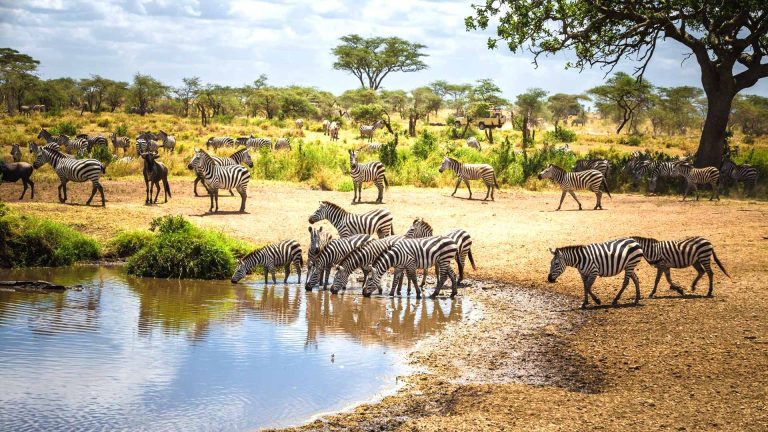
The iconic stripes of the zebra create a mesmerizing pattern across the plains, especially when seen in large herds. They are an integral part of the Great Migration and are often found grazing alongside wildebeest.
Zebras: Striking Stripes
Zebras are captivating thanks to their striking black-and-white stripes, the sheer size of their herds and their key role in the Great Migration, where they travel alongside the wildebeest. Every zebra's stripe pattern is unique, and watching a herd move across the plains makes for wonderful photographs. Zebras are abundant in Tanzania's Serengeti National Park and the Ngorongoro Crater, two of the best places to see animals in Africa and ideal for first-time safari travelers. They are also common in Kenya's Maasai Mara, especially during the migration, when vast numbers gather on the open grasslands to graze together side by side.
Hippopotamus (Hippopotamus amphibius): The River's Enigmatic Resident
Often seen submerged in rivers and pools, with only their eyes, ears, and nostrils visible, hippos are surprisingly agile and aggressive on land. Observing their social dynamics in a hippo pool, listening to their guttural grunts and snorts, is a classic safari experience.
Hippos: Rulers of the Rivers
Hippos are fascinating because of their unique semi-aquatic lifestyle and remarkable power. They spend most of the day submerged in rivers and lakes to stay cool, then leave the water at night to graze. Their deep grunts and honking calls are a defining part of the African soundscape, and watching them yawn or jostle in a crowded pool is unforgettable. Hippos are common in rivers and lakes within parks such as the Serengeti, where the Retina Hippo Pool is a favorite stop, and Lake Manyara. Outside Tanzania, the Okavango Delta in Botswana is another excellent location for seeing hippos.
African Wild Dog (Lycaon pictus): The Painted Hunters
One of Africa's most endangered carnivores, the African wild dog is a highly social and incredibly efficient hunter. Their distinctive mottled coats and large, rounded ears make them unique. A sighting of these intelligent and cooperative animals is a rare and thrilling event.
African Wild Dogs
African wild dogs are a highly sought-after sighting for dedicated safari travelers because of their endangered status and fascinating social structure. They live in tightly bonded packs that hunt cooperatively, share food with pups and care for sick or injured members. With their mottled coats and large rounded ears, they are also known as painted wolves. Wild dogs are found in scattered populations across Africa. In Tanzania, Nyerere National Park, formerly part of the Selous Game Reserve, is one of the best places to look for these painted wolves. Outside Tanzania, wild dogs also live in parts of Botswana and Zimbabwe.
Crocodile (Crocodylus niloticus): The Ancient Apex Predator
The Nile crocodile, a formidable and ancient reptile, is an apex predator of Africa's waterways. Seeing one lurking silently in a river, basking on a sandbank, or, most dramatically, during a Great Migration river crossing, is a stark reminder of the raw power of nature.
Nile Crocodiles
Nile crocodiles are captivating to watch because of their prehistoric appearance and impressive predatory skill. They can lie motionless for hours before striking with astonishing speed, and they play a vital role in the aquatic ecosystem by keeping fish and other animal populations healthy. Crocodiles live in rivers and lakes in most safari parks across Africa. The most famous place to see them is the Mara River in the northern Serengeti during the Great Migration, when they wait for wildebeest and zebra crossing the water. These dramatic river crossings are among the most intense and unforgettable wildlife scenes on Earth.
Hyena (Crocuta crocuta - Spotted Hyena / Hyaena hyaena - Striped Hyena): The Misunderstood Scavengers
Often unfairly maligned, hyenas are intelligent and social animals. Spotted hyenas are formidable predators in their own right, not just scavengers. Their eerie calls at night are a quintessential sound of the African bush.
Hyenas: Clever Survivors
Hyenas are often misunderstood, yet they are among the most interesting animals to observe on safari. Spotted hyenas live in complex clans led by females, communicate with distinctive whoops and giggles, and play a crucial role in the ecosystem as both skilled hunters and efficient scavengers. Watching them interact at a den or compete with lions over a kill reveals their intelligence and resilience. Hyenas are widespread across most safari parks, including the Serengeti and Ngorongoro Crater, where they share the landscape with elephants, lions, giraffes and leopards, making every game drive in Tanzania full of surprises and new discoveries.
Diverse Birdlife: The Feathered Jewels of Africa
Africa boasts an astonishing array of bird species, from magnificent raptors like the Martial Eagle to vibrant rollers, iridescent sunbirds, and the comical Ostrich. Even if you're not a dedicated birder, the sheer variety and beauty of African birds will captivate you.
Birdlife on Safari
Birds add another layer of wonder to every safari with their vibrant colors, diverse behaviors and remarkable adaptations. From colorful lilac-breasted rollers and kingfishers to huge ostriches, soaring eagles and vultures, there is always something to see, even when larger animals are resting. Birds can be found everywhere in Tanzania's parks, making a pair of binoculars essential for your trip. Lake Manyara National Park is particularly renowned for its birdlife, including flamingos that gather along the lake shore in large numbers. Your guide can help identify species and adjust your private safari for keen birdwatchers of every experience level.
Beyond the Icons: The Unexpected Delights
While the list above covers the most sought-after sightings, remember that every animal encounter on safari is special. Be open to appreciating the smaller creatures, the intricate ecosystems, and the unexpected moments. Amazing animals to spot include the Big Five (lion, leopard, elephant, rhino, and buffalo), as well as other iconic species like the cheetah, wildebeest, zebra, giraffe, hippo, and gorilla. You can also see primates like chimpanzees and baboons, numerous species of antelope, and various birds such as flamingos and ostriches. The specific animals you'll see depend on the region, with diverse habitats supporting different wildlife.
Smaller Animals Worth Spotting
Beyond the famous species, many smaller animals make a safari memorable. Warthogs are always amusing with their comical faces and tail-up running style. Baboons and monkeys entertain with playful antics and complex social hierarchies. The diversity of antelopes, from impala and topi to eland and kudu, is astounding, with each species adapted to its own niche. Mongooses are charming and often curious, offering delightful viewing around termite mounds and rocky outcrops. Chameleons and lizards are often overlooked, yet these reptiles add color and intrigue to your photos and reward travelers who take the time to look closely at the smaller details.
Safari Wildlife Questions Answered
Detailed answers to the questions travellers ask most about seeing wildlife on an African safari.
What Animals Can You Expect to See on Safari in Africa?
On an African safari, you can expect to see large mammals like the Big Five (lion, leopard, buffalo, elephant and rhino), as well as other common animals such as giraffes, zebras, wildebeest, hippos, and various antelopes. You may also spot predators like cheetahs and hyenas, and numerous bird species, with sightings varying by the specific region and country you visit.
Top 10 Ways to Experience Wildlife in Africa
To experience African wildlife, go on guided game drives to see animals like the "Big Five", take walking safaris to explore the bush on foot, or enjoy aerial safaris for a bird's-eye view. Other unique options include gorilla trekking in Rwanda or Uganda, witnessing the Great Migration in Kenya or Tanzania, or combining a safari with cultural visits. You can also experience water safaris by boat, encounter marine life like whales and fur seals, or even go on a horseback safari.
African Safari Animals Overview
African safari animals include the famous Big Five: lion, leopard, elephant, rhino and buffalo. These iconic species roam vast savannas, grasslands and woodlands, sharing the landscape with many other remarkable creatures. You can watch giraffes browsing treetops, zebras grazing in their striking stripes and cheetahs sprinting across the open plains. Elephants show deep family bonds, while lions live and hunt as highly social predators. Every animal plays a vital role in the ecosystem, from grazers that shape grasslands to predators that keep herds healthy. A safari offers unforgettable encounters with some of nature's most awe-inspiring creatures, from largest to smallest.
How to Choose an African Safari
Choosing the right African safari starts with your interests, whether that is wildlife, scenery or adventure. In Tanzania, top destinations include the Serengeti, Tarangire, Lake Manyara, Ngorongoro, Arusha National Park, Mount Kilimanjaro and Zanzibar. Consider the travel season, as the dry months usually offer easier animal sightings. Decide between luxury lodges and more affordable camps, and choose a private tailor-made safari for flexibility and an expert guide. Research each park's highlights, such as the Serengeti migration. Arrange vaccinations, visas and travel insurance early. Whether it is a honeymoon, family holiday or solo trip, careful planning ensures a safe experience.
Wildlife Viewing Tips
Make the most of your African safari with a few simple wildlife viewing tips. Rise early, because animals are most active at dawn and dusk. Wear neutral colors that blend into the environment, and stay quiet and patient, since nature rewards stillness. Bring binoculars and a camera with a zoom lens for close-up shots. Listen to your guide, who will spot animals you might otherwise miss. Always keep a respectful distance and never feed wildlife. Drink plenty of water, use sunscreen and wear a hat. Every game drive offers unique sightings, so stay alert and enjoy every moment in the wild.
Best Places to See Wildlife On An African Safari
The best places for an African safari depend on the animals you wish to see, but Serengeti National Park, Tarangire and Lake Manyara National Park are excellent for Tanzania safaris, each offering unique wildlife experiences. The Serengeti provides epic migrations and diverse ecosystems, Tarangire excels in the dry season for elephants, and Lake Manyara is a great choice for your first safari in Africa, with diverse habitats and hippo pools. Arusha National Park is a hidden gem for wildlife, including primates, buffalo and the open “Little Serengeti” plains, known for zebras.
The Best Places to See Wildlife in Tanzania - Quick Guide
The best places for wildlife in Tanzania include Serengeti National Park for the Great Migration and big cats, the Ngorongoro Crater for dense populations of the Big Five, Tarangire National Park for elephants, Lake Manyara National Park for tree-climbing lions and birds, and Ruaha and Nyerere National Parks, off-the-beaten-path destinations with large wild dog and big cat populations. For a classic Tanzania safari on the northern circuit, focus on the Serengeti, Ngorongoro, Tarangire and Lake Manyara, while Ruaha and Nyerere offer a more off-the-beaten-path adventure. The Serengeti is one of the best places in Africa to see wildlife.
Step-by-Step Guide to the Best Wildlife Safari Locations and More
To plan the best wildlife safari, start by choosing your ideal destination based on desired wildlife and ecosystems, then select the best time to visit for optimal wildlife viewing, and set a realistic budget. You'll also need to book the right accommodations, find a reputable tour operator, and pack appropriate gear like binoculars and neutral-colored clothing. Finally, always follow wildlife viewing etiquette, such as maintaining a safe distance and keeping noise levels down, for a responsible and ethical experience.
A Guide to the Best Wildlife Safari Destinations in Africa
Top wildlife safari destinations in Africa include Tanzania's Serengeti National Park for the Great Migration, Kenya's Maasai Mara National Reserve for diverse wildlife and the migration, iconic Big Five encounters, and a quintessential African safari experience. Ngorongoro Crater: A protected area within a volcanic crater offering excellent opportunities to see the Big Five. Tarangire National Park: Known for its large elephant populations and baobab trees.
Africa's Big 5 Safari Animals and Where to see them
Africa's "Big Five" safari animals are the lion, leopard, elephant, rhino (black or white), and buffalo (Cape buffalo). You can see them in popular safari destinations like Kruger National Park (South Africa), the Serengeti and Ngorongoro Crater (Tanzania), the Maasai Mara (Kenya), and Chobe National Park (Botswana). For the best chances of spotting all five, consider a safari during Africa's dry winter months (June to August) and focus on Big Five-specific parks.
How to pick the best park/reserve for safari in East Africa?
To choose the best East African park, consider what wildlife you want to see, as this will guide you to specific parks like Serengeti for the Great Migration or Chobe for elephants. Think about your budget and desired experience—public parks like the Serengeti offer self-drive options, while private reserves provide exclusive, guided experiences with off-road access. Finally, factor in when you can travel, as the timing will determine where the Great Migration will be and if certain parks are seasonal, with private conservancies offering year-round game viewing.
Final Thought: The Magic of the African Bush
An African safari is a journey of discovery. While the iconic must-see animals are a major attraction, the true magic lies in the whole wild experience: the changing light, the sounds of the bush and the thrill of not knowing what lies around the next bend. From the first glimpse of a majestic lion to the unexpected sighting of a rare bird, every moment in the African wilderness feels like a rare and special privilege. So pack your binoculars, prepare to be amazed and let the untamed heartbeat of Africa captivate you completely during a memorable private tailor-made safari in Tanzania.
Safari Wildlife: Frequently Asked Questions
What animals can you see on a Tanzania safari?
On a Tanzania safari you can see the Big Five (lion, leopard, elephant, buffalo and rhino), plus cheetahs, giraffes, zebras, wildebeest, hippos, hyenas, Nile crocodiles and African wild dogs. Hundreds of bird species add colour, from lilac-breasted rollers to flamingos. What you see depends on the parks you visit and the time of year.
Where can I see the Big Five in Tanzania?
The Ngorongoro Crater offers the best chance to see all of the Big Five, including black rhinos, in a single day. The Serengeti is excellent for lions, leopards, elephants and buffalo, while Tarangire is famous for elephant herds. Combining these parks on one safari gives you the strongest chance of seeing all five.
When is the best time to see wildlife in Tanzania?
The dry season from June to October is usually best for wildlife viewing, as vegetation thins and animals gather near rivers and waterholes. January to March brings the calving season in the southern Serengeti, with excellent predator action. Wildlife can be seen year-round, so the best time depends on what you most want to see.
Where is the best place to see leopards in Tanzania?
The Seronera Valley in the central Serengeti is one of the best places in Africa to see leopards, which rest in sausage trees and acacias along the rivers. Leopards also live in Tarangire, the Ngorongoro area and Ruaha. They are elusive, so an experienced guide and patience greatly improve your chances.
Can I see African wild dogs on a Tanzania safari?
Yes, but you need to visit southern Tanzania. Nyerere National Park, formerly part of the Selous Game Reserve, and Ruaha National Park are the best places to look for these endangered painted wolves. Wild dogs roam vast territories, so sightings depend on luck, timing and an expert guide.
Are hippos dangerous on safari?
Hippos are considered one of Africa’s most dangerous animals because they are territorial and surprisingly fast on land. On safari, you watch them safely from your vehicle or designated viewing areas, such as the Serengeti’s Retina Hippo Pool. Always follow your guide’s instructions near rivers and lakes.
Can I see gorillas on a Tanzania safari?
Mountain gorillas do not live in Tanzania. They are found in Uganda, Rwanda and the Democratic Republic of Congo, so a gorilla trek is usually added as an extension. Tanzania does offer chimpanzee trekking in Gombe Stream and Mahale Mountains National Parks on the shores of Lake Tanganyika.
How many days do I need to see the most animals?
Five to seven days on Tanzania’s northern circuit, covering Tarangire, Lake Manyara, the Ngorongoro Crater and the Serengeti, gives you an excellent chance of seeing most of Africa’s iconic animals. Adding southern parks such as Nyerere or Ruaha increases your chances of wild dogs and offers a quieter, wilder experience.
Plan Your Wildlife Safari
Tell us which animals you most want to see, and our Tanzania-based team will design a private tailor-made safari to the best parks for your wish list and travel dates.