
Best Places to See Cheetahs in Africa and Tanzania
Where is the best place to see cheetahs in Africa? Tanzania is one of the top answers, with the Serengeti's endless short-grass plains, the Ndutu area and the eastern Serengeti offering some of the continent's most reliable cheetah sightings. This guide reveals the best places to see cheetahs in Tanzania and across Africa, the best months for each area, fascinating cheetah facts and expert tips for spotting and photographing the world's fastest land animal. Whether you dream of watching a chase or a mother with cubs, a private safari puts you in the right place at the right time.
Quick Answer: Where Is the Best Place to See Cheetahs?
The best place to see cheetahs in Africa is Tanzania's Serengeti ecosystem, especially the Ndutu area and southern Serengeti plains from January to March, the eastern Serengeti's Gol Kopjes and Namiri Plains, and the central Seronera Valley year-round. Kenya's Maasai Mara, Botswana and Namibia are also excellent cheetah destinations. Expert guides greatly improve your chances of sightings.
0110 Best Places to See Cheetahs in Tanzania
Tanzania is home to one of Africa's largest and most visible cheetah populations, thanks to the vast open plains of the Serengeti ecosystem. Cheetahs prefer wide grasslands where they can spot prey and use their incredible speed, so sightings are best where short grass, kopjes and herds of gazelles come together. Some areas are excellent year-round, while others shine during the wildebeest calving season. These ten places offer the best chances to see cheetahs in Tanzania, from Ndutu and the southern plains to Seronera, the eastern kopjes and remote Ruaha. Each one offers a different and unforgettable experience.
Ndutu area
Ndutu, on the border of the Serengeti and Ngorongoro Conservation Area, is one of Africa's best places to see cheetahs. From about January to March, short grass, calving wildebeest and abundant gazelles attract cheetahs in impressive numbers. Off-road driving is permitted in parts of Ndutu, allowing guides to position vehicles for spectacular views. It is a photographer's dream.
Southern Serengeti plains
The southern Serengeti's vast short-grass plains are classic cheetah country, especially during the green season when the migration herds arrive to calve. Cheetahs use termite mounds and low rises as lookouts, scanning for Thomson's gazelles. Wide horizons and few trees make sightings and dramatic high-speed chases easier to follow and photograph. Every chase is truly unforgettable.
Eastern Serengeti: Gol Kopjes
The Gol Kopjes are granite outcrops scattered across the eastern short-grass plains, providing shade, shelter and lookout points for cheetahs. This area is known for good cheetah densities, particularly in the green season, and has fewer vehicles than central areas. Sightings of cheetahs resting on rocks make superb, classic Serengeti photographs. It feels wonderfully wild and remote.
Eastern Serengeti: Namiri Plains
Namiri Plains, in the remote eastern Serengeti, was closed to tourism for many years to protect cheetahs and is now celebrated as one of the best big cat areas in the park. Open grasslands and quiet roads make it ideal for cheetah and lion sightings, especially for photographers seeking exclusivity away from busier regions. It feels truly exclusive.
Central Serengeti: Seronera
The Seronera Valley in the central Serengeti offers reliable cheetah sightings year-round, thanks to resident wildlife, permanent water and a mix of plains and kopjes. Cheetahs are often seen scanning from termite mounds or resting in shade. Seronera is also excellent for lions and leopards, making it a superb all-round big cat area. Sightings here are dependable.
Western Serengeti: Grumeti
The western Serengeti, including the Grumeti region, offers quieter game drives through woodland, plains and riverine forest. Cheetahs are less frequent than on the southern plains, but sightings in open areas can be rewarding. The region is especially exciting from about May to July, when the migration passes through and Grumeti River crossings begin. Patience is well rewarded.
Northern Serengeti
The northern Serengeti, around Lobo and Kogatende, is best known for dramatic Mara River crossings from about July to October. Open grasslands near the river and the Lamai Wedge support cheetahs, especially when herds are present. Fewer vehicles than central areas make it an excellent place for a peaceful cheetah sighting during migration season. Expect thrilling wildlife action.
Ngorongoro plains
The short-grass plains of the Ngorongoro Conservation Area outside the crater, around Ndutu, Lake Masek and the Salei Plains, support cheetahs during the wet season. Cheetahs are rarely seen on the crater floor itself because of high lion and hyena numbers. Combining the crater with the surrounding plains gives you the best of both worlds.
Tarangire National Park
Tarangire is famous for elephants and baobabs, but cheetahs can also be seen in its more open southern and central areas, especially around the Silale Swamp and grassy plains. Sightings are less common than in the Serengeti, which makes each encounter feel special. Tarangire is a great first stop on a northern circuit safari. Keep your eyes peeled.
Ruaha National Park
Ruaha, in remote southern Tanzania, is one of Africa's most important big cat strongholds, with healthy lion populations, leopards and cheetahs in its open plains and woodland edges. Cheetah sightings are less predictable than in the Serengeti, but the park's wild, uncrowded atmosphere makes every encounter truly memorable for adventurous travelers. Ruaha rewards those who explore.
02Best Places to See Cheetahs Across Africa
Although Tanzania offers some of the finest cheetah viewing on the continent, several other African destinations also deliver excellent sightings. Cheetahs survive mostly in eastern and southern Africa, where open savannas, semi-deserts and protected areas provide room to hunt. Each destination offers a different landscape and experience, from the Maasai Mara's grasslands to the red dunes of the Kalahari. These four destinations are among the best places to see cheetahs in Africa outside Tanzania, and several combine beautifully with a private Tanzania safari for travelers wanting to explore more of East and southern Africa. Each offers unique cheetah encounters.
Maasai Mara, Kenya
The Maasai Mara, the northern continuation of the Serengeti ecosystem in Kenya, is famous for cheetah sightings on its open grasslands, especially during the migration season from about July to October. Cheetahs here are well studied and often seen with cubs. A combined Tanzania and Kenya safari covers both sides of this legendary ecosystem. It is truly iconic.
Namibia
Namibia is home to the world's largest wild cheetah population, much of it living on private farmland rather than in national parks. Etosha National Park and private reserves offer good sightings, and conservation centres educate visitors about protecting cheetahs. Its dramatic desert landscapes make cheetah photography especially striking and memorable. Conservation success stories inspire every visitor here.
Botswana
Botswana's Okavango Delta, Linyanti and Central Kalahari Game Reserve support cheetahs across a mix of floodplains, woodland and semi-desert. Private concessions limit vehicle numbers and often allow off-road driving, giving intimate sightings. Botswana is known for exclusive, high-end safaris, ideal for travelers seeking remote wilderness and quiet big cat encounters. Every sighting feels personal and special.
Kgalagadi Transfrontier Park
The Kgalagadi Transfrontier Park, spanning South Africa and Botswana, is one of the best places to see Kalahari cheetahs hunting across red dunes and dry riverbeds. Open terrain makes cheetahs easy to spot, and self-drive visitors often enjoy sightings along the Auob and Nossob rivers. It is a superb destination for photographers. Patience brings wonderful rewards.
03Best Time to See Cheetahs in Tanzania
Cheetahs live in Tanzania year-round, but your chances of seeing them change with the seasons as prey moves across the Serengeti ecosystem. Cheetahs follow the gazelles and young wildebeest that gather on the short-grass plains during the rains, then spread more widely in the dry season. Knowing where they are likely to be each month helps you choose the right camps and areas. These five tabs explain the best time to see cheetahs in Tanzania, month by month, with the top areas, highlights and tips for each season on a private safari. Timing really makes all the difference.
January to March: Calving Season
Cheetah lovers
Peak cheetah sightings
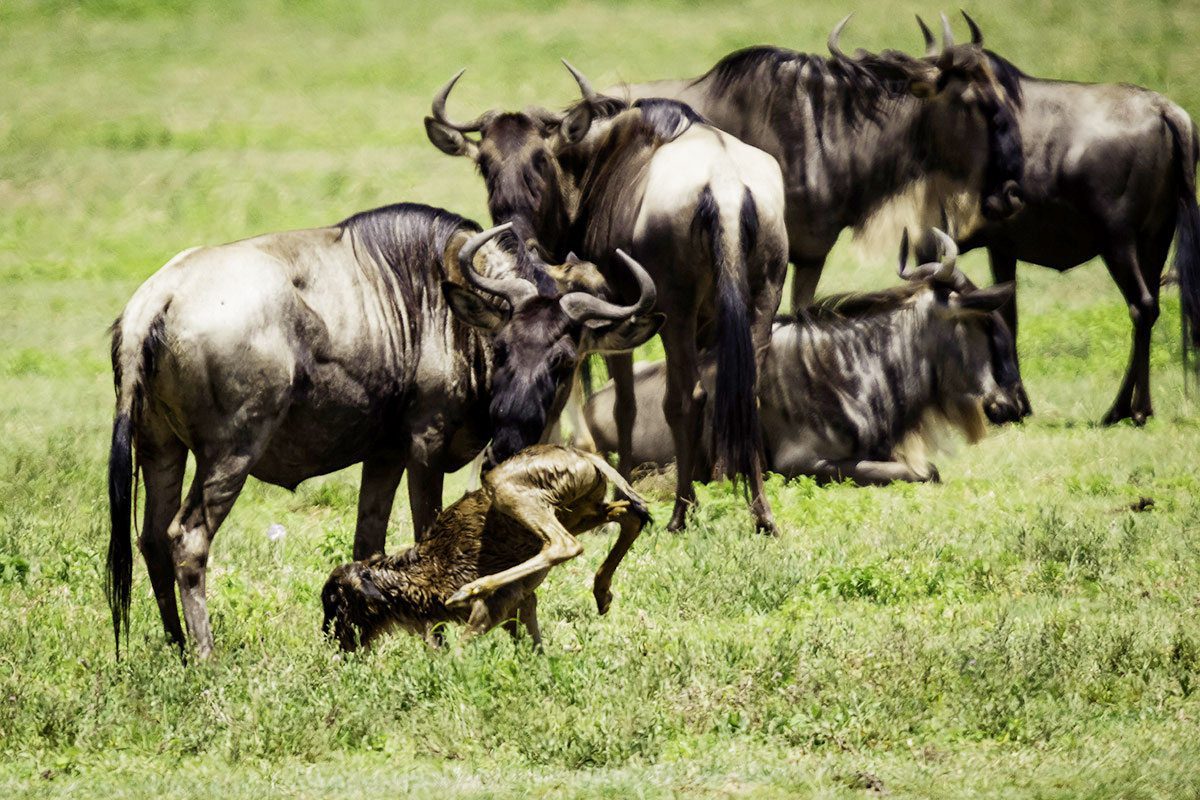
This is the best time to see cheetahs in Tanzania. Wildebeest calve on the southern Serengeti and Ndutu plains, and abundant newborns and gazelles attract cheetahs, lions and hyenas. Short green grass makes spotting easy, and cheetah mothers with cubs are often seen hunting across the open plains. It is truly unforgettable for every visitor.
Ndutu safari tours →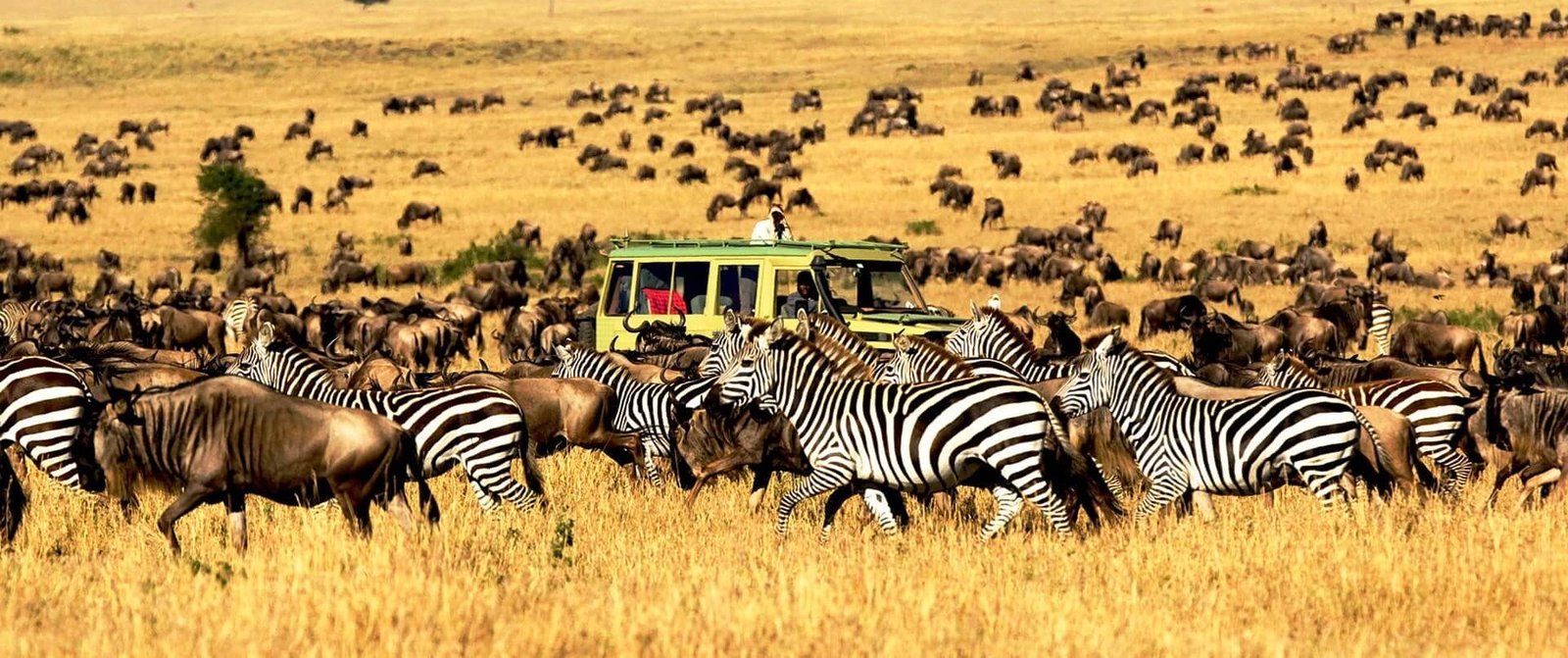
April to May: Long Rains
Value seekers
Quiet plains, fewer vehicles
During the long rains, herds begin moving north and west, and some camps close. Cheetahs remain on the southern and central plains, and sightings can still be excellent with far fewer vehicles. Roads may be muddy, so an experienced guide and private 4x4 are essential. Many lodges offer lower green season rates. Quiet game drives feel wonderfully exclusive.
Green season safari →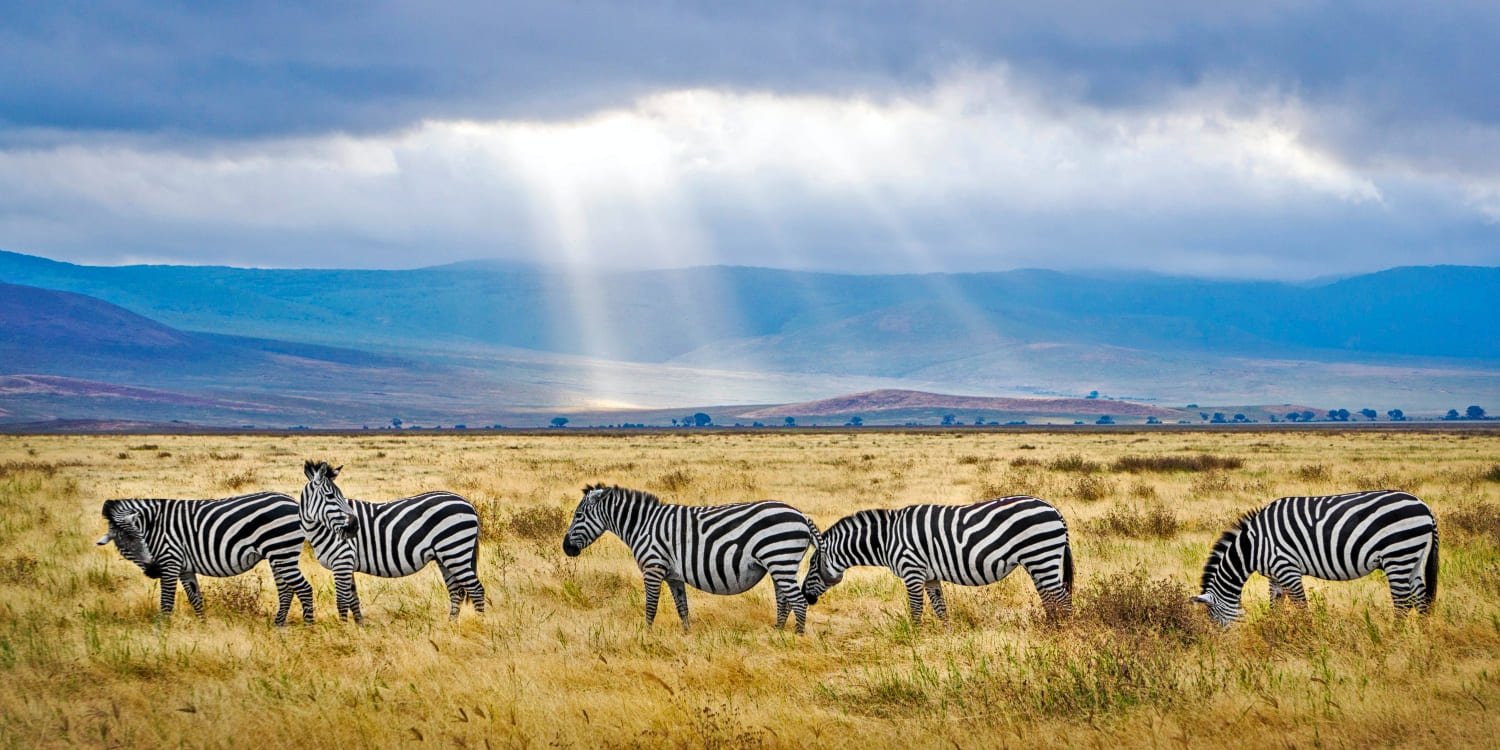
June to July: Early Dry Season
First-time travelers
Seronera and western Serengeti
As the dry season begins, grass shortens across the central Serengeti and the migration moves through the western corridor. Seronera offers reliable resident cheetah sightings, while the western Serengeti adds Grumeti River crossings. Cool, clear weather and good visibility make this an excellent time for big cat photography. Every game drive brings new excitement here.
Central Serengeti guide →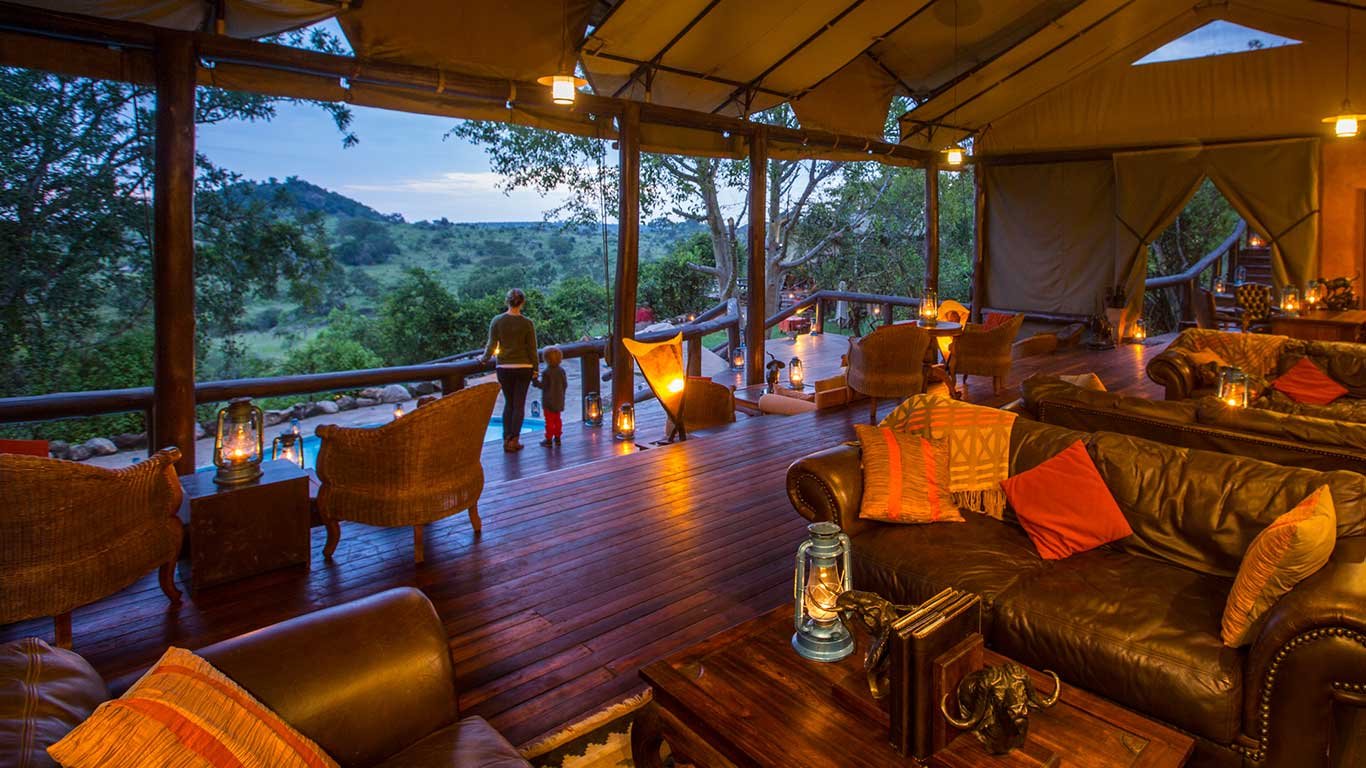
August to October: Peak Dry Season
Migration chasers
Northern Serengeti action
In peak dry season, the herds reach the northern Serengeti for Mara River crossings, and cheetahs are seen on the open plains near Kogatende and Lamai. The central Serengeti remains good for resident cheetahs. This is a busy, popular season, so book well ahead to secure the best camps and locations. Expect unforgettable wildlife action.
Northern Serengeti guide →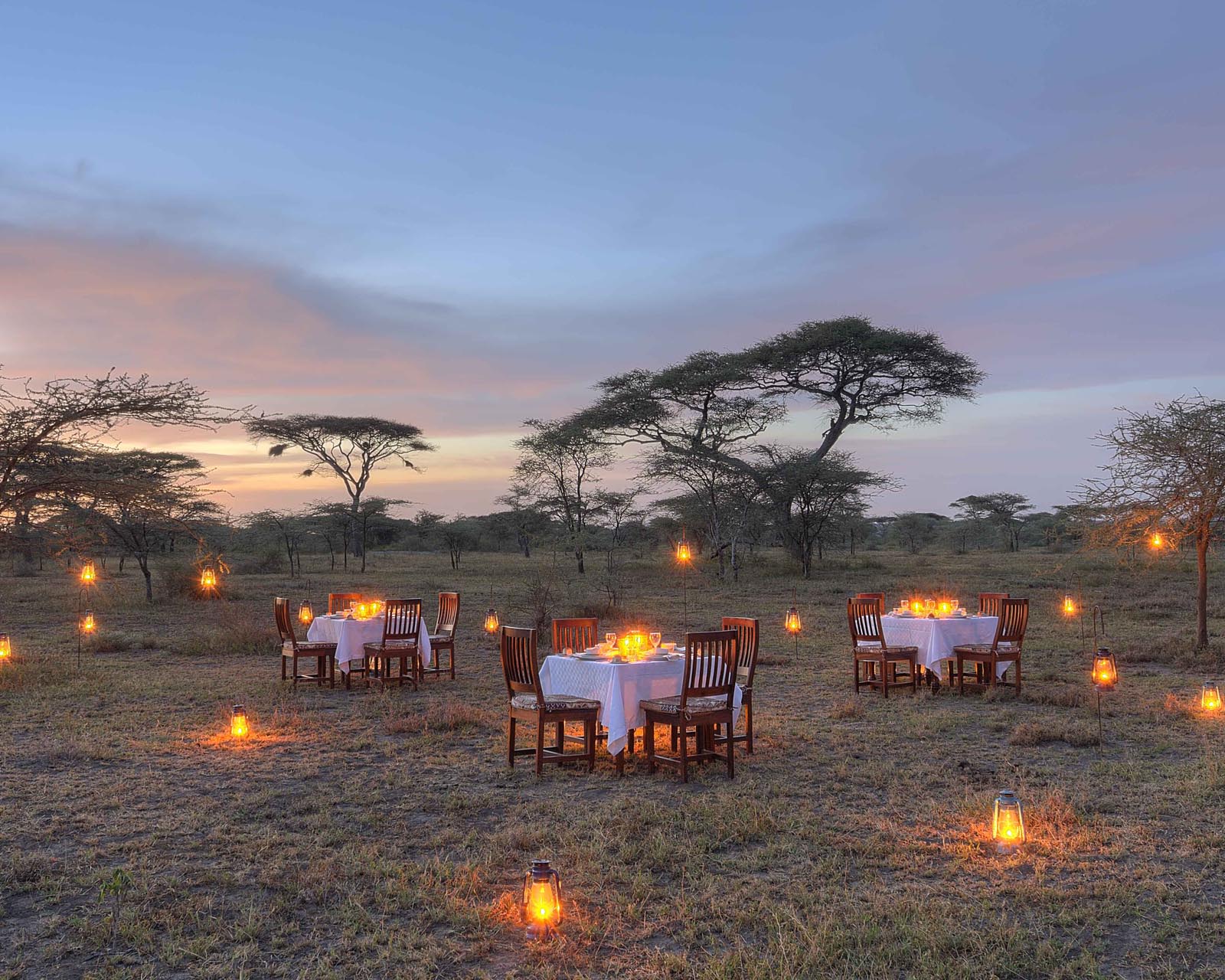
November to December: Short Rains
Photographers
Herds return south
With the short rains, fresh grass appears and the herds move back south towards Ndutu. Cheetahs follow the gazelles onto the eastern and southern plains, and sightings improve steadily through December. Dramatic skies, green landscapes and quieter parks make this a rewarding and often good-value time for cheetah safaris. It is a beautiful and underrated season.
Eastern Serengeti guide →04Fascinating Cheetah Facts
Cheetahs are unlike any other big cat, built for speed rather than strength and hunting mainly by day rather than at night. Understanding how they live, hunt and raise their young makes every sighting more meaningful and helps you know what to look for on safari. Cheetahs also face serious threats, making each encounter in the wild increasingly precious. These six fascinating cheetah facts explain what makes these remarkable animals so special, from their record-breaking speed and distinctive tear marks to their unusual chirping calls and the conservation challenges they face today. Learn them all before you go.
Fastest land animal
Cheetahs can reach about 100 to 120 km/h (62 to 75 mph) in short sprints, accelerating from zero to around 96 km/h in roughly three seconds. Long legs, a flexible spine, a long tail for balance and semi-retractable claws for grip make these record-breaking bursts of speed possible on open ground. It is pure power.
Tear marks and keen eyesight
The black tear marks running from a cheetah's eyes to its mouth are thought to reduce sun glare, helping it focus on prey in bright daylight. Combined with excellent long-distance vision, this lets cheetahs spot gazelles from far away while scanning from termite mounds, kopjes and fallen trees. Nothing escapes their watchful gaze on the plains.
Chirps instead of roars
Unlike lions and leopards, cheetahs cannot roar. Instead, they communicate with high-pitched chirps that sound surprisingly bird-like, as well as purrs, growls and hisses. Mothers chirp to call their cubs, and siblings use calls to stay in contact. Hearing a cheetah chirp on the plains is a magical safari moment. It is surprisingly sweet to hear.
Daytime hunters
Cheetahs hunt mainly during the day, especially in the cooler morning and late afternoon, which helps them avoid competition with lions and hyenas that hunt mostly at night. This makes cheetahs easier to watch on game drives than many predators. A typical chase lasts less than a minute, so keep your camera ready. Watch closely.
Devoted mothers
Female cheetahs raise their cubs alone, moving them between hiding places to protect them from lions and hyenas. Cubs stay with their mother for around 18 months to two years, learning to hunt by practising on small prey she brings back. Watching a mother with playful cubs is a safari highlight. It is truly heartwarming.
A vulnerable species
Cheetahs are listed as Vulnerable, with only around 7,000 adults estimated to remain in the wild. Habitat loss, conflict with farmers, declining prey and illegal wildlife trade threaten their survival. Responsible tourism helps protect cheetah habitats by supporting parks, conservation work and local communities that benefit from wildlife. Every visitor helps protect their future in the wild.
05Cheetah Safari Tips
Seeing cheetahs in the wild is easier when you plan carefully and go with an experienced guide. Choose the right season and area, spend enough time on the open plains and be patient, because cheetahs often rest for hours before a hunt. A private vehicle lets you wait as long as you like without pressure from other travelers. Use these cheetah safari tips to plan your trip, then contact our Arusha-based specialists, who will design a private tailor-made Tanzania safari focused on cheetahs and other big cats. The wild plains of Tanzania are waiting for you right now.
Where and when0/4
On game drives0/4
Bring0/4
06Best Places to See Cheetahs: FAQs
Where is the best place to see cheetahs in Africa?
Tanzania's Serengeti ecosystem is one of the best places to see cheetahs in Africa, especially the Ndutu area, southern Serengeti plains and eastern Serengeti kopjes. Kenya's Maasai Mara, Namibia, Botswana and the Kgalagadi Transfrontier Park are also excellent. Open grasslands with plenty of gazelles give the best chances of seeing cheetahs hunting. Tanzania remains a top choice.
Where can I see cheetahs in Tanzania?
The best places to see cheetahs in Tanzania are Ndutu, the southern and eastern Serengeti plains, including the Gol Kopjes and Namiri Plains, and the central Seronera Valley. The northern and western Serengeti, the Ngorongoro Conservation Area plains, Tarangire and Ruaha also offer sightings, though less reliably than the southern plains. Expert guides make a difference.
When is the best time to see cheetahs in Tanzania?
The best time to see cheetahs in Tanzania is January to March, during the wildebeest calving season on the Ndutu and southern Serengeti plains. Short grass and abundant prey make cheetahs easy to spot. Central Serengeti offers good sightings year-round, while the northern Serengeti is rewarding from about July to October. Every season offers something special.
Can you see cheetahs in the Serengeti?
Yes, the Serengeti is one of the best places in Africa to see cheetahs. Its vast open plains, termite mounds and kopjes suit cheetahs perfectly, and gazelles provide plenty of prey. Seronera offers year-round sightings, while the southern and eastern plains are outstanding during the green season and calving months. It is cheetah country at its best.
Why is Ndutu so good for cheetahs?
Ndutu is excellent for cheetahs because its short-grass plains attract huge numbers of gazelles and calving wildebeest from about January to March. Cheetahs thrive on this abundant prey and open visibility. Off-road driving is permitted in parts of the Ndutu area, allowing guides to position vehicles for close, respectful viewing. It is a cheetah paradise.
Are there cheetahs in the Ngorongoro Crater?
Cheetahs are occasionally seen in the Ngorongoro Crater, but sightings are rare because of the high density of lions and hyenas, which compete with and threaten cheetahs. Your chances are much better on the open plains of the wider Ngorongoro Conservation Area, especially around Ndutu and Lake Masek during the wet season. The plains are far better.
Can you see cheetahs in Tarangire National Park?
Yes, cheetahs can be seen in Tarangire, mostly in its more open central and southern areas, including around the Silale Swamp. However, sightings are less frequent than in the Serengeti, as Tarangire is better known for elephants, baobabs and birdlife. Combining Tarangire with the Serengeti greatly improves your chances of seeing cheetahs. Patience is always rewarded here.
How many cheetahs are left in the wild?
Only around 7,000 adult cheetahs are estimated to remain in the wild, and the species is listed as Vulnerable. Most live in eastern and southern Africa, with small, threatened populations elsewhere. Habitat loss, human conflict, declining prey and illegal trade are the main threats, making conservation and responsible tourism increasingly important. Every sighting truly matters today.
What is the difference between a cheetah and a leopard?
Cheetahs have solid round black spots, black tear marks on their faces, slim bodies and long legs built for speed. Leopards have rosette-shaped spots, stockier bodies and powerful limbs for climbing and dragging prey into trees. Cheetahs hunt mainly by day on open plains, while leopards are mostly nocturnal ambush hunters. Both are stunning big cats.
How fast can a cheetah run?
A cheetah can run at about 100 to 120 km/h (62 to 75 mph), making it the fastest land animal on Earth. It accelerates from zero to around 96 km/h in roughly three seconds, but can only sustain top speed for about 20 to 30 seconds before tiring and needing to recover. It is truly breathtaking to watch.
What time of day are cheetahs most active?
Cheetahs are most active during the day, especially in the early morning and late afternoon when temperatures are cooler. Hunting by day helps them avoid lions and hyenas, which are more active at night. Early morning game drives often provide the best chances of seeing cheetahs scanning for prey or hunting. Dawn drives are often best.
Is a private safari better for seeing cheetahs?
Yes, a private safari is ideal for cheetah viewing because you can spend as long as you like at sightings and wait patiently for a hunt. Your guide can focus on finding cheetahs, positioning the vehicle for photography and choosing the best areas each day, without compromising with other travelers' wishes. Patience always pays off here.
How many days do I need to see cheetahs in Tanzania?
Plan at least three to four nights in the Serengeti and Ndutu areas for a good chance of seeing cheetahs, ideally combined with Tarangire and the Ngorongoro Crater on a seven to ten day safari. Spending two or three nights in each area gives your guide time to search different plains and habitats. Longer stays bring better sightings.
What camera lens is best for cheetah photography?
A zoom lens of around 100 to 400 mm or 150 to 600 mm is ideal for cheetah photography, allowing close-up portraits and action shots from a respectful distance. Use a fast shutter speed for chases, bring spare batteries and memory cards and use a beanbag to stabilise your camera in the vehicle. Practise before your trip.
Big Cat and Serengeti Guides
Book a Cheetah and Big Cat Safari
See Cheetahs in the Wild in Tanzania
Watch cheetahs hunt across the Serengeti and Ndutu plains on a private tailor-made Tanzania safari, with expert guides, private 4x4 vehicles and camps placed close to the action, designed by our Arusha-based team around the best season for big cats.
Book Now Online →What Our Travelers Say
Real 5-star reviews from guests who traveled with us