10 Fascinating Facts About African Big Cats
Africa's big cats are the stars of every safari, and the more you know about them, the more thrilling each sighting becomes. This guide reveals ten fascinating facts about African big cats, the lion, leopard and cheetah, from roars that carry for kilometres and tree-climbing lions to leopards hauling prey into branches and cheetahs that chirp like birds. You will also find quick profiles of each cat, a look at Africa's smaller wild cats, how lions, leopards and cheetahs compare and the best places to see all three on a private Tanzania safari. Every fact makes game drives richer.
Quick Answer: What Are the African Big Cats?
The African big cats are the lion, leopard and cheetah. Lions are the only truly social cats and have the loudest roar, heard up to about 8 km away. Leopards are the strongest climbers and most widespread big cat. Cheetahs are the fastest land animals, reaching about 100 to 120 km/h, but cannot roar at all.
0110 Fascinating Facts About African Big Cats
Lions, leopards and cheetahs have a common ancestry, yet each has evolved remarkable abilities that suit its habitat and hunting style. Some facts are surprising, such as how much lions sleep or how cheetahs communicate, while others reveal the incredible strength and senses that make these predators so successful. Learning them before your safari helps you understand the behaviour you see in the wild and ask your guide better questions. Here are ten fascinating facts about African big cats, each one something you might witness for yourself on a game drive in Tanzania. Read them before your game drive.
Lions are the only truly social cats
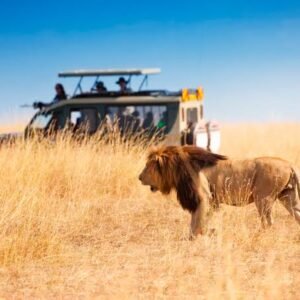
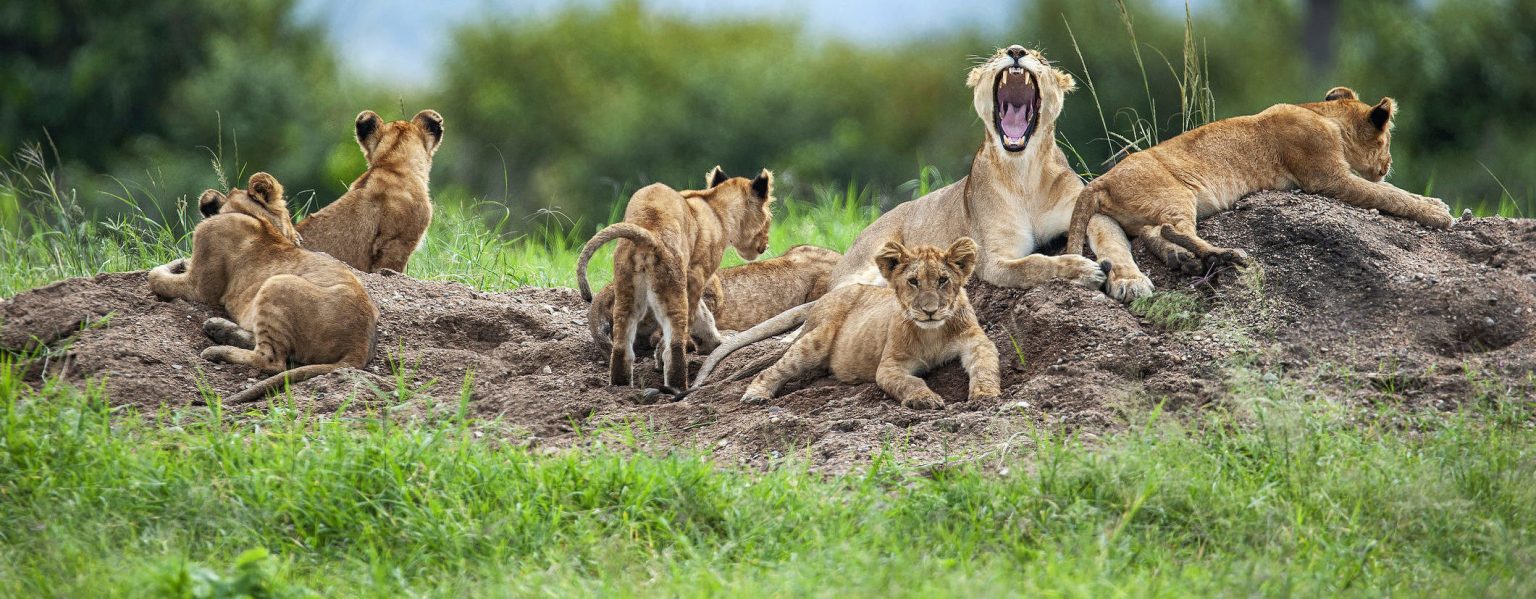
Lions are the only cats that live in family units called prides, usually made up of related females, their cubs and one or more resident males. Prides often number between ten and twenty lions, sometimes more. Living together helps lions hunt large prey, raise cubs and defend territory against rival prides. Pride life is fascinating to watch.
A lion's roar carries for kilometres
A lion's roar is the loudest of any big cat and can be heard up to about 8 km away on a still night. Lions roar to announce territory, warn rivals and keep in contact with pride members. Hearing a roar echo across the plains from your tent is one of the most thrilling safari sounds.
Lions rest up to 20 hours a day
Lions spend up to 20 hours a day resting or sleeping, conserving energy for short bursts of hunting, usually at dusk, night or dawn. This is why you often find lions lazing in the shade during midday game drives. Early mornings and late afternoons bring far more activity, from hunting to playful cubs. Patience reveals action.
Some lions climb trees
Lions are not natural climbers, yet some populations regularly rest in trees. Lake Manyara and Tarangire in Tanzania are famous for tree-climbing lions, which may climb to escape biting flies, catch cooling breezes or get a better view of prey. Spotting lions draped over acacia branches is a rare and special treat. Keep looking up into the trees.
Lions and hyenas are fierce rivals
Lions and spotted hyenas compete for the same prey and frequently steal kills from each other. Contrary to popular belief, hyenas are skilled hunters, and lions often scavenge from them. Clashes between the two can be noisy and dramatic, especially in the Ngorongoro Crater, where both predators live at high densities. Their rivalry never truly ends.
Leopards haul prey into trees
Leopards are incredibly strong for their size and can drag prey as heavy as themselves high into trees. Storing kills in branches keeps them safe from lions and hyenas, allowing leopards to feed over several days. Seeing a leopard with an antelope draped over a branch is an iconic safari moment. It is pure power in action.
Leopards are the most widespread big cat
Leopards live in more habitats than any other big cat, from rainforests and mountains to savannas, semi-deserts and the edges of towns, across much of Africa and parts of Asia. Their adaptability, varied diet and secretive nature help them survive where other large predators have disappeared, although many populations are declining. They are true survival experts.
Leopards see brilliantly at night
Leopards are mainly nocturnal hunters with excellent night vision, many times better than ours, thanks to a reflective layer behind the retina. Combined with sensitive whiskers and acute hearing, this lets them stalk prey silently in darkness. By day, they often rest hidden in trees, dense bush or rocky kopjes. Darkness is their natural kingdom.
Cheetahs are the fastest land animals
Cheetahs reach about 100 to 120 km/h in short sprints and accelerate from zero to around 96 km/h in roughly three seconds. Long legs, a flexible spine, a long balancing tail and semi-retractable claws make this speed possible. Chases rarely last more than a minute before the cheetah must rest. Watching one sprint is truly breathtaking.
Cheetahs chirp instead of roaring
Unlike lions and leopards, cheetahs cannot roar. Instead, they communicate with high-pitched chirps that sound surprisingly like birds, as well as purrs, growls and hisses. Mothers chirp to call hidden cubs, and coalition males use calls to stay in touch. Hearing a cheetah chirp on the open plains is unforgettable. It is surprisingly sweet to hear.
02African Big Cat Profiles
Each African big cat has its own look, lifestyle and survival strategy, so knowing their key characteristics helps you appreciate every sighting. Lions rely on teamwork, leopards on stealth and strength, and cheetahs on speed. Africa is also home to fascinating smaller wild cats that many travelers overlook. These five tabs profile the lion, leopard and cheetah with essential facts on size, behaviour, habitat and conservation status, introduce Africa's smaller wild cats such as the caracal and serval, and compare all three big cats side by side so you can recognise them easily on safari. Enjoy learning them all.
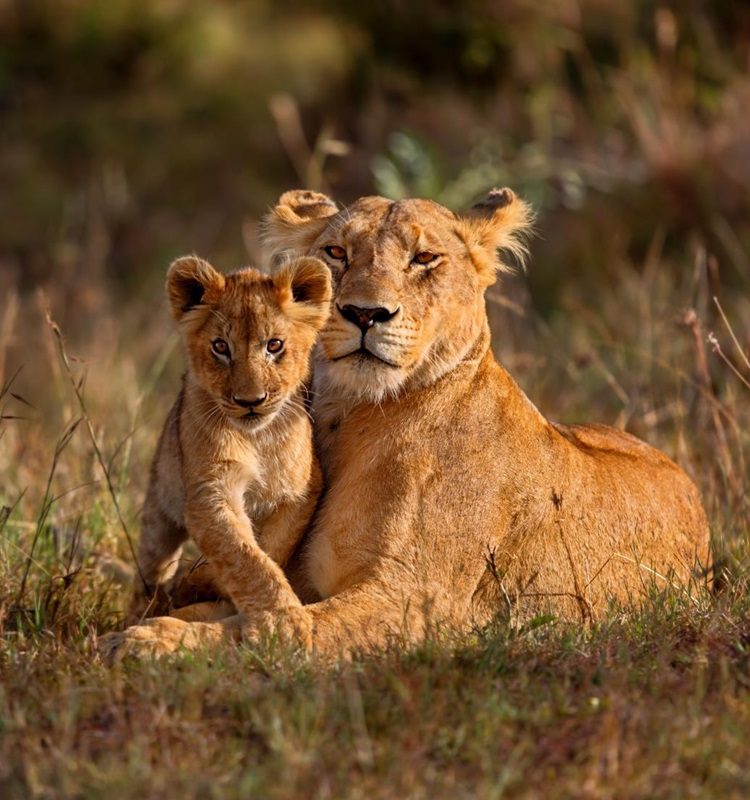
African Lion Facts
Every safari traveler
Social and powerful
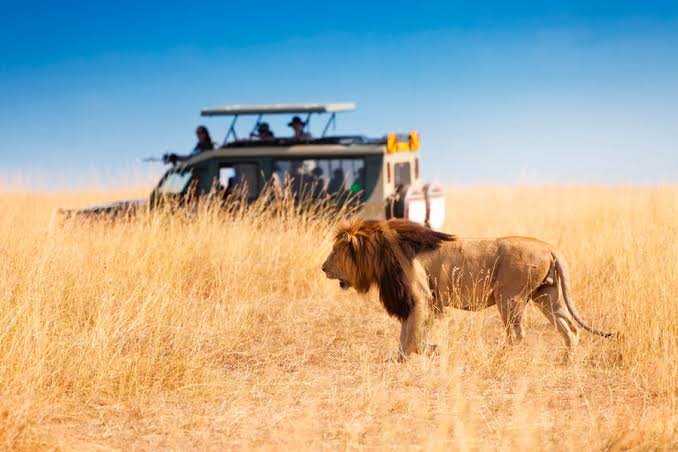
Lions are Africa's largest cats, with males weighing around 150 to 250 kg and females about 110 to 180 kg. Males grow manes that darken with age. Lions live in prides on savannas and open woodland, hunt cooperatively, often at night, and are listed as Vulnerable, with populations declining across much of Africa. They are truly majestic.
Interesting lion facts →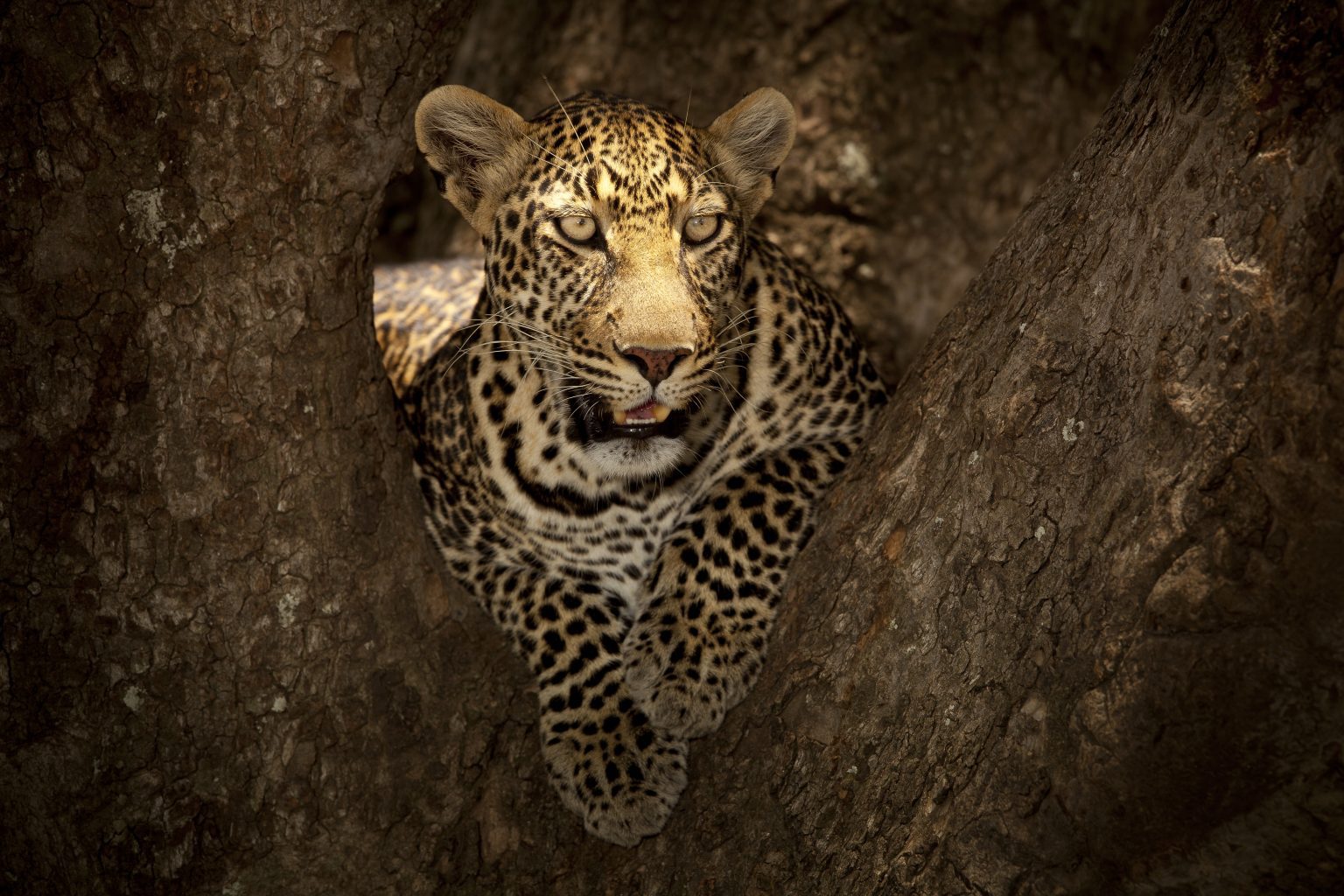
African Leopard Facts
Patient spotters
Strong and secretive
Leopards weigh about 30 to 90 kg, with males much larger than females, and have rosette-shaped spots for camouflage. They are solitary, mostly nocturnal and incredibly adaptable, living in forests, savannas, mountains and rocky areas. Leopards are listed as Vulnerable, threatened by habitat loss, conflict with people and illegal trade. They are masters of disguise in every habitat.
Leopard safari →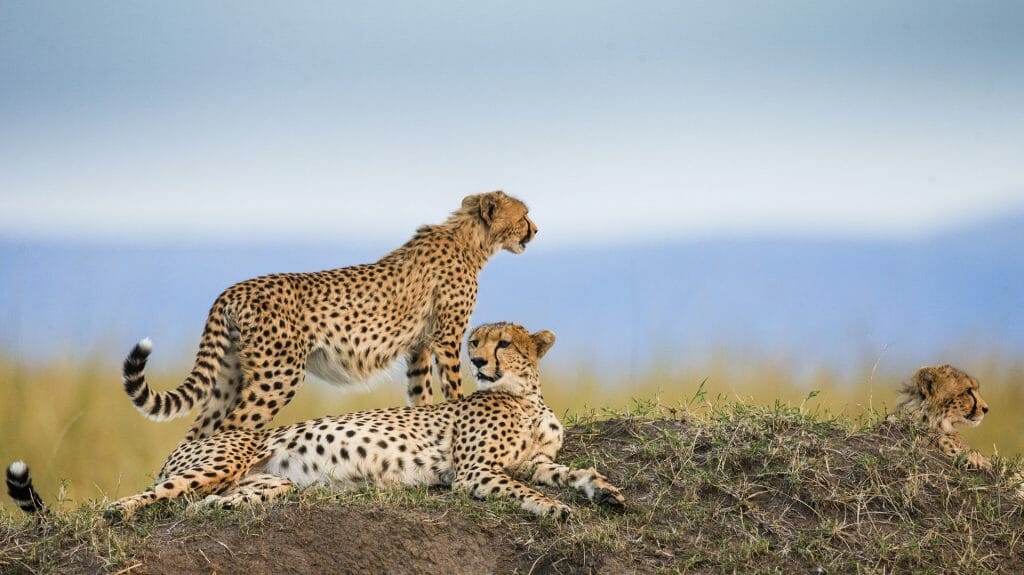
Cheetah Facts
Speed lovers
Built for speed
Cheetahs weigh about 35 to 65 kg and have solid round spots and black tear marks that are thought to reduce sun glare. They hunt by day on open plains, chasing gazelles at incredible speed. Females are solitary, while males may form coalitions. Only around 7,000 adults remain in the wild, and the species is Vulnerable.
Cheetah vs leopard →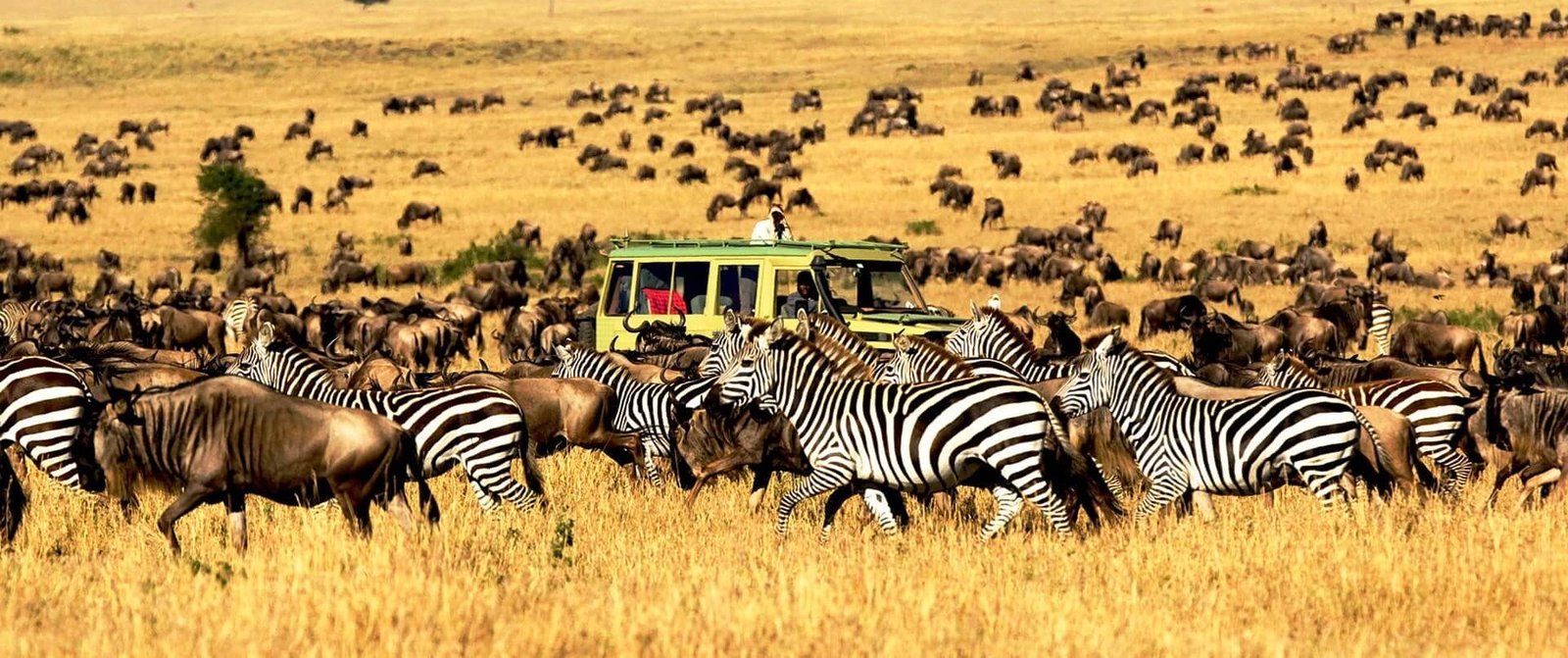
Africa's Smaller Wild Cats
Wildlife enthusiasts
Hidden gems of the bush
Africa is also home to smaller wild cats. The caracal has tufted ears and leaps high to catch birds in flight, while the long-legged serval hunts rodents in tall grass with remarkable pounces. The African wildcat, ancestor of domestic cats, is widespread. Sightings are rare, making each one a special safari bonus. Keep your eyes open always.
Caracal facts →
Lions vs Leopards vs Cheetahs
Curious travelers
Teamwork, stealth or speed
Lions are the largest and most social, hunting together and roaring loudly. Leopards are solitary, secretive and the strongest climbers, hunting mostly at night. Cheetahs are the lightest and fastest, hunting by day and chirping instead of roaring. All three can be seen in Tanzania's Serengeti, often on the same safari. Each cat is unique and impressive.
Where to spot big cats →03Where to See African Big Cats in Tanzania
Tanzania is one of the best countries in Africa to see all three big cats, with vast protected areas, healthy prey populations and expert guides who know where to find them. Lions are widespread, leopards favour woodland and rivers, and cheetahs prefer open plains, so visiting a mix of habitats gives you the best chances. These six Tanzania destinations offer outstanding big cat sightings, from the Serengeti's famous prides and Seronera's leopards to tree-climbing lions in Lake Manyara and the remote wilderness of Ruaha and Nyerere. Each destination offers its own truly unique and unforgettable big cat experience.
Serengeti National Park
The Serengeti is Africa's premier big cat destination, home to thousands of lions, healthy leopard numbers and some of the continent's best cheetah viewing. Seronera is famous for leopards and lions year-round, while Ndutu and the southern plains offer superb cheetah sightings from January to March during the calving season. It is truly a big cat paradise.
Ngorongoro Crater
The Ngorongoro Crater has a high density of lions, along with spotted hyenas, making predator interactions common. Leopards are occasionally seen in forested areas, and cheetahs are rare on the crater floor. A full-day crater tour often delivers excellent lion sightings and one of Africa's best chances to see black rhinos. Expect dramatic predator encounters there.
Lake Manyara National Park
Lake Manyara is famous for its tree-climbing lions, which are sometimes seen resting in acacia and mahogany trees. Leopards also live in the park's groundwater forest, though they are shy. Compact and close to Arusha, Lake Manyara is an easy addition to a northern circuit big cat safari with the Serengeti and Ngorongoro. It is a delightful surprise.
Tarangire National Park
Tarangire supports healthy lion prides, including occasional tree-climbing lions, as well as leopards along the Tarangire River and cheetahs in more open areas. Big cat sightings are especially good in the dry season from June to October, when wildlife gathers along the river and the park's famous elephant herds are most impressive. Keep your camera close at hand.
Ruaha National Park
Ruaha in southern Tanzania is one of Africa's most important lion strongholds, with large prides, good leopard numbers and cheetahs on its open plains. Few vehicles and wild, rugged landscapes make sightings feel exclusive. Ruaha is ideal for experienced safari travelers looking for authentic big cat encounters away from the crowds. It feels wild and untouched.
Nyerere National Park
Nyerere, formerly part of the Selous Game Reserve, offers lion and leopard sightings along with African wild dogs, in a landscape of rivers, lakes and woodland. Boat safaris on the Rufiji River add a unique perspective. Cheetahs are rarely seen here, but Nyerere is perfect for a remote, adventurous southern safari. It is wonderfully wild and remote.
04Big Cat Safari Checklist
Seeing lions, leopards and cheetahs on one safari takes careful planning, the right parks and a skilled guide. Combine open plains for cheetahs, woodland and rivers for leopards and prime lion territory to maximise your chances, and plan enough nights in each area for patient searching. Early starts and late afternoon drives bring the most big cat action. Use this checklist to plan your trip, then contact our Arusha-based specialists, who will design a private tailor-made Tanzania safari focused on Africa's magnificent big cats and expert guiding. Your unforgettable big cat adventure in Tanzania starts right here today.
Where to go0/4
When to go0/4
What to bring0/4
05Fascinating Facts About African Big Cats: FAQs
What are the big cats of Africa?
The big cats of Africa are the lion, leopard and cheetah. Lions and leopards belong to the roaring Panthera genus, while the cheetah is usually included as a big cat because of its size, even though it cannot roar. All three live in Tanzania, where the Serengeti offers excellent chances to see them together. Each is magnificent.
What is the largest big cat in Africa?
The lion is the largest big cat in Africa. Adult males typically weigh around 150 to 250 kg and stand about 1.2 metres tall at the shoulder, while females are smaller at about 110 to 180 kg. Male lions are easily recognised by their impressive manes, which usually darken and thicken with age. They are truly majestic.
Which African big cat is the fastest?
The cheetah is the fastest African big cat and the fastest land animal on Earth, reaching about 100 to 120 km/h in short sprints. Lions can reach around 80 km/h and leopards about 58 km/h, but only in short bursts. Cheetahs rely on speed, while lions and leopards rely more on stealth. Each has its own strengths.
Which big cat has the loudest roar?
The lion has the loudest roar of any big cat, which can be heard up to about 8 km away on a still night. Lions roar to mark territory, warn rivals and communicate with pride members. Leopards make a deep, rasping call, while cheetahs cannot roar and instead chirp, purr and hiss. Each call is unforgettable.
Why do lions live in prides?
Lions live in prides because teamwork helps them survive. Working together, lionesses can hunt large prey such as buffalo and zebra, raise cubs communally and defend territory against rival prides and hyenas. Male lions protect the pride from takeovers by other males. Lions are the only truly social wild cats in the world. Prides are fascinating to watch.
Can lions climb trees?
Yes, some lions climb trees, although they are not natural climbers like leopards. Lake Manyara and Tarangire in Tanzania are famous for tree-climbing lions, which may climb to escape biting flies, catch cooling breezes or get a better view. Sightings of lions resting in branches are rare and always exciting on safari. Keep your eyes on the branches.
Is a cheetah considered a big cat?
Scientifically, the cheetah is not one of the roaring big cats in the Panthera genus, which includes lions and leopards. However, it is widely called a big cat because of its size and predatory lifestyle. Cheetahs cannot roar, have semi-retractable claws and are built for speed rather than strength. Most people call it one anyway.
Why do leopards drag prey into trees?
Leopards drag prey into trees to protect it from lions, hyenas and other scavengers that would steal their kills. Their exceptional strength allows them to haul prey as heavy as themselves high into branches. Storing food in trees lets leopards feed over several days in safety, a fascinating behaviour to witness. It is pure power.
Are African big cats endangered?
Lions, leopards and cheetahs are all listed as Vulnerable, meaning they face a high risk of extinction in the wild. Cheetahs are especially threatened, with only around 7,000 adults left. Habitat loss, conflict with livestock farmers, declining prey and illegal trade are the main threats. Responsible tourism helps fund their protection. Every visitor can help.
How long do lions sleep each day?
Lions sleep or rest for up to 20 hours a day, conserving energy for hunting, which usually takes place at dusk, night or dawn. This is why lions are often seen lying in the shade during the middle of the day. Early morning and late afternoon game drives offer the best chances of action. They are experts at saving energy.
Do lions and hyenas fight?
Yes, lions and spotted hyenas are fierce rivals and often fight over food. Hyenas are skilled hunters, not just scavengers, and lions frequently steal their kills, while large hyena clans can drive lions away from carcasses. These dramatic clashes are often seen in the Ngorongoro Crater and the Serengeti on safari. Their rivalry is endless.
Where is the best place to see big cats in Africa?
Tanzania's Serengeti is one of the best places in Africa to see lions, leopards and cheetahs, often on the same safari. Seronera is excellent for leopards and lions, while Ndutu and the southern plains are outstanding for cheetahs. Kenya's Maasai Mara, Ruaha and Botswana also offer superb big cat sightings. Each offers something truly special.
When is the best time to see big cats in Tanzania?
Big cats can be seen in Tanzania year-round. January to March is excellent for cheetahs and lions during the calving season in Ndutu and the southern Serengeti. The dry season from June to October offers great sightings as wildlife gathers near water, especially in central and northern Serengeti and Tarangire. Each season offers rewards for patient visitors.
What small wild cats live in Africa?
Africa's smaller wild cats include the caracal, with its tufted ears and impressive leaps, the long-legged serval, the African wildcat and the elusive black-footed cat of southern Africa. Caracals, servals and African wildcats all live in Tanzania, though sightings are less common than lions, leopards and cheetahs. Keep watching carefully at dusk and at dawn.
Big Cat Guides
Book a Big Cat Safari
See Lions, Leopards and Cheetahs in Tanzania
Experience Africa's big cats up close on a private tailor-made Tanzania safari, with expert guides who know where prides hunt, leopards rest and cheetahs chase, private 4x4 vehicles and camps close to the Serengeti's best big cat areas.
Book Now Online →What Our Travelers Say
Real 5-star reviews from guests who traveled with us