Is Tarangire National Park Worth Visiting?
Is Tarangire National Park Worth Visiting?
Yes, Tarangire National Park is absolutely worth visiting, especially for its massive elephant herds, iconic baobab trees, quieter atmosphere than other parks, diverse birdlife, and excellent dry-season game viewing, making it a must-visit for intimate and rich wildlife experiences. Tucked into northern Tanzania, Tarangire National Park is often described as the quieter sibling of the Serengeti and Ngorongoro Crater. Yet for travelers who venture beyond the most famous names, Tarangire reveals a safari experience that feels deeply authentic, richly scenic, and surprisingly rewarding. From vast elephant herds wandering beneath ancient baobabs to peaceful game drives far from crowds, Tarangire offers a different rhythm of Africa—one that is slower, more intimate, and wonderfully wild. So, is Tarangire National Park worth visiting? For many travelers, the answer is a confident yes. Here’s why.
Elephant Paradise
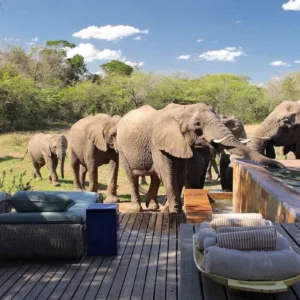
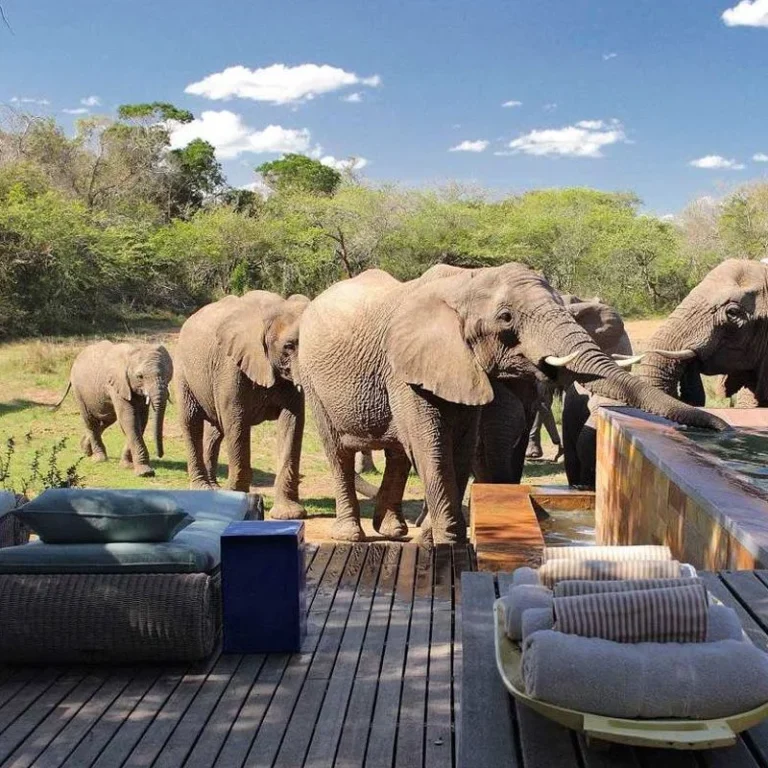
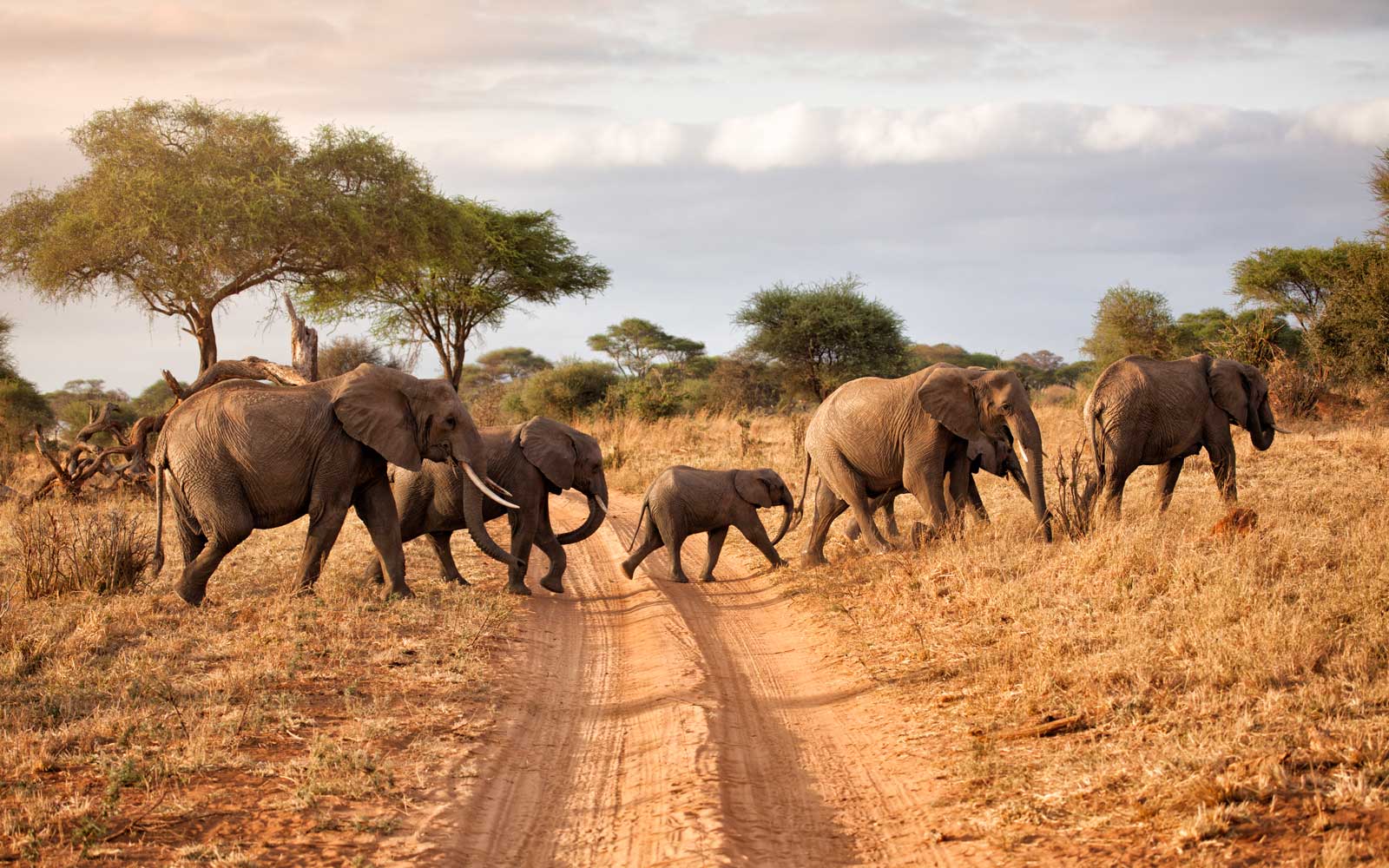
If elephants are high on your safari wish list, Tarangire may well become your favorite park in Tanzania. During the dry season, the Tarangire River becomes a lifeline, drawing enormous herds—sometimes hundreds at a time—into the park. Watching families of elephants dig for water in the riverbed, dust themselves in red earth, or gently guide their calves across open plains is a truly moving experience. Unlike busier parks where sightings can feel rushed, Tarangire allows you to linger with these gentle giants, observing their complex social behavior without pressure. For elephant lovers, few places in East Africa compare.
Unique Scenery
Tarangire’s landscape is strikingly different from other northern circuit parks. The park is famous for its ancient baobab trees, some of which are many hundreds of years old and tower over the savannah like silent guardians. Rolling hills, open grasslands, seasonal swamps, and the winding Tarangire River create ever-changing scenery that feels both dramatic and serene. This variety makes every game drive visually engaging. One moment you’re driving beneath colossal baobabs, the next you’re overlooking wide plains dotted with wildlife against golden light—especially magical during sunrise and sunset.
Abundant Wildlife
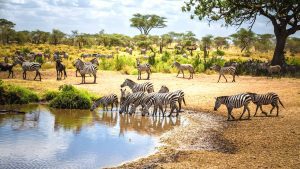
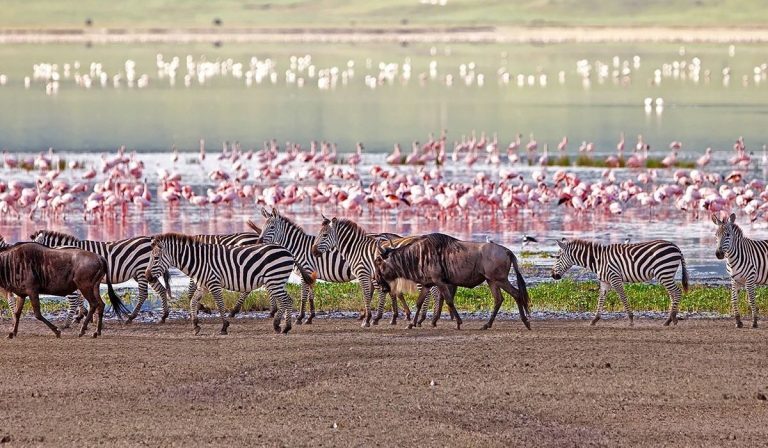
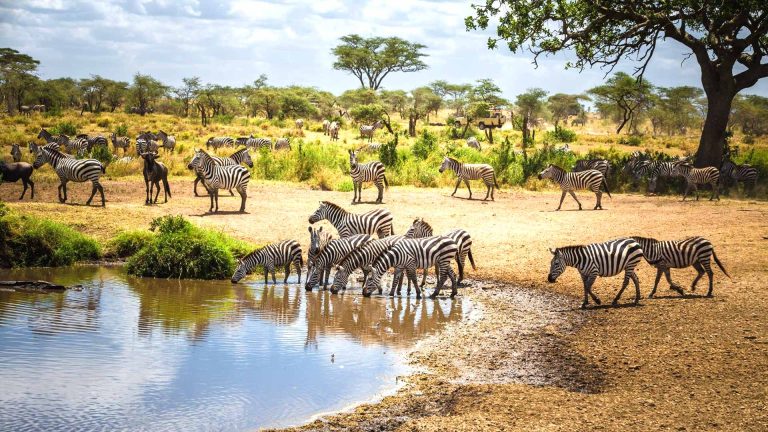
While Tarangire may not host the Great Migration, it more than compensates with impressive resident wildlife. The park is home to large populations of buffalo, giraffe, zebra, wildebeest, and antelope species such as eland, kudu, and oryx. Predators, including lions, leopards, and cheetahs, are regularly seen, particularly during the dry months when prey concentrates near water sources. Because wildlife tends to gather around the river, sightings often feel effortless and natural. It’s a park where patience is rewarded, and quiet observation leads to unforgettable encounters.
A Birdwatcher’s Dream
With over 500 recorded bird species, Tarangire National Park is a paradise for bird enthusiasts. From large birds like ostriches and kori bustards to colorful bee-eaters, kingfishers, hornbills, and lovebirds, the diversity is extraordinary. Seasonal swamps attract waterbirds, while woodlands host countless species year-round. Even for travelers who don’t consider themselves birdwatchers, Tarangire’s avian life adds vibrant color and sound to the safari experience.
A Quieter, More Relaxed Experience
One of Tarangire’s greatest strengths is its peaceful atmosphere. Compared to the Serengeti or Ngorongoro Crater, the park receives fewer visitors, which translates into calmer game drives and a deeper connection with nature. There’s time to stop, listen, and absorb the landscape—without feeling rushed from sighting to sighting. For travelers seeking a more reflective safari, Tarangire delivers beautifully.
Strategic Location
Tarangire’s location makes it an excellent addition to a northern Tanzania safari itinerary. Situated just a short drive from Arusha, it fits easily alongside Lake Manyara, Ngorongoro Crater, and even the Serengeti. This strategic positioning makes Tarangire ideal for short safaris, first-time visitors, or travelers who want to balance iconic destinations with a less-explored gem. It also works perfectly as a first or last stop, easing you into or out of the safari experience.
Less Crowded, More Intimate
Even during peak season, Tarangire rarely feels overwhelmed. Its size and lower visitor numbers mean you can enjoy sightings without a cluster of vehicles surrounding animals. This sense of space creates more intimate wildlife encounters and allows guides to explore lesser-known areas of the park. For photographers, couples, and travelers who value exclusivity, this is a major advantage.
More Budget-Friendly
Compared to some of Tanzania’s flagship parks, Tarangire is generally more affordable. Park fees are lower, and there’s a wide range of accommodation options—from comfortable lodges to luxury tented camps—that often come at a more accessible price point. This makes Tarangire an excellent choice for budget-conscious travelers who still want a high-quality safari, as well as for those looking to balance costs while visiting multiple parks.
- Accommodation
- Meals
- Park fees
- Vehicle & guide
- Transfers
- International flights
- Visas
- Travel insurance
- Tips
- Premium drinks
Why Some Travelers Might Skip Tarangire National Park
Travelers might skip Tarangire due to its smaller scale compared to Serengeti, lack of rhinos (for Big Five completists), potential for scattered wildlife during the green season when water is abundant, and the allure of more famous parks like Ngorongoro, leading to time/budget constraints forcing choices on the popular Northern Circuit. However, it's renowned for massive elephant herds, baobab trees, and great dry-season sightings, often making it a missed opportunity for those who skip it. While Tarangire has many strengths, it’s not perfect for everyone. Understanding its limitations helps set realistic expectations.
No Great Migration
If witnessing the Great Wildebeest Migration is your primary safari goal, Tarangire may not fully satisfy that dream. The park does not host the dramatic river crossings or massive moving herds seen in the Serengeti. That said, Tarangire offers a different kind of spectacle—one rooted in resident wildlife, seasonal movements, and quieter, more personal encounters.
A general guide: the herds follow the rains.
No Rhinoceros
Unlike Ngorongoro Crater, Tarangire does not have a population of rhinos. Travelers determined to see all members of the “Big Five” may find this a drawback. However, many visitors discover that the richness of Tarangire’s elephants, birds, landscapes, and relaxed atmosphere more than compensates for this absence.
Choosing Between Tarangire and the Serengeti
Choosing between Tarangire and the Serengeti depends on what kind of safari experience you want. The Serengeti is world-famous for the Great Wildebeest Migration, endless plains, and dramatic predator action, making it ideal for first-time visitors seeking iconic moments. Tarangire, on the other hand, offers a quieter, more intimate safari with huge elephant herds, baobab-dotted landscapes, and fewer vehicles. It is more budget-friendly and less crowded. Many travelers find that combining both parks provides the perfect balance of legendary wildlife spectacles and peaceful, authentic encounters.
What You Can Expect to See at Tarangire National Park
Tarangire National Park offers exceptional wildlife viewing, especially during the dry season. Visitors can expect to see massive herds of elephants, large numbers of buffalo, giraffes, zebras, wildebeest, and a wide variety of antelope species. Predators such as lions and leopards are commonly spotted, while cheetahs appear in open areas. The park is also famous for its ancient baobab trees and the Tarangire River, which attracts wildlife year-round. Birdlife is outstanding, with over 500 species, making every game drive diverse and rewarding.
How Much Does a Safari at Tarangire National Park Cost?
The cost of a safari at Tarangire National Park varies depending on travel style, duration, and accommodation. Budget safaris typically start from lower daily rates, while mid-range and luxury options increase with lodge quality and private services. Costs usually include park entry fees, accommodation, meals, a guide, and game drives. Compared to the Serengeti or Ngorongoro Crater, Tarangire is generally more affordable, making it an excellent choice for travelers seeking quality wildlife experiences without extremely high costs, especially as part of a multi-park itinerary.
Is Tarangire National Park Worth Visiting in October?
October is an excellent time to visit Tarangire National Park. It falls at the end of the dry season, when wildlife concentrates around the Tarangire River, creating outstanding game-viewing opportunities. Elephant sightings are particularly impressive, and predators are easier to spot due to thinner vegetation. The park remains less crowded than other northern circuit destinations, even during this popular period. Temperatures are warm, but conditions are ideal for photography and extended game drives. October is especially rewarding for travelers seeking abundant wildlife and fewer tourists.
Is Tarangire National Park Worth Visiting for a Day?
Tarangire National Park is absolutely worth visiting for a day, especially for travelers with limited time. Its proximity to Arusha makes it ideal for a full-day safari, offering excellent wildlife sightings within a short drive. In one day, visitors can see elephants, giraffes, buffalo, lions, and a variety of bird species. While an overnight stay allows for deeper exploration, a day trip still delivers a rich safari experience. It is a great introduction to Tanzania’s wildlife or a perfect addition to a short itinerary.
Tarangire National Park, Tanzania, Cost
The overall cost of visiting Tarangire National Park in Tanzania includes park entry fees, vehicle fees, guide services, accommodation, and meals. Prices vary based on whether you choose a budget, mid-range, or luxury safari. Compared to more famous parks, Tarangire remains relatively cost-effective, especially for longer stays. Travelers can find excellent value lodges and camps just outside the park. This affordability, combined with high wildlife density, makes Tarangire one of the best-value safari destinations in northern Tanzania.
What Is Tarangire National Park Famous For
Tarangire National Park is famous for its massive elephant populations, iconic baobab trees, and seasonal wildlife concentrations along the Tarangire River. During the dry season, the park hosts some of the largest elephant herds in East Africa. It is also renowned for its diverse landscapes, quieter atmosphere, and exceptional birdlife, with hundreds of species recorded. Unlike busier parks, Tarangire offers a more relaxed and authentic safari experience, making it particularly appealing to travelers seeking nature, space, and intimate wildlife encounters.
Tarangire National Park Map
A Tarangire National Park map highlights key features such as the Tarangire River, main game-viewing areas, swamps, lodges, camps, and park gates. The river runs through the park and serves as a vital water source, attracting wildlife throughout the year. Maps also show seasonal routes and picnic sites used during game drives. Understanding the park’s layout helps travelers appreciate why wildlife gathers in certain areas, especially during the dry season, and allows guides to plan efficient, rewarding safari routes.
Tarangire National Park vs Serengeti
When comparing Tarangire National Park vs the Serengeti, the main difference lies in scale and experience. The Serengeti is vast and dramatic, famous for the Great Migration and large predator populations. Tarangire is smaller but offers dense wildlife, especially elephants, and far fewer crowds. Tarangire is ideal for peaceful game drives, while the Serengeti delivers iconic, large-scale wildlife events. Budget-wise, Tarangire is more affordable. Both parks complement each other well, offering distinct yet equally memorable safari experiences.
Tarangire National Park Reviews
Reviews of Tarangire National Park consistently highlight its impressive elephant sightings, scenic landscapes, and relaxed atmosphere. Many travelers praise the park for being less crowded than other northern circuit destinations while still offering excellent wildlife viewing. Visitors often mention the beauty of baobab trees, rewarding birdlife, and knowledgeable guides. Reviews also note the good value for money, particularly compared to more famous parks. Overall, Tarangire receives positive feedback for delivering an authentic, peaceful, and highly satisfying safari experience.
When Is the Best Time to Visit Tarangire National Park?
The best time to visit Tarangire National Park is during the dry season, from June to October. During this period, wildlife gathers around the Tarangire River, making animals easier to spot. Elephant sightings are at their peak, and predator activity is more visible due to reduced vegetation. The green season, from November to May, offers lush scenery and excellent birdwatching but more dispersed wildlife. Each season has its charm, but the dry months provide the most reliable game viewing.
The ultimate guide to Tarangire National Park
The ultimate guide to Tarangire National Park introduces one of Tanzania’s most rewarding safari destinations, famous for its vast elephant herds, ancient baobab trees, and rich wildlife. Located on the northern safari circuit, Tarangire offers excellent game viewing, outstanding birdlife, and a quieter, less crowded experience than many parks. With diverse landscapes, seasonal wildlife concentrations, and good value safari options, Tarangire is ideal for travelers seeking authentic and memorable African safaris.
Final Verdict: Is Tarangire National Park Worth Visiting?
Tarangire National Park may not have the global fame of the Serengeti, but that is precisely what makes it special. It offers a safari experience that feels unhurried, authentic, and deeply connected to the land. With its vast elephant herds, distinctive scenery, abundant wildlife, and peaceful ambiance, Tarangire stands out as one of northern Tanzania’s most rewarding destinations. For travelers who value meaningful wildlife encounters, fewer crowds, and excellent value for money, Tarangire National Park is absolutely worth visiting—and often becomes one of the most memorable highlights of a Tanzanian safari.
Is Tarangire National Park Worth Visiting?: FAQs
Is Tarangire National Park suitable for a senior or adult-only safari?
Yes, Tarangire National Park is very suitable for senior travelers and adult-only safaris. The park offers smooth, unhurried game drives, abundant wildlife close to the main routes, and a peaceful atmosphere with fewer crowds. Many lodges and camps cater specifically to adults and seniors, providing comfortable accommodations, excellent service, and flexible schedules.
Is Tarangire National Park honeymooners/couple friendly?
Yes, Tarangire National Park is very honeymooner and couple-friendly. The park’s quiet atmosphere, beautiful baobab-studded landscapes, and fewer crowds create a romantic, intimate safari experience. Many lodges offer private tented suites, candlelit dinners, and scenic sundowners overlooking wildlife areas. Game drives feel relaxed and exclusive, allowing couples to enjoy special moments together.
Is Tarangire National Park family-friendly?
Yes, Tarangire National Park is family-friendly and a great choice for safaris with children. The park offers gentle game drives, frequent wildlife sightings—especially elephants—and a calmer, less crowded environment that suits families well. Many lodges provide family tents, flexible schedules, and child-friendly guides who make wildlife learning fun and engaging.
How to Plan a Tarangire National Park Safari?
Planning a Tarangire National Park safari starts with choosing the right time to visit, with the dry season offering the best wildlife viewing. Decide whether you want a day trip or an overnight stay, then select a budget, mid-range, or luxury safari lodge. Booking a knowledgeable guide enhances sightings, especially for elephants and birds.
What safari packages are available in Tarangire National Park?
Safari packages in Tarangire National Park range from budget to luxury options, catering to different travel styles and durations. Available packages include day trips from Arusha, short 2–3 day safaris combined with Lake Manyara or Ngorongoro Crater, and longer private safaris with exclusive lodges or tented camps. Most packages include park fees, guided game drives, accommodation, meals, and transport, offering excellent value and flexible itineraries for couples, families, and solo travelers.
How to Book a Tarangire National Park Safari?
Booking a Tarangire National Park safari starts with choosing your travel dates and deciding on a budget, travel style, and trip length. Select a reputable local tour operator who offers licensed guides, well-maintained vehicles, and flexible itineraries. Most safaris include park fees, accommodation, meals, and game drives. You can book as a standalone trip or combine Tarangire with nearby parks like Lake Manyara or Ngorongoro.
Can I combine a safari with Zanzibar?
Yes, a Tanzania safari followed by Zanzibar is one of Africa’s most popular holidays. After game drives in the Serengeti, Ngorongoro or Tarangire, a short flight takes you to Zanzibar for white-sand beaches, snorkelling, dhow cruises, spice tours and historic Stone Town. Plan three to five nights on the island to relax after your safari.
How much does a Tanzania safari cost?
Safari costs depend on the season, accommodation level, safari length, park fees and whether you travel privately. Budget camping safaris cost the least, while mid-range lodges and luxury tented camps cost more but add comfort and personal service. Request a detailed quotation listing inclusions and exclusions so you can compare value rather than headline prices.
Plan Your Private Tanzania Safari
Tell us your travel dates, interests and budget, and our local team will design a private tailor-made safari around you.