
Tanzania Big Cats Safari: Lions & Leopards
A Tanzania big cats safari offers some of the best chances in Africa to see lions, leopards and cheetahs in the wild, especially in the Serengeti, Ngorongoro Crater, Tarangire and Ruaha. With Foot Slopes Tours and Safaris, you travel in your own private vehicle with an expert guide who understands cat behavior, favorite habitats and the best times of day. We tailor each itinerary to your dates, interests and budget, giving you unhurried time at sightings, early starts for hunting activity and comfortable camps close to where the cats live.
Plan Your Big Cats Safari
Trip Length
Comfort Level
Safari Style
Operator Rating
Specialized Tours
Filter by Operator
Other Tour Features
Senior Safaris
Senior-Friendly Safari Packages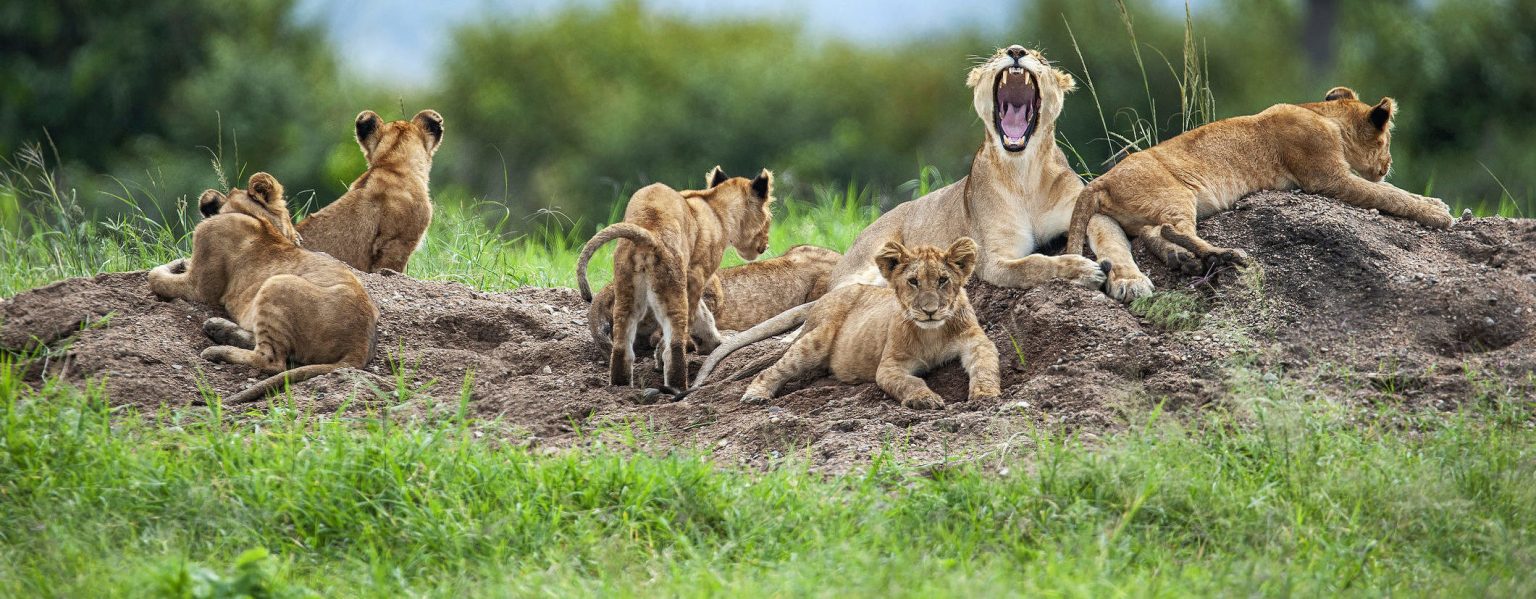
Tanzania Big Cats Safari: Lions & Leopards
A Tanzania big cats safari is a private, tailor-made journey focused on lions, leopards and cheetahs, using expert guides and a private vehicle to find them across the Serengeti, Ngorongoro, Tarangire and beyond.
Private Tanzania Big Cats Safari Packages
Choose a private big cats itinerary and adapt the parks, length and comfort level to your wishes.
8-Day Tanzania Big Five Luxury Safari
Experience the ultimate Tanzania Big Five Luxury Safari with Tarangire, Serengeti, Ngorongoro Embalaki walking…
View Package →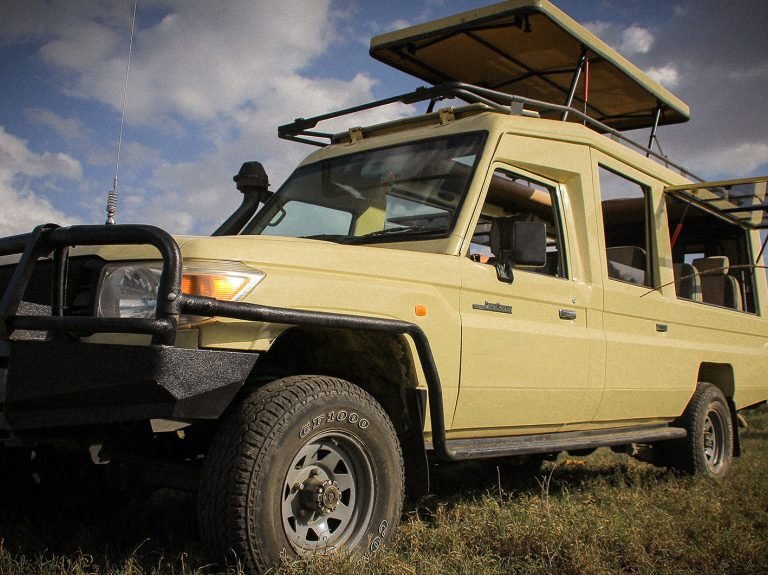
11-Day Tanzania Big Five Private Experience
Experience the ultimate 11-day Tanzania Big Five private safari – see lions, elephants, leopards,…
View Package →
African Big Cats Safaris
Experience a magical 14-day Serengeti honeymoon safari. Luxury lodges, private game drives, and romantic…
View Package →
Tanzania Leopard Safari
Experience a Luxury Leopard Safari in Tanzania – Track elusive leopards in pristine reserves,…
View Package →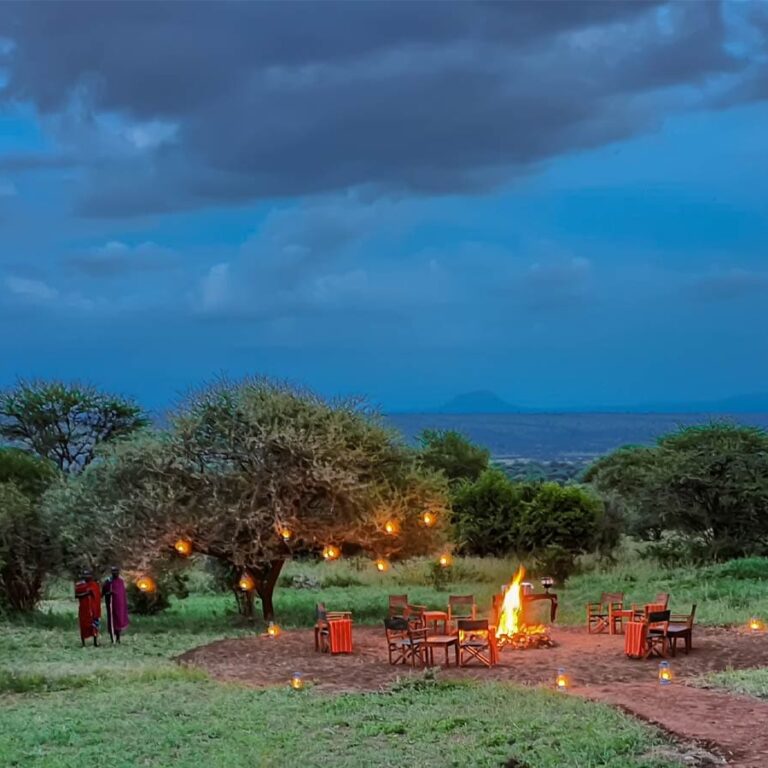
8-Day Northern Tanzania Safaris
Explore Northern Tanzania on an 8-day safari: Tarangire, Serengeti, and Ngorongoro Crater. Discover wildlife,…
View Package →
7-Day Best of Serengeti Safari
Book a 7-Day 7-Day Best of Serengeti Safari adventure in Tanzania and experience luxury…
View Package →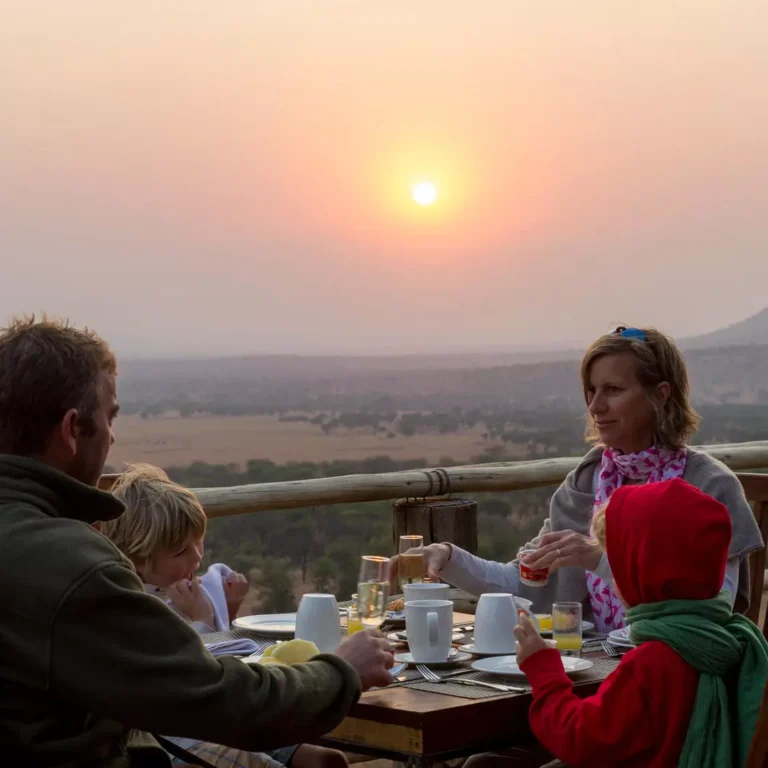
Incredible 9-Day Memorable Tanzania Safari Packages
Experience the ultimate 9-day Tanzania safari! Explore Serengeti, Ngorongoro Crater, Tarangire, and Lake Manyara…
View Package →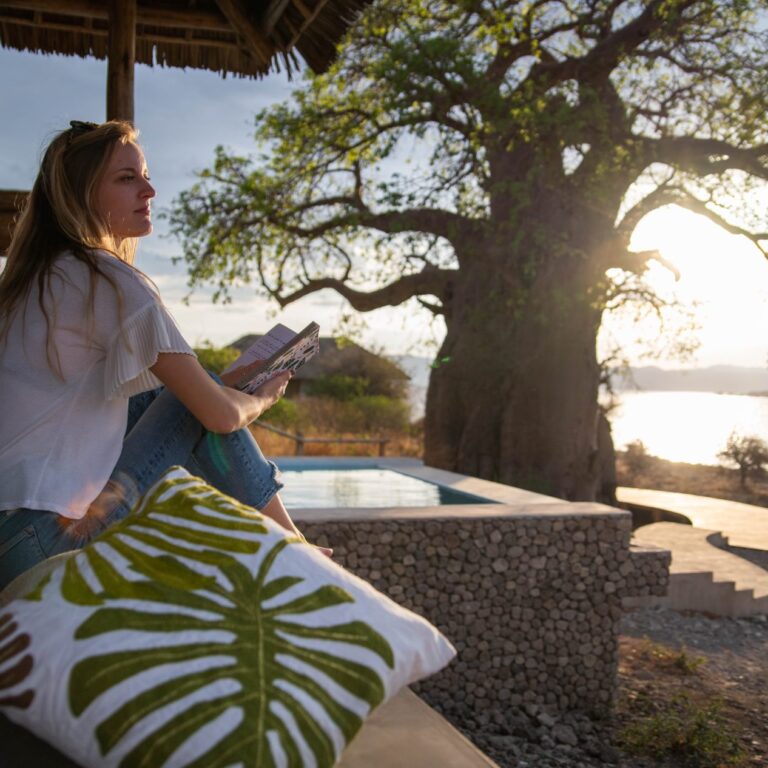
8-Day Authentic Tanzania Safari Tours
Book and compare 8-Day Authentic Tanzania Safari Tours offers by specialized tour operators. Find…
View Package →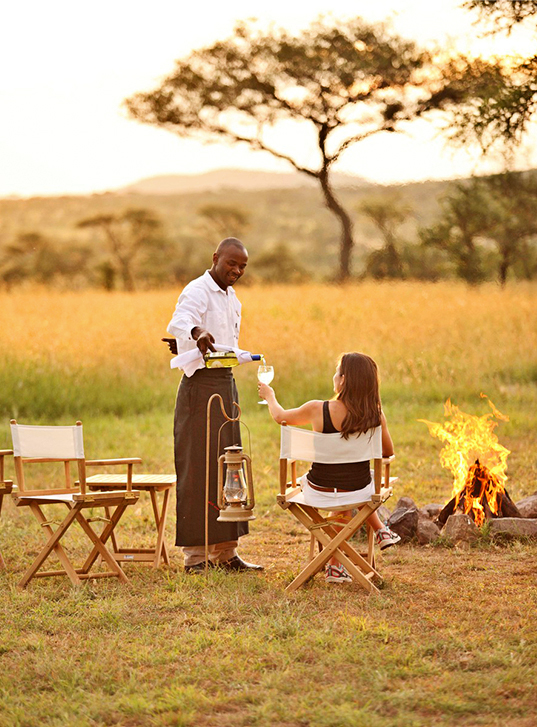
9-Day Private Northern Tanzania Safari
Experience a 9-day private Northern Tanzania safari from Arusha, exploring Lake Manyara, Tarangire, Serengeti,…
View Package →Tanzania Big Cats Safari FAQs
Where to See Lions in Tanzania
The best places to see lions in Tanzania are the Serengeti, Ngorongoro Crater, Lake Manyara and Ruaha. The central Serengeti around Seronera is known for resident prides that rest on kopjes and hunt on the plains. Ngorongoro Crater offers compact, open viewing in a natural amphitheater, and Lake Manyara is famous for tree-climbing lions in some seasons. Ruaha holds large prides in dry, rugged country. A private guide can search quietly and stay with cubs and hunts for as long as you wish.
Finding Leopards
Leopards are shy, mostly nocturnal and often rest in trees, so patience and a skilled guide matter. The Seronera River valley in the central Serengeti is one of the best areas for leopard sightings, with large trees and plenty of prey. Tarangire and Ruaha also offer good chances along riverbeds and rocky outcrops. Early mornings and late afternoons are best. A private vehicle lets you start before breakfast, return to promising trees and wait quietly without pressure from a fixed schedule.
Cheetahs on the Plains
Cheetahs prefer open grassland where they can sprint after gazelles, making the southern and eastern Serengeti plains and the Ndutu area excellent for sightings, particularly from December to March when prey is abundant. Cheetahs often hunt in the morning and use termite mounds or low rises as lookouts. Your guide will keep a respectful distance and avoid crowding, which protects the animals' chances of a successful hunt and gives you better photographs and a more natural, peaceful experience. Early starts make a real difference.
Best Time for a Big Cats Safari
Big cats can be seen year-round, but the dry season from late June to October makes them easier to find because vegetation is shorter and animals gather near water. January to early March in the southern Serengeti brings calving season, when predators follow the herds and hunts are frequent, though timing varies with rainfall. The Great Migration also attracts lions and cheetahs. Your private itinerary can be timed to the sightings that matter most to you. Ask us which months suit your chosen parks.
Photography and Responsible Viewing
Big cats are among the most rewarding subjects for wildlife photography, especially in soft light at sunrise and sunset. A private vehicle gives you flexible window space and the freedom to adjust position without waiting for others. Good safari etiquette matters: stay in the vehicle, keep voices low, never encourage animals to move and respect distances set by park rules. These habits protect the cats and often lead to longer, more natural sightings. We can also advise on suitable cameras, lenses and bean bags for window mounting.
Itineraries, Costs and Planning
A big cats safari usually lasts five to ten days and combines the Serengeti with Ngorongoro Crater, plus Tarangire or Ruaha if you have time. Budget camping is about $250 to $390 per person per day, mid-range about $550 to $990 and luxury about $990 to $2,500. Prices are guides only. Tell Foot Slopes Tours and Safaris your dates and priorities, and we will design a private, tailor-made plan. Your itinerary can include a balloon flight, a walking safari or a Kilimanjaro or Zanzibar extension if you wish.
Where is the best place to see big cats in Tanzania?
The best place to see big cats in Tanzania is the Serengeti, where lions, leopards and cheetahs live across varied habitats. The central Seronera area is excellent for leopards and lions, while the southern plains suit cheetahs. Ngorongoro Crater offers close lion viewing, and Ruaha is a remote alternative. Foot Slopes Tours and Safaris plans each route privately with your own guide, so you can spend more time where sightings are best.
When is the best time to see lions, leopards and cheetahs?
The best time is the dry season from late June to October, when shorter grass and water sources make cats easier to find. January to early March is also excellent in the southern Serengeti, with predators following newborn herds. Cats are most active early in the morning and late in the afternoon. Great Migration movement varies with rainfall, so your private itinerary stays flexible and your guide adjusts the route daily.
How many days do I need for a big cats safari?
Five to seven days is a good minimum for a big cats safari, giving you at least two full days in the Serengeti plus time at Ngorongoro Crater. Eight to ten days improves your chances and allows Tarangire or Ruaha as well. Sightings are never certain because animals are wild, so extra time raises your chances. Your private consultant will recommend a realistic length for your goals. Extra time always helps.
Can I see the Big Five on a big cats safari?
Yes, you can see most of the Big Five on a Tanzania big cats safari. Lions and leopards are the focus, while elephants and buffalo are common in the Serengeti, Tarangire and Ngorongoro. Black rhinos are rarer and are best seen in Ngorongoro Crater, usually at a distance. Foot Slopes Tours and Safaris designs your private route around your priorities, with the cats first and other wildlife as a bonus.
Is a big cats safari safe and suitable for photographers?
Yes, a private big cats safari is safe when you follow your guide's instructions and stay inside the vehicle at sightings. Experienced guides know animal behavior and park rules. Photographers benefit from flexible window positions, early starts and no pressure to move on. Foot Slopes Tours and Safaris can arrange suitable vehicles. Please carry travel insurance and consult your doctor or a travel clinic about health precautions before you travel.
Will I definitely see big cats on a Tanzania safari?
No, wildlife sightings are never certain because animals are wild and free, but Tanzania offers some of Africa's best chances. Choosing the dry season, spending more days in prime areas such as the Serengeti, and traveling with an experienced private guide all improve your odds. Foot Slopes Tours and Safaris will advise honestly on timing and length, so your expectations are realistic and your journey remains rewarding. We never overpromise.
Where do I stay on a Tanzania big cats safari?
Stay in camps and lodges positioned near prime cat habitat, such as the central Serengeti around Seronera, northern areas near Kogatende, and the crater rim at Ngorongoro. Small tented camps often put you closer to sightings and let guides head out early. Comfort levels range from budget camping to luxury lodges. Foot Slopes Tours and Safaris chooses locations based on the time of year and where cats are most active, then builds a private itinerary that keeps travel short and leaves you more time with lions, leopards and cheetahs. Camps matter more than a famous name.
What time of day is best for seeing big cats in Tanzania?
Early morning and late afternoon are the best times to see big cats, because lions, leopards and cheetahs are more active when it is cooler. Cheetahs often hunt in the morning light, leopards may move at dusk or dawn, and lions mostly rest through the heat of midday. A private vehicle lets you leave at sunrise and stay out later without watching the clock. Foot Slopes Tours and Safaris schedules your private drives around the cats rather than a fixed timetable. These times also give softer light for photographs of lions, leopards and cheetahs, which most guests love.
What should I pack for a big cats safari in Tanzania?
Pack neutral layers, a warm jacket for chilly early drives, a hat, sunscreen, sunglasses and comfortable closed shoes. Bring binoculars and a camera with a long lens, spare batteries and memory cards, because cats are often seen at a distance. Use soft-sided luggage for light aircraft. Ask your doctor or a travel clinic about health precautions before you travel. Foot Slopes Tours and Safaris provides a tailored packing list for your private safari, matched to your route and the season of travel. Patience is the real key, because cats often rest for hours before they act.
What other wildlife will I see on a big cats safari?
Alongside lions, leopards and cheetahs, you can expect elephants, giraffes, buffalo, zebras, wildebeest, hippos, crocodiles and many birds. Spotted hyenas, jackals and servals add more predator interest, and Ngorongoro Crater offers a chance to see black rhino. Prey herds also shape where cats are found, so seeing both is part of understanding the ecosystem. A private guide explains behaviour and relationships as you watch. Foot Slopes Tours and Safaris builds your itinerary so predators and wider wildlife are balanced throughout the journey. Understanding the ecosystem makes each sighting richer for every guest, young or old.
How does a private vehicle improve big cat sightings?
A private vehicle improves big cat sightings because your guide can follow fresh tracks, listen for alarm calls and wait at a promising spot for as long as you like. You choose when to leave, so you can stay with a resting pride, watch a leopard descend a tree or follow a cheetah stalking. There is no fixed schedule or competing demands in the vehicle. Foot Slopes Tours and Safaris provides private vehicles with expert guides, giving you flexible, unhurried time with the cats. That freedom is the real advantage of a private safari.
Plan Your Big Cats Safari
Share your dates and wildlife wishes, and our Arusha team will design a private, tailor-made big cats safari in Tanzania with your own guide.
Book Now Online →What Our Travelers Say
Real 5-star reviews from guests who traveled with us
Our Private African luxury Safari experience with Foot Slopes Tours and Safaris exceeded every expectation - beautifully planned, comfortable, and genuinely unforgettable.
We had an incredible private safari experience with Foot Slopes Tours and Safaris - professional guides, excellent lodges, and a truly seamless trip from start to finish.
Foot Slopes Tours and Safaris is truly one of the best local tour companies in Tanzania - professional, reliable, and genuinely invested in giving guests a great experience.
Our family chose Foot Slopes Tours and Safaris for a custom 11-day safari itinerary - the level of personal attention and care throughout was exceptional from start to finish.