
How Far in Advance to Book an African Safari
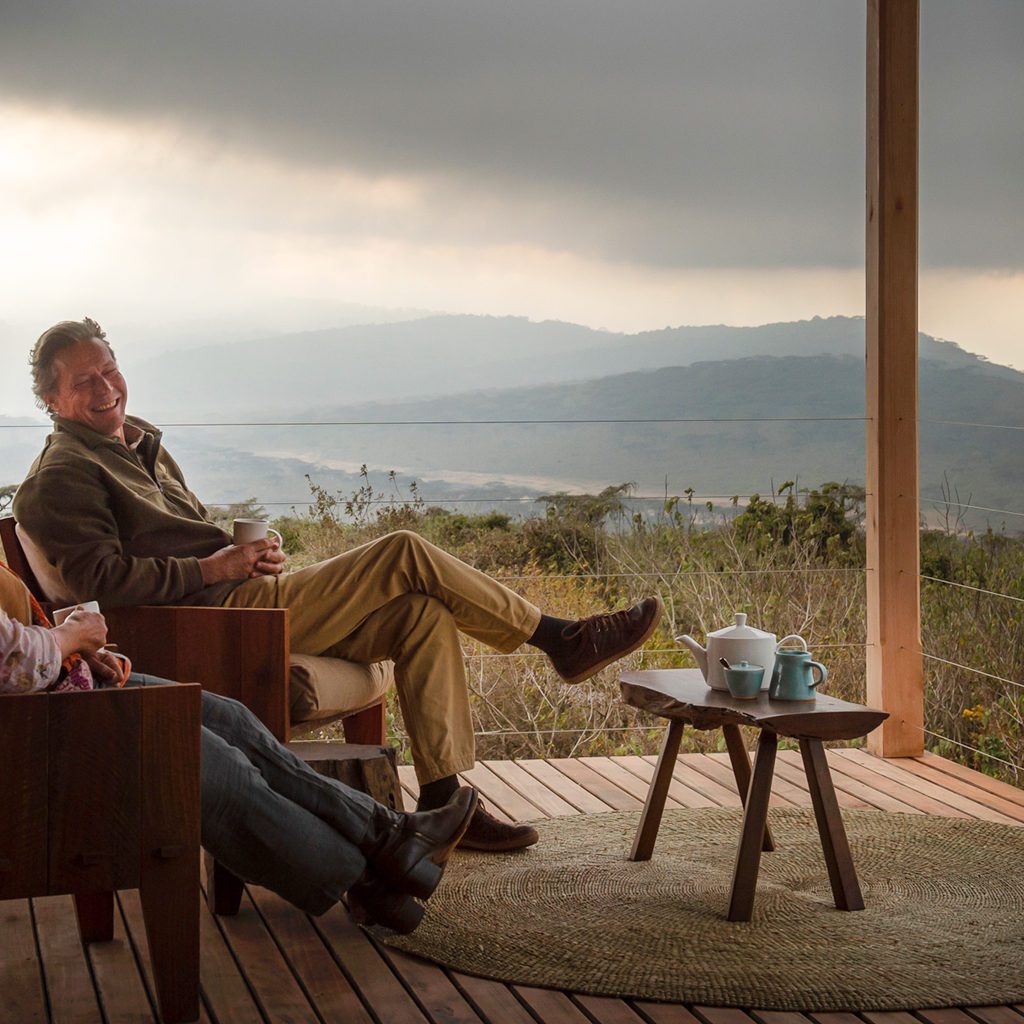
The dream of an African safari often ignites with a single image: a lion silhouetted against a fiery sunset, a herd of elephants traversing the dusty plains, the vibrant plumage of an exotic bird flitting through the acacia trees. Once this dream takes hold, the practicalities of planning begin to surface, and one of the most crucial questions arises: How far in advance should I book my African safari? For peak safari seasons, booking 9-12 months in advance is recommended to secure your spot, as these times are often the most crowded and expensive. If you’re flexible with your travel dates or prefer shoulder or off-peak seasons, you can likely book 3-6 months in advance. Unlike more spontaneous getaways, an African safari requires a degree of foresight and strategic planning. The answer to the booking timeline isn’t a one-size-fits-all, as it depends on various factors, including your travel style, desired level of luxury, specific destinations, and travel dates. However, as a general rule of thumb, booking your African safari 9 to 18 months in advance is highly recommended to secure the best options and prices. Let’s delve into the compelling reasons why early booking is your most prudent path to an unforgettable African adventure: 1. Securing Your Preferred Accommodations: Location, Luxury, and Availability The quality and location of your chosen lodges and camps can significantly impact your safari experience. Prime accommodations, especially those situated within or bordering national parks and offering exceptional wildlife viewing opportunities, often have limited capacity and book up well in advance, particularly during peak seasons. Booking early provides you with a wider selection of accommodations, allowing you to choose the perfect setting that aligns with your preferences and budget. Whether you envision a secluded eco-lodge with breathtaking views, a luxurious tented camp with personalized service, or a strategically located lodge offering easy access to key wildlife areas, early booking increases your chances of securing your desired option. Waiting until the last minute often means settling for whatever is still available, potentially compromising on location, amenities, or overall experience. 2. Accessing the Best Rates and Early Bird Discounts: Your Wallet Will Thank You Just like airlines and hotels, many safari lodges and tour operators offer early booking discounts and special offers to incentivize travelers who plan ahead. These discounts can translate to significant savings, allowing you to allocate your budget to other enriching aspects of your trip, such as extending your stay, opting for more exclusive experiences, or indulging in higher-end accommodations. By booking early, you position yourself to take advantage of these advantageous rates before they disappear as availability decreases closer to the travel dates. Think of it as a reward for your proactive planning – a chance to maximize your safari experience without straining your budget. 3. Ensuring Availability During Peak Seasons: Don’t Miss the Spectacle African safaris are particularly popular during the dry seasons, which generally offer the best wildlife viewing conditions and more comfortable temperatures. These peak periods, often coinciding with school holidays and major travel seasons, experience high demand. Booking well in advance is essential to guarantee your spot, especially if you are traveling during these times. Imagine setting your heart on witnessing the Great Migration in the Serengeti or the wildebeest birthing season. Only to find that all suitable accommodations and tours are fully booked. Early planning ensures that you don’t miss out on these iconic natural events due to lack of availability. 4. Tailoring Your Itinerary and Securing Permits for Specific Activities An African safari is rarely a one-size-fits-all experience. Booking early provides you with ample time to collaborate with your chosen tour operator to customize your itinerary to your specific interests and preferences. Whether you want to focus on specific wildlife sightings or incorporate cultural visits. Add walking safaris, or dedicate more time to birdwatching, early planning allows for these personalized touches. Furthermore, certain highly sought-after activities, such as trekking permits on Mount Kilimanjaro. Have limited availability and often require booking several months in advance. Early planning ensures that you can secure these permits and incorporate these unique experiences into your honeymoon. 5. More Time for Planning and Preparation: A Stress-Free Journey Beyond the tangible benefits of savings and availability, booking early allows for a more relaxed and thorough planning process. You’ll have more time to research different destinations, compare tour operators, arrange necessary vaccinations and travel documents (including visas), and pack thoughtfully. This reduces the stress and potential for last-minute scrambles often associated with rushed bookings. Having ample time also allows you to delve deeper into the destination’s culture, wildlife, and conservation efforts, enriching your overall experience and building anticipation for your adventure. 6. Better Flight Options and Potentially Lower Airfares The journey to Africa often involves long-haul flights, and securing these early can lead to better flight options in terms of schedules, direct routes, and potentially lower airfares. Last-minute flight bookings tend to be more expensive and may involve inconvenient layovers or less desirable departure times. By booking your safari well in advance, you can often coordinate your flights to align perfectly with your chosen itinerary. Giving you more flexibility and potentially saving you money on air travel. 7. High vs. Low Season Many safari destinations have distinct high and low seasons. The high season typically coincides with dry months when animals congregate around water sources, making them easier to spot. This period can vary by region but is often during the dry season, from May to October. During this time, it is advisable to book your safari at least 6-12 months in advance to secure the best lodges and guide services. Conversely, the low season may offer fewer visitors and lower prices, which can be appealing. However, wildlife sightings may be less predictable. If you’re considering a low-season safari, booking 3-6 months in advance should suffice, but flexibility is essential. Factors Influencing Your Booking Timeline While the 9-to-18-month window is a good general guideline, several factors can influence your ideal booking timeframe.
The Best Time to Go on an African Honeymoon
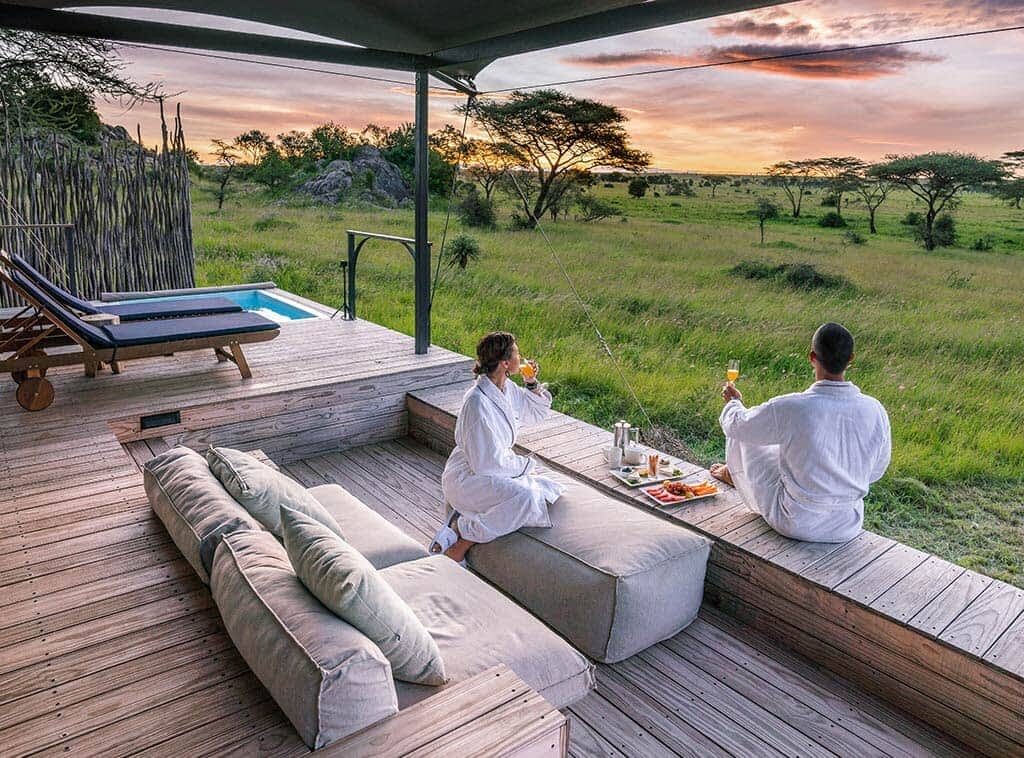
The best time for an African honeymoon safari is during the dry season (May to October). This period guarantees comfortable weather, minimal rainfall, and exceptional wildlife viewing, as animals congregate near waterholes. However, the exact ideal month depends on your preferred experiences. A Tanzania honeymoon safari is one of the most romantic African travel experiences for newlyweds seeking luxury safari lodges, pristine beaches, wildlife adventures, and unforgettable sunsets. Tanzania is famous for the iconic Serengeti National Park, breathtaking Ngorongoro Crater, exotic Zanzibar beaches, and luxury African honeymoon packages. Whether you dream of witnessing the Great Migration, enjoying private game drives, relaxing in beachfront resorts, or experiencing a romantic safari under African skies, Tanzania offers year-round honeymoon adventures. Each month brings unique weather, wildlife viewing, and travel opportunities. From luxury tented camps to all-inclusive safari and beach holidays, couples can enjoy world-class hospitality, Big Five safaris, cultural encounters, and spectacular landscapes. Choosing the best time for your Tanzania honeymoon safari depends on weather, wildlife, crowds, and your preferred romantic experiences. African Honeymoon Safari in January January is one of the best months for an African honeymoon safari, offering warm weather, green landscapes, and excellent wildlife viewing. Where to go for a honeymoon safari in January? The southern plains of Serengeti National Park become incredibly beautiful as wildebeest gather for the calving season, attracting predators and photographers from around the world. Newlyweds enjoy romantic luxury safari lodges, private game drives, and unforgettable sunsets across the African savannah. January is also perfect for combining a safari with a beach honeymoon in Zanzibar, where turquoise waters and white-sand beaches create a paradise for couples. The weather remains sunny with occasional short showers, making it ideal for honeymoon photography and outdoor adventures. Couples can experience hot-air balloon safaris, candlelit bush dinners, and exclusive honeymoon safari packages throughout Tanzania’s top wildlife destinations. African Honeymoon Safari in February February is considered a peak season for romantic African honeymoon safaris because of excellent weather and incredible wildlife experiences. Where to go for a honeymoon safari in February? The wildebeest calving season continues in the Ndutu region near Serengeti National Park, providing thrilling predator action and unforgettable Tanzania safari moments. Tarangire National Park, Lake Manyara National Park, and Ngorongoro Crater offer incredible wildlife viewing. Luxury Tanzania safari camps offer honeymoon suites, private verandas, and personalized services designed for couples seeking intimacy and adventure. February also delivers warm temperatures and clear skies, making it ideal for game drives, photography, and beach relaxation in Zanzibar. Newlyweds can enjoy snorkeling, dhow cruises, spa treatments, and romantic beachfront dinners after their safari experience. Tanzania honeymoon packages during February combine luxury accommodations, Big Five safaris, cultural tours, and exclusive wildlife encounters, creating one of Africa’s most unforgettable honeymoon destinations for couples seeking romance and adventure. African Honeymoon Safari in March March offers a quieter and more peaceful African honeymoon safari experience with fewer tourists and lush green scenery. Where to Go for a Honeymoon Safari in March? The landscapes across Tarangire National Park and Ngorongoro Crater remain vibrant after seasonal rains, creating beautiful backdrops for romantic safaris and honeymoon photography. Couples can enjoy discounted luxury safari packages, exclusive lodges, and private game drives without large crowds. Wildlife viewing is still excellent, especially for elephants, lions, giraffes, and zebras roaming Tanzania’s iconic national parks. March is also ideal for couples seeking a luxury safari and Zanzibar honeymoon combination, with warm beach weather and relaxing ocean experiences. Romantic activities include sunset picnics, Maasai cultural visits, walking safaris, and luxury tented camps under the stars. Tanzania in March delivers tranquility, romance, adventure, and affordable luxury honeymoon opportunities. African Honeymoon Safari in April April marks the long rainy season in Tanzania, but it remains a magical time for couples seeking secluded and affordable honeymoon safaris. Where to Go for a Honeymoon Safari in April? The landscapes become lush, green, and incredibly scenic, especially in Lake Manyara National Park and Arusha National Park. Luxury safari lodges often provide discounted honeymoon packages, making April attractive for couples wanting high-end experiences at lower prices. Rain showers usually occur in the afternoon, leaving mornings ideal for romantic game drives and wildlife viewing. Birdwatching becomes exceptional as migratory species fill Tanzania’s parks with color and activity. Couples can enjoy quiet safari camps, spa treatments, gourmet dining, and breathtaking scenery without crowds. Although some remote roads become muddy, Tanzania still offers unforgettable honeymoon adventures, luxurious accommodations, and intimate safari experiences during this peaceful travel season. African Honeymoon Safari in May May continues the green season in Tanzania and is perfect for an African safari for honeymooners seeking privacy, luxury, and breathtaking scenery. The national parks remain beautifully green, while safari lodges offer exclusive deals for romantic African honeymoon vacations. Where to Go for a Honeymoon Safari in May? Wildlife viewing in Serengeti National Park and Ngorongoro Crater is still rewarding, with fewer safari vehicles and peaceful game drives. Couples can enjoy intimate bush breakfasts, romantic sundowners, and luxury tented camps surrounded by nature. The cooler weather creates comfortable safari conditions for exploring Tanzania’s wildlife destinations. Beach extensions to Zanzibar remain attractive for couples wanting relaxation after safari adventures. May is ideal for travelers seeking affordable luxury honeymoon packages, stunning landscapes, and unforgettable moments in Africa. Tanzania’s calm atmosphere during May enhances romance, adventure, and personalized safari experiences for newlyweds. African Honeymoon Safari in June June is one of the best months for an incredible African honeymoon safari because the dry season begins and wildlife viewing improves dramatically. Where to Go for a Honeymoon Safari in June? The Great Migration starts moving through the western Serengeti National Park, offering spectacular safari opportunities for couples seeking unforgettable wildlife encounters. Clear skies, cooler temperatures, and dry landscapes create ideal conditions for game drives, photography, and luxury safari experiences. Honeymooners enjoy elegant lodges, private guides, and romantic bush dinners beneath African stars. June is also excellent for combining a safari with a beach honeymoon in Zanzibar, where sunny weather and calm ocean conditions provide perfect relaxation. Couples
Tanzania Travel Advice & Safety
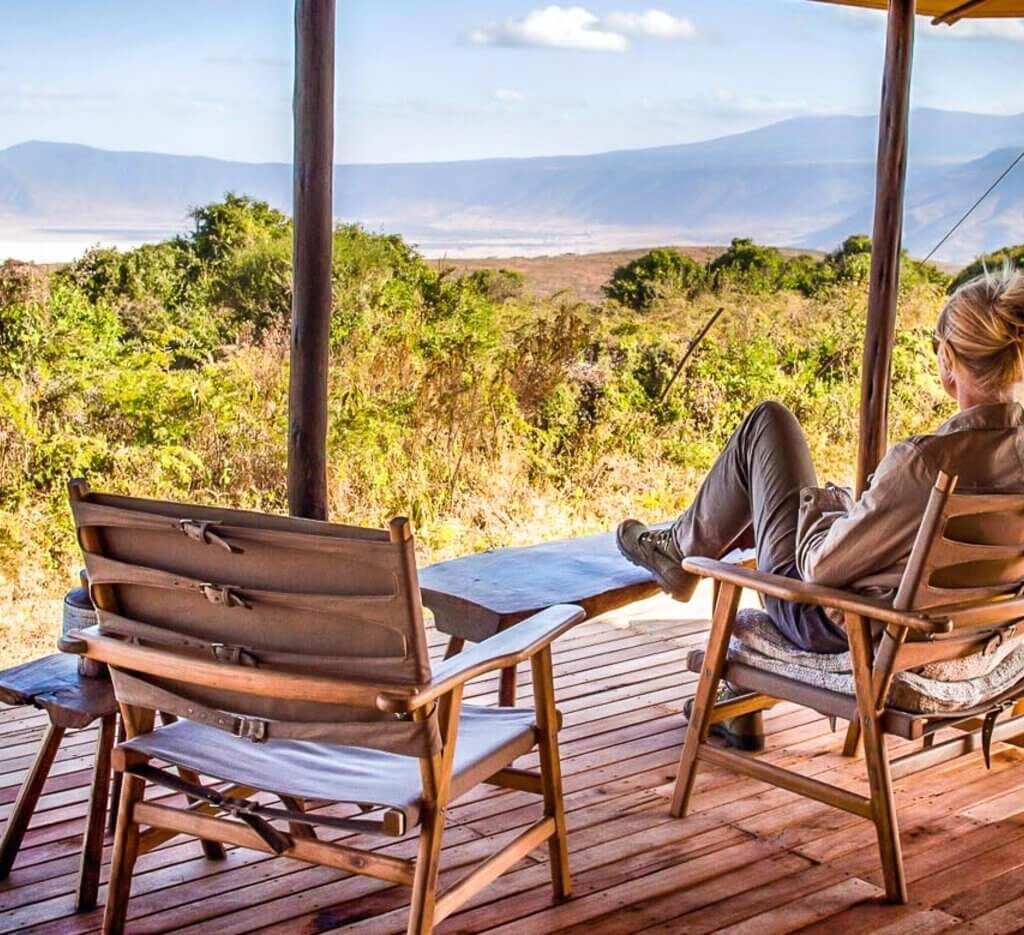
Tanzania, renowned for its stunning landscapes, vibrant wildlife, and rich cultures, has become a bucket-list destination for travelers worldwide. The country boasts adventures from the peaks of Mount Kilimanjaro to the breathtaking wildlife in the Serengeti. But as with any travel destination, questions of safety often arise. It is generally considered safe to travel to Tanzania, and it’s a popular destination for tourists seeking incredible wildlife encounters and stunning landscapes. However, like any travel destination, it’s essential to be aware of potential risks and take necessary precautions. So, is it safe to travel to Tanzania? This article aims to clarify some common concerns and provide useful tips to ensure a secure trip. Understanding the Safety Landscape Tanzania has experienced significant development in recent years, particularly in its tourism sector. Tourist hotspots like Zanzibar, Arusha, and the national parks are generally considered safe, with highly regulated environments to protect tourists and animals alike. However, like any country, it does have areas where caution is advised. Traveling to Tanzania in 2025 can be a safe and rewarding experience with proper planning and awareness. By staying informed about current advisories, taking necessary health precautions, and being mindful of your surroundings and local customs, you can mitigate potential risks and enjoy the incredible beauty and wildlife that Tanzania has to offer. Check this: Tanzania Travel Guide – Parks, Best Time, Reviews & More Crime and Personal Safety Crime rates can vary significantly between urban and rural areas. In larger cities, petty crimes such as pickpocketing and bag-snatching can occur, especially in crowded markets or public transport. Tourists are generally advised to remain vigilant, avoid flashing valuables, and utilize hotel safes when possible. Check this: Is it safe to safari in Tanzania? It’s wise to travel with a reputable tour company, particularly in less populated regions. Guided tours not only enhance safety but also enrich the travel experience with local knowledge and context. Reputable Operators: Booking tours and safaris with well-established and reputable operators is crucial for your safety and overall experience. They are knowledgeable about local conditions and have established safety protocols. Transportation: It’s generally recommended to avoid public transportation like minibuses (dala-dalas) and motorbike taxis (boda-bodas) due to safety concerns. Opt for registered taxis or ride-hailing services in cities. If self-driving, use a 4×4 vehicle outside urban areas and avoid driving at night. Wildlife Encounters: In national parks and reserves, always follow the instructions and guidelines provided by your guides and park rangers. Never leave vehicles in the wild or attempt to approach animals. Coastal Areas (including Zanzibar): Maintain a heightened sense of security awareness in coastal areas and stay informed about any local advisories. Health Considerations Health is another critical aspect to consider when planning your trip. Vaccinations and health precautions are vital for travelers heading to Tanzania. Recommended vaccinations include those for Hepatitis A, Typhoid, and Yellow Fever. Malaria is also prevalent, especially in rural areas, so taking antimalarial medication is highly recommended. Travelers should stay hydrated, practice safe food consumption, and consider travel insurance that covers medical emergencies. Knowing where to find hospitals and clinics in case of illness is also crucial. Vaccinations: Ensure you are up-to-date on all routine vaccinations and consult your doctor about recommended vaccinations for Tanzania, such as yellow fever, typhoid, hepatitis A, and others. A yellow fever vaccination certificate is required if you are traveling from or transiting through countries with a risk of yellow fever transmission. Malaria: Malaria is a risk in many parts of Tanzania. Take necessary precautions, including antimalarial medication, using insect repellent, and sleeping under mosquito nets. Mpox: Be aware of the ongoing Mpox (monkeypox) outbreak in parts of Africa, including Tanzania. You may be subject to health screening measures upon arrival. Food and Water Safety: Drink bottled or treated water and be cautious about food hygiene, especially from street vendors. Medical Facilities: Medical facilities can be limited, especially outside major cities. Ensure you have comprehensive travel insurance that covers medical emergencies, including evacuation if necessary. Check this: How We Keep You Safe on Kilimanjaro? Current Travel Advisories (as of May 4, 2025) U.S. Embassy Security Alert (March 21, 2025): Advises U.S. personnel to avoid travel to islands and coastal areas south of Kisiju due to potential security threats.Mpox Outbreak (March 10, 2025): The Tanzanian government has announced an outbreak of Mpox, and travelers may undergo health screening at entry points. Political Stability Tanzania is considered politically stable, and violent protests are rare. Travel advice and advisories for Tanzania. Elections happen regularly, and generally, the process is peaceful. However, it’s always wise to stay informed about the political climate before your trip. Following local news or consulting with your country’s travel advisory can provide useful insights. Check this: Ultimate Guide to Tanzania Safari Safety Tips. Cultural Awareness and Respect Respecting local customs and traditions is essential when traveling in Tanzania. The country is home to over 120 ethnic groups, each with its unique customs and practices. Learning a few phrases in Swahili, the national language, can go a long way in building rapport and showing respect to locals. When visiting religious sites or rural communities, dress modestly to honor cultural norms. Engaging with local communities through guided tours can provide a richer understanding of their culture and way of life, and it is often appreciated by the locals. Dress modestly, especially in rural and coastal areas and when visiting religious sites. Homosexuality is illegal in Tanzania, and public displays of affection, even between heterosexual couples, should be discreet. LGBTQ+ travelers may face a higher risk of harassment. It is illegal to photograph government buildings, military installations, or locals without their permission. Plastic bags are prohibited in Tanzania and can lead to fines or imprisonment. Wildlife Safety For nature enthusiasts, witnessing Africa’s wildlife is a highlight of visiting Tanzania. While engaging with animals in their natural habitat is thrilling, it’s essential to follow the safety guidelines given by park rangers. Never approach or feed wildlife, keep a safe distance, and stay in
Why Africa Is The Perfect Luxury Honeymoon Destination

Beyond the Beach: Why Africa Beckons as the Ultimate Luxury Honeymoon Destination, the word “honeymoon” often conjures images of sun-drenched beaches, turquoise waters, and swaying palm trees. While undeniably romantic, this traditional vision overlooks a continent brimming with a different kind of magic – a raw, untamed beauty that offers an unparalleled and utterly luxurious honeymoon experience: Africa. Forget the predictable. Imagine waking to the symphony of the African bush, the golden light painting the savanna as you sip your morning coffee on a private veranda. Picture yourselves indulging in gourmet cuisine under a canopy of a million stars, the only sounds the gentle crackle of a nearby fire and the distant call of a lion. Envision exhilarating wildlife encounters, followed by soothing spa treatments inspired by ancient African traditions. This is the allure of an African honeymoon – an extraordinary blend of adventure, romance, exclusivity, and profound connection with the natural world. Africa isn’t just a destination; it’s an experience that awakens the senses and ignites the soul. It offers a level of intimacy and immersion that traditional honeymoon spots often lack. Here’s why Africa reigns supreme as the perfect luxury honeymoon destination: 1. Unparalleled Exclusivity and Privacy Luxury in Africa often translates to secluded lodges nestled deep within pristine wilderness. Imagine your private tented suite, complete with a plunge pool overlooking a watering hole, where elephants come to drink at dusk. Many high-end safari camps limit the number of guests, ensuring an intimate and undisturbed experience. This level of privacy is a world away from crowded resorts, allowing you to truly connect and the breathtaking surroundings. From private game drives tailored to your interests to candlelit dinners in the heart of the bush, African luxury is about crafting bespoke experiences that cater to your every whim. You’ll feel like the only two people on Earth, surrounded by the raw beauty of nature. 2. Romantic safari experiences While relaxation is undoubtedly a part of any honeymoon, Africa offers an element of adventure that adds an exhilarating spark to your newlywed bliss. Imagine the thrill of spotting the “Big Five” on a private game drive, the awe of witnessing the Great Migration stretching across the plains, or the unique perspective of a hot air balloon ride at sunrise. These shared adventures create unforgettable memories and strengthen your bond as a couple. And the best part? This thrill is often seamlessly interwoven with moments of profound romance. Picture a sundowner cocktail as the African sky explodes in a kaleidoscope of colors. Followed by a gourmet meal prepared by a private chef under the vast, star-studded expanse. 3. Immersion in Untamed Natural Beauty Africa’s landscapes are as diverse as they are breathtaking, unforgettable landscapes and natural wonders. From the rolling grasslands of the Serengeti and the dramatic escarpments of the Great Rift Valley to the lush waterways of the Zanzibar beach and the towering Tarangire. Arusha and Lake Manyara National Park, the continent offers a visual feast that will leave you spellbound. Luxury honeymoons in Africa often place you right in the heart of this natural splendor. Imagine waking to the sounds of the bush, breathing in the fresh, untainted air, and witnessing wildlife in their natural habitats. This immersive experience fosters a deep appreciation for the planet and creates a sense of connection that transcends the ordinary. 4. Exceptional Wildlife Encounters For couples who share a love for animals, Africa is an unparalleled paradise. The opportunity to witness iconic wildlife in their natural environment is a truly awe-inspiring experience. Imagine the shared wonder of spotting a leopard gracefully draped across a tree branch. The playful antics of lion cubs or the majestic presence of a rhino in its territory. Luxury safaris often employ expert guides who possess an intimate knowledge of the local wildlife and ecosystems, enhancing your understanding and appreciation. These guided experiences ensure both your safety and the minimal disturbance of the animals. Allowing for ethical and unforgettable encounters. 5. Indulgent Luxury and Pampering While the adventure and natural beauty are captivating, luxury honeymoons in Africa also offer exceptional comfort and pampering. Africa’s luxury lodges and camps epitomise romance, offering intimate experiences in the most spectacular of settings, create your perfect honeymoon in Africa. Expect Luxury lodges and boutique hotels, opulent lodges and tented camps with lavish amenities, from plush bedding and ensuite bathrooms with outdoor showers to private decks and personalized service. Indulge in rejuvenating spa treatments inspired by local ingredients and traditions. Savor gourmet cuisine prepared with fresh, locally sourced ingredients, and enjoy impeccable service that anticipates your every need. The attention to detail in these luxury establishments ensures a truly relaxing and indulgent experience. 6. Cultural Immersion and Connection Beyond the wildlife and landscapes, Africa boasts a rich tapestry of cultures and traditions enthralling why Africa is the perfect luxury honeymoon destination.. A luxury honeymoon can also incorporate respectful and enriching interactions with local communities. Imagine visiting a Maasai village, learning about their customs and way of life. Experiencing the vibrant energy of local markets. These cultural encounters add another layer of depth and meaning to your honeymoon, fostering a connection with the people and the spirit of the land. Responsible tourism practices ensure that these interactions are mutually beneficial and contribute to the well-being of the local communities. 7. A Commitment to Conservation Many luxury safari operators and lodges in Africa are deeply committed to conservation and sustainable tourism practices. By choosing to honeymoon with them, you are indirectly contributing to the protection of these precious ecosystems and the wildlife that inhabit them that’s why Africa is the perfect luxury honeymoon destination. Knowing that your romantic getaway is also supporting vital conservation efforts adds a layer of purpose and meaning to your experience. It’s a way to celebrate your love while also making a positive impact on the planet. Check this Why Tanzania is the Perfect Honeymoon Destination. 8. Breathtaking beach escape Africa offers breathtaking beach escapes that rival the
Best Sustainable Travel Tips for an African Safari
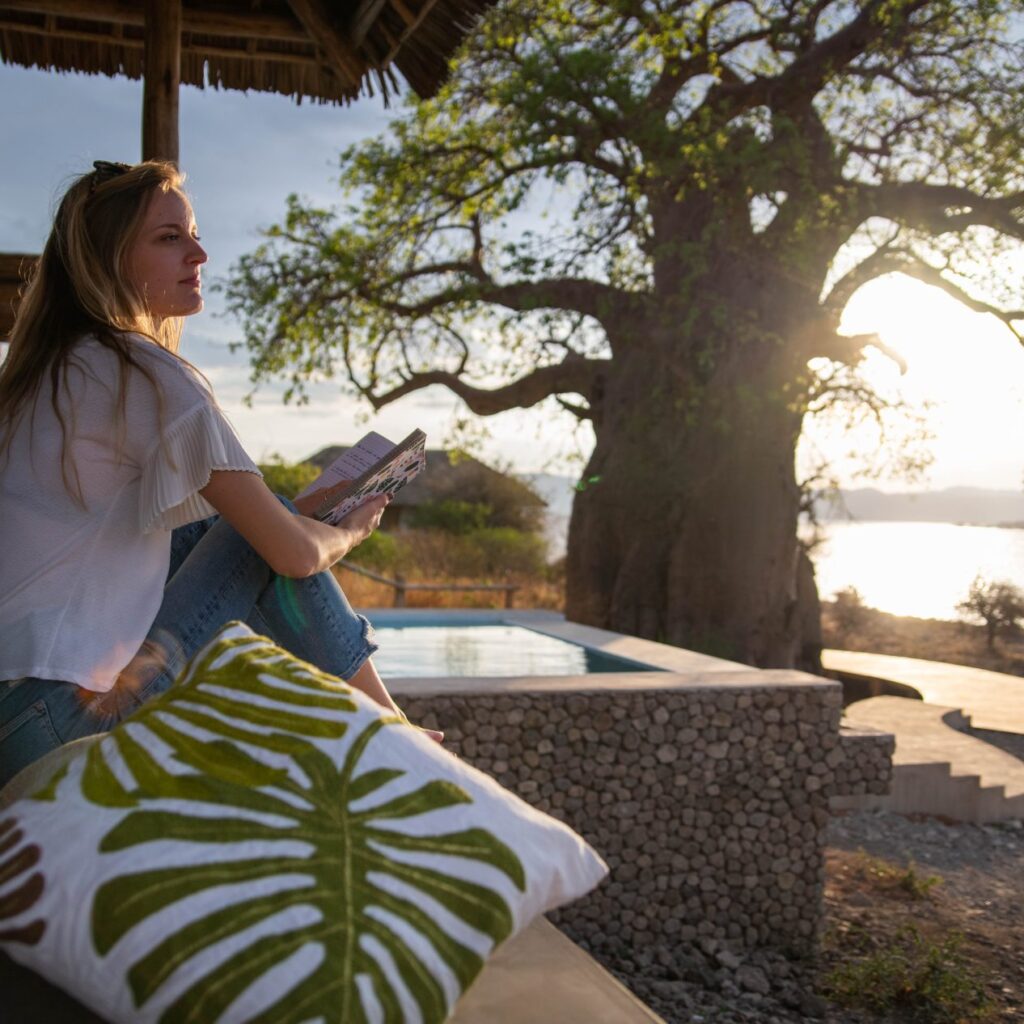
An African safari is a bucket-list experience for many nature lovers, offering a unique opportunity to witness exotic wildlife in their natural habitats. While the thrill of seeing the Big Five—lion, leopard, rhinoceros, elephant, and Cape buffalo—can be captivating, it’s essential to approach this adventure with sustainability in mind. The call of the wild, the rustle of the savanna grass, the unforgettable sight of a lion in its domain – an African safari stirs a primal longing within us responsible travel – holidays | environment | local people. It’s a journey into the heart of nature’s grandeur, a chance to witness ecosystems teeming with life. However, this privilege comes with a profound responsibility: to tread lightly and ensure that our exploration doesn’t compromise the very wonders we seek to behold. Embracing sustainable travel practices is not just an ethical choice; it’s the key to preserving these magnificent landscapes and their inhabitants for generations to come. Let’s delve into practical ways to make your African safari a journey of conscious exploration. Here are some of the best sustainable travel tips for your African safari. 1. Fly Less, Stay Longer: Slowing Down for Sustainability The journey to the African plains often involves long-haul flights, a significant contributor to your carbon footprint. Embracing the philosophy of “fly less, stay longer” can make a substantial difference. Instead of multiple short trips, consider a more extended stay in one or two regions. This not only reduces your air travel emissions but also allows for a deeper immersion into the local environment and culture. Slowing down your pace enables you to truly appreciate the nuances of the landscape. The rhythms of wildlife and the stories of the communities you encounter. Consider combining your safari with other enriching experiences within the same country or neighboring regions, minimizing the need for additional flights. Check out this How to Book a Sustainable African Safari: Ultimate Guide. 2. Use Efficient Means of Transportation: Choosing Wisely on the Ground Once you arrive in Africa, the choices you make regarding transportation within your destination also impact sustainability. Opt for tour operators who utilize well-maintained, fuel-efficient vehicles. Inquire about their vehicle maintenance schedules and their commitment to minimizing emissions. Where feasible, consider incorporating more eco-friendly modes of transport into your itinerary. Walking safaris, as we’ll discuss later, offer an intimate and emission-free way to experience the bush best sustainable travel tips for an African safari. Some lodges and reserves also offer bicycle tours. Allowing you to explore the surroundings at a slower pace and with a zero carbon footprint. When transfers between locations are necessary, explore options like shared shuttles or smaller, more efficient vehicles. 3. Step Off the Safari Vehicle: Embracing Immersive Exploration While game drives are a quintessential part of the safari experience, venturing beyond the vehicle can offer a more profound and sustainable connection with the environment. Walking safaris, led by experienced and often armed guides, provide an opportunity to engage with the smaller details of the ecosystem – the tracks in the dust, the intricate insect life, the medicinal properties of plants. This low-impact activity minimizes disturbance to wildlife and their habitats while offering a unique perspective. Canoe or boat safaris along rivers and lakes provide another quiet and sustainable way to observe wildlife. Allowing you to approach animals without the noise of an engine. Consider incorporating these alternative activities into your itinerary for a richer and more eco-conscious adventure. 4. Pack Thoughtfully: Minimizing Your Footprint Through Your Luggage The choices you make when packing can have a ripple effect on sustainability. Prioritize reusable items to minimize waste. Bring a durable reusable water bottle that you can refill, reducing the need for single-use plastic bottles. Pack reusable shopping bags for any souvenirs or purchases you make. Best sustainable travel tips for an African safari. Consider bringing your own reusable cutlery and food containers. Especially if you plan on self-catering or picnicking. Opt for biodegradable toiletries and reef-safe sunscreen to avoid introducing harmful chemicals into the environment. Packing light not only reduces fuel consumption during transportation but also encourages you to be more mindful of your consumption habits. Choose clothing made from natural and sustainable materials that are versatile and require less washing. 5. Choose Eco-Friendly Lodges and Tours: Supporting Sustainable Operations Your choice of accommodation and tour operator is paramount in ensuring a sustainable safari. Seek out eco-lodges and camps that are committed to minimizing their environmental impact. Look for certifications or clearly stated sustainability practices, such as the use of renewable energy sources like solar power, efficient water management systems, waste reduction and recycling programs, and locally sourced food. Inquire about their involvement in conservation initiatives and their support for local communities. Similarly, choose tour operators who adhere to ethical wildlife viewing guidelines, ensuring that they maintain a respectful distance from animals, avoid disturbing their natural behaviors, and contribute to conservation efforts through partnerships with local organizations or direct funding. 6. Stay in a Private Conservancy or Reserve: Contributing Directly to Conservation Private conservancies and reserves often play a crucial role in wildlife conservation and community empowerment best sustainable travel tips for an African safari. By choosing to stay within these areas, your tourism fees directly contribute to the protection of the land and its wildlife, as well as supporting local communities through employment and conservation projects. These areas often have lower visitor densities compared to national parks, offering a more exclusive and less impactful safari experience. They may also offer unique activities like night drives and guided walks that are not permitted in national parks, providing a more immersive connection with the environment. 7. Choose Eco-Friendly Tour Operators: Partnering with Responsible Guides The tour operator you choose acts as a crucial link between you and the environment and the communities you visit. Select operators who prioritize sustainability in all aspects of their operations. Look for those who employ local guides, ensuring that tourism benefits the community directly and provides authentic cultural insights. Inquire about their environmental
The Ultimate Guide to Luxury African Safaris

Embarking on a luxury African safari is a dream for many travelers, offering a unique blend of adventure, stunning landscapes, and remarkable wildlife. This guide will navigate you through the essentials of planning the perfect luxury African safari, covering everything from choosing your destination to preparing for health and safety. Luxury African safaris offer a range of unique and personalized experiences, from hot air balloon rides to cultural visits, all while enjoying the highest level of comfort and luxury. The Complete Guide to African Safari Tours guides you through top African safari destinations, highlighting budget-friendly and luxury options and essential travel tips for an unforgettable journey. What You’ll Find in this Guide to Luxury African Safari Trips? Key aspects include choosing the right destination, like the Serengeti National Park or Ngorongoro crater, enjoying unparalleled accommodations, and immersing yourself in the local culture. Choosing Your Luxury African Safari Destination Africa is vast and diverse, with each region offering its unique safari experience. Famous destinations such as Kenya and Tanzania are known for the Great Migration and iconic national parks like the Maasai Mara and Serengeti. Ngorongoro crater provides a mix of luxury and stunning landscapes, whereas Tarangire National Park is renowned for its pristine wilderness. When choosing your destination, consider the type of wildlife you wish to see, the landscape that attracts you, and the cultural experiences you seek. Luxury African safaris offer a range of unique experiences, from hot air balloon rides over the Serengeti to immersive cultural visits with local communities. These safaris are often tailored to individual preferences, focusing on wildlife encounters, stunning accommodations, and gourmet dining in the wilderness. Best Time to Go on a Luxury African Safari The timing of your safari can significantly influence your safari experience. Each region has its peak season for wildlife sightings, the ultimate guide to super Luxury Safaris in Africa. The Great Migration in East Africa typically occurs from June to October and is a spectacular natural phenomenon where millions of wildebeest and zebras move in search of greener pastures. In Southern Africa, the dry season from May to September is ideal for spotting animals as they congregate around water sources. Researching Luxury African Safari Experiences – the ultimate guide, the specific region and season will help you align your luxury safari with the best wildlife viewing opportunities. However, the wet season, from November to May, transforms the landscape into a vibrant oasis and offers a different perspective, including migratory birds and lush scenery. Choose Luxury African Safari Accommodations Luxury accommodations can elevate your safari experience to extraordinary heights. From lavish tented camps in the Serengeti to boutique lodges with private plunge pools in Kruger National Park, there is a full spectrum of options. One of the hallmarks of a luxury safari is the accommodations, the ultimate Guide to Luxury African Safaris. High-end lodges, exclusive tented camps, and boutique hotels offer not just plush comfort but also immersive experiences. Many luxury safaris combine bush and beach, allowing you to enjoy both wildlife adventures and relaxation by the ocean. Look for options that offer private plunge pools, spa treatments, and gourmet meals prepared by top chefs. Many luxury lodges and camps offer exclusive experiences, including guided safaris, fine dining, and Personalized services like butlers or private guides can elevate your experience from exceptional to extraordinary, ensuring your comfort and indulgence. Experiencing the Luxury African Safari Luxury safaris go beyond just game drives. Days often begin with early morning game drives, where you can witness the breathtaking African sunrise. They often include guided walking safaris, cultural interactions with local tribes, hot air balloon rides over the plains, and even private photographic safaris. Your ultimate Guide to Luxury African Safaris itinerary can be tailored to match your interests, whether that’s photography, birdwatching, or simply soaking in the surroundings. Many lodges also offer sunset dinners or bush breakfasts at scenic spots, making the adventure even more special, immersing you in the magical ambiance of the African wilderness. Luxury African Safari Health and Safety Preparation Before embarking on your journey, consult with a travel health professional about vaccinations or medications, such as anti-malarials. Understanding the health and safety protocols specific to the regions you’ll visit is crucial. Pack a basic medical kit with essentials like antiseptics and personal medications, and ensure you have adequate travel insurance that covers safari-related activities. Prioritize Luxury African Responsible Tourism Safaris Luxury does not have to come at the expense of ethical considerations. Choose tour operators and accommodations that prioritize sustainability and responsible tourism. This includes supporting local communities, prioritizing environmental conservation, and ensuring wildlife protection. Look for lodges that engage in grassroots projects, promote eco-friendly practices, and assist in wildlife conservation efforts. Incorporate Unique Luxury African Safari Activities Spicing up your safari with unique activities can create unforgettable memories. Consider adding guided stargazing sessions, photography classes led by professionals, or even wellness retreats that offer yoga in the heart of nature. These additional experiences can enhance your connection with Africa’s landscapes and cultures. Luxury African Safari Perfect Packing List Ensure you are well-prepared by creating a packing list tailored to your luxury safari. Essentials include lightweight, breathable clothing in neutral colors, a good pair of binoculars, a high-quality camera, insect repellent, sunscreen, and a refillable water bottle. Don’t forget your evening wear for upscale dining experiences at your lodge’s top ultimate guide to Luxury African Safaris. Stay Flexible and Open-Minded on a Luxury African Safari While planning is essential, it’s vital to remain flexible during your safari. Wildlife sightings can be unpredictable, and weather can change plans in an instant. Embrace the spontaneous moments that arise, whether it’s an unexpected animal encounter or a scenic detour ultimate guide to Luxury African Safaris. Tailoring your itinerary is crucial for a seamless experience. Work with a travel advisor who specializes in luxury safaris to customize your journey according to your preferences. Whether you want to include specific parks, unique activities, or pacing that allows ample time for relaxation and recreation.
Luxury Zanzibar Beach Resort
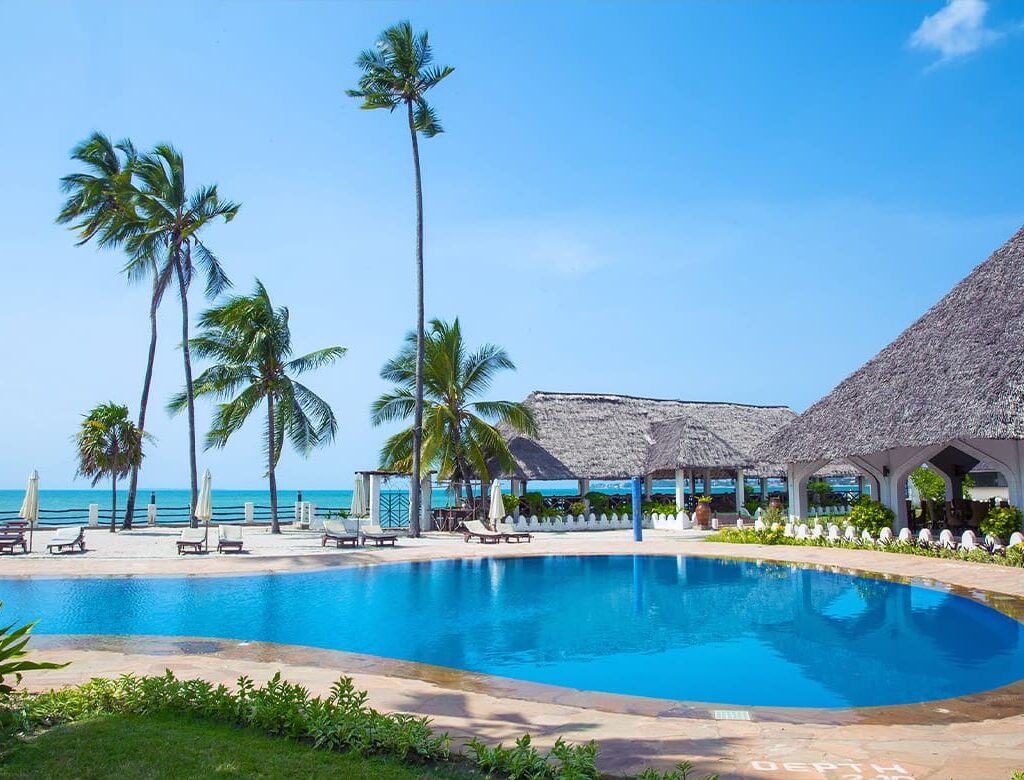
Zanzibar Beach Resort —- Nestled along the pristine shores of Zanzibar’s east coast, offers a serene escape where luxury meets nature when staying at Ole Serai Zanzibar Beach Resort. Surrounded by swaying palm trees and the turquoise waters of the Indian Ocean, the resort features elegant villas with traditional Zanzibari décor, private terraces, and modern comforts. Guests can indulge in fresh seafood at the oceanfront restaurant, unwind at the infinity pool, or rejuvenate at the tranquil spa. With direct beach access, coral reefs nearby, and warm Swahili hospitality, Ole Serai blends island charm with contemporary elegance—ideal for romantic getaways or peaceful retreats. The Resort is set in a magical, hand-picked, stunning location with gorgeous landscaped gardens. It is a beautiful spot to watch some of the most magnificent sunsets. Activities Ole Serai Zanzibar Beach Resort Town Trips Tour Town & Forodhani Tour Sundowners See all the possible shades of pink blooming over the golden plains beach Accommodation options at Zanzibar Beach Resort The Resort has 60 luxurious rooms and suites, which range from the Palace Block rooms, set in the magnificent gardens, to en-suite Chalets with balconies that over look amazing sunsets and catch cooling sea breezes. The rooms are spacious and elegantly endowed. Bed Type | Standard Room Area | Zanzibar Full Board The Zanzibar Beach ResortPrices for your chosen travel dates may vary depending on the season of travel. Please feel free to reach out to us for more information on the final price. Request A free Quote Facilities Room Types: 60 luxurious rooms Palace Block rooms Bedclothes Vanity basin Lounge Area Writing desk Private shower En-suite bathroom Dining Tent Power stations in public areas Free Wi-Fi in public areas Welcome Drink on Arrival Zanzibar Beach Resort Location Approximately 5 Minutes’ drive from the Airport and 7 minutes from Stone Town/Seaport. Featuring carved wood furnishings and mosquito nets, the laid-back rooms and suites come with satellite TV, high-speed Internet, and minifridges, plus tea and coffee-making facilities. Chalets offer balconies. There are 3 restaurants, 1 of which specialises in seafood, and 2 bars. Other amenities include an outdoor pool, a gym, and a spa. Table tennis, billiards, and sports courts are available. Parking is offered. The 10 Best Hotels in Zanzibar Island, Tanzania Explore Melia Zanzibar Reviews, Deals & Photos Explore Melia Zanzibar Reviews, Deals & Photos Melia Zanzibar Melia Zanzibar A luxury exclusive high end Meliá Zanzibar 5* luxurious hotel – Wellbeing & Sustainability … Zanzibar Park Hyatt Zanzibar Park Hyatt Park Hyatt Zanzibar Park Hyatt Zanzibar Featuring a seafront location in Zanzibar City, Park Hyatt Zanzibar offers an … Zanzibar Hotel Verde Zanzibar Hotel Verde Hotel Verde Zanzibar Hotel Verde Zanzibar At the hotel every room has air conditioning, a desk, a balcony … 1 2 Next » Tanzania Safari and Beach Holiday Packages Tanzania offers a variety of safari and beach holiday packages, allowing travelers to experience both wildlife adventures and coastal relaxation. These packages typically involve a safari in national parks like Serengeti, Ngorongoro, or Tarangire, followed by a beach stay on Zanzibar or other coastal areas. The duration of these packages can range from 7 to 18 days, depending on the desired blend of safari and beach time 9 Days | Classic Luxury Tanzania Signature Safari 9 Days | Classic Luxury Tanzania Signature Safari Luxury Tanzania and Zanzibar Honeymoon Safaris 9 Day Luxury Tanzania and Zanzibar Honeymoon Safaris. Dream Honeymoon Safari to … 7 Days | Alluring East African Luxury Safari 7 Days | Alluring East African Luxury Safari Perfect 7 Days Luxury Safari in Tanzania 7 Days Best of Tanzania Luxury Safari, Compare 7-Day safaris to … 6 Days | Dream East African Luxury Safari 6 Days | Dream East African Luxury Safari African Dream Safaris Unveiling the Wonders of Serengeti National Park and Ngorongoro Crater, African dream family, honeymoon, luxury, … 1 2 3 4 Next »
Ole Serai Luxury Camps
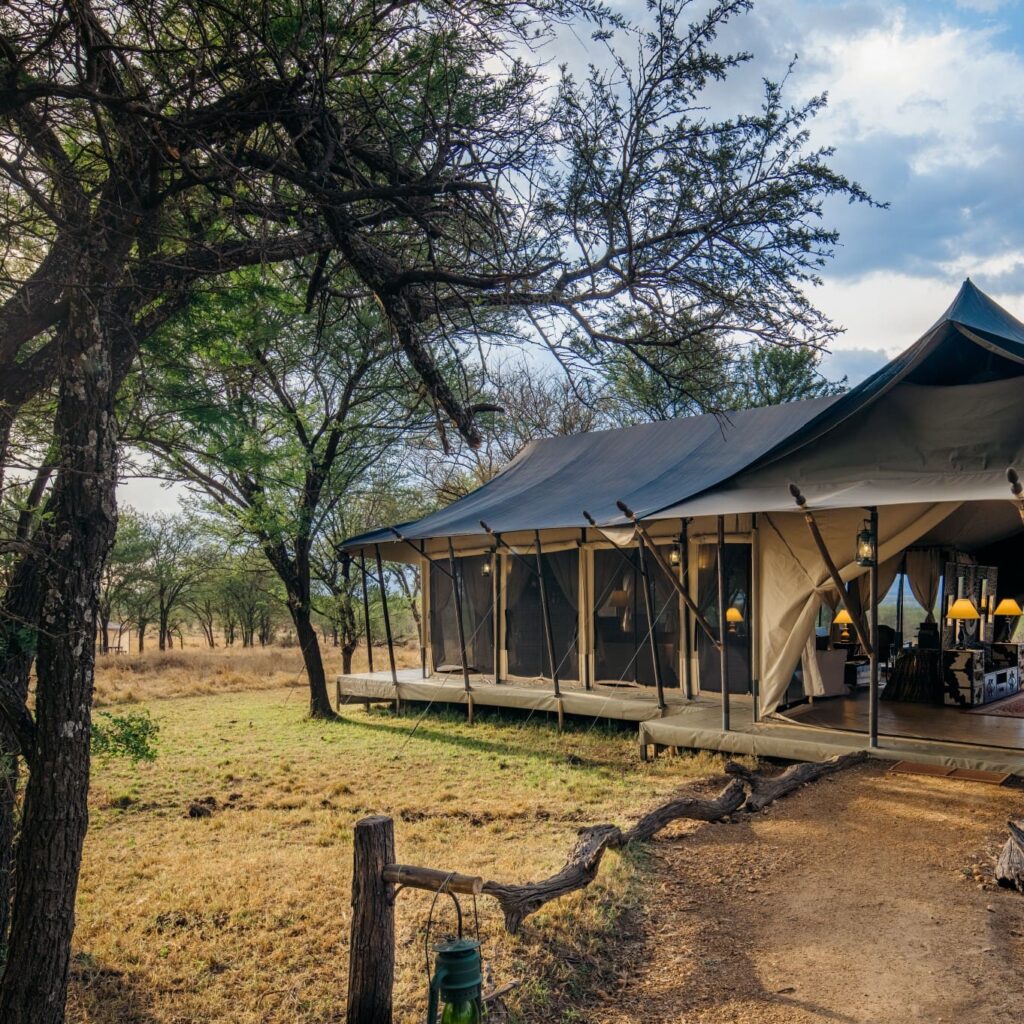
Ole Serai Luxury Camp – Kogatende —- Ole Serai Luxury Camp – Kogatende This Luxury Camp is strategically located within the northern (Kogatende) area of the famous Serengeti National Park in Tanzania and is set amidst the most prime areas of the Serengeti following the path of the great migration, sparsely inhabited by large Acacia as well as Tortilis Tree’s and is home to several species of wildlife that reside in this area year round due to catchments of water bodies around the area. Due to the Campsite’s ideal location, the great spectacle of the world-famous annual migration can be witnessed almost as close as to the campsite’s doorsteps – since the site lies along one of the main migratory corridors/routes, which the wildebeest use during their Great Migration going to and from the North and South of the Serengeti. The ensuite tents and the guest areas have been specifically designed to offer an optimum 180-degree view from the covered verandas. And even when you lie in bed or enjoy a meal in the restaurant, you are as close to nature as possible. The stunning views and the abundance of animals in the vicinity make the Ole Serai experience awe-inspiring. Activities Ole Serai Luxury Camp – Kogatende Hot air balloon safari Float above the endless grasslands as the sun rises over Serengeti Sundowners See all the possible shades of pink blooming over the golden plains of Serengeti Bush Breakfast Have a most delicious breakfast in a wilderness setting! Accommodation options at Ole Serai Luxury Camp – Kogatende The Rooms and the Guest areas have been specifically designed to offer the Guests an optimum 180-degree view while on their bed or while enjoying their meal or drinks and to bring them as close to the nature as possible from the covered verandas. These stunning views embrace the sparsely spaced Acacia Tortillis Trees with the abundance of animals in the vicinity making the experience awe-inspiring. Bed Type | Standard Room Area | Kogatende Full Board The Ole Serai Luxury North Serengeti Camps & Lodges – Kogatende Prices for your chosen travel dates may vary depending on the season of travel. Please feel free to reach out to us for more information on the final price. Request A free Quote Facilities Room Types: 11 Luxury Double Tents 5 Luxury Twin Tents Bedclothes Vanity basin Lounge Area Writing desk Private shower En-suite bathroom Dining Tent Power stations in public areas Free Wi-Fi in public areas Welcome Drink on Arrival Ole Serai Luxury Camp – Kogatende Location The Camp is strategically located within the Northern (Kogatende) area of the famous Serengeti National Park, 1.5 km from Kogatende Airstrip, 2.5 km from Mara River, 454 km from Arusha. Its prime location along a major migratory corridor allows guests to witness the awe-inspiring Great Migration almost at their doorstep. Luxury African Safari Lodges & Wildlife Reserves Luxus Lodge Tanzania Singita Sasakwa Lodge Luxus Lodge Tanzania Singita Sasakwa Lodge Ultimate Singita Sasakwa lodge An ultra-luxurious safari retreat located in Tanzania’s Grumeti Reserve, offering spectacular views of the … Serengeti Lemala Nanyukie Lodge Serengeti Lemala Nanyukie Lodge Lemala Nanyukie Lodge —- Lemala Nanyukie Lodge Luxurious and captivating safari retreat situated in the heart of the … Little Oliver’s Camp | Luxury Tarangire Safari Camp Little Oliver’s Camp | Luxury Tarangire Safari Camp Oliver’s Camp – See description and beautiful photos —- Oliver’s Camp Explore Oliver’s Camp in Tanzania’s Tarangire is … 1 2 3 … 5 Next » African Tours & Safaris African safari packages and tours range from bucket-list adventures to ultra-luxurious vacations and everything in between. These packages can include game drives, guided walks, and even hot air balloon rides. Popular destinations include Tanzania ( Tarangire, Serengeti, Lake Manyara, Arusha National Park, Lake Eyasi, Ngorongoro crater, Mount Kilimanjaro, Zanzibar beach. If you want to embark on an authentic African safari, Tanzania offers it all: a unique mix of wildlife, landscapes, and captivating cultures. Wonderful 11-Day Ultra-Luxury Tanzania Safari Packages Wonderful 11-Day Ultra-Luxury Tanzania Safari Packages Exceptional 11-Day Ultra-Luxury First Class African safari Experience the ultimate in Ultra-Luxury first-class African safari offers a premium … 8 Days | The Great Migration Highlights – Luxury Safari 8 Days | The Great Migration Highlights – Luxury Safari Flyin 8 Day serengeti migration classic safari Embark on the 8-Day Serengeti Migration Classic Safari and witness Africa’s … 9-Day Memorable Tanzania Safari Packages 9-Day Memorable Tanzania Safari Packages Best 9 Day Memorable African Safari Tours (with 1735 Reviews) Experience the adventure of a lifetime with the … 1 2 3 … 5 Next »
Lake Manyara Kilimamoja Lodge
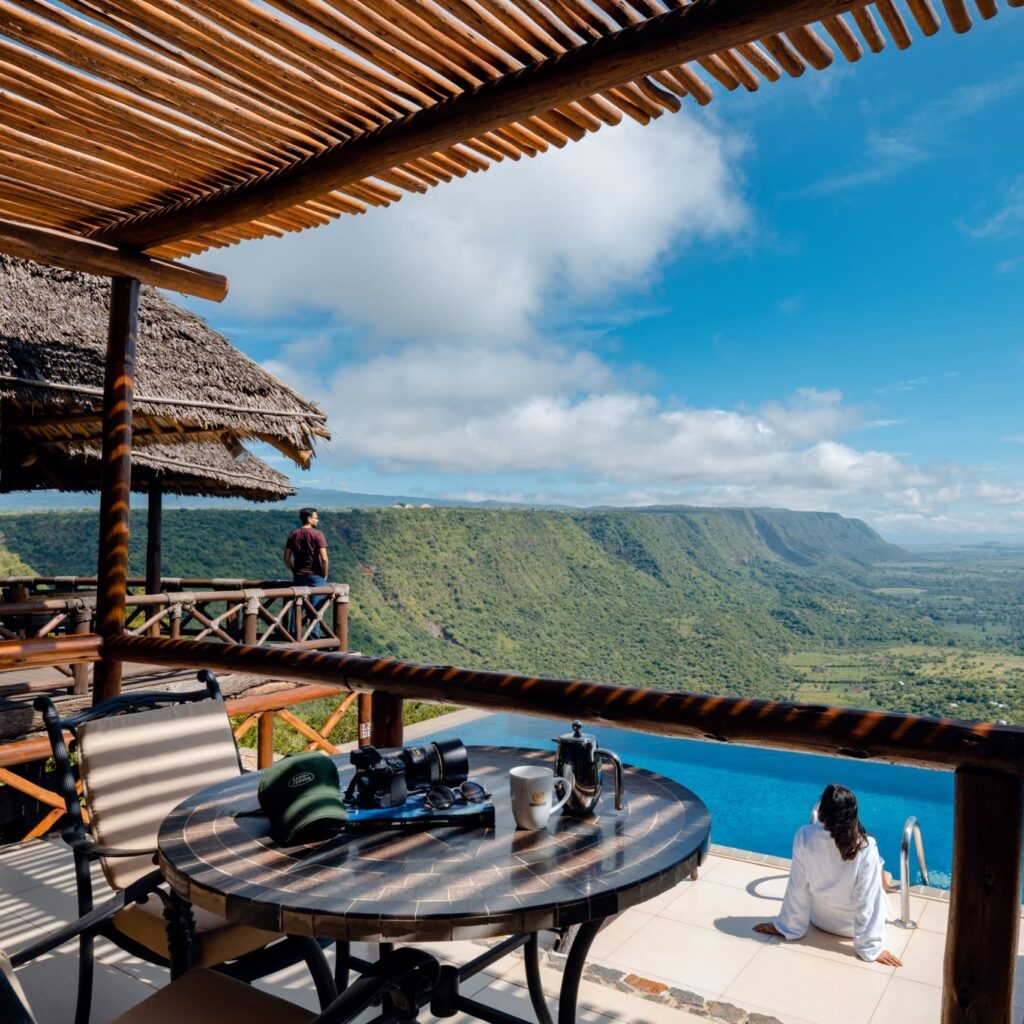
Lake Manyara Kilimamoja Lodge —- Lake Manyara Kilimamoja Lodge All 50 Deluxe rooms and 2-bedroom luxury villas have panoramic views of the surrounding area. All rooms are tastefully decorated with all the amenities one would expect in a 5-star lodge, including of inside and outside shower, bath, air conditioning, fireplaces, Wi-Fi, mini bar, safe, and private balcony. The spectacular main house has all the luxuries, including a main lounge, a grand hallway, a dining room, a spa, a boutique, a conference room, a boardroom, a media (TV) room, outside fire place, rim flow pool, billiard table, gym and children’s activity room. Located in Mto wa Mbu, Lake Manyara Kilimamoja Lodge has accommodations with free WiFi, air conditioning, and access to a garden with an outdoor swimming pool. There’s a private bathroom with a shower in every unit, along with free toiletries, a hairdryer and slippers. A buffet, à la carte or continental breakfast is available at the property. At the lodge you’ll find a restaurant serving African and International cuisine. Activities Lake Manyara Kilimamoja Lodge Hot air balloon safari Float above the endless grasslands as the sun rises over Tarangire Sundowners See all the possible shades of pink blooming over the golden plains of Serengeti Bush Breakfast Have a most delicious breakfast in a wilderness setting! Accommodation options at Lake Manyara Kilimamoja Lodge Nestled on the rim of the Great African Rift Valley with stunning views over Lake Manyara, Mount Meru and Mount Kilimanjaro on a clear day. The lodge is set on pristine lush green gardens and local vegetation with over 130 species of birds. Bed Type | Standard Room Area | Lake Manyara Full Board The Lake Manyara Kilimamoja Lodge for your chosen travel dates may vary depending on the season of travel. Please feel free to reach out to us for more information on the final price. Request A free Quote Facilities Room Types: 50 Deluxe rooms 2 bedroom luxury Bedclothes Vanity basin Lounge Area Writing desk Private shower En-suite bathroom Dining Tent Power stations in public areas Free Wi-Fi in public areas Welcome Drink on Arrival Lake Manyara Kilimamoja Lodge Location Lake Manyara Kilimamoja Lodge is 110 kms from Arusha, 15 kms from Mto wa Mbu Village, 7 kms from Lake Manyara Airport, 10 kms from Lake Manyara National Park. Top 10 Best Safari Lodges In Tanzania Kogatende Ole Serai Luxury Camp Kogatende Ole Serai Luxury Camp Ole Serai Luxury Camp – Kogatende —- Ole Serai Luxury Camp – Kogatende This Luxury Camp is strategically … Serengeti Osupuko Camp Serengeti Osupuko Camp In the center of Serengeti, the mobile luxury camp is scenically located on the slopes of Rongai Hills, … Robin’s Safari Camp Robin’s Safari Camp The Robin Safari Camp emerges as a serene haven and an ideal launching point within the central region … 1 2 3 … 5 Next » High-end Tanzania Safaris High-end Tanzania safaris offer exclusive, luxurious VIP experiences in iconic national parks like Serengeti and Ngorongoro. These safaris feature private lodges and camps with unique amenities like private plunge pools, gourmet dining, and personalized game drives. They often include access to private game reserves and personalized concierge services. 9-Days Luxury Tanzania and Zanzibar Honeymoon Safaris 9-Days Luxury Tanzania and Zanzibar Honeymoon Safaris Luxury Tanzania and Zanzibar Honeymoon Safaris 9 Day Luxury Tanzania and Zanzibar Honeymoon Safaris. Dream Honeymoon Safari to … 7 Days Tanzania Luxury Safari Packages 7 Days Tanzania Luxury Safari Packages Perfect 7 Days Luxury Safari in Tanzania 7 Days Best of Tanzania Luxury Safari, Compare 7-Day safaris to … 6-Day African Dream Safaris 6-Day African Dream Safaris African Dream Safaris Unveiling the Wonders of Serengeti National Park and Ngorongoro Crater, African dream family, honeymoon, luxury, … 1 2 3 4 Next »
Tarangire Kuro Treetops Lodge
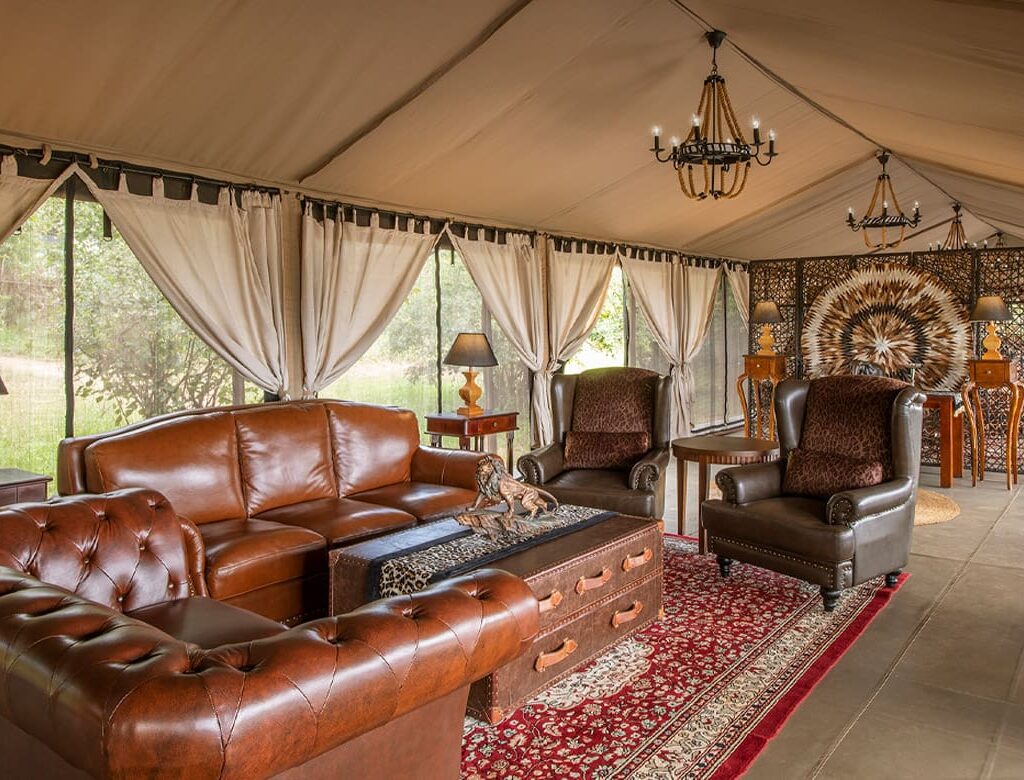
Tarangire Kuro Treetops Lodge —- Luxury Tarangire Kuro Treetops Lodge Indulge in lavish luxury at the designed Lodge consists of 25 luxury tents perched along the Baobab tree line, which is nestled deep within the heart of the Tarangire National Park. The Lodge is strategically located atop an elevated Kopje hill, overlooking the Tarangire River and the Silale valley leading to the Silale swamp in the west, which is famous for being visited by different wildlife throughout the year due to the availability of water. This unique lodge consists of luxury tents perched along the baobab tree line. Each tent is designed with luxury bedding, an en-suite bathroom, and a private veranda at the perfect vantage point. The rooms are designed to give A 180° view, allowing guests to connect with the ever-present wildlife from the privacy and comfort of their room. From the exceptional view from every room and all the comforts, to the matchless service and crystal night skies – It’s all about living in the here and now, absorbing each memorable moment against a backdrop many only ever dream about. Activities Tarangire Kuro Treetops Lodge Hot air balloon safari Float above the endless grasslands as the sun rises over Serengeti Sundowners See all the possible shades of pink blooming over the golden plains of Serengeti Bush Breakfast Have a most delicious breakfast in a wilderness setting! Accommodation options at Tarangire Kuro Treetops Lodge This uniquely designed Lodge consists of 25 luxury tents perched along the Baobab tree line. Each tent is designed with luxury beddings, en-suite bathroom with an indoor or outdoor shower, and a private veranda with the perfect vantage point. Bed Type | Standard Room Area | Tarangire Full Board The Tarangire Kuro Treetops Lodge Prices for your chosen travel dates may vary depending on the season of travel. Please feel free to reach out to us for more information on the final price. Request A free Quote Facilities Room Types: 25 Luxury tents perched Luxury beddings Bedclothes Vanity basin Lounge Area Writing desk Private shower En-suite bathroom Dining Tent Power stations in public areas Free Wi-Fi in public areas Welcome Drink on Arrival Tarangire Kuro Treetops Lodge location This uniquely designed Lodge consists of 25 luxury tents perched along the Baobab tree line. Each tent is designed with luxury beddings, an en-suite bathroom with an indoor and outdoor shower, and a private veranda with the perfect vantage point. Tarangire Kuro Treetops Lodge is located 8 km from Kuro Airstrip and 143 km from Arusha. Tanzania Accommodation | Best Places to Stay in Tanzania Kogatende Ole Serai Luxury Camp Kogatende Ole Serai Luxury Camp Ole Serai Luxury Camp – Kogatende —- Ole Serai Luxury Camp – Kogatende This Luxury Camp is strategically … Oldeani Luxury Ngorongoro Mountain Lodge Oldeani Luxury Ngorongoro Mountain Lodge Ngorongoro Oldeani Mountain Lodge —- Ngorongoro Oldeani Mountain Lodge A 5 star colonial lodge situated on a picturesque … Serengeti Osupuko Camp Serengeti Osupuko Camp In the center of Serengeti, the mobile luxury camp is scenically located on the slopes of Rongai Hills, … 1 2 3 … 5 Next » Ultra-Luxury Tanzania Tented Safari Embark on an ultra-luxury tented safari in Tanzania, where opulent canvas suites meet untamed wilderness. Wake to golden sunrises over the Serengeti, enjoy gourmet bush dining, and witness the Big Five on private game drives. Lavish amenities blend seamlessly with nature, offering serenity and adventure in equal measure. This is Africa redefined—exclusive, intimate, and unforgettable. Wonderful 11-Day Ultra-Luxury Tanzania Safari Packages Wonderful 11-Day Ultra-Luxury Tanzania Safari Packages Exceptional 11-Day Ultra-Luxury First Class African safari Experience the ultimate in Ultra-Luxury first-class African safari offers a premium … 8 Days | The Great Migration Highlights – Luxury Safari 8 Days | The Great Migration Highlights – Luxury Safari Flyin 8 Day serengeti migration classic safari Discover the wonders of Tanzania on an 8-Day Classic Migration Safari. … 9 Day Memorable Tanzania Safari Packages 9 Day Memorable Tanzania Safari Packages Best 9 Day Memorable African Safari Tours (with 1735 Reviews) Experience the adventure of a lifetime with the … 1 2 3 … 5 Next »