
Ngorongoro Oldeani Mountain Lodge
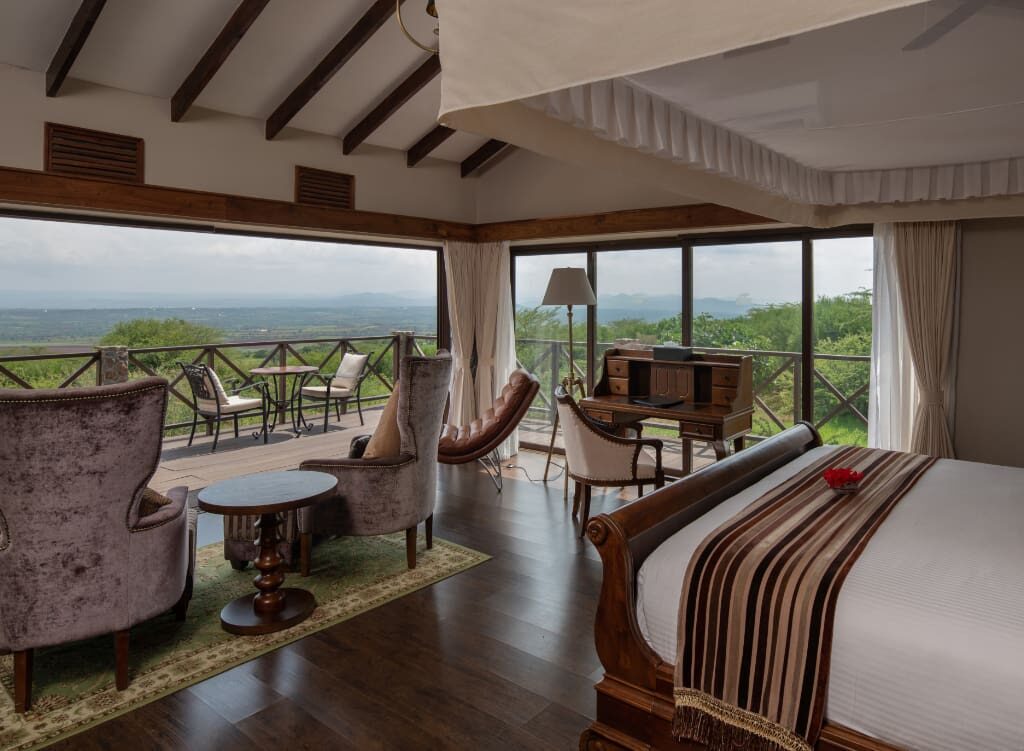
Ngorongoro Oldeani Mountain Lodge —- Ngorongoro Oldeani Mountain Lodge A 5 star colonial lodge situated on a picturesque hill with spectacular views onto Oldeani Mountain and the Ngorongoro Crater Rim. The lodge is elevated with 360 degree views that extend all the way to Lake Eyasi and Lake Manyara. The property is set on 40 acres of pristine lush green gardens and local vegetation with over 130 species of birds. Activities Ngorongoro Oldeani Mountain Lodge Hot air balloon safari Float above the endless grasslands as the sun rises over Serengeti Sundowners See all the possible shades of pink blooming over the golden plains of Serengeti Bush Breakfast Have a most delicious breakfast in a wilderness setting! Accommodation options at Ngorongoro Oldeani Mountain Lodge All 50 Deluxe rooms and the Livingstone Suite have infinite views of the surrounding area. All rooms are tastefully decorated with all the amenities one would expect in a 5 star luxury lodge.The spectacular stone main house has all the luxuries including main lounge, grand central hallway, dining room, spa, boutique, conference room, media (TV) room, outside fire place, rim flow pool, billiards room, internet café and children activity room. Bed Type | Standard Room Area | Ngorongoro Full Board Realm of refined elegance and immersive guest experiences Request A free Quote Facilities Room Types: 8 standard tented suites 1 family tent Bedclothes Vanity basin Lounge Area Writing desk Private shower En-suite bathroom Dining Tent Power stations in public areas Free Wi-Fi in public areas Welcome Drink on Arrival Ngorongoro Oldeani Mountain Lodge location Ngorongoro Oldeani Mountain Lodge is located 130kms from Arusha, 9kms from Ngorongoro Gate, 54kms from Mto wa Mbu Village, 43kms from Lake Manyara Airport. Top 10 Best Safari Lodges In Ngorongoro Crater Ngorongoro Serena Safari Lodge A renowned accommodation nestled on the rim of the breathtaking Ngorongoro Crater in Tanzania. Read More Ngorongoro Lodge Meliá Collection The Meliá Ngorongoro Lodge is known for its elegant design and warm hospitality. The lodge features a variety of luxury rooms… Read More andBeyond Ngorongoro Crater Lodge A luxurious safari lodge located on the rim of the magnificent Ngorongoro Crater in Tanzania. Known for its breathtaking views and opulent… Read More Ngorongoro Sopa Lodge Well-established safari lodge located on the eastern rim of the Ngorongoro Crater in Tanzania. Surrounded by lush greenery, the lodge offers comfortable accommodations… Read More Sanctuary Ngorongoro Crater Camp A luxurious tented camp nestled in the Ngorongoro Conservation Area of Tanzania. Situated on the rim of the magnificent… Read More Ngorongoro Rhino Lodge A rustic and affordable accommodation option located near the Ngorongoro Conservation Area in Tanzania… Read More Entamanu Safari Camp An exclusive and intimate safari camp situated in the Ngorongoro Conservation Area of Tanzania… Read More Ngorongoro Tented Camp A charming and intimate Tented safari Camp located in the Ngorongoro Conservation Area of Tanzania… Read More The Highlands Lodge Unique and eco-friendly safari lodge located in the Ngorongoro Conservation Area of Tanzania. Situated on the slopes… Read More Lions Paw Ngorongoro The Lion Paw’s Camps is nestled in a forest of Red Thorn Acacia trees, atop the eastern rim of the Ngorongoro Crater with mesmerizing views of the crater. Read More Embalakai Authentic Camps A collection of luxury tented camps located in the prime wildlife destinations of Tanzania… Read More Ang’ata Ngorongoro camp Collection of luxury tented camps situated in Ngorongoro crater. Each camp offers a unique and immersive safari… Read More
Snorkeling in Zanzibar – See the best snorkeling spots here!

Zanzibar is often referred to as the Jewel of East Africa, and it rightfully earns this title thanks to its stunning beaches, azure waters, and vibrant marine life. For snorkeling enthusiasts or those simply wanting to explore the underwater wonders, Zanzibar boasts a myriad of snorkeling spots that promise unforgettable experiences. The average sea temperatures in Zanzibar is friendly for swimmers, snorkelers, and divers too. The sea in Zanzibar islands is warm enough, it ranges from 25 °C (77 °F) in August to 29 °C (84 °F) between December and April. During snorkeling, it is advised that you stay hydrated. The good news is that snorkeling is typically done in relatively shallow waters, which helps ensure the safety of participants. The average depth for snorkeling is usually around 3 to 10 feet, although this can vary depending on the location and specific snorkeling site. Here’s a guide to the best snorkeling locations, what you can expect to see, when to go, and other essential tips for a successful adventure. 1. Mnemba Island/Mnemba Atoll The jewel of the Indian Ocean, Mnemba Island and its surrounding atoll, is renowned for pristine coral reefs. The snorkeling here is spectacular, offering encounters with colorful schools of fish, starfish, Moorish idols, snappers, turtles, and even the occasional dolphin. The crystal-clear waters boast incredible visibility, making it a prime spot for underwater photography and exploration. Mnemba Island is located close to the main island of Zanzibar, with short boat trips available from various places, like Kendwa and Nungwi. The island is a conservation area, and fishing is prohibited near it, ensuring the preservation of the delicate marine ecosystem. The coral reefs surrounding Mnemba Island are vibrant and healthy, providing a stunning backdrop for snorkeling. 2. Nungwi and Kendwa Beaches Located on the northern tip of Zanzibar, Nungwi and Kendwa Beaches are more than just gorgeous coastlines; they are perfect for snorkeling. With shallow coral reefs just a short swim from the beach, snorkelers can easily access vibrant reefs bustling with life. Look out for starfish, sea urchins, and a dazzling array of tropical fish. Nungwi and Kendwa beaches in Zanzibar are excellent locations for snorkeling, though Kendwa is generally considered to have better snorkeling opportunities. Nungwi has a shallow reef and is a good spot for families and those seeking a variety of marine life, while Kendwa is known for its crystal-clear waters and diverse marine life. Mnemba Island, located a short distance from Nungwi and Kendwa, is a popular snorkeling destination with pristine coral reefs and abundant marine life. You can also snorkel in the natural tidal pools behind Nungwi Beach, where turtles often swim. 3. Tumbatu Island Tumbatu Island is an island located in Fumba ward of Kaskazini A District in Unguja North Region, Tanzania. A hidden gem, Tumbatu Island offers less crowded snorkeling experiences. The waters here are teeming with life, showcasing diverse coral formations and marine species. Tumbatu Island is a great place to truly immerse yourself in nature and enjoy a quieter snorkeling adventure. Tumbatu Island in Zanzibar is a popular destination for snorkeling, offering a vibrant underwater world and a chance to see diverse marine life. The island is known for its shallow coral reefs and clear waters, making it accessible and enjoyable for both experienced snorkelers and beginners. The island boasts beautiful, flourishing coral reefs with a variety of soft and hard corals. Snorkelers can encounter a range of marine species, including sea turtles, colorful fish, octopuses, and more. The reefs are shallow, making them suitable for snorkeling without requiring scuba diving. You’ll likely travel to Tumbatu Island by boat, with a guide to point out interesting sights. You’ll have the opportunity to snorkel in the shallow waters, exploring the coral reefs. 4. Blue Lagoon True to its name, the Blue Lagoon is a paradise for snorkelers. Surrounded by stunning turquoise waters and rich underwater ecosystems, this spot provides an incredible opportunity to see a variety of fish, anemones, and even an occasional octopus. The calm waters make it ideal for swimmers of all levels. It is one of those places where you can swim with hundreds of fish and simply enjoy the diversity of underwater life. This excursion to the Blue Lagoon is tide-dependent; low tide and calm waters are usually the best conditions for the best visibility. 5. Chumbe Island Chumbe Island is a private island in the Mjini Magharibi Region, Tanzania, off the coast of Mjini District. It is situated in the Zanzibar Channel. The island is known for its ecological innovation and exceptional coral reefs. The Chumbe Lighthouse is also located on the island. Home to a protected marine park, Chumbe Island is a snorkeling paradise. Its reefs are among the best-preserved in the area, showcasing extraordinary coral gardens and a wealth of marine life. Chumbe Island is an award-winning private nature reserve. It has one of East Africa’s most diverse coral reefs and is perfect for snorkeling. Visitors often encounter fish species that are unique to the region, making it a must-visit for serious snorkelers. An enchanting private island perfect for a wedding! Excellent team, delicious food, amazing nature, and snorkeling. 6. Nakupenda Beach Known for its idyllic sandbanks and clear waters, Nakupenda Beach is a favorite for day trips. The shallow waters provide a fantastic setting for snorkeling, where you can spot a variety of fish and vibrant coral. The setting is picturesque, making it a great place to relax after exploring underwater. Nakupenda Beach in Zanzibar is a popular destination for snorkeling due to its clear, calm waters and vibrant coral reefs teeming with marine life. It’s a short boat ride from Stone Town, making it an accessible day trip for exploring the underwater world. Snorkeling tours often include a visit to Nakupenda Sandbank, where you can relax, swim, and sunbathe on the pristine beach before venturing out to explore the reefs. The reefs around Nakupenda are teeming with colorful fish, coral, and other sea life, offering a spectacular underwater experience.
Best tour company in Tanzania
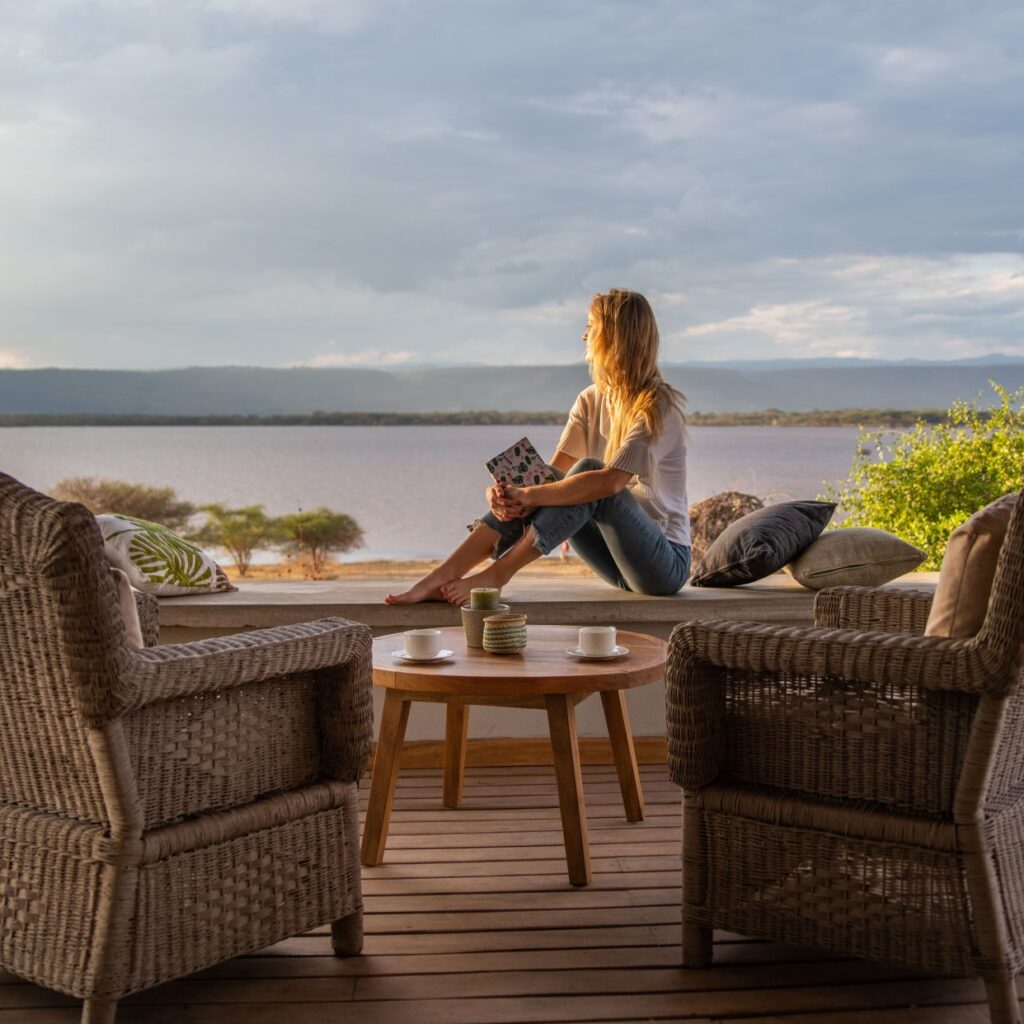
Tanzania, a land of breathtaking landscapes, abundant wildlife, and vibrant cultures, beckons travelers from across the globe. From the endless plains of the Serengeti to the majestic peaks of Kilimanjaro and the idyllic beaches of Zanzibar. This East African gem offers a diverse tapestry of experiences. Navigating this incredible destination requires a trusted partner, a tour company that understands the nuances of Tanzanian travel and is committed to crafting unforgettable journeys. Among the many operators in the region, Foot Slopes Tours and Safaris stands out as a beacon of quality, expertise, and personalized service. While pinpointing the absolute “top 12” is subjective and depends on individual preferences. Foot Slopes Tours and Safaris consistently earns high praise and recommendations for its dedication to providing exceptional safari and adventure experiences across Tanzania. This well-narrated article delves into the specialized offerings of Foot Slopes Tours and Safaris. They showcase how they cater to a wide range of travel desires. Making them a strong contender among the best in Tanzania. 1. Tanzania Photographic Safari Tour Company with a Keen Eye For photography enthusiasts, the Tanzania Photographic Safari Tour Company specializes in capturing the stunning beauty of Tanzania’s wildlife and landscapes. With expert guides who are skilled in finding the perfect spots for unforgettable shots, this company offers tailored itineraries that maximize photo opportunities, ensuring you come back with memories that last a lifetime. For photography enthusiasts, Tanzania is a dream destination. The dramatic landscapes, coupled with incredible wildlife encounters, offer unparalleled opportunities to capture stunning images. Foot Slopes Tours and Safaris excels in crafting photographic safaris that understand the specific needs of photographers. These tours are meticulously planned to maximize light conditions, animal behavior, and access to prime photographic locations. Imagine yourself in the heart of the Serengeti during the golden hour, the vast plains bathed in warm light as a pride of lions awakens. Or perhaps capturing the intense gaze of a cheetah as it scans the horizon. Foot Slopes’ experienced guides possess an intimate knowledge of animal movements and optimal viewing points, ensuring you are in the right place at the right time. They also understand the importance of patience and will work with you to achieve your photographic goals, whether you are a seasoned professional or an enthusiastic amateur. 2. Tanzania Family Safari Tour Company Traveling with family can be an enriching experience, and the Tanzania Family Safari Tour Company understands the intricacies involved in creating fun and engaging itineraries for all ages. Their packages are designed with family-friendly accommodations and activities, making safaris an exciting adventure for everyone. Traveling as a family requires a delicate balance of adventure and comfort. Ensuring that every member, from the youngest to the oldest, has a lifetime and enriching experience. Foot Slopes Tours and Safaris specializes in creating family-friendly safaris that cater to diverse age groups and interests. Their program often incorporates activities that appeal to children, such as engaging game drives with skilled guides. Who can bring the wildlife to life, visits to local communities for cultural interaction, and comfortable accommodations with amenities suitable for families. Picture the excitement on your children’s faces as they spot their first elephant or giraffe, or the shared wonder as you witness a breathtaking sunset over the African savanna. Foot Slopes takes the stress out of planning a family safari, ensuring a seamless and enjoyable adventure for everyone. 3. Tanzania Honeymoon Safari Tour Company Tanzania’s enchanting landscapes provide the ideal backdrop for romantic getaways. The Tanzania Honeymoon Safari Tour Company crafts personalized itineraries that emphasize intimacy and adventure, offering unique experiences such as private candlelit dinners under the stars, luxury tented camps, and exclusive game drives. What could be more romantic than embarking on a honeymoon in the heart of the African wilderness? Foot Slopes Tours and Safaris designs exquisite honeymoon safaris that blend adventure with luxury and intimacy. Imagine spending your days exploring the wonders of Tanzania’s national parks and your evenings relaxing in secluded lodges with stunning views, enjoying private dinners under the stars. Whether it’s witnessing the Great Migration in the Serengeti, exploring the Ngorongoro Crater’s natural wonders, or unwinding on the pristine beaches of Zanzibar, Foot Slopes crafts personalized itineraries that cater to the unique desires of honeymooners. They understand the importance of creating special moments and can arrange romantic touches to make your safari truly unforgettable. 4. Tanzania Luxury Safari Tour Company For those seeking the ultimate in comfort and exclusivity, Foot Slopes Tours and Safaris Tanzania Luxury Tour Company delivers opulent and unforgettable safaris, offering luxurious safari experiences. These meticulously curated journeys feature stays in high-end lodges and tented camps that boast exceptional amenities, gourmet dining, and personalized service. Imagine returning from a thrilling game drive to a lavish suite with breathtaking views. Enjoying a relaxing spa treatment or savoring exquisite cuisine paired with fine wines. Foot Slopes’ luxury safaris ensure that every aspect of your journey is seamless and indulgent. Allowing you to focus on the incredible wildlife and landscapes without compromising on comfort. 5. Tanzania Budget Safari Tour Company Traveling on a budget doesn’t mean compromising on experience. The Tanzania Budget Tour Company focuses on providing quality tours at affordable prices. They offer a variety of packages that include private guided group tours, shared accommodations, and transportation, allowing travelers to see the best of Tanzania without breaking the bank. Experiencing the magic of Tanzania doesn’t have to break the bank. Foot Slopes Tours and Safaris also caters to budget-conscious travelers, offering affordable safari options that don’t compromise on the quality of the experience. These tours often utilize comfortable yet well-located accommodations and focus on maximizing wildlife viewing opportunities within a reasonable price range. Imagine embarking on exciting game drives, witnessing incredible animal encounters. Immersing yourself in the beauty of Tanzania’s national parks, all while staying within your budget. Foot Slopes’ budget safaris prove that an unforgettable African adventure is accessible to a wide range of travelers. 6. Tanzania Mid-Range Safari Tour Company For many travelers, the ideal safari
What to Know Before Going on an African Safari
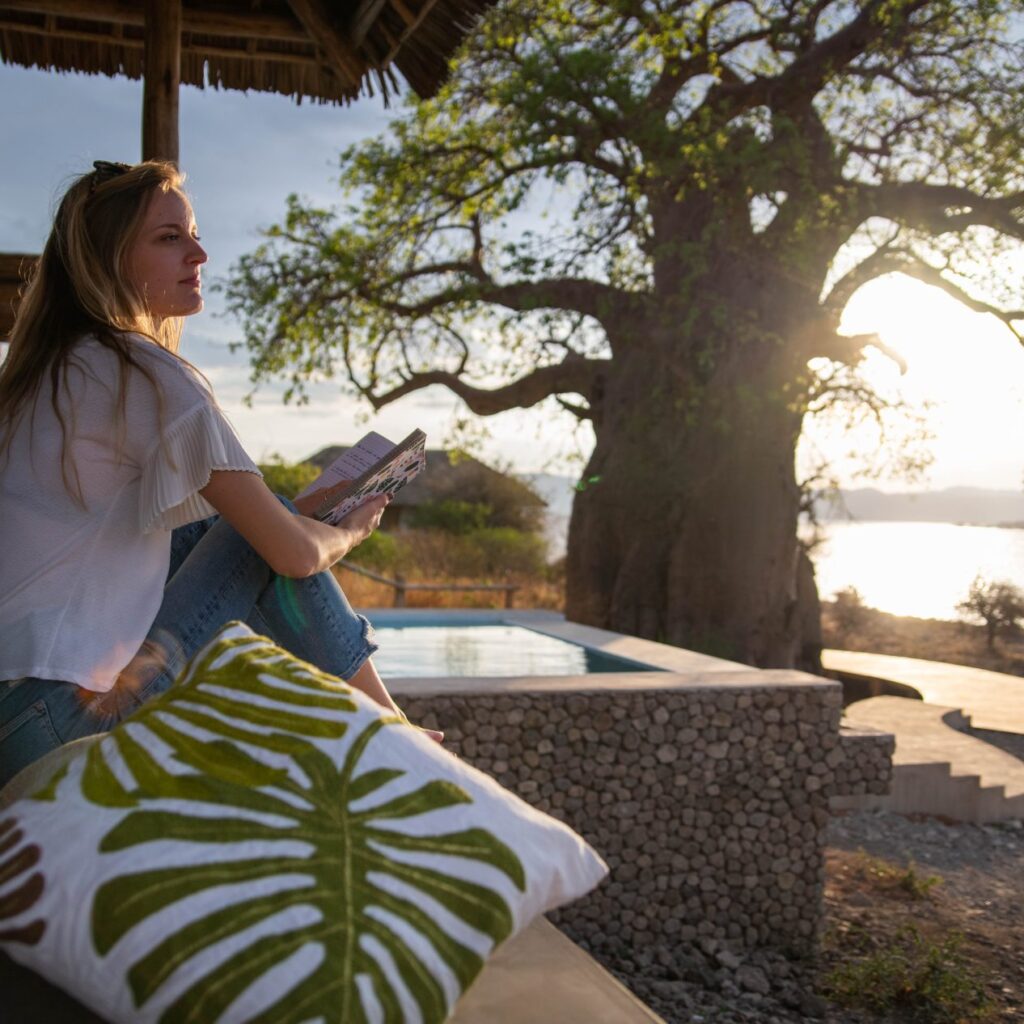
The very whisper of “African safari” conjures images of vast, sun-drenched plains teeming with life, the thrilling roar of a lion echoing across the savanna, and the unforgettable sight of a herd of elephants silhouetted against a fiery sunset. It’s a journey that promises adventure, wonder, and a profound connection with the natural world. But before you embark on this extraordinary expedition, a little preparation goes a long way in ensuring your experience is as seamless and enriching as the captivating landscapes you’re about to explore. Consider this your essential guide, a collection of insights to tuck away before you trade your everyday for the untamed beauty of Africa. Embarking on an African safari is a once-in-a-lifetime adventure that promises breathtaking landscapes, intimate encounters with wildlife, and cultural immersion unlike any other. However, to make the most of your journey, planning and preparation are essential. From understanding the best time to visit to knowing what to pack, this guide details everything you need to know before going on an African safari. Before going on an African safari, it’s important to research your destination, choose a reputable tour operator, pack light, and bring necessary medications and toiletries. Also, understand the local climate and prepare for both heat and potential dust, as well as early morning wake-up calls for the best wildlife viewing opportunities. Time Your Safari Wisely: Following Nature’s Rhythm The African continent is diverse, and the optimal time for a safari varies greatly depending on the specific region and your wildlife-viewing aspirations. Generally, the dry seasons are considered prime safari time. Africa’s wildlife thrives in cycles driven by seasons. The dry season (typically June to October in East Africa is generally the best for wildlife viewing. With less vegetation, animals congregate around water sources, making them easier to spot. Roads are also more accessible during these drier months. However, the wet seasons offer their unique charm. The landscapes transform into lush, green paradises, and you might witness newborn animals and fewer crowds. Birdwatching is often exceptional during this time. Research the specific country and park you plan to visit to understand the best time for your desired experience. Check out 10 Travel Tips When Going on an African Safari However, the green season has its charm too—fewer tourists, lush landscapes, and incredible birdlife. Research the region and consider what you most want to see. Safari Guides: Your Window to the Wild and Beyond Think of your safari guide as more than just a driver; they are your storyteller, your wildlife whisperer, and your key to unlocking the secrets of the bush. These passionate individuals possess an encyclopedic knowledge of animal behavior, local ecosystems, and even the cultural nuances of the region. Their sharp eyes can spot a camouflaged leopard from seemingly miles away, and their insightful commentary will bring the drama of the wild to life. Beyond their expertise, many guides are incredibly entertaining, sharing anecdotes, humor, and personal experiences that add a rich layer to your safari. Embrace their knowledge and allow them to enhance your understanding and appreciation of the natural world. Wake Up Early: Embracing the Dawn Chorus While the idea of a predawn wake-up call on vacation might seem daunting, trust us on this one: early mornings on safari are often the most rewarding. This is when the bush comes alive. Predators are often more active as the temperature is cooler, and the soft morning light bathes the landscape in a magical glow, perfect for photography. The air is crisp and filled with the sounds of the awakening wildlife – the chirping of birds, the distant calls of animals – creating an atmosphere of pure enchantment. Plus, you’ll often be back at your lodge for a leisurely breakfast before the midday heat sets in. Ask Questions: Fueling Your Curiosity Don’t be shy! Your safari is a fantastic opportunity to learn about the intricate web of life unfolding before you. Ask your guide questions about animal behavior, plant life, conservation efforts, local culture, anything that sparks your curiosity. Their insights will deepen your understanding and appreciation of the environment. Remember, there are no silly questions, only opportunities to learn something new and enrich your experience. Binoculars: Your Extended Eyes in the Bush A good pair of binoculars is an indispensable tool for any safari. While you’ll get close to wildlife during game drives, binoculars allow you to observe animals from a respectful distance, capturing intricate details of their behavior and appearance. They are also essential for spotting birds and other smaller creatures that might otherwise go unnoticed. Invest in a decent pair with good magnification and light-gathering capabilities – you’ll be amazed at the details you can observe. Expect Strict Safety Protocols: Respecting the Wild The thrill of encountering wild animals comes with the inherent need for strict safety protocols. Your guides are highly trained in ensuring your well-being and the safety of the animals. Always listen carefully to their instructions and adhere to the rules of the park or reserve. This includes staying within the vehicle unless permitted, not feeding the animals, and maintaining a respectful distance. Remember, you are a visitor in their home, and respecting their space is paramount for both your safety and theirs. Have an Open Mind: Embracing the Unexpected While you might have a mental checklist of animals you hope to see, the beauty of a safari lies in its unpredictability. Have an open mind and be prepared for the unexpected. Some days, you might witness incredible wildlife encounters, while other days might be quieter. Embrace the journey itself, appreciate the stunning landscapes, the fascinating insects, and the vibrant birdlife. Every moment in the African bush holds its unique magic. Pack Light: Practicality is Key When it comes to packing for your safari, light is right. Many internal flights within safari destinations have strict luggage weight restrictions. Moreover, you’ll likely be transferring between different camps or lodges, and lighter luggage will make these transitions much smoother. Focus on versatile, neutral-colored
Why We Are the Best Kilimanjaro Climbing Company
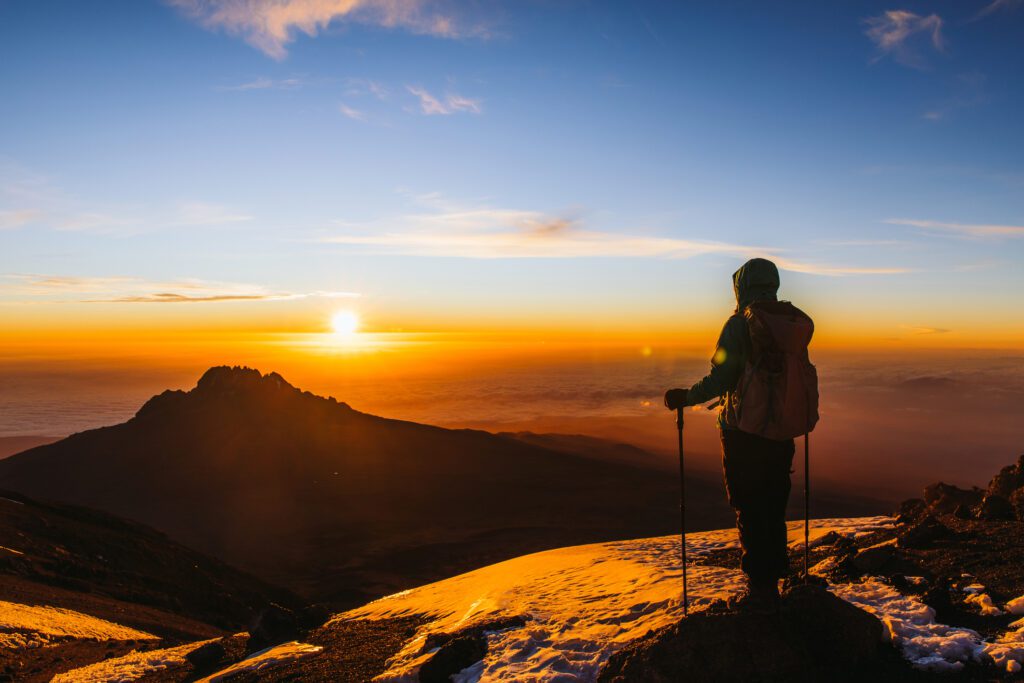
Choosing the right Kilimanjaro climbing company is one of the most important decisions for anyone planning a Mount Kilimanjaro trekking adventure. At Foot Slopes Tours and Safaris, we specialize in delivering safe, professional, and unforgettable Kilimanjaro climbing experiences. As a trusted Kilimanjaro tour operator in Tanzania, we focus on high success rates, expert mountain guides, well-planned itineraries, and personalized service. Whether you are a first-time trekker or an experienced hiker, our Kilimanjaro expeditions are designed to match your fitness level and goals. With strong attention to safety, comfort, and ethical climbing practices, we ensure every climber has the best possible chance to reach Uhuru Peak successfully while enjoying the breathtaking beauty of Africa’s highest mountain. Expert Kilimanjaro Mountain Guides Our greatest strength as a leading Kilimanjaro climbing company is our team of highly trained and certified mountain guides. Every Kilimanjaro guide at Foot Slopes Tours and Safaris has years of experience leading treks on all major Kilimanjaro routes, including Machame, Marangu, Lemosho, Rongai, and Northern Circuit. They are professionally trained in wilderness first aid, altitude sickness prevention, and emergency rescue procedures. Our guides also understand the psychology of climbers, offering motivation and support throughout the journey. Their deep knowledge of Mount Kilimanjaro’s terrain, weather patterns, and acclimatization techniques ensures a safe and successful ascent. With their leadership, climbers gain confidence, proper pacing, and the best possible chance to reach the summit. High Summit Success Rates At Foot Slopes Tours and Safaris, we proudly maintain one of the highest Kilimanjaro summit success rates in Tanzania. This is achieved through carefully designed trekking itineraries that prioritize proper acclimatization and gradual ascent. Unlike rushed tours, we focus on “pole pole” (slowly, slowly) climbing philosophy, which significantly reduces altitude sickness risks. Our success comes from experienced guides, well-organized logistics, and personalized attention to each climber’s condition. We monitor every trekker daily to ensure safety and comfort. By choosing longer routes like Lemosho and Northern Circuit, we increase your chances of reaching Uhuru Peak successfully. Our reputation as a top Kilimanjaro trekking company is built on real results and satisfied climbers from around the world. Best Kilimanjaro Routes Selection We offer all major Kilimanjaro climbing routes, giving clients flexibility based on time, budget, and experience. These include the Machame Route, Lemosho Route, Marangu Route, Rongai Route, and Northern Circuit Route. Each route is carefully selected based on its scenery, difficulty level, and summit success rate. For example, Lemosho and Northern Circuit are ideal for high success and scenic beauty, while Machame is popular for adventure seekers. Our travel experts help you choose the best Kilimanjaro trekking route depending on your fitness level and goals. We provide detailed route comparisons and honest advice to ensure your climb is enjoyable, safe, and rewarding. Every itinerary is designed to maximize acclimatization and overall trekking experience. Professional Safety Standards Safety is our top priority on every Mount Kilimanjaro climb. As a professional Kilimanjaro climbing company, we follow strict safety protocols throughout the expedition. Our guides carry emergency oxygen systems, first aid kits, and communication devices at all times. Daily health checks are conducted to monitor altitude sickness symptoms and physical condition. We follow international mountain safety standards and ensure proper acclimatization schedules are maintained. In case of emergencies, we have fast evacuation procedures in place. Our team is trained to respond quickly and efficiently to any situation on the mountain. With Foot Slopes Tours and Safaris, climbers can feel confident that they are in safe, experienced, and responsible hands from start to finish. Well-Planned Kilimanjaro Itineraries We design detailed and well-balanced Kilimanjaro trekking itineraries that enhance both safety and enjoyment. Each itinerary includes proper altitude acclimatization days, rest periods, and gradual elevation gain. This structured planning significantly improves summit success rates. Whether you choose a 6-day, 7-day, 8-day, or 9-day Kilimanjaro climb, we ensure your journey is realistic and achievable. Our itineraries are created by experienced mountain professionals who understand the challenges of high-altitude trekking. We also provide flexible options for private climbs, group tours, and luxury Kilimanjaro experiences. Every detail, from camp selection to daily trekking distances, is carefully planned to give you the best possible climbing experience on Africa’s highest mountain. Experienced Support Crew (Porters & Cooks) Behind every successful Kilimanjaro climb is a strong and dedicated support team. At Foot Slopes Tours and Safaris, we work with professional porters, cooks, and camp staff who ensure your journey is comfortable and smooth. Our porters carry essential equipment, tents, and supplies, while our mountain chefs prepare nutritious and energizing meals daily. We strictly follow ethical porter treatment standards, ensuring fair wages, proper equipment, and safe working conditions. Our support crew plays a vital role in maintaining morale and energy during the trek. With their help, climbers can focus fully on the adventure without worrying about logistics. This professional teamwork is one of the reasons we are a trusted Kilimanjaro climbing company in Tanzania. High-Quality Kilimanjaro Equipment We provide high-quality, well-maintained climbing equipment to ensure safety and comfort on Mount Kilimanjaro. This includes durable mountain tents, sleeping mats, dining tents, and essential camping gear. All equipment is regularly inspected and upgraded to meet international trekking standards. We also offer guidance on personal gear such as boots, jackets, and backpacks to ensure climbers are fully prepared. Proper equipment plays a major role in handling extreme weather conditions on the mountain, from rainforests to Arctic-like summit zones. At Foot Slopes Tours and Safaris, we make sure every climber is equipped with reliable gear that enhances comfort, warmth, and safety throughout the expedition. Affordable Kilimanjaro Climbing Packages We offer competitive and transparent Kilimanjaro climbing prices without compromising quality or safety. Our packages are designed to suit different budgets, including budget, mid-range, and luxury Kilimanjaro climbs. Each package includes park fees, guide services, porters, meals, camping equipment, and rescue fees. There are no hidden costs, ensuring full transparency for our clients. We believe that climbing Mount Kilimanjaro should be accessible to adventurers from all over the world. By offering affordable yet professional
Why You Should Go on a Tanzania Safari During the Calving Season

Tanzania, a haven of natural beauty and wildlife, draws thousands of visitors every year who are eager to witness its iconic landscapes, ranging from the sweeping plains of the Serengeti to the verdant forests of Ngorongoro Crater. While Tanzania offers incredible safari experiences year-round, one season stands out above the rest: the calving season. Occurring from January to March, the calving season brings an extraordinary display of life and survival, offering a truly remarkable and unforgettable experience for any safari-goer. If you are contemplating when to embark on a safari to Tanzania, this article will outline the top 10 reasons why you should go during the calving season. From witnessing the birth of countless baby animals to observing incredible predator-prey interactions, the calving season is an opportunity that shouldn’t be missed. Let’s dive into the heart of this unique phenomenon and explore why it’s the perfect time to visit Tanzania. A Tanzania safari during the calving season, typically from January to March in the southern Serengeti, offers a unique chance to witness the “Great Migration” and the birth of thousands of wildebeest calves, along with abundant wildlife sightings and predator action. 1. A Front-Row Seat to the Circle of Life One of the most compelling reasons to visit Tanzania during the calving season is the opportunity to witness the raw, unfiltered circle of life in action. The calving season is when many of Tanzania’s herbivores, particularly wildebeest, zebras, and gazelles, give birth. These newborns are incredibly vulnerable and depend on their mothers for protection, warmth, and guidance. Witnessing the first steps of newborn animals is nothing short of awe-inspiring. The sight of a wildebeest calf wobbling on its legs for the first time. Or a zebra foal darting after its mother is both heartwarming and humbling. It’s a chance to see nature in its purest form and a rare opportunity to connect with the cycle of life on an emotional level. Ndutu Calving Season 8 Day Serengeti Migration Tanzania 2. A Wildlife Photographer’s Dream For anyone passionate about wildlife photography, the calving season is an absolute dream. The sheer abundance of newborn animals on the plains creates the perfect setting for capturing dramatic, poignant, and breathtaking photographs. The golden light that bathes the savannah during the early morning and late afternoon hours makes for stunning shots that showcase the contrast between the baby animals. The vast African landscape and the predators in pursuit. 6 Day Ndutu Wildebeest Migration Calving Safari From dramatic images of predators stalking their prey to heartwarming moments of mothers caring for their young. The calving season provides an endless array of opportunities for photographers to capture once-in-a-lifetime shots. The dynamic interactions between animals and the vibrant colors of the landscape will ensure that your photography portfolio will stand out. 3. Predator-Prey Drama at Its Best Tanzania’s calving season is not just about the newborns; it’s also a time of heightened activity for the region’s predators. As the vulnerable young animals take their first steps, they quickly become prime targets for predators such as lions, cheetahs, hyenas, and wild dogs. The dramatic chase, the high-stakes ambushes, and the ruthless nature of predator-prey dynamics unfold before your very eyes. Watching a lioness stealthily stalking a wildebeest calf. Or witnessing a cheetah sprinting across the plains in pursuit of a young gazelle adds an element of suspense and excitement to your safari. The intensity of these moments offers an unparalleled sense of raw, untamed nature that is both thrilling and humbling. 4. Smaller Crowds for a More Exclusive Experience While the calving season is an exciting time to visit Tanzania, it falls during the low season for tourism in comparison to the dry season (June to October). This means there are fewer crowds and a more exclusive, intimate safari experience. With less congestion in the parks and reserves, you’ll be able to experience the wild landscapes in a more tranquil and personalized way. Moreover, the smaller crowds provide more opportunities for quality wildlife viewing, as safari vehicles are less likely to be crowded around key sightings. Whether you’re observing a pride of lions or a herd of elephants, the serenity and lack of hustle and bustle will make your experience even more memorable. 5. Ideal Conditions for Wildlife Viewing The calving season coincides with the short rains in Tanzania, which typically occur from November to May. These rains bring a lush, green coat to the plains, creating ideal conditions for animals to thrive. Fresh grass and an abundant food supply allow herbivores to give birth to their young in a more conducive environment. This increased food availability also means that the herbivores are generally healthier and more active, offering more opportunities for visitors to witness animals grazing, nursing, and interacting with one another. Additionally, the short rains help cool the temperature, making the climate more comfortable for both visitors and wildlife. This mild weather creates the perfect setting for a safari, as animals tend to be more active during the cooler hours, increasing the chances of memorable wildlife sightings. 6. The Serengeti at Its Most Beautiful The Serengeti, a UNESCO World Heritage Site, is widely regarded as one of the most iconic wildlife destinations in the world. During the calving season, the landscape is at its most picturesque. The green grasses sprout from the fertile soils, and the plains are dotted with newborn animals and their mothers. The contrast between the vibrant green of the landscape and the animals that populate it creates a stunning visual experience. Not only does the Serengeti provide incredible wildlife experiences during the calving season, but it also offers dramatic vistas. The endless savannahs stretch to the horizon, creating an expansive sense of space. Whether you’re taking in the view from a lodge or on a game drive, the Serengeti during this time is a feast for the eyes. 7. Witness the Great Migration in Its Early Stages While the Great Migration reaches its peak later in the year, the calving season marks
Why Hot Air Ballooning in East Africa Is Time-Sensitive

Hot air ballooning in East Africa offers one of the most exhilarating and scenic ways to experience the continent’s stunning landscapes and wildlife. Floating gently above the savannah, you can watch herds of elephants, lions, and wildebeest moving through the golden grasslands of iconic parks like the Serengeti or Tarangire National Park. While hot air balloon safaris are a bucket-list adventure for many, there’s an important factor to keep in mind: time. Hot air ballooning in East Africa is highly time-sensitive, and there are several reasons why timing your flight is critical to having the best experience possible. Ballooning in the Serengeti is best experienced at dawn, and there’s no other time quite like it. As the early morning light spills over the savanna, the landscape awakens with a flurry of wildlife activity. This golden hour is when predators return from their nocturnal hunts, and herds begin grazing. 1. Early Morning Flights: The Magic of Dawn In East Africa, hot air balloon rides almost exclusively scheduled for early mornings. The reason for this is simple: the early hours of the day offer the best weather conditions, as the calm, cool air is perfect for ballooning. Early mornings also coincide with the most active time for wildlife. Animals, especially predators like lions and cheetahs, are often more active during Tanzania Safari Packages enjoying the cooler hours, and the soft golden light of sunrise enhances the magic of watching these creatures in their natural habitat. Flying at dawn also ensures the least amount of wind interference, as the wind tends to pick up later in the day, making it harder to navigate the balloons. The cooler temperatures and more predictable weather in the early morning provide safer and more comfortable flying conditions, and the unique perspective of seeing the world come alive at sunrise is a major draw for adventurers. 2. The Migration Seasons: A Window of Opportunity One of the main reasons hot air ballooning in East Africa is so time-sensitive is the seasonal movements of the wildlife, particularly during the Great Migration in the Serengeti and Masai Mara. The Great Migration is a yearly journey where over 1.5 million wildebeest, along with zebras and gazelles, move across the plains in search of fresh grazing grounds. The timing of the migration is unpredictable, and it changes each year based on rainfall patterns and grass growth. However, it usually takes place from late June to October, with animals making their way across the Serengeti into the Masai Mara. For those wishing to witness this breathtaking spectacle from above, timing is crucial. The migration is most concentrated in certain areas at different points of the year, and hot air balloon rides can offer a front-row seat to this phenomenal natural event. Balloon operators are experienced in tracking where the herds and can adjust their flight routes accordingly, but the window for catching the migration at its peak is limited. Missing the migration means missing the chance to see thousands of animals moving across the plains in a breathtaking, synchronized rhythm. 3. Weather Conditions: The Impacts of Rainy Seasons East Africa is subject to two main rainy seasons: the short rains (from November to December) and the long rains (from March to May). While rain can occur at any time, these seasons generally bring unpredictable weather that can impact ballooning conditions. During the rainy seasons, visibility can be reduced, and strong winds or storms can make it unsafe for hot air balloon flights. Because ballooning requires calm, clear skies, and light winds, planning your hot air balloon adventure outside of these months increases the chances of a smooth and safe experience. If you’re looking to experience the vast savannah in its full glory, dry season months between June and October are considered the best. The weather is more stable, and visibility is at its peak, giving you clear views of the wildlife below. 4. Wildlife Activity: The Best Time to See Animals Wildlife activity in East Africa follows certain patterns based on the time of day and the seasons. The early morning is often the most active period for many species, as they are either beginning their day’s forage or returning to rest. Hot air balloon rides take advantage of this peak wildlife activity during the Hot Air Balloon Safari in Tanzania. Early morning flights increase the likelihood of spotting predators hunting, animals interacting in herds, and the overall vibrant energy of the savannah as it wakes up to the new day. Additionally, each national park or reserve has specific times of year when certain animals more likely to be spotted in East Africa’s Magnificent Hot Air Balloon Safaris. For instance, in the Serengeti, the dry season brings large concentrations of wildlife to watering holes, while in the Masai Mara, the wildebeest migration draws lions and other predators. Timing your flight to coincide with these events gives you the best chance of capturing these unforgettable moments from the sky. 5. Limited Availability: High Demand and Exclusive Experiences Hot air ballooning in East Africa is an exclusive experience, and there are a limited number of flights available each day, particularly in the more popular areas like the Serengeti hot Air Balloon safari across Africa; a bucket list must. The number of licensed ballooning operators restricted to preserve the environment and ensure safety, meaning that there are fewer opportunities to fly compared to other tourist activities. Additionally, these experiences often sell out quickly, especially during peak travel seasons like the Great Migration. If you’re planning to take a hot air balloon ride, booking in advance is essential. Given the limited availability, trying to secure a spot last minute during the busy months could mean missing out entirely on taking a hot air balloon over East Africa. Therefore, it’s important to plan your trip with plenty of lead time to ensure that you can reserve your spot and have the chance to experience the sky-high adventure of your dreams. 8 things you need to know about
5 Types of Tanzania Safari Accommodations
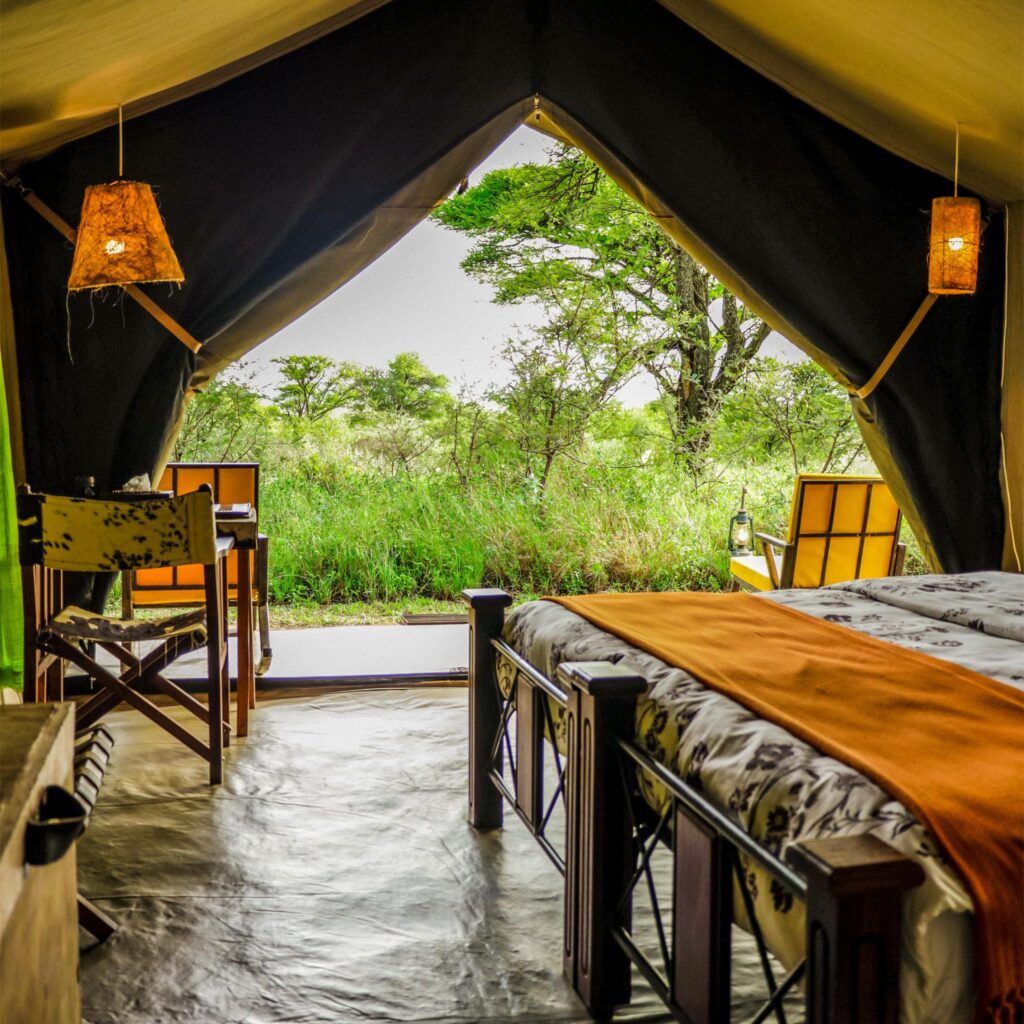
A Tanzania safari is one of the most unforgettable African travel experiences, offering exceptional wildlife viewing, breathtaking landscapes, and diverse accommodation options for every budget and travel style. From luxury safari lodges overlooking the Serengeti plains to authentic tented camps deep in the wilderness, Tanzania safari accommodations are designed to bring travelers closer to nature while ensuring comfort and safety. Whether you are planning a luxury Tanzania safari, family safari holiday, honeymoon safari, photographic safari, or budget camping adventure, choosing the right accommodation is essential. Popular safari destinations such as Serengeti National Park, Ngorongoro Crater, Tarangire National Park, Lake Manyara, and Ruaha National Park offer world-class lodging experiences. Understanding the different types of Tanzania safari accommodations helps travelers select the perfect balance of comfort, location, value, and authentic African safari atmosphere. 1. Safari Lodges Safari lodges are among the most popular Tanzania safari accommodations, combining comfort, luxury, and exceptional wildlife access. These permanent structures are typically built using local materials and blend harmoniously with the surrounding environment. Many luxury safari lodges feature spacious suites, private verandas, swimming pools, fine dining restaurants, and panoramic views of wildlife-rich landscapes. Located in premier destinations such as Serengeti National Park, Ngorongoro Conservation Area, Tarangire National Park, and Lake Manyara, safari lodges offer excellent service and modern amenities while maintaining an authentic African safari experience. They are ideal for honeymooners, families, photographers, and first-time safari travelers seeking convenience and comfort. Guests enjoy guided game drives, cultural excursions, bush breakfasts, and sundowner experiences. Safari lodges provide a perfect balance between wilderness immersion and luxurious relaxation throughout your Tanzania safari adventure. 2. Tented Lodges Tented lodges offer a unique blend of luxury and adventure, making them a favorite choice for travelers seeking an authentic safari atmosphere without sacrificing comfort. Unlike traditional camping, tented lodges feature permanent canvas structures equipped with comfortable beds, en-suite bathrooms, hot showers, electricity, and elegant furnishings. Many are strategically located in wildlife-rich areas of the Serengeti, Ngorongoro, Tarangire, and Ruaha ecosystems. Guests can enjoy the sounds of nature while experiencing high-end hospitality and personalized service. Luxury tented lodges often include gourmet dining, private decks, and spectacular views of the African wilderness. They provide excellent opportunities for wildlife photography and close encounters with nature. Tented lodges are particularly popular among couples, families, and safari enthusiasts who desire a memorable blend of comfort, exclusivity, and immersive wilderness experiences in Tanzania. 3. Tented Camps Tented camps provide one of the most authentic safari accommodation experiences available in Tanzania. Designed to bring guests closer to nature, these camps range from comfortable mid-range options to ultra-luxury mobile camps that follow the Great Wildebeest Migration across the Serengeti. Accommodations typically consist of spacious canvas tents furnished with beds, private bathrooms, solar-powered lighting, and outdoor seating areas. Staying in a tented camp allows visitors to hear lions roaring, hyenas calling, and other wildlife sounds during the night, creating a true African safari atmosphere. Many camps are situated in remote wilderness locations where wildlife sightings begin immediately outside the camp. Professional guides, personalized service, and intimate camp settings enhance the overall experience. Tented camps are ideal for adventurous travelers seeking close connections with Tanzania’s remarkable wildlife and natural beauty. 4. Budget (Basic) Camping Budget camping is the most affordable way to experience a Tanzania safari while remaining close to nature. Popular among backpackers, students, solo travelers, and budget-conscious adventurers, basic camping provides a genuine outdoor safari experience. Guests typically stay in dome tents equipped with sleeping mats or basic bedding at designated public campsites within or near national parks. Shared bathroom facilities, communal dining areas, and campfire gatherings contribute to the social atmosphere. Despite the simplicity, campers still enjoy excellent wildlife viewing opportunities and guided game drives in famous parks such as Serengeti, Ngorongoro, Tarangire, and Lake Manyara. Professional safari crews usually handle tent setup, cooking, and camp logistics. Budget camping offers exceptional value for travelers wanting to explore Tanzania’s incredible wildlife and landscapes while minimizing accommodation costs and maximizing adventure. 5. City Hotels/Lodges City hotels and lodges serve as important accommodations before and after a Tanzania safari. Most travelers stay in cities such as Arusha, Moshi, Dar es Salaam, or Zanzibar while preparing for their safari adventures or relaxing afterward. These accommodations range from budget guesthouses to luxury hotels featuring modern amenities, restaurants, conference facilities, swimming pools, spas, and airport transfers. City lodges provide comfortable bases for recovering from international flights, organizing safari logistics, and exploring local attractions. Many safari itineraries begin in Arusha, known as the gateway to Tanzania’s Northern Safari Circuit. Travelers often spend one or two nights here before visiting Serengeti, Ngorongoro Crater, Tarangire, and Lake Manyara. City hotels offer convenience, accessibility, and excellent hospitality while helping visitors transition smoothly between urban life and wilderness safari experiences. 6. Fly Camps Fly camps represent one of the most exclusive and adventurous safari accommodation experiences in Tanzania. These temporary wilderness camps are established in remote locations and are often accessed through guided walking safaris or charter flights. Designed for travelers seeking complete immersion in nature, fly camps offer simple yet comfortable facilities, including lightweight tents, camp beds, bush dining, and intimate campfire settings. Unlike traditional lodges, fly camps focus on providing authentic wilderness experiences rather than luxury amenities. Guests spend their days exploring remote ecosystems on foot with experienced guides and armed rangers while learning about animal behavior, tracking, and conservation. Nights are spent under star-filled African skies surrounded by the sounds of the bush. Fly camps are ideal for experienced safari enthusiasts seeking adventure, exclusivity, and unforgettable wilderness encounters. Key Considerations for Choosing Safari Accommodations Choosing the right safari accommodation is the most critical decision for your trip. Key factors include location (staying inside the park minimizes drive time), type of lodging (permanent luxury lodges vs. mobile tented camps), inclusions (meals, drinks, and game drives), and lodge size. Evaluate the following key considerations to match accommodations to your travel style: Location & Proximity Choosing the right safari accommodation begins with location and proximity to wildlife-rich areas. The
Mount Meru vs Kilimanjaro
Choosing between Mount Meru and Mount Kilimanjaro is one of the most common decisions for adventure travelers planning a Tanzania hiking and safari experience. Both mountains stand proudly in northern Tanzania near Arusha, offering dramatic volcanic landscapes, rich wildlife encounters, and unforgettable trekking routes. However, they differ greatly in altitude, difficulty, cost, acclimatization demands, and overall trekking experience. Mount Kilimanjaro is Africa’s highest peak and a world-famous bucket list destination, while Mount Meru is a lesser-known gem inside Arusha National Park, often used as an acclimatization climb. This guide compares Kilimanjaro trekking routes such as Machame, Lemosho, and Marangu with Mount Meru trekking options to help you decide which adventure best suits your fitness level, budget, and travel goals. Location and Accessibility Both Mount Meru and Mount Kilimanjaro are located in northern Tanzania, but accessibility differs slightly in terms of logistics and trekking flow. Mount Meru sits inside Arusha National Park, just a short drive from Arusha city, making it extremely convenient for quick trekking trips and safari combinations. Kilimanjaro, on the other hand, is located about 2–3 hours from Arusha and Moshi, with multiple entry gates depending on your chosen route, such as Marangu or Machame. Kilimanjaro is served by Kilimanjaro International Airport, making international access easier for climbers worldwide. Both destinations are well supported by Tanzania trekking tour operators, but Meru offers a faster and simpler start compared to the more structured logistics required for Kilimanjaro expeditions and multi-day trekking routes. Altitude and Peak Elevation Altitude is one of the most important differences between Mount Meru and Kilimanjaro. Mount Kilimanjaro is the highest mountain in Africa at 5,895 meters, making it a serious high-altitude trekking challenge. Climbers often face altitude sickness risks due to rapid elevation gain across routes like Machame, Lemosho, and Umbwe. Mount Meru is significantly lower at 4,566 meters, which makes it a more manageable acclimatization climb. Many trekkers use Meru as preparation before attempting Kilimanjaro. While both peaks require good physical fitness, Kilimanjaro demands stronger endurance and acclimatization planning. Meru’s lower altitude allows climbers to experience high-altitude trekking without the extreme oxygen challenges found on Kilimanjaro’s summit, Uhuru Peak, making it a safer introduction to Tanzania mountain climbing adventures. Difficulty Level and Physical Challenge Kilimanjaro is considered a non-technical but highly demanding trekking mountain due to its altitude, long hiking days, and extreme summit night conditions. Routes like Umbwe are steep and challenging, while Lemosho and Machame offer better acclimatization but still require endurance. Mount Meru is also a challenging trek, especially on summit day, but overall it is less intense than Kilimanjaro. The steep ridge walk to Socialist Peak is physically demanding but shorter in duration. Kilimanjaro typically takes 6–9 days, depending on the route, while Mount Meru is usually completed in 3–4 days. For beginners, Meru offers a strong introduction to high-altitude trekking in Tanzania, while Kilimanjaro is better suited for trekkers seeking a full bucket-list mountain climbing experience with greater endurance requirements. Trekking Duration and Itineraries Trekking duration plays a major role when comparing Mount Meru vs Kilimanjaro. Kilimanjaro itineraries vary from 5 to 9 days depending on the route chosen, with popular options like the Machame Route (6–7 days) and Lemosho Route (7–8 days) offering better acclimatization and success rates. The Marangu Route is shorter but more direct. Mount Meru, in contrast, is a shorter trek completed in just 3 to 4 days, making it ideal for travelers with limited time in Tanzania. Meru’s compact itinerary includes wildlife viewing in Arusha National Park on the lower slopes, adding a safari-like experience to the climb. Kilimanjaro requires longer planning and rest days, while Meru offers a quick but rewarding ascent with dramatic crater views and fewer logistical demands for travelers. Scenery and Landscape Experience Both mountains offer stunning scenery, but the experience differs greatly. Kilimanjaro provides a full ecological journey through multiple climate zones, from rainforest and moorland to alpine desert and arctic summit conditions. Routes like Lemosho and Machame are especially scenic and diverse. Mount Meru, located inside Arusha National Park, offers lush forests filled with wildlife such as giraffes, buffalo, and monkeys during the early trekking stages. The volcanic crater ridge on Meru provides dramatic views of Kilimanjaro in the distance, creating a unique photographic experience. While Kilimanjaro is more varied and expansive, Meru feels more intimate and wildlife-rich. Both mountains are ideal for nature lovers seeking Tanzania trekking tours, but Kilimanjaro offers broader landscape diversity compared to Meru’s concentrated scenic beauty. Wildlife Encounters on the Trek One major advantage of Mount Meru is its wildlife experience. Since it is located inside Arusha National Park, trekkers often encounter giraffes, buffalo, warthogs, and colobus monkeys during the lower hiking sections. This makes Meru feel like a walking safari combined with mountain trekking. Kilimanjaro, on the other hand, has limited wildlife sightings due to its higher altitude and harsher environments. Most animals are found only in the lower rainforest zones at the beginning of routes like Marangu and Machame. As you ascend higher on Kilimanjaro, wildlife disappears entirely. Therefore, Mount Meru offers a richer wildlife trekking experience, while Kilimanjaro focuses more on altitude challenge, summit achievement, and diverse ecological zones rather than safari-style encounters. Acclimatization Benefits Mount Meru is widely used as an acclimatization trek for Kilimanjaro climbers. Because of its moderate altitude gain, it helps the body adjust to high elevation before attempting Uhuru Peak. Many Kilimanjaro trekking packages include Meru as a warm-up climb to increase summit success rates. Kilimanjaro itself requires careful acclimatization strategies, especially on routes like Machame and Lemosho, which are designed with “climb high, sleep low” principles. However, even with longer routes, altitude sickness remains a risk. Meru provides a controlled environment to test endurance and adaptation. For first-time high-altitude trekkers, starting with Mount Meru significantly improves preparation for Kilimanjaro’s extreme summit conditions, making it a strategic choice in Tanzania trekking and climbing itineraries. Cost and Budget Considerations Cost is a key factor when choosing between Mount Meru and Kilimanjaro. Kilimanjaro climbs are significantly
Eco-Friendly Safari Packing Tips: How to Travel Sustainably on Your Next Adventure
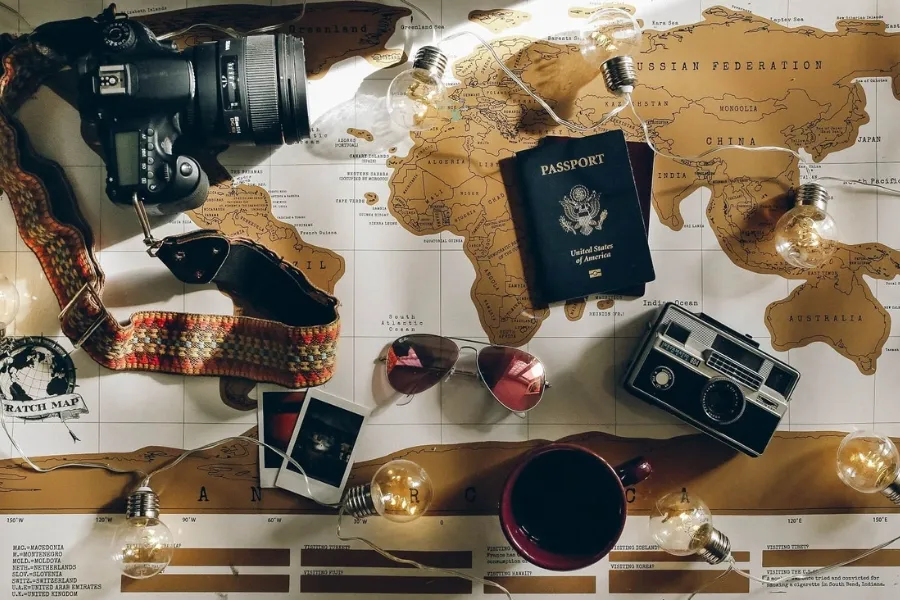
A safari is a dream experience for many travelers—an opportunity to witness wildlife in its natural habitat, explore vast, unspoiled landscapes, and connect with nature. However, with great adventures come great responsibilities. As the world becomes more conscious of the environmental impact of travel, the importance of packing sustainably for your safari is more crucial than ever.Eco-friendly packing not only ensures that you are minimizing your carbon footprint but also helps preserve the ecosystems you’re visiting Packing list for the sustainable traveller. Here are some thoughtful and practical eco-friendly safari packing tips to help you enjoy your adventure while keeping your environmental impact in check. 1. Choose Eco-Friendly Luggage When selecting your luggage, prioritize durable, high-quality, and sustainable options top sustainable travel tips for an African Safari Adventure. Instead of opting for single-use or disposable bags, invest in long-lasting backpacks, duffel bags, and suitcases made from eco-conscious materials. Many companies offer travel gear made from recycled fabrics like PET (polyethylene terephthalate) or even biodegradable materials. Look for bags that are built to withstand wear and tear, as these will last for many trips to come eco-friendly packing essentials for Your African Ecotour. Additionally, packing light is key to reducing your carbon footprint. Overpacking can lead to excessive fuel consumption when traveling, so aim to pack only what’s essential for the safari experience. Skip cheap, disposable luggage that cracks or tears mid-trip. Look for bags made from recycled nylon, organic cotton canvas, or upcycled materials. A rugged backpack or duffel built to survive multiple safaris means less waste and fewer frantic repairs in the bush. Pack items that multitask like pros: ✔A lightweight neck warmer that can also act as a dust mask or even a hair tie.✔Silicone food containers to store snacks, leftovers, or small souvenirs.✔A microfiber towel that doubles as a picnic blanket or makeshift curtain. 2. Opt for Reusable Water Bottles In many safari destinations, especially in more remote areas, access to clean water can be limited. This makes it all the more important to avoid contributing to the growing plastic waste problem. Instead of buying bottled water during your travels, bring along a reusable water bottle made from stainless steel or aluminum. Not only will this reduce your waste, but it will also help you stay hydrated throughout your safari travel tips how to enjoy a sustainable African Safari. Consider purchasing a water purification system or portable water filter that allows you to refill your bottle with clean water, further reducing your environmental impact. Ditch single-use bottles and embrace clever, eco-friendly swaps. Try edible toothpaste bits—just chew, brush, and rinse; no tube required. Shampoo bars are another winner, lasting up to 80 washes and fitting neatly into a tin. For lotions or sunscreen, silicone squeeze pouches are a game-changer: refillable, leak-proof, and squishable for easy packing. You can also toss a few multitaskers into your daypack to make meals and snacks easier a complete packing list for your first African Safari: ✔A bamboo spork that’s lightweight and splinter-free.✔A beeswax wrap to pack your sandwiches or cover fruit.✔Spork-knife hybrid to cut cheese and stir tea.✔A portable spice tin to add flavor to your camp meals.✔Foldable silicone bowl that can double as a mixing dish. If you enjoy wellness remedies, consider packing essential oils like peppermint to relieve sore muscles after long hikes. For those who prefer alternative options, recreational cannabis products like topicals (where legally permitted) can also ease tension and support recovery. Just be mindful of local laws and consume discreetly to ensure a respectful experience. 3. Pack Eco-Friendly Clothing Sustainable clothing choices are essential for reducing your environmental impact while on safari. Avoid fast fashion brands and instead look for outdoor wear made from eco-friendly fabrics such as organic cotton, hemp, or bamboo. These materials are renewable, biodegradable, and often require fewer resources to produce compared to conventional cotton or synthetic fabrics. Opt for neutral-colored clothing that blends in with the surroundings eco-friendly safari packing tips to protect nature. Opt for camouflage but also to reduce the need for frequent washing, which can lead to microplastic pollution when synthetic fabrics shed fibers. Also, choose lightweight, quick-drying clothes to minimize water usage and drying times, ensuring your clothes last longer with minimal maintenance tips for practicing sustainable tourism on safari. 4. Support Local and Ethical Brands When shopping for your safari gear, choose brands that support local communities and ethical practices Eco-friendly safari Packing tips for your adventure how to plan a sustainable African Safari eco-friendly travel tips. Look for companies that source materials responsibly, support fair trade, and actively contribute to conservation initiatives. Supporting local businesses not only benefits the economy of the region you’re visiting but also reduces the carbon footprint of shipping goods internationally.Consider purchasing souvenirs or gear from local artisans to further promote sustainable tourism. Not only do you support the community, but you also bring home unique, handcrafted items that tell a story of the place and its people. 5. Bring Eco-Friendly Toiletries Many typical toiletry items, such as shampoos, conditioners, soaps, and lotions, are packaged in plastic bottles and contain chemicals harmful to the environment. To reduce your waste and carbon footprint, opt for eco-friendly alternatives such as bar soap, solid shampoo, and refillable containers. These products often come in minimal packaging, reducing the need for single-use plastics. Additionally, consider natural and biodegradable toiletries that are safe for wildlife and ecosystems. For example, choose sunscreen that is reef-safe and free of harmful chemicals like oxybenzone and octinoxate, which can damage coral reefs and marine life. Similarly, bring along eco-friendly insect repellents and other essential toiletries that won’t harm the environment. 6. Use Solar-Powered Gadgets Safaris often involve remote areas with limited access to electricity, making solar-powered gadgets a perfect solution for eco-friendly safari packing tips for sustainable travel. Solar-powered chargers for your phone, camera, or other devices allow you to stay connected without relying on traditional power sources that may have a higher environmental impact. These devices are lightweight, portable, and