
Wild Animals You Must See on African Safari
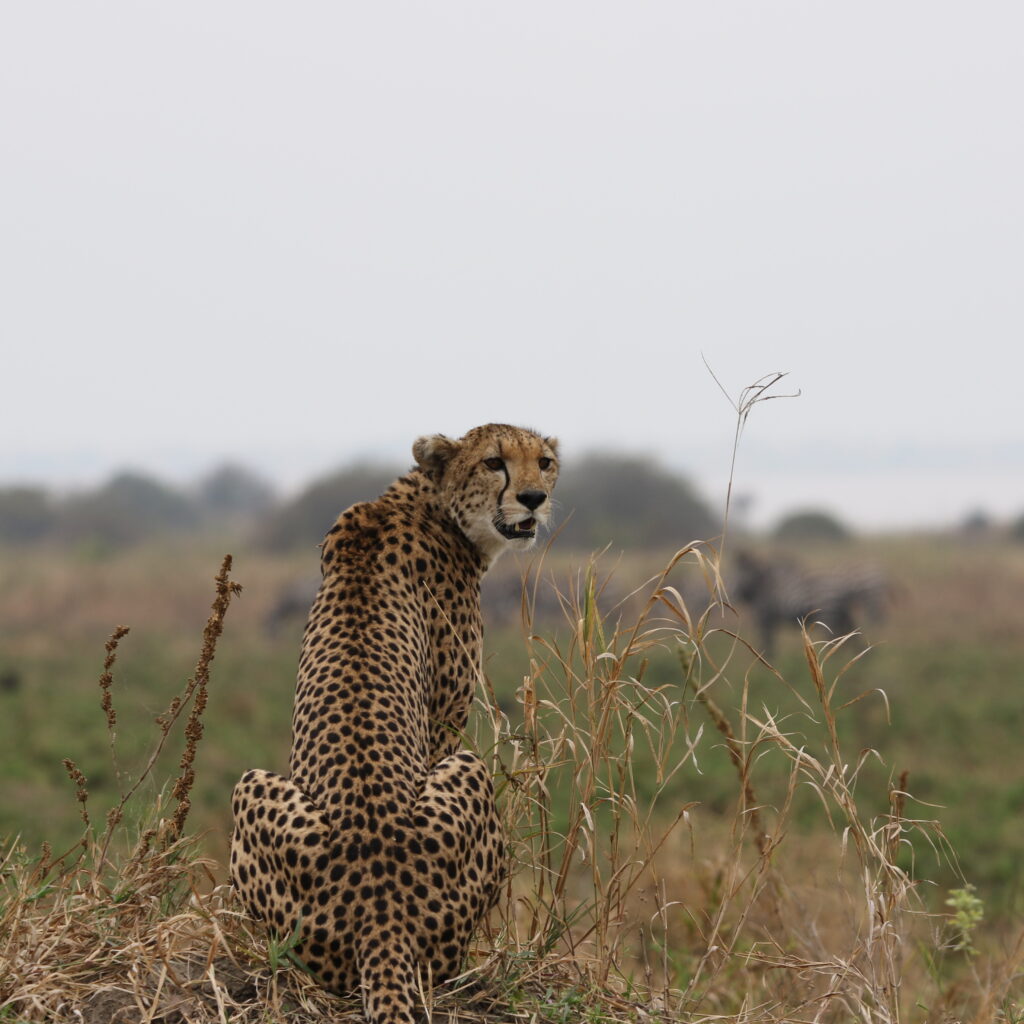
An African safari is more than just a trip; it’s an immersive journey into the very heartbeat of the wild. From the moment your boots touch the dusty earth of the savanna, a profound sense of anticipation takes hold. While every creature, from the tiniest dung beetle to the most magnificent raptor, plays a vital role in this intricate ecosystem, there are certain iconic animals that define the quintessential African safari experience. These are the creatures whose presence commands awe, whose behaviors tell ancient stories, and whose images will forever be etched in your memory. Whether you’re embarking on your adventure from the bustling safari hub of Arusha. Deep in the plains of the Serengeti, or exploring the lush waterways of the Okavango Delta, encountering these magnificent beasts in their natural habitat is a privilege that transcends mere sightseeing. Here are the wild animals you absolutely must try to see on your African safari, and why each encounter is so profoundly special African Safari Animals & Where You’ll See Them. The “Big Five”: The Quintessential Safari Icons. The “Big Five” Animals You Will See on an African Safari are the African elephant, the Cape buffalo, the leopard, the rhinoceros, and the lion. No safari checklist is complete without the legendary “Big Five.” Originally coined by big-game hunters to denote the five most difficult and dangerous animals to hunt on foot, these magnificent creatures have become the ultimate symbols of African wildlife. Seeing the most popular Animals to see on an African Safari all five in their natural glory, is a thrilling achievement for any safari-goer. Check this: What Animals Will I See on Safari in Tanzania? 1. Lion (Panthera leo): The King of the Jungle (or Savanna) The undisputed monarch of the African plains, the lion is a creature of immense power and regal bearing amazing animal to spot on your next African Safari. Seeing a pride of lions, whether they are dozing under an acacia tree, a lioness stalking prey with stealthy grace, or a majestic male with his impressive mane surveying his territory, is an electrifying experience. Their social dynamics, the playful antics of cubs, and the sheer power of their roar are unforgettable. Why You Must See Them. Their iconic status, social complexity, and raw predatory power make them a cornerstone of any safari. Hearing a lion’s roar reverberate across the savanna at dawn or dusk is an experience that will send shivers down your spine. Where to See Them. Abundant in the Serengeti and Ngorongoro Crater in Tanzania, Maasai Mara in Kenya, and Kruger National Park in South Africa. 2. Leopard (Panthera pardus): The Elusive Master of Stealth More elusive and solitary than the lion, the leopard is a master of camouflage and stealth. Spotting one, often draped elegantly over a tree branch or moving silently through tall grass, is a rare and highly prized sighting. Their stunning rosette patterns and piercing eyes make them incredibly photogenic. Why You Must See Them. Their beauty, grace, and incredible stealth make a leopard sighting feel like a true privilege. It’s a testament to your guide’s keen eye and patience. Where to See Them. While challenging, they are present in most major parks, including the Serengeti (especially the Seronera Valley), Kruger, and the Okavango Delta. 3. Elephant (Loxodonta africana): The Gentle Giant of the Bush The largest land animal on Earth, the African elephant is a creature of profound intelligence, complex social structures, and immense presence. Watching a herd of elephants, from tiny calves to wise matriarchs, move gracefully through the landscape, feeding, bathing, or interacting with each other, is deeply moving. Their sheer size, combined with their gentle nature, is truly captivating. Why You Must See Them. Their intelligence, emotional depth, and impressive size make every encounter powerful. Witnessing their social bonds is a truly heartwarming experience. Where to See Them. Tarangire National Park in Tanzania is famous for its large elephant herds, as are Amboseli National Park in Kenya and Chobe National Park in Botswana. 4. Rhinoceros (Diceros bicornis – Black Rhino / Ceratotherium simum – White Rhino): The Ancient Armored Giants Both black and white rhinos are critically endangered, making every sighting a poignant reminder of ongoing conservation efforts. The black rhino is smaller and more aggressive, often found browsing in dense bush, while the white rhino is larger and a grazer, often seen in open grasslands. Their prehistoric appearance and powerful presence are awe-inspiring. Why You Must See Them. Their endangered status makes every sighting incredibly special and highlights the urgency of conservation. They are truly living dinosaurs. Where to See Them. The Ngorongoro Crater in Tanzania is one of the best places to see wildlife spectacles in Africa offers one of the most reliable places to see black rhinos. White rhinos are more common in South Africa (Kruger) and some private reserves. Check this: Top 10 Best Places To See Rhinos on Safari in Tanzania 5. Cape Buffalo (Syncerus caffer): The Unpredictable Powerhouse Often underestimated, the Cape buffalo is considered one of Africa’s most dangerous animals, known for its unpredictable temperament. Seeing large herds grazing, or a solitary “dagga boy” (older male) wallowing in mud, reveals their immense power and resilience. Why You Must See Them. Their sheer numbers in large herds are impressive, and their formidable reputation adds a thrill to the sighting. Where to See Them. Widespread across most major safari destinations, including the Serengeti, Ngorongoro, and Kruger. Check this: Where to See the “Big Five” in Tanzania – A Detailed Guide 6. The Great Migration: Nature’s Grandest Spectacle While not a single animal, the Great Migration is a phenomenon driven by millions of wildebeest, accompanied by hundreds of thousands of zebras and gazelles, moving in a continuous cycle across the Serengeti-Mara ecosystem in search of fresh grazing and water. Why You Must See It. It is the largest overland migration of mammals on Earth, a breathtaking spectacle of life, death, and survival. Witnessing river crossings, where animals brave crocodile-infested waters,
Kilimanjaro now has high-speed internet
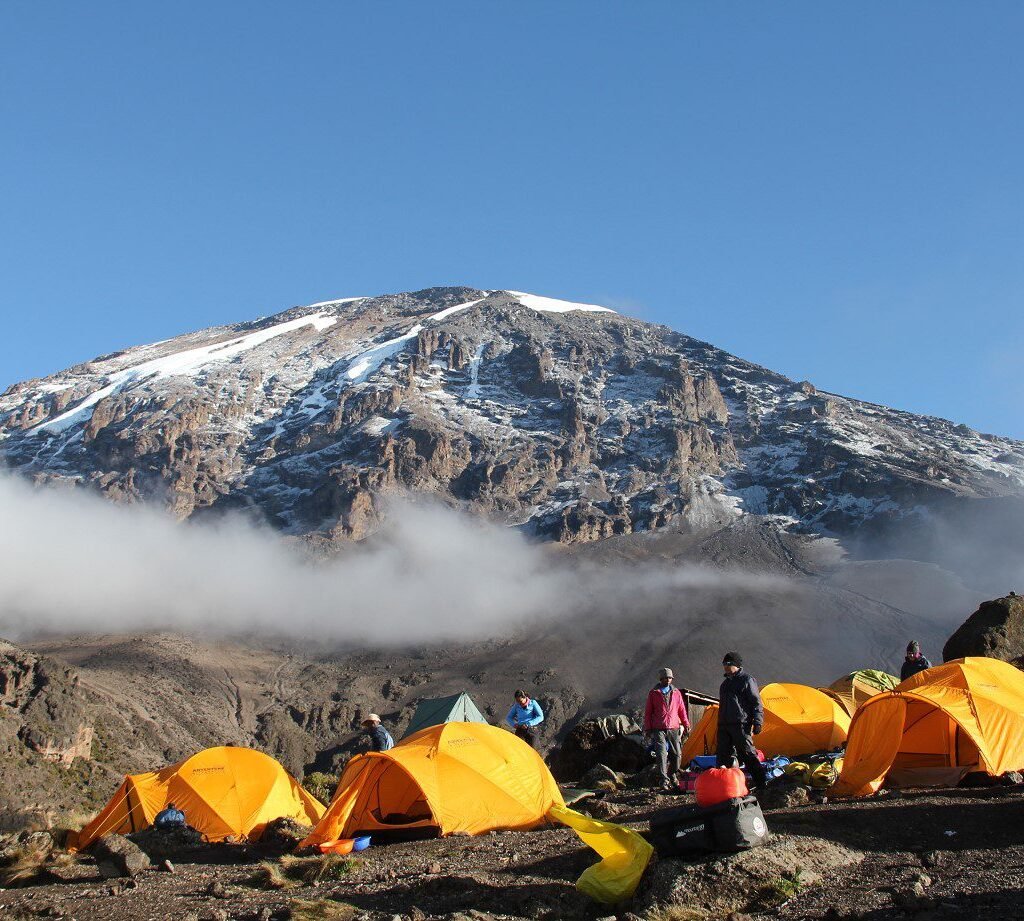
Mount Kilimanjaro, the iconic “Roof of Africa,” has entered a new digital era with the introduction of high-speed internet connectivity along key trekking routes and nearby accommodation zones. Once considered a complete digital blackout zone, Kilimanjaro is now increasingly connected through modern satellite technologies such as Starlink and improved network infrastructure in surrounding regions. This development is transforming how climbers, tour operators, and guides experience the mountain. Real-time communication, live sharing of summit journeys, and emergency coordination are now more efficient than ever. The availability of high-speed internet on Kilimanjaro is also boosting tourism marketing, enabling climbers to stay connected while still enjoying the raw wilderness of Kilimanjaro National Park. This shift represents a balance between adventure and digital convenience, making Kilimanjaro more accessible to modern travelers, digital nomads, and international trekking enthusiasts seeking both nature and connectivity. High-Speed Internet on Kilimanjaro: A New Era of Connectivity The introduction of high-speed internet on Kilimanjaro marks a revolutionary shift in mountain tourism and adventure travel in Tanzania. Previously, climbers experienced complete disconnection for days, but now selected camps and lodges along popular routes offer reliable satellite-based Wi-Fi. This advancement enhances safety, allowing guides and operators to coordinate rescue operations and weather updates instantly. “Kilimanjaro internet access,” “Wi-Fi on Mount Kilimanjaro,” and “connected mountain trekking Africa” are now trending globally. The connectivity is especially useful for international climbers who need to stay in touch with families or manage remote work. While still not available everywhere on the mountain, the growing network coverage is steadily expanding. This blend of wilderness and digital access is reshaping the climbing experience while preserving the natural beauty of the mountain environment. Starlink and Satellite Technology Transforming the Mountain Satellite internet, particularly Starlink, has played a major role in bringing high-speed internet to Kilimanjaro. Unlike traditional mobile networks, satellite systems provide coverage in remote and high-altitude environments where infrastructure is limited. This innovation ensures that climbers can access stable connectivity even in challenging terrain. “Starlink Kilimanjaro internet,” “satellite Wi-Fi Tanzania mountains,” and “remote connectivity Africa trekking” are increasingly popular in search engines. Many trekking operators are adopting portable satellite units to support guides and expedition teams. This technology not only improves communication but also enhances safety monitoring and emergency response. It also enables real-time blogging and video sharing from high camps, making Kilimanjaro one of the most digitally accessible high-altitude destinations in the world today. Internet Availability Along Popular Climbing Routes Internet access on Kilimanjaro is not uniform but strategically available along major climbing routes such as Marangu, Machame, and Lemosho. At lower elevations and selected camps, climbers can connect through Wi-Fi hotspots or satellite terminals. “Machame Route Wi-Fi,” “Marangu Route internet access,” and “Kilimanjaro trekking connectivity” reflect growing user interest. As altitude increases, connectivity may become weaker or intermittent due to terrain and weather conditions. However, base camps and certain huts are increasingly equipped with stable internet solutions. This allows trekkers to check updates, share experiences, and communicate before heading into higher, more remote zones. The gradual expansion of coverage ensures that climbers experience both digital convenience and authentic wilderness immersion throughout their journey. Impact on Safety and Emergency Response One of the most important benefits of high-speed internet on Kilimanjaro is improved safety and emergency response. Climbers facing altitude sickness, injuries, or extreme weather conditions can now be supported faster through real-time communication systems. “Kilimanjaro climbing safety internet,” “mountain rescue Tanzania connectivity,” and “emergency communication Kilimanjaro” are increasingly relevant. Guides can instantly contact park authorities or medical teams, reducing response time significantly. This digital improvement enhances overall expedition safety without compromising the natural experience. In addition, weather forecasting updates are more accurate and accessible, helping climbers make informed decisions. The integration of internet technology into high-altitude rescue systems represents a major advancement in African mountain tourism safety standards. Benefits for Tourists and Modern Travelers Modern travelers climbing Kilimanjaro now enjoy the rare combination of wilderness adventure and digital connectivity. High-speed internet allows tourists to share summit moments instantly on social media, conduct remote work, and stay connected with loved ones. Digital nomad Kilimanjaro,” connected safari Tanzania,” and “Wi-Fi mountain trekking experience” highlight this growing trend. For many climbers, especially international visitors, staying connected reduces anxiety and enhances comfort during the expedition. It also enables real-time travel documentation, which boosts tourism marketing for Tanzania globally. While some trekkers prefer complete digital detox, others appreciate the flexibility of optional connectivity. This dual experience makes Kilimanjaro one of the most unique trekking destinations in the world. Challenges of Providing Internet at High Altitudes Despite technological progress, delivering high-speed internet on Kilimanjaro remains challenging due to extreme altitude, weather conditions, and rugged terrain. Heavy clouds, snow, and wind can occasionally disrupt satellite signals. “Kilimanjaro internet challenges,” “mountain Wi-Fi limitations in Africa,” and “high altitude connectivity issues” are commonly searched. Maintaining equipment at high elevations also requires logistical effort and specialized support teams. Power supply is another limitation, as solar and portable generators must be used to sustain connectivity systems. These challenges mean that internet availability is still not fully consistent across all routes. However, continuous investment and innovation are gradually improving stability and coverage across the mountain. Role of Tourism Operators in Digital Expansion Tour operators in Tanzania are playing a major role in introducing and maintaining internet services on Kilimanjaro. Many companies now offer “connected climbing packages” that include Wi-Fi access at selected camps. “Kilimanjaro tour operators Wi-Fi,” “luxury Kilimanjaro trekking internet,” and “smart safari packages Tanzania” are gaining traction. Operators use connectivity to enhance guest experience, provide real-time updates, and improve logistics coordination. This also helps in managing group safety and itinerary tracking more efficiently. Some premium expeditions even offer dedicated communication devices for clients. The involvement of tourism companies ensures that internet access is not just a technological upgrade but also a value-added service for climbers seeking comfort and reliability. Environmental Considerations and Sustainable Connectivity Introducing high-speed internet on Kilimanjaro also raises important environmental considerations. The installation of satellite systems and communication equipment must be carefully
Wonderful 11-Day Ultra-Luxury Tanzania Safari Packages
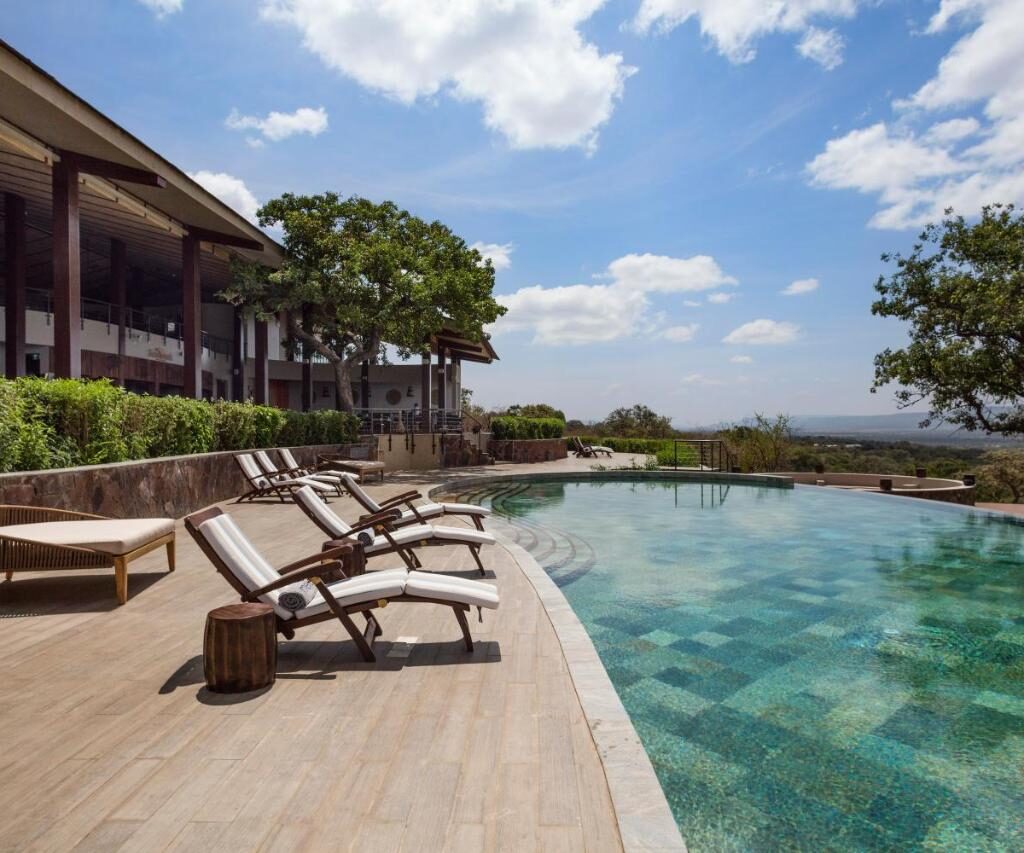
11-Day Ultra-Luxury First Class African safari World-class premium Luxury Tanzania Safari All-Inclusive ✓Exceptional Big Five Encounters ✓ 4-Day Tarangire ✓ 5-Day Serengeti ✓Luxury Tanzania Safari Tours & Packages ✓1-Day Ngorongoro ✓Voted #1 World’s best Luxury African Safaris and Tours ✓ best Luxury African Safari Tour Companies ✓high-end luxury private family, honeymoon, senior, solo safari tour Packages Experience the super ultra-luxury Tanzania safari packages and embark on an unforgettable 11-day ultra-luxury safari through Tanzania’s most iconic wildlife destinations. Begin your journey in Tarangire National Park, known for its ancient baobab trees and large elephant herds. Continue Ultra-Luxury African Safari to the legendary Serengeti National Park, where you’ll witness the breathtaking Great Migration and spot the Big Five in vast, open plains. Your adventure culminates at the majestic Ngorongoro Crater, a UNESCO World Heritage Site teeming with diverse wildlife in a unique volcanic landscape. Enjoy world-class, first-class VIP super Luxury Tanzania Safari accommodations, private game drives, gourmet cuisine, and personalized service throughout your safari. This exclusive package offers the perfect blend of adventure and indulgence, tailored for discerning travelers seeking an authentic and luxurious African experience. 11-Day Ultra-Luxury Tanzania Safari Packages Itinerary Tanzania offers numerous first-class VIP ultra-luxury African safari packages, ranging from short 5-day trips to extended 15-day adventures. These packages often include private accommodations, customized itineraries, and a variety of activities like game drives, hot air balloon rides, and cultural tours. Expect to experience top-tier luxury with private guides, concierge services, and inclusion of all park fees and gratuities. Note: Ultra-luxury safaris come at a premium, with costs ranging from $1800 to $5500 per person per day. However, the personalized service and unique experiences make it a worthwhile investment for those seeking a truly unforgettable safari adventure. Explore one of Tanzania’s secret hidden gems, the big cat. The safari includes a drive in a prime game-viewing area far from the jostling crowds and accommodation in a luxury lodge. Eco-friendly tented safari camp with uninterrupted views of the endless savannah. These ultra-luxury African Safari vacation designs are suitable for families, honeymooners/couples, and seniors! Explore ultra-luxury Tanzania safari packages, photos, map, trip, wildlife, reviews, holidays tailored to fit all your needs and taste for adventures. An 11-Day Deluxe Tanzania Luxury Lodge Safari will take you to see the Big 5 animals in their natural habitat, as well as other wild animals in Tanzania. On this Safari, you visit the Tarangire National Park, the Ngorongoro Crater Conservation Area, and the Serengeti National Park. All these Parks are located in the Northern Safari Circuit. Visiting the extensive Olduvai Gorge for great human experiences. Day 1: Tanzania Arrival | Safari in Tanzania Pick you up at Kilimanjaro airport/Arusha airport, your transfer you to Arusha. We booked a hotel for you overnight, ready to start your tour the following day. You will meet with our safari manager to give you a brief about the safari. After that, you will continue leisure in your hotel. Overnight at the Ultra-Luxury Tanzania Safari Retreat Gran Meliá Arusha. Day 2: Arusha to Tarangire National Park – Treetop Dreams After a sumptuous breakfast, your safari truly begins as you journey to Tarangire National Park, a land of ancient baobabs and vast elephant herds. The drive offers scenic views of the Tanzanian countryside. Upon arrival, you’ll embark on your first thrilling game drive, encountering diverse wildlife against the backdrop of Tarangire’s unique landscape. As the day winds down, you’ll arrive at the exquisite Kuro Treetop Tarangire Lodge, where you’ll spend three nights in luxurious treetop suites, offering unparalleled views and an immersive nature experience. Dinner and overnight at the lodge. Accommodation: Kuro Treetop Tarangire Lodge Day 3: Tarangire National Park – Elephant Encounters Awake to the sounds of the African bush and enjoy a delicious breakfast at your elevated lodge. Today is dedicated to exploring the wonders of Tarangire National Park. Your morning and afternoon game drives will focus on seeking out the park’s famous elephant population, often seen congregating along the Tarangire River. You’ll also have excellent opportunities to spot lions, giraffes, zebras, wildebeest, and a myriad of bird species. Your expert guide will share fascinating insights into the ecosystem and the behavior of the animals. Return to the lodge for a delectable dinner and another peaceful overnight stay. Accommodation: Kuro Treetop Tarangire Lodge Meals: Full board Day 4: Tarangire National Park – More Wilderness Exploration Another full day awaits in Tarangire National Park. With its diverse habitats, the park offers endless opportunities for discovery 11-day Ultra-Luxury East African Safari Packages. You might explore different sections of the park today, perhaps heading towards the Silale Swamp, which attracts a high concentration of animals, especially during the dry season. Keep an eye out for elusive leopards and the impressive pythons that are known to reside in the area. This extended stay allows for a deeper appreciation of Tarangire’s unique charm and its thriving wildlife. Return to the lodge for dinner and overnight. Accommodation: Kuro Treetop Tarangire Lodge- Meals: Full board Day 5: Tarangire to Serengeti National Park After breakfast, we depart from the accommodation and drive to Serengeti across Ngorongoro Conservation Area and later arrive on the great Serengeti plains for a different but just as spectacular wildlife viewing experience. Then you will have one of the world’s greatest adventure safaris with us. You will reach Naabi Gate around 2:30 pm. Then after the game drive, you will continue your way over the scrublands and you will have 2 hrs late evening game drive in Serengeti National Park. Dinner and overnight at Meliá Serengeti Safari Lodge Day 6: Serengeti Game Drive After breakfast, you will have a game viewing towards Serengeti National Park. The Serengeti, Tanzania’s largest National Park, covers nearly 6,000 square miles of grassland plains, Savannah, kopjes, hills, woodlands, and riverine forest systems serve as critical water sources and are often excellent sites for wildlife viewing. Beyond the heralded migration of wildebeest and zebra, the Serengeti is best known for its big predators, including cheetah and Leopard, as well
Tips to Improve Your Wildlife & Nature Photography

Capturing the Soul of the Wild: 10 Tips to Elevate Your Wildlife & Nature Photography in Tanzania (and Beyond)-The allure of Tanzania, especially the breathtaking landscapes and abundant wildlife surrounding Arusha, ignites a primal urge to capture its beauty through the lens. Whether you’re witnessing the Great Migration in the Serengeti, marveling at the elephants of Tarangire, or exploring the lush forests of Arusha National Park, your camera becomes an extension of your eye, a tool to preserve fleeting moments of wonder. But transforming snapshots into captivating photographs that truly convey the soul of the wild requires more than just pointing and shooting. Here are 10 essential tips to elevate your wildlife and nature photography during your Tanzanian adventure (and any bush experience): 1. Master the Art of Patience: The Photographer’s Greatest Virtue Wildlife photography, particularly in a place as dynamic as Tanzania, demands patience above all else. The most extraordinary moments – a tender interaction between a mother and her cub, a predator stalking its prey, a bird displaying its vibrant plumage – often unfold when you least expect them. Resist the urge to rush from sight to sight. Instead, find a promising location, settle in, and observe. Let the scene unfold naturally. This patient approach, often practiced by seasoned photographers around Arusha waiting for the perfect light on Mount Meru or the ideal moment with local wildlife, is key to capturing truly exceptional images. 2. Understand Your Subject: Know Their Habits and Habitat Truly compelling wildlife and nature photography goes beyond simply documenting what you see; it tells a story. To do this effectively, invest time in understanding your subjects. Learn about the behavior patterns of the animals you hope to photograph – their feeding times, social interactions, and preferred habitats. The more you know, the better you can anticipate their actions and position yourself for impactful shots. Before heading out on a game drive from Arusha, take the time to learn about the specific animals you’re likely to encounter in that park. Understanding the migratory patterns of birds around Lake Manyara, for instance, will significantly improve your bird photography. Check this: Top 10 Best Tanzania Photography Safari 2025/2026 3. Embrace the Golden Hours: The Magic of Light Light is the lifeblood of photography, and the soft, warm light of sunrise and sunset – often referred to as the “golden hours” – is particularly magical for wildlife and nature. This gentle illumination bathes the landscape in a beautiful glow, enhances colors, and creates soft shadows that add depth and dimension to your subjects. Rise early for those misty morning shots of elephants in Tarangire or stay out until dusk to capture the silhouettes of giraffes against a fiery Serengeti sky. The difference in image quality during these times compared to the harsh midday sun is often dramatic. Many lodges around Arusha schedule early morning and late afternoon game drives specifically to take advantage of this optimal light. 4. Get Down Low: Changing Your Perspective Most casual wildlife photography is taken from the height of a standing adult or a safari vehicle. While convenient, this perspective often lacks impact. Try getting down low to the eye level of your subject. This can create a more intimate connection with the animal, making it appear larger and more significant in the frame. It also helps to blur out distracting backgrounds. Safely lowering your camera (when permitted and guided by your experienced driver in Tanzania) can transform a simple portrait of a lion into a powerful and engaging image. Imagine the difference in photographing a ground hornbill at its eye level versus looking down on it from a vehicle. 5. Fill the Frame: Emphasize Your Subject Don’t be afraid to get close to your subject (using your telephoto lens, of course, to maintain a safe and respectful distance). Filling the frame with your animal or element of nature eliminates distracting surroundings and forces the viewer to focus on the details, textures, and expressions that make your subject unique. A close-up of a leopard’s intense gaze in the Serengeti or the intricate patterns on a butterfly’s wing in Arusha National Park can be far more compelling than a wide shot with a tiny subject lost in the scene. 6. Master the Art of Selective Focus: Guiding the Viewer’s Eye Using a wide aperture (low f-number like f/2.8 or f/4) creates a shallow depth of field, where your subject is sharp and the background is beautifully blurred (bokeh). This technique helps to isolate your subject and draw the viewer’s eye directly to it. Eliminating distractions and creating a more artistic and professional look are tips to improve your wildlife & nature photography. A sharp focus on a cheetah’s eyes against a soft, out-of-focus background in the Serengeti instantly elevates the image. Experiment with different apertures to see how they affect the depth of the field and the overall impact of your photograph. 7. Embrace Negative Space: Creating Visual Harmony While filling the frame can be effective, don’t underestimate the power of negative space – the empty areas around your subject. Strategically using negative space can create a sense of calm, highlight the subject’s isolation, or imply movement tips to improve your wildlife & nature photography. A lone giraffe walking across the vast plains of Tarangire with plenty of sky above it can evoke a powerful feeling of solitude and the scale of the landscape. 8. Capture Behavior: Telling a Story Beyond a Portrait While portraits of wildlife are appealing, images that capture behavior often tell a more compelling story. Look for interactions between animals, feeding, grooming, and playing tips to improve your wildlife & nature photography. Or even moments of stillness that reveal their character. A photograph of a mother elephant tenderly touching her calf in Tarangire or a group of baboons grooming each other in Arusha National Park offers a deeper insight into their lives and relationships. Anticipating and capturing these behavioral moments requires patience and keen observation. 9. Utilize Leading Lines
Tips for Planning a Last-Minute Spring Vacation

Breathing Room Bloom: Your Guide to Planning a Last-Minute Spring Escape from Arusha- The air in Arusha is balmy, the acacia trees are showing fresh shoots, and a gentle energy permeates the atmosphere – it’s spring in Tanzania, and the urge to break free from routine and embrace the season of renewal is palpable. Perhaps your meticulously planned summer getaway feels too far off, or an unexpected window of opportunity has opened. Whatever the reason, the desire for a last-minute spring vacation can strike with delightful urgency. Check this: Tanzania Last Minute Safari While the idea of spontaneously jetting off might seem daunting, especially when the peak travel season is upon us, a well-executed last-minute spring escape is entirely achievable. The key lies in flexibility, smart strategies, and a willingness to embrace the unexpected. Forget the months of meticulous spreadsheets; this is about seizing the moment and crafting a rejuvenating break with the resources and time you have now. Whether you’re dreaming of a quick beach hop from Zanzibar, a spontaneous safari adventure still within Tanzania’s stunning landscapes, or even a swift international jaunt, here are ten essential tips to help you plan a stress-free and memorable last-minute spring vacation from right here in Arusha: check this: Travel Tips for Planning a Last-Minute Safari 1. Embrace Flexibility: Your Greatest Asset in Spontaneity When planning last-minute, your willingness to be flexible is your most powerful tool. Be open to different destinations, types of accommodations, and travel dates. Instead of fixating on a specific resort in the Seychelles, consider a charming guesthouse along Tanzania’s coast. If your heart was set on a specific safari lodge near the Serengeti, explore availability in other equally stunning Tanzanian parks like Tarangire or Lake Manyara. Flexibility expands your options exponentially and increases your chances of finding great deals and available spots. 2. Leverage Technology: Your Digital Ally in the Dash In the age of instant information, the internet is your best friend for last-minute planning. Utilize flight comparison websites, hotel booking platforms, and travel agency apps. Set up price alerts for destinations that pique your interest last-minute holiday travel tips. Follow travel influencers and airlines on social media for flash deals and last-minute offers. Explore aggregator sites that bundle flights and accommodations. From your fingertips here in Arusha, a world of potential spring escapes is just a few clicks away. 3. Consider Shoulder Seasons and Off-Peak Destinations While spring in the Northern Hemisphere often coincides with peak travel, consider destinations that are in their shoulder or off-peak seasons. For example, while Europe might be bustling, parts of Southeast Asia or even the tail end of the rainy season in certain African regions might offer fewer crowds and better deals. Even within Tanzania, exploring less-visited areas during this time can yield a more tranquil and affordable experience. 4. Be Open to Different Types of Getaways Don’t limit yourself to the traditional week-long beach vacation. A last-minute spring escape could be a long weekend city break, a rejuvenating wellness retreat, a spontaneous camping trip in the Arusha region’s foothills, or even a cultural immersion experience in a nearby town. Think outside the box and consider what kind of break would truly help you recharge and enjoy the spring vibes. 5. Look for Package Deals and All-Inclusive Options Package deals that bundle flights and accommodation can often offer significant savings, especially when booking last-minute. All-inclusive resorts, whether on Zanzibar’s pristine beaches or nestled within a Tanzanian game reserve, can simplify budgeting and eliminate the stress of constantly figuring out where to eat and what activities to do. 6. Driveable Destinations: Your Local Adventure Awaits Don’t underestimate the appeal of a road trip. From Arusha, numerous scenic destinations within Tanzania are within driving distance. Explore the coffee plantations in the foothills of Mount Kilimanjaro, discover the cultural richness of Moshi, or embark on a safari adventure in a nearby national park (with proper planning and permits, of course). A local getaway can be surprisingly refreshing and requires less lead time. 7. Travel Mid-Week or During Off-Peak Days If your schedule allows, consider traveling mid-week (Tuesday to Thursday) or during less popular travel days tips for planning a last-minute spring vacation. Flights and accommodations are often cheaper and less crowded during these times. Even shifting your departure or return by a day or two can sometimes yield significant savings. Escape the Arusha crowds! Opting for a mid-week or off-peak spring getaway unveils a more serene Tanzania. Imagine fewer safari vehicles in Tarangire, allowing for intimate wildlife encounters. Picture uncrowded beaches in Zanzibar, where the turquoise waters whisper tranquility. Flights from Kilimanjaro might offer better deals, leading to a more affordable escape. Embrace the calm, savor personalized service, and discover the beauty of Tanzania at a relaxed pace, away from the peak season bustle. 8. Pack Smart and Light For a last-minute trip, efficiency is key. Create a concise packing list and stick to the essentials. tips for planning a last-minute spring vacation. Consider a carry-on only approach for shorter trips to save time at the airport. Pack versatile clothing that can be layered to accommodate changing spring weather. Check out these last-minute Spring Break trip ideas. Hit the great outdoors. No matter where you live, there is a good campsite within spitting distance. Check this: Tanzania Safari Packing List 9. Set Realistic Expectations and Embrace Imperfection Last-minute travel often involves a degree of compromise. tips for planning a last-minute spring vacation. Your first-choice hotel might be booked, or your ideal flight time might not be available. last-minute spring break ideas for every traveler. Embrace the spontaneity and be prepared for minor hiccups. The goal is to escape and enjoy a change of scenery, not to achieve absolute perfection. 10. Prioritize Relaxation and Reconnection Ultimately, the most important aspect of any vacation, especially a last-minute one, is to prioritize relaxation and reconnection. Whether you find yourself on a sun-drenched beach, exploring a new city, or immersed in the Tanzanian wilderness, focus on
Reasons You Should Plan A Return Visit to Africa
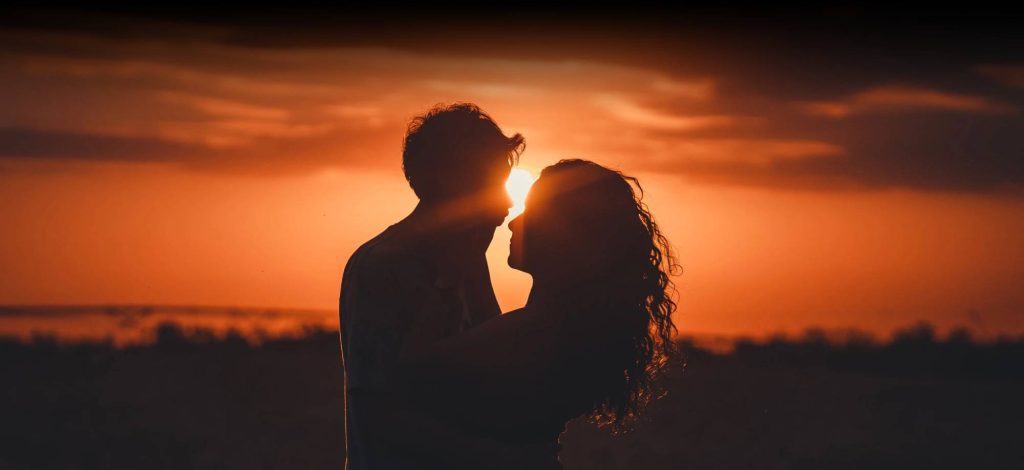
The Unfinished Symphony: Why Africa Beckons for a Return Visit. The dust settles, the photographs are sorted, and the stories have been shared reasons you should plan a return visit to Africa. Yet, for many who have experienced the raw magic of an African adventure, a subtle yearning lingers. It’s the echo of a lion’s roar, the memory of a starlit sky unpolluted by city lights, the warmth of a genuine smile from a local artisan. Africa, once visited, often leaves an indelible mark, a feeling that the symphony of its wonders remains unfinished, compelling a return. The reasons for this magnetic pull are as diverse and captivating as the continent itself. Your first foray might have been a whirlwind introduction to the iconic “Big Five” in the Serengeti, a sun-kissed sojourn on the beaches of Zanzibar, or a challenging trek up Kilimanjaro. But Africa is a continent of immense scale and staggering variety, with countless landscapes, cultures, and wildlife encounters still waiting to be discovered. A return visit isn’t just a second trip; it’s an opportunity to delve deeper, explore different facets, and rekindle a connection with a land that often feels both ancient and eternally new. Here are compelling reasons why Africa deserves a prominent spot on your “must-return” travel list: 1. Unveiling Untouched Corners and Diverse Ecosystems Africa is not a single entity but a mosaic of distinct countries, each boasting unique ecosystems and wildlife. Your first visit likely scratched the surface. A return allows you to explore contrasting landscapes – perhaps the lush rainforests of Uganda teeming with primates, the dramatic dunes of Namibia’s Namib Desert, the intricate waterways of Botswana’s Okavango Delta, or the vibrant coral reefs of the Red Sea. Each region offers a completely different flavor of African beauty and adventure. Africa is brimming with hidden gems that many travelers overlook on their first trip. A return visit allows you to escape the typical tourist trail and discover places that aren’t often featured in travel brochures. Consider trekking through the Simien Mountains in Ethiopia, island-hopping in Mozambique’s Quirimbas Archipelago, sailing on a dhow in Lamu, or exploring the untouched wilds of the Central African Republic. These lesser-known spots often offer more authentic, immersive experiences and fewer crowds. 2. Deepening Your Connection with Specific Wildlife Your initial safari might have been a broad introduction to African fauna. A return visit offers the chance to focus on specific wildlife passions. Perhaps you long to spend more time observing the painted wolves of the Selous, track gorillas in the misty mountains of Rwanda, witness the lemurs of Madagascar, or dive with whale sharks off the coast of Mozambique. A focused itinerary allows for a more profound understanding and appreciation of particular species and their unique behaviors. 3. Experiencing Different Seasons and Their Unique Offerings Africa’s landscapes transform dramatically with the changing seasons reasons you should plan a return visit to Africa. A return visit during a different time of year can offer entirely new perspectives. Witness the lush greenery and newborn wildlife of the rainy season, the dramatic river crossings of the Great Migration at its peak, or the incredible birdlife that flourishes during specific migratory periods. Experiencing these seasonal shifts provides a richer understanding of the continent’s natural rhythms. Returning to Africa offers a chance to deepen cultural connections, experience diverse wildlife encounters, and engage in new adventures, all while supporting the continent’s vibrant ecosystems and communities. 4. Immersing Yourself in Diverse Cultures and Traditions Beyond the wildlife, Africa boasts a vibrant tapestry of cultures, each with its own unique traditions, languages, and art forms. A return visit provides an opportunity to delve deeper into these cultural experiences. Perhaps you’d like to spend more time with the Maasai in Tanzania, explore the ancient history of Ethiopia, learn about the intricate beadwork of the Zulu people in South Africa, or experience the vibrant music and dance of West Africa. These immersive encounters offer a richer and more meaningful understanding of the continent’s human heritage. African cuisine is as diverse as the continent itself, and it’s one of the most underrated aspects of travel here. On your return, you can dive deeper into culinary traditions—like enjoying a traditional braai (barbecue) in South Africa, tasting tagines in Morocco, trying injera and doro wat in Ethiopia, or feasting on spicy jollof rice in West Africa. Food is a cultural gateway, and through cooking classes, market visits, and dining with locals, you’ll gain new insights and unforgettable flavors. 5. Supporting Conservation Efforts and Responsible Tourism Having witnessed Africa’s beauty firsthand, you might feel a stronger desire to contribute to its preservation. A return visit can be an opportunity to support lodges and tour operators committed to sustainable practices and conservation initiatives. By choosing ethical and responsible tourism, you directly contribute to the protection of wildlife and the well-being of local communities, making your journey even more meaningful. 6. Discovering New Adventures and Activities Africa offers a plethora of adventurous activities beyond traditional game drives reasons you should plan a return visit to Africa. Perhaps your first visit didn’t allow time for white-water rafting on the Zambezi, trekking through the Drakensberg Mountains, exploring the rock art of the Sahara, or sailing along the coast of Kenya. A return visit can be tailored to pursue these specific interests, adding a new layer of excitement and discovery to your African experience. 7. Building Upon Previous Knowledge and Familiarity Your first visit provided a foundation of knowledge and familiarity with the continent. A return allows you to build upon that base, recognizing familiar landscapes, understanding local customs with greater nuance, and perhaps even picking up a few phrases in a local language. This increased comfort and understanding can lead to a more relaxed and enriching travel experience. 8. Sharing the Magic with Loved Ones Having experienced the transformative power of Africa, you might feel compelled to share its magic with family or friends. A return visit with loved ones
Top Safari Gadgets for Your Next Bush Experience

An African safari is one of the world’s greatest travel adventures, offering breathtaking wildlife encounters, luxury safari lodges, game drives, photography opportunities, and unforgettable moments across iconic destinations like Serengeti National Park and Ngorongoro Crater. To enjoy the ultimate safari experience, packing the right safari gadgets and accessories is essential. Modern safari gear improves comfort, enhances wildlife photography, keeps your devices charged in remote areas, and helps you capture every magical bush moment. From high-quality binoculars and DSLR cameras to portable solar chargers, GPS tools, safari backpacks, and headlamps, the right equipment can transform your Tanzania safari, Serengeti safari, or African wildlife adventure into a smooth and memorable journey. Expert safari guides consistently recommend lightweight, durable, waterproof, and travel-friendly accessories for bush expeditions and luxury safari tours. High-Quality Binoculars for Wildlife Viewing Binoculars remain the most important safari gadget for any African safari adventure. Whether you are tracking lions in the Serengeti, spotting elephants in Tarangire, or birdwatching around Lake Manyara, quality binoculars allow you to see wildlife clearly from a safe distance. Compact waterproof binoculars with 8x or 10x magnification are considered ideal for safari travel because they offer excellent clarity, low-light performance, and portability. Professional safari guides often recommend carrying a personal pair instead of sharing during game drives because wildlife sightings can happen quickly. Bird enthusiasts and wildlife photographers especially benefit from advanced optics that reveal distant details hidden from the naked eye. Lightweight safari binoculars are also perfect for walking safaris, luxury safari camps, and photographic expeditions. Investing in premium safari optics greatly improves the overall bush experience and makes every wildlife encounter more immersive and exciting. DSLR and Mirrorless Cameras for Safari Photography A professional safari camera is essential for capturing the beauty of Africa’s wildlife landscapes and unforgettable safari moments. DSLR and mirrorless cameras with powerful zoom lenses help travelers photograph predators, elephants, giraffes, and birds from a safe distance without disturbing the animals. Wildlife photography experts recommend telephoto lenses between 200mm and 600mm for outstanding safari images and cinematic video footage. Fast autofocus systems, image stabilization, weather sealing, and excellent low-light performance are especially important during sunrise and sunset game drives. Modern mirrorless cameras are becoming increasingly popular because they are lightweight and easier to transport on bush flights. Extra memory cards, spare batteries, and lens cleaning kits are equally important safari accessories for photographers traveling in dusty environments like the Serengeti or Ngorongoro Conservation Area. A quality safari camera transforms ordinary sightings into lifetime memories and professional-looking wildlife photography collections. Portable Solar Chargers and Power Banks Remote safari camps and bush lodges often have limited electricity, making portable power banks and solar chargers essential safari accessories. Long game drives, photography sessions, drone filming, and GPS navigation can quickly drain smartphones, cameras, and tablets during an African safari vacation. High-capacity power banks with fast charging capabilities ensure your safari gadgets remain powered throughout the day. Solar-powered chargers are especially useful during camping safaris, mobile tented safaris, and off-grid adventures across Tanzania, while travelers should choose rugged, waterproof, and dust-resistant charging devices designed for outdoor travel conditions. Many safari experts recommend carrying at least a 20,000mAh power bank to recharge cameras and phones multiple times during long bush excursions. Reliable portable power solutions help travelers stay connected, capture more wildlife photos, and avoid missing unforgettable safari moments because of dead batteries or limited electricity access. Lightweight Safari Backpacks and Daypacks A durable safari backpack is one of the most practical accessories for carrying safari essentials during bush adventures. Lightweight daypacks provide convenient storage for binoculars, cameras, snacks, water bottles, sunscreen, travel documents, and extra clothing layers during game drives or walking safaris. Safari travelers are encouraged to choose waterproof backpacks with padded compartments that protect expensive photography equipment from dust, moisture, and rough terrain. Adjustable straps, breathable back panels, and multiple storage compartments improve comfort during long safari excursions. Soft-sided bags are particularly recommended because many bush flights across East Africa restrict hard-shell suitcases. Neutral-colored safari backpacks also blend naturally into the environment and are ideal for wildlife photography tours. Whether exploring the Serengeti plains, trekking the Mount Kilimanjaro foothills, or visiting Maasai villages, a reliable safari backpack keeps important items organized, accessible, and secure throughout the entire African safari experience. Smartphone Accessories and Mobile Photography Gear Modern smartphones have become powerful safari photography tools thanks to portable mobile accessories designed for travel and wildlife adventures. Smartphone zoom lenses, stabilizers, mini tripods, and chest mounts help travelers capture high-quality safari photos and videos without carrying heavy camera equipment. Portable smartphone lenses improve zoom capabilities, making it easier to photograph distant wildlife during game drives. Action mounts and gimbals provide stable footage for safari vlogging, travel documentaries, and social media content creation. Waterproof phone cases and dustproof covers are also highly recommended for African safari conditions. Many travelers rely on smartphones for offline maps, wildlife identification apps, emergency communication, and digital travel documents. Compact mobile accessories are lightweight, affordable, and easy to pack, making them perfect for budget safaris, solo travel adventures, and luxury bush holidays alike. Smartphone gadgets add convenience and flexibility while enhancing the modern safari travel experience across East Africa. Action Cameras for Adventure Safaris Action cameras are increasingly popular among safari travelers who want immersive footage of their African bush adventures. Compact devices such as mounted action cameras can capture thrilling first-person perspectives during game drives, walking safaris, hot air balloon rides, canoe safaris, and mountain trekking expeditions. Their lightweight design, image stabilization, waterproof features, and wide-angle recording capabilities make them ideal for adventurous safari itineraries. Travelers can mount action cameras on vehicles, hats, backpacks, or chest straps to document authentic wildlife encounters and scenic landscapes hands-free. Modern safari operators often encourage guests to use action cameras for capturing unforgettable moments while maintaining safe distances from wildlife. These rugged devices are especially useful for travelers creating travel videos, safari documentaries, or YouTube content. Long battery life and cloud storage compatibility further improve convenience during extended safari expeditions across Tanzania, Kenya,
Africa’s most extraordinary wildlife experiences
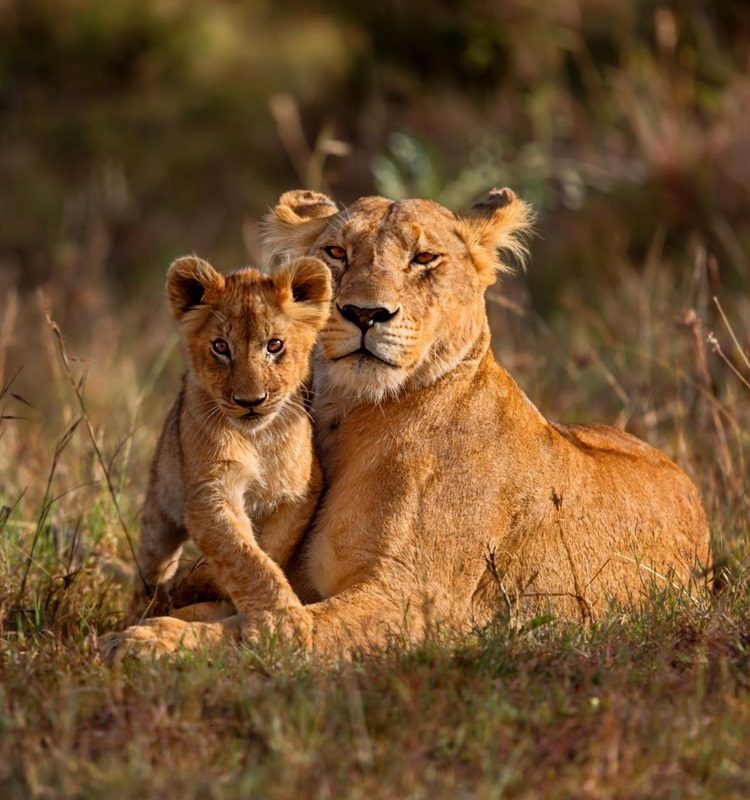
The call of the wild in Africa resonates deep within the soul, a primal yearning to witness nature’s grandeur unfold. While the “Big Five” – lion, leopard, elephant, rhino, and buffalo – often headline the safari brochures, the continent offers a tapestry of wildlife encounters far more diverse and extraordinary. These are the moments that transcend the typical game drive, immersing you in the intricate web of life and leaving an indelible mark on your memory. From the thundering spectacle of mass migrations to the silent communion with gentle giants. Africa’s most exceptional wildlife experiences offer a profound connection with the natural world. They speak of resilience, adaptation, and the raw, untamed beauty that defines this magnificent continent. Join us as we journey through some of these truly remarkable encounters. Eenting beyond the iconic to discover the truly extraordinary. 1. The Great Migration: A Symphony of Hooves Across the Serengeti-Mara Ecosystem To witness the Great Migration is to behold one of the planet’s most awe-inspiring natural spectacles. Millions of wildebeest, accompanied by hundreds of thousands of zebra and gazelle. Embark on a perpetual, cyclical journey across the plains of the Serengeti in Tanzania and the Maasai Mara in Kenya. Driven by the ancient rhythm of the rains and the search for fresh grazing. The sheer scale of the migration is breathtaking – a seemingly endless river of life stretching to the horizon. But it’s the dramatic moments that truly captivate: the perilous river crossings. Where crocodiles lie in wait, the thrilling chases as predators stalk their prey. And the cacophony of grunts and bleats that fills the air. Whether experienced from a rumbling safari vehicle. A soaring hot air balloon at dawn, or the vantage point of a carefully positioned camp. The Great Migration is an immersive drama of life and death, a testament to the raw power of nature. 2. Discover the Diverse Beauty of Lake Manyara National Park, Tanzania Nestled at the foot of the Great Rift Valley escarpment, hidden wildlife havens in Africa that rival world-famous safaris African Wildlife Encounters to Put on Your Bucket List. Lake Manyara National Park offers a surprisingly diverse and picturesque safari experience within a relatively compact area. Renowned for its tree-climbing lions most unforgettable wildlife experiences in East Africa, a unique behavior also observed in Uganda’s Queen Elizabeth National Park. Manyara presents a captivating blend of habitats. From lush groundwater forests and acacia woodlands to grassy floodplains and the alkaline Lake Manyara itself. The park is a haven for birdwatchers, attracting thousands of flamingos that paint the lake shores pink, unforgettable Africa Safari Experiences. Along with a multitude of other waterbirds. Large herds of elephants roam the park, often seen at close range, and primate enthusiasts will delight in the troops of baboons and blue monkeys African wildlife encounters to put on your bucket List, inhabiting the forests. Exploring the park’s diverse ecosystems on game drives. Canoe safaris along the lake, or even a thrilling treetop walkway, offer a multifaceted wildlife adventure in a stunning setting. 3. Witness Elephant Herds and Baobab Giants in Tarangire National Park, Tanzania Located southeast of Lake Manyara, Tarangire National Park is a gem often overshadowed by its more famous neighbors, yet it boasts a unique charm and exceptional wildlife viewing, particularly during the dry season (June to October) unforgettable wildlife Experiences in Africa. The park is characterized by its rolling hills, acacia woodlands, and vast savannahs dotted with iconic, ancient baobab trees that dominate the landscape. Tarangire is renowned for its large elephant herds, often numbering in the hundreds, as they congregate along the Tarangire River, the park’s lifeline during the dry months. This period also sees a significant migration of wildebeest, zebra, and buffalo into the park, creating a vibrant ecosystem teeming with life. Predators such as lions, leopards, and cheetahs are also present, and the park offers excellent birdwatching opportunities with over 500 recorded species. Exploring Tarangire offers a more tranquil and less crowded safari experience, allowing for intimate encounters with its impressive wildlife and striking scenery. These additional parks in Tanzania further enrich the tapestry of extraordinary wildlife experiences the country has to offer. From the unique adaptations of tree-climbing lions to the iconic baobab landscapes and massive elephant gatherings, each destination provides a distinct and unforgettable glimpse into Africa’s natural wonders. 4. On Foot with the Painted Wolves of Mkomazi National Park, Tanzania Mkomazi National Park in Tanzania offers a truly unique and intimate wildlife experience. Top eight Wildlife Experiences on an East Africa Safari tracking the endangered African wild dog, also known as the painted wolf, on foot, Africa’s most extraordinary wildlife experiences. These highly social and intelligent predators are facing severe threats across the continent, making any sighting a privilege. However, Mkomazi’s dedicated conservation efforts and habituated packs offer a rare opportunity to observe them up close in their natural environment. Walking alongside researchers or experienced guides, you’ll learn about the intricate social structures of these packs, their hunting strategies, and the challenges they face unique wildlife experiences in Africa that children love. Witnessing their coordinated movements, their playful interactions, and the deep bonds within the group offers a profound appreciation for these remarkable animals and the vital work being done to ensure their survival. This on-foot encounter provides a perspective and connection that a traditional game drive simply cannot replicate. 5. Search for Africa’s Legendary Horned Giants in the Ngorongoro Crater, Tanzania The Ngorongoro Crater, a UNESCO World Heritage Site and a natural wonder immersive Wildlife Experiences. A caldera teeming with an extraordinary concentration of wildlife. Often referred to as “Africa’s Garden of Eden,” this enclosed ecosystem provides a unique opportunity to search for one of Africa’s most iconic and endangered horned giants: the rhinoceros. Both black and white rhinos inhabit the crater, and while sightings can never be guaranteed, best wildlife Safaris in Africa. The relatively contained environment increases the chances of encountering these magnificent creatures. The thrill of spotting their powerful
How To Plan A Stress-Free Luxury Family Vacation

Trading Tantrums for Tranquility: Your Guide to Planning a Stress-Free Luxury Family Vacation. The phrase “family vacation” can often evoke a mixed bag of emotions: the giddy anticipation of quality time together, battling the inevitable undercurrent of logistical nightmares, meltdowns over missed naps, and the sheer exhaustion of trying to please everyone. But what if it didn’t have to be that way? What if your family getaway could truly be a relaxing, rejuvenating, and joy-filled experience for everyone, from the smallest adventurer to the most seasoned parent? The secret lies in meticulous planning, a dash of strategic indulgence, and a conscious effort to prioritize ease and enjoyment. A stress-free luxury family vacation isn’t an oxymoron; it’s an achievable reality. By embracing thoughtful organization and leveraging the benefits of upscale travel, you can trade tantrums for tranquility and create cherished memories that everyone will treasure. Here’s your guide to crafting that seamless, luxurious family escape: 1. The Power of Early and Collaborative Planning The foundation of a stress-free vacation is laid long before you pack your first suitcase. Involve the whole family in the planning process. Even younger children can contribute by looking at pictures of potential destinations or choosing activities. This fosters excitement and a sense of ownership, reducing resistance and increasing buy-in. Brainstorm Destinations Together. Consider everyone’s interests. Does one child dream of exploring ancient ruins, while another longs for sandy beaches? Perhaps a wildlife safari appeals to the whole crew. Luxury travel opens doors to diverse experiences, from private villa stays near theme parks to curated adventures in exotic locales. Set a Realistic Budget. Luxury doesn’t necessarily mean breaking the bank, but it does involve investing in comfort and convenience. Establish a budget early on and discuss it as a family. This helps manage expectations and allows everyone to understand the parameters of your choices. Choose the Right Time. Consider school schedules, work commitments, and the best weather for your chosen destination. Luxury resorts often have different seasonal pricing, so planning around peak times might impact your budget. Delegate Tasks. As the primary planner, don’t shoulder all the responsibility. Assign age-appropriate tasks to other family members, such as researching activities, creating packing lists, or even looking up fun facts about your destination. 2. Selecting the Perfect Luxurious Accommodation Your home away from home can significantly impact the stress levels of your vacation. Choosing the right luxurious accommodation is paramount for creating a haven of relaxation. Try to pick a destination that has plenty for everyone to do to ensure the whole family stays happy. For example, you can do worse than a family-friendly holiday with a swimming pool, indoor games room, or play area. Consider Space and Amenities. Opt for suites, villas, or connecting rooms that offer ample space for everyone to spread out. Look for amenities that cater to families, such as kids’ clubs with engaging activities, multiple pools (including shallow areas for younger children), on-site playgrounds, and even in-room entertainment systems. Location, Location, Location. Choose a location that minimizes travel time to key attractions or offers convenient access to amenities. Beachfront resorts, centrally located villas in walkable cities, or safari lodges with wildlife viewing right from your balcony can all contribute to a smoother experience. Check this: 6 Day Serengeti and Ngorongoro Family Safaris All-Inclusive Options. For ultimate stress reduction, consider all-inclusive luxury resorts where meals, drinks, and often activities are bundled into the price. This simplifies budgeting and eliminates the constant need to make decisions about where to eat or how much things cost. Personalized Service. Luxury accommodations often excel in providing personalized service. Look for resorts that offer concierge services to assist with booking excursions, arranging childcare, or catering to specific dietary needs. Check this: The 10 Best African Family Safari Resorts, Lodges and Camps 3. Streamlining Travel: From Departure to Arrival The journey itself can be a major source of stress for families. Investing in a smoother travel experience is a key element of a luxury family vacation. Consider destinations that offer a variety of activities and attractions suited to their interests. National parks, adventure resorts, and cities with a mix of cultural and recreational opportunities can be excellent choices. Check this: 7 Travel Hacks for Smoother and Stress-Free Trips. Fly Smart. Opt for direct flights whenever possible to minimize layovers and travel time, especially with young children. Consider upgrading to premium economy or business class for added comfort and space. Private Transfers. Arrange for private airport transfers to your accommodation. This eliminates the hassle of navigating public transportation or waiting for shared shuttles, allowing you to begin your vacation in comfort and style. Pack Strategically (and Lightly). Create detailed packing lists for each family member and encourage them to participate in the packing process. Consider using packing cubes to organize luggage and maximize space. While luxury accommodations often provide high-quality toiletries, ensure you have any specific essentials. Entertainment on the Go. Pack tablets, books, and travel games to keep everyone entertained during flights or long car rides. Download movies and shows in advance to avoid relying on potentially unreliable Wi-Fi. 4. Crafting a Balanced and Flexible Itinerary While having a plan is essential, over-scheduling can lead to stress and exhaustion. Aim for a balanced itinerary that includes a mix of activities, downtime, and flexibility. Traveling with kids can be really stressful — which is why I wanted to share my top stress free travel tips, to help save you from some of that headache. Check this: Best Tanzania family resorts all inclusive With Kids Friendly Safari. Involve Everyone in Activity Selection. Ensure that there’s something for everyone to look forward to. This might mean alternating between adventurous outings, relaxing pool days, and cultural experiences. Prioritize Quality Over Quantity. Don’t try to cram too much into each day. Focus on a few key experiences that everyone will enjoy and allow ample time for relaxation and spontaneous moments. Schedule Downtime. Build in breaks throughout the day, especially for younger
Luxury vs. Budget Safaris
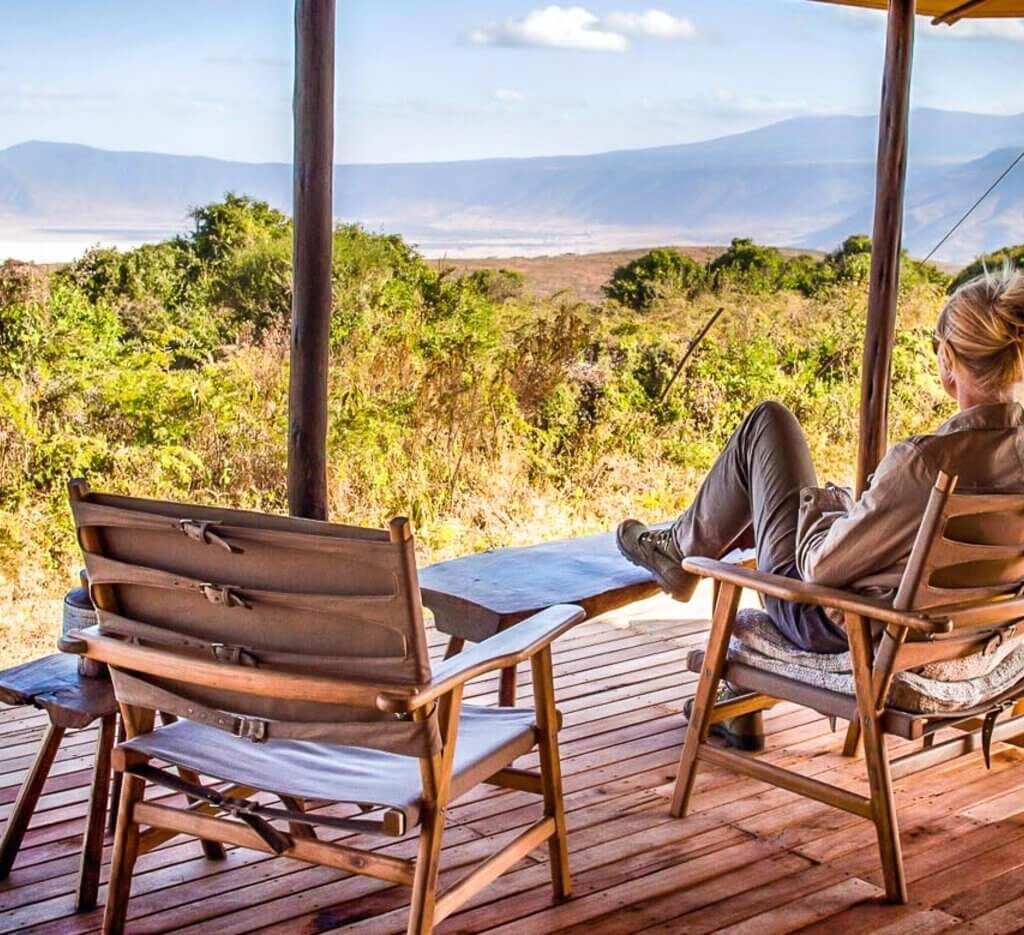
A Tanzania safari is one of the world’s greatest travel adventures, offering unforgettable wildlife encounters, breathtaking landscapes, luxury safari lodges, and affordable camping experiences across iconic destinations like Serengeti National Park, Ngorongoro Crater, Tarangire National Park, and Lake Manyara National Park. Whether travelers dream of premium luxury safaris with private guides and fly-in tours or budget Tanzania safaris with shared game drives and public campsites, the country offers something for every travel style and budget. Choosing between luxury and budget safari packages depends on comfort preferences, travel goals, safari costs, accommodation standards, and desired experiences. From honeymoon safaris and family vacations to solo adventures and photographic expeditions, Tanzania remains a top African safari destination. Understanding the differences between luxury and affordable safaris helps travelers create the perfect East African safari experience while maximizing value, comfort, wildlife viewing, and unforgettable memories. 1. Understanding Luxury Tanzania Safaris Luxury Tanzania safaris deliver exceptional comfort, personalized service, and exclusive wildlife experiences in some of Africa’s finest safari destinations. Travelers enjoy premium safari lodges, luxury tented camps, gourmet dining, spa services, private game drives, and charter flights between parks. High-end accommodations near Serengeti National Park and Ngorongoro Conservation Area often feature infinity pools, elegant suites, breathtaking savannah views, and world-class hospitality. Luxury safari tours also provide expert guides, customized itineraries, and intimate wildlife encounters away from crowded routes. Honeymoon couples, families, photographers, and VIP travelers frequently choose luxury safaris for comfort, privacy, and unforgettable service. Although luxury safari prices are higher, many visitors consider the experience worthwhile because of the seamless logistics, exclusive accommodations, premium amenities, and exceptional wildlife access. These safaris combine adventure, relaxation, and sophistication into one unforgettable African safari vacation. 2. What Defines a Budget Safari in Tanzania Budget Tanzania safaris focus on affordability while still delivering incredible wildlife experiences across famous national parks and conservation areas. Travelers often stay in public campsites, budget lodges, simple tented camps, or affordable safari accommodations around Tarangire National Park, Lake Manyara National Park, and Serengeti National Park. Budget safaris usually include shared safari vehicles, group departures, and overland transport instead of domestic flights. Despite lower costs, travelers still enjoy exciting game drives, professional guides, and opportunities to see the Big Five, the Great Migration, lions, elephants, giraffes, and countless bird species. Backpackers, solo travelers, students, and families seeking affordable African safaris commonly choose budget safari packages. These tours prioritize authentic adventure and wildlife viewing over luxury amenities. Budget safaris prove that travelers do not need expensive accommodations to experience Tanzania’s stunning landscapes, rich culture, and unforgettable wildlife encounters. 3. Comparing Safari Accommodation Styles Accommodation is one of the biggest differences between luxury and budget Tanzania safaris. Luxury safari lodges and high-end tented camps provide spacious suites, king-size beds, ensuite bathrooms, gourmet cuisine, private decks, Wi-Fi, and premium customer service. Many luxury camps near Ngorongoro Crater and Serengeti National Park blend elegant comfort with spectacular wilderness settings. In contrast, budget safari accommodations focus on practicality and affordability. Guests may stay in dome tents, public campsites, hostels, or basic lodges with shared facilities and fewer amenities. However, many travelers enjoy the authentic bush atmosphere and social environment of camping safaris. Mid-range safaris provide a balance between comfort and cost, offering private bathrooms, comfortable beds, and quality meals without premium pricing. Choosing the right accommodation depends on personal comfort expectations, travel style, safari budget, and desired level of convenience during the adventure. 4. Wildlife Viewing Experiences on Both Safaris Both luxury and budget safaris offer exceptional wildlife viewing opportunities across Tanzania’s famous safari circuit. Visitors can witness elephants roaming through Tarangire National Park, lions hunting in Serengeti National Park, and rhinos grazing inside Ngorongoro Crater regardless of safari budget. Luxury safaris may provide private vehicles, flexible schedules, and exclusive conservation areas that create more personalized wildlife experiences. Budget safaris typically use shared vehicles with fixed itineraries, but travelers still enjoy remarkable game drives and professional guiding. The quality of wildlife sightings often depends more on guide expertise, seasonal migration patterns, and park selection than on accommodation cost. Tanzania’s abundant wildlife ensures memorable encounters for every traveler. Whether staying in a five-star lodge or a budget campsite, guests can experience the thrill of seeing the Big Five, cheetahs, zebras, wildebeest migrations, and stunning African sunsets. 5. Transportation and Safari Logistics Transportation significantly affects both the comfort and overall cost of a Tanzania safari. Luxury safari tours often include fly-in safaris using small charter aircraft connecting destinations like Serengeti National Park, Ruaha National Park, and Selous Game Reserve. These flights reduce travel time and provide spectacular aerial views of Tanzania’s landscapes. Luxury safaris also feature customized 4×4 vehicles with extra space, charging ports, refreshments, and personalized service. Budget safaris primarily use overland transportation with shared safari jeeps or minibuses. Although road transfers can be long, they offer opportunities to experience local villages, scenery, and authentic Tanzanian culture. Shared transport helps reduce safari costs while still providing access to incredible national parks. Travelers choosing between luxury and budget safaris should consider comfort preferences, time limitations, road conditions, and whether convenience or affordability matters more during their safari experience. 6. Food and Dining Experiences Dining experiences differ greatly between luxury and budget Tanzania safaris. Luxury safari lodges provide gourmet meals prepared by professional chefs, often featuring international cuisine, fresh local ingredients, fine wines, bush breakfasts, and elegant candlelit dinners under the African sky. Many premium lodges near Serengeti National Park and Ngorongoro Crater cater to dietary preferences, including vegetarian, vegan, gluten-free, and halal meals. In contrast, budget safaris typically offer simple but satisfying meals such as rice, vegetables, grilled meat, soups, pasta, and seasonal fruits prepared by safari cooks. Camping safaris may include outdoor dining around campfires, creating a memorable wilderness atmosphere. While luxury safaris emphasize fine dining and personalized culinary service, budget safaris focus on practicality and nourishment. Both options allow travelers to enjoy authentic Tanzanian hospitality while experiencing the excitement of dining in the heart of Africa’s wildlife-rich landscapes. 7. Privacy and Exclusivity Differences Privacy and exclusivity are major