
What not to wear on Safari in Tanzania
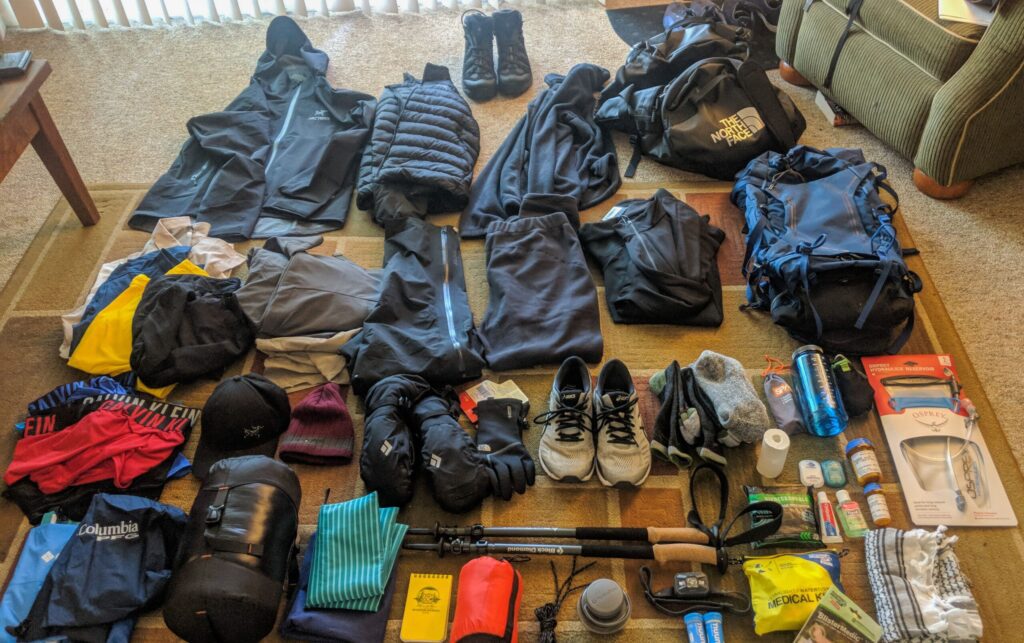
Knowing what not to wear on safari in Tanzania is just as important as choosing the right safari clothing. Tanzania safari experiences in the Serengeti National Park, Ngorongoro Crater, and Tarangire National Park involve dusty roads, warm daytime temperatures, cool mornings, and strong sun exposure. Wearing the wrong safari outfit can make your game drive uncomfortable and even unsafe. Many first-time travelers make mistakes with bright colors, heavy fabrics, or urban fashion choices that do not suit the African wilderness. A well-planned Tanzania safari packing list should focus on practical, breathable, and neutral safari clothing. This guide highlights the top clothing mistakes to avoid on safari, helping you stay comfortable, blend with nature, and enjoy the best wildlife viewing experience across Tanzania’s iconic safari destinations. Avoid Bright and Flashy Colors One of the most important safari dress code rules in Tanzania is to avoid bright and flashy colors. Neon shades like bright red, pink, orange, or electric blue can attract unwanted attention from wildlife and may disturb the natural environment during game drives in Serengeti National Park or Ngorongoro Crater. These colors also stand out in photos and reduce your ability to blend into the African bush. Instead, safari clothing in Africa should focus on neutral tones such as khaki, beige, olive green, brown, and soft greys. These colors help you remain less visible to animals and also reflect the traditional Tanzania safari style used by experienced guides. Choosing the right safari outfit improves both comfort and wildlife viewing success. Do Not Wear Heavy Fabrics Heavy fabrics are a common mistake in a Tanzania safari packing list. Materials like thick denim, leather, or heavy wool are uncomfortable in hot daytime temperatures found in Tarangire National Park or the Serengeti plains. Safari travel involves long hours in safari vehicles, walking on dusty trails, and exposure to heat, so lightweight safari clothing is essential. Heavy fabrics trap heat, cause sweating, and dry slowly, making your safari experience uncomfortable. Instead, choose breathable materials like cotton, linen, or quick-dry polyester designed for outdoor safari adventures. These fabrics allow airflow and keep your body cool during game drives. Lightweight safari outfits are also easier to wash and dry, making them perfect for multi-day Tanzania safari itineraries. Avoid Camouflage Clothing Camouflage clothing should not be worn on safari in Tanzania. In many African countries, including Tanzania, military-style camo prints are discouraged or restricted in public areas. Wearing camouflage can also create confusion in wildlife reserves and is considered inappropriate in national parks such as Serengeti National Park and Ngorongoro Conservation Area. From a safari fashion perspective, camouflage does not serve any practical benefit for tourists since blending into military environments is not required. Instead, safari travelers should wear plain, neutral-colored safari clothing that is respectful and suitable for wildlife viewing. Opt for khaki trousers, beige shirts, or olive safari jackets. This ensures you remain comfortable, compliant, and appropriately dressed for an authentic African safari experience. Avoid Dark Black Clothing Black clothing is not recommended for a Tanzania safari outfit. Dark colors like black and deep navy tend to absorb heat, making you feel hotter during midday game drives in Tanzania’s national parks. Additionally, black clothing attracts tsetse flies in some safari regions, especially in wooded areas around Tarangire National Park and Lake Manyara. This can make your safari experience uncomfortable. Black outfits also collect dust easily, making them look dirty after just a few hours on safari roads. Instead, choose lighter safari clothing colors such as tan, light brown, or green. These colors help regulate body temperature and are better suited for outdoor safari activities. A smart Tanzania safari packing list always avoids dark, heat-absorbing clothing. Avoid Tight and Restrictive Clothing Tight clothing is unsuitable for safari travel in Tanzania. Skinny jeans, tight dresses, and body-hugging outfits restrict movement and reduce comfort during long safari drives or walking safaris. Tanzania safari adventures often involve sitting in 4×4 vehicles for hours while observing wildlife in Serengeti National Park or Ngorongoro Crater, so comfort is essential. Tight clothing also limits airflow, making you feel hotter in the African sun. In contrast, loose-fitting safari clothing allows better ventilation, flexibility, and comfort. Choose relaxed safari pants, breathable shirts, and layered outfits that allow easy movement. Proper safari dressing ensures you can climb in and out of safari vehicles easily and enjoy your wildlife experience without discomfort or restriction. Avoid Heavy Jewelry and Accessories Wearing heavy jewelry and flashy accessories is not recommended on a Tanzania safari. Large necklaces, bangles, or expensive fashion items can easily get damaged, lost, or attract unnecessary attention during safari activities. Dusty roads in Serengeti National Park and bumpy safari tracks can also make wearing delicate accessories uncomfortable. Safari travel is about practicality and connection with nature, not luxury fashion statements. Instead, choose minimal accessories such as a simple watch, sunglasses, and a hat for sun protection. A lightweight scarf or bandana can also be useful for dust protection. Keeping accessories simple ensures safety, comfort, and practicality while maintaining a classic safari look suitable for Tanzania’s wilderness environment. Avoid High Heels and Unstable Shoes High heels, sandals without grip, and fashion shoes are unsuitable for safari in Tanzania. Safari terrain includes uneven ground, dusty tracks, and rocky surfaces, especially in areas like Ngorongoro Crater and Tarangire National Park. Wearing unstable shoes increases the risk of slipping, discomfort, or injury during safari activities. Instead, proper safari footwear such as closed-toe hiking shoes, trainers, or lightweight boots is essential. These provide stability, comfort, and protection during game drives and walking safaris. Good safari shoes also help protect your feet from dust, insects, and rough terrain. A practical Tanzania safari packing list always prioritizes durable and comfortable footwear over fashion-focused footwear for a safe and enjoyable safari experience. Avoid Overly Thick Winter Jackets Thick winter jackets are unnecessary for most Tanzania safari trips. Even though mornings in places like Serengeti National Park can feel cool, the daytime temperatures are generally warm. Heavy winter coats take up valuable space
Top 5 Reasons to Give Green Season the Green Light
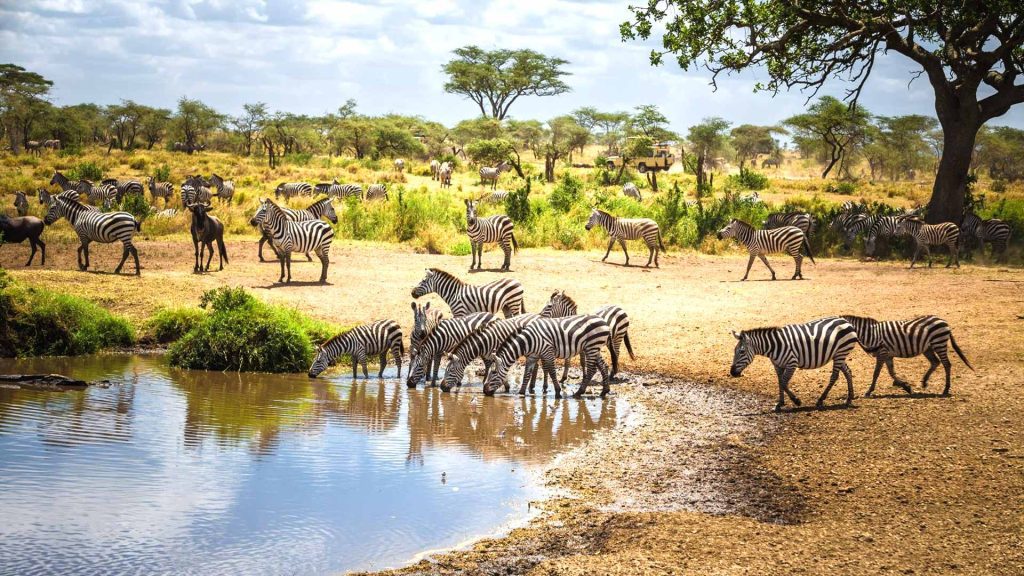
The “green season” in Tanzania, which typically spans from November to May, offers unique and compelling reasons to consider a safari, particularly for those seeking a more intimate and budget-friendly experience. Dramatic landscapes, abundant wildlife, excellent birdwatching opportunities, and fewer crowds make it an attractive alternative to the peak dry season. When planning a safari in Tanzania, the natural inclination is to aim for the dry season, from July to October. This is the peak season, known for its reliable dry weather and concentrated wildlife around shrinking waterholes. However, savvy safari enthusiasts and photographers in the know have long championed a different time of year: the “Green Season.” Running from November through May, with a lull in the heaviest rains during January and February, the Green Season is a period of dramatic transformation. The parched, dusty plains of the dry season are reborn Reasons to Give Green Season the Green Light, bursting into a vibrant tapestry of lush greenery. While some travelers fear the rain, those who give the Green Season the green light are rewarded with a unique and deeply rewarding safari experience. Here are the top 10 reasons why. 1. Unbeatable Value and Lower Prices This often the most persuasive reason to choose the Green Season. As it’s considered the “off-peak” time for tourism, safari lodges, camps, and tour operators offer significant discounts Reasons to Give Green Season the Green Light. You can enjoy the same incredible wildlife experiences and stay at luxurious lodges that would be prohibitively expensive during the peak season, all for a fraction of the cost. These savings can allow you to extend your trip, upgrade your accommodation, or simply make your dream safari more accessible. 2. Fewer Crowds and Greater Exclusivity Imagine pulling up to a lion sighting with no other vehicles in sight, or having a vast savannah all to yourself. The reality of a Green Season safari. With fewer tourists, the national parks are wonderfully quiet, and game sightings feel more intimate and personal. There’s no jostling for position or waiting in line at park gates. You get to experience the wilderness in its purest, most tranquil state, a luxury that is increasingly rare in popular safari destinations. 3. The Landscape is Reborn: A Photographer’s Dream The Green Season a visual masterpiece. The relentless golden-brown and dusty hues of the dry season are replaced by vibrant greens and blooming wildflowers Reasons to Give Green Season the Green Light. The air, cleansed by the rain, is crystal clear, and the light softer and more diffused, perfect for photography. Dramatic, towering storm clouds create magnificent backdrops and spectacular sunsets, adding a layer of character and mood to every photograph. Forget the hazy skies of the dry season; this is when the African landscape truly pops with color. 4. Baby Animals Galore! The abundance of water and fresh grass makes the Green Season the prime birthing period for many species. The plains are suddenly filled with adorable newborns—wildebeest calves, zebra foals, and baby antelopes. Witnessing a wobbly-legged calf take its first steps or a lioness tenderly caring for her cubs is a heartwarming and unforgettable sight. This is a time of renewal and new life, a joyous contrast to the brutal realities of the dry season. 5. Witness the Spectacular Wildebeest Calving Season While the iconic river crossings get all the attention, the wildebeest calving season in the southern Serengeti and Ngorongoro Conservation Area from January to March is a spectacle in its own right. Hundreds of thousands of wildebeest gather on the short-grass plains of Ndutu to give birth, with as many as 8,000 calves born each day at the peak. This concentration of newborns an irresistible draw for predators, making it a time of intense predator-prey action that rivals the drama of the river crossings. 6. A Haven for Birdwatchers For avid birders, the Green Season is the ultimate time to visit. Migratory birds from Europe and Asia flock to Tanzania, joining the resident species in a vibrant display of color and song. The lush landscapes and replenished water sources provide a paradise for a huge variety of birdlife. Even if you’re not a dedicated birder, the sheer number and diversity of species—from colorful rollers to majestic storks—are a captivating sight. 7. Witness Incredible Predator Action The presence of so many vulnerable young animals means that predators highly active and well-fed. Lions, cheetahs, leopards, and hyenas take advantage of the abundant prey, leading to dramatic and thrilling hunting scenes. While the tall grass can make spotting animals a little more challenging, expert guides know where to look. You might even see predators using elevated vantage points like termite mounds or kopjes to survey the landscape for their next meal. 8. Less Dust and More Comfortable Temperatures The dry season can be characterized by intense heat and a thick layer of dust that coats everything. The rains of the Green Season settle the dust, leaving the air fresh and clean. While there can be high humidity, the temperatures are often more moderate than in the peak of the dry season, making game drives and other activities more pleasant. 9. Longer Daylight Hours During the summer months in Tanzania, which coincide with the Green Season, the days are longer. This means more hours of daylight for game drives and enjoying the stunning scenery. You can wake up a little later without missing the action and enjoy longer evenings for sundowners and relaxation at your lodge. 10. A Deeper Connection with Nature A Green Season safari offers a more authentic and immersive experience. The feeling of solitude and the quiet hum of the revitalized ecosystem allow for a profound connection with nature. You can appreciate the intricate cycles of life and renewal without the distractions of a crowded park. It’s a chance to see Africa not as a static postcard, but as a living, breathing, and ever-changing landscape. While the Green Season may come with the occasional afternoon shower and some muddy roads, a
Top 5 Animal Migrations of East Africa

East Africa, a land of vast savannahs, ancient volcanoes, and breathtaking landscapes, plays host to some of the planet’s most spectacular wildlife events: the great animal migrations. These epic journeys are a testament to the raw power of nature. A primal dance of life and survival that unfolds on a scale that defies imagination. While the Great Wildebeest Migration is the undisputed star of the show, there are other equally compelling migrations that offer a unique and unforgettable safari experience. East Africa is renowned for its spectacular animal migrations, with the Great Wildebeest Migration being the most famous. This annual movement of over 1.5 million wildebeest, along with zebras and gazelles, between Tanzania’s Serengeti and Kenya’s Maasai Mara is a breathtaking spectacle. Other notable migrations include those of zebras, flamingos, and elephants. Here, we explore the top animal migrations to witness in East Africa, with a special mention of a remarkable spectacle just to the south. 1. The Great Wildebeest Migration: The Serengeti-Mara Epic This is the one that tops every safari-goer’s bucket list, and for good reason. The Great Wildebeest Migration is a continuous, year-round cycle of over 1.5 million wildebeest greatest animal migration in Africa you shouldn’t miss, plus hundreds of thousands of zebras and gazelles, moving in a perpetual search for fresh grazing and water. It’s an epic journey, particularly at the Grumeti and Mara Rivers. Being a major highlight, that spans the Serengeti National Park in Tanzania and the Maasai Mara National Reserve in Kenya, a continuous flow of life and death Great Migration Africa map. The Cycle of Migration: The migration is a year-round event. But different stages occur in different locations. Calving Season (January – March). The journey begins in the southern Serengeti and the Ngorongoro Conservation Area, where the short rains have produced a fresh flush of grass. This is the calving season, Iconic Animal Migrations in Africa, a time of new life, as over 500,000 wildebeest calves are born in a short window. The predators are ever-present, but the sheer numbers of newborns make it a feeding frenzy for lions, hyenas, and cheetahs. The Trek North (April – June). As the rains subside and the grass turns to dust, the herds begin their long march north through the central and western Serengeti. This is a time of relentless movement, with the herds stretching for miles across the plains. River Crossings (July – October). This is the most dramatic and iconic phase of the migration. The herds face the treacherous Grumeti and Mara rivers. Where giant Nile crocodiles lie in wait. The crossing is a chaotic, heart-stopping spectacle of courage, desperation, and sheer survival. The northern Serengeti and the Maasai Mara are the best places to witness this. Arrival in the Maasai Mara (August – October). After the perilous crossings, the herds settle in the lush grasslands of the Maasai Mara, feasting on the rich pastures until the short rains in Tanzania beckon them south once again. 2. The Zebra Migration: The Striped Vanguard Often overshadowed by their wildebeest cousins, zebras are an integral and equally impressive part of the Great Migration. They often lead the charge. Zebras must see animal migrations are more resilient to the coarser grasses and play a crucial role in “paving the way” for the wildebeest, eating the tougher, less palatable parts of the vegetation. Their migration is a synchronized, striped spectacle that precedes and follows the main wildebeest herds. Why Zebras Are So Important: Zebras are not just a beautiful backdrop; they are a vital component of the ecosystem. Their grazing habits allow the wildebeest to access the more nutritious parts of the grass, and their presence helps to deter predators. Providing a form of protection for the more vulnerable wildebeest. The sheer numbers of zebras in the migration create a mesmerizing visual spectacle. With black and white stripes stretching as far as the eye can see. 3. The Flamingo Migration: A Pink Spectacle In the Rift Valley of East Africa, a different kind of migration takes place, one painted in vibrant shades of pink. Millions of lesser and greater flamingos move between the soda lakes of the region. Including Lake Natron, Lake Nakuru, and Lake Bogoria. These lakes are highly alkaline, providing the perfect breeding ground for the algae that the flamingos feed on. The migration is a continuous search for the perfect conditions, driven by water levels and food availability. The Pink Flotilla: The sight of millions of flamingos taking flight at once is nothing short of breathtaking. The sky turns into a swirling, living cloud of pink, and the lakes’ edges are transformed into a living carpet of feathers. The migration is not a single, synchronized event but a continuous movement between the lakes, offering a chance to witness this unique spectacle throughout the year. 4. The Elephant Migration: A Gentle Giant’s Journey While not as dramatic as the wildebeest migration, the seasonal movement of elephants in East Africa is a powerful and significant event. In Amboseli National Park in Kenya, for example, massive elephant herds move between the swamps and the surrounding dry plains in search of water and food. The park’s iconic backdrop of Mount Kilimanjaro makes for a stunning visual, as herds of up to 100 elephants make their way across the landscape. In northern Tanzania, in the Tarangire-Manyara ecosystem, elephants undertake a similar migration during the dry season, moving from the drier, more arid areas to the permanent water sources of the Tarangire River. Why Elephant Migrations Matter: Elephant migrations are vital for the health of the ecosystem. As they move, they disperse seeds, create pathways, and maintain the open grasslands. Their presence is a sign of a healthy ecosystem, and witnessing a herd of these gentle giants on the move is a truly humbling experience. 5. The Bat Migration in Zambia: A Cave of a Million Wings While not in East Africa, a mention must be made of this incredible natural phenomenon in Zambia. From October to December,
What are the Big 5 Animals on a Tanzania Safari?
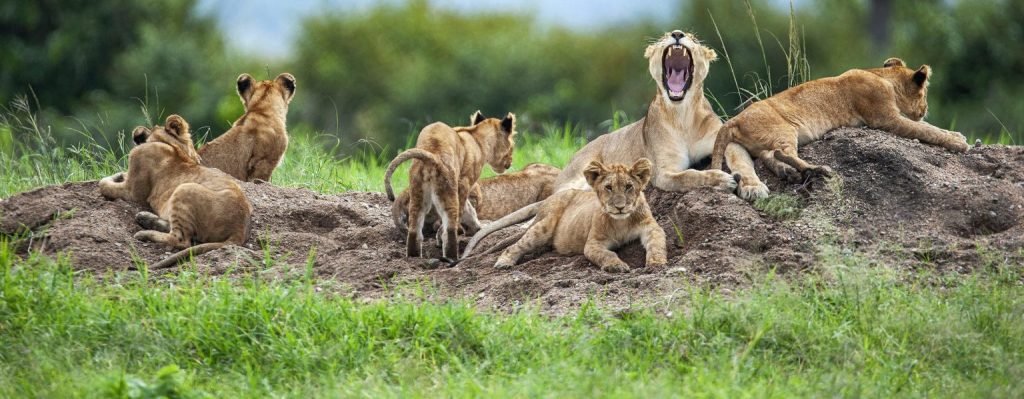
The Big Five animals on a Tanzania safari are the African lion, African leopard, African elephant, Cape buffalo and rhinoceros are What are the Big 5 Animals on a Tanzania Safari. These iconic African big 5 safari animals are among the most sought-after wildlife species in Africa. Tanzania is one of the best destinations for a Big Five safari, with exceptional wildlife viewing in the Serengeti National Park, Ngorongoro Crater, Tarangire National Park, and other protected areas. Although the name originally referred to animals considered dangerous and challenging to hunt on foot, today the Big Five represent African wildlife, safari tourism, conservation, and unforgettable game-viewing experiences. 1. African Lion What are the Big 5 Animals on a Tanzania Safari? The African lion is one of Tanzania’s most iconic Big Five animals and a highlight of any Tanzania wildlife safari. Lions are social predators that usually live in prides consisting of females, cubs, and related individuals, with males protecting territories. Tanzania’s Serengeti is particularly famous for its large lion population and spectacular predator encounters. Lions can often be observed resting under trees, stalking prey, or interacting with their pride. Early-morning and late-afternoon game drives provide excellent opportunities to observe lion behaviour while exploring Tanzania’s spectacular savannah landscapes and abundant wildlife. 2. African Leopard What are the Big 5 Animals on a Tanzania Safari? The African leopard is perhaps the most elusive member of Tanzania’s Big Five. This powerful, solitary predator is famous for its beautiful spotted coat, stealth, climbing ability, and exceptional camouflage. Leopards frequently rest in trees, where they may protect their prey from competing predators and scavengers. The Serengeti National Park offers excellent opportunities to search for leopards, although sightings require patience and an experienced safari guide. Because leopards are secretive and often active during low-light periods, finding one can become one of the most exciting and memorable moments of a Tanzania safari. 3. African Elephant What are the Big 5 Animals on a Tanzania Safari? The African elephant is the largest land animal and one of the most impressive sights on a Tanzania safari. Elephants are highly intelligent, social mammals that typically live in family groups led by experienced females. Tanzania is famous for exceptional elephant viewing, particularly in Tarangire National Park, Serengeti, and other wildlife areas. Visitors can observe elephants feeding, drinking, bathing, communicating and caring for their young. Their enormous size, distinctive trunks and impressive tusks make them a favourite among safari photographers. Responsible wildlife viewing helps protect elephant habitats and supports long-term African elephant conservation. 4. Cape Buffalo What are the Big 5 Animals on a Tanzania Safari? The Cape buffalo is a powerful and formidable member of Tanzania’s Big Five. These large herbivores commonly live in herds ranging from small groups to hundreds of individuals. Their characteristic curved horns, muscular bodies, and unpredictable defensive behaviour have contributed to their historical reputation as one of Africa’s most dangerous animals. Buffalo can be encountered across Tanzania’s grasslands, woodlands and wetlands, including the Serengeti and Ngorongoro ecosystems. During a guided game drive, visitors may see buffalo grazing, resting near water or moving in enormous herds—providing spectacular wildlife photography opportunities and fascinating insights into African animal behaviour. 5. Rhinoceros What are the Big 5 Animals on a Tanzania Safari? The rhinoceros is one of the rarest and most difficult Big Five animals to encounter on a Tanzania safari. The black rhinoceros is the species most associated with Tanzania’s northern safari areas, particularly the Ngorongoro Conservation Area. Rhinos are powerful herbivores recognised by their thick skin, horns and distinctive body shape. Their threatened status makes every sighting especially meaningful and highlights the importance of wildlife conservation. Because rhino populations are carefully protected, sightings are never guaranteed. Visiting protected areas with experienced guides offers travellers an opportunity to appreciate these remarkable animals while supporting responsible conservation-based tourism. What Are the Big Five Animals in Tanzania? The Big Five in Tanzania are the lion, leopard, African elephant, Cape buffalo and rhinoceros. These iconic African safari animals are highly sought after by wildlife travellers and photographers. Lions are famous for their social prides and powerful hunting abilities; leopards are elusive, solitary predators; elephants are intelligent giants; Cape buffalo are strong, unpredictable herd animals; and rhinos are powerful, endangered herbivores. Tanzania provides excellent opportunities to see the Big Five during guided game drives, especially in the Serengeti, Ngorongoro Crater, and other northern and southern safari destinations. Seeing all five is a memorable highlight of an African safari. The Big Five Animals of Tanzania at a Glance African Lion: Powerful social predator often seen resting or hunting in prides. African Leopard: Elusive spotted cat, frequently found alone and sometimes resting in trees. African Elephant: Tanzania’s largest land mammal, recognised for its intelligence, family groups and impressive tusks. Cape Buffalo: Massive herd-forming herbivore known for strength and defensive behaviour. Rhinoceros: Rare, heavily built herbivore threatened by habitat loss and historical poaching. Together, these animals form Tanzania’s famous Big Five safari wildlife, attracting visitors seeking exceptional wildlife photography, game viewing and authentic African safari experiences. Why Are the Big Five Important on a Tanzania Safari? The Big Five are important because they represent some of Africa’s most iconic wildlife and contribute significantly to Tanzania’s safari appeal and conservation economy. Tourists travel from around the world hoping to see lions, leopards, elephants, buffalo and rhinos in their natural environment. However, the Big Five are not necessarily Tanzania’s five largest animals. The term originated from dangerous animals considered challenging to hunt on foot. Today, it has a completely different conservation and tourism meaning, encouraging responsible wildlife viewing and supporting protected areas, local communities, guides and conservation programmes. Best Places to See Tanzania’s Big Five Tanzania has several outstanding destinations for Big Five wildlife safaris. The Ngorongoro Crater is particularly famous for excellent year-round wildlife concentrations and opportunities to see lions, elephants, buffalo and, with luck, rhinos. Serengeti National Park is renowned for lions, leopards, elephants and buffalo, as well as the Great Migration. Tarangire National Park is
Tanzania Souvenirs

Experience Tanzania captures the heart with its magnificent wildlife, towering peaks, and vibrant cultures. As your unforgettable adventure draws to a close, the desire to take a piece of this magic home with you becomes paramount. Beyond the photographs and cherished memories, a well-chosen souvenir serves as a tangible link to your journey, a story in itself that reflects the artistry, heritage, and natural beauty of East Africa. Tanzania offers a wide array of unique and authentic souvenirs. Some of the best gifts to bring home include traditional Maasai beads and jewelry, handwoven baskets, Kanga and Kitenge fabrics, local spices, carvings, and paintings. Tanzanite, a rare gemstone found only in Tanzania, is also a popular choice, as is coffee from the Kilimanjaro region. But amidst the bustling markets and craft shops, how do you distinguish between mass-produced trinkets and truly authentic treasures? This guide will unveil the top 10 authentic gifts from Tanzania, offering insights into their cultural significance and helping you bring home genuine pieces of this incredible land. 1. Tanzanite: The Gemstone Born of Kilimanjaro Without a doubt, the most unique and valuable souvenir from Tanzania is Tanzanite. This exquisite blue-violet gemstone is found nowhere else on Earth except in the foothills of Mount Kilimanjaro. Its rarity and stunning color spectrum, ranging from deep sapphire blues to vibrant lavenders, make it highly coveted. Nothing says Tanzania quite like Tanzanite, a highly sought-after gemstone that reflects the stunning colors of the African skies. Found only in Tanzania, this vibrant blue-violet stone adds a touch of elegance and serves as a cherished memento from your travels. Authenticity. Ensure you buy from a reputable and certified jeweler to guarantee authenticity and ethical sourcing. Look for government-licensed dealers, particularly in Arusha or Dar es Salaam, who can provide certification. Significance. Tanzanite is relatively new to the world stage (discovered in 1967) but has quickly become a symbol of Tanzania’s unique geological heritage. Buying Tips. Be prepared for varying qualities and prices. Do your research on grading and pricing before you shop. 2. Maasai Crafts: Beaded Stories and Vibrant Textiles The Maasai are one of Africa’s most iconic tribes, renowned for their distinctive culture and vibrant adornments. Their beaded jewelry (necklaces, bracelets, anklets, earrings) is not merely decorative; each color and pattern holds specific cultural meaning, often telling stories of status, age, or life events. From intricate necklaces to colorful shuka (cloaks), these handmade items tell stories of their rich culture and traditions. Purchasing Maasai crafts not only supports local artisans but also brings home a piece of lively Tanzanian heritage. Authenticity. Buy directly from Maasai markets or community projects, where you know your purchase directly supports the artisans. Other Maasai Souvenirs. Look for the traditional shuka (a durable, colorful fabric often worn as a wrap) or carved wooden walking sticks. Significance. These items are deeply interwoven with Maasai identity and craftsmanship, representing their vibrant traditions. 3. Makonde Carvings: Intricate Narratives in Wood From the Makonde people, an ethnic group primarily residing in southern Tanzania, come the mesmerizing Makonde carvings. These aren’t simple animal figures; they are intricate, often abstract, sculptures carved from dense ebony or other hardwoods. Each piece is unique, infused with deep meaning, making them a beautiful and thoughtful gift for art lovers. Authenticity. True Makonde carvings are distinguished by their complex “tree of life” (Ujamaa) style, depicting interconnected human figures, or by highly stylized human and animal forms. The best pieces are often heavy and have a smooth, dark finish. Significance. These carvings are a profound expression of Makonde heritage, mythology, and social structures. Each piece tells a story, often reflecting themes of family, ancestry, and community. Buying Tips. Be aware of mass-produced imitations. Look for signs of hand-carving (subtle imperfections, tool marks) and ask about the carver and the story behind the piece. 4. Tinga Tinga Paintings: Bursting with African LifeThe Tinga Tinga art style, originating in Tanzania in the 1960s, is instantly recognizable for its bright, often naive, and colorful depictions of African wildlife, village scenes, and mythological creatures. Edward Saidi Tingatinga founded this distinctive style. Named after the artist Edward Saidi Tingatinga, Tinga Tinga paintings are characterized by their bold colors and playful subjects, ranging from wildlife to everyday scenes. These vibrant artworks encapsulate the spirit of Tanzania and make for cheerful wall art that brings warmth to any space. Authenticity. While widely replicated, authentic Tinga Tinga paintings are characterized by their vibrant enamel paints on canvas or board, strong outlines, and often a playful, whimsical quality. Significance. It’s a truly Tanzanian art form, celebrated for its unique visual language and its ability to capture the joy and energy of African life. Buying Tips. Look for established art cooperatives or galleries that support Tinga Tinga artists directly. Be prepared to roll the canvas for transport. 5. Tanzanian Coffee: A Taste of Kilimanjaro’s Slopes Tanzania a significant producer of high-quality Arabica coffee, particularly from the rich volcanic soils of Mount Kilimanjaro and the Southern Highlands. A bag of local Tanzanian coffee beans a perfect aromatic reminder of your trip. Bring back a bag of these rich beans as a delicious reminder of your journey through Tanzania. Authenticity. Look for “Kilimanjaro coffee” or single-origin beans from regions like Arusha, Mbeya, or Rungwe. Many coffee plantations offer tours and direct sales. Significance. Coffee is a vital cash crop for many Tanzanian communities, and buying directly supports local farmers. Buying Tips. Freshly roasted beans offer the best flavor. Many larger safari lodges also sell locally sourced coffee. 6. Zanzibar Spices: A Culinary Journey If your itinerary includes Zanzibar, the “Spice Island,” then an array of aromatic local spices a must-buy. Zanzibar’s history is steeped in the spice trade, and its plantations yield some of the world’s finest cloves, vanilla, nutmeg, cinnamon, and black pepper. Zanzibar is often called the “Spice Island,” and for good reason. From cloves to nutmeg, bringing back an assortment of spices will not only let you recreate Tanzanian dishes at home but also provide a sensory experience reminiscent of your travels.
Why Go on an All-Inclusive Safari & What’s Included
An all-inclusive safari is one of the most seamless, luxurious, and value-packed ways to explore Africa’s iconic wilderness. From the endless plains of Serengeti National Park to the wildlife-rich floor of the Ngorongoro Crater, travelers are immersed in breathtaking landscapes without worrying about logistics. These safari packages bundle accommodation, meals, game drives, park fees, and expert guides into one reasonable price. For first-time visitors and seasoned explorers alike, all-inclusive safaris eliminate stress while maximizing comfort, safety, and unforgettable wildlife encounters. Whether you’re planning a luxury honeymoon safari, a family-friendly African adventure, or a bucket-list wildlife expedition, choosing an all-inclusive safari ensures a smooth, expertly curated experience filled with Big Five sightings, cultural encounters, and world-class hospitality across Tanzania and East Africa. 1. Stress-Free Travel Planning An all-inclusive safari package in Tanzania or East Africa is designed to remove the stress of planning every detail of your trip. Instead of worrying about accommodation, park permits, meals, or transport, everything is organized in one seamless itinerary. This makes it ideal for both first-time safari travelers and experienced adventurers seeking convenience. With expert tour operators handling logistics, you simply arrive and enjoy the journey. From airport pickup to daily game drives in iconic destinations like Serengeti National Park and Ngorongoro Crater, everything flows smoothly. You also avoid hidden costs and complicated bookings. All-inclusive safari holidays ensure peace of mind, allowing you to focus on wildlife sightings, photography, and unforgettable landscapes without distraction. It’s the easiest and most efficient way to experience a true African safari adventure. 2. Exceptional Value for Money Choosing an all-inclusive safari often provides better overall value compared to booking services separately. These packages bundle accommodation, meals, park fees, transport, and guided game drives into one clear price, helping travelers avoid unexpected expenses. In destinations like Tanzania safari circuits, costs can add up quickly if arranged individually. However, all-inclusive safari deals offer discounted group rates and negotiated lodge prices, making luxury safari experiences more affordable. You also save time researching and comparing providers. Whether you select a budget safari, mid-range lodge safari, or luxury tented camp experience, the package ensures transparency and financial control. This makes all-inclusive African safari holidays ideal for families, honeymoon couples, and solo travelers who want premium experiences without overspending or hidden charges during their trip. 3. Expert Safari Guides Included One of the greatest advantages of an all-inclusive safari is the inclusion of professional safari guides. These experienced experts are highly knowledgeable about wildlife behavior, ecosystems, and national parks such as Serengeti, Tarangire, and Lake Manyara. They enhance your safari experience by tracking animals, explaining migration patterns, and ensuring you don’t miss key sightings like lions, elephants, and leopards. Expert guides also prioritize safety while navigating remote bush roads. Their storytelling adds cultural and ecological depth to your journey, transforming game drives into educational adventures. Whether you are on a luxury safari or a budget safari tour, having a skilled guide makes a huge difference. They know the best viewing spots, photography angles, and hidden gems, ensuring every game drive becomes a memorable wildlife encounter. 4. Comfortable and Diverse Accommodation All-inclusive safari packages offer a wide range of accommodation options to suit different budgets and travel styles. From luxury safari lodges with infinity pools to comfortable tented camps in the heart of the bush, travelers enjoy immersive stays close to nature. In Tanzania safari destinations, lodges near Serengeti or Ngorongoro Crater provide breathtaking views and modern amenities. Budget travelers can also enjoy clean and secure campsites or mid-range safari lodges with excellent comfort. Each accommodation is carefully selected to ensure safety, relaxation, and proximity to wildlife areas. Many properties also include Wi-Fi, hot showers, and gourmet dining. This variety allows travelers to choose between rustic adventure and high-end luxury, making all-inclusive safari holidays flexible for families, couples, honeymooners, and solo explorers seeking comfort in the wilderness. 5. All Meals and Drinks Covered Food and beverages are a major highlight of all-inclusive safari packages. Most safari lodges and tented camps provide full-board meal plans, including breakfast, lunch, and dinner. Meals are often freshly prepared using local and international cuisine, offering a mix of African flavors and familiar dishes. In luxury safari experiences, gourmet dining is common, often served in scenic outdoor settings or elegant dining rooms overlooking the savannah. Some packages also include selected drinks such as water, soft drinks, tea, coffee, and sometimes alcoholic beverages. This eliminates the need to budget separately for food, making your safari more convenient and predictable. Whether you are enjoying a bush picnic during a game drive or a candlelit dinner under the stars, all-inclusive safaris ensure a rich culinary experience throughout your journey. 6. Game Drives and Safari Activities Game drives are the heart of any African safari, and in all-inclusive packages, they are fully organized and included. Daily morning and afternoon drives take you deep into famous parks like Serengeti National Park and Ngorongoro Crater, where you can witness the Big Five and other iconic wildlife. Professional guides use their expertise to track animals and ensure optimal sightings. Many packages also include additional activities such as walking safaris, birdwatching, and hot air balloon safaris over the Serengeti plains. These experiences add variety and excitement to your itinerary. Everything is pre-arranged, so you simply enjoy the adventure. With all-inclusive safari tours, you don’t need to worry about booking activities separately, allowing you to focus entirely on the thrill of wildlife exploration and photography. 7. Park Fees and Conservation Costs Included National park fees are an essential part of any safari in Africa, and they are often included in all-inclusive safari packages. These fees contribute directly to wildlife conservation, anti-poaching efforts, and the maintenance of protected areas like Serengeti, Tarangire, and Ngorongoro Conservation Area. By including these costs upfront, travelers avoid surprise expenses at park entrances. This also simplifies budgeting and ensures a smooth travel experience. Supporting conservation through your safari helps protect endangered species such as elephants, rhinos, and lions. Many tour operators clearly outline what is included,
Unique Things To Do in Tanzania For Couples & Honeymooners
Tanzania. The name itself sings of adventure, whispered romances, and dreams painted in the golden hues of an African sunset. For couples seeking to ignite their journey together or rekindle their flame. This East African jewel offers an unparalleled canvas of experiences that transcend the ordinary. Far from just a safari destination. Tanzania is a gateway to intimate wilderness encounters, thrilling adventures, profound cultural connections, and moments of serene beauty designed for two. Tanzania and Zanzibar offer a classic honeymoon combination: a wildlife safari adventure in Tanzania followed by a relaxing beach escape in Zanzibar. Tanzania’s mainland provides stunning national parks for game drives, while Zanzibar boasts beautiful beaches and vibrant culture for relaxation and exploration. If your idea of romance extends beyond candlelight dinners to sharing exhilarating discoveries and quiet awe. Tanzania holds a treasure trove of unique experiences for your honeymoon or couple’s getaway. For couples seeking a unique honeymoon experience. Tanzania offers a blend of adventure and romance, from wildlife safaris and hot air balloon rides over the Serengeti to relaxing on Zanzibar’s pristine beaches. Consider a private dhow sunset cruise. Exploring spice farms or enjoying side-by-side spa treatments. Here are 10 exceptional things you can do together to create indelible memories in this captivating land. 1. Soar Above the Serengeti in a Hot Air Balloon Imagine the ultimate romantic gesture: as the first rays of dawn paint the vast Serengeti plains in a palette of gold and rose, you gently ascend into the sky. Suspended beneath a colossal hot air balloon. Below, the wilderness awakens – herds of wildebeest streaming across the savanna, elephants lumbering towards watering holes, and predators returning from their nocturnal hunts. This is more than just a ride; it’s a silent, breathtaking ballet above one of the world’s most iconic landscapes. Holding hands as you drift above the “endless plains,” spotting wildlife from a unique vantage point, is an experience of pure magic. Upon landing, a champagne breakfast awaits you in the bush, a truly exclusive and celebratory moment to toast your love amidst the wild, unique things to do in Tanzania for couples & honeymooners. It’s an unforgettable start to a day, and indeed, a lifetime together. 2. Indulge in a Private Bush Dining Experience For an unparalleled level of intimacy and exclusivity, a private bush dining experience in the heart of the wilderness is hard to beat. Unique things to do in Tanzania for couples & honeymooners. After a thrilling day of game drives, your guide will lead you to a secluded spot. Perhaps under a magnificent acacia tree or overlooking a dramatic vista, where a beautifully set table awaits. As the sun dips below the horizon, painting the sky in fiery hues, you’ll enjoy a gourmet meal prepared by your camp’s chefs, served under the vast African sky. Unique things to do in Tanzania for couples & honeymooners. The sounds of the bush provide the soundtrack – distant lion roars, the chirping of crickets, or the rustle of leaves. Lanterns cast a warm glow. And the sense of being utterly alone in such a magnificent setting creates a deeply romantic atmosphere. It’s a moment to connect truly. Away from the distractions of the world, with only the stars and the wild as your witnesses. 3. Sail into Sunset on a Traditional Zanzibari Dhow After the exhilarating dust of the safari, the tranquil turquoise waters of Zanzibar beckon. For couples, a sunset dhow cruise offers a quintessential romantic experience, steeped in the island’s rich maritime history. Step aboard a traditional wooden dhow, its sails billowing against the evening breeze, and glide across the Indian Ocean, unique things to do in Tanzania for couples & honeymooners. As the sun begins its dramatic descent, painting the sky in vibrant oranges, purples, and pinks. You’ll sip on refreshing drinks, perhaps with some local snacks. The rhythmic creak of the boat, the gentle lapping of waves, and the stunning panorama create an idyllic setting for quiet conversation and shared reflection. Some cruises even offer snorkeling stops or end with a fresh seafood barbecue on a secluded beach. It’s a perfect blend of relaxation, cultural charm, and breathtaking natural beauty. 4. Immerse Yourself in a Luxury Tented Safari Camp Beyond the thrill of wildlife viewing, the choice of accommodation profoundly impacts a romantic safari. Luxury tented camps in Tanzania redefine the concept of “camping,” offering opulent comfort and intimate immersion in the bush, unique things to do in Tanzania for couples & honeymooners. Imagine a spacious canvas “tent” that feels more like a boutique hotel room. Complete with a comfortable king-size bed, elegant furnishings, an en-suite bathroom with a flush toilet and hot shower, and a private veranda overlooking the plains. These camps are often intentionally small and exclusive. Ensuring personalized service and a deep sense of privacy. Waking up to the sounds of the African wilderness, enjoying gourmet meals under the stars, and sharing stories by a campfire create a unique bond. Many offer private game vehicles, ensuring that every wildlife encounter is shared just between the two of you, maximizing intimacy. 5. Experience a Treehouse Lodge in Lake Manyara For a truly unique and whimsical romantic stay, consider a treehouse lodge. Lake Manyara National Park, nestled at the base of the Great Rift Valley escarpment. Home to one such exceptional property, offering an elevated perspective of the surrounding wilderness. Perched on stilts amidst ancient mahogany trees, your luxurious “treehouse” offers breathtaking views of the forest canopy and beyond. The sensation of being suspended among the branches, with only the sounds of the forest as your company, is incredibly romantic and immersive. It’s a chance to reconnect with nature in an intimate, almost fairytale-like setting. Observing wildlife from your private veranda. This unique architectural marvel combines luxury with a profound sense of natural connection, making for an unforgettable romantic interlude. 6. Embark on a Guided Walking Safari for Intimate Encounters While game drives offer thrilling encounters, a guided walking safari provides a completely
The Best Places to Visit for First-Timers
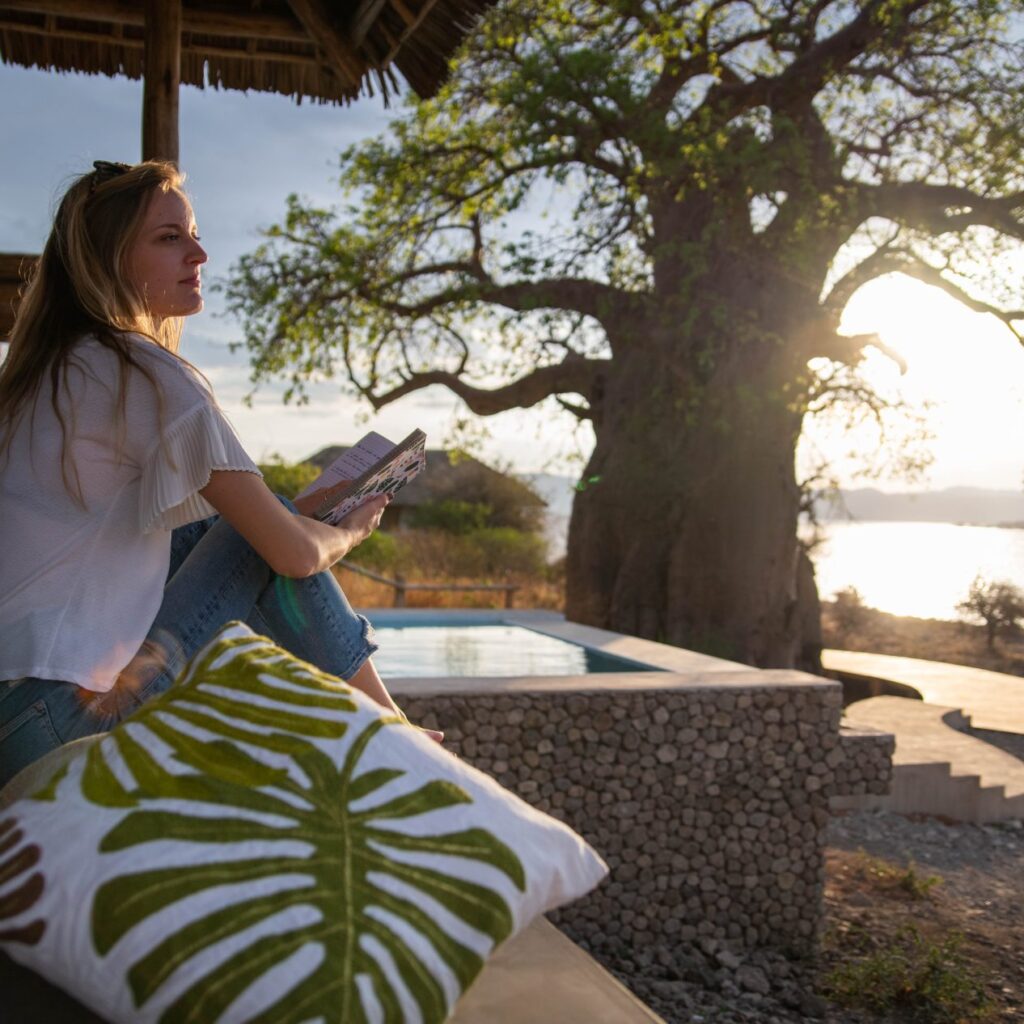
Tanzania is one of the world’s most powerful safari destinations, offering unforgettable wildlife encounters, dramatic landscapes, and rich cultural experiences. For first-time travelers planning an African safari, choosing the right destinations is essential to fully experience the magic of East Africa. From the endless plains of the Serengeti to the volcanic beauty of Ngorongoro and the tropical escape of Zanzibar, Tanzania delivers the ultimate combination of adventure and relaxation. This guide highlights the best places to visit in Tanzania for first-timers, focusing on top-rated safari parks, cultural hotspots, and iconic landmarks. Whether you’re searching for a luxury safari, a budget-friendly trip, or a once-in-a-lifetime wildlife adventure, these destinations represent the very best of Tanzania safari tours and bucket-list travel experiences. Serengeti National Park: The Iconic Wilderness Serengeti National Park is the ultimate symbol of African safari adventures and one of the best places to visit in Tanzania for first-timers. Known worldwide for the Great Migration, where millions of wildebeest and zebras move across the plains, the Serengeti offers unmatched wildlife viewing. Visitors can expect encounters with lions, cheetahs, elephants, and giraffes in vast open landscapes. This UNESCO World Heritage Site is perfect for game drives, hot air balloon safaris, and photography tours. It is also a top destination for luxury safaris in Tanzania, offering both high-end lodges and mobile tented camps. For anyone seeking an authentic African wildlife safari experience, the Serengeti delivers unforgettable moments and iconic scenery that define the essence of East Africa. Ngorongoro Conservation Area: The “Garden of Eden” Ngorongoro Conservation Area is often called the “Garden of Eden” and is one of the most unique safari destinations in the world. For first-time visitors, the Ngorongoro Crater offers a concentrated wildlife experience inside a massive volcanic caldera. Here, you can see the Big Five—lion, elephant, buffalo, leopard, and rhino—in a single game drive. The dramatic landscapes, lush crater floor, and surrounding highlands make it a UNESCO-listed wonder. It is also rich in Maasai culture, adding a human heritage element to your safari. Ngorongoro is ideal for short Tanzania safari itineraries, luxury tours, and family-friendly trips. Its accessibility and high wildlife density make it one of the top-rated safari parks in Africa and a must-visit destination for first-time safari travelers. Tarangire National Park: The Land of Giants and Baobabs Tarangire National Park is famous for its massive elephant herds and ancient baobab trees, making it one of the most scenic safari parks in Tanzania. Located on the northern safari circuit, it is an excellent destination for first-time safari travelers looking for fewer crowds and rich wildlife diversity. During the dry season, thousands of animals gather around the Tarangire River, creating spectacular game viewing opportunities. Lions, leopards, giraffes, and zebras are commonly seen here. The park is also a paradise for birdwatchers, with over 500 species recorded. Tarangire is often included in Tanzania safari packages alongside Serengeti and Ngorongoro, offering a perfect introduction to African wildlife safaris. Its peaceful atmosphere and dramatic landscapes make it a hidden gem worth exploring. Lake Manyara National Park: A Scenic Gem Lake Manyara National Park is a compact but incredibly diverse safari destination, ideal for first-time visitors to Tanzania. Known for its lush groundwater forests, flamingo-filled lake, and tree-climbing lions, this park offers a unique safari experience. Despite its small size, it provides excellent wildlife viewing, including elephants, hippos, baboons, and giraffes. The Rift Valley escarpment creates a breathtaking backdrop, making it one of the most scenic parks in East Africa. Lake Manyara is often visited as part of a northern Tanzania safari itinerary due to its proximity to Arusha. It is perfect for short game drives, birdwatching safaris, and photography. For travelers seeking a gentle introduction to Tanzania wildlife safaris, Lake Manyara delivers beauty, variety, and accessibility in one destination. Arusha National Park: The Day Trip Delight Arusha National Park is one of the best places for a short safari experience, especially for first-time visitors staying in northern Tanzania. Located near Arusha town, it offers a mix of landscapes, including Mount Meru, lush forests, lakes, and open savannah. Unlike larger parks, Arusha allows walking safaris, canoeing, and close-up wildlife encounters. Visitors can see giraffes, zebras, colobus monkeys, and flamingos in a single visit. It is also a popular acclimatization stop for climbers heading to Mount Kilimanjaro. Arusha National Park is perfect for day trips, photography tours, and soft adventure safaris. Its accessibility and variety make it one of the most convenient and underrated safari destinations in Tanzania for first-time travelers seeking a quick yet rewarding wildlife experience. Zanzibar: The Spice Island Escape Zanzibar is a tropical paradise and the perfect beach extension after a Tanzania safari. Known as the Spice Island, Zanzibar combines white sandy beaches, turquoise waters, and a rich cultural heritage. Stone Town, a UNESCO World Heritage Site, offers historical charm with its narrow streets, Arab architecture, and vibrant markets. Visitors can enjoy snorkeling, diving, dhow sailing, and spice farm tours. Zanzibar is ideal for honeymooners, luxury travelers, and families looking for relaxation after a wildlife safari in Tanzania. The island blends Swahili culture, Indian Ocean beauty, and world-class resorts. As part of Tanzania safari packages, Zanzibar provides the ultimate contrast between wild savannah adventures and peaceful beach holidays, making it a must-visit destination for first-time travelers. Mount Kilimanjaro National Park: The Gentle Giant (or the Mighty Challenge) Mount Kilimanjaro National Park is home to Africa’s highest mountain and one of the world’s most iconic trekking destinations. Standing at 5,895 meters, Mount Kilimanjaro attracts adventure seekers from across the globe. First-time visitors can either admire its snow-capped peak or attempt the legendary climb via routes like Marangu or Machame. The park features diverse ecosystems, from rainforest to alpine desert. Wildlife such as colobus monkeys and exotic birds can be seen on the lower slopes. Kilimanjaro is a bucket-list destination for hiking tours in Tanzania and offers unforgettable sunrise views above the clouds. Whether climbing or sightseeing, this majestic mountain represents the ultimate African adventure and is a highlight of
What to Pack for a Great Migration Safari
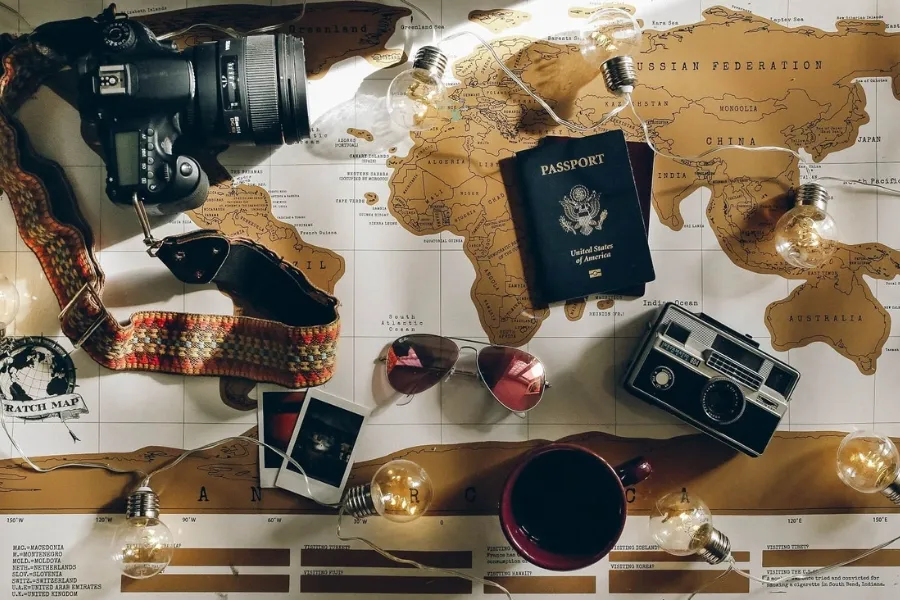
A Great Migration safari in Tanzania is one of Africa’s most unforgettable wildlife adventures, offering incredible opportunities to witness millions of wildebeest, zebras, and gazelles crossing the Serengeti ecosystem. Great migration safari packing correctly for this bucket-list African safari ensures comfort, safety, and the best possible game-viewing experience. Whether you are planning a luxury safari, family safari, honeymoon safari, or budget wildlife tour, your great migration safari packing list should include lightweight clothing, safari essentials, travel documents, camera equipment, and health supplies. Weather conditions in the Serengeti National Park can vary between cool mornings, dusty afternoons, and rainy evenings, making smart packing essential. This detailed Great Migration safari packing guide highlights the most important items every traveler should carry for a successful East African safari adventure and unforgettable wildlife photography experience. 1. Lightweight Safari Clothing Choosing lightweight clothing for your Great Migration safari packing list is essential for staying comfortable during a Great Migration safari in Tanzania. For a Serengeti great migration safari, pack breathable fabrics such as cotton and moisture-wicking materials to help travelers remain cool during warm game drives across the Serengeti National Park. Neutral-colored clothing like khaki, beige, olive, and light brown blends perfectly with the African wilderness while avoiding attraction from insects. Long-sleeved shirts and lightweight trousers protect against the sun, dust, and mosquito bites during morning and evening safaris. Tanzania safari packing list layering is highly recommended because temperatures can shift dramatically between early sunrise drives and hot afternoon excursions. Comfortable Tanzania great safari outfits also improve mobility during walking safaris, cultural tours, and photography adventures. Packing versatile safari clothing ensures travelers enjoy a relaxing, stylish, and practical wildlife safari experience throughout East Africa’s spectacular Great Migration season. 2. Comfortable Safari Footwear Comfortable safari footwear is one of the most important items for a successful Great Migration safari adventure in East Africa. Travelers exploring the Serengeti, Ngorongoro Conservation Area, or Maasai Mara often spend long hours on game drives, bush walks, and lodge excursions. Durable walking shoes or lightweight hiking boots provide excellent support on uneven terrain while protecting feet from dust and rough paths, the top African safari packing list. Everything you need to pack for the Great Migration, breathable shoes are ideal for warm African temperatures, helping prevent discomfort during extended wildlife activities. Many African safari travelers also pack comfortable sandals or slip-on shoes for relaxing at safari lodges and tented camps after game drives. Thick socks help prevent blisters and keep feet comfortable throughout the Tanzania safari journey. Proper Tanzania Great Migration safari footwear enhances overall travel comfort, making wildlife viewing, cultural encounters, and Great Migration photography far more enjoyable Luxury safari packing list and stress-free. 3. Warm Layers for Early Morning Game Drives Early morning game drives during a Great Migration safari can be surprisingly cold, especially in the Serengeti National Park and the Ngorongoro Highlands. Packing warm layers for a great African migration safari ensures travelers stay comfortable while searching for lions, leopards, elephants, and wildebeest during sunrise wildlife excursions. Lightweight jackets, fleece sweaters, hoodies, and windbreakers are ideal for chilly mornings before temperatures rise later in the day. Layered clothing allows safari guests to easily adjust to changing weather conditions throughout African safari adventures. Tanzania great migration packing list neutral-colored outerwear is recommended to maintain a classic safari appearance while blending naturally into the environment. Scarves and lightweight gloves may also help during the colder months, between June and October, which is the peak of the Great Migration season, essential packing tips for your African Safari. Proper warm clothing improves comfort during open-vehicle safaris and enhances the overall luxury African safari experience. 4. High-Quality Camera Equipment A Great Migration safari offers some of the best wildlife photography opportunities in Africa, making high-quality camera equipment essential for travelers visiting Tanzania, one of the most incredible ultimate packing guides for your African Safari. Capturing dramatic river crossings, predator action, and breathtaking Serengeti landscapes requires reliable photography gear capable of handling changing safari conditions, and an Africa Safari Packing Guide. A DSLR or mirrorless camera with zoom lenses allows visitors to photograph wildlife from safe distances while preserving excellent image quality. Extra memory cards and spare batteries are crucial because safari camps may have limited charging opportunities during extended game drives. Dust-proof camera bags help protect expensive photography equipment from dirt and rough travel conditions common on African safaris. Binoculars also enhance wildlife viewing by allowing guests to observe distant animals clearly. Packing professional African safari photography equipment ensures travelers preserve unforgettable Great Migration safari memories and create stunning African wildlife images. 5. Sun Protection Essentials The African sun can be intense during a Great Migration safari, making sun protection essentials extremely important for travelers exploring the Serengeti National Park. High-SPF sunscreen helps protect skin from harsh ultraviolet rays during long game drives and outdoor safari activities. Wide-brimmed safari hats provide additional protection for the face, neck, and shoulders while enhancing comfort under direct sunlight. Polarized sunglasses reduce glare and improve wildlife viewing across open savannah landscapes. Lip balm with SPF protection prevents dryness caused by hot temperatures and dusty safari conditions. Lightweight scarves or buffs can shield travelers from sun exposure and blowing dust during game drives. Staying protected from the African heat allows safari guests to enjoy wildlife adventures comfortably and safely. Proper sun protection is essential for luxury safaris, family safaris, honeymoon safaris, and photography tours across East Africa. 6. Travel Documents and Safari Essentials Organizing travel documents and safari essentials before departure is critical for a smooth Great Migration safari experience in Tanzania or Kenya. Travelers should carry valid passports, visas, travel insurance documents, flight tickets, and vaccination certificates, especially yellow fever records when required for East African travel. Keeping digital and printed copies of important documents provides extra security during international safari journeys. Safari travelers should also pack cash in US dollars for tips, souvenirs, and small purchases at lodges or local communities. Credit cards may not always work in remote safari camps due to limited connectivity.
Most Remote Places In Africa Worth Visiting
Africa remains one of the world’s most captivating travel destinations, but beyond the famous hotspots lies a collection of remote places in Africa worth visiting—untouched, wild, and breathtaking. These hidden gems offer authentic African safari experiences, far from crowds, where nature reigns supreme. From vast savannahs and volcanic landscapes to dense forests and pristine lakes, these destinations redefine luxury African safari travel, eco-tourism, and adventure tourism. Tanzania, in particular, dominates with its diverse and secluded parks, ideal for private safaris, fly-in tours, honeymoon safaris, and sustainable travel. Exploring these remote destinations guarantees exclusivity, rich wildlife encounters, and immersive cultural experiences. Whether you seek chimpanzee trekking, Big Five safaris, or mountain climbing, Africa’s remote wilderness delivers unforgettable journeys that rank among the top bucket list safari destinations in the world. 1. Serengeti National Park (Remote Zones) The remote zones of the Serengeti offer a quieter, more exclusive version of Africa’s most iconic safari destination. While the central plains attract crowds, areas like the Northern Serengeti and Western Corridor provide off-the-beaten-path safari experiences with fewer vehicles and uninterrupted wildlife viewing. Known globally for the Great Migration safari, the Serengeti hosts millions of wildebeest, zebras, and predators. Its remote corners deliver luxury mobile camps, fly-in safaris, and intimate encounters with lions, cheetahs, and elephants. These secluded regions enhance photographic safaris and VIP wildlife experiences, making them perfect for honeymooners and high-end travelers. The untouched landscapes, golden plains, and dramatic river crossings create a truly immersive adventure, positioning the Serengeti as one of the best remote safari destinations in Africa. 2. Ngorongoro Conservation Area (Highlands) The Ngorongoro Highlands provide a remote and dramatic escape within one of Africa’s most unique ecosystems. Centered around the famous Ngorongoro Crater—the world’s largest intact volcanic caldera—this region blends luxury safari travel with cultural tourism. The highlands offer cooler climates, lush landscapes, and panoramic views, ideal for exclusive safari lodges and boutique camps. Beyond the crater floor, remote areas such as Empakaai and Olmoti Craters provide hiking and walking safaris rarely explored by mass tourism. Visitors encounter Maasai communities, adding authentic cultural depth to the journey. Known for dense wildlife populations and Big Five sightings, this destination ranks among the top African safari experiences, combining geology, wildlife, and heritage into one unforgettable remote adventure. 3. Tarangire National Park Tarangire National Park is a hidden gem offering a quieter alternative to northern Tanzania’s busier parks. Famous for its giant baobab trees and large elephant herds, Tarangire provides an authentic, remote safari experience in Africa. During the dry season, thousands of animals gather along the Tarangire River, creating exceptional wildlife viewing opportunities. Despite its richness, the park remains less crowded, making it ideal for private safaris, family safaris, and budget-friendly tours. Visitors can enjoy walking safaris, night game drives, and eco-friendly lodges. The park’s diverse ecosystems support lions, leopards, giraffes, and over 500 bird species, positioning it as one of the best underrated safari destinations in Tanzania for travelers seeking tranquility and exclusivity. 4. Lake Natron and Mount Oldonyo Lengai Lake Natron and Mount Oldonyo Lengai form one of Africa’s most surreal and remote landscapes. Known for its striking red waters and flamingo breeding grounds, Lake Natron offers a unique photography safari and eco-tourism experience. Nearby, Oldonyo Lengai—Africa’s only active carbonatite volcano—provides adventurous travelers with challenging night climbs and breathtaking sunrise views. This region is deeply rooted in Maasai culture, enhancing its appeal for cultural safaris and authentic African travel experiences. The harsh, otherworldly environment remains largely untouched by mass tourism, making it ideal for adventure safaris and off-grid travel. Its dramatic scenery and isolation make it one of the most remote places in Africa worth visiting. 5. Ruaha National Park Ruaha National Park stands as Tanzania’s largest and most remote wilderness, offering an unmatched off-the-beaten-path safari experience. Located in southern Tanzania, it is known for its rugged landscapes, baobab-studded plains, and incredible predator density. Ruaha hosts one of Africa’s largest lion populations and diverse wildlife, including wild dogs and elephants. Its isolation ensures fewer visitors, creating a true sense of exclusivity and untouched nature. Luxury tented camps and fly-in safaris dominate here, catering to travelers seeking privacy and high-end experiences. With vast ecosystems and dramatic scenery, Ruaha ranks among the best remote safari parks in Africa, perfect for photographers and seasoned safari enthusiasts. 6. Mikumi National Park Mikumi National Park offers a unique blend of accessibility and remote wilderness, making it ideal for short yet rewarding African safari tours. Located near Dar es Salaam, it forms part of a larger ecosystem with the Selous and Udzungwa Mountains. Despite its proximity, Mikumi retains a wild atmosphere with vast plains resembling the Serengeti. Visitors can enjoy sightings of lions, elephants, zebras, and buffalo in a less crowded setting. The park is perfect for budget safaris, weekend getaways, and family-friendly adventures. Its growing reputation as a peaceful alternative to busier parks positions it among the top hidden safari destinations in Tanzania, combining convenience with authentic wildlife experiences. 7. Lake Manyara National Park Lake Manyara National Park is a compact yet diverse destination known for its scenic beauty and ecological richness. Nestled at the base of the Great Rift Valley, it offers lush forests, alkaline lakes, and abundant wildlife. Famous for tree-climbing lions and flamingo-filled shores, the park provides a unique wildlife safari experience in Tanzania. Its relatively low visitor numbers make it a peaceful retreat compared to larger parks. Activities such as canoeing, birdwatching, and walking safaris enhance its appeal. Ideal for luxury safaris, honeymoon trips, and eco-tourism, Lake Manyara is a must-visit for travelers seeking diversity in a remote yet accessible setting. 8. Nyerere National Park (formerly Selous Game Reserve) Nyerere National Park is one of Africa’s largest protected areas, offering vast, untouched wilderness and diverse safari experiences. Known for its Rufiji River system, it provides unique activities like boat safaris and walking safaris, unlike traditional game drives. The park’s remote nature ensures fewer tourists and a more intimate wildlife encounter. Visitors can spot elephants, hippos, crocodiles, and rare wild dogs