
A Guide to the Great Migration in Tanzania
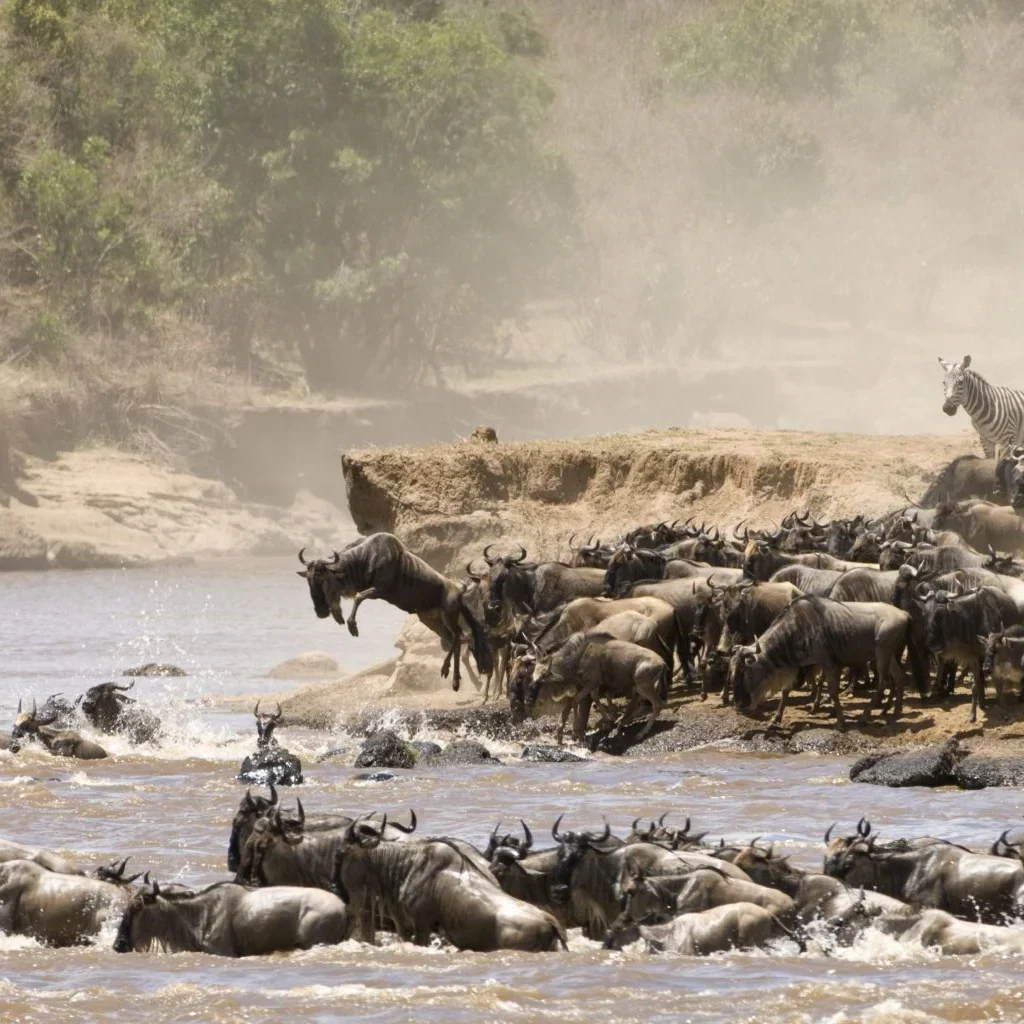
The Great Migration in Tanzania is one of the most spectacular wildlife events on Earth, drawing travelers, photographers, and safari enthusiasts from across the globe. Centered in the iconic Serengeti National Park, this annual movement of over two million wildebeest, zebras, and gazelles defines the ultimate African safari experience. Known as the “Great Wildebeest Migration,” it is a continuous, year-round cycle driven by rainfall and the search for fresh grazing. Visitors can witness dramatic river crossings, predator-prey encounters, and breathtaking landscapes that make Tanzania safaris truly unforgettable. Whether you’re planning a luxury safari, a budget adventure, or a family holiday, understanding the migration’s patterns ensures you experience its highlights. This guide covers everything—from the best time to visit Tanzania, migration routes, safari costs, accommodations, and travel tips—helping you plan the perfect African safari adventure. What Is the Great Migration? The Great Migration is the largest land-based wildlife movement on the planet, involving over 1.5 million wildebeest, 200,000 zebras, and thousands of gazelles traveling across the Serengeti ecosystem. Spanning Tanzania and Kenya, this natural phenomenon is driven by seasonal rains and grazing patterns. Unlike a one-time event, the migration is a continuous loop, offering year-round safari opportunities. The animals move in search of water and fresh grass, forming vast herds that stretch across the plains. This journey is filled with dramatic moments, including predator attacks from lions, cheetahs, and crocodiles. The Great Migration safari is considered a bucket-list African safari experience, offering unmatched wildlife viewing, photography opportunities, and authentic nature encounters in the wild heart of Africa. Where Does the Migration Take Place? The migration primarily occurs within the Serengeti ecosystem, covering Serengeti National Park, Ngorongoro Conservation Area, and extending into Maasai Mara National Reserve. This vast landscape of savannahs, rivers, and woodlands provides the perfect environment for grazing animals. The southern Serengeti is known for calving, while the western corridor features river crossings at the Grumeti River. The northern Serengeti hosts the dramatic Mara River crossings, one of the most sought-after safari experiences. Each region offers unique wildlife viewing opportunities throughout the year. Understanding these locations helps travelers plan the best Tanzania safari itinerary. Whether you’re exploring central Serengeti or heading north, every area offers exceptional encounters with Africa’s iconic wildlife and landscapes. The Migration Cycle Explained The Great Migration follows a predictable yet flexible annual cycle influenced by rainfall. It begins in the southern Serengeti during calving season, then moves northwest toward the western corridor, before heading north to the Mara River. After crossing into Kenya, the herds eventually return south as the rains begin again. This circular journey ensures survival by providing access to fresh grazing land. Timing your safari depends on which stage of the migration you want to witness. From calving to river crossings, each phase offers unique highlights. This dynamic movement is why Tanzania safari tours remain popular year-round. Travelers can choose specific months based on their interests—whether it’s newborn wildlife, predator action, or dramatic crossings—making the migration one of the most diverse safari experiences in Africa. What Time of Year is the Great Migration in Tanzania? The Great Migration in Serengeti National Park is a year-round wildlife spectacle, not a single event. Over two million wildebeest, zebras, and gazelles move in a continuous cycle driven by rainfall, fresh grazing, and survival instincts. Understanding the timing of each phase helps travelers plan the ultimate Tanzania safari for dramatic river crossings, calving season, or predator action. From the lush plains of Ndutu Region to the dangerous crossings of the Mara River, every month offers a unique safari experience. Below is a detailed, optimized guide to the best time to see the Great Migration in Tanzania. December–March: Calving Season (Southern Serengeti/Ndutu) From December to March, the Great Migration settles in the fertile southern plains of the Serengeti National Park and the lush Ndutu Region. This period is widely known as the calving season, one of the best times to visit Tanzania for wildlife viewing and photography safaris. Nearly 500,000 wildebeest calves are born within a few weeks, creating an extraordinary spectacle of life and survival. The abundance of newborns attracts top predators like lions, cheetahs, and hyenas, making it ideal for witnessing dramatic predator-prey interactions. The green landscapes, fueled by short rains, provide excellent grazing and stunning scenery. This season is perfect for travelers seeking luxury safaris, family adventures, and unforgettable African wildlife experiences. April–June: Grumeti River & Western Corridor Between April and June, the Great Migration begins its journey northwest toward the Western Corridor of the Serengeti National Park. This phase is marked by long rains, fewer crowds, and excellent safari deals, making it a hidden gem for budget and mid-range Tanzania safaris. Herds stretch across vast plains as they move toward the Grumeti River, where the first dramatic river crossings occur. Though less famous than the Mara crossings, these moments are equally thrilling, with massive crocodiles lying in wait. The scenery is lush, and the atmosphere feels wild and untouched. This is an ideal time for travelers seeking authentic safari experiences, fewer tourists, and lower prices while still enjoying incredible wildlife viewing in Tanzania. July–October: Mara River Crossings (Northern Serengeti) From July to October, the Great Migration reaches its most iconic stage in the northern Serengeti National Park near the legendary Mara River. This is peak safari season in Tanzania and one of the best times to witness the world-famous wildebeest river crossings. Thousands of animals plunge into crocodile-infested waters, creating intense, dramatic scenes that define African safaris. The dry season ensures excellent visibility, making wildlife easier to spot around rivers and waterholes. This period is highly sought after for luxury safaris, photography tours, and bucket-list African adventures. Due to high demand, early booking is essential. If you want the ultimate Great Migration experience, this is the most thrilling time to visit Tanzania. November: Short Rains and Movement South In November, the short rains begin, signaling the Great Migration’s movement back toward the southern plains of the Serengeti National Park and Ndutu Region. This
Best camp shoes for Kilimanjaro
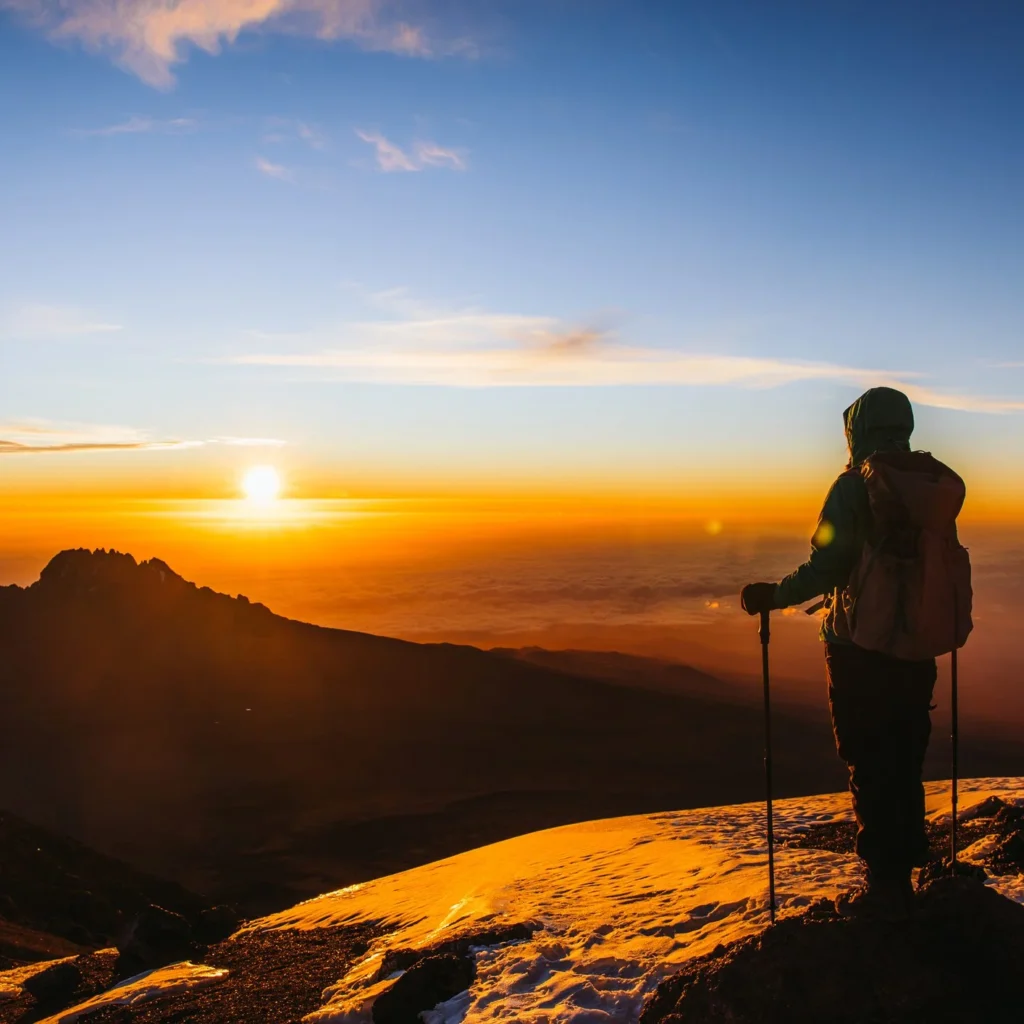
Climbing Mount Kilimanjaro is a demanding multi-day trek that pushes your body through changing climates, rugged terrain, and high altitudes. While most climbers focus on boots, one often overlooked item in a Kilimanjaro packing list is camp shoes. These lightweight, comfortable shoes provide relief after long hiking days, allowing your feet to breathe, recover, and stay dry. The best camp shoes for Kilimanjaro should be lightweight, easy to pack, quick-drying, and versatile enough for camp activities. Whether you’re relaxing at Barranco Camp or preparing for summit night, having the right camp footwear enhances comfort and prevents foot fatigue. Investing in high-quality camp shoes is not just about luxury—it’s a smart strategy for recovery, hygiene, and overall trekking performance on Africa’s highest mountain. Why Camp Shoes Are Essential for Kilimanjaro After hiking 6–10 hours daily on rocky trails, your feet need rest. Camp shoes provide immediate relief by allowing your feet to breathe and recover from sweaty hiking boots. They also help prevent blisters and fungal infections by keeping your feet dry and ventilated. On Kilimanjaro, camps can be dusty, muddy, or cold, making it uncomfortable to walk around in heavy boots. Camp shoes offer a lightweight alternative for moving around camp, visiting the dining tent, or heading to the toilet at night. Additionally, removing boots helps them dry, which is crucial for the next day’s trek. Many experienced climbers consider camp shoes a must-have item for comfort and foot care. Without them, recovery becomes harder, and discomfort can build up over multiple trekking days. Key Features to Look for in Camp Shoes Choosing the best camp shoes for Kilimanjaro requires focusing on specific features. First, a lightweight design is critical since every gram matters when trekking at high altitude. Second, comfort and cushioning are essential for relaxing tired feet. Third, breathability helps reduce moisture buildup and prevents odor or infections. Fourth, durability and grip are important for walking on uneven camp terrain. Finally, quick-drying materials are ideal, especially if you encounter rain or wet conditions. An easy slip-on design is also valuable for convenience during cold nights. The best camp shoes balance these features without adding bulk to your backpack. Ultimately, your choice should support recovery, mobility, and protection, ensuring your feet remain in good condition throughout the Kilimanjaro climb. Best Lightweight Camp Shoes for Kilimanjaro Lightweight camp shoes are the top choice for Kilimanjaro trekkers because they minimize pack weight while maximizing comfort. Options like clogs, sandals, and minimalist slip-ons are popular among climbers. Lightweight shoes allow you to relax without adding unnecessary strain to your gear load. Many backpackers prefer ultra-light sandals or foam clogs that can be attached to the outside of a backpack. These shoes are easy to wear with socks, especially in cold conditions at higher camps. The key is finding a balance between weight and functionality. While extremely lightweight options may lack support, slightly sturdier models provide better protection and grip. Choosing the right lightweight camp shoe ensures you maintain comfort without compromising your trekking efficiency on Kilimanjaro. Best Warm Camp Shoes for High Altitude Camps As you ascend Kilimanjaro, temperatures drop significantly, especially at camps like Barafu or Kibo Hut. Warm camp shoes become essential for keeping your feet comfortable in freezing conditions. Insulated camp slippers or booties are ideal for high-altitude environments, offering warmth and protection against cold ground surfaces. These shoes are often designed with synthetic insulation and water-resistant materials. They are perfect for wearing inside tents or around camp during chilly evenings. Warm camp shoes also help improve circulation, which is important at high altitude. Many climbers underestimate how cold their feet can get after removing boots. Investing in insulated camp footwear ensures you stay warm, comfortable, and well-rested before your summit attempt. Best Breathable Camp Sandals for Kilimanjaro Breathable camp sandals are excellent for lower-altitude camps where temperatures are warmer. These shoes allow maximum airflow, helping your feet dry quickly after long hikes. Sandals are especially useful if your boots get wet from rain or river crossings. They also reduce the risk of blisters by allowing your skin to recover. Adjustable straps provide a secure fit, while durable soles offer enough support for walking around camp. Many climbers prefer sandals because they are lightweight and versatile. However, they may not be suitable for colder camps unless paired with warm socks. Breathable camp sandals are a great option for comfort, hygiene, and quick recovery during the early stages of your Kilimanjaro trek. Best Recovery Shoes for Foot Relief Recovery shoes are specifically designed to reduce foot fatigue after intense physical activity. These shoes feature cushioned soles and ergonomic designs that support tired muscles and joints. After a long day on Kilimanjaro, recovery footwear can significantly improve comfort and reduce soreness. Many modern camp shoes include foam cushioning that absorbs impact and promotes relaxation. These shoes are ideal for climbers who experience foot pain or swelling during the trek. Recovery shoes also enhance blood circulation, which is crucial at high altitudes. By providing proper support and comfort, they help prepare your feet for the next day’s hike. Choosing recovery-focused camp shoes can make a noticeable difference in your overall trekking experience. Popular Camp Shoe Styles for Kilimanjaro There are several types of camp shoes suitable for Kilimanjaro. Clogs are among the most popular due to their lightweight design and ease of use. Sandals offer breathability and versatility, especially in warmer conditions. Slip-on shoes provide comfort and quick access, making them ideal for camp use. Insulated booties are best for cold environments, offering warmth and protection. Each style has its advantages depending on your trekking needs. Many climbers choose a combination of features, such as lightweight and insulated designs. The best camp shoe style ultimately depends on your personal preference, climate conditions, and comfort requirements. Understanding these options helps you choose the perfect footwear for your Kilimanjaro adventure. How Camp Shoes Improve Hygiene and Health Maintaining foot hygiene is crucial during a multi-day trek like Kilimanjaro. Camp shoes allow your feet
Where to Go in Africa on a Photographic Safari

Africa the very name vibrates with the promise of raw beauty, dramatic landscapes, and an untamed wild that stirs the soul. For photographers, it’s not just a destination; it’s the ultimate canvas, a crucible of light, life, and unforgettable moments waiting to be captured through the lens. But with a continent so vast and diverse, the question inevitably arises: “Where do I go to truly capture the magic of an African safari? While the continent boasts countless incredible photographic hotspots, this guide will focus on a country that consistently delivers unparalleled visual returns: Tanzania. From its iconic northern plains to its remote southern wildernesses and unique cultural landscapes, Tanzania offers a spectrum of environments tailored for every photographic ambition, ensuring your journey yields a portfolio brimming with impactful images. The Photographic Safari Mindset: Beyond the Snapshot A photographic safari is a specialized pursuit. It demands more than just pointing and shooting. To truly capture the essence of Africa, cultivate these principles: Master the Light. The African sun is your greatest ally and adversary. Embrace the “golden hours” of early morning and late afternoon for soft, warm, directional light that sculpts your subjects. Learn to work with harsh midday light for high-contrast, dramatic effects, or retreat to shaded areas for softer portraits. Patience and Anticipation. Wildlife rarely poses on command. True photographic success comes from observing animal behavior, anticipating their next move, and being ready to capture the decisive moment. Composition is Key. Don’t just focus on the animal. Think about the environment, leading lines, rule of thirds, negative space, and framing. A compelling composition elevates a simple animal shot into a work of art. Ethical Photography. Your presence should never disturb the wildlife. Always maintain a respectful distance, avoid sudden movements or loud noises, and follow your guide’s instructions implicitly. The well-being of the animals comes first. Gear Preparedness | Protect your equipment from dust, heat, and moisture. Have extra batteries and plenty of memory cards. A beanbag is invaluable for steadying long lenses from a vehicle. Now, let’s explore Tanzania’s premier photographic destinations, each offering a unique visual narrative. 1. Serengeti National Park: The Grand Epic The Serengeti photographic destinations for Capturing the Magic of an African Safari. The very name evokes grandeur. As the stage for the Great Wildebeest Migration, it offers a dynamic, ever-changing photographic feast that is unparalleled. The Photographic Essence. This is where you come for epic scale. Wide-angle shots of vast plains teeming with herds. Telephoto close-ups of raw predator action. The iconic drama of river crossings. The Serengeti offers a complete narrative of life and survival in the wild. Key Photographic Subjects & Strategy: The Migration. (Seasonal) Focus on capturing the sheer numbers, the dust kicked up by millions of hooves, and the dramatic river crossings (Mara River in the north, Grumeti in the west). Anticipate crossing points and set up early. Big Cats. The open plains and scattered kopjes (rocky outcrops) make for excellent lion, leopard, and cheetah sightings. Look for leopards draped over acacia branches (Seronera Valley is famous for this). Cheetahs on their hunting stalks on the open plains are highly photogenic. Landscapes. Utilize the vast, flat horizon for sweeping panoramas. Frame animals against dramatic sunsets or sunrises. The unique shapes of kopjes make for interesting compositions. Tips for Photographers: A reliable, fast-focusing telephoto lens (e.g., 100-400mm or 150-600mm) is a must. Don’t forget a wide-angle for those expansive landscapes.Invest in dust covers for your camera and lenses, and carry a good blower brush. 2. Tarangire National Park: Baobabs & Elephant Majesty Tarangire African Safari Destinations for Photographers a park of singular character, dominated by its ancient, sculptural baobab trees and a reputation for immense elephant herds, particularly in the dry season. The Photographic Essence. Tarangire offers a more intimate and artistic landscape. The baobabs provide unique natural frames and silhouettes. The park’s elephant population provides endless opportunities for capturing family dynamics, playful interactions, and magnificent portraits against the backdrop of these iconic trees. Key Photographic Subjects & Strategy: Elephants & Baobabs. Focus on compositions where elephants are dwarfed by or framed by baobabs. Capture the textures of their skin against the gnarled bark. Look for behavior shots (dust bathing, drinking). Riverine Life. During the dry season, animals congregate along the Tarangire River. This is excellent for capturing interactions and reflections. Unique Activities. Seek out lodges that offer walking safaris or night drives in private concessions. Walking safaris provide a low-angle perspective, allowing for more intimate shots of smaller details and animal tracks. Night drives open up a whole new world of nocturnal photography (requires higher ISO capabilities and often a spotlight provided by the guide). Tips for Photographers: Experiment with different lenses – a wide-angle for baobab landscapes, and a telephoto for elephant portraits.Be ready for dust; use lens hoods and protective filters. 3. Lake Manyara National Park: Green Oasis & Unique Behaviors Nestled at the base of the Great Rift Valley escarpment, Lake Manyara, one of the premier destinations for African photography safaris, offers a verdant contrast to the open plains, known for its diverse habitats and unique wildlife behaviors. The Photographic Essence. This park challenges you to find beauty in dense foliage. It’s famous for its tree-climbing lions (though sightings require luck!), providing a rare photographic prize. The lush groundwater forest and abundant birdlife offer distinct visual narratives. Key Photographic Subjects & Strategy: Tree-Climbing Lions. This is the Holy Grail here. Keep your eyes peeled up in the acacia trees for exclusive Photographic Safaris in Africa. Patience is paramount. Primates. Large troops of baboons and blue monkeys offer dynamic, engaging subjects in the forest. Capture their interactions and expressions. Birdlife. The soda lake often teems with thousands of flamingos (seasonal), pelicans, and storks. A polarizing filter can reduce glare on the water. Walking Safaris/Canoeing. Some lodges offer these (seasonal/dependent on water levels). Canoeing provides unique, stable platforms for waterside bird and hippo photography. Tips for Photographers: Be prepared for varied light conditions, from bright sun on
Tanzania’s Sacred Sites
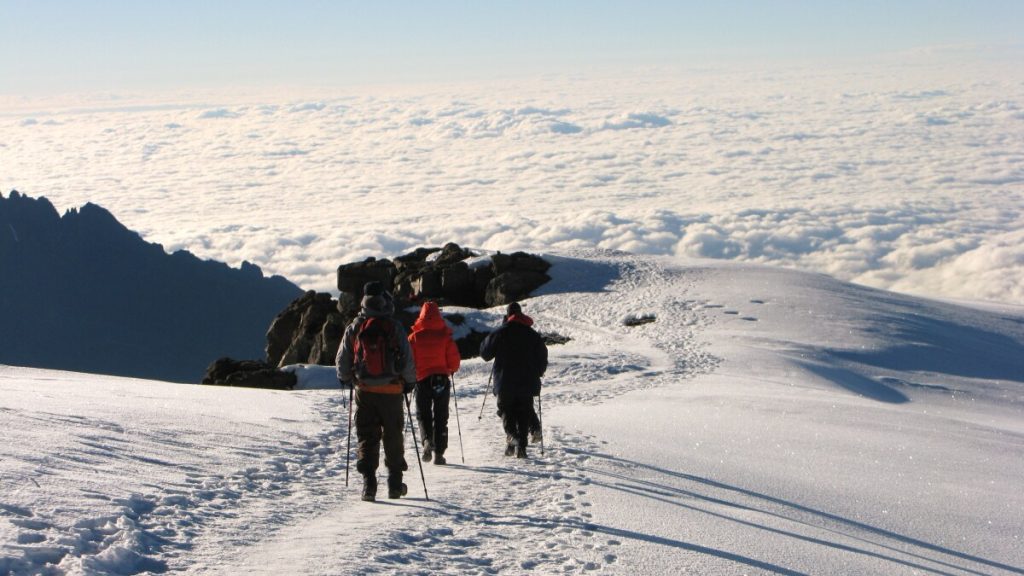
Many people know Tanzania for its exceptional wildlife and towering peaks. Few know that this glorious African country also promises an unforgettable spiritual journey. While you go beyond the pristine coastlines and sprawling Savannahs, you will experience this destination’s ultimate spiritual essence. Tanzania’s sacred sites provide the most unforgettable experience that will enlighten you and allow you to learn about ancient beliefs, cultural heritage, and spiritual traditions. Numerous sites in Tanzania promise a spiritual connection to the land, the local people, and the divine. So, if you are looking forward to seeing beyond the wildlife adventures and diverse landscapes of Tanzania during your holiday, make sure not to miss out on its sacred sites. You should book a flight to Tanzania from the UK and add the following incredible landmarks to your itinerary. Top Sacred Sites in Tanzania That You Must Not Miss Tanzania boasts a variety of sacred sites, reflecting its diverse religious and cultural landscape. Some notable locations include the Mukuru Sacred Site for the Maasai, which is a place of healing and ancestor connection, according to Africa Amini Life; the Malindi Mosque, Zanzibar’s oldest mosque, according to Tripadvisor; and the Azania Front Lutheran Church, a historical landmark in Dar es Salaam, according to Tripadvisor. Other notable sites include various mosques and temples across Tanzania, including those in Dar es Salaam and Dodoma. Mount Kilimanjaro Mount Kilimanjaro one of the most prominent landmarks on the continent. This the highest peak in Africa and attracts countless tourists every year. Not only that, the mountain also has a spiritual significance for the Chaga people who inhabit its foothills. They consider it the abode of their God and home to spirits. Elders among the Chaga people perform various rituals at the base of this hill to summon blessings from God and to honour their ancestors. Even though many travellers hike the mountain to its summit, many Chaga people also hike it as their spiritual pilgrimage. If you visit this mountain with a local guide, you will surely be told about its spiritual aura and divine presence. This makes it one of the top sacred sites in Tanzania and is undoubtedly worth visiting while having a spiritual journey across the incredible country. Ngorongoro Crater Ngorongoro Crater was formed millions of years ago because of a collapsed volcano. It a prominent landmark in the country known for its exceptional heritage and wildlife. However, many tourists don’t know that this crater of great spiritual significance for the Maasai people. These people believe this crater is a gift from God and was created by divine forces. The Maasai people pray around and inside the crater and conduct rituals, especially during times of hardship, such as drought or any other crisis. If you want to learn more about the spiritual significance of this crater, you can hire a local Maasai guide. They will tell many interesting stories about this landmark’s history and spiritual importance. Kondoa Rock-Art Sites There are numerous Kondoa Rock Art Sites around Tanzania. These rock art sites have thousands of ancient paintings etched into the stone shelters. Some of these artworks are over 2000 years old and depict hunting scenes, symbolic figures, and rituals. Through this exceptional rock art, you get a glimpse of some of the most ancient inhabitants of Tanzania. To date, local tribes use these historic relics as their spiritual spaces and use them for religious and initiation ceremonies. These tribes see these rock arts as a link to the spirits and ancestors. Some caves here are considered more spiritually significant and influential than the others at these rock-art sites. Bagamoyo Bagamoyo was once a key port in the East African slave trade. This quiet coastal town now represents a fascinating historical past and is known for its spirituality. Bagamoyo translates to ‘lay down your heart,’ which serves as a tribute to those who were forcefully taken out of their homeland. But this place’s spiritual significance lies in its home to one of the oldest mosques in East Africa. Not only that, this place also has a significant position in Swahili culture. Visit the Kaole Ruins to glimpse the region’s ancient Islamic history. Here, you will find the famous historic 13th-century mosque and tombs believed to be of ancient Muslim saints. You will surely have an enlightening experience, and the spiritual atmosphere keeps everyone hooked. Mahenge Mountains These spiritual mountains nestled in the remote southern highlands. The Mahenge Mountains known for the presence of hidden shrines of the spirit healers. You will find many sacred groves and hidden shrines. The locals here believe that the Mahenge Mountains forests are where the veil between the material and spiritual world is fragile. Therefore, many people head to the forest sanctuaries here for spiritual revival. The community’s elders and shamans use centuries-old spiritual knowledge to conduct various rituals for rainmaking, protection, and ancestral communication. Therefore, make sure that you respect the spiritual sanctuaries while you are here. You might also need the permission of the local leaders to approach these places. What is Tanzania famous for? Tanzania famously known for its diverse wildlife, stunning national parks, and iconic natural landmarks like Mount Kilimanjaro and Serengeti National Park. It’s also a popular destination for safaris and boasts a rich cultural heritage, including the Swahili language and traditions. Summing Up Tanzania is an incredible wildlife destination, attracting thousands of African wildlife safari enthusiasts yearly. However, many travellers usually neglect the sacred sites while they are there. Tanzania’s sacred sites show you a different side of this incredible destination that will leave you in awe. So, if you want to have this experience soon, it is time to book your flight to Tanzania from the UK. You can look for flights through RwandAir, Emirates, Turkish Airlines, etc. After that, you can decide what sacred places to visit during this journey.
Stone Town Tours and Activities

Experience ultimate step off the ferry or plane onto the shores of Zanzibar, and you’re immediately enveloped by a different rhythm. The air hums with the calls to prayer, the scent of cloves and cardamom, and the distant murmur of the Indian Ocean. At the heart of this enchanting island lies Stone Town, a UNESCO World Heritage site and a living, breathing testament to centuries of Swahili, Arab, Indian, and European influences. More than just a collection of historical buildings, Stone Town is a labyrinthine maze of narrow alleys, bustling markets, and intricately carved doors that whisper tales of sultans, explorers, and traders. It’s a place where history isn’t just displayed in museums; it’s alive in the crumbling coral stone walls, the vibrant street life, and the fusion of cultures that defines modern Zanzibar. A visit to Stone Town isn’t merely sightseeing; it’s an immersive sensory experience, a journey back in time, and an essential part of any Zanzibar adventure. Why Visit Stone Town? A Tapestry of Time and Culture Stone Town’s allure lies in its unique blend of past and present. It’s a place where every corner turned reveals a discovery, a new story. Architectural Marvel. The town’s architecture is a captivating fusion. Characterized by thick coral rag stone walls, multi-story buildings, verandas, and, most famously, its ornate, often brass-studded, carved wooden doors. Rich History. From its origins as a fishing village to its rise as a powerful Omani Sultanate capital and a hub for the spice and slave trades, Stone Town’s history is complex and profound. Cultural Melting Pot. It’s a microcosm of Zanzibar’s diverse heritage, where different cultures have coexisted and intertwined for centuries, creating a unique Swahili identity. Sensory Overload (in the best way). The sights, sounds, and smells of Stone Town – the aroma of spices, freshly brewed coffee, the chatter of vendors, the vibrant colors of textiles – create an unforgettable atmosphere. Key Tours & Activities: Navigating the Labyrinth To truly unlock Stone Town’s secrets, it’s best explored on foot. Ideally,, with a knowledgeable local guide who can bring their history and hidden gems to life. 1. Historical Walking Tours: Stepping Back in Time A guided walking tour is the most effective way to grasp Stone Town’s historical significance and navigate its winding alleys. House of Wonders (Beit al-Ajaib). Once the ceremonial palace of Sultan Barghash. This grand building was the first in Zanzibar to have electricity and an elevator, earning its name. While it suffered a partial collapse in 2020 and is currently undergoing extensive renovation. Its imposing facade still speaks volumes about its past grandeur. Your guide will explain its significance and the ongoing efforts to restore it. Old Fort (Ngome Kongwe). Built by the Omani Arabs in the late 17th century to defend against the Portuguese. This massive stone fortress has served various purposes over the centuries, including a prison and a railway yard. Today, it hosts cultural events, craft shops, and a vibrant open-air amphitheater. It’s a great spot to soak in the atmosphere and browse for souvenirs. Forodhani Gardens (Jubilee Gardens). As evening descends, these waterfront gardens transform into a bustling open-air food market. It’s a quintessential Stone Town experience, where locals and tourists alike gather to enjoy freshly grilled seafood. Zanzibari pizzas, sugar cane juice, and a variety of local snacks. The atmosphere is lively and communal, offering a taste of authentic island life. Freddie Mercury House. For music fans, a stop at the house where Farrokh Bulsara, later known as Freddie Mercury of Queen, spent his early childhood years is a must. While it’s now a small museum dedicated to his life. It offers a glimpse into the humble beginnings of a global rock icon. Former Slave Market Site & Anglican Cathedral. This is a profoundly moving and essential stop. The Anglican Cathedral of Christ Church stands on the site of Zanzibar’s notorious former slave market, which was finally closed in 1873. Inside the church, an altar marks the exact spot of the whipping post. Outside, a poignant monument depicting slaves in chains and a small museum provide a stark and powerful reminder of this dark chapter in history. It’s a place for reflection and understanding. Darajani Market (Central Market). A vibrant, chaotic, and utterly authentic sensory explosion. Here, locals buy and sell everything from fresh fish, meat, and vegetables to spices, textiles, and household goods. The sights, sounds, and smells can be overwhelming but offer an unparalleled insight into daily Zanzibari life. Be prepared for crowds and a lively atmosphere. Sultan’s Palace Museum (Beit el-Sahel). This former palace, rebuilt after a fire, now serves as a museum showcasing the lives of the Zanzibari sultans and their families. It offers a glimpse into the royal history of the island, with exhibits of furniture, clothing, and other artifacts. Old Dispensary. A beautifully ornate four-story building with carved balconies and stained-glass windows, originally built as a dispensary for the poor. It’s a stunning example of the blend of Indian and European architectural styles prevalent in Stone Town. Today, it houses shops and offices, but its facade remains a photographic highlight. Wandering the Narrow Alleyways & Admiring Carved Doors. This is perhaps the most fundamental “activity” in Stone Town. Get lost (safely!) in the maze of narrow, winding alleys. Every turn reveals hidden courthouses, mosques, churches, small shops, and residential homes. Pay close attention to the famous Zanzibari carved doors. These magnificent wooden doors, often studded with brass spikes (a legacy from India to deter elephants, later a symbol of wealth), tell stories of their owners and are exquisite examples of craftsmanship. 2. Cultural & Experiential Activities: Deeper Immersion Beyond historical sites, Stone Town and its immediate surroundings offer rich cultural experiences. Spice Farm Tours. Zanzibar is famously known as the “Spice Island,” and a visit to a spice farm a sensory delight. Often combined with a Stone Town tour, you’ll walk through plantations, learning about and tasting various spices (cloves, nutmeg, cinnamon, vanilla, black pepper, cardamom), tropical fruits, and medicinal plants.
Complete Guide to a Wildebeest Migration Safari
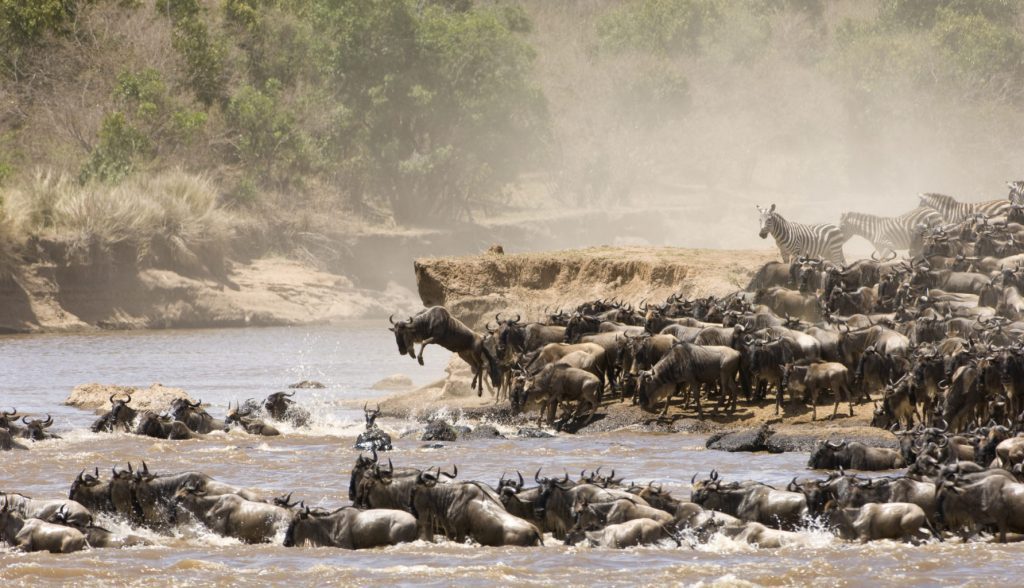
A Wildebeest Migration Safari in Serengeti National Park and the Maasai Mara National Reserve is one of the most extraordinary wildlife experiences on Earth. Known as the Great Migration, this iconic African safari adventure involves over 1.5 million wildebeest, zebras, and gazelles moving in a continuous cycle across the Serengeti-Mara ecosystem. Travelers seeking a Tanzania safari or Kenya safari often prioritize this bucket-list journey for its dramatic river crossings, predator action, and breathtaking landscapes. Whether you’re planning a luxury African safari, mid-range tour, budget camping safari, or private bespoke experience, understanding when and where to go is key. This guide covers migration patterns, safari costs, best time to visit, safari packages, and expert travel tips to help you plan the ultimate Great Migration safari in East Africa. What is the Great Wildebeest Migration? The Great Wildebeest Migration is the largest overland animal migration in the world, taking place annually across the Serengeti ecosystem. More than 1.5 million wildebeest, accompanied by hundreds of thousands of zebras and gazelles, move in search of fresh grazing and water. This natural phenomenon is driven by seasonal rainfall patterns and survival instincts, creating a year-round wildlife spectacle. The migration includes calving season, dramatic river crossings, and predator-prey interactions involving lions, crocodiles, and hyenas. A Great Migration safari offers unmatched game viewing and photography opportunities. Whether you choose a Serengeti safari or a Maasai Mara safari, witnessing this event guarantees an unforgettable African safari experience filled with raw nature, thrilling encounters, and scenic landscapes unique to Tanzania and Kenya. Where Does the Migration Take Place? The migration occurs across two major destinations: Serengeti National Park and Maasai Mara National Reserve. In Tanzania, the Southern Serengeti and Ndutu region host the calving season, while the Central Serengeti offers year-round wildlife viewing. The Western Corridor is famous for Grumeti River crossings, and the Northern Serengeti sees dramatic Mara River crossings. In Kenya, the Maasai Mara becomes a hotspot between July and October when herds cross from Tanzania. Choosing the right location depends on timing and migration patterns. Many travelers combine both countries for a complete East African safari experience. Each region provides unique landscapes, wildlife density, and safari accommodations ranging from luxury lodges to mobile tented camps designed to follow the migration closely. When is the Best Time to Go on a Migration Safari? The best time for a Wildebeest Migration safari depends on what you want to witness. From January to March, calving season in Southern Serengeti offers incredible predator action and newborn wildlife. Between April and June, herds move northwest during the green season, ideal for fewer crowds and lush scenery. From July to October, the famous Mara River crossings occur in the Northern Serengeti and the Maasai Mara—this is peak safari season. November to December sees herds returning south. Timing your Tanzania safari correctly ensures optimal wildlife viewing and photography. Each season provides a unique perspective of the Great Migration, making it a year-round safari destination for nature lovers, photographers, and adventure travelers. January – March (Calving Season) January to March is widely considered one of the best times to visit Serengeti for calving season and predator action. During this period, the southern plains of Serengeti National Park and the Ngorongoro Conservation Area host over 500,000 newborn wildebeest calves. This season offers incredible opportunities for wildlife photography safari in Tanzania and close encounters with predators like lions, cheetahs, and hyenas. The lush green landscapes make it ideal for scenic safaris. For travelers searching for when to see baby animals in Africa, this is the perfect window, combining high predator activity with stunning, vibrant plains and excellent game viewing conditions. April – May (Moving North) April and May mark the long rains, often called the green season safari Tanzania, when herds begin moving northward. Although considered the low season for Serengeti safaris, this period offers fewer crowds and discounted safari packages. The migration spreads out across central Serengeti National Park, making sightings more unpredictable but still rewarding. Travelers looking for affordable Tanzania safari deals and quiet safari experiences will appreciate this time. The landscapes are lush, dramatic, and perfect for photography. While heavy rains can affect road conditions, experienced guides still deliver excellent wildlife encounters away from peak-season crowds. June – July (Western/Northern Corridor) June and July signal the beginning of the Great Migration River crossing season, as herds move into the western corridor and Grumeti region. This is one of the best times for Serengeti safari tours due to dry weather and concentrated wildlife. In areas near the Grumeti River, dramatic crossings begin, though less intense than later in the north. Visitors searching for the best time to visit Serengeti for migration viewing will find excellent predator-prey interactions and easier game spotting due to shorter grass. The transition toward the northern Serengeti also begins, making this a prime time for both first-time safari travelers and seasoned wildlife enthusiasts. August – September (Peak River Crossings) August and September are the peak months for the Great Migration River crossings, one of Africa’s most dramatic wildlife spectacles. In the northern Serengeti National Park and across the Masai Mara National Reserve, massive herds face crocodile-infested rivers like the Mara River. This period ranks highest for travelers searching for the best time to see wildebeest river crossings and the luxury African safari peak season. Wildlife density is exceptional, and predator action is intense. Expect higher prices and more visitors, but the reward is unforgettable, adrenaline-filled moments that define the ultimate African safari experience. October – November (Masai Mara/Heading South) October and November mark the transition phase as herds begin their journey south from the Masai Mara National Reserve back into the Serengeti National Park. Known as the short rains season, this period offers excellent shoulder season safari deals with fewer tourists. Wildlife remains abundant, and the landscapes begin to turn green again. For travelers searching for the best time for an uncrowded safari in Tanzania, this is a hidden gem. The migration is still active, and predator sightings remain
Best Safari in Africa 8-Day Safari Experts. We’ll Show You Africa
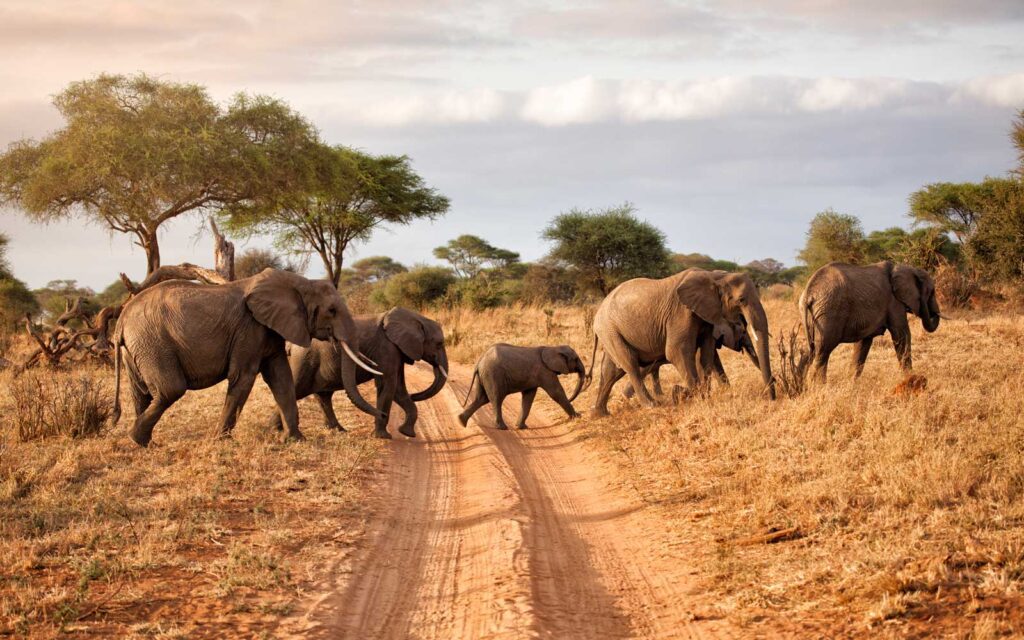
Authentic Safaris & Tours in Africa 8-Day Book African Safaris, Tours & Experiences Explore the best 8-day safari in Africa with a fully narrated itinerary across Tarangire, Ngorongoro, and Serengeti. Find prices, traveler reviews, and perfect trip ideas for couples, families, and wildlife lovers.. Explore Discover the ultimate 8-day African safari detailed trip reviews, photos, maps & affordable vacation packages. 8 Day East African Safari – Tarangire, Ngorongoro, Serengeti National Park Embark on an unforgettable 8-day safari through Tanzania’s iconic northern circuit—perfect for families, couples, and honeymooners. Begin in Tarangire National Park, known for its ancient baobabs and massive elephant herds. Continue to the majestic Ngorongoro Crater, a UNESCO World Heritage Site teeming with rhinos, lions, and flamingos in a stunning volcanic caldera. Then, spend several thrilling days in the legendary Serengeti National Park, witnessing the Great Migration and Africa’s Big Five across endless savannahs. This all-inclusive safari includes guided game drives, luxury lodges or tented camps, meals, park fees, and transfers. The experience blends adventure, comfort, and breathtaking scenery. Guests praise the knowledgeable guides, seamless logistics, and life-changing wildlife encounters. Detailed maps, traveler photos, and verified reviews highlight the safari’s value and excellence. Prices vary by season and accommodation level, offering options from mid-range to luxury. Whether you’re celebrating love or making family memories, this 8-day African safari promises the best of wilderness travel in one unforgettable trip. 8-day Best Safari in Africa Itinerary Here’s a detailed and for an incredible safari experience in Africa well-narrated 8-day luxury itinerary for the “Best Safari in Africa, focusing on Tarangire National Park, Ngorongoro Conservation Area, and Serengeti National Park. This itinerary is designed for maximum wildlife viewing and comfort, with stays at some of Tanzania’s most exquisite lodges and camps. Book an 8-Day “Best of Africa” Luxury Safari: Tanzania’s Northern Circuit Gems. This 8-day luxury safari is designed to showcase the very best of Tanzania’s Northern Circuit, renowned for its incredible wildlife concentrations and stunning landscapes. From the ancient baobabs of Tarangire to the iconic Ngorongoro Crater and the vast plains of the Serengeti, each day promises exhilarating game viewing, unparalleled comfort, and unforgettable moments in the heart of the African wilderness. Day 1: Arrival in Tanzania – Gateway to the Wild Upon your arrival at Kilimanjaro International Airport (JRO), you’ll be warmly greeted by your private safari guide and driver. The crisp, clean air of Tanzania, often carrying the scent of distant savannah, will signal the beginning of your grand adventure. You’ll be comfortably transferred to the opulent Mount Meru hotel in Arusha. A sophisticated haven nestled in the heart of Arusha with stunning views of Mount Meru. Settle into your elegant room, refresh, and perhaps take a dip in the pool or enjoy a spa treatment. A delightful dinner at the hotel awaits, allowing you to relax and anticipate the incredible journey ahead. Accommodation: Mount Meru Hotel Arusha. Meals: Dinner Day 2: Arusha to Tarangire National Park – Elephant Paradise After a sumptuous breakfast, your safari truly begins as you depart Arusha for Tarangire National Park (approx. 2-3 hour drive). Tarangire is often best African Safari Parks & destinations characterized by its colossal baobab trees and vast elephant herds, especially during the dry season (June to October). You’ll embark on your first thrilling game drive upon arrival, traversing the unique landscapes and encountering the best African Safari’s diverse wildlife. Keep your eyes peeled for lions, giraffes, zebras, wildebeest, and a myriad of bird species. As the day winds down, you’ll arrive at the charming Plantation Lodge in Karatu (approx. 1.5-2 hours’ drive from Tarangire’s exit), a beautiful property set amidst coffee plantations with lush gardens, offering a tranquil and luxurious retreat. Dinner and overnight at the lodge. Accommodation: Plantation Lodge, Karatu (or similar luxury lodge in the Karatu area) Meals: Breakfast, Lunch, Dinner Day 3: Ngorongoro Crater – A World Within a Crater Today is a major highlight of your safari! After an early breakfast at Plantation Lodge, you’ll embark on a short drive to the Ngorongoro Conservation Area, ascending to the crater rim. Then, you’ll descend 600 meters into the magnificent Ngorongoro Crater for a breathtaking 5-6 hour game drive. Often referred to as Africa’s “Garden of Eden,” the crater floor is a natural amphitheater teeming with an incredible density of wildlife, where to go for your first time safari in Africa. Expect close-up encounters with the “Big Five” – lion, leopard, elephant, rhino, and buffalo – along with numerous zebras, wildebeest, hippos, and a diverse array of birdlife. The unique ecosystem within the crater ensures a vibrant and active wildlife viewing experience. After your unforgettable crater exploration, you’ll ascend back to the rim and check into your luxurious accommodation situated directly on the crater rim, such as the Ngorongoro Serena Safari Lodge or a similar high-end lodge. Enjoy spectacular panoramic views of the crater as you savor dinner and prepare for a restful overnight stay. Accommodation: Ngorongoro Serena Safari Lodge (or other related luxury lodge on the crater rim) Meals: Breakfast, Lunch, Dinner Day 4: Ngorongoro to Serengeti National Park – The Endless Plains Beckon After breakfast with stunning views of the crater, you’ll begin your journey from Ngorongoro towards the iconic Serengeti National Park. You’ll enjoy an en-route game drive as you travel. Witnessing the gradual change in landscape from the highlands to the vast, seemingly endless plains for which the Serengeti is famous. Africa Map and Safari Tour Destinations. This journey offers a chance to spot wildlife along the way, often leading to unexpected encounters, the best African safari destination. Your destination for the next three nights is the elegant Serengeti Kubu Kubu Luxury Tented Safari Lodge, perfectly positioned in the central Serengeti. This camp offers a blend of modern African ambience and comfort, designed to immerse you in the heart of the wild. Settle into your opulent tent and enjoy a delightful dinner under the African sky. Accommodation: Serengeti Kubu Kubu Luxury Tented Safari Lodge Meals: Full Board Day 5: Serengeti National Park
8-Day Tanzania Safari and Zanzibar Itinerary
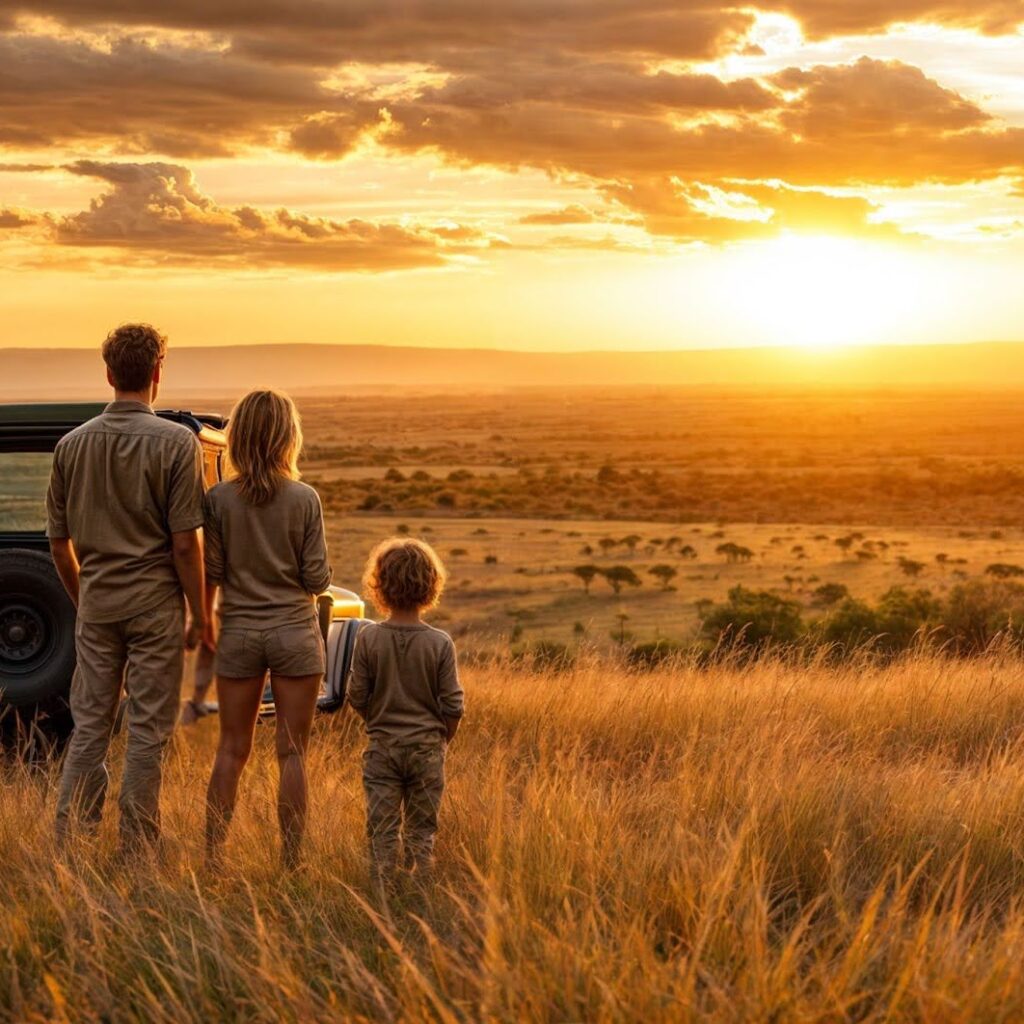
8 Days Tanzania Safari and Zanzibar Discover a breathtaking 8-day Tanzania Safari and Zanzibar itinerary—from thrilling game drives to romantic island sunsets. See reviews, photos, costs, Includes pricing, and a map of your journey through Tarangire, Ngorongoro, Manyara, and Zanzibar. Ultimate 8-day Tanzania Safari and Zanzibar itinerary 8-Day Tanzania Safari and Zanzibar Itinerary offers the perfect blend of wildlife adventure and tropical relaxation. Begin in Tarangire National Park, known for its vast elephant herds and baobab trees. Continue to Lake Manyara, rich in birdlife and tree-climbing lions. Explore the breathtaking Ngorongoro Crater, home to the Big Five in a lush volcanic caldera. End your journey on the exotic beaches of Zanzibar, where turquoise waters and Swahili culture await. Ideal for families and honeymooners, this itinerary balances thrilling safaris with romantic beach escapes. Prices typically range from $3,500 to $6,000 per person, depending on season, accommodation level, and customization. Costs include park fees, full-board lodges, domestic flights, guided tours, and some Zanzibar activities. Couples enjoy private game drives and candlelit beach dinners, while families benefit from kid-friendly lodges and flexible pacing. Reviews highlight exceptional service, knowledgeable guides, and unforgettable scenery. Photos showcase game drives, crater vistas, and Zanzibar’s pristine shores. A detailed map outlines your route, making trip planning effortless. Experience Tanzania’s diverse beauty with this unforgettable, sustainable journey. Ultimate 8- day Tanzania Safari and zanzibar itinerary This 8-day itinerary offers a fascinating blend of Tanzania’s renowned Northern Circuit safari highlights with the exotic allure of Zanzibar. Experience thrilling game drives in Tarangire, Lake Manyara, and the Ngorongoro Crater, followed by a relaxing escape to the spice island, designed for a smooth transition and memorable experiences. Book 8-Day Tanzania Safari & Zanzibar Escape: Wilderness to Island Bliss. This 8-day journey seamlessly combines the dramatic wildlife encounters of Tanzania’s Northern Circuit with the captivating charm of Zanzibar. From the elephant-filled plains of Tarangire to the magnificent Ngorongoro Crater, and finally to the pristine beaches and historic Stone Town of Zanzibar, this itinerary offers an unforgettable blend of adventure and relaxation. Day 1: Arrival in Tanzania – Gateway to Adventure Upon your arrival at Kilimanjaro International Airport (JRO), the warm Tanzanian air will greet you. After clearing customs, you’ll be warmly welcomed by your safari representative. A comfortable transfer will take you to your accommodation near Arusha (details for a specific Arusha hotel needed here, as the itinerary only states “Arrival in Tanzania”). Settle in, relax after your journey, and prepare for the incredible journey ahead. Day 2: Arusha to Tarangire National Park – Land of Giants After breakfast, your safari adventure truly begins! You’ll embark on a scenic drive south towards Tarangire National Park, renowned for its immense elephant herds and iconic baobab trees. Upon entering the park, prepare to be captivated by its majestic beauty. Your game drive will involve searching for these gentle giants, along with lions, leopards, and a myriad of other wildlife. As the sun begins to set, you’ll head to the comfortable Country Lodge Karatu (located near Karatu), where a delicious dinner awaits, setting the tone for the wild days ahead. Day 3: Ngorongoro Crater – Descent into a Natural Wonder Awaken to the sounds of the African morning at Country Lodge Karatu. Today promises one of Africa’s most breathtaking natural spectacles. After an early breakfast, your journey takes you towards the Ngorongoro Conservation Area, ascending the lush slopes that lead to the crater rim. Prepare for an exhilarating descent into the Ngorongoro Crater, often hailed as the “Eighth Wonder of the World.” For 5-6 hours, you’ll explore this immense, intact volcanic caldera, a veritable Garden of Eden teeming with an incredible concentration of wildlife. Witness a high likelihood of spotting the “Big Five” – lion, leopard, elephant, rhino, and buffalo – all thriving within this compact natural arena. After a truly unforgettable game drive on the crater floor, you’ll ascend back to the crater rim and return to the comfortable Country Lodge Karatu for dinner and a peaceful overnight stay. Day 4: Lake Manyara & Flight to Zanzibar – Safari to Island Paradise After breakfast at Country Lodge Karatu, you’ll embark on a game drive in Lake Manyara National Park. This park, nestled at the base of the towering Rift Valley escarpment, offers a striking contrast with its lush groundwater forests and diverse habitats. Enjoy a captivating game drive, keeping an eye out for Manyara’s famous tree-climbing lions (though sightings require luck!). You’ll also encounter large troops of baboons, graceful giraffes, and a myriad of colorful birdlife, including thousands of flamingos that often create a pink spectacle on the lake’s shores. Following your game drive, you’ll be transferred directly to Arusha Airport for your scenic domestic flight to Zanzibar. As you transition from the savannah to the sparkling turquoise waters of the Indian Ocean, the excitement for your island escape will build. Upon arrival at Zanzibar International Airport (ZNZ), you’ll be met and transferred to the vibrant Maru Maru Hotel in Stone Town. Settle into your charming accommodation and enjoy dinner, soaking in the unique atmosphere of this historic island city. Day 5: Stone Town & North Coast Beach Relaxation Today, you’ll experience the captivating blend of history and relaxation that Zanzibar offers. Begin your day exploring Stone Town, a UNESCO World Heritage Site. Wander through its labyrinthine alleys, discover ornate Zanzibari doors, visit bustling bazaars, and learn about the island’s rich past. Later, you’ll be transferred to the serene North Coast of Zanzibar, renowned for its stunning white-sand beaches and crystal-clear waters. Spend the afternoon relaxing on the beach, swimming, or simply soaking up the sun’s warmth. You’ll return to the Maru Maru Hotel in Stone Town for dinner and overnight. Day 6: Jozani Forest & Spice Tours – Nature’s Delights and Aromatic Wonders After breakfast, immerse yourselves in Zanzibar’s natural beauty and rich aromas. In the morning, you’ll visit Jozani Forest, home to the rare and endemic Zanzibar Red Colobus monkeys. Enjoy a leisurely walk through the lush forest, observing these playful primates
Best of 6-Day Mid-Range Highlights of Tanzania Safari
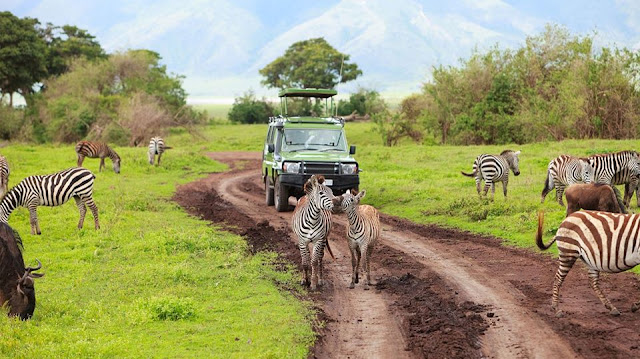
Nature Responsible safari 6 Day Tanzania Mid Range Safari Embark on a 6-day mid-range Tanzania safari through Tarangire, Serengeti & Ngorongoro Crater—perfect for families, couples, and honeymooners. Explore detailed trip reviews, photos, maps & affordable vacation packages. African Overland Tours 6-Day Mid Range Safaris Embark on a fascinating 6-day mid-range Tanzania safari that takes you through three of Africa’s most iconic wildlife destinations: Tarangire National Park, Serengeti National Park, and the Ngorongoro Crater. This unforgettable journey is ideal for families, couples, and honeymooners seeking the perfect blend of adventure and comfort. Begin your safari in Tarangire, known for its ancient baobab trees and large elephant herds. Continue to the world-renowned Serengeti, where vast plains teem with wildlife and the Great Migration may unfold before your eyes. Conclude your adventure in the Ngorongoro Crater, a UNESCO World Heritage Site and natural wonder home to the Big Five. Enjoy expert-guided game drives, comfortable mid-range lodges or tented camps, and breathtaking scenery every step of the way. This package includes transportation, park fees, accommodation, and meals—offering a seamless, immersive experience. Whether you’re planning a family trip, a romantic escape, or a dream vacation, this 6-day safari promises unforgettable memories, stunning photos, and close encounters with Africa’s magnificent wildlife. 6-Day Tanzania Mid Range Safari Itinerary If you only have 6 days but still want to visit the most famous parks of Tanzania (Serengeti, Ngorongoro, Manyara, or Tarangire), this is the perfect tour for you. You only spend one night in Serengeti, which we usually think is too little. However, if your time frame is short and you really want to visit this amazing park, then this is the right choice for you. You’re in for an incredible 6-day mid-range Tanzania safari, perfectly balancing thrilling wildlife encounters with comfortable accommodations. This itinerary focuses on the highlights: Tarangire’s elephants, the vast Serengeti, and the breathtaking Ngorongoro Crater. This 6-day mid-range Tanzania safari is designed to showcase the best of Tanzania’s wildlife and landscapes: the elephant-rich Tarangire, the legendary Serengeti, and the magnificent Ngorongoro Crater. Enjoy comfortable accommodations and expertly guided game drives, creating a truly unforgettable African adventure. Day 1: Arrival in Tanzania – Warm Welcome to Arusha As you arrive at Kilimanjaro International Airport (JRO), the vibrant spirit of Tanzania will greet you. After clearing customs, you’ll be warmly welcomed by your dedicated safari guide. A comfortable transfer will whisk you away to the elegant Mount Meru Hotel in Arusha. Settle into your room, relax after your journey, and enjoy a delicious dinner, allowing the excitement of your upcoming safari to build. Day 2: Arusha to Tarangire National Park – Land of Giants After a hearty breakfast, your safari adventure truly begins! You’ll embark on a scenic drive south towards Tarangire National Park. Known for its immense elephant herds and iconic baobab trees, Tarangire offers a stunning landscape for your game drive. You’ll spend the day traversing its diverse terrain, spotting majestic elephants, graceful giraffes, zebras, wildebeest, and various predators. As the sun begins to set, you’ll head to your comfortable Karatu Safari Lodge, perfectly situated for tomorrow’s explorations, where a delicious dinner awaits. Day 3: Karatu to Central Serengeti – Journey to the Endless Plains After breakfast, you’ll journey towards the legendary Serengeti National Park. This isn’t just a transfer; it’s an en-route game drive as you traverse the vast plains of the Ngorongoro Conservation Area, occasionally spotting wildlife along the way. The landscape gradually opens up, revealing the seemingly endless grasslands that define the Serengeti. As you venture deeper into the park, the anticipation of encountering its famous inhabitants will build. Arrive at Kati Kati Tented Camp in the Central Serengeti, a classic tented camp offering an authentic safari experience. Settle into your comfortable tent, enjoy a delicious dinner, and let the sounds of the African night envelop you. Day 4: Serengeti to Ngorongoro Conservation Area – From Plains to Crater Rim Awaken to the sounds of the Serengeti and enjoy a final breakfast at Kati Kati. Today, you’ll embark on a thrilling morning game drive through the Central Serengeti, maximizing your chances for memorable wildlife encounters. Later in the day, you’ll begin your journey towards the magnificent Ngorongoro Conservation Area. This is another en-route game drive, offering continued opportunities to spot animals as you ascend the outer slopes of the ancient volcanic caldera. Your destination for the night is the luxurious Ngorongoro Serena Safari Lodge, perched on the crater rim, offering breathtaking panoramic views. Enjoy dinner and prepare for your full exploration of the crater tomorrow. Day 5: Ngorongoro Crater – A World Within a World & Return to Arusha An early start sees you descending into the magnificent Ngorongoro Crater for an unforgettable 5-6 hour game drive. This UNESCO World Heritage Site is a natural amphitheater, a pristine ecosystem teeming with an incredible concentration of wildlife. Your expert guide will navigate you through its diverse landscapes – grasslands, swamps, and forests – in search of the “Big Five,” with excellent chances of spotting the endangered black rhino. After this extraordinary experience, you’ll ascend back to the crater rim and begin your scenic drive back to Arusha. You’ll check back into the Mount Meru Hotel for your final overnight stay in Tanzania, allowing you to relax and reflect on the incredible journey. Day 6: Farewell, Tanzania – Departure Day Enjoy a leisurely breakfast at the Mount Meru Hotel. Depending on your international flight schedule, you may have some time for last-minute souvenir shopping or simply to savor your final moments in Tanzania. Your dedicated transfer will then take you to Kilimanjaro International Airport (JRO) for your onward flight back home, carrying with you indelible memories of Tanzania’s magic and its abundant wildlife. Inclusive & Exclusive Included for 6 Day Tanzania Mid Range Safari Private Jeep 4×4 equipped with refrigerator, portable charging stations and pop-up roof Overnight stays in public camping Areas All park entrances fees Professional English speaking safari guide & chef 5 Nights Safari accommodation Meals according to the itinerary
Endangered Animals You Might See on Safari
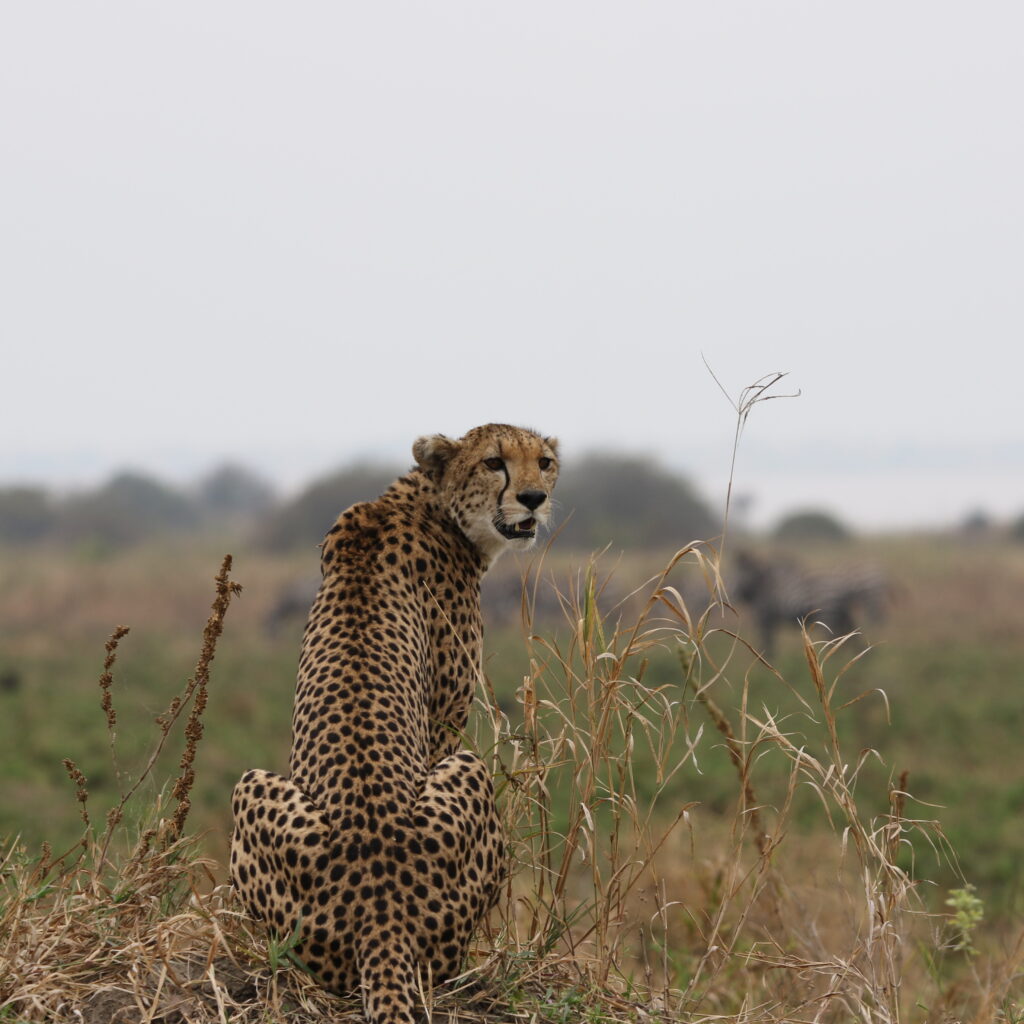
An African safari a profound journey into the heart of the wild, a vibrant tapestry of life that reminds us of nature’s boundless beauty. Yet, beneath the breathtaking spectacle lies a sobering reality: many of these magnificent creatures are fighting for survival. Witnessing an endangered animal in its natural habitat is not only a rare privilege but also a powerful call to action, highlighting the critical importance of conservation efforts. While a sighting is never guaranteed – indeed, their very scarcity makes them endangered – a safari offers a chance to connect with these vulnerable species. Here are 10 endangered animals you might be fortunate enough to see on your African adventure, along with a glimpse into their lives and the challenges they face. 1. Black Rhinos (Diceros bicornis) The Black Rhino a critically endangered species, having suffered a catastrophic 98% population decline between 1960 and 1995 due to rampant poaching for their horns. While their numbers have thankfully doubled since that low point, they remain precariously close to extinction. Smaller and more aggressive than their White Rhino cousins, Black Rhinos are typically solitary browsers, feeding on leaves and branches. Conservation Status: Critically Endangered (IUCN Red List) Where you might see them. Tanzania’s Ngorongoro Crater offers one of the most reliable places to spot Black Rhinos, thanks to intensive protection within the caldera. Small, heavily guarded populations also exist in the Serengeti National Park and Nyerere National Park (formerly Selous Game Reserve) in Southern Tanzania. Outside of Tanzania, Namibia and Kenya are also key strongholds. Why they’re endangered.Poaching for their horns, primarily for use in traditional Asian medicine and as a status symbol, remains their biggest threat. Habitat loss and fragmentation also contribute to their vulnerability. 2. Mountain Gorillas (Gorilla beringei beringei) Encountering a Mountain Gorilla often described as one of the most moving wildlife experiences on Earth. Their intelligent eyes and strikingly human-like behaviors create an unforgettable connection. These gentle giants live in tight-knit family groups led by a dominant silverback. They spend their days foraging for leaves, stems, and fruits in the dense, misty forests. Conservation Status: Endangered (IUCN Red List) – Previously Critically Endangered, their status improved due to concerted conservation efforts. Where you might see them. To see Mountain Gorillas, you must embark on a dedicated gorilla trekking safari, which occurs in specific rainforest parks. These are primarily found outside of Tanzania: Bwindi Impenetrable National Park and Mgahinga Gorilla National Park in Uganda. Volcanoes National Park in Rwanda. Virunga National Park in the Democratic Republic of Congo. Why they’re endangered. Habitat loss due to human encroachment and agriculture, poaching (though less common now than in the past), and disease transmission from humans pose significant threats. Tourism plays a vital role in their conservation by funding anti-poaching units and community development. 4. Pangolins (Various species) Pangolins truly unique and deeply enigmatic creatures. These nocturnal, scaly mammals are the only known mammals with scales made of keratin. When threatened, they roll into a tight ball, protected by their armor. They feed exclusively on ants and termites, using their incredibly long, sticky tongues. They are perhaps the most trafficked mammals in the world, making sightings incredibly rare. Conservation Status: All eight species of pangolins (four African, four Asian) range from Vulnerable to Critically Endangered (IUCN Red List). Where you might see them. Seeing a pangolin on safari is akin to winning the lottery. They are extremely shy and nocturnal. Your best (though still incredibly slim) chances would be in more remote areas or on specialized night drives in parks across Africa, such as South Africa’s Kalahari region or parts of Botswana. They are present in various Tanzanian parks, but sightings are virtually unheard of on a standard safari. Why they’re endangered. They are facing unprecedented poaching pressure due to demand for their scales (used in traditional medicine) and meat, particularly in Asian markets. Habitat loss also contributes to their decline. 4. African Wild Dogs (Lycaon pictus) Known as “Painted Dogs” or “Painted Wolves” due to their striking, mottled coats, African Wild Dogs are highly intelligent, social, and incredibly efficient pack hunters. They are distinguished by their large, rounded ears and distinct lack of a dewclaw. Their cooperative hunting methods are fascinating to observe. Conservation Status. Endangered (IUCN Red List) Where you might see them. African Wild Dogs live in scattered populations and require vast territories endangered animals you might see on safari. Your best chances on a Tanzanian safari in Nyerere National Park (formerly Selous Game Reserve) and Ruaha National Park in Southern Tanzania, which are major strongholds for the species. Outside Tanzania, Botswana (Okavango Delta, Linyanti) and Zimbabwe (Mana Pools, Hwange) are also excellent. Why they’re endangered. Habitat fragmentation, human-wildlife conflict (often killed by farmers protecting livestock), and susceptibility to diseases like rabies and canine distemper transmitted from domestic dogs are their primary threats. 5. Cheetahs (Acinonyx jubatus) The fastest land animal, the cheetah a marvel of evolutionary design, built for explosive speed endangered animals you might see on safari. Their slender build, distinctive tear marks, and powerful legs make them instantly recognizable. Unlike other big cats, cheetahs primarily hunt during the day and rely on open grasslands for their high-speed pursuits. Conservation Status: Vulnerable (IUCN Red List) – While not as critically endangered as others on this list, their numbers are declining rapidly. Where you might see them. The vast, open plains of the Serengeti National Park (especially the central and eastern areas) offer excellent opportunities to spot cheetahs. They are also present in the Ngorongoro Crater and sometimes in Tarangire National Park. Outside Tanzania, Namibia has the largest population. Why they’re endangered. Habitat loss and fragmentation, human-wildlife conflict (often killed for preying on livestock), and a remarkably low genetic diversity (making them susceptible to disease) are major challenges. 6. African Penguins (Spheniscus demersus) While not a typical “safari” animal in the sense of a savanna game drive, the African Penguin is a unique and charismatic endangered species found exclusively on the coasts of Southern Africa.