
Lake Eyasi Cultural Tour
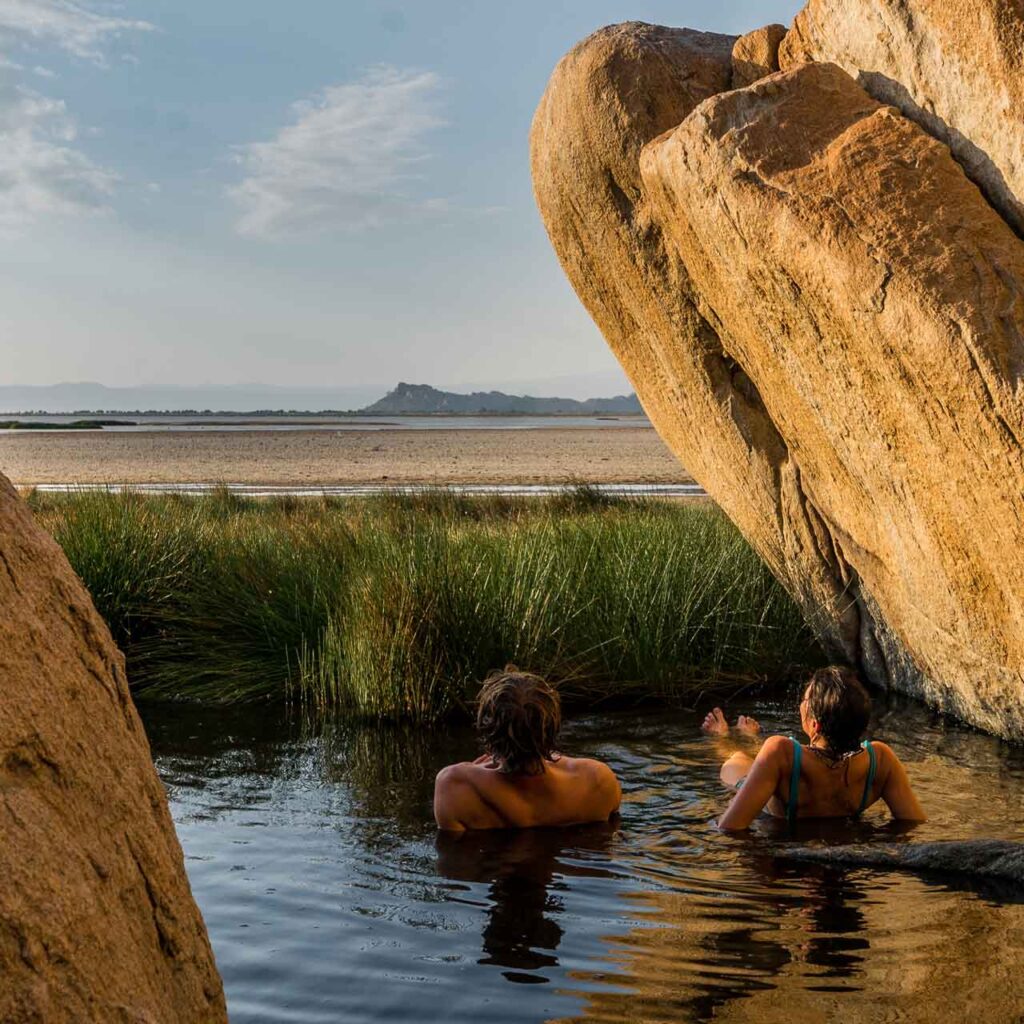
4-Day Lake Eyasi Cultural Tour Experience A 4-day Lake Eyasi cultural tour in Tanzania offers a unique opportunity to experience the traditional lifestyles of the Hadzabe hunter-gatherers and Datoga blacksmiths, along with the stunning landscapes of the Lake Eyasi region. The tour typically includes visits to local villages, participation in hunting and gathering activities with the Hadzabe, witnessing blacksmithing with the Datoga, and enjoying the natural beauty of the lake and surrounding areas. 4-Day Lake Eyasi cultural tour packages Experience a captivating 4-day journey to Lake Eyasi, ideal for families, couples, and cultural explorers. This tour offers rich encounters with the Hadzabe and Datoga tribes—one of Africa’s last hunter-gatherers and skilled blacksmiths. Family & Mid-Range Options feature comfortable lodges, guided nature walks, and hands-on cultural activities like bow-hunting and traditional dancing. Prices range from $1,200–$1,700 per person, including meals, transport, park fees, and English-speaking guides. Lake Eyasi Cultural Tour Experience for Honeymoon/Couples Packages offer private tents or romantic eco-lodges with sunset views and intimate cultural moments, starting at $1,500 per person. Luxury Tours (from $2,000+) include upgraded lodges, private vehicles, and personalized service. Budget Options (around $900–$1,100) provide basic camps, shared transport, and full cultural access. Tours start in Arusha and include visits to Lake Manyara or Ngorongoro en route. Reviews praise the authenticity, knowledgeable guides, and deep cultural immersion. A map highlights key stops, including tribal villages, Eyasi Lake, and nearby wildlife parks. This tour blends nature, tradition, and unforgettable memories in one enriching package. 4-Day Lake Eyasi Cultural Tour Itinerary This 4-day itinerary offers a deeply immersive cultural experience focused on the fascinating tribes around Lake Eyasi, complemented by comfortable stays in Arusha. As it’s July, the weather will be dry and pleasant, with warm days and cooler evenings, ideal for outdoor activities and cultural interactions. A Lake Eyasi cultural tour typically involves experiencing the unique lifestyles of the Hadzabe and Datoga tribes, known for their hunter-gatherer traditions and blacksmithing skills, respectively. A common itinerary includes interactions with the Hadzabe, observing their hunting and gathering techniques, and learning about their culture. Similarly, visits to Datoga villages offer insights into their blacksmithing and craftsmanship, often including demonstrations of their skills. Day 1: Arrival in Tanzania – Gateway to Adventure Your unique cultural journey begins as you arrive in Tanzania, touching down at either Kilimanjaro International Airport (JRO) or the closer Arusha Airport (ARK). Upon arrival, you’ll be warmly welcomed by your dedicated guide, who will be your companion and cultural bridge throughout this experience. You’ll then be comfortably transferred to the Mount Meru Hotel in Arusha. After checking in, take some time to settle into your spacious room. The Mount Meru Hotel, nestled against the backdrop of the majestic Mount Meru, offers a blend of comfort and elegance. You can relax by the pool, explore the hotel’s amenities, or simply unwind after your journey. In the evening, enjoy a delightful dinner at the hotel’s restaurant, savoring local flavors or international cuisine, and preparing for the exciting cultural encounters that lie ahead. Day 2: Arusha to Lake Eyasi – Into the Land of the Hunter-Gatherers After a delicious breakfast at Mount Meru Hotel, you’ll embark on a fascinating drive (approximately 3-4 hours) from Arusha to the remote and captivating Lake Eyasi. This journey takes you through varying landscapes, from the bustling Arusha city to more rural areas, providing glimpses of everyday Tanzanian life. Lake Eyasi is a seasonal soda lake in the Great Rift Valley, renowned not just for its natural beauty but more significantly as home to some of Tanzania’s most culturally distinct indigenous tribes. Upon arrival, you’ll check into your chosen accommodation – either the comfortable Lake Eyasi Safari Lodge or the authentic Tindiga Tented Camp. Both offer unique experiences, blending rustic charm with modern comforts. In the late afternoon, depending on your arrival time, you might enjoy an introductory walk around the lodge area or participate in a gentle cultural activity. As dusk settles over the lake, you’ll gather for dinner at your lodge/camp, enjoying the serene atmosphere and anticipating the profound cultural encounters planned for the following day. Day 3: Lake Eyasi Cultural Immersion & Return to Arusha – A Day of Authentic Connections Today is the heart of your cultural experience! You’ll start before dawn for a truly unique and unforgettable interaction. Guided by local experts, you’ll join the Hadzabe tribe, one of the last remaining true hunter-gatherer communities in East Africa, on their morning hunt. Witness their incredible tracking skills, how they prepare their bows and arrows, and their intimate knowledge of the bush. This is a rare opportunity to observe their traditional way of life firsthand. Later in the morning, you’ll visit the Datoga tribe, skilled silversmiths and farmers. You’ll learn about their intricate ironworking techniques, visit their homesteads, and gain insights into their unique customs, beliefs, and farming practices. There will also be an opportunity to interact with the Datooga women as they prepare traditional meals. This immersive experience offers a profound understanding of these ancient cultures. After these enriching cultural activities and a picnic lunch, you’ll bid farewell to the communities of Lake Eyasi and begin your drive back to Arusha (approximately 3-4 hours). Reflect on the incredible connections you’ve made and the unique insights gained. Upon arrival in Arusha, you’ll check back into the comfort of the Mount Meru Hotel for dinner and a well-deserved rest. Day 4: Farewell in Tanzania – Cherished Memories Enjoy a final, leisurely breakfast at the Mount Meru Hotel. Depending on your flight schedule, you might have some free time for last-minute souvenir shopping in Arusha, exploring the hotel grounds, or simply relaxing and savoring the last moments of your Tanzanian adventure. At the appropriate time, your guide will pick you up from the hotel and provide a comfortable transfer to either Kilimanjaro International Airport (JRO) or Arusha Airport (ARK) for your onward flight. As you depart, you’ll carry with you not just souvenirs, but a wealth of authentic memories, a deeper appreciation for
Why Climb Kilimanjaro With Us
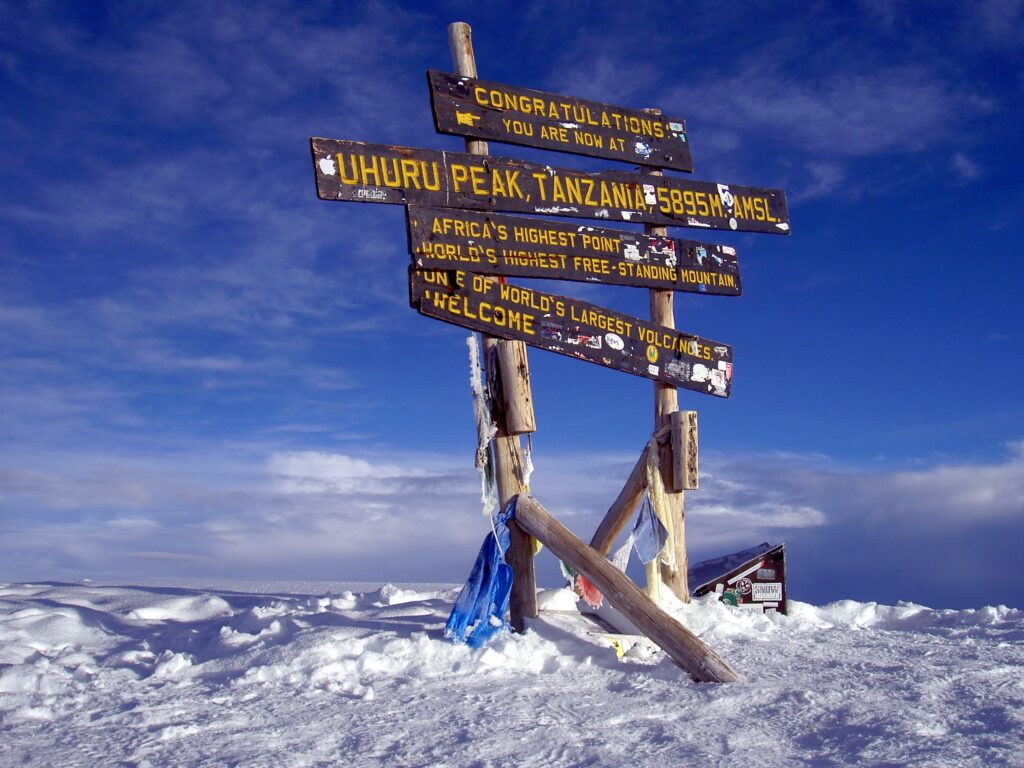
Climbing Kilimanjaro with a reputable operator enhances your chances of a safe and successful summit experience. Look for companies with experienced guides, comprehensive support, and a strong commitment to responsible travel practices. Choose a company that offers personalized service, including custom itineraries, and prioritizes the well-being of both clients and porters. The decision to climb Mount Kilimanjaro is a momentous one. It’s an investment of time, money, and personal courage, a journey to the roof of Africa that demands careful planning and impeccable support. With numerous tour operators vying for your attention, choosing the right partner for this extraordinary adventure is paramount. This isn’t just about reaching the summit; it’s about a safe, memorable, and responsible experience from start to finish. So, why choose us for your Kilimanjaro dream? Here’s what sets us apart. 1. Experienced Guides: The Pillars of Your Ascent Our team comprises experienced guides who know the mountain like the back of their hands. They are not merely navigators; they are local experts, passionate about sharing their knowledge of the terrain, flora, and fauna. Our guides have undergone rigorous training and possess certifications in mountain climbing, first aid, and emergency care to ensure that you are in safe hands throughout your journey. At the heart of every successful Kilimanjaro climb is the expertise of its guiding team. Our guides are not merely individuals who know the way up the mountain; they are highly seasoned professionals, many with decades of experience on Kilimanjaro’s slopes. They possess an intimate knowledge of every route, every weather pattern, and every subtle sign of altitude sickness. Our lead guides are certified Wilderness First Responders (WFR) or equivalent, trained to handle medical emergencies at high altitude. They conduct daily health checks, monitor vital signs, and make critical decisions that prioritize your safety above all else. Their calm demeanor, encouraging words, and profound understanding of the mountain environment are invaluable assets that will inspire and support you every step of the way. With us, you’re not just getting a guide; you’re gaining a lifeline and a mentor. 2. Safety Procedures: Our Unwavering Commitment Safety is our top priority. We implement stringent safety procedures on every climb. Our approach includes thorough pre-climb briefings, regular health checks, and acclimatization techniques designed to minimize the risks associated with high-altitude climbing. Every guide on our team carries essential safety equipment, and we monitor weather conditions closely to ensure a safe ascent. Your safety is our absolute highest priority. We adhere to stringent safety protocols that far exceed minimum requirements, ensuring every possible measure is taken to mitigate risks associated with high-altitude trekking. Our procedures include: Daily Health Monitoring. Guides conduct regular health checks, including pulse oximetry readings, to track acclimatization and detect early signs of AMS. Emergency Oxygen. We carry supplementary oxygen on every climb, used for medical emergencies only, not for general assistance to push clients higher. Comprehensive First-Aid Kits. Our kits are fully stocked and regularly updated, capable of handling a wide range of medical situations. Evacuation Protocols. We have robust emergency evacuation plans in place, including communication systems to summon assistance quickly if needed. Small Group Sizes. We advocate for smaller group sizes, allowing our guides to provide more personalized attention and closely monitor each climber’s well-being. We believe that a successful summit only truly successful if it is achieved safely. 3. Support and Logistics: Seamless Journeys, From Start to Finish Climbing Kilimanjaro requires meticulous planning, and we take care of all logistics. From arranging transport to the mountain to providing reliable gear and supplies, we handle everything, so you can focus on your climb. Our support staff, including porters and cooks, trained to keep your spirits high while providing nutritious meals and comfort during your trek. Climbing Kilimanjaro involves complex logistics, from permits and park fees to equipment transportation and meal preparation. Our extensive experience ensures every detail meticulously planned and executed, allowing you to focus solely on your trek. Our comprehensive support includes: High-Quality Camping Equipment. We provide durable, spacious tents, comfortable sleeping mats, and all necessary kitchen and dining equipment. Dedicated Support Crew. Beyond guides, you’ll have an entire team of assistant guides, cooks, and porters working tirelessly behind the scenes to set up camps, prepare delicious and nutritious meals, and transport your gear. Nutritious Meals. Our skilled cooks prepare varied, calorie-rich meals designed to fuel your ascent, catering to dietary restrictions where possible. Hydration is key, and ample boiled water is provided. Pre-Climb Briefings. Detailed briefings before your climb cover everything from packing tips to daily routines, ensuring you fully prepared and informed. From the moment you arrive in Tanzania until your departure, we manage all the intricacies, providing a seamless and stress-free experience. 4. Responsible Travel: Protecting the Mountain and Its People Environmental sustainability is integral to our philosophy. We practice responsible travel by minimizing our ecological footprint and supporting local communities. Our team ensures that all waste disposed of properly, and we promote eco-friendly practices throughout the climb. This commitment helps to protect Kilimanjaro’s breathtaking ecosystem for future generations. We deeply committed to responsible tourism practices that protect Kilimanjaro’s fragile ecosystem and benefit the local communities who call its slopes home. Our ethos built on sustainability and ethical operations. This commitment translates to: Fair Wages and Treatment of Porters. We adhere strictly to the Kilimanjaro Porters Assistance Project (KPAP) guidelines, ensuring our porters receive fair wages, proper gear, adequate food, and dignified treatment. Their well-being is paramount. Environmental Conservation. We operate on a “leave no trace” principle, ensuring all waste properly managed and carried off the mountain. We educate our clients on environmental best practices. Community Support. Where possible, we source locally and contribute to community initiatives, ensuring that tourism directly benefits the people of Tanzania. Climbing with us means you’re contributing to a positive impact, leaving only footprints and taking only memories. 5. We Are Local Tour Operators, Not Travel Agents: Direct Experience, Direct Support By choosing us, you’re supporting a local tour operator that understands the unique dynamics of the region. Unlike
Will Climbing Mount Meru Help Me Acclimatize for Kilimanjaro
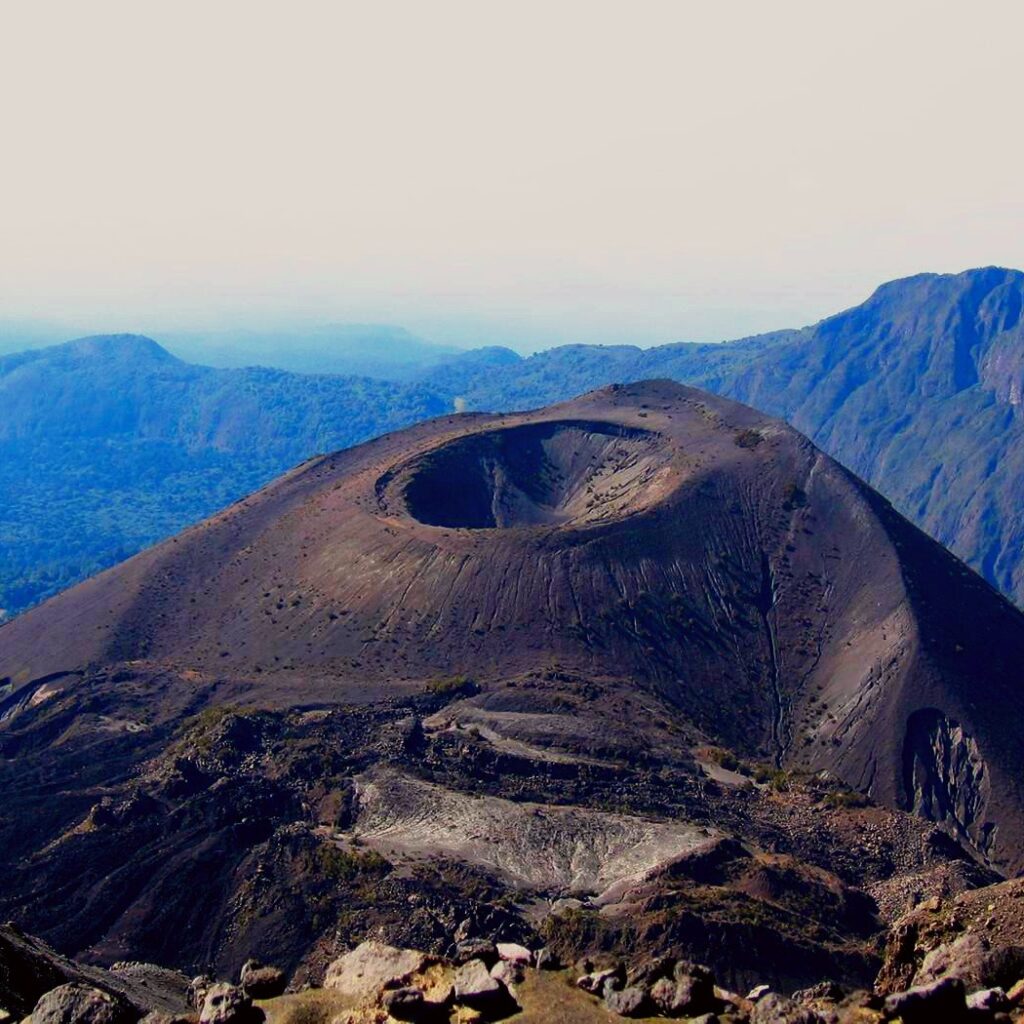
Climbing Mount Meru as an acclimatization trek for Mount Kilimanjaro is one of the most effective altitude preparation strategies in Tanzania. Many climbers planning a Kilimanjaro summit underestimate the importance of acclimatization and altitude adaptation, which are key factors in preventing altitude sickness and improving summit success rates. Mount Meru, located in Arusha within Arusha National Park, rises to 4,566 meters and provides a natural “training climb” before attempting Africa’s highest peak, Mount Kilimanjaro. This introduction explores how Mount Meru trekking enhances oxygen efficiency, builds endurance, and prepares the body for high-altitude trekking conditions. It also highlights why experienced trekking companies recommend a Meru climb as part of a Kilimanjaro acclimatization itinerary for safer, more successful summit attempts in Tanzania’s Northern Circuit trekking routes. Understanding Altitude Acclimatization for Kilimanjaro Altitude acclimatization is the physiological process by which your body adapts to lower oxygen levels at high elevations. When climbing Mount Kilimanjaro, trekkers face rapid altitude gain, which can lead to Acute Mountain Sickness (AMS) if the body is not prepared. Climbing Mount Meru helps the body gradually adjust to high-altitude conditions above 3,000 meters. This improves red blood cell production and oxygen delivery efficiency. Many Kilimanjaro trekking guides recommend acclimatization hikes like Mount Meru because they simulate real summit conditions. Proper acclimatization reduces fatigue, headaches, and dizziness, making your Kilimanjaro expedition safer and more enjoyable. Understanding this process is essential for anyone planning a successful Mount Kilimanjaro climb. Why Mount Meru Is a Perfect Pre-Kilimanjaro Trek Mount Meru is often described as the “hidden gem” of Tanzania trekking routes and an ideal warm-up for Kilimanjaro. Standing at 4,566 meters, it provides a challenging but manageable ascent that closely mirrors Kilimanjaro’s altitude profile. Unlike shorter hikes, Mount Meru exposes climbers to multi-day high-altitude conditions, making it an excellent preparation trek. Located inside Arusha National Park, it also offers diverse wildlife and scenic landscapes. This combination of altitude training and trekking experience helps climbers build stamina, confidence, and mental readiness before attempting Kilimanjaro. Many tour operators include Mount Meru in premium Tanzania safari and trekking packages for optimal acclimatization. How Mount Meru Prepares Your Body for High Altitude Climbing Mount Meru forces your body to gradually adapt to decreasing oxygen levels, which is essential for Kilimanjaro success. At higher elevations, your breathing rate increases, your heart works harder, and your body begins producing more red blood cells. This natural adaptation process is exactly what you need before tackling Kilimanjaro’s 5,895-meter summit. Trekking through Arusha National Park to reach Mount Meru’s summit allows for progressive altitude exposure, reducing the risk of altitude sickness. By the time you descend, your body is significantly better prepared for the demanding Kilimanjaro trekking routes such as Machame, Lemosho, or Marangu. Acclimatization Benefits for Kilimanjaro Climbers One of the biggest benefits of climbing Mount Meru before Kilimanjaro is improved acclimatization efficiency. Many climbers struggle with altitude-related symptoms on Kilimanjaro, but those who complete Mount Meru often experience smoother ascents. The body learns to regulate oxygen intake more effectively, which enhances endurance during long trekking days. This preparation reduces the likelihood of AMS, headaches, nausea, and fatigue. Additionally, climbers gain psychological confidence, knowing they have already experienced high-altitude trekking conditions in Tanzania. This dual benefit—physical and mental—makes Mount Meru one of the best acclimatization climbs in East Africa. Mount Meru vs Kilimanjaro: Key Differences While both peaks are located in Tanzania, Mount Meru and Mount Kilimanjaro offer very different trekking experiences. Kilimanjaro is a non-technical “walk-up” summit but reaches extreme altitude, while Mount Meru is slightly lower but more physically demanding due to steeper trails and wildlife presence. Mount Kilimanjaro requires a longer trekking duration and greater endurance, whereas Mount Meru is shorter but intense. Climbers often use Meru as a preparation climb to test fitness levels, gear, and altitude tolerance before attempting Kilimanjaro. This comparison highlights why combining both climbs is a smart strategy for serious trekking enthusiasts. Is Mount Meru Necessary Before Kilimanjaro Mount Meru is not mandatory for Kilimanjaro success, but it significantly increases summit success rates. Many first-time climbers skip it, but experienced trekkers and guides often recommend it for those who want better acclimatization. Since Kilimanjaro’s altitude gain is rapid, pre-acclimatization becomes crucial. Climbing Mount Meru gives your body a head start, reducing the risk of altitude sickness. It is especially beneficial for climbers using shorter Kilimanjaro routes like Marangu or Rongai. For those aiming for a safer, more enjoyable trekking experience, Mount Meru is a highly recommended optional acclimatization climb. Ideal Itinerary: Mount Meru Before Kilimanjaro A common Tanzania trekking itinerary includes a 3–4 day Mount Meru climb followed by 6–8 days on Kilimanjaro. This combination allows proper rest and recovery between expeditions. After summiting Mount Meru, climbers typically spend a few days in Arusha to recover before starting Kilimanjaro. This approach ensures gradual altitude exposure and optimal acclimatization. Tour operators design these itineraries to maximize summit success rates while minimizing altitude sickness risks. It is one of the most effective trekking strategies for climbers seeking both adventure and safety in Tanzania’s Northern Circuit. Physical Fitness Gains from Mount Meru Climb Climbing Mount Meru improves cardiovascular endurance, leg strength, and overall trekking fitness. The steep ascents and long trekking hours simulate conditions found on Kilimanjaro. This helps climbers understand their physical limits and adjust pacing strategies. Many trekkers discover their optimal hiking rhythm during the Meru ascent, which becomes invaluable on Kilimanjaro. Additionally, carrying a daypack at high altitude strengthens stamina and improves energy management. By the time climbers reach Kilimanjaro, their bodies are already conditioned for long, demanding trekking days. Mental Preparation for Kilimanjaro Success Mental endurance is just as important as physical fitness when climbing Kilimanjaro. Mount Meru helps build confidence by exposing climbers to real high-altitude conditions. The experience of hiking through forests, steep ridges, and volcanic terrain prepares the mind for Kilimanjaro’s challenges. Many trekkers report feeling more mentally resilient after completing Meru. This psychological advantage reduces anxiety and improves decision-making during Kilimanjaro’s summit push. Mental readiness is
Where to Stay in Lake Eyasi
Lake Eyasi, nestled in the Great Rift Valley of northern Tanzania, is not your typical safari destination. While it offers unique landscapes and birdlife, its primary draw is the unparalleled opportunity for authentic cultural immersion with the Hadzabe, Datoga, and Mbulu tribes. To truly experience this fascinating region, choosing the right accommodation is key – one that balances comfort with proximity to these communities and a commitment to ethical tourism. For an immersive experience near Lake Eyasi, options include the Lake Eyasi Safari Lodge, Kisima Ngeda Tented Camp, and Tindiga Tented Camp. These offer basic amenities and are well-suited for exploring the area and its unique cultures. The Lake Eyasi Safari Lodge is known for its views of the lake and its proximity to the Hadzabe and Datoga tribes. Staying near Lake Eyasi allows for early morning starts to join Hadzabe hunting expeditions or visit Datoga villages, maximizing your cultural exchange. Here’s a guide to some of the best places to stay around Lake Eyasi, catering to different preferences and budgets. 1. Tindiga Tented Camp: Proximity and Authenticity Tindiga Tented Camp offers a unique and authentic safari experience by immersing guests in the natural beauty and cultural richness of the Lake Eyasi region in Tanzania. Located near Qaund’ded Village and just 1.5 kilometers from Lake Eyasi, the camp provides close proximity to both the lake and the traditional homes of the Hadzabe and Datoga tribes. This setting allows for direct interaction with these indigenous communities and offers stunning views of the surrounding landscape, including Mount Masumbuku and the Serengeti plains. Tindiga Tented Camp is often considered the most authentic and conveniently located option for a deep cultural dive into the Hadzabe way of life. Situated very close to the Hadzabe traditional lands, it offers unparalleled access for early morning visits. Vibe. Rustic and intimate, with a strong focus on the cultural experience. It’s not a luxury camp, but it provides comfortable, clean accommodations. Accommodation. Simple, yet comfortable, permanent tents with en-suite bathrooms and basic amenities. The emphasis is on the experience outside the tent. Highlights. Its proximity to the Hadzabe means minimal travel time for cultural interactions. The camp often works closely with local guides from the community, ensuring respectful and genuine encounters. It’s ideal for those prioritizing cultural immersion over lavish amenities. 2. Kisima Ngeda Tented Camp: Upscale Immersion with Community Focus Kisima Ngeda Tented Camp offers a unique safari experience focused on cultural immersion and natural beauty, nestled on the shores of Lake Eyasi in Tanzania. The camp features eight spacious, palm-thatched tents, each with a private veranda and en-suite bathroom, elevated on wooden platforms. Guests can enjoy delicious meals prepared with local and organic ingredients, relax by the pool, and engage in activities like guided walks with the Hadzabe hunter-gatherers, birdwatching, and exploring the surrounding landscape. Kisima Ngeda Tented Camp offers a more upscale and refined experience while maintaining a strong commitment to cultural immersion and community engagement. It’s set in a beautiful, secluded location overlooking Lake Eyasi. Vibe. Boutique and eco-friendly, blending comfort with a deep respect for the environment and local cultures. Accommodation. Spacious, beautifully appointed safari tents with comfortable beds, en-suite bathrooms (often with outdoor showers), and private verandas offering stunning lake views. Highlights. Known for its excellent service, delicious food, and strong ties to the Hadzabe, Datoga, and Mbulu communities. They facilitate respectful cultural visits and often employ local staff. Its slightly elevated position offers fantastic panoramic views. 3. Lake Eyasi Safari Lodge: Comfort with a View Lake Eyasi Safari Lodge is a tranquil retreat located near Lake Eyasi in northern Tanzania, offering stunning views of the lake and the Ngorongoro Conservation Area. The lodge provides a blend of comfortable accommodations, cultural experiences, and proximity to wildlife viewing opportunities, making it a premier choice for travelers seeking an authentic African safari. Lake Eyasi Safari Lodge provides a 16 spacious rooms in double cottages, each with a private veranda overlooking the lake more traditional lodge experience, offering comfortable amenities and stunning views over the lake and the surrounding landscape. Vibe. Comfortable and relaxed, with a focus on providing a pleasant stay after a day of cultural exploration. Accommodation. Individual stone and thatch cottages, each with a private veranda, en-suite bathroom, and often a view. The lodge features a swimming pool, restaurant, and bar. Highlights. Offers a good balance of comfort and accessibility to the cultural sites. The swimming pool is a welcome amenity after dusty excursions, and the views, especially at sunset, are spectacular. It’s a solid choice for those who prefer lodge-style accommodation. 4. Acacia Farm Lodge: A Luxurious Base (Further Afield) While Acacia Farm Lodge is not directly on Lake Eyasi, it’s located in the nearby Karatu area, often serving as a luxurious base for day trips to the crater or Lake Eyasi. It’s important to note it’s about a 1.5-2 hour drive to Lake Eyasi from here. Vibe. High-end boutique lodge set amidst a coffee plantation, offering tranquility, luxury, and exceptional service. Accommodation. Elegant cottages with modern amenities, beautiful gardens, and often a swimming pool, spa, and gourmet dining. Highlights. If your priority is luxury and comfort with day trips to cultural sites, rather than being right on the doorstep, Acacia Farm Lodge is an excellent choice. It provides a serene retreat after a day of adventure. 5. Camping by Lake Eyasi: The Ultimate Immersion (Budget-Friendly) Camping at Lake Eyasi offers a unique and immersive experience, combining cultural encounters with the beauty of the African wilderness. Visitors can enjoy rustic campsites or opt for more comfortable lodge accommodations, all while engaging with the Hadzabe and Datoga tribes. Activities include interacting with the tribes, learning about their hunting and gathering lifestyle, and enjoying the stunning scenery. For the truly adventurous and budget-conscious traveler, camping by Lake Eyasi offers the most immersive and authentic experience. Many tour operators can arrange mobile camping, setting up comfortable tents with basic facilities. Vibe. Raw, adventurous, and deeply connected to nature. You’ll be sleeping under the
Why Africa Should Be Your Next Travel Destination
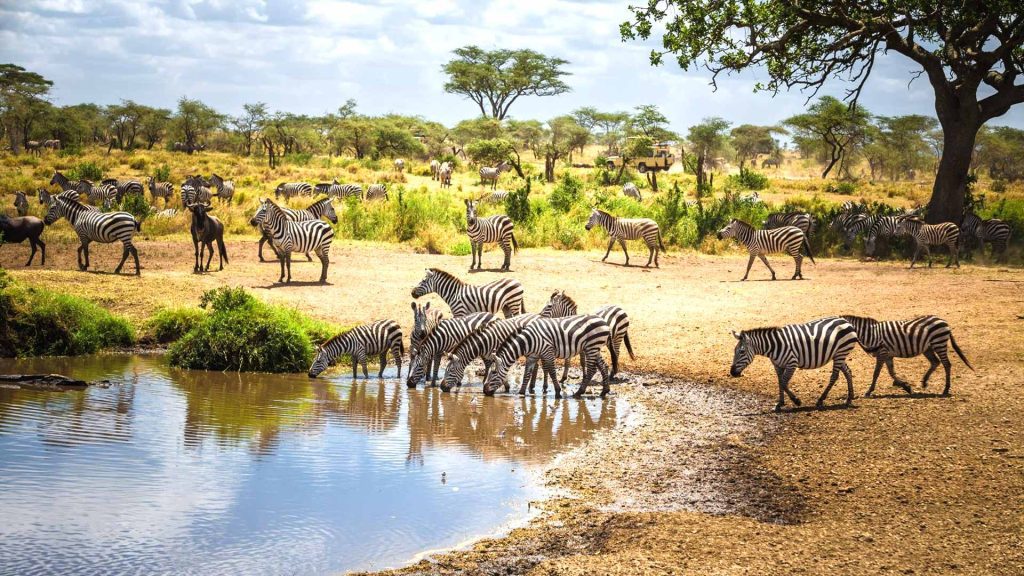
Africa is one of the most captivating and diverse travel destinations on Earth, offering unforgettable African safari experiences for every type of traveler. From world-famous African safaris and luxury safari lodges to pristine beaches, vibrant cultures, and iconic landscapes, African travel promises adventure, authenticity, and discovery. Whether you dream of witnessing the Great Migration in the Serengeti, climbing Mount Kilimanjaro, or relaxing on Zanzibar’s white-sand beaches, Africa delivers bucket-list moments at every turn. With growing interest in sustainable tourism, eco-friendly safaris, and bespoke travel experiences, Africa is becoming a top choice for luxury travelers, honeymooners, families, and solo explorers alike. Rich wildlife, diverse ecosystems, affordable travel options, and warm hospitality make Africa a must-visit destination. If you are planning your next trip, Africa travel packages offer unbeatable value, adventure, and unforgettable memories. 1. Incredible Wildlife and Safari Experiences Africa is globally renowned for its unmatched wildlife safaris and diverse ecosystems, making it the ultimate destination for nature lovers. From the iconic Big Five safari—lion, leopard, elephant, rhino, and buffalo—to rare species found only in Africa, the continent offers extraordinary game viewing. Top safari destinations like Serengeti National Park and Kruger National Park attract travelers seeking authentic African safari experiences. Witnessing the Great Migration, one of the world’s greatest wildlife spectacles, is a bucket-list moment for many. Whether you choose luxury safari lodges, mid-range tented camps, or budget camping safaris, Africa provides options for every traveler. Guided game drives, walking safaris, and hot air balloon safaris elevate the experience. For photographers, wildlife enthusiasts, and adventure seekers, African safari tours offer unforgettable encounters in pristine, untamed wilderness. 2. Breathtaking Natural Landscapes Africa’s landscapes are as diverse as they are stunning, ranging from vast savannahs and lush rainforests to dramatic deserts and towering mountains. Destinations like Mount Kilimanjaro, Africa’s highest peak, attract climbers from around the world seeking once-in-a-lifetime adventures. The golden dunes of the Namib Desert and the lush waterways of the Okavango Delta showcase the continent’s natural beauty. From the Ngorongoro Crater to Victoria Falls, Africa offers endless scenic wonders perfect for photography and exploration. Travelers can enjoy hiking, nature walks, and scenic drives across breathtaking terrain. Whether you prefer luxury escapes or rugged adventures, Africa’s landscapes provide unforgettable backdrops. These diverse environments also support rich biodiversity, making African travel ideal for eco-tourism and sustainable travel enthusiasts seeking immersive, nature-focused experiences. 3. Rich Culture and Traditions Africa is home to over 3,000 ethnic groups, each with unique traditions, languages, and cultural heritage. Visiting Africa offers travelers a chance to experience authentic cultural tourism through interactions with local communities like the Maasai people. Traditional dances, music, art, and storytelling provide deep insight into Africa’s vibrant identity. Cultural tours, village visits, and local markets allow travelers to connect meaningfully with people and traditions. From Swahili coastal culture to West African heritage, every region offers something unique. African cuisine, featuring rich flavors and local ingredients, is another highlight of the travel experience. For those seeking immersive and educational travel, Africa delivers cultural depth unlike anywhere else. This diversity makes Africa a top destination for travelers interested in history, anthropology, and authentic human connections. 4. Stunning Beaches and Tropical Islands Africa boasts some of the world’s most beautiful beaches and tropical island destinations. The idyllic shores of Zanzibar offer powdery white sand, turquoise waters, and luxury beachfront resorts perfect for relaxation and honeymoon getaways. Other popular beach destinations include Seychelles and Mauritius, known for their crystal-clear waters and vibrant marine life. Africa beach holidays combine relaxation with adventure, including snorkeling, scuba diving, and dhow sailing. Travelers can enjoy boutique hotels, all-inclusive resorts, and eco-lodges tailored to different budgets. Whether you seek romantic escapes or family-friendly vacations, Africa’s coastline provides unmatched beauty. Combining a safari with a beach holiday creates the ultimate African travel experience, blending wildlife adventure with tropical relaxation. These coastal destinations are ideal for luxury travel, honeymoon safaris, and unforgettable seaside escapes. 5. Affordable Travel Options for Every Budget Contrary to popular belief, Africa offers a wide range of travel options to suit every budget, from luxury safaris to affordable backpacking trips. Budget travelers can explore destinations with cost-effective accommodations, shared safari tours, and local transport options. Mid-range travelers enjoy comfortable lodges and guided tours at reasonable prices, while luxury travelers indulge in high-end safari lodges, private guides, and bespoke itineraries. Countries like Tanzania, Kenya, and South Africa provide flexible travel packages that cater to families, solo travelers, and honeymooners. Affordable African safari tours, combined with competitive pricing and diverse experiences, make Africa accessible to more travelers than ever. With proper planning, travelers can enjoy world-class experiences without overspending. Africa’s value-for-money travel opportunities make it a top choice for those seeking adventure, culture, and luxury on any budget. 6. Unique Adventure Activities Africa is a paradise for adventure seekers, offering thrilling activities that cater to all levels of excitement. From climbing Mount Kilimanjaro to gorilla trekking in Uganda and Rwanda, Africa provides unforgettable experiences. Safari adventures extend beyond game drives to include walking safaris, night safaris, and hot air balloon rides over the savannah. Water lovers can enjoy white-water rafting on the Zambezi River or diving in the Indian Ocean. Desert safaris, sandboarding, and quad biking add to the excitement. For adrenaline enthusiasts, African travel offers endless possibilities. These adventure activities are complemented by expert guides and well-organized tours, ensuring safety and enjoyment. Whether you are a thrill-seeker or casual explorer, Africa’s diverse adventure offerings make it a leading destination for active travel and unforgettable outdoor experiences. 7. Luxury Safari and Exclusive Experiences Africa is synonymous with luxury travel, offering world-class safari lodges and exclusive experiences. High-end destinations provide private game drives, gourmet dining, and personalized service in breathtaking natural settings. Luxury lodges in Serengeti National Park and Botswana’s Okavango Delta redefine comfort in the wilderness. Travelers can enjoy fly-in safaris, VIP treatment, and bespoke itineraries tailored to their preferences. Honeymooners and couples particularly favor luxury African safaris for their romantic ambiance and privacy. Sustainable luxury tourism is also growing, with eco-lodges
Best Places to Visit in Africa With Your Family

Africa, a continent of unparalleled natural beauty, vibrant cultures, and incredible wildlife, offers a truly transformative experience for families. Far from being solely an adult-oriented destination, many African countries, particularly Tanzania, are exceptionally well-equipped to host and delight travelers of all ages. A family safari or cultural immersion in Africa creates shared memories that last a lifetime, fostering a love for nature, an appreciation for diverse cultures, and a spirit of adventure in children and adults alike. Exploring Africa with your family is undoubtedly an enriching experience filled with adventure, learning, and unforgettable memories. Each of these destinations offers a unique glimpse into the continent’s vibrant ecosystems and cultures, making them perfect for family vacations. Whether it’s the thrill of a safari or the relaxation of a beach, Africa has something special for every family. From thrilling wildlife encounters to relaxing beach escapes and engaging cultural interactions, here are some of the best places to visit in Africa with your family, ensuring an unforgettable journey for everyone. 1. Serengeti National Park, Tanzania: The Ultimate Wildlife Spectacle Serengeti National Park in Tanzania is a must-visit for families seeking adventure. Known for the Great Migration, where millions of wildebeests and zebras trek across the plains, this park offers an unparalleled wildlife experience. Families can embark on guided safari tours to observe animals like lions, elephants, and giraffes in their natural habitat. The opportunity to witness this iconic event is both educational and awe-inspiring for children and adults alike. The Serengeti National Park is the quintessential African safari destination and an absolute dream for families. Its vast, open plains are home to an astonishing array of wildlife, providing constant excitement and incredible learning opportunities for children. Why it’s great for families? Witnessing the Great Wildebeest Migration is an awe-inspiring spectacle that captivates all ages. The abundance of animals, including the Big Five, means frequent sightings, keeping younger travelers engaged. Many lodges and camps offer family-friendly accommodations, dedicated guides who are great with kids, and sometimes even activities like bush walks for older children. Key experiences: Game drives, witnessing the migration (calving or river crossings), spotting lions, elephants, giraffes, and zebras. 2. Ngorongoro Conservation Area, Tanzania: A Natural Wonder for All Ages The Ngorongoro Conservation Area, particularly the iconic Ngorongoro Crater, is a geological marvel and a wildlife haven that is incredibly family-friendly. Its contained ecosystem means high densities of animals, often making for quick and rewarding sightings. Just a stone’s throw from the Serengeti lies the Ngorongoro Conservation Area, famous for the Ngorongoro Crater. This UNESCO World Heritage site is an incredible place to spot the “Big Five” and learn about conservation efforts. Families can enjoy guided tours that explain the unique ecosystem, providing a fantastic learning experience for kids. Why it’s great for families? The “Big Five” are often seen here within a single day, which is thrilling for kids. The dramatic descent into the crater is an adventure in itself. The relatively small area makes it less tiring for younger children compared to vast parks, yet it still delivers incredible wildlife encounters. Key experiences: High chance of seeing the Big Five, dramatic crater landscapes, dense wildlife viewing. Tanzania Known for its abundant wildlife, including the Serengeti National Park, Mount Kilimanjaro, and the beaches of Zanzibar most popular East African countries to visit with your family. 3. Tarangire National Park, Tanzania: Elephant Encounters and Baobabs Tarangire National Park is famous for its colossal elephant herds and the majestic baobab trees that dot its landscape dream family trips to take in Africa. It offers a slightly different, often more relaxed, safari experience most beautiful family places in Africa. The park is less crowded than others, making it perfect for a peaceful family safari. The diverse wildlife and stunning landscapes create memorable experiences while educating children about Africa’s ecosystems. Why it’s great for families? Children are often mesmerized by the sheer number of elephants, especially seeing playful calves. The unique baobab trees provide a visually interesting backdrop. Many lodges here offer family rooms and activities, and the park’s atmosphere is generally less crowded than parts of the Serengeti. Key experiences: Huge elephant herds, beautiful baobab trees, good birdwatching. 4. Lake Manyara National Park, Tanzania: Diverse and Engaging Nestled beneath the Great Rift Valley escarpment, Lake Manyara National Park is a compact but incredibly diverse park, perfect for a shorter, engaging safari experience, top 10 must-visit East African family Destinations for first timers. Known for its tree-climbing lions and vibrant birdlife, Lake Manyara National Park is another great family destination, the best place to visit in Africa for the first time. The park’s accessibility allows families to easily explore its diverse habitats, including savannahs, marshland, and woodlands. Birdwatching becomes an exciting activity as kids learn to identify various species. Why it’s great for families? It’s known for its large troops of baboons, which are often entertaining for kids. The chance to spot the elusive tree-climbing lions (though rare) adds excitement to Africa’s most amazing places to visit. Some lodges offer unique activities like guided forest walks or canoeing safaris on the lake (age restrictions may apply), providing different ways for families to explore. Key experiences: Baboons, diverse birdlife, potential tree-climbing lion sightings, canoeing. 5. Arusha National Park, Tanzania: Active Family Fun Conveniently located near the city of Arusha, this park is a hidden gem that offers a surprising array of activities beyond traditional game drives, making it excellent for active families. Why it’s great for families? Families can enjoy traditional game drives, but also unique guided walking safaris (with an armed ranger, age restrictions may apply) among giraffes and zebras, or canoeing safaris on the Momella Lakes best places to visit in Africa for wildlife, families, honeymooners/couples. These interactive experiences are perfect for engaging children and offering different perspectives on wildlife. Key experiences: Walking safaris, canoeing, giraffes, zebras, views of Mount Meru and Kilimanjaro. 6. Lake Eyasi, Tanzania: Authentic Cultural Immersion For families seeking a deeper cultural experience, a visit to Lake Eyasi to
What Is a Day Like on Safari in Tanzania

A typical day on safari in Tanzania revolves around early morning and late afternoon game drives, with breaks for meals and relaxation in between. Expect to be woken up before sunrise, enjoy a hearty breakfast, spend several hours on a game drive, have a midday break, and then embark on another authentic Tanzania Safari experience tour package game drive in the late afternoon. Evenings are often spent enjoying sundowners, dinner, and storytelling around a campfire. Imagine waking to the distant roar of a lion, the chatter of vervet monkeys, or the symphony of birdsong. This isn’t a dream; it’s the start of another unforgettable day on safari in Tanzania, a land synonymous with epic wildlife spectacles and breathtaking landscapes. A safari day unfolds with a unique rhythm, dictated by the movements of the animals and the golden African light. While itineraries can vary slightly between camps and parks. A typical day follows a beloved pattern designed to maximize wildlife viewing and immerse you in the magic of the bush. Let’s step into a day in the heart of Tanzania’s wilderness. 1. Early Morning: Dawn Awakens the Bush A typical day starts before sunrise with a gentle wake-up call, often with coffee or tea and light snacks brought to your tent or room. There’s a reason for this early start: the cool, crisp air of dawn is when the predators are most active, and the herbivores begin their grazing. A gentle knock on your tent flap or door from a camp attendant, often accompanied by a soft “Jambo, chai!” (Hello, tea!), signals the start of your day. Hot water is brought for a quick wash, and a steaming cup of coffee or tea with biscuits is a welcome wake-up call. Enjoyed as the first hues of orange and pink paint the eastern sky. The air is cool, sometimes even chilly, necessitating layers of clothing. The sounds of the bush are alive – the chirping of crickets fading. Replaced by the awakening calls of birds and the occasional distant roar or grunt. 2. Morning Game Drive: The Hunt for Encounters With the sun just peeking above the horizon, you’ll meet your guide and climb into the safari vehicle. These custom-built 4x4s, often with pop-up roofs for optimal viewing and photography, are your mobile hides. Your experienced guide, a walking encyclopedia of the bush, will already be tuned into the signs of the wild. The morning game drive is often the most exhilarating part of the day. The light is soft and beautiful, perfect for photography. Animals are active. lions returning from a night hunt, leopards still perched in trees with their kill, elephants traversing the plains, and vast herds of zebras, wildebeest, and gazelles beginning to graze. The guide’s keen eyes, along with communication with other safari vehicles via radio, will lead you to incredible sightings. Every turn holds the promise of a discovery – a family of giraffes silhouetted against the rising sun. A cheetah stalking its prey, or a rare bird flitting through the trees. The drive is typically 3-4 hours long, encompassing different habitats within the park, ensuring a diverse range of sightings. 3. Mid-Morning Break: Bush Refreshments Your guide will find a picturesque and safe spot, often with a scenic view, for a mid-morning break. This is a chance to stretch your legs, take a bathroom break (often “bush style”), and enjoy some refreshments. A typical day on safari in Africa revolves around wildlife activity, with early morning and late afternoon/evening game drives being the highlight. These are interspersed with breaks for meals, relaxation, and enjoying the unique environment of the safari camp or lodge. Your guide will usually set up a small table with hot tea and coffee, juices, and a selection of pastries, muffins, or fruit. It’s a moment to relax, chat with your fellow travelers about the incredible sightings you’ve just experienced. And simply soak in the vastness of the African wilderness, far from the distractions of modern life. The air is warming up now, and the intense sun begins its climb. 4. Lunch: A Taste of the Bush After the game drive, you’ll typically return to your lodge or camp for lunch. Lunch is often a lighter affair, but still delicious and satisfying. Depending on your accommodation. It could be a buffet with a variety of hot and cold dishes or a plated meal served in the dining area. A day on safari typically includes a morning and late afternoon game viewing activity. Usually a game drive, but this could also be a walking safari, focusing on spotting wildlife. Between these activities, you have downtime at the camp or lodge. Where you can relax and enjoy the natural surroundings. Some safaris, particularly private ones or those with specialized itineraries, might opt for a “bush lunch” – a picnic set up in a designated, safe area within the park. This adds an extra layer of immersion. Allowing you to enjoy your meal surrounded by the sights and sounds of the wild, though always with a keen eye out and often accompanied by armed rangers if outside designated picnic spots. 5. Afternoon Downtime: Relaxation and Rejuvenation The early start and morning excitement often lead to a desire for rest during the hottest part of the day. Animals also tend to seek shade and rest during these hours, making game viewing less productive. This afternoon downtime is your opportunity to relax and recharge. You might take a nap in your comfortable tent or room. Read a book on your private veranda, take a refreshing dip in the camp’s pool (if available). Simply observe the abundant birdlife around the lodge. Many camps offer communal areas for lounging. Often with stunning views. This is also a perfect time to download photos. Journal about your experiences, or simply reflect on the wonders you’ve witnessed. 6. Afternoon Game Drive: The Cooler Hours As the heat of the day subsides and the late afternoon light softens, it’s time for the second
How to Choose an Ethical African Safari Experience
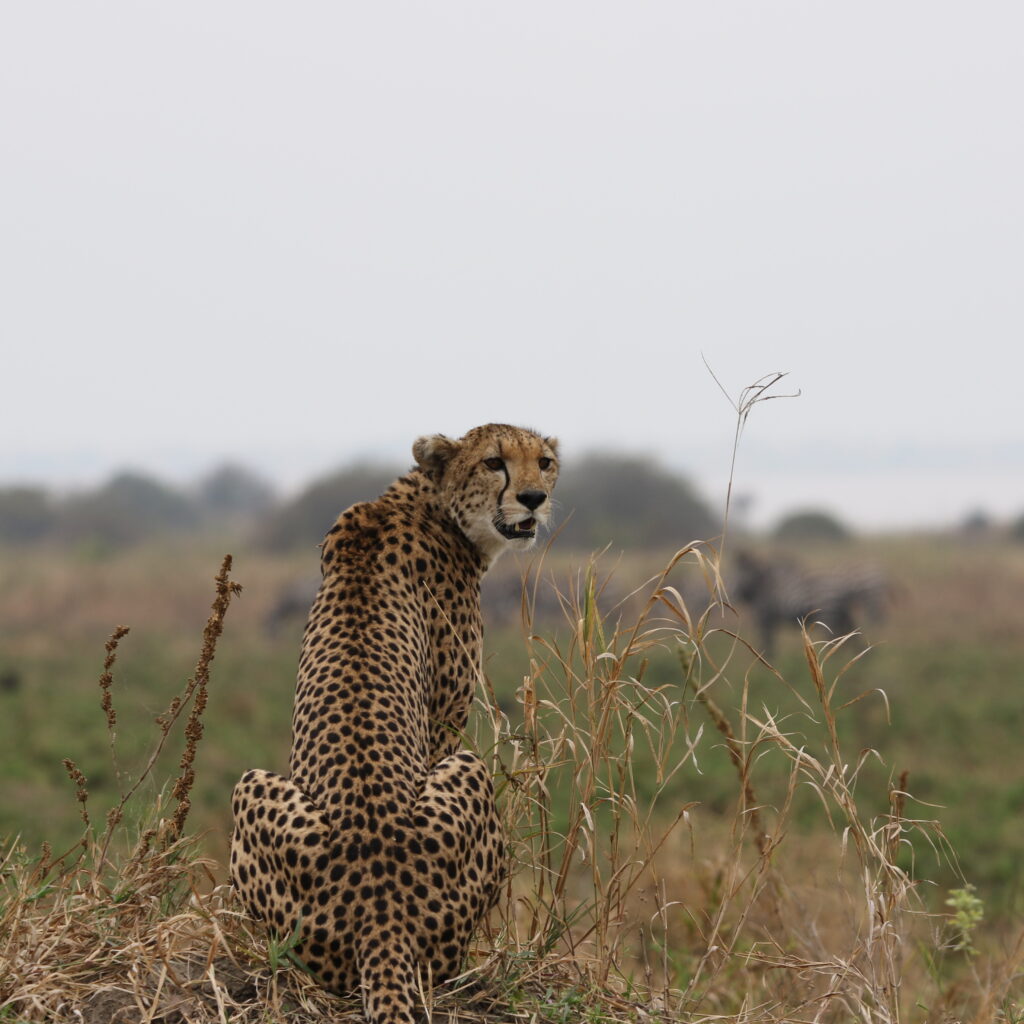
Embarking on an African safari is a dream for many adventure seekers, but as we set out to explore the beauty of the continent, it’s crucial to choose an experience that respects wildlife and supports local communities. Here’s a guide on how to ensure your safari adventure is ethical and responsible. Africa. The very name evokes images of wild savannahs, majestic elephants, and the thrill of discovery. An African safari is, for many, the ultimate travel dream. However, as the popularity of these adventures soars, a crucial question arises: how can we ensure our safari experience is not only unforgettable but also deeply ethical and leaves a positive footprint? An ethical safari is about more than just seeing the “Big Five”; it’s about responsible tourism that benefits wildlife, respects local communities, and preserves the incredible ecosystems for future generations. An ethical African safari prioritizes animal welfare, community well-being, and environmental sustainability. This means choosing safari operators that minimize their impact on wildlife, support local communities, and actively participate in conservation efforts. Look for companies that are transparent about their practices, invest in local communities, and avoid exploitative “animal encounters”. Here’s a comprehensive guide on how to choose an ethical African safari experience: 1. Choose Sustainable Safari Accommodation Your Ethical African Safari Experience begins with where you stay. Opt for eco-friendly lodges and camps that prioritize sustainability. Look for establishments that utilize renewable energy, practice water conservation, and have a minimal environmental footprint. Research accommodations that source their food locally to support the community and reduce transportation carbon emissions. Your choice of where to lay your head significantly impacts the environment and local communities. Eco-Friendly Practices: Look for lodges and camps that actively implement sustainable practices. This includes using renewable energy sources (like solar power), efficient water eanagement systems (rainwater harvesting, greywater recycling), and robust waste management programs (recycling, composting). Many truly sustainable properties will proudly display their efforts on their websites. Minimal Footprint Design: Sustainable accommodations are often designed to blend harmoniously with the natural environment, using local materials and minimizing disruption to the landscape during construction. Smaller, boutique camps often find it easier to implement and maintain these practices than large, sprawling resorts. Local Employment and Sourcing: Prioritize lodges that employ staff from nearby communities, offer fair wages, and invest in their training and development. Additionally, inquire if they source food and supplies locally, supporting the regional economy and reducing transportation emissions. Certifications: Look for eco-certifications from recognized bodies like Green Globe, Fair Trade Tourism, or Responsible Tourism Tanzania (RTTZ). These certifications indicate that the property has met specific sustainability criteria. 2. Choose an Ethical African Safari Company Selecting a reputable and ethical safari company is paramount. Look for operators that are transparent about their conservation efforts and the communities they support. Check for affiliations with recognized conservation organizations and read reviews about their policies and practices. An ethical company will prioritize animal welfare and conservation initiatives over profit. The safari operator is the linchpin of your ethical journey. Their values and practices will define your impact. Commitment to Responsible Tourism: A truly ethical company will have a clear mission statement and detailed policies on responsible tourism, wildlife conservation, and community engagement published on their website. Several safari companies prioritize ethical and sustainable tourism, focusing on conservation, community empowerment, and responsible practices. Foot Slopes Tours and Safaris, Ethical African safari companies, among others. These companies often partner with local communities, support conservation efforts, and strive to minimize their environmental impact. Staff Welfare: Inquire about their employment practices. Do they pay fair wages, offer training, and provide good working conditions for their guides, drivers, and other staff? This is particularly important for porters on Kilimanjaro climbs; support operators affiliated with organizations like the Kilimanjaro Porters Assistance Project (KPAP) in Tanzania, which ensures fair treatment. Conservation Contributions: Ask how they contribute to conservation efforts. Do they directly donate to anti-poaching units, wildlife research, or habitat protection? Do they partner with conservancies that prioritize community-led conservation? Certifications and Affiliations: Similar to accommodations, look for safari companies with certifications like Travelife, or affiliations with reputable tourism associations such as the Tanzania Association of Tour Operators (TATO) or the African Travel and Tourism Association (ATTA), which often promote responsible practices among their members. 3. Join a Conservation-Based Safari Consider joining a safari that focuses on conservation efforts. These safaris often partner with wildlife protection organizations or conduct scientifically valuable research. By participating, you contribute to preserving habitats and protecting endangered species. Plus, you’ll get to learn about the intricate relationships between ecosystems and the wildlife within them. Take your ethical commitment a step further by choosing a safari specifically designed around conservation. Active Involvement: Some safaris offer opportunities for guests to participate in or learn about active conservation work, such as rhino monitoring, wildlife tagging, or anti-poaching patrols (under strict supervision, of course). Dedicated Focus: These safaris are often led by experts or researchers who provide in-depth knowledge about conservation challenges and successes. They ensure that a portion of your tour cost directly funds specific conservation projects. Conservancy Stays: Consider staying in private conservancies adjacent to national parks. These areas are often managed by local communities in partnership with conservation organizations, allowing for a direct economic benefit to the people coexisting with wildlife. They often offer more exclusive game viewing and off-road driving opportunities (where permitted) compared to national parks. 4. Keep Your Distance from Wildlife When you’re out on safari, you’ll surely want to get close to the animals. However, maintaining a respectful distance is crucial. Adhere to guidelines provided by your safari guide and avoid any actions that may disturb the animals. This commitment helps preserve their natural behaviors and habitats, ensuring a more authentic wildlife experience. Respecting wildlife means giving them space to behave naturally. Maintain Safe Distances: Ethical safari guides adhere to strict guidelines on how close vehicles can get to animals. This prevents stressing the animals, altering their natural behavior, or habituating them to human presence. Always use
Essential Gadgets for the Independent Solo Traveler

For independent solo travelers, essential gadgets include items for safety, convenience, and staying connected. These include a personal safety alarm, a universal travel adapter, a portable power bank, noise-canceling headphones, and a reliable luggage scale. Consider also a filtered water bottle, packing cubes, and a portable door lock for added security and organization. Embarking on a solo adventure is an exhilarating prospect, promising unparalleled freedom, self-discovery, and the chance to truly immerse yourself in new cultures. However, independent solo travel also comes with its unique set of challenges, from staying connected and safe to simply keeping organized. This is where a carefully curated collection of travel gadgets becomes your best friend. Far from being mere luxuries, these tools can enhance your experience, streamline your journey, and, most importantly, provide peace of mind. For the intrepid individual exploring the globe, here’s a comprehensive guide to the essential gadgets that will make your solo journey smoother, safer, and more enjoyable. 1. Power Bank/Portable Charger: Your Lifeline on the Go In the age of smartphones, your device is not just a communication tool; it’s your map, camera, translator, and emergency contact. A dead battery can be more than an inconvenience – it can be a safety concern, an essential items list for a solo travelers. A high-capacity power bank is arguably the most crucial gadget for any solo traveler. Look for one that can charge your phone multiple times, and consider one with multiple USB ports if you have other devices. This ensures you’re always connected, no matter how far off the beaten path you venture. 2. Universal Travel Adapter: Bridging the Power Gap Different countries, different plugs. There’s nothing more frustrating than arriving in a new destination only to find your charger won’t fit the wall socket. A universal travel adapter with multiple plug configurations is a non-negotiable item. Many modern adapters also include USB ports, allowing you to charge multiple devices simultaneously. Opt for a robust model with surge protection to safeguard your electronics from unexpected power fluctuations. 3. Noise-Canceling Headphones: Your Personal Oasis Long flights, bustling train stations, noisy hostels – the world can be a cacophony of sounds, and safety items for solo female travelers. Noise-canceling headphones are a solo traveler’s sanctuary. They allow you to tune out distractions, enjoy your music or podcasts in peace, or simply create a quiet space for relaxation or sleep. This can be invaluable for combating travel fatigue and maintaining your sanity, especially during long transit periods. Solo female travelers can prioritize safety by researching their destinations, staying aware of their surroundings, and utilizing technology for communication and support. They should also trust their instincts, avoid walking alone at night, and learn basic self-defense techniques. 4. Luggage Scale: Avoiding Pesky Surcharges The joy of spontaneous souvenir shopping can quickly turn into dread at the airport check-in counter if your luggage is overweight solo travel packing list male and female solo travel. A compact digital luggage scale is a simple yet incredibly useful gadget. It allows you to accurately weigh your bags before you even leave your accommodation, helping you avoid costly excess baggage fees and the stress of repacking at the last minute. It’s a small investment that can save you significant money and hassle. 5. Personal Safety Alarm: A Discreet Layer of Protection While the world is generally welcoming, a solo traveler should always prioritize personal safety. A small, discreet personal safety alarm can be a powerful deterrent in uncomfortable situations. When activated, it emits a piercingly loud sound that can startle an attacker and draw attention. It’s a non-violent self-defense tool that offers an extra layer of security and peace of mind, especially when navigating unfamiliar areas at night. 6. First-Aid Kit: Be Your Own Medic Scrapes, blisters, headaches, or upset stomachs – minor ailments are common when traveling. As a solo traveler, you won’t have someone else to fetch supplies. A well-stocked, compact first-aid kit is essential. Include basics like antiseptic wipes, band-aids, pain relievers, anti-diarrhea medication, allergy pills, and any personal prescription medicines. Being prepared for small emergencies allows you to address issues quickly and continue your adventure. 7. Reusable Water Bottle: Stay Hydrated, Stay Sustainable Staying hydrated is crucial for health and energy, especially when you’re constantly on the move. A reusable water bottle is an eco-friendly and cost-effective gadget. Look for a durable, lightweight bottle, perhaps one with a built-in filter if you’re traveling to areas where tap water quality is questionable. This reduces your reliance on single-use plastic bottles, saving you money and helping the environment. 8. Packing Cubes: The Ultimate Organization Hack For the solo traveler who lives out of a suitcase or backpack, packing cubes are a game-changer. These zippered fabric containers help compress your clothes and organize your belongings efficiently. They allow you to separate items by type (e.g., shirts, socks, toiletries) and make it incredibly easy to find what you need without rummaging through your entire bag. This saves time and keeps your luggage neat, a true luxury when you’re constantly moving from one place to another. A great solo trip packing list should be tailored to the destination and length of your trip, but generally includes essentials like documents, money, health and safety items, clothing, tech, and toiletries. Packing cubes and a versatile wardrobe can also help maximize space and organization. 9. Waterproof Phone Case: Guard Against the Elements Whether you’re caught in a sudden downpour, enjoying a beach day, or participating in water activities, protecting your phone is paramount. A high-quality waterproof phone case offers essential protection against water damage, sand, and dust. Some cases are designed for full submersion, allowing you to capture underwater photos or videos, while others offer splash protection for everyday peace of mind. 10. Compression Daypack: Versatility and Space-Saving A daypack is indispensable for daily excursions, carrying water, snacks, a camera, and souvenirs. A compression daypack takes this a step further. When not in use, it can be folded or compressed into a much
How to Plan a Budget-Friendly Safari in East Africa
Planning a budget-friendly safari in East Africa, especially Tanzania, is one of the smartest ways to experience Africa’s world-famous wildlife without overspending. Tanzania offers incredible destinations such as the Serengeti National Park, Ngorongoro Crater, and Tarangire National Park, all known for the Big Five, Great Migration, and breathtaking landscapes. With careful planning, travelers can enjoy a cheap safari in Tanzania that still delivers comfort, safety, and unforgettable wildlife encounters. The key is to understand safari costs, choose affordable accommodation, travel in the right season, and work with local tour operators. Budget East Africa safaris are ideal for solo travelers, couples, and small groups who want authentic experiences. This guide explains step-by-step how to plan a low-cost safari while maximizing value, adventure, and memorable moments across Tanzania’s top safari destinations and wildlife parks. 1. Choose Affordable East African Safari Destinations When planning a budget safari in East Africa, selecting the right destinations is essential. Tanzania offers a wide range of affordable safari parks that deliver exceptional wildlife viewing without high costs. Tarangire National Park is often cheaper than Serengeti but still rich in elephants and baobab landscapes. Lake Manyara National Park is compact and budget-friendly, ideal for short trips. Ngorongoro Crater offers high wildlife density, allowing travelers to see many animals in one day, reducing time and accommodation expenses. Even parts of the Serengeti National Park can be accessed on a budget if you choose less crowded areas or visit during the low season. By combining these destinations strategically, travelers can reduce transport costs, park fees impact, and accommodation expenses while still enjoying a complete Tanzania safari experience filled with wildlife, scenery, and cultural encounters. 2. Travel During the Low Season One of the most effective ways to save money on a Tanzania safari is to travel during the low or green season. This period usually falls between March and May and November, when tourist numbers are lower. During this time, safari lodges and camps often reduce their prices significantly, making it easier to enjoy a cheap East Africa safari. Although there may be occasional rain, wildlife viewing remains excellent, especially in places like Serengeti and Ngorongoro. The landscapes are greener, photography is stunning, and crowds are minimal. Flights and tour packages are also more affordable. Traveling off-peak allows budget travelers to access premium safari experiences at reduced rates while enjoying more personalized game drives. This strategy is ideal for travelers who prioritize cost savings and peaceful safari experiences in Tanzania’s most famous national parks and wildlife areas. 3. Book with Local East African safari Tour Operators Using local Tanzania safari operators is one of the best ways to reduce overall safari costs. Local companies offer competitive prices compared to international agencies because they are based in Arusha and directly manage logistics, vehicles, and guides. They can customize affordable safari packages to Serengeti, Ngorongoro Crater, Tarangire, and Lake Manyara. Booking directly with a trusted operator eliminates middleman fees and ensures better value. Many local operators also offer group joining safaris, which significantly lowers costs per person. In addition, local guides provide deeper knowledge of wildlife, culture, and hidden safari routes, enhancing the experience. For travelers seeking a budget-friendly East Africa safari, working with experienced Tanzanian tour operators ensures safety, affordability, and authentic adventure while maintaining high-quality service throughout the journey. 4. Take a Short Private East African Safari Taking a short private East African safari is an excellent way to enjoy flexibility while still keeping your Tanzania safari budget under control. Unlike long luxury tours, short private safaris focus on essential destinations such as Serengeti National Park, Ngorongoro Crater, and Tarangire National Park. Travelers can customize their itinerary, choose affordable lodges, and avoid unnecessary expenses. This option is ideal for couples, families, or small groups who want privacy without high costs. By limiting the duration to 3–5 days, East African safari visitors reduce accommodation, park fees, and transport costs while still experiencing Big Five wildlife encounters and scenic landscapes. A short private East African safari also allows better time management and personalized game drives with a professional guide. For travelers seeking a flexible budget East Africa safari, this approach ensures affordability and adventure across Tanzania’s top national parks, delivering a memorable wildlife experience without the high cost of extended luxury itineraries. 5. Choose Budget Accommodation Options Accommodation plays a major role in determining East African safari costs in Tanzania. Budget travelers should consider staying in campsites, budget lodges, or public bandas instead of luxury safari lodges. Many national parks, like Serengeti and Ngorongoro, offer affordable campsites that provide basic facilities but still place you close to wildlife. Budget lodges around Arusha, Karatu, and Mto wa Mbu also offer comfortable stays at lower prices. Choosing shared facilities or tented camps significantly reduces expenses while maintaining an authentic safari experience. Some travelers even opt for mobile camping safaris, which are cheaper and more flexible. By balancing comfort and cost, visitors can enjoy a memorable East Africa safari without overspending. Booking early and comparing options helps secure the best deals for accommodation near Tanzania’s top safari destinations. 6. Use Private Transport Options Using private transport options in a Tanzania safari can actually be a smart strategy for travelers seeking flexibility, comfort, and better time management, even when planning a budget-friendly East Africa safari. While shared vehicles are cheaper, private 4×4 safari vehicles allow you to customize your itinerary, stop longer for wildlife photography in Serengeti National Park, and explore Ngorongoro Crater or Tarangire National Park at your own pace. This reduces rushed schedules and maximizes game-viewing value per day. Private transport also reduces waiting times and increases efficiency between parks, lodges, and gate entries. For travelers prioritizing comfort, privacy, and flexibility while still managing costs, private safari transport offers excellent value in Tanzania’s top wildlife destinations. 7. Plan a Short East Safari Itinerary A shorter safari itinerary is a powerful way to save money while still experiencing Tanzania’s top attractions. Instead of long 10 to 14-day tours, travelers can opt for 3 to