African Safari Tours

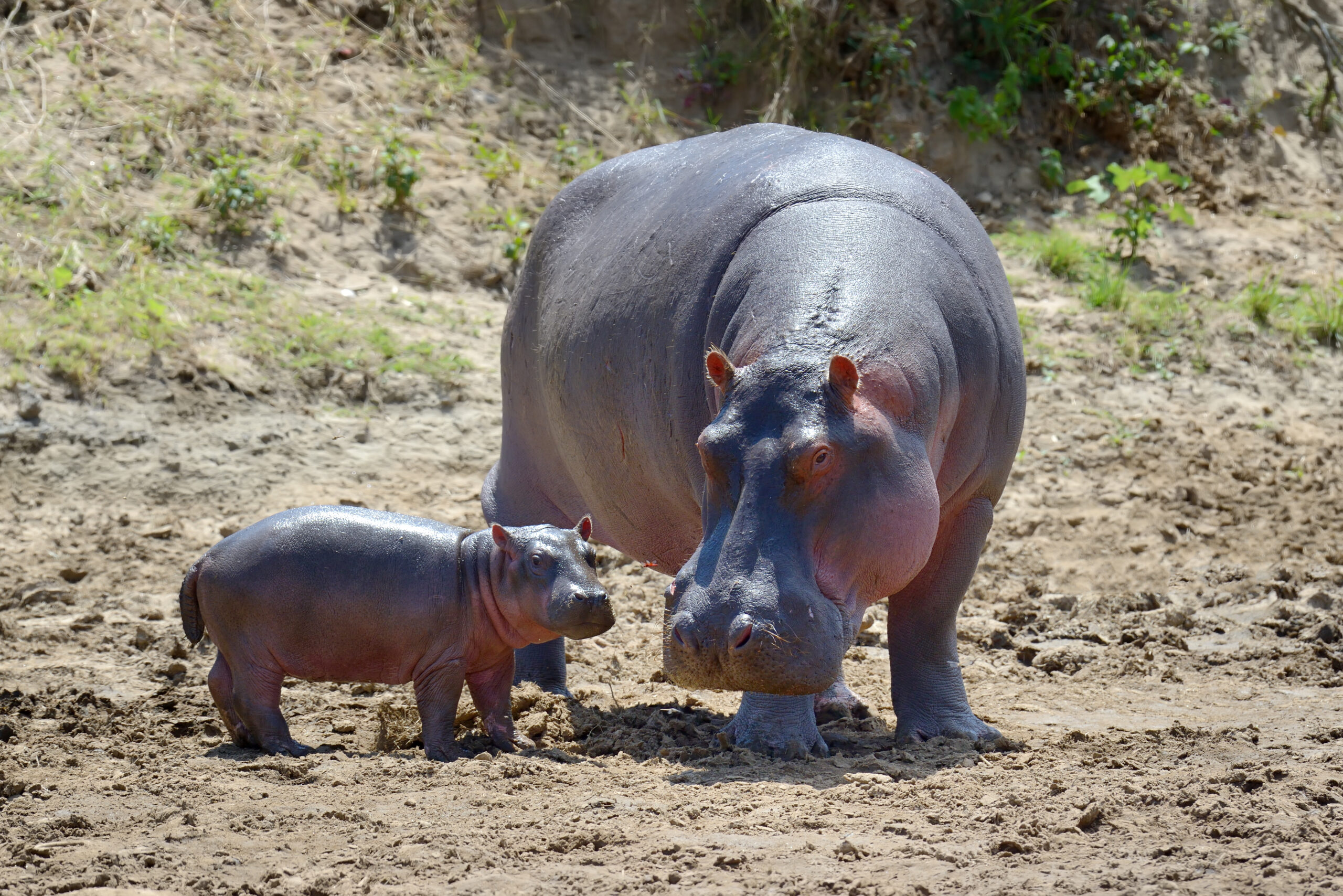
Hippo mother and calf on a riverbank, the kind of scene found in Katavi National Park

Katavi National Park Birds

Katavi National Park is a rewarding and largely undiscovered birding destination, with a bird list commonly quoted at around 400 species. Its mix of habitats explains the variety: seasonal lakes such as Lake Katavi and Lake Chada, the winding Katuma River and its wide floodplains, riverine thickets, open grassland and vast tracts of miombo woodland. Each supports a different community of birds, so even a short stay can produce an impressive list.

In the dry season, shrinking pools concentrate fish and frogs, drawing large gatherings of storks, herons, egrets, pelicans and spoonbills, along with fish eagles and other raptors. When the rains return from around November, the park turns green, migrant birds arrive from Europe and elsewhere in Africa, and many resident species breed in bright plumage. Birdwatching in Katavi is relaxed and uncrowded, and keen birders can combine game drives with walks, making it easy to enjoy both big game and birds in one remote safari. Below you will find the birds most worth looking for in Katavi, the best birding experiences the park offers, and answers to common questions from visiting birders and photographers.

Birds to Look For in Katavi National Park

A selection of species and groups that birders often enjoy in Katavi.

Yellow-billed Stork

These pink-tinged storks gather in large numbers at shrinking pools in the dry season, wading slowly and probing for fish. Their communal feeding along the Katuma River and around the lakes creates one of the park's classic birding scenes.

Great White Pelican

Pelicans are seen on the lakes and larger pools, sometimes fishing together in coordinated groups. Their numbers vary with water levels, and a flock of pelicans against the dry-season floodplain makes a striking photograph. Look for them especially on calm mornings.

African Fish Eagle

The ringing call of the African fish eagle is a familiar sound along the river and lakes. Look for pairs perched in tall trees above the water, watching for fish, and for dramatic swoops when one spots prey.

Saddle-billed Stork

Tall and colorful, with a red, black and yellow bill, the saddle-billed stork is a favorite with photographers. It usually feeds alone or in pairs in marshy areas and along the edges of pools on the floodplains.

Open-billed Stork and Spoonbills

African open-billed storks use their unusual gapped bills to feed on snails and mussels, while African spoonbills sweep their flat bills through shallow water. Both are regularly found in wetter parts of the floodplain. Herons and egrets often feed nearby.

Crowned Cranes and Ground Birds

Grey crowned cranes may be seen on the grasslands, along with southern ground hornbills, which stride through open country in family groups. Kori bustards and other ground birds are occasionally spotted on the plains. Your guide will know where to look.

Raptors and Vultures

Bateleur, martial eagle, tawny eagle and several vulture species ride the thermals above Katavi. Vultures often gather at predator kills, and raptors are especially visible in the dry season when cover is thin. Scan dead trees and the open sky regularly.

Miombo Woodland Birds

Katavi's miombo woodland supports species typical of this habitat, such as racket-tailed rollers, various barbets, hornbills, sunbirds and woodland kingfishers. Birding here is quieter and rewards patience, especially on guided walks. Mixed feeding flocks can suddenly appear, bringing several species at once.

Top Birding Experiences

Ways to enjoy Katavi's birdlife beyond a checklist.

Dry-Season Waterbird Gatherings

From around August to October, shrinking pools along the Katuma River attract storks, herons, egrets, pelicans and spoonbills in impressive numbers. Watching them feed alongside hippos and crocodiles is a highlight for birders and photographers alike.

Green-Season Migrants

From around November, the rains bring fresh growth and migrant species such as European bee-eaters, rollers and storks. Many resident birds breed at this time, so plumage is at its brightest and the woodland is full of song.

Guided Bush Walks

Walking with an armed ranger and guide lets you listen for calls, spot smaller birds in thickets and notice nests you would miss from a vehicle. Walks are a peaceful way to explore the woodland edges and riverbanks.

Lakeshore Birding at Chada and Katavi

The seasonal lakes and surrounding wetlands support waterfowl, waders and raptors. Time spent near Lake Chada or Lake Katavi, especially early in the morning, often produces a good variety of water-associated species. Water levels change the scene from month to month.

Plan Your Katavi Safari

Trip Length
6 – 15+ days
Comfort Level
Safari Style
Operator Rating
Specialized Tours
Filter by Operator
Other Tour Features

Katavi Safari Styles

Every traveler experiences Katavi differently. Choose the safari style that suits you, and Foot Slopes Tours and Safaris will tailor a private itinerary around your dates, budget and interests.

Family Safari in Katavi National Park, Tanzania with Foot Slopes Tours and Safaris
For Families

Family Safari

Ideal for

Families with children, grandparents and multi-generational groups

Highlights

Private vehicle, family rooms and a flexible, unhurried pace

Katavi works well for families who plan ahead: our guides turn every sighting of huge buffalo herds, crowded hippo pools and Nile crocodiles into a learning adventure, and we tailor activities to the ages and energy of your group.

Best months

Jun – Oct & school holidays

Ideal nights

3–4 nights

Explore Family Safaris →
Honeymoon Safari in Katavi National Park, Tanzania with Foot Slopes Tours and Safaris
For Couples

Honeymoon Safari

Ideal for

Honeymooners, anniversaries and couples celebrating something special

Highlights

Sundowners, private dinners and secluded, romantic stays

Pair huge buffalo herds, crowded hippo pools and Nile crocodiles with private sundowners, candle-lit dinners and a secluded room with a view. Many couples finish with Mahale Mountains chimpanzee trekking or a Ruaha National Park safari for the perfect escape.

Best months

Jun – Oct

Ideal nights

4–5 nights

Explore Honeymoon Safaris →
Photography Safari in Katavi National Park, Tanzania with Foot Slopes Tours and Safaris
For Photographers

Photography Safari

Ideal for

Wildlife photographers and keen amateurs who want the best light

Highlights

Flexible timings, patient guiding and golden-hour outings

Flexible timings and patient guiding put you in the right place at dawn and dusk. In Katavi, expect huge buffalo herds, crowded hippo pools and Nile crocodiles, plus game drives and guided walks across the Katuma River floodplains for varied angles and stories.

Best months

Jun – Oct & Nov – Feb

Ideal nights

4–5 nights

Explore Photography Safaris →
Seniors Safari in Katavi National Park, Tanzania with Foot Slopes Tours and Safaris
Easy Pace

Seniors Safari

Ideal for

Mature travelers who value comfort, safety and a gentle pace

Highlights

Short transfers, comfortable stays and an attentive private guide

Reached by light aircraft rather than long drives, with relaxed game drives on flat floodplain terrain, though the remoteness and simple bush camps suit travelers comfortable with basic facilities. We plan a gently paced itinerary with rest time each day and an experienced guide who handles every detail.

Best months

Jun – Oct

Ideal nights

3–4 nights

Explore Seniors Safaris →
Flying Safari in Katavi National Park, Tanzania with Foot Slopes Tours and Safaris
Fly-In

Flying Safari

Ideal for

Travelers short on time who prefer flights to long road transfers

Highlights

Scenic flights and more time for wildlife

Scheduled and charter light aircraft reach airstrips in and near Katavi, often connecting via Arusha, Dar es Salaam or Ruaha. Flying in maximises your time with huge buffalo herds, crowded hippo pools and Nile crocodiles and links neatly with Mahale Mountains chimpanzee trekking or a Ruaha National Park safari.

Best months

Year-round

Ideal nights

3–4 nights

Explore Flying Safaris →
Luxury Safari in Katavi National Park, Tanzania with Foot Slopes Tours and Safaris
Premium

Luxury Safari

Ideal for

Travelers seeking the finest stays, service and exclusivity

Highlights

Private guiding, fine dining and exclusive experiences

Stay at the finest available camps and lodges with private guiding, fine dining and exclusive experiences such as game drives and guided walks across the Katuma River floodplains, all while enjoying huge buffalo herds, crowded hippo pools and Nile crocodiles in comfort.

Best months

Jun – Oct

Ideal nights

3–5 nights

Explore Luxury Safaris →
Mid-Range Safari in Katavi National Park, Tanzania with Foot Slopes Tours and Safaris
Best Value

Mid-Range Safari

Ideal for

Travelers who want comfort and quality without luxury prices

Highlights

Comfortable en-suite rooms, full-board meals and private guiding

Comfortable, well-located accommodation with en-suite bathrooms, full-board meals and private guiding: the best-value way to experience huge buffalo herds, crowded hippo pools and Nile crocodiles.

Best months

Jun – Oct (lower rates Nov – Feb)

Ideal nights

3–4 nights

Explore Mid-Range Safaris →
Solo Safari in Katavi National Park, Tanzania with Foot Slopes Tours and Safaris
Solo Travelers

Solo Safari

Ideal for

Solo travelers who want safety, privacy and flexibility

Highlights

Private vehicle, dedicated guide and sociable camp evenings

Travel on an individual private, tailor-made safari with your own vehicle and dedicated guide. Katavi is welcoming for solo guests, with game drives and guided walks across the Katuma River floodplains and sociable evenings at camp.

Best months

Jun – Oct

Ideal nights

3–4 nights

Explore Solo Safaris →

Frequently Asked Questions: Katavi Birds

How many bird species are found in Katavi National Park?

Katavi National Park has a bird list commonly quoted at around 400 species, though figures vary between sources and new records are still added. The variety comes from the park's mix of lakes, river, floodplain grassland, riverine forest and miombo woodland. Even travelers who are not dedicated birders are usually surprised by how many species they see in a few days.

Is Katavi a good destination for birdwatching?

Yes. Katavi is an excellent, uncrowded birding destination, especially for waterbirds and raptors in the dry season and for migrants in the wet season. Because it combines birding with outstanding big-game viewing, it suits both keen birders and general safari travelers. Its remoteness means you can enjoy bird sightings quietly, without other vehicles around.

What is the best time for birding in Katavi?

Birding is rewarding year round, but it depends on what you want to see. The dry season, roughly June to October, concentrates waterbirds around remaining pools. The green season, from around November, brings migrants and breeding plumage. Heavy rains later in the wet season can limit access, and many camps close for part of that period.

Which waterbirds are common in Katavi?

Common waterbirds in Katavi include yellow-billed storks, open-billed storks, saddle-billed storks, grey herons, goliath herons, great egrets, African spoonbills, great white pelicans and various ducks and geese. They are most concentrated in the late dry season along the Katuma River and around the lakes, where fish and frogs become trapped in shrinking water.

Can I see raptors in Katavi?

Katavi is very good for raptors. African fish eagles are common near water, while bateleurs, tawny eagles, martial eagles and several vulture species are seen over the plains and woodland. Birds of prey are often easier to spot in the dry season, when trees are bare and vultures gather at kills made by lions and other predators.

Are there migratory birds in Katavi?

Yes. From around November to April, Katavi receives Palearctic migrants from Europe and Asia as well as intra-African migrants. Species such as European bee-eaters, European rollers and various waders and raptors may be seen. The arrival of migrants coincides with the rains, so the park is green, lively and full of birdsong at this time.

What miombo woodland birds can be seen in Katavi?

Katavi's extensive miombo woodland supports birds typical of this habitat, which is less common on Tanzania's northern safari circuit. Look for racket-tailed rollers, barbets, woodpeckers, hornbills, sunbirds, flycatchers and other woodland species. Finding them takes patience and a good guide, and walking or slow driving along woodland tracks usually works best.

Do I need special equipment for birding in Katavi?

A good pair of binoculars is the most important item, ideally one for each traveler. A field guide to East African birds or a birding app helps with identification, and a camera with a telephoto lens is useful for photography. Neutral-colored clothing, a hat and sunscreen make long hours outdoors more comfortable.

Can birding be combined with a regular safari in Katavi?

Absolutely. Most game drives in Katavi naturally include plenty of birds, and guides are happy to stop for sightings. If you are a keen birder, let us know in advance so we can request guides with strong birding knowledge and plan a pace that allows time for birds as well as big game like buffalo and lions.

Are the lakes in Katavi good for birds?

Lake Katavi and Lake Chada are seasonal lakes surrounded by wetlands and grasslands. When they hold water, they attract pelicans, storks, herons, ducks and waders, and raptors hunt around their edges. Water levels vary greatly with the seasons and from year to year, so conditions for birding at the lakes change throughout the year.

Can I see ground hornbills and crowned cranes in Katavi?

Southern ground hornbills are found in Katavi and are often seen walking through grassland in small family groups. Grey crowned cranes may also be seen in open and wetter areas. Neither is guaranteed, but both are regularly recorded in the park and make memorable sightings on game drives across the floodplains.

Is Katavi suitable for beginner birdwatchers?

Yes. Katavi is a great place to start birdwatching because many of its birds are large, colorful and easy to see, such as storks, pelicans, eagles and hornbills. Guides help with identification and share interesting facts about behavior. Many travelers who arrive with little interest in birds leave with a new appreciation for them.

Can I combine Katavi birding with other Tanzanian birding areas?

Yes. Katavi pairs well with Ruaha, which shares some miombo species and has its own specials, and with Mahale Mountains, where forest birds can be seen alongside chimpanzee trekking. These combinations give birders a wide range of habitats in western and southern Tanzania without returning to the busier northern circuit.

Does Foot Slopes Tours and Safaris offer birding safaris to Katavi?

Yes. Foot Slopes Tours and Safaris designs private, tailor-made birding safaris to Katavi, timed to the season that best suits your target species. We plan the pace around your interests, choose camps with good access to varied habitats, and arrange flights and transfers so you can spend more time in the field.

Can Foot Slopes Tours and Safaris arrange a birding-focused guide in Katavi?

Foot Slopes Tours and Safaris works with experienced local guides and camp teams, and we can request guides with strong birding knowledge when you book. Share your target species and experience level with us, and we will pass these details on and build your itinerary around birding time, walks and relaxed game drives.

What is included in a Foot Slopes Tours and Safaris Katavi birding trip?

A Foot Slopes Tours and Safaris birding trip to Katavi usually includes flights, accommodation, meals, park fees and guided activities, with walks where the camp offers them. Inclusions vary by camp and itinerary, so we provide a clear written quote before you book. We can also add extra nights or other birding destinations on request.

Why book a Katavi birding safari with Foot Slopes Tours and Safaris?

Foot Slopes Tours and Safaris is a Tanzania-based operator that specializes in private, tailor-made safaris. We understand the logistics of remote parks like Katavi, work with experienced local guides and provide 24/7 support during your trip. Our aim is to give birders flexible, well-paced journeys that balance birdlife, wildlife and comfort.

Plan With Confidence

Plan Your Katavi Birding

Tell us your dates, style, and preferred parks, and we will build the perfect itinerary around you.

Book Now Online →

What Our Travelers Say

Real 5-star reviews from guests who traveled with us

“
★★★★★

Our Private African luxury Safari experience with Foot Slopes Tours and Safaris was nothing short of exceptional. From the very beginning, owner Gabriel was incredibly responsive, making the entire booking process smooth and stress-free. Gabriel went above and

Charlotte T
“
★★★★★

We had an incredible private safari experience with Foot Slopes Tours and Safaris. Their office staff was very helpful and informative, and they communicated very well. Our pick-ups to and from the airport were on time and hassle-free, an unforgettable Safari

Evans Aiden
“
★★★★★

Foot Slopes Tours and Safaris is truly one of the best local tour companies in Tanzania. From start to finish, their service was professional, reliable, and personalized. The team went above and beyond to make sure every detail of our trip was perfect. Our saf

André T
“
★★★★★

Our family chose Foot Slopes Tours and Safaris for a custom 11-day safari itinerary, and we couldn’t be happier with our choice! Everything from our initial inquiry to building our custom itinerary to pre-departure and on-trip support was top quality. Communic

Ida N