

Udzungwa Mountains National Park Malaria & Safety Guide
Planning a trip to Udzungwa Mountains National Park calls for a slightly different mindset than a typical vehicle-based Tanzania safari, since Udzungwa is explored almost entirely on foot along forest trails rather than from a 4x4. General health and safety planning should factor in your fitness for sustained walking on uneven, sometimes steep terrain, appropriate hiking footwear with good grip and ankle support, and steady hydration throughout each hike. Malaria is present in this part of Tanzania, so sensible precautions such as repellent, appropriate clothing, and mosquito nets at your accommodation are worthwhile alongside routine travel health preparation. Foot Slopes Tours and Safaris pairs guests with experienced local guides who know Udzungwa's trail network well and take a safety-first approach on every hike. As with any international trip, schedule a consultation with a doctor or travel health clinic several weeks before departure to discuss malaria prevention, vaccinations, and any other health considerations specific to your itinerary and medical history.
Health & Safety at a Glance
Practical, general guidance to help you prepare for a smooth and enjoyable Udzungwa hiking trip. Always consult a doctor or travel health clinic for personalized medical advice before your trip.
Malaria Prevention
Malaria is present in the Udzungwa region, so simple precautions go a long way. Most accommodations provide mosquito nets and screened sleeping areas, and travelers are encouraged to use insect repellent and wear long, light-colored sleeves after dusk. Prevention options vary by person, so always consult a doctor or travel health clinic before your trip to discuss what suits your health and itinerary.
Hiking Fitness & Footwear
Udzungwa's rainforest trails can be steep, uneven, and slippery underfoot, especially after rain, so a reasonable level of walking fitness makes the experience far more enjoyable. Sturdy, broken-in hiking shoes or boots with good tread are strongly recommended over casual trainers or sandals. Trekking poles can help with balance on steeper sections.
Wildlife Encounter Safety
Udzungwa is home to primates, forest birds, and other wildlife best enjoyed by staying calm and keeping a respectful distance. Always follow your ranger guide's instructions on forest trails, stay on marked paths, and avoid approaching or feeding any animal you encounter along the way.
Hydration & Sun Protection on Trails
Forest hikes in Udzungwa can involve several hours of walking, often with limited shade at higher elevations, so steady hydration and sun protection matter. Carry enough water for the full hike, and wear a hat, sunglasses, and sunscreen even on cloudy days beneath the canopy.
Recommended Vaccinations
Routine vaccinations and general health preparation are worth reviewing well before any Tanzania trip. Yellow fever certificate requirements depend on where you are traveling from and connecting through, so requirements can vary by entry country and change over time. A travel health clinic or your doctor can confirm exactly what applies to your itinerary.
Travel Insurance
Comprehensive travel insurance is strongly recommended for any Udzungwa hiking trip, since forest trekking is a more active pursuit than a standard vehicle safari. Look for a policy that explicitly covers hiking or trekking activities, medical evacuation, and trip interruption, and carry your policy details with you.
Plan Your Udzungwa Safari
Trip Length
Comfort Level
Safari Style
Operator Rating
Specialized Tours
Filter by Operator
Other Tour Features
Safe, Fully Guided Udzungwa Safari Packages
Hand-picked southern circuit itineraries that combine with the Udzungwa Mountains, tailored privately by Foot Slopes Tours and Safaris.
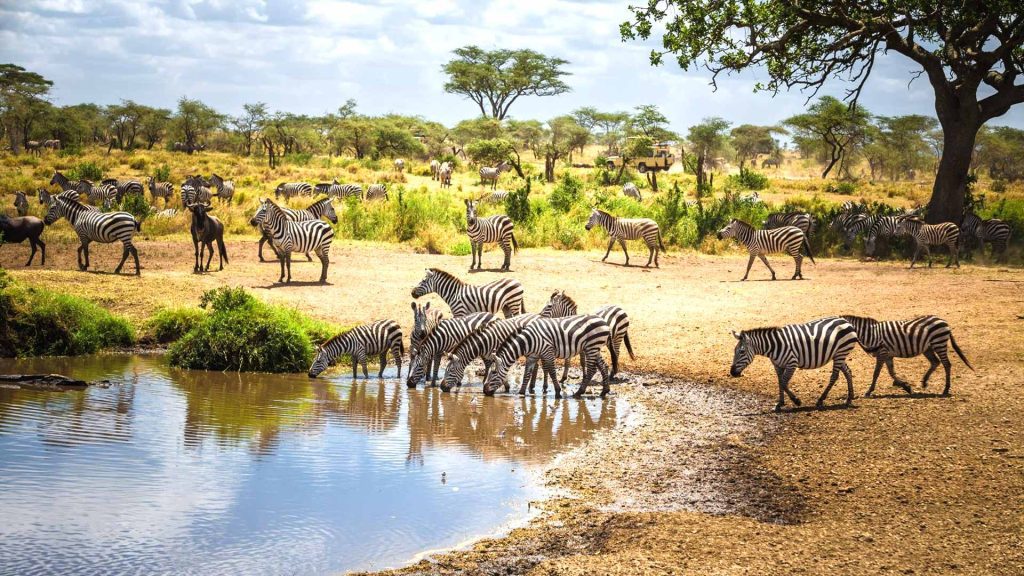
6-Day Tanzania Southern Circuit Safari
A six-day fly-in safari linking Nyerere's Rufiji River boat safaris with Ruaha's vast wilderness.
View Package →
11-Day Best Of Southern Tanzania Safari
An eleven-day journey through Nyerere, Mikumi, Udzungwa, and Ruaha's finest southern-circuit wildlife.
View Package →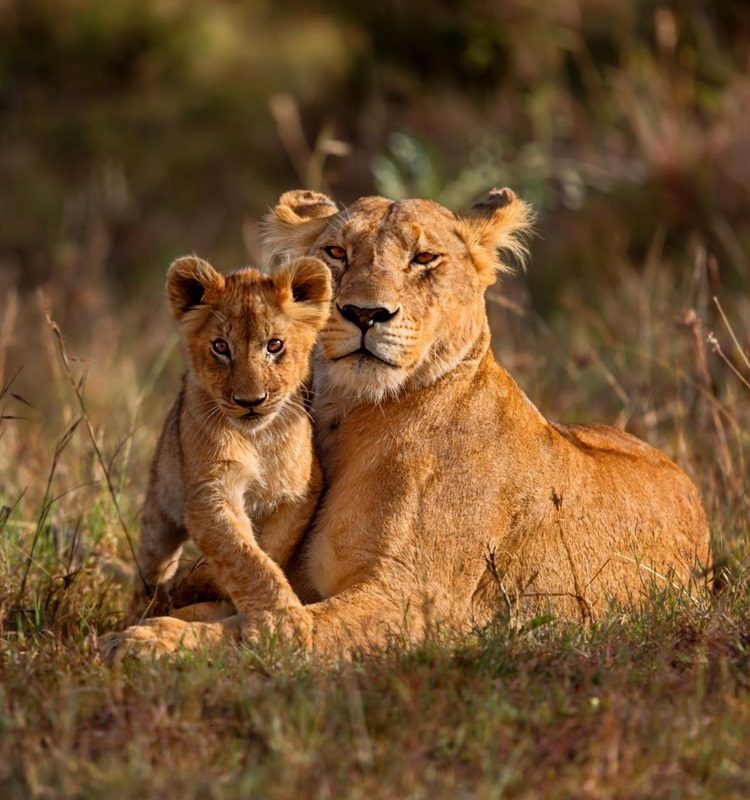
7-Day Southern Tanzania Safari
A seven-day circuit through Nyerere, Mikumi, and the Udzungwa Mountains' rainforest and wildlife.
View Package →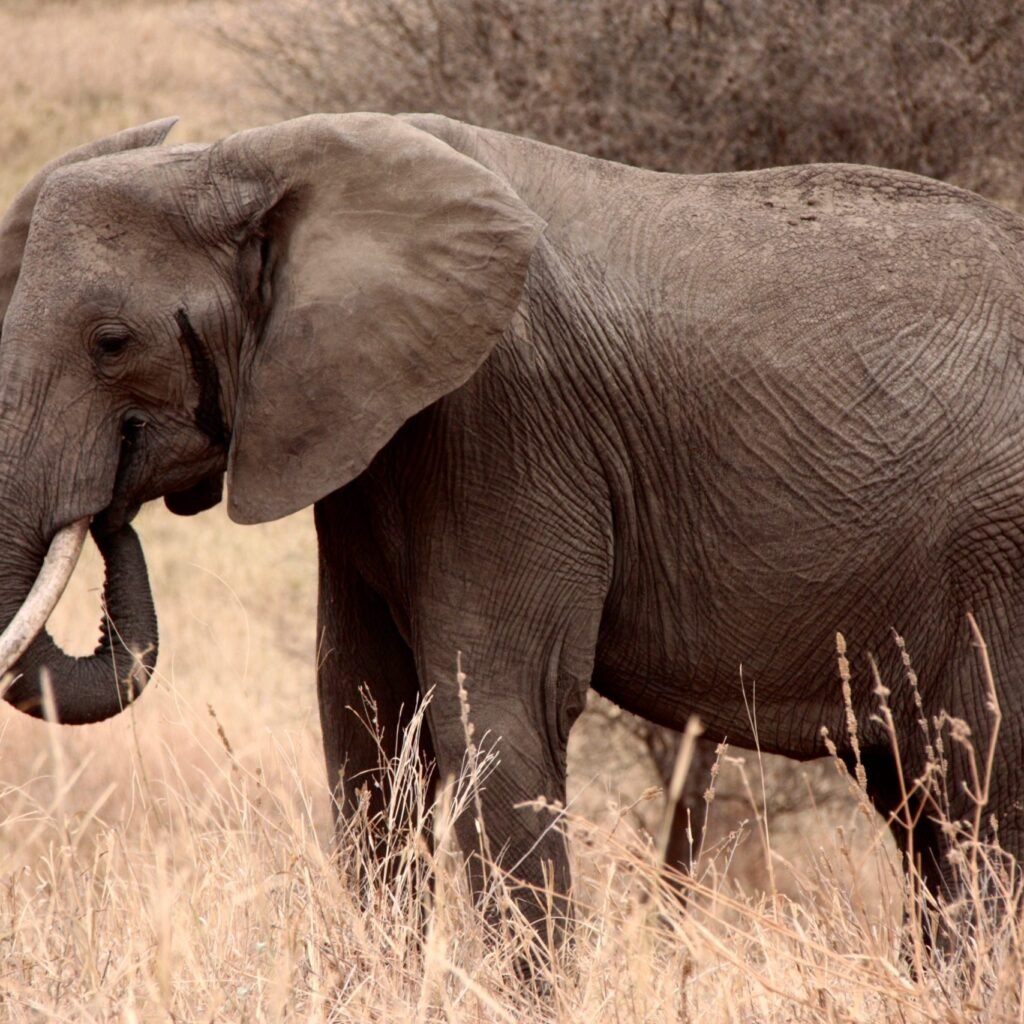
7-Day Tanzania off the Beaten Track Safari
A seven-day safari exploring quieter parks away from the crowds.
View Package →
8-Day Authentic Tanzania Safari Tours
An authentic eight-day safari experience across classic Tanzania destinations.
View Package →
8-Day Remarkable Tanzania Safari
An eight-day journey across Tanzania's most remarkable wildlife areas.
View Package →
7-Day Tanzania Budget Camping Safari
A budget-friendly seven-day camping safari without compromising on wildlife.
View Package →11-Day Tanzania Safari for solo travelers
An eleven-day itinerary designed specifically for solo safari travelers.
View Package →Udzungwa Mountains National Park Planning Guides
Udzungwa Mountains National Park Malaria & Safety FAQs
Is Udzungwa Mountains National Park safe to visit for hiking?
Yes, Udzungwa Mountains National Park is a safe, well-established hiking destination when visited with an experienced, reputable operator such as Foot Slopes Tours and Safaris. Violent crime against travelers is extremely rare within the park, and safety considerations center mainly on sensible trail precautions rather than personal security concerns. Because Udzungwa is explored almost entirely on foot along forest trails, safety depends heavily on your guide's local knowledge, trail conditions, and a pace suited to your fitness level. Foot Slopes Tours pairs every hike with trained, ranger-accompanied guides who take a safety-first approach, watch terrain and weather closely, and adjust the route as needed for a secure, enjoyable experience.
What is the malaria risk level in Udzungwa Mountains National Park?
Malaria is present in the Udzungwa region and across much of Tanzania's lower-altitude safari and hiking areas, so it is a real consideration for trip planning rather than a reason for alarm. Risk levels vary somewhat by season and elevation, with mosquito activity generally higher during and after the rainy months. Most established lodges near the park provide mosquito nets and take steps to reduce mosquito exposure in guest areas. Because individual risk depends on factors like health history, itinerary, and travel dates, travelers should consult a doctor or travel health clinic several weeks before departure to discuss personalized malaria prevention options suited to their trip.
What general precautions can reduce malaria risk on an Udzungwa hiking trip?
General, non-medical precautions can meaningfully reduce mosquito exposure during an Udzungwa hiking trip. These include sleeping under the mosquito nets provided at your lodge, applying insect repellent regularly, especially from dusk to dawn when mosquitoes are most active, and wearing long sleeves, long trousers, and closed footwear in muted colors during evening hours. Many accommodations also use screened windows and fans to further limit mosquito presence indoors. Since prevention needs vary by traveler, always consult a doctor or travel health clinic before departure to discuss an approach suited to your health, itinerary, and travel dates.
Do I need vaccinations to visit Udzungwa Mountains National Park?
Vaccination needs for an Udzungwa trip depend on your health history, home country, and travel itinerary, so there is no single answer that fits every traveler. Routine vaccinations that are already part of standard adult health care are commonly reviewed before any international trip, alongside any additional recommendations for travel to East Africa. A doctor or travel health clinic is the appropriate resource to confirm exactly which vaccinations apply to your specific circumstances. Scheduling this consultation four to six weeks before departure gives enough time for any recommended vaccines to take effect before you travel.
Is a yellow fever certificate required to enter Tanzania for an Udzungwa trip?
Yellow fever certificate requirements for entering Tanzania depend on where you are traveling from and which countries you connect through en route, and these requirements can change over time. Travelers arriving from or transiting through countries with risk of yellow fever transmission are typically the ones affected by certificate requirements. Because entry rules are set by immigration authorities and can be updated, it is important to confirm current requirements with a travel health clinic, your doctor, or Tanzania's official immigration resources well before your trip, based on your specific routing and passport.
How fit do I need to be to hike in Udzungwa Mountains National Park?
A moderate level of walking fitness is recommended for hiking in Udzungwa Mountains National Park, since trails wind through rainforest terrain that is often uneven, steep in sections, and can be slippery after rain. Hikes range from shorter waterfall walks to longer full-day treks, so your guide can help match a route to your fitness and experience level. Regular walking or light cardio training in the weeks before your trip can make the experience more comfortable. If you have any health concerns, discuss your planned activity level with a doctor before booking a longer or more strenuous route.
What footwear is recommended for hiking Udzungwa's trails?
Sturdy, broken-in hiking shoes or boots with good ankle support and grippy tread are strongly recommended for Udzungwa's forest trails, rather than casual trainers, sandals, or brand-new footwear. Trails can be muddy, root-covered, and slippery, particularly after rainfall, so reliable traction matters more than style. Many hikers also find trekking poles useful for balance on steeper or wetter sections. Packing a lightweight pair of camp shoes for evenings gives your feet a break after a day on the trail. Breaking in new boots well before departure helps prevent blisters during longer hikes.
Are Udzungwa's hiking trails steep or slippery?
Some of Udzungwa's trails are steep and can become slippery, particularly on sections leading to waterfalls or higher viewpoints, and especially during or after rain. Trail difficulty varies considerably by route, from gentle, shorter walks to longer, more demanding full-day treks with significant elevation gain. Your ranger guide sets the pace and can advise on which trails suit your fitness and comfort level. Wearing appropriate hiking footwear and using trekking poles on steeper terrain both help with stability. Always follow your guide's instructions about pacing and footing on uneven or wet sections of trail.
How safe are wildlife encounters while hiking in Udzungwa?
Wildlife encounters in Udzungwa are generally calm and low-risk when guests follow their ranger guide's instructions on the trail. The park is known for its primates and forest birdlife rather than dangerous large mammals typically associated with savannah safaris, which makes trail encounters gentler overall. Guides are trained to read animal behavior, maintain a respectful distance, and keep the group positioned safely during sightings. Staying on marked trails, keeping noise levels reasonable, and never approaching or feeding wildlife are simple habits that keep encounters safe and enjoyable for everyone on the hike.
What should I do if I encounter wildlife on the trail?
If you encounter wildlife on an Udzungwa trail, the most important step is to stay calm and follow your ranger guide's instructions immediately, since they are trained to assess the situation and direct the group appropriately. Avoid sudden movements, loud noises, or attempts to approach or photograph an animal at close range. Keep a respectful distance and allow the animal to move on its own without feeling crowded. Your guide will let you know when it is safe to continue or if the group should pause, reroute, or wait quietly before proceeding further.
How should I manage hydration and sun exposure on Udzungwa hikes?
Carrying enough drinking water for the full length of your planned hike is essential, since forest trails can involve several hours of sustained walking with limited resupply points along the way. Although Udzungwa's canopy offers shade on many trails, sun exposure increases at higher elevations and on more open sections, so a hat, sunglasses, and sunscreen are still worthwhile even on cloudy days. Lightweight, breathable clothing helps regulate body temperature during exertion. Taking regular water breaks as suggested by your guide and pacing yourself on climbs both help prevent overheating and dehydration.
Is the drinking water and food safe during an Udzungwa safari?
Most established lodges and camps near Udzungwa serve bottled or properly treated drinking water, and reputable operators are careful about food handling and hygiene standards for guests. As a general precaution, travelers are encouraged to drink bottled or filtered water rather than tap water, and to enjoy freshly prepared meals provided at their lodge or camp rather than food from unverified roadside vendors. Carrying a reusable water bottle to refill from a trusted source is a simple, practical habit throughout your trip. Ask camp staff if you are ever unsure about a water source.
What should I pack for health and safety on an Udzungwa hiking trip?
A well-packed daypack for Udzungwa hiking typically includes sturdy hiking shoes, insect repellent, sun protection such as a hat and sunscreen, a reusable water bottle, lightweight rain gear, and a basic personal first-aid kit for minor scrapes or blisters. Layered clothing helps you adjust to changing temperature and humidity as you move through the forest at different elevations. Long sleeves and trousers in muted colors are useful for both mosquito protection and general trail comfort. Always check with your doctor or travel health clinic about any personal medical items you may need before departure.
Do I need travel insurance for an Udzungwa hiking trip?
Yes, comprehensive travel insurance is strongly recommended for any trip to Udzungwa Mountains National Park, and this matters even more for a hiking-focused itinerary than for a standard vehicle safari. Because trekking on forest trails is a more physically active pursuit, it is worth confirming that your policy explicitly covers hiking or trekking activities rather than excluding them as adventure sports. Good coverage should also include emergency medical treatment, evacuation, and trip interruption or cancellation. Review policy details carefully before purchase, and carry both digital and printed copies of your documents while traveling.
How experienced are Foot Slopes Tours' guides on Udzungwa's hiking trails?
Foot Slopes Tours and Safaris works with experienced local guides who know Udzungwa's trail network well, from shorter waterfall walks to longer full-day forest treks. These guides are trained to read trail conditions, set an appropriate pace for each group, and apply a consistent safety-first approach throughout every hike, including how to respond calmly around wildlife. Their local knowledge covers seasonal trail conditions, elevation changes, and the park's primate and birdlife, which enhances both safety and the quality of your sightings. This experience is a core part of what makes an Udzungwa hike with Foot Slopes feel secure and well organized.
What safety measures does Foot Slopes Tours follow on Udzungwa hikes?
Foot Slopes Tours and Safaris applies a consistent safety-first approach to every Udzungwa hike, starting with pairing guests with experienced, trail-trained guides who set a pace suited to the group's fitness and monitor terrain and weather conditions throughout the day. Guides brief hikers on trail etiquette, wildlife behavior, and footing before setting out, and adjust routes when conditions call for it. General pre-trip guidance also covers hydration, footwear, and sun protection so guests arrive prepared. For any personalized health questions, guests are encouraged to consult a doctor or travel health clinic before their trip.
Why choose Foot Slopes Tours and Safaris for an Udzungwa hiking trip?
Foot Slopes Tours and Safaris combines local trail expertise with a genuine safety-first approach, making it a strong choice for an Udzungwa hiking trip. Experienced guides who know the park's forest trails well help ensure hikes are paced appropriately, wildlife encounters stay calm and respectful, and practical details like hydration and footwear are addressed before you set out. This hands-on, guide-led experience suits both first-time forest hikers and more seasoned trekkers looking for a well-organized itinerary. Personalized trip planning also means your route and pace can reflect your fitness level and interests within the park.
Plan Further: Udzungwa Mountains National Park Guides & Resources
Explore Udzungwa Mountains National Park
- Udzungwa Mountains National Park Overview
- Udzungwa Mountains National Park Wildlife
- Birds of Udzungwa Mountains National Park
- Best Time to Visit Udzungwa Mountains National Park
- Udzungwa Mountains National Park Weather & Climate
- How to Get to Udzungwa Mountains National Park
- Udzungwa Mountains National Park Safari Tours
Plan Your Udzungwa Mountains National Park
Tell us your dates, style, and preferred parks, and we will build the perfect itinerary around you.
Book Now Online →What Our Travelers Say
Real 5-star reviews from guests who traveled with us
Our Private African luxury Safari experience with Foot Slopes Tours and Safaris was nothing short of exceptional. From the very beginning, owner Gabriel was incredibly responsive, making the entire booking process smooth and stress-free. Gabriel went above and
We had an incredible private safari experience with Foot Slopes Tours and Safaris. Their office staff was very helpful and informative, and they communicated very well. Our pick-ups to and from the airport were on time and hassle-free, an unforgettable Safari
Foot Slopes Tours and Safaris is truly one of the best local tour companies in Tanzania. From start to finish, their service was professional, reliable, and personalized. The team went above and beyond to make sure every detail of our trip was perfect. Our saf
Our family chose Foot Slopes Tours and Safaris for a custom 11-day safari itinerary, and we couldn’t be happier with our choice! Everything from our initial inquiry to building our custom itinerary to pre-departure and on-trip support was top quality. Communic