

Best Time to Visit Udzungwa Mountains National Park
Udzungwa Mountains National Park is a year-round hiking and birding destination, but trail conditions and rainforest scenery shift dramatically with the seasons. The dry season, from June to October, offers the firmest underfoot conditions, clearer ridge-top views, and the easiest access to Sanje Falls and the higher forest trails, making it the most popular window for serious hikers. The wet season, November through May and peaking in March and April, transforms Udzungwa into a lush, dripping rainforest with waterfalls at their most dramatic and birdlife at its most vocal, though trails turn slippery and leeches become more active. Because Udzungwa has no open savanna and no wildlife migration to chase, "best time to visit" here is really about hiking comfort, photography light, and how much rain you are willing to hike through, not about following animal movements.
Udzungwa Month-by-Month Guide
January
Hot and increasingly wet as the short rains build, January delivers warm, humid days with afternoon showers becoming more frequent. Forest trails to Sanje Falls stay hikeable in the mornings before clouds gather, and the canopy is vividly green. Birders enjoy strong activity from resident species, though migrants have mostly left. Humidity is high and leeches begin appearing on lower forest trails after rain. Pack quick-dry layers, expect muddy sections, and plan hikes for early morning when visibility and trail grip are best.
February
February sits within the short dry spell many hikers overlook, offering a brief window of firmer trails between the short and long rains. Rainfall eases compared to January, skies clear more often, and waterfall flow remains strong from earlier rains. Temperatures stay warm and humid. This is a good month for combining Sanje Falls hikes with birding, since undergrowth is lush but trails are less waterlogged than peak wet season. Leech activity is still low to moderate. Afternoon showers remain possible, so morning starts are recommended.
March
March marks the start of Udzungwa's long rains, the wettest and most dramatic month for rainforest scenery. Waterfalls reach peak volume, foliage is at its most saturated green, and the forest feels alive with sound. Trails become genuinely slippery, leech numbers rise sharply on the lower routes, and longer hikes to the higher ridges are physically demanding. This month suits visitors prioritizing waterfall power and lush photography over comfort. Sturdy boots, gaiters, and rain gear are essential, and guides often shorten or reroute hikes after heavy downpours.
April
April is the peak of the long rains and the most challenging month for hiking in Udzungwa. Near-daily downpours keep trails muddy and slippery, river crossings can run high, and leech activity peaks across almost all forest routes. Waterfalls are at their most powerful, and the rainforest canopy is exceptionally dense and green, rewarding photographers who don't mind the wet. Many hikers avoid summit-length routes this month in favor of shorter walks to Sanje Falls. Birding remains excellent despite the rain, with resident forest species highly vocal.
May
Rainfall begins tapering off in May as the long rains wind down, though trails remain damp and the forest still lush from months of heavy rain. Waterfalls stay impressively full even as flow gradually decreases. Leech activity starts declining but has not disappeared, so gaiters are still worthwhile. Skies clear more often toward the end of the month, hinting at the approaching dry season. May offers a useful transition window: fewer downpours than April, greener scenery than the dry months, and thinner crowds on the trails.
June
June marks the true start of Udzungwa's dry season and a noticeable improvement in trail conditions. Rain becomes infrequent, humidity drops, and mornings can feel refreshingly cool at higher elevations. Trails firm up considerably, making longer hikes toward the ridge and higher forest zones far more comfortable. Leech activity drops sharply. Waterfall volume begins receding from its wet-season peak but Sanje Falls remains a worthwhile sight. Visibility improves for both photography and birding, and June is a strong choice for hikers who want dry footing without the driest, dustiest conditions of later months.
July
July sits in the heart of the dry season, with reliably clear skies, low humidity, and firm, dust-free trails ideal for hiking Udzungwa's steeper routes. Cooler mornings, especially at altitude, make for pleasant multi-hour treks to Sanje Falls or the higher forest ridges. Leech activity is minimal. Waterfall flow is noticeably reduced compared to the wet season, though still scenic. This is peak season for serious hikers and photographers who prioritize trail comfort and clear long-distance views over lush, dripping rainforest scenery.
August
August continues the dry season pattern of clear, dry, hiker-friendly conditions, with some of the coolest temperatures of the year at higher elevations. Trails remain firm throughout, leech activity stays low, and visibility for photography and birding is excellent. Waterfall volume is at its lowest for the year, so visitors chasing dramatic cascades may find Sanje Falls calmer than earlier months. August is popular with hikers tackling longer routes, since dry footing makes steep, rocky sections considerably safer and less strenuous.
September
September remains firmly within the dry season, with warm days, low humidity, and consistently dry trails across all of Udzungwa's hiking routes. Skies are typically clear, offering strong long-range views from ridge trails. Waterfall flow stays reduced but the forest itself remains green year-round, so scenery doesn't feel parched. Leech activity is negligible. Birding is productive as resident species remain active in the cooler, drier air. September suits hikers wanting reliably dry conditions before the short rains return in October and November.
October
October is the last full month of Udzungwa's dry season, though early signs of the approaching short rains can appear toward month's end. Trails stay largely dry and firm for most of the month, and temperatures begin warming ahead of the wet season. Leech activity remains low but may tick up if early showers arrive. Waterfall volume is at its lowest annual point. This is a good window for hikers wanting a final stretch of easy, dry-season trail conditions before conditions shift.
November
November brings the start of the short rains, with increasing humidity and more frequent afternoon showers as the month progresses. Trails begin softening again and leech activity picks up on lower forest routes after rainfall. Waterfall flow starts rebuilding from its dry-season low. Mornings often remain clear enough for hiking before clouds build later in the day. November suits visitors comfortable with occasional rain in exchange for a greener, quieter park with fewer hikers than the peak dry-season months.
December
December sits within the short rains, with warm, increasingly humid conditions and regular but generally brief afternoon showers. The forest turns noticeably greener as rainfall picks up, and waterfall volume continues rebuilding toward wet-season levels. Trails are damper than the dry season but not yet at peak wet-season difficulty, and leech activity is moderate. December works well for hikers wanting lush scenery without the heaviest rains of March and April, though flexible scheduling around showers is recommended.
Plan Your Udzungwa Safari
Trip Length
Comfort Level
Safari Style
Operator Rating
Specialized Tours
Filter by Operator
Other Tour Features
Best Udzungwa Safari Packages by Season
Hand-picked southern circuit itineraries that combine with the Udzungwa Mountains, tailored privately by Foot Slopes Tours and Safaris.
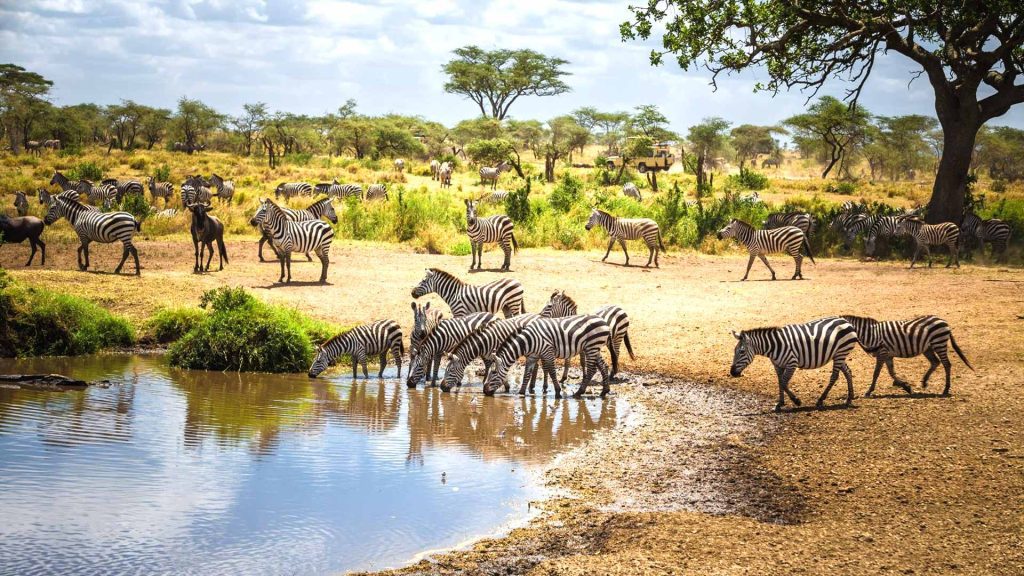
6-Day Tanzania Southern Circuit Safari
A six-day fly-in safari linking Nyerere's Rufiji River boat safaris with Ruaha's vast wilderness.
View Package →
11-Day Best Of Southern Tanzania Safari
An eleven-day journey through Nyerere, Mikumi, Udzungwa, and Ruaha's finest southern-circuit wildlife.
View Package →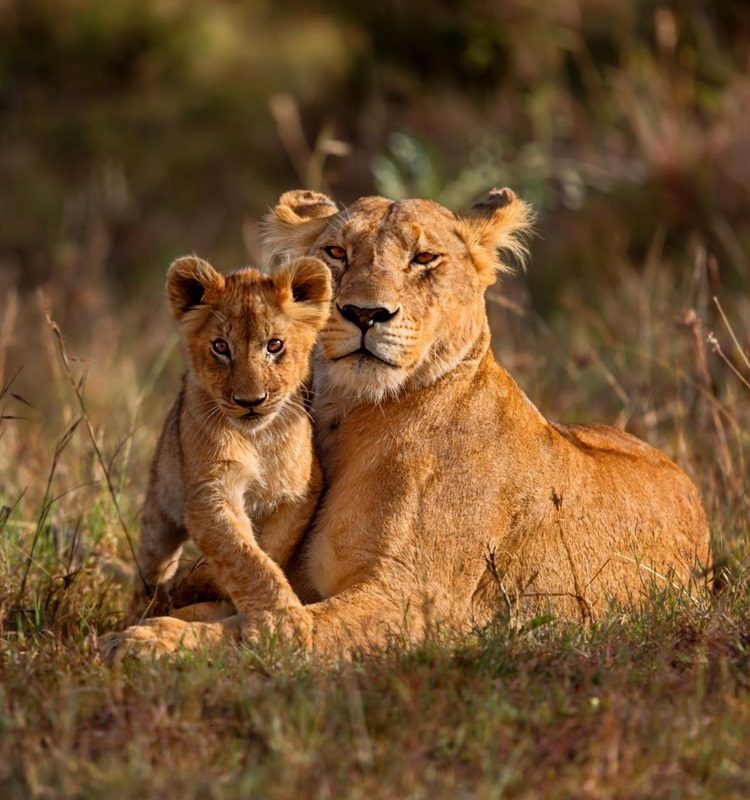
7-Day Southern Tanzania Safari
A seven-day circuit through Nyerere, Mikumi, and the Udzungwa Mountains' rainforest and wildlife.
View Package →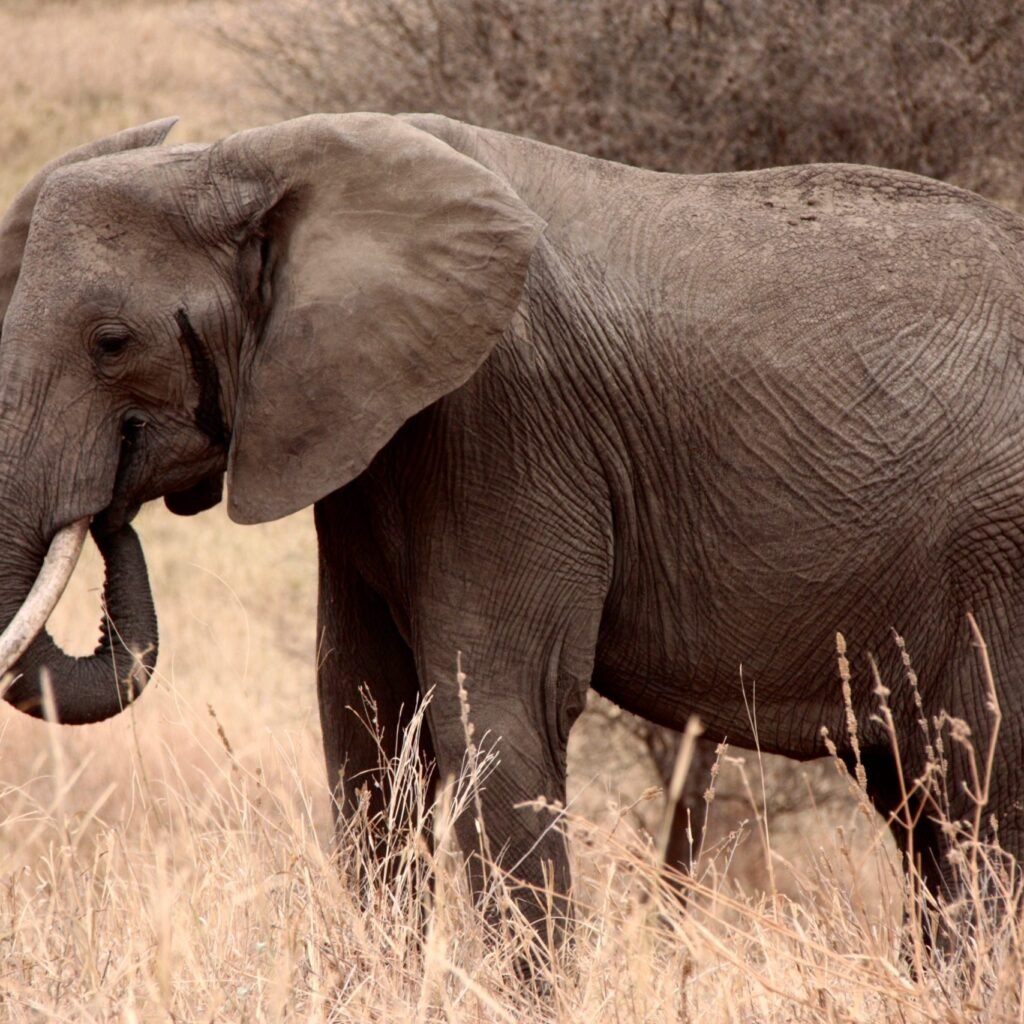
7-Day Tanzania off the Beaten Track Safari
A seven-day safari exploring quieter parks away from the crowds.
View Package →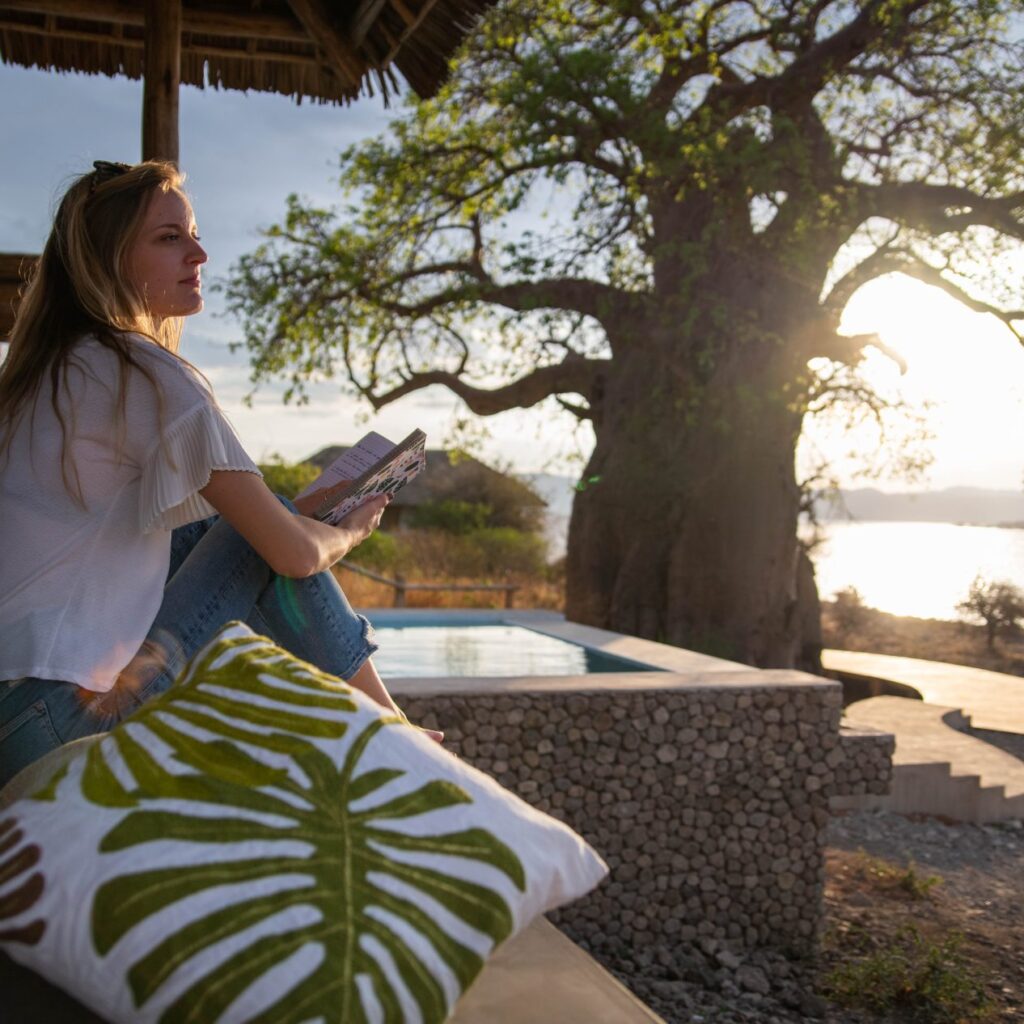
8-Day Authentic Tanzania Safari Tours
An authentic eight-day safari experience across classic Tanzania destinations.
View Package →
8-Day Remarkable Tanzania Safari
An eight-day journey across Tanzania's most remarkable wildlife areas.
View Package →
7-Day Tanzania Budget Camping Safari
A budget-friendly seven-day camping safari without compromising on wildlife.
View Package →11-Day Tanzania Safari for solo travelers
An eleven-day itinerary designed specifically for solo safari travelers.
View Package →Udzungwa Mountains National Park Planning Guides
Frequently Asked Questions: Best Time to Visit Udzungwa
When is the best time to visit Udzungwa Mountains National Park for hiking?
The best time to hike Udzungwa Mountains National Park is during the dry season from June to October, when trails are firm, skies are clear, and humidity is lower, making the steep rainforest routes to Sanje Falls and the higher ridges significantly easier and safer. July and August offer the driest, coolest conditions for long treks. Outside this window, the wet season from November to May brings lush green scenery and powerful waterfalls but muddier, more slippery trails and higher leech activity. Choose the dry season for hiking comfort, or the wet season for dramatic rainforest photography and fuller waterfalls.
What is the dry season like in Udzungwa Mountains National Park?
Udzungwa's dry season, roughly June through October, brings low humidity, mostly clear skies, and firm, non-slippery trails across the park's rainforest hiking routes. Mornings can feel cool at higher elevations, while daytime temperatures stay warm and comfortable for multi-hour treks to Sanje Falls or the higher forest ridges. Leech activity drops sharply, dust replaces mud on the lower trails, and visibility improves for both birding and long-range photography. Waterfall volume is reduced compared to the wet season but still scenic. July and August are typically the driest, coolest, and most popular months for serious hikers.
What is the wet season like in Udzungwa Mountains National Park?
Udzungwa's wet season runs from November to May, peaking in March and April, and brings frequent rain, high humidity, and a dramatically lush, dripping rainforest. Waterfalls including Sanje Falls reach their fullest, most powerful flow, and the canopy turns intensely green, rewarding photographers. Trails become slippery and muddy, river crossings can run higher, and leech activity rises sharply, especially on lower forest routes during March and April. Hikes often take longer and require more caution. Birding remains strong throughout, since resident forest species stay active regardless of rainfall, making the wet season worthwhile for patient wildlife watchers.
What is the single best month to hike in Udzungwa Mountains National Park?
July is generally considered the single best month to hike Udzungwa Mountains National Park, combining the driest trails, clearest skies, and coolest temperatures of the year with minimal leech activity and strong visibility for photography and birding. August is a close second, offering nearly identical dry-season conditions. Both months make the steep climbs to Sanje Falls and the higher forest ridges noticeably easier and safer than during the rains. Hikers who prioritize firm footing and long-range views over lush, dripping scenery should target July or August, while those chasing dramatic waterfalls should consider March or April instead.
When are the waterfalls at Sanje Falls most impressive?
Sanje Falls is most impressive during the wet season, particularly March and April, when heavy rainfall pushes the cascade to its fullest, most powerful volume and the surrounding forest is at its greenest. Flow remains strong through May before gradually easing. By the peak dry months of July through September, the falls slow to a gentler, more modest flow, though the hike to reach them becomes considerably easier and less muddy. Visitors chasing dramatic waterfall photography should plan for March or April, while those prioritizing comfortable, dry trail conditions should visit Sanje Falls during July or August instead.
Are leeches a problem when hiking in Udzungwa?
Leeches are a genuine consideration when hiking in Udzungwa, particularly on lower forest trails during the wet season from November to May, with activity peaking in March and April after heavy rain. They are far less common during the dry season from June to October, when trails and undergrowth are drier. Wearing gaiters, tucking trousers into socks, and using insect repellent on footwear significantly reduces the risk. Leeches are generally harmless beyond an itchy bite and are simply removed with a fingernail or salt. They should not deter a visit but are worth preparing for in wetter months.
When are trails least slippery in Udzungwa?
Udzungwa's trails are least slippery during the dry season, from June to October, when reduced rainfall lets the forest floor firm up and reduces mud on steep sections leading to Sanje Falls and the higher ridges. July, August, and September typically offer the most consistently dry, stable footing. Trails become progressively more slippery from November onward as the short rains begin, and reach their muddiest and most difficult during the long rains of March and April. Hikers concerned about traction, especially on steep descents, should schedule their trek within the June-to-October dry-season window for the safest conditions.
Is Udzungwa Mountains National Park worth visiting in the rainy season?
Yes, Udzungwa is worth visiting in the rainy season if you value lush scenery and powerful waterfalls over easy trail conditions, since the rainforest is at its greenest and Sanje Falls reaches peak volume between November and May. Rain typically falls in afternoon bursts rather than all day, leaving mornings often clear for hiking. The trade-offs are slippery trails, higher leech activity, and more physically demanding treks, particularly during March and April. Crowds are also thinner than in the dry season. Visitors prioritizing dramatic photography and a quieter park over comfort will find the rainy season rewarding.
What is the best time for birding in Udzungwa?
Birding in Udzungwa Mountains National Park is excellent year-round, since most of its forest specialists, including several Udzungwa endemics, are resident rather than migratory. The dry season from June to October offers the most comfortable trail access and clearest visibility for spotting canopy species. The wet season, especially November through April, boosts vocal activity and breeding behavior, making calls easier to locate even when visibility is reduced by foliage. Serious birders often prefer the shoulder months of November and May, which combine active bird behavior with still-manageable trail conditions, avoiding the heaviest rains of March and April.
When is the best time to see primates like the Sanje mangabey?
Primates such as the Sanje mangabey and Udzungwa red colobus can be seen year-round in Udzungwa Mountains National Park, as they do not migrate and stay within established forest territories regardless of season. The dry season from June to October offers easier trail access and better visibility through the canopy for spotting and photographing them. During the wet season, dense foliage can make sightings harder to photograph, though primates remain active and vocal, aiding tracking by sound. For the most comfortable combination of good visibility and manageable hiking conditions, June through October is generally the preferred window.
How does weather affect the difficulty of Udzungwa hikes?
Weather significantly affects hike difficulty in Udzungwa, since its trails run through dense, often steep rainforest with little all-weather surfacing. During the dry season, June to October, firm footing makes routes to Sanje Falls and the higher ridges considerably faster and less strenuous. During the wet season, especially March and April, mud, slippery roots, and swollen streams can slow hikes substantially and increase the risk of slips on steep sections, sometimes prompting guides to shorten or reroute routes. Fitness requirements stay similar year-round, but wet-season hikes demand more caution, sturdier footwear, and realistic time expectations.
What should I pack for hiking Udzungwa in the wet season?
For hiking Udzungwa in the wet season, pack a waterproof rain jacket, quick-dry trousers, gaiters to guard against leeches and mud, and sturdy waterproof hiking boots with strong grip. A dry bag or waterproof cover protects cameras and electronics from sudden downpours. Insect repellent, including on footwear, helps deter leeches, and a walking pole improves stability on slippery sections. Lightweight, moisture-wicking layers are more useful than heavy clothing given the humidity. Packing a change of dry clothes for after the hike is also worthwhile, since trails and river crossings can leave boots and lower legs thoroughly wet.
Is Udzungwa Mountains National Park a year-round destination?
Yes, Udzungwa Mountains National Park is a genuine year-round destination, since its rainforest ecosystem, resident wildlife, and hiking trails remain open and accessible in every season, unlike savanna parks built around seasonal migrations. What changes throughout the year is trail comfort and scenery rather than access: the dry season from June to October suits hikers wanting firm footing, while the wet season from November to May suits visitors wanting lush greenery and powerful waterfalls. There is no single closed period, making Udzungwa a flexible addition to a Tanzania itinerary at almost any time of year.
Why choose Foot Slopes Tours and Safaris for an Udzungwa Mountains hike?
Foot Slopes Tours and Safaris plans Udzungwa hikes around the season that matches each traveler's priorities, whether that means dry-season trail comfort or wet-season waterfall drama, so the itinerary fits the conditions rather than fighting them. The team is experienced with Tanzania's rainforest parks, arranges qualified local guides who know current trail conditions, and can pair an Udzungwa hike with nearby parks or a wider Tanzania safari. Because Udzungwa requires more planning nuance than savanna parks, working with a knowledgeable operator helps travelers avoid the muddiest windows and get realistic expectations about hike length and difficulty.
Does Foot Slopes Tours and Safaris provide local guides for Udzungwa hikes?
Yes, Foot Slopes Tours and Safaris arranges qualified local guides for every Udzungwa Mountains hike, since the park requires accompanied trekking on its rainforest trails. These guides know current trail and weather conditions, the best routes to Sanje Falls and the higher ridges, and where to look for primates and forest birds at different times of year. Having an experienced local guide is especially valuable during the wet season, when trail conditions can change quickly and route adjustments are sometimes necessary. Foot Slopes Tours and Safaris coordinates these arrangements as part of planning the hike.
Can Foot Slopes Tours and Safaris customize the timing of an Udzungwa itinerary?
Yes, Foot Slopes Tours and Safaris customizes Udzungwa Mountains itineraries around a traveler's preferred timing, whether that means targeting the driest hiking window in July and August, the most dramatic waterfall season in March and April, or a quieter shoulder month with fewer visitors. The team factors in fitness level, photography goals, and how much rain a traveler is comfortable hiking through when recommending dates. Because conditions shift meaningfully month to month in Udzungwa, this kind of tailored timing advice helps travelers get the experience they actually want rather than a one-size-fits-all itinerary.
Does Foot Slopes Tours and Safaris combine Udzungwa with other parks or safaris?
Yes, Foot Slopes Tours and Safaris regularly combines an Udzungwa Mountains hike with other Tanzania destinations, building multi-park itineraries that pair the rainforest trekking experience with classic safari parks or a Zanzibar beach extension. Because Udzungwa sits apart from Tanzania's northern safari circuit, the team helps plan realistic routing and travel times between destinations so the addition fits smoothly into a broader trip. This makes Udzungwa an easy add-on for travelers who want rainforest hiking and primate viewing alongside more traditional wildlife safaris, rather than requiring a separate, standalone trip.
Plan Further: Udzungwa Mountains National Park Guides & Resources
Explore Udzungwa Mountains National Park
- Udzungwa Mountains National Park Overview
- Udzungwa Mountains National Park Wildlife
- Birds of Udzungwa Mountains National Park
- Udzungwa Mountains National Park Weather & Climate
- How to Get to Udzungwa Mountains National Park
- Udzungwa Mountains National Park Malaria & Safety
- Udzungwa Mountains National Park Safari Tours
Plan Your Udzungwa Mountains National Park
Tell us your dates, style, and preferred parks, and we will build the perfect itinerary around you.
Book Now Online →What Our Travelers Say
Real 5-star reviews from guests who traveled with us
Our Private African luxury Safari experience with Foot Slopes Tours and Safaris was nothing short of exceptional. From the very beginning, owner Gabriel was incredibly responsive, making the entire booking process smooth and stress-free. Gabriel went above and
We had an incredible private safari experience with Foot Slopes Tours and Safaris. Their office staff was very helpful and informative, and they communicated very well. Our pick-ups to and from the airport were on time and hassle-free, an unforgettable Safari
Foot Slopes Tours and Safaris is truly one of the best local tour companies in Tanzania. From start to finish, their service was professional, reliable, and personalized. The team went above and beyond to make sure every detail of our trip was perfect. Our saf
Our family chose Foot Slopes Tours and Safaris for a custom 11-day safari itinerary, and we couldn’t be happier with our choice! Everything from our initial inquiry to building our custom itinerary to pre-departure and on-trip support was top quality. Communic