
Udzungwa Mountains National Park Birds
Udzungwa Mountains National Park ranks among Africa's premier birding destinations, forming part of the Eastern Arc Mountains Endemic Bird Area, one of the continent's most significant centers of avian endemism. Isolated for millions of years, its ancient forests have produced more than 400 recorded bird species, including several found nowhere else on Earth: the Udzungwa forest partridge, discovered only in 1991, the rufous-winged sunbird, and the elusive Udzungwa akalat. Unlike Tanzania's savanna parks, Udzungwa's layered habitat, stretching from lowland rainforest to high montane cloud forest, supports a completely different bird community shaped by altitude rather than open grassland. Birders explore this diversity on guided forest-trail walks through dense, humid canopy, tracking calls and movement for a slower, more intimate wildlife experience found in few other Tanzanian parks.
Udzungwa Birding at a Glance
Udzungwa Endemics
Species found nowhere else on Earth, including the Udzungwa forest partridge, Udzungwa akalat, and rufous-winged sunbird.
Forest Interior Specialists
Shy, shade-loving birds of the dense rainforest understory, best located by call on quiet forest-trail walks.
Montane Forest Birds
Cloud-forest residents of the park's higher elevations, where cooler temperatures support a distinct highland bird community.
Sunbirds & Colorful Species
Iridescent sunbirds and vividly plumaged forest birds that flash through the canopy in shifting light.
Raptors of the Eastern Arc
Forest hawks, eagles, and buzzards that hunt the canopy and ridgelines of this ancient mountain range.
Best Birding Trails & Times
Guided routes and early-morning timing that maximize sightings across the park's rainforest and montane zones.
Plan Your Udzungwa Safari
Trip Length
Comfort Level
Safari Style
Operator Rating
Specialized Tours
Filter by Operator
Other Tour Features
Udzungwa Birding & Wildlife Safari Packages
Hand-picked southern circuit itineraries that combine with the Udzungwa Mountains, tailored privately by Foot Slopes Tours and Safaris.

6-Day Tanzania Southern Circuit Safari
A six-day fly-in safari linking Nyerere's Rufiji River boat safaris with Ruaha's vast wilderness.
View Package →
11-Day Best Of Southern Tanzania Safari
An eleven-day journey through Nyerere, Mikumi, Udzungwa, and Ruaha's finest southern-circuit wildlife.
View Package →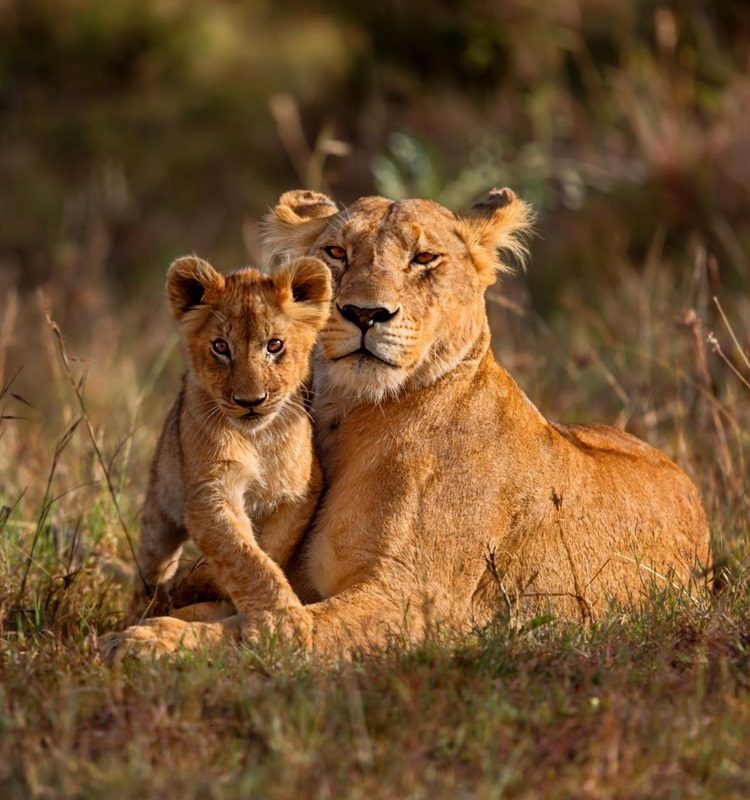
7-Day Southern Tanzania Safari
A seven-day circuit through Nyerere, Mikumi, and the Udzungwa Mountains' rainforest and wildlife.
View Package →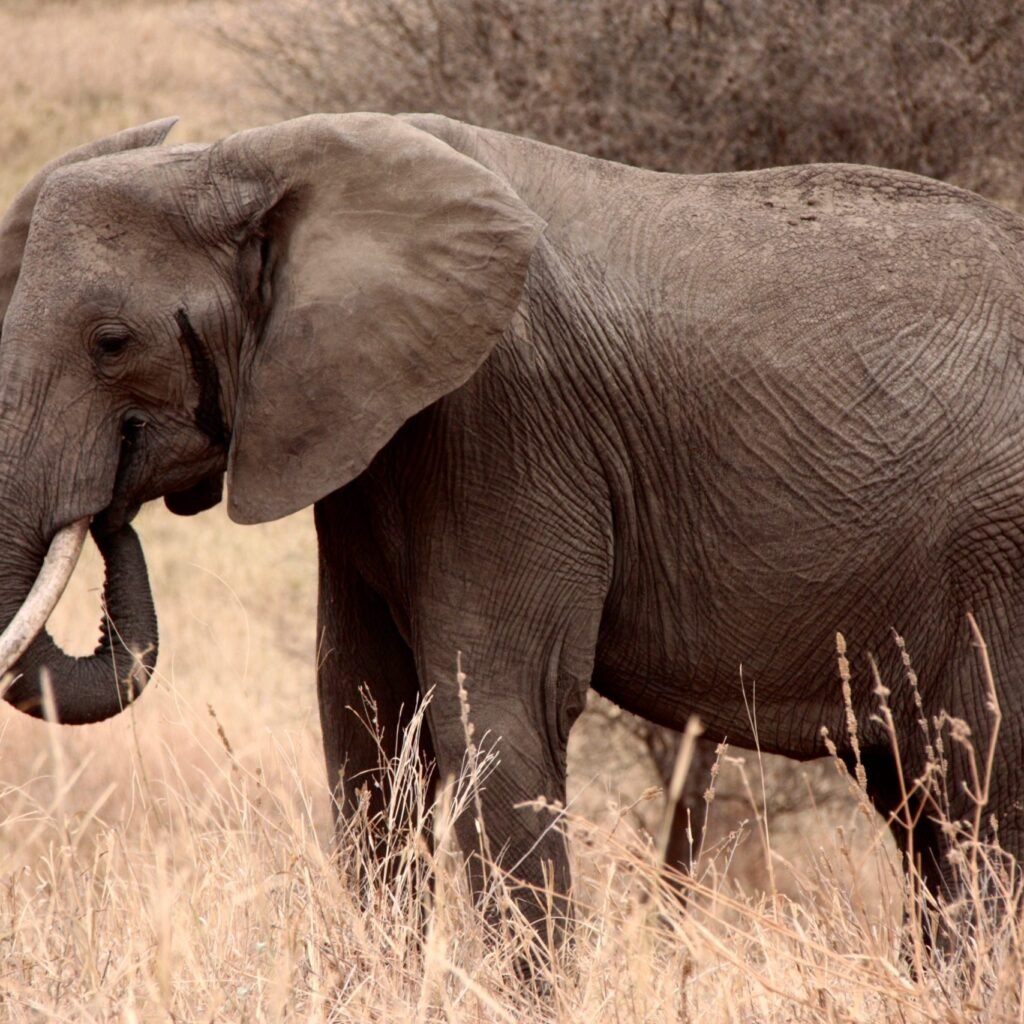
7-Day Tanzania off the Beaten Track Safari
A seven-day safari exploring quieter parks away from the crowds.
View Package →
8-Day Authentic Tanzania Safari Tours
An authentic eight-day safari experience across classic Tanzania destinations.
View Package →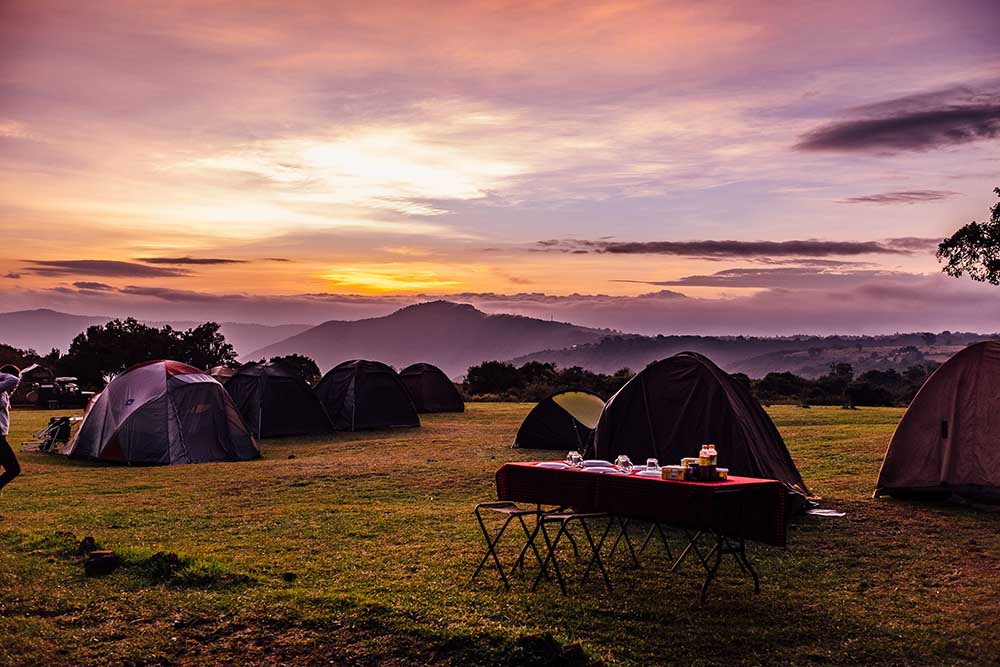
8-Day Remarkable Tanzania Safari
An eight-day journey across Tanzania's most remarkable wildlife areas.
View Package →
7-Day Tanzania Budget Camping Safari
A budget-friendly seven-day camping safari without compromising on wildlife.
View Package →11-Day Tanzania Safari for solo travelers
An eleven-day itinerary designed specifically for solo safari travelers.
View Package →Udzungwa Mountains National Park Planning Guides
Udzungwa Birding: Frequently Asked Questions
How many bird species are in Udzungwa Mountains National Park?
Udzungwa Mountains National Park is home to more than 400 recorded bird species, making it one of Tanzania's richest birdwatching destinations outside the classic savanna circuit. The park lies within the Eastern Arc Mountains Endemic Bird Area, an ancient forested range prized for concentrated avian diversity found nowhere else on the continent. Its species list spans lowland rainforest specialists, montane cloud-forest residents, colorful sunbirds, forest raptors, and true Udzungwa endemics such as the forest partridge, rufous-winged sunbird, and Udzungwa akalat. This range results from the park's dramatic elevation gradient, which stacks several distinct forest habitats within one compact protected area.
What makes the Udzungwa forest partridge significant?
The Udzungwa forest partridge is significant because it was unknown to science until its discovery in 1991, one of the most notable bird discoveries in Africa in the twentieth century. It lives only in the undisturbed rainforest understory of the Udzungwa Mountains and is found nowhere else on Earth. Shy, ground-dwelling, and more often heard than seen, it forages through leaf litter in small family groups within dense, humid forest. Its discovery underscored how isolated and biologically unexplored the Eastern Arc Mountains remained, and it now ranks among the park's most sought-after sightings for dedicated birders visiting Tanzania.
What other bird species are endemic only to Udzungwa?
Beyond the forest partridge, Udzungwa hosts several bird species found nowhere else on Earth, most notably the rufous-winged sunbird and the Udzungwa akalat, both restricted to the park's montane and submontane forests. These birds evolved in isolation within the Eastern Arc Mountains, an ancient range separated from other African forests for millions of years, allowing distinct species to develop independently. Additional near-endemics and range-restricted species also occur here, reinforcing Udzungwa's status as a globally significant Endemic Bird Area. For birders, this concentration of unique species makes the park one of the most rewarding single destinations in East Africa.
What is the Eastern Arc Mountains Endemic Bird Area?
The Eastern Arc Mountains Endemic Bird Area is a globally recognized biodiversity region spanning a chain of ancient, isolated mountain ranges across Tanzania and Kenya, including the Udzungwa Mountains. Formed millions of years ago and long separated from surrounding forests, these ranges allowed unique plant and animal communities, including numerous endemic birds, to evolve independently. BirdLife International classifies such areas based on concentrations of species with small, restricted ranges. The Eastern Arc is considered one of Africa's most important centers of endemism, comparable in ecological significance to larger, better-known biodiversity hotspots, yet still relatively unexplored by international travelers.
Why does Udzungwa's Eastern Arc Endemic Bird Area status matter for birders?
Udzungwa's Eastern Arc Endemic Bird Area status matters because it signals a concentration of bird species that cannot be seen anywhere else on the planet, making the park a genuine must-visit for serious life-listers. This designation reflects millions of years of forest isolation, which produced unique evolutionary lineages absent from Tanzania's better-known savanna parks. For birders, it means guided walks here can yield species unavailable on any other African itinerary, including the Udzungwa forest partridge, rufous-winged sunbird, and Udzungwa akalat. This rarity, combined with pristine rainforest habitat, elevates Udzungwa from a scenic add-on to a priority birding destination.
What is the Udzungwa akalat?
The Udzungwa akalat is a small, ground-dwelling forest robin found only within the Udzungwa Mountains, making it one of the park's signature endemic species. It inhabits the shaded understory of montane and submontane rainforest, where it forages quietly among leaf litter and low vegetation, rarely venturing into open areas. Like many Eastern Arc endemics, it is more frequently detected by its distinctive call than by direct sighting, rewarding patient, guide-led searches along established forest trails. Its restricted range and elusive habits make it a priority target species for birders visiting Udzungwa specifically to complete an East African endemics checklist.
What is the rufous-winged sunbird and where is it found?
The rufous-winged sunbird is a small, iridescent nectar-feeding bird endemic to the Udzungwa Mountains, distinguished by the warm rufous coloring on its wings against a glossy body. It favors flowering understory plants and forest edges within montane and submontane rainforest zones, where it feeds actively during daylight hours, often in mixed foraging flocks with other sunbird species. Because its range is confined entirely to Udzungwa's forests, it cannot be reliably observed anywhere else in Tanzania or the wider region. Birders typically locate it along established forest trails at mid-elevation, where flowering vegetation concentrates feeding activity most consistently.
Which trails are best for birding in Udzungwa?
The best birding trails in Udzungwa are the park's established forest paths that pass through varied elevation and habitat, since different bird communities occupy different forest layers. Lower-elevation trails favor lowland rainforest specialists, while higher montane paths increase the chance of encountering cloud-forest endemics such as the Udzungwa akalat and rufous-winged sunbird. Guided walks led by experienced local guides are essential, since these trails wind through dense, often steep terrain where birds are detected primarily by call. Choosing a trail matched to target species, with a knowledgeable guide, meaningfully increases both safety and sighting success.
What is the best time of year for Udzungwa birding?
The best time of year for Udzungwa birding is during the dry seasons, roughly June through October and again in January and February, when trails are more accessible and birds are easier to observe against drier, less obscured foliage. Breeding activity in the wetter months can increase vocalization and display behavior for some species, so keen birders sometimes plan trips around specific breeding windows with local guide advice. Regardless of season, Udzungwa's forest canopy stays active year-round, and its endemic species are resident rather than migratory, meaning dedicated birders can plan a productive visit across most months of the year.
What time of day is best for birdwatching in the park?
Early morning, shortly after sunrise, is the best time of day for birdwatching in Udzungwa, when forest birds are most vocally and physically active during their peak feeding period. Activity generally slows through the heat of midday before picking up again in the late afternoon as temperatures cool. Because much of the park's forest canopy is dense and shaded, light levels stay relatively even for spotting movement, but sound remains the primary way guides locate elusive species. Starting a guided walk at first light gives visitors the strongest chance of encountering the park's rarest endemic and forest-interior species.
How does Udzungwa birding differ from Tanzania's savanna parks?
Udzungwa birding differs fundamentally from Tanzania's savanna parks because it takes place within dense, multi-layered rainforest rather than open grassland, changing both the bird community and the way visitors watch birds. In savanna parks like the Serengeti, birders typically spot species from a vehicle across wide, open sightlines. In Udzungwa, birding happens on foot along forest trails, relying heavily on calls and patient tracking through thick vegetation. The species themselves differ too, with forest-interior specialists, montane endemics, and rainforest raptors replacing the open-country hornbills, bustards, and raptors typical of Tanzania's savanna and Rift Valley birding circuits.
How does Udzungwa compare to other Tanzania birding destinations?
Udzungwa compares favorably to other Tanzania birding destinations by offering species unavailable anywhere else in the country, thanks to its Eastern Arc Endemic Bird Area status. Destinations such as Lake Manyara or Tarangire excel at waterbirds, raptors, and open-country species viewed from vehicles, while Udzungwa specializes in rare forest endemics reached only on foot. Serious birders often treat Udzungwa as a complementary addition to a broader Tanzania itinerary rather than a substitute, since it fills a distinct ecological niche. For travelers pursuing a complete Tanzania bird list, Udzungwa's forest specialists are effectively unreachable through any other park.
Do I need a guide to go birding in Udzungwa?
Yes, a knowledgeable local guide is essential for birding in Udzungwa, since park regulations require guided access to forest trails and the dense habitat makes independent birdwatching impractical. Most target species, including the park's endemics, are identified primarily by call, a skill that takes years of field experience in this specific forest to develop reliably. Guides also know which trails and elevations to prioritize for particular species and can navigate the steep, often muddy terrain safely. Booking through an experienced Tanzania safari operator ensures access to guides specifically trained in Udzungwa's forest bird identification and trail conditions.
Is Foot Slopes Tours experienced in organizing Udzungwa birding safaris?
Yes, Foot Slopes Tours has experience organizing Tanzania safaris that include specialist destinations like Udzungwa Mountains National Park, arranging guided forest birding walks alongside broader wildlife itineraries. The team coordinates logistics such as park permits, knowledgeable local guides, and accommodation near the park, tailoring each trip to travelers' specific birding interests and target species. Because Udzungwa requires different planning than savanna safaris, from trail selection to timing, working with an operator familiar with the park's forest terrain helps travelers make efficient use of limited time while maximizing the chance of encountering the region's endemic species.
Does Foot Slopes Tours provide expert local birding guides?
Yes, Foot Slopes Tours works with experienced local guides who are trained in the bird calls, trails, and forest conditions specific to destinations like Udzungwa Mountains National Park. These guides are essential for locating the park's elusive endemic species, most of which are detected primarily by sound within dense rainforest cover. Foot Slopes Tours matches travelers with guides suited to their experience level and target species, whether pursuing a full Eastern Arc endemics checklist or a general introduction to forest birding. This local expertise is central to making a Udzungwa birding excursion both safe and productive.
Can Foot Slopes Tours combine Udzungwa birding with a wider Tanzania safari?
Yes, Foot Slopes Tours can combine a Udzungwa birding excursion with a wider Tanzania safari itinerary, pairing forest birdwatching with classic savanna destinations such as the Serengeti, Ngorongoro Crater, or Tarangire. This approach lets travelers experience both open-plain wildlife viewing and rare rainforest endemics within a single trip, maximizing the diversity of species and landscapes covered. The team structures routing and timing around each destination's specific conditions, since forest birding and savanna game drives require different logistics. Travelers interested in a combined itinerary can share their target species and timeframe to receive a tailored trip plan.
Why book a Udzungwa birding safari with Foot Slopes Tours?
Booking a Udzungwa birding safari with Foot Slopes Tours means working with a Tanzania-based operator that understands both the park's forest-specific logistics and how to integrate it into a broader safari itinerary. The team arranges experienced local guides trained in Udzungwa's endemic species and trail conditions, along with permits, accommodation, and transport tailored to birding-focused travel. This local knowledge helps travelers make efficient use of time in a habitat very different from Tanzania's savanna parks, improving the likelihood of encountering rare species like the Udzungwa forest partridge, akalat, and rufous-winged sunbird during a guided visit.
Plan Further: Udzungwa Mountains National Park Guides & Resources
Explore Udzungwa Mountains National Park
- Udzungwa Mountains National Park Overview
- Udzungwa Mountains National Park Wildlife
- Best Time to Visit Udzungwa Mountains National Park
- Udzungwa Mountains National Park Weather & Climate
- How to Get to Udzungwa Mountains National Park
- Udzungwa Mountains National Park Malaria & Safety
- Udzungwa Mountains National Park Safari Tours
Plan Your Udzungwa Mountains National Park
Tell us your dates, style, and preferred parks, and we will build the perfect itinerary around you.
Book Now Online →What Our Travelers Say
Real 5-star reviews from guests who traveled with us
Our Private African luxury Safari experience with Foot Slopes Tours and Safaris was nothing short of exceptional. From the very beginning, owner Gabriel was incredibly responsive, making the entire booking process smooth and stress-free. Gabriel went above and
We had an incredible private safari experience with Foot Slopes Tours and Safaris. Their office staff was very helpful and informative, and they communicated very well. Our pick-ups to and from the airport were on time and hassle-free, an unforgettable Safari
Foot Slopes Tours and Safaris is truly one of the best local tour companies in Tanzania. From start to finish, their service was professional, reliable, and personalized. The team went above and beyond to make sure every detail of our trip was perfect. Our saf
Our family chose Foot Slopes Tours and Safaris for a custom 11-day safari itinerary, and we couldn’t be happier with our choice! Everything from our initial inquiry to building our custom itinerary to pre-departure and on-trip support was top quality. Communic