
Nyerere National Park Wildlife
Nyerere National Park is Tanzania's largest protected wilderness and home to some of Africa's most concentrated river wildlife, anchored by the mighty Rufiji River. Thousands of hippos crowd its channels and lagoons, while large Nile crocodiles bask along every sandbank, among the densest populations found anywhere on the continent. The park also shelters healthy lion prides, one of Africa's largest remaining populations of African wild dogs, substantial elephant and buffalo herds, giraffe, and greater kudu across its miombo woodland and floodplains. What sets Nyerere apart is the boat safari, gliding silently along the wide Rufiji channels to bring visitors within meters of hippos, crocodiles, and riverside elephants, a close-up, river-level wildlife-viewing format unavailable almost anywhere else in Tanzania. Paired with guided walking safaris and traditional vehicle game drives, Nyerere offers one of the country's richest, most varied, and most rewarding wildlife-viewing experiences for travelers seeking Tanzania's wilder, less-crowded southern safari circuit.
Wildlife of Nyerere National Park
Hippos & Nile Crocodiles of the Rufiji River
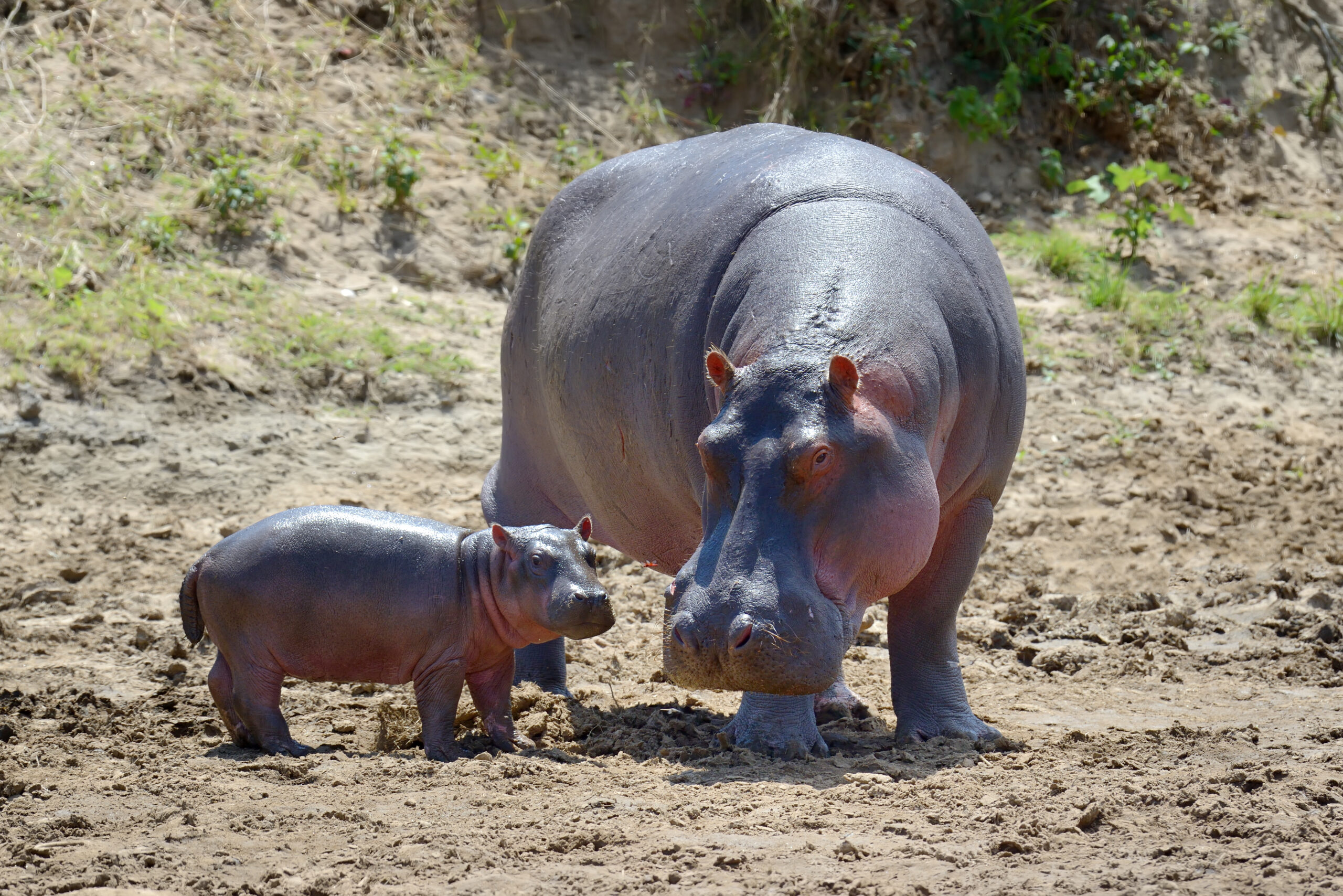
Nyerere holds one of Africa's largest hippo populations, with pods numbering in the thousands crowding the Rufiji River, Lake Tagalala, and its lagoons. Alongside them, large Nile crocodiles bask on every sandbank, among the densest concentrations in East Africa. Boat safaris bring visitors within meters of both, an intimacy no vehicle-based game drive can match. Dry-season low water concentrates sightings further, making June to October the peak window for close encounters with these two river giants.
Lions & Large Prides
Healthy, well-established lion prides roam Nyerere's woodland, floodplain, and grassland edges, often larger than those found in more crowded northern parks thanks to abundant buffalo and waterbuck prey. Low visitor numbers mean sightings feel private and unhurried, with prides regularly found resting under acacia shade or hunting near waterholes at dawn and dusk. Walking and vehicle safaris combine to give exceptional odds of extended, close-range lion viewing throughout the year.
African Wild Dogs
Nyerere protects one of the largest surviving African wild dog populations on the continent, making it a premier destination for this highly endangered painted predator. Packs of ten to thirty hunt cooperatively across miombo woodland and open floodplain at dawn and dusk. Because the park is vast and lightly visited, packs roam with the space they need to den, hunt, and raise pups relatively undisturbed, a rare privilege for safari-goers seeking this elusive species.
Elephant & Buffalo Herds
Large elephant herds move along the Rufiji floodplains, bathing and drinking at the river's edge in full view of passing boats, while Cape buffalo gather in herds numbering in the hundreds across the open grassland. Both species anchor Nyerere's big-game viewing and provide the prey base that sustains resident lion prides. Wet-season rains push herds deeper into miombo woodland, while the dry season draws them back to the river in dependable, photogenic numbers.
Greater Kudu & Plains Game
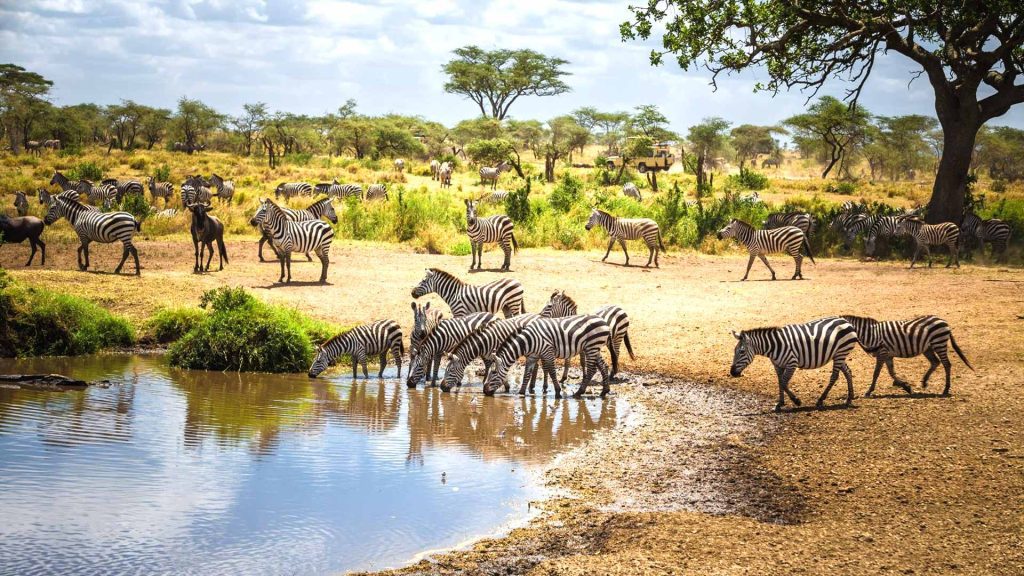
Nyerere's woodland and rocky terrain shelter greater kudu, with their striking spiraled horns, alongside giraffe, waterbuck, impala, and zebra across the open plains. Kudu favor thicker cover away from the riverbanks, rewarding patient game drives and quiet walking safaris with close, unhurried sightings. This diverse plains-game community, spread across river, floodplain, and woodland habitats, gives Nyerere one of southern Tanzania's richest and most varied wildlife pictures beyond its famous predators and river giants.
Wildlife Viewing By Boat, Foot & Vehicle
Nyerere is unique in Tanzania for combining three distinct wildlife-viewing formats within one park. Boat safaris on the Rufiji deliver close-up river encounters; guided walking safaris, a legacy of the old Selous Game Reserve, add an intimate, slow-paced dimension on foot; and traditional 4x4 game drives cover the woodland and floodplain circuits. Most itineraries blend all three, giving visitors a genuinely layered, multi-angle safari experience found nowhere else in the country.
Plan Your Nyerere Safari
Trip Length
Comfort Level
Safari Style
Operator Rating
Specialized Tours
Filter by Operator
Other Tour Features
Popular Nyerere Wildlife Safaris
Hand-picked southern circuit itineraries featuring Nyerere National Park, tailored privately by Foot Slopes Tours and Safaris.
6-Day Tanzania Southern Circuit Safari
A six-day fly-in safari linking Nyerere's Rufiji River boat safaris with Ruaha's vast wilderness.
View Package →
11-Day Best Of Southern Tanzania Safari
An eleven-day journey through Nyerere, Mikumi, Udzungwa, and Ruaha's finest southern-circuit wildlife.
View Package →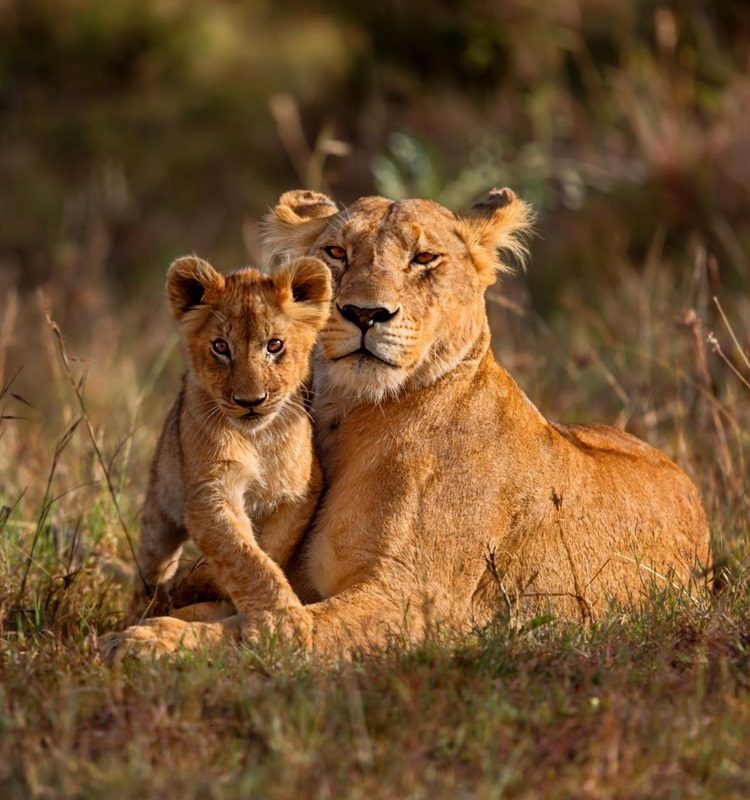
7-Day Southern Tanzania Safari
A seven-day circuit through Nyerere, Mikumi, and the Udzungwa Mountains' rainforest and wildlife.
View Package →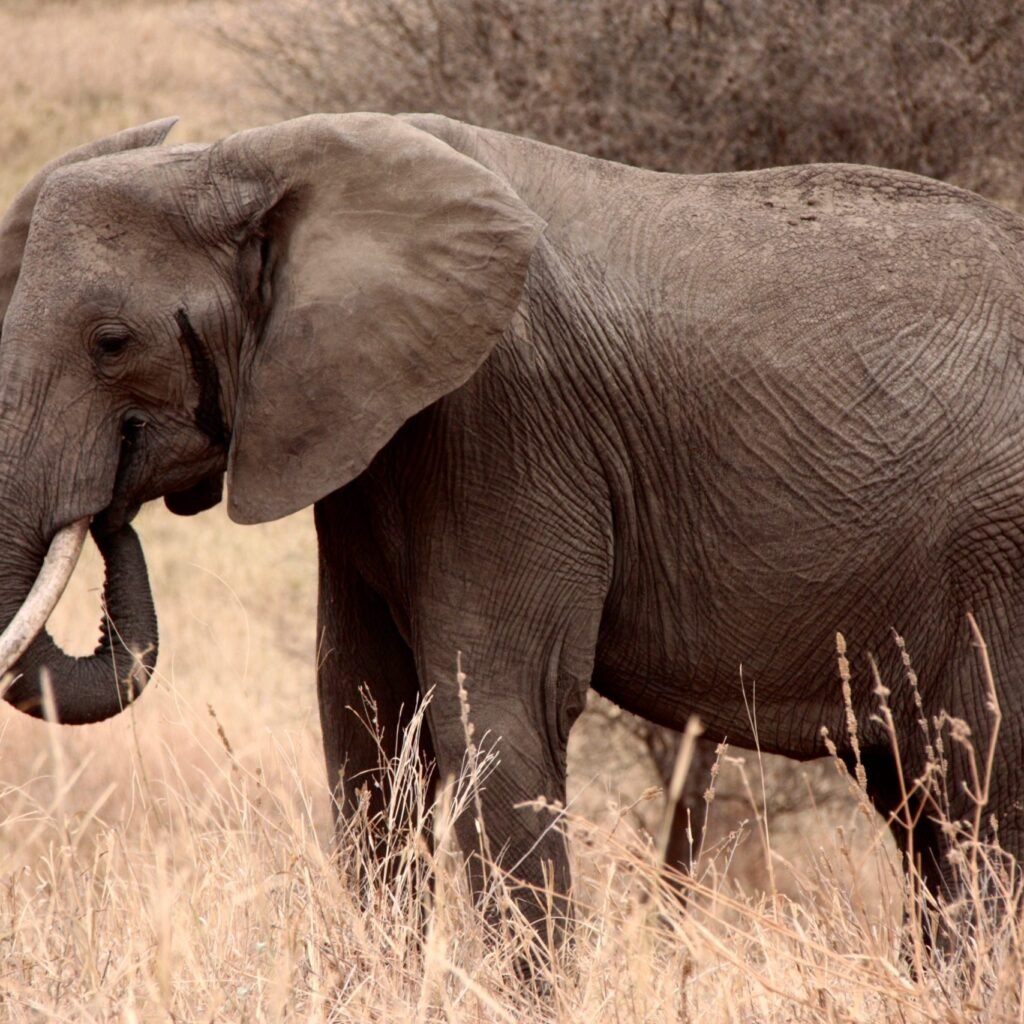
7-Day Tanzania off the Beaten Track Safari
A seven-day safari exploring quieter parks away from the crowds.
View Package →
8-Day Authentic Tanzania Safari Tours
An authentic eight-day safari experience across classic Tanzania destinations.
View Package →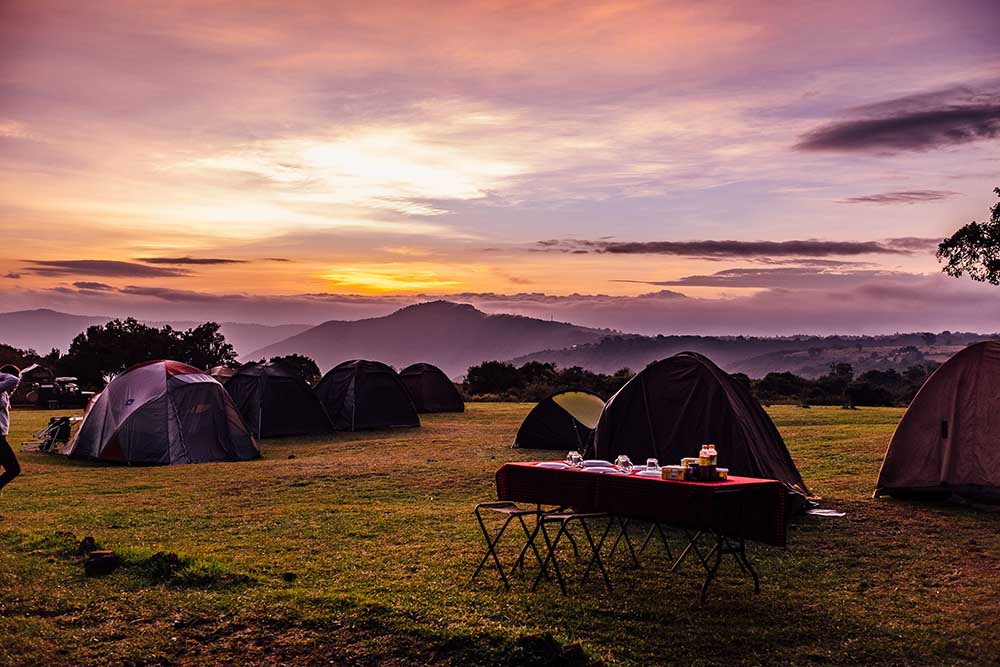
8-Day Remarkable Tanzania Safari
An eight-day journey across Tanzania's most remarkable wildlife areas.
View Package →
7-Day Tanzania Budget Camping Safari
A budget-friendly seven-day camping safari without compromising on wildlife.
View Package →11-Day Tanzania Safari for solo travelers
An eleven-day itinerary designed specifically for solo safari travelers.
View Package →Nyerere National Park Wildlife Planning Guides
Nyerere National Park Wildlife FAQs
How many hippos live in Nyerere National Park?
Nyerere National Park protects one of Africa's largest concentrations of hippopotamus, with several thousand individuals crowding the Rufiji River, Lake Tagalala, and the park's countless oxbow lagoons and channels. Pods of twenty to over a hundred hippos gather in single pools, especially in the dry season from June to October, when falling water levels concentrate them into the remaining permanent channels and lagoons. Their deep grunting choruses are a constant soundtrack on river safaris. Because the Rufiji carries so much water year-round, Nyerere's hippo population is markedly denser and far easier to observe at close range than elsewhere in Tanzania.
Are there Nile crocodiles in Nyerere National Park?
Yes, Nyerere National Park holds abundant Nile crocodiles, with large individuals regularly exceeding four meters found basking on sandbanks along the Rufiji River and its lakes. Crocodile density here rivals anywhere in East Africa, and boat safaris routinely pass a dozen or more baskers within a single hour-long cruise. They are most visible during the dry season when falling water levels expose sandbanks and concentrate fish, and therefore crocodiles, into predictable stretches of river. Guides know specific basking sites used year after year. Seeing crocodiles this close, from water level in a boat, is a signature Nyerere wildlife experience.
What makes the Rufiji River so important for wildlife in Nyerere?
The Rufiji River is the ecological heart of Nyerere National Park, its largest waterway draining a vast catchment and feeding an intricate network of lakes, channels, and floodplains that sustain wildlife through even the driest months. Hippos, crocodiles, elephants, buffalo, and countless waterbirds depend on its permanent water and lush riverine forest. The river also created Nyerere's defining safari activity, the boat safari, which lets visitors drift silently past animals that would scatter from vehicle noise on land. Riverine acacia and doum palm forests lining its banks additionally shelter leopards, giraffe, and large troops of vervet monkeys and baboons daily.
How many lions live in Nyerere National Park?
Nyerere National Park supports a healthy and stable lion population spread across its miombo woodland, floodplains, and grassland edges bordering the Rufiji River. Prides here are typically larger than in more crowded northern parks, benefiting from abundant buffalo, waterbuck, and impala prey and comparatively low tourist density. Because Nyerere sees far fewer vehicles than the Serengeti or Ngorongoro, lion sightings often feel wonderfully private and personal, with prides encountered resting under acacia shade or hunting near waterholes at dawn and dusk. Guides tracking territorial prides across walking and vehicle safaris give visitors excellent odds of extended, unhurried lion viewing.
Does Nyerere National Park have African wild dogs?
Nyerere National Park protects one of the largest surviving populations of African wild dogs on the continent, making it one of the best places in Africa to see this highly endangered painted predator. Packs of ten to thirty animals roam the park's miombo woodlands and open floodplains, hunting cooperatively at dawn and dusk with remarkable success rates. Because wild dogs range widely and den seasonally, sightings require knowledgeable guides who track pack movements closely, but Nyerere's low visitor numbers and vast wilderness give these packs space to thrive relatively undisturbed compared with heavily visited reserves found elsewhere in East Africa.
What other predators can be seen in Nyerere besides lions and wild dogs?
Beyond its famous lions and wild dogs, Nyerere National Park hosts leopards in riverine forest and rocky outcrops, spotted hyena clans that scavenge and hunt across the floodplains, and smaller predators including side-striped jackal, African civet, and genet seen on night drives. Crocodiles function as the river's apex predator, ambushing animals at water's edge. This predator diversity, layered across river, woodland, and grassland habitats, gives Nyerere one of Tanzania's most complete large-carnivore guilds. Because the park receives relatively light tourist traffic, predator sightings often unfold with none of the vehicle crowding common at kills in more famous northern parks.
What large herbivores live in Nyerere National Park?
Nyerere National Park supports substantial herds of elephant and Cape buffalo, both concentrated along the Rufiji floodplains and moving into miombo woodland during the wet season. Elephant herds numbering in the dozens are commonly seen bathing and drinking at the river, while buffalo gather in herds of several hundred on open grassland. Giraffe browse the acacia-studded plains, and greater kudu, with their spiraled horns, favor thicker woodland and rocky hillsides, making them a rewarding spot for attentive visitors. Waterbuck, impala, and zebra round out the plains game, providing the prey base that sustains the park's lions and wild dogs.
Where is the best place to see greater kudu in Nyerere?
Greater kudu are best spotted in Nyerere National Park's denser miombo woodland and along rocky, broken terrain away from the immediate riverbanks, where these shy antelope with their long spiral horns favor cover over open floodplain. Early morning and late afternoon game drives through woodland tracks give the highest odds, particularly in the dry season when kudu move toward the remaining permanent water sources. Because kudu are naturally wary and blend easily into dappled woodland light, an experienced guide scanning tree lines significantly improves sighting chances. Walking safaris, moving quietly on foot, often bring visitors remarkably close to browsing kudu.
What are the three ways to view wildlife in Nyerere National Park?
Nyerere National Park offers three distinct wildlife-viewing methods rarely combined so seamlessly elsewhere in Tanzania. Boat safaris on the Rufiji River deliver close-up encounters with hippos, crocodiles, and riverside elephants from water level. Traditional 4x4 game drives cover the park's woodland and floodplain circuits for lions, wild dogs, and plains game. Guided walking safaris, led by armed rangers, add an intimate, slow-paced dimension, reading tracks and approaching kudu, giraffe, and birdlife on foot. Together these three formats give visitors a genuinely layered safari, and most Nyerere itineraries combine all three within a single multi-day stay for maximum wildlife exposure.
What is a boat safari like on the Rufiji River?
A Rufiji River boat safari glides quietly along wide, tree-lined channels past pods of hippo, basking crocodiles, and elephants drinking at the water's edge, offering a viewing angle and proximity that is simply impossible to match from a vehicle. Boats typically depart in the early morning or late afternoon when animal activity and light are best, cruising one to three hours through the maze of channels connecting Nyerere's lake system. Fish eagles, herons, and kingfishers line the banks throughout. Because engine noise stays low, wildlife often continues its natural behavior undisturbed just meters away, making this Nyerere's single most distinctive safari activity.
When is the best time to see wildlife in Nyerere National Park?
The dry season from June through October is widely considered the best time for wildlife viewing in Nyerere National Park, as falling water levels concentrate hippos, crocodiles, elephants, and plains game around the shrinking Rufiji River and remaining lagoons, making sightings dense and predictable. Boat safaris are especially rewarding then, with clear water and exposed sandbanks packed with crocodiles. The wet season from December to May brings lush scenery, newborn animals, and excellent birdlife, though thicker vegetation and dispersed water can make general game viewing more challenging. Wild dogs are often easiest to find denning between June and August.
Is Nyerere National Park good for a walking safari?
Nyerere National Park is one of Tanzania's premier walking-safari destinations, a legacy of its origins as part of the vast former Selous Game Reserve, where foot safaris were pioneered decades ago. Armed rangers lead your private party through miombo woodland and along riverbanks, tracking kudu, giraffe, buffalo, and predator spoor at a slow, deliberate pace impossible from a vehicle. Walks typically last two to three hours in the cooler early morning, focusing on smaller details, tracks, dung, birdlife, and bush skills, that vehicles overlook. Combined with boat and game-drive safaris, walking adds a genuinely immersive, adrenaline-tinged dimension to a Nyerere itinerary.
How does Nyerere's wildlife compare to the Serengeti?
Nyerere National Park and the Serengeti offer complementary rather than competing wildlife experiences. The Serengeti is famous for the wildebeest migration and vast open plains game, while Nyerere excels in river-based wildlife, exceptional hippo and crocodile density, one of Africa's largest wild dog populations, and three distinct viewing formats including boat safaris unavailable in the Serengeti. Nyerere also receives far fewer visitors overall, so sightings feel private, personal, and unhurried. Many travelers pair a Serengeti safari with several days in Nyerere precisely for this contrast, combining iconic migration scenery with intimate, low-density river and woodland wildlife encounters across southern Tanzania.
Why choose Foot Slopes Tours and Safaris for a Nyerere safari?
Foot Slopes Tours and Safaris designs Nyerere itineraries around genuine local knowledge, pairing experienced guides who know the Rufiji's channels, lion territories, and wild dog denning areas with carefully selected camps positioned for the best boat, walking, and game-drive access. Every itinerary is tailor-made rather than templated, adjusted for season, group size, and specific wildlife interests such as maximizing wild dog or hippo sightings. Transparent pricing, responsive planning support, and attentive on-ground logistics mean travelers can focus entirely on the experience. Years of Tanzania safari operation give the team the expertise to build a genuinely rewarding, well-paced Nyerere trip.
Does Foot Slopes Tours and Safaris offer private, tailor-made Nyerere itineraries?
Yes, every Nyerere National Park itinerary from Foot Slopes Tours and Safaris is built privately around each traveler's timeframe, budget, and wildlife priorities rather than sold as a fixed departure. Trips can combine boat safaris, walking safaris, and game drives in whatever balance suits the group, and can easily extend into the Serengeti, Ngorongoro, or Zanzibar for a broader Tanzania itinerary. Experienced consultants adjust camp selection, pacing, and activity mix based on season, ensuring maximum wildlife exposure whether the priority is wild dog tracking, hippo and crocodile photography from the river, or classic big-game drives across the open floodplains.
Is Foot Slopes Tours and Safaris experienced with southern Tanzania parks like Nyerere?
Foot Slopes Tours and Safaris has deep operational experience across southern Tanzania's parks, including Nyerere National Park, and understands the logistics that make this region different from the northern safari circuit, longer transfer times, seasonal river access, and the value of combining boat, walking, and vehicle activities within one stay. Guides are selected specifically for their close familiarity with Rufiji River wildlife patterns and wild dog pack movements. This regional expertise lets the team build efficient, well-paced itineraries that make the most of limited days, avoiding the common mistake of under-allocating time to a park as rewarding as Nyerere.
What support does Foot Slopes Tours and Safaris provide when booking a Nyerere trip?
Foot Slopes Tours and Safaris provides end-to-end support when booking a Nyerere National Park safari, from initial itinerary planning and camp selection through flight coordination, park permits, and pre-departure guidance on packing, health, and safety. A dedicated consultant remains reachable throughout the planning process to adjust the itinerary as questions arise, and stays available during the trip itself for on-ground assistance. This personalized, responsive approach removes the guesswork from visiting a remote park like Nyerere, ensuring transfers, boat safari timing, and camp transitions all run smoothly so travelers can focus entirely on the wildlife experience itself and nothing else.
Plan Further: Nyerere National Park Guides & Resources
Explore Nyerere National Park
Plan Your Nyerere National Park Wildlife
Tell us your dates, style, and preferred parks, and we will build the perfect itinerary around you.
Book Now Online →What Our Travelers Say
Real 5-star reviews from guests who traveled with us
Our Private African luxury Safari experience with Foot Slopes Tours and Safaris was nothing short of exceptional. From the very beginning, owner Gabriel was incredibly responsive, making the entire booking process smooth and stress-free. Gabriel went above and
We had an incredible private safari experience with Foot Slopes Tours and Safaris. Their office staff was very helpful and informative, and they communicated very well. Our pick-ups to and from the airport were on time and hassle-free, an unforgettable Safari
Foot Slopes Tours and Safaris is truly one of the best local tour companies in Tanzania. From start to finish, their service was professional, reliable, and personalized. The team went above and beyond to make sure every detail of our trip was perfect. Our saf
Our family chose Foot Slopes Tours and Safaris for a custom 11-day safari itinerary, and we couldn’t be happier with our choice! Everything from our initial inquiry to building our custom itinerary to pre-departure and on-trip support was top quality. Communic